Attractions and Places To See around Solosancho - Top 14
Best attractions and places to see around Solosancho include a mix of historical sites and natural landscapes. Located in the Amblés Valley of Ávila, this region is characterized by its impressive granite reliefs and the Adaja River. Visitors can explore ancient fortifications, historical monuments, and diverse natural areas ideal for outdoor activities. The municipality is part of protected natural areas, offering rich biodiversity.
Best attractions and places to see around Solosancho
- The most popular attractions is Pico Zapatero, a…
Last updated: May 4, 2026
Pico Zapatero
Highlight • Summit
Translated by Google •
Tip by

Manqueospese Castle
Highlight • Castle
Translated by Google •
Tip by

Sign up now to discover places like this
Get recommendations on the best single tracks, peaks, & plenty of other exciting outdoor places.
Sign up for free
Portacho del Cuchillo
Highlight • Mountain Pass
Translated by Google •
Tip by
Las Fuentes Pass
Highlight • Mountain Pass
Translated by Google •
Tip by

Rollo de Muñotello
Highlight • Monument
Translated by Google •
Tip by

Sign up for free to discover even more attractions around Solosancho.
Sign up for free
Already have an account?
Start today with a free account
Your next adventure awaits.
Login or Signup


Tips from the Community

Manqueospese Castle, also known as "Althoughospese," is located in the municipality of Mironcillo, Ávila, at an altitude of 1,360 meters, overlooking the Amblés Valley. This castle is an example of a European mountain fortress, with strong walls adapted to the rocky terrain. Construction of the castle began in the 15th century by the Dávila family and was completed by Esteban Dávila in the 16th century. The castle is surrounded by legends, including stories of unrequited love and rivalries between knights. Its name, "Manqueospese," is said to come from the expression "although it weighs on you," which is related to these legends. From its privileged position, the castle offers stunning views of the Amblés Valley and the walls of Ávila. Although it is currently in ruins, restoration and cleaning work are underway.
5
0

According to legend, the castle would be built by Don Raimundo, to communicate with his beloved Doña Guiomar, locked in the balcony that crowns the door of the Rastro (in Ávila, access through the Dávila house), given the prohibition of her father. for the couple to continue their love affairs. Given the paternal attitude, Don Raimundo exclaimed: "I'll see her manqueospese" or "I'll see her even though she weighs", and it was then that he built his castle, from which he apparently communicated with his beloved Guiomar.
1
0

Impressive castle that is located close to the town of Sotalbo and that has a scene worthy of a movie. The walls and towers create a beautiful image on a hill!
1
0
Mountain pass located in the center of the province of Ávila and which is 1,499 meters above sea level and connects the Amblés valley with San Juan del Olmo and the Muñico valley.
0
0

The Muñotello roll symbolizes the jurisdictional independence obtained by the town with respect to the Villatoro council in 1733, during the reign of Felipe V. The construction is made of carved granite, it is five meters high and represents the sovereignty of the town of Muñotello to administer Justice. The prisoners were tied to the stone pillory during the trial and depending on the sentence they were stoned to death or released.
0
0

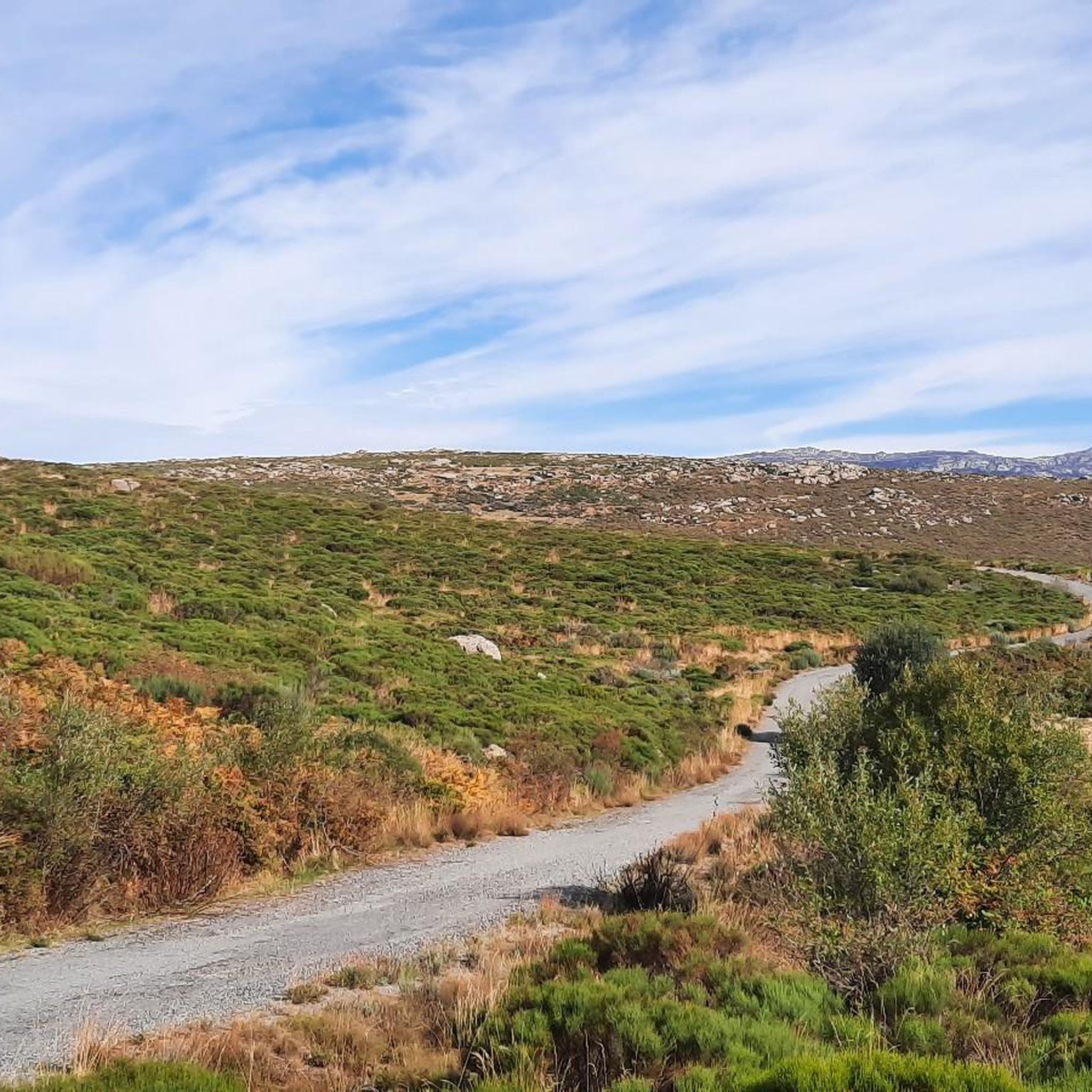
The path runs along the slopes of the mountain range and descends to the spectacular pass of Portacho del Cuchillo, below the impressive mass of spurs, towers and channels of Peña Cabrera. At the pass you have to pass the gate of a livestock lane and go to the south slope. The path begins the descent directly through the head of the Cuchillo Ravine, passing at the foot of the striking Risco del Cuchillo boat, one of the most unique geological formations in the Zapatero massif.
1
0
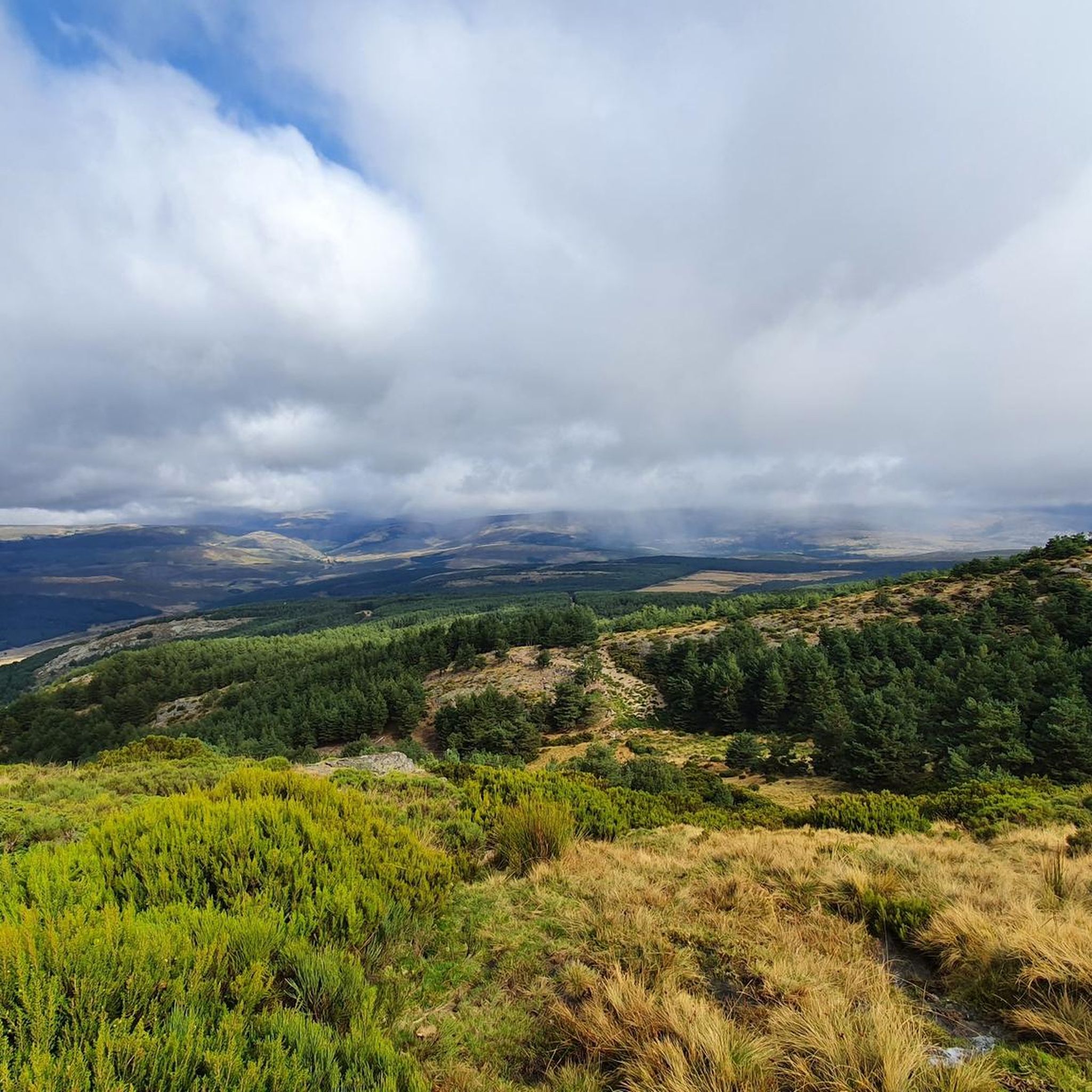
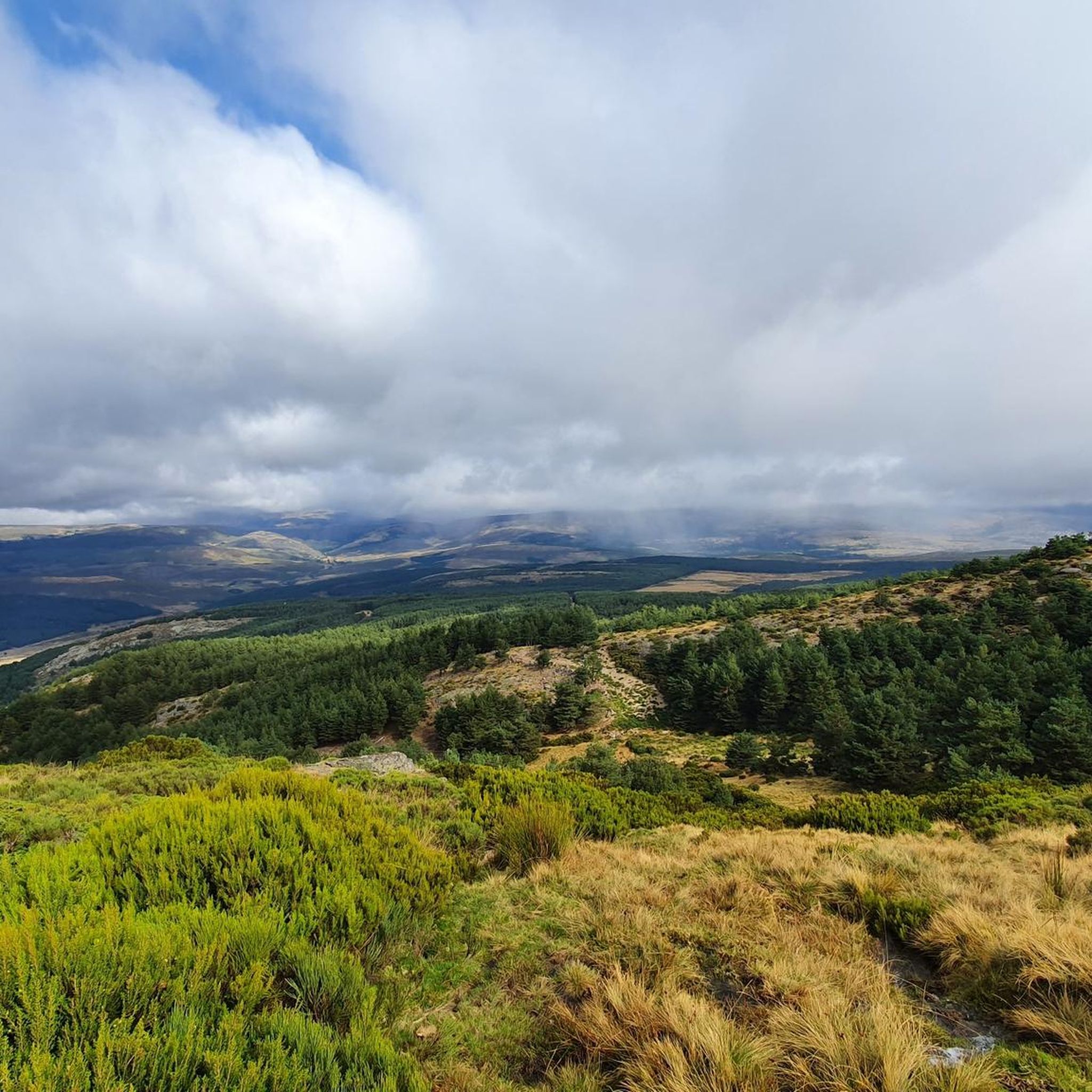
The unique granite landscape is the result of the mineral composition, climatic changes and the weathering of the rock surfaces, giving rise to suggestive modeling forms. The most striking process is the slabs, the boats, the corridors and alleys and the granular disintegration, creating an authentic labyrinth of stone sculptures. To the west, at the headwaters of the Adaja River, the white reliefs of La Serrota emerge. The path follows the ridge and collides with the top pyramid of Zapatero in a clear hill where the ascent to the top begins on the southwest face. The ascent is marked with stone milestones. The ice and the amount of snow will determine the technical level of the ascent. First there is a rocky step to a wide and comfortable shoulder, where the final attack begins through a channel that leads to the access passage to the geodesic vertex through a kind of tunnel. The views from the top of the remaining section of the rope are breathtaking between large granite domes and giant speedboats, but it is actually easier than the previous section and almost all descent. The descent of the peak is along the east face, to a pass where the Path of Zapatero climbs from the left from Sotalvo.
2
0
Frequently Asked Questions
What historical sites can I visit in Solosancho?
Solosancho offers several historical sites. A prominent one is the Rollo de Muñotello, a 15th-century granite column symbolizing the town's jurisdictional independence. You can also explore the well-preserved 15th-century Castillo de Villaviciosa, a defensive fortress with a monumental keep, and the ancient Iron Age Vetton fortification of Castro de Ulaca, known for its cyclopean walls and sacrificial altar. For more details on Castro de Ulaca, you can visit placestovisitspain.com.
What natural landscapes characterize the Solosancho area?
The Solosancho area is defined by its diverse natural landscapes, including the Amblés Valley, the Adaja River, and the impressive Sierra de la Paramera. You'll find spectacular granite reliefs, especially near Pico Zapatero and in areas like Villaviciosa and Robledillo. The region is also part of protected natural spaces, including the Protected Landscape of the Sierras de la Paramera and La Serrota, and Natura 2000 Sites of Community Importance along the Adaja riverbanks.
Where can I find impressive viewpoints around Solosancho?
For breathtaking views, consider visiting Pico Zapatero, a summit offering panoramic vistas between large granite domes. Another excellent spot is Las Fuentes Pass, located at 1,499 meters above sea level, which connects the Amblés valley with San Juan del Olmo and the Muñico valley, providing expansive views of the surrounding mountains.
Are there hiking opportunities near Solosancho's attractions?
Yes, the diverse natural environment of Solosancho is ideal for hiking. You can find various routes, including those leading to the 'Cuevas de los Moros'. For specific trails, explore the Hiking around Solosancho guide, which features routes like the Pico Zapatero Circular Trail and a loop around Castro Vetón de Ulaca.
What kind of outdoor activities are available in Solosancho?
Beyond hiking, Solosancho offers opportunities for mountain biking and road cycling. The region's varied terrain, from the Amblés Valley to the Sierra de la Paramera, provides diverse routes for all skill levels. You can find detailed routes in the MTB Trails around Solosancho and Road Cycling Routes around Solosancho guides.
Are there any family-friendly attractions in Solosancho?
The Rollo de Muñotello is considered a family-friendly historical site, offering a glimpse into the region's past. Additionally, the natural pools near La Hija de Dios provide a recreational area perfect for families during warmer months.
What is the best time of year to visit Solosancho for outdoor activities?
Solosancho offers beautiful visual spectacles throughout the year. Spring brings a wide range of flowering plants, while autumn is known for its vibrant changing leaves. These seasons are generally ideal for hiking and cycling due to pleasant temperatures. Winter also provides a contrasting landscape with snowfall, which can add a unique challenge to some ascents like Pico Zapatero.
Can I see any unique geological formations in the region?
Yes, the area is rich in unique geological formations, particularly around Pico Zapatero. Here, the granite landscape has been sculpted by weathering into suggestive forms like slabs, boats, corridors, alleys, and large granite domes. The Portacho del Cuchillo also features the striking Risco del Cuchillo boat, one of the most unique geological formations in the Zapatero massif.
What religious sites are notable in Solosancho and its villages?
The main church in Solosancho is the Iglesia Parroquial de Solosancho. In the village of Villaviciosa, you can find the Iglesia de la Natividad, noted for its modernist construction, and El Cimbanillo, a unique bell tower from an old hermitage situated on a rock. The Ermita de San Juan is another hermitage highlighted as a point of interest in the region.
Where can I find information about the local wildlife and plant life?
The protected natural areas around Solosancho, including the Natura 2000 Sites along the Adaja riverbanks, boast a rich biodiversity. You can observe a wide range of plant species, such as centenary holm oaks and isolated Pyrenean oaks. The area is also home to diverse fauna, including birds of prey like kites, kestrels, and buzzards, as well as mammals such as wild boars, rabbits, and foxes.
Is there a place for wild swimming or natural pools near Solosancho?
Yes, there is a recreational area with natural pools and a beach bar near the town of La Hija de Dios, located next to the Hija stream. This spot provides a refreshing option for cooling off during warmer weather.
What is the significance of the Rollo de Muñotello?
The Rollo de Muñotello is a significant historical monument. This five-meter-high carved granite column symbolizes the jurisdictional independence obtained by the town of Muñotello from the Villatoro council in 1733. It represents the town's sovereignty to administer justice, and historically, prisoners were tied to it during trials.
What are some challenging mountain passes for experienced hikers?
Experienced hikers looking for a challenge can explore Portacho del Cuchillo. This mountain pass involves a descent directly through the head of the Cuchillo Ravine, passing at the foot of the impressive Risco del Cuchillo boat. The path runs along the slopes of the mountain range, offering a demanding yet rewarding experience.
Most popular attractions around Solosancho

Get inspired with the komoot mobile app


Explore more
Still not found the Highlight you’re looking for? See guides of the top attractions in other regions:
