The best walks and hikes around Solosancho
4.7
(5)
92
hikers
11
hikes
Hiking around Solosancho offers diverse terrain characterized by hills, peaks, and historical sites. The region features prominent elevations like Pico Zapatero and Cancha Morena, providing varied landscapes for exploration. Trails often traverse areas with significant elevation changes, leading to expansive views. Solosancho's surroundings include both natural features and historical landmarks, such as the Castro Vetón de Ulaca, integrating cultural interest into outdoor activities.
Best hiking trails around Solosancho
- The most popular hiking route is Pico Zapatero Circular Trail, a…
Last updated: May 8, 2026
4.0
(2)
21
hikers
14.9km
04:53
750m
750m
Moderate hike. Good fitness required. Mostly accessible paths. Sure-footedness required.
Hard hike. Very good fitness required. Mostly accessible paths. Sure-footedness required.

Sign up for free
5.0
(2)
34
hikers
8.55km
03:15
580m
580m
Moderate hike. Good fitness required. Easily-accessible paths. Suitable for all skill levels.
16
hikers
17.6km
06:03
940m
940m
Hard hike. Very good fitness required. Easily-accessible paths. Suitable for all skill levels.
10
hikers
3.18km
01:11
210m
210m
Easy hike. Great for any fitness level. Easily-accessible paths. Suitable for all skill levels.
Get access to more routes and recommendations from other explorers.
Sign up for free
Already have an account?
Our route recommendations are based on thousands of hikes, rides, and runs completed by other people on komoot.
Start today with a free account
Your next adventure awaits.
Login or Signup


Tips from the Community

Manqueospese Castle, also known as "Althoughospese," is located in the municipality of Mironcillo, Ávila, at an altitude of 1,360 meters, overlooking the Amblés Valley. This castle is an example of a European mountain fortress, with strong walls adapted to the rocky terrain. Construction of the castle began in the 15th century by the Dávila family and was completed by Esteban Dávila in the 16th century. The castle is surrounded by legends, including stories of unrequited love and rivalries between knights. Its name, "Manqueospese," is said to come from the expression "although it weighs on you," which is related to these legends. From its privileged position, the castle offers stunning views of the Amblés Valley and the walls of Ávila. Although it is currently in ruins, restoration and cleaning work are underway.
5
0

According to legend, the castle would be built by Don Raimundo, to communicate with his beloved Doña Guiomar, locked in the balcony that crowns the door of the Rastro (in Ávila, access through the Dávila house), given the prohibition of her father. for the couple to continue their love affairs. Given the paternal attitude, Don Raimundo exclaimed: "I'll see her manqueospese" or "I'll see her even though she weighs", and it was then that he built his castle, from which he apparently communicated with his beloved Guiomar.
1
0

Impressive castle that is located close to the town of Sotalbo and that has a scene worthy of a movie. The walls and towers create a beautiful image on a hill!
1
0
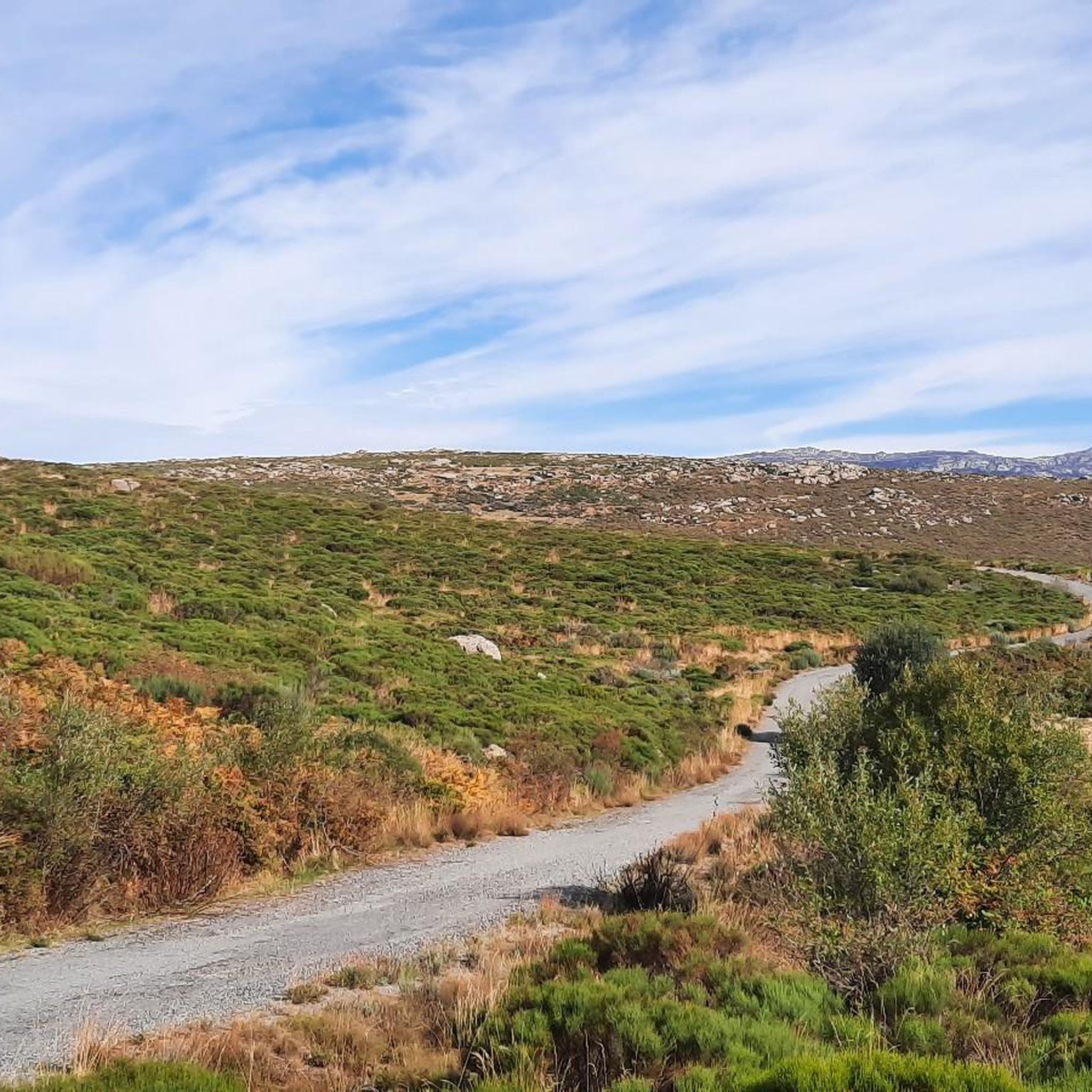
The Río de la Garaganta descends through this valley that has formed over the years and that lets us see how the Sierra de Panamera peaks rise behind us.
1
0
Old castle that is located on the hill that bears the same name as the mountain and that represents an old castle where the remains of it can still be found today.
1
0

The path runs along the slopes of the mountain range and descends to the spectacular pass of Portacho del Cuchillo, below the impressive mass of spurs, towers and channels of Peña Cabrera. At the pass you have to pass the gate of a livestock lane and go to the south slope. The path begins the descent directly through the head of the Cuchillo Ravine, passing at the foot of the striking Risco del Cuchillo boat, one of the most unique geological formations in the Zapatero massif.
1
0
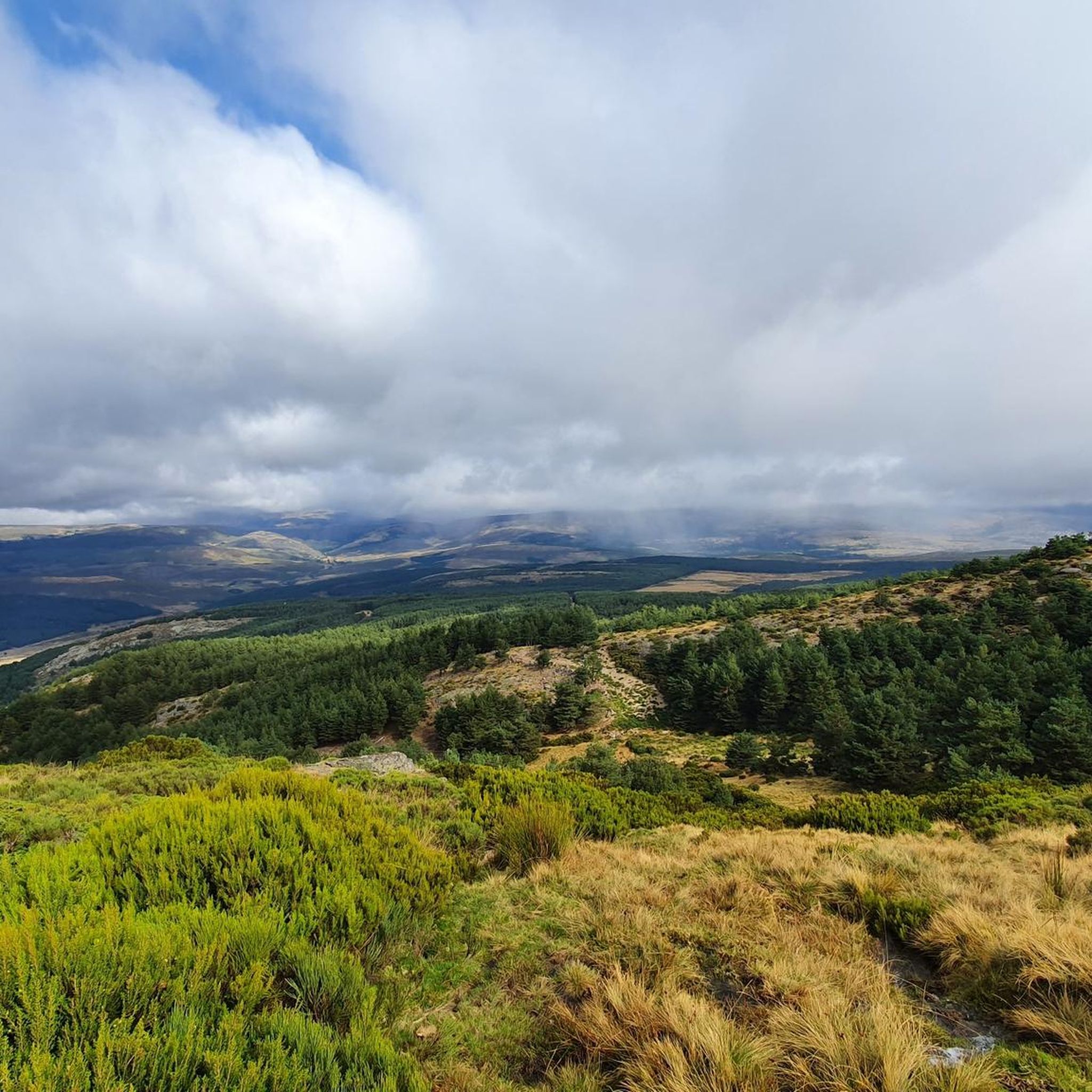
The unique granite landscape is the result of the mineral composition, climatic changes and the weathering of the rock surfaces, giving rise to suggestive modeling forms. The most striking process is the slabs, the boats, the corridors and alleys and the granular disintegration, creating an authentic labyrinth of stone sculptures. To the west, at the headwaters of the Adaja River, the white reliefs of La Serrota emerge. The path follows the ridge and collides with the top pyramid of Zapatero in a clear hill where the ascent to the top begins on the southwest face. The ascent is marked with stone milestones. The ice and the amount of snow will determine the technical level of the ascent. First there is a rocky step to a wide and comfortable shoulder, where the final attack begins through a channel that leads to the access passage to the geodesic vertex through a kind of tunnel. The views from the top of the remaining section of the rope are breathtaking between large granite domes and giant speedboats, but it is actually easier than the previous section and almost all descent. The descent of the peak is along the east face, to a pass where the Path of Zapatero climbs from the left from Sotalvo.
2
0

patient the climb
1
0
Frequently Asked Questions
How many hiking trails are there in Solosancho?
Solosancho offers a selection of 11 hiking trails. These routes cater to various skill levels, including 3 easy, 6 moderate, and 2 difficult options.
Are there easy hiking trails suitable for beginners in Solosancho?
Yes, Solosancho has 3 easy hiking trails perfect for beginners or those looking for a relaxed walk. One notable easy route is the Castro Vetón de Ulaca – Castro de Ulaca loop from Castro de Ulaca, which is 3.2 km long and takes about 1 hour 10 minutes.
What kind of views can I expect on hikes in Solosancho?
Hikes in Solosancho often lead to expansive and panoramic views, particularly from prominent elevations like Pico Zapatero and Cancha Morena. The varied terrain, characterized by hills and peaks, provides numerous opportunities for scenic vistas.
Are there any circular walks around Solosancho?
Yes, many of the trails around Solosancho are circular. For instance, the popular Pico Zapatero Circular Trail offers a comprehensive loop with significant elevation gain and panoramic views. Another option is the Pico Zapatero loop from Fuente de Aguas.
Are there historical sites or landmarks to explore while hiking?
Absolutely. Solosancho's surroundings integrate cultural interest into outdoor activities. You can explore historical landmarks such as the Castro Vetón de Ulaca, an ancient Iron Age settlement. Some routes also pass by the historic Castillo de Manqueospese.
What do other hikers say about the trails in Solosancho?
The trails in Solosancho are highly rated by the komoot community, with an average score of 4.7 stars from 5 reviews. Hikers often praise the diverse landscapes, the challenge of the elevation changes, and the rewarding panoramic views from peaks like Pico Zapatero.
Can I bring my dog on the trails in Solosancho?
While specific regulations can vary by trail or protected area, generally, dogs are welcome on most hiking trails in the Solosancho region, provided they are kept under control, especially around livestock or wildlife. Always ensure to clean up after your pet.
What are some challenging hikes for experienced hikers in Solosancho?
For experienced hikers seeking a challenge, the region offers difficult routes like the Castillo de Manqueospese by the Sierra de los Baldíos — circular from Villaviciosa, a 27.8 km path with significant elevation. Another demanding option is the Cancha Morena (2,122 m) – Pico Zapatero loop from Sotalbo.
Are there any specific natural monuments or peaks worth visiting?
Yes, the region is home to several notable natural features. Pico Zapatero is a prominent summit offering great views, and Cerro de Gorría is another significant peak. You can also find mountain passes like Portacho del Cuchillo and Las Fuentes Pass.
What is the best time of year to go hiking in Solosancho?
The best time for hiking in Solosancho is typically during spring and autumn when the weather is milder and the landscapes are vibrant. Summer can be hot, especially at lower elevations, while winter hikes are possible but may require appropriate gear for higher, potentially snowy areas.
Are there any places to eat or drink near the hiking trails?
While specific cafes directly on the trails are limited, the villages surrounding Solosancho, such as Villaviciosa or the town of Solosancho itself, offer local establishments where you can find refreshments and meals after your hike. It's always a good idea to pack sufficient water and snacks for your journey.
Most popular attractions around Solosancho

Get inspired with the komoot mobile app


Explore more
Browse the best Hikes in other regions.
