Attractions and Places To See around Rubió - Top 20
Best attractions and places to see around Rubió, a region in Catalonia, Spain, offers a mix of historical sites, cultural monuments, and natural landscapes. The area is characterized by the Serra de Rubió mountain range, with its highest peak reaching 837 meters. Rubió features ancient Roman ruins and medieval structures, reflecting its long history. Visitors can explore a variety of natural features and man-made monuments within this diverse terrain.
Best attractions and places to see around Rubió
- The most popular…
Last updated: May 1, 2026
Cogulló of Can Torra
Highlight • Summit
Translated by Google •
Tip by

Roman Villa of Sant Amanç de Viladés
Highlight • Historical Site
Translated by Google •
Tip by

Sign up now to discover places like this
Get recommendations on the best single tracks, peaks, & plenty of other exciting outdoor places.
Sign up for free
Castell de Boixadors
Highlight • Castle
The Castell de Boixadors is on top of a hill in a very privileged position. It is located at the western end of the Castelltallat mountain range. It was …
Translated by Google •
Tip by

Alzina Grossa de Querol
Highlight • Natural Monument
Majestic specimen of about 15m in height and with an imposing trunk of more than 4m in diameter, probably one of the largest in Catalonia.
It has a picnic area.
Translated by Google •
Tip by
Jorba
Highlight • Settlement
Translated by Google •
Tip by

Sign up for free to discover even more attractions around Rubió.
Sign up for free
Already have an account?
Start today with a free account
Your next adventure awaits.
Login or Signup
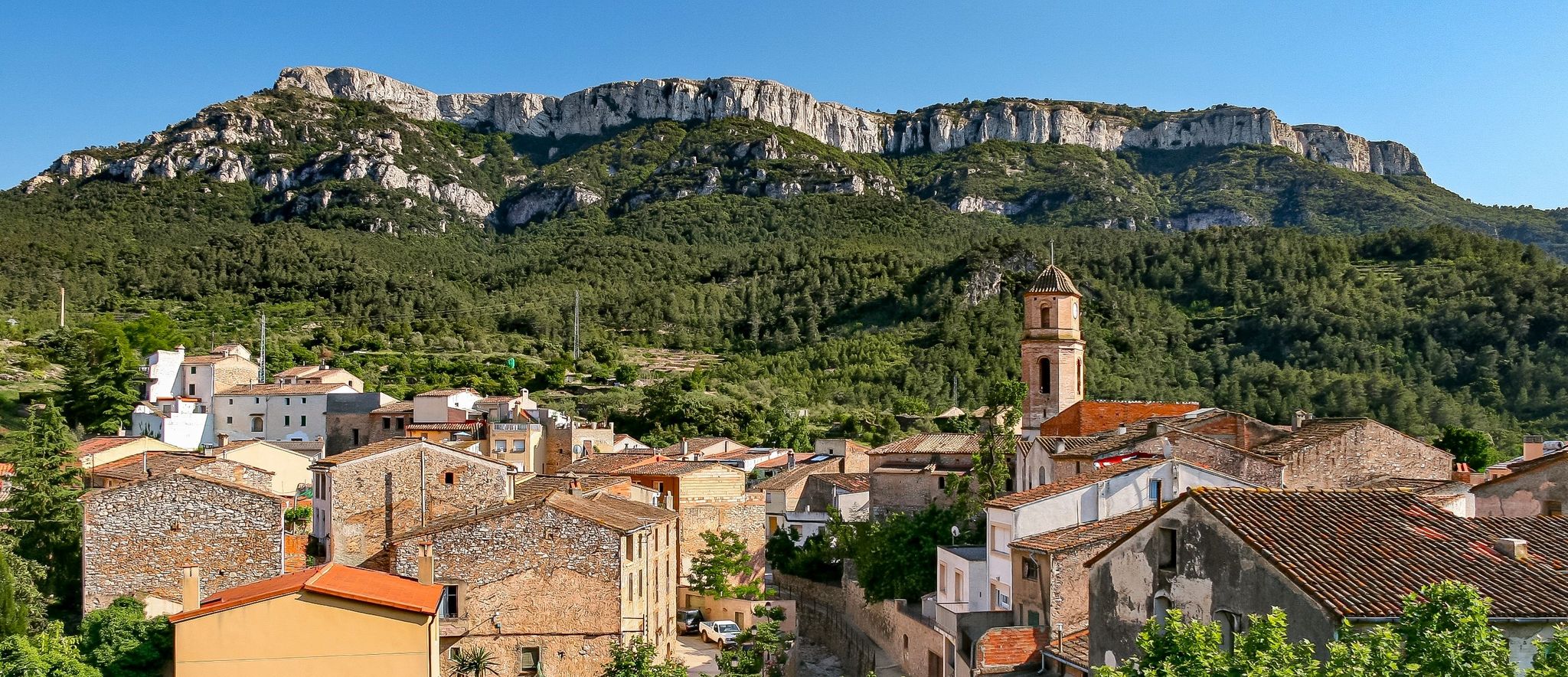
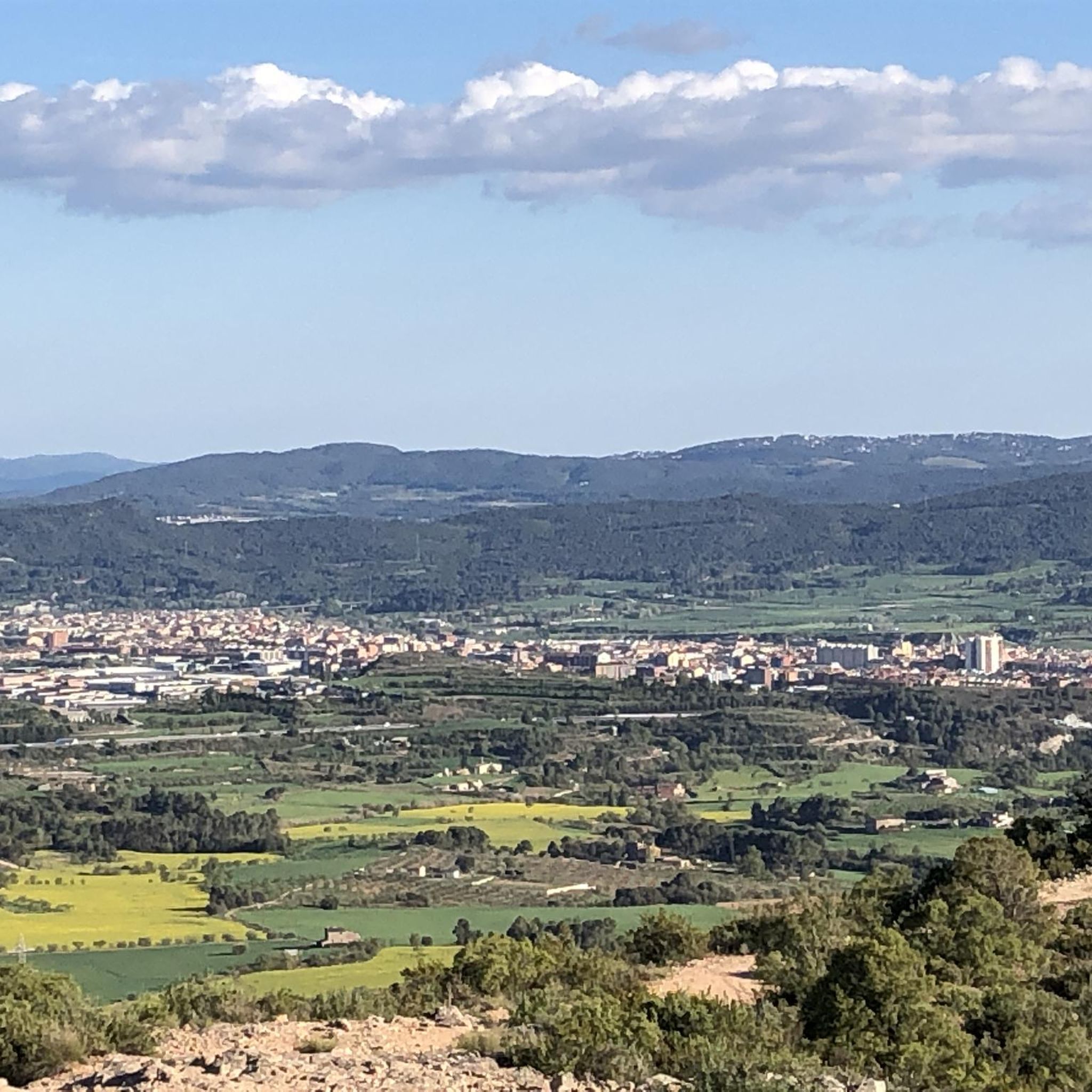
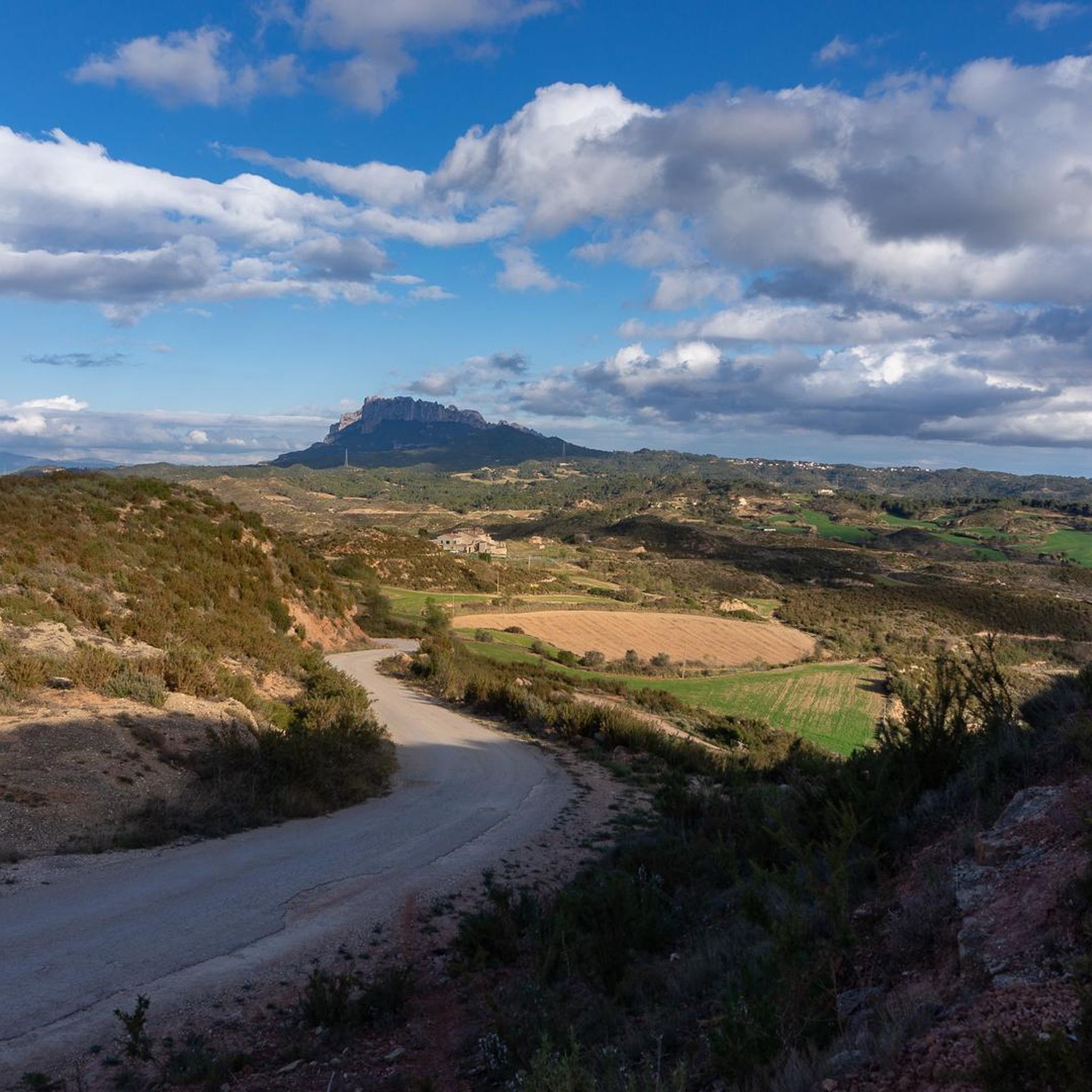
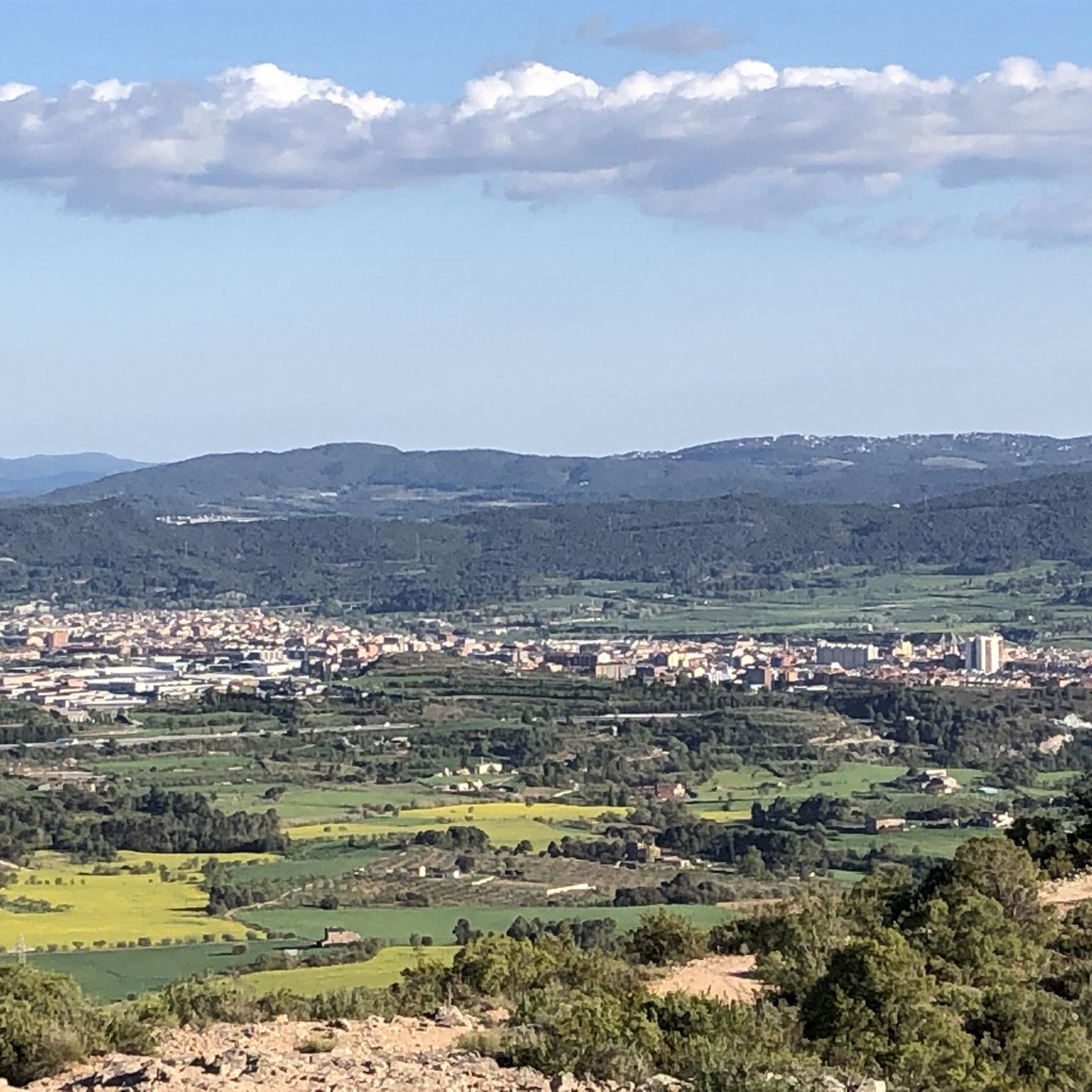
Other adventures around Rubió

Tips from the Community

Historic center of Catalonia, more beautiful than the official one.
0
0

peak of Cogulló de Cal Torre, a mountain included in the list of the 100 Peaks of the FEEC and bordering the municipalities of Rajadell and Castellfollit del Foix. At its summit, the ridges of the Serra del Colomer (which we climbed), the Serra de Cal Torre (parallel to the first and also called the Palomes on some maps), and the ridge of La Serra converge , through which we will continue the path. From the top we have magnificent views of Montserrat, Sant Llorenç, Montseny and part of Central Catalonia. But on clear days we can also see the Pyrenees, such as Pedraforca, Gallina Pelada or Cadí. At the top we will find a wooden fire watch house as well as a geodesic vertex (reference 277112001). This peak is one of the disputed points for the centrality of Catalonia, for which, every September 11, a very crowded gathering is held there. Unfortunately, the summit is accessible to motor vehicles, motorbikes but also all-terrain vehicles, which damages the balance of the environment.
0
0
The archaeological site of Sant Amanç de Viladés is made up of a Roman villa, an early medieval settlement and some remains from the Iberian period. The entire site is located on the southern side of a mountain range, crossed by the C-25 road in the section that goes from Rajadell to Calaf and which divides the whole into two parts: north and south. The importance of the Roman town of Rajadell is understood by the presence of a Roman road that connected the lands of the Manresa sector with those of Calaf and Prats de Rei (ancient Roman municipality of Sigarra). The route of this road had to necessarily follow the Rajadell stream very closely as it passed through the Roman town. Passing through this place is the most suitable for moving between the Bages and Anoia regions, as indicated by the Peric oratory, located at the foot of the N-141g and parallel to the Eix Transversal C-25. The appearance that the site has now corresponds to the plan of the Low Empire. Currently the road crosses the Roman site and divides the remains of the Roman villa into two sectors. The northern sector corresponds to the residential area or pars urbana, with an elongated structure, where the noble rooms and the set of terms are located. The southern sector is on flatter terrain and was intended for agricultural work, especially wheat and vines (pars rustica). At the western end of the villa there were bathrooms, characterized by different air-conditioned spaces, with areas of hot, warm and cold water and with the oven to heat the whole. The main body of the residential area consists of three rooms, one of which preserved a polychrome mosaic. The original is in the Museu Comarcal de Manresa, and a reproduction of part of it can be seen at Rajadell Town Hall.
0
0

Jorba is a very rural municipality in the region of Noya, dedicated mainly to agriculture and pig farming. The four streams that form between Jorba and the towns of Calaf and Argensola join here to form the Noya River. It later flows into the Llobregat next to Martorell.
2
0

There are no more picnic tables
0
0

This oak is large and spectacular. It is officially protected. It has some picnic tables around it and is the perfect place for a good rest.
0
1


The "Encina Grande" Majestic specimen of about 15m in height and with an imposing trunk of more than 4m in diameter, probably one of the largest in Catalonia. It has a picnic area.
0
0
Frequently Asked Questions
What are some notable viewpoints in the Rubió area?
For panoramic views, head to Cogulló of Can Torra. From its peak, you can see Montserrat, Sant Llorenç, Montseny, and parts of Central Catalonia. On clear days, the Pyrenees, including Pedraforca, Gallina Pelada, or Cadí, are also visible. The Serra de Rubió mountain range itself offers various elevated spots with scenic vistas.
What natural features can I explore around Rubió?
The region is dominated by the Serra de Rubió mountain range, with its highest peak, Còpia de Palomes, reaching 837 meters. You can also find the Maçana River and Rubió River, both tributaries of the Llobregat. Don't miss the Alzina Grossa de Querol, a majestic, officially protected oak tree with a picnic area nearby.
What historical sites can I visit in Rubió?
Rubió boasts a rich history. Explore the Castell de Boixadors, a castle documented since 1015, situated on a hill. The Roman Villa of Sant Amanç de Viladés offers insights into ancient Roman life, with remains of a villa and an early medieval settlement. Other significant sites include the 10th-century Church of San Pedro and the historic Rubió Castle.
Are there any ancient ruins or archaeological sites in Rubió?
Yes, the Roman Villa of Sant Amanç de Viladés is a significant archaeological complex featuring a Roman villa, an early medieval settlement, and Iberian period remains. Ancient Roman ruins and amphorae have also been discovered, particularly between the forest and the Can Sant Joan path, indicating the municipality's ancient origins.
What are some significant churches or chapels in the region?
Rubió is home to several historic religious sites. The 10th-century Church of San Pedro showcases the city's medieval past. Other notable churches include Santa Maria de Rubió Church (built 1275), Sant Martí de Maçana Church (10th-century), Sant Pere d'Ardesa Church (11th-century), and Sant Macari Church in El Pla de Rubió (built 1198). The Ermita de Sant Muç, located 3 kilometers from Rubió, dates back to 1759, with an even older structure from the early 1300s.
Are there family-friendly attractions in Rubió?
Families can enjoy a visit to Alzina Grossa de Querol, a giant oak tree with a picnic area, perfect for a relaxing stop. The settlement of Jorba, known for its rural charm and agricultural landscape, also offers a pleasant environment for a family outing.
What kind of outdoor activities can I do near Rubió's attractions?
The area around Rubió is excellent for various outdoor activities. You can find numerous routes for cycling, hiking, and gravel biking. For detailed information on trails, including difficulty and distance, explore the dedicated guides for Cycling around Rubió, Hiking around Rubió, and Gravel biking around Rubió.
Are there hiking trails suitable for different skill levels around Rubió?
Yes, the hiking trails around Rubió cater to various skill levels. You can find easy routes like the 'Jorba Dam – Jorba loop from Jorba' (6.3 km) or moderate options such as the 'Puig de Sant Miquel – Old Church loop from Catalan as own language in Catalonia' (6.8 km). For more challenging hikes, consider routes that involve greater elevation changes in the Serra de Rubió. Check the Hiking around Rubió guide for specific trail details and difficulty ratings.
When is the best time to visit Rubió for exploring its attractions?
Rubió's attractions can be enjoyed throughout much of the year. Spring and autumn generally offer pleasant temperatures for exploring historical sites and natural landscapes. For hiking and outdoor activities, these seasons are ideal to avoid the summer heat. If you're interested in local festivals, check the regional calendar, as events like the El Rubio Pilgrimage in May (in Andalusia, if considering that region) or other local celebrations can add to your experience.
What do visitors enjoy most about the attractions around Rubió?
Visitors appreciate the blend of historical sites, cultural monuments, and natural landscapes. The region's diverse terrain, from ancient Roman ruins to medieval structures and the scenic Serra de Rubió, offers a variety of experiences. Highlights like Cogulló of Can Torra are particularly loved for their magnificent views, and the area's natural beauty is frequently captured in photos shared by the komoot community.
Are there any unique or lesser-known attractions in Rubió?
Beyond the main historical sites, Rubió offers some unique points of interest. The Rubió Wind Farm, Catalonia's largest, with 50 windmills, is a modern marvel contrasting with the ancient landscape. The Cooperative Winery is also mentioned as a place of interest, offering a glimpse into local production. Exploring the smaller chapels like Santa Anna Chapel in Maçana or Sant Macari Church in El Pla de Rubió can also reveal hidden historical gems.
Most popular attractions around Rubió

Get inspired with the komoot mobile app


Explore more
Still not found the Highlight you’re looking for? See guides of the top attractions in other regions:
