The best walks and hikes around Rubió
4.7
(75)
841
hikers
122
hikes
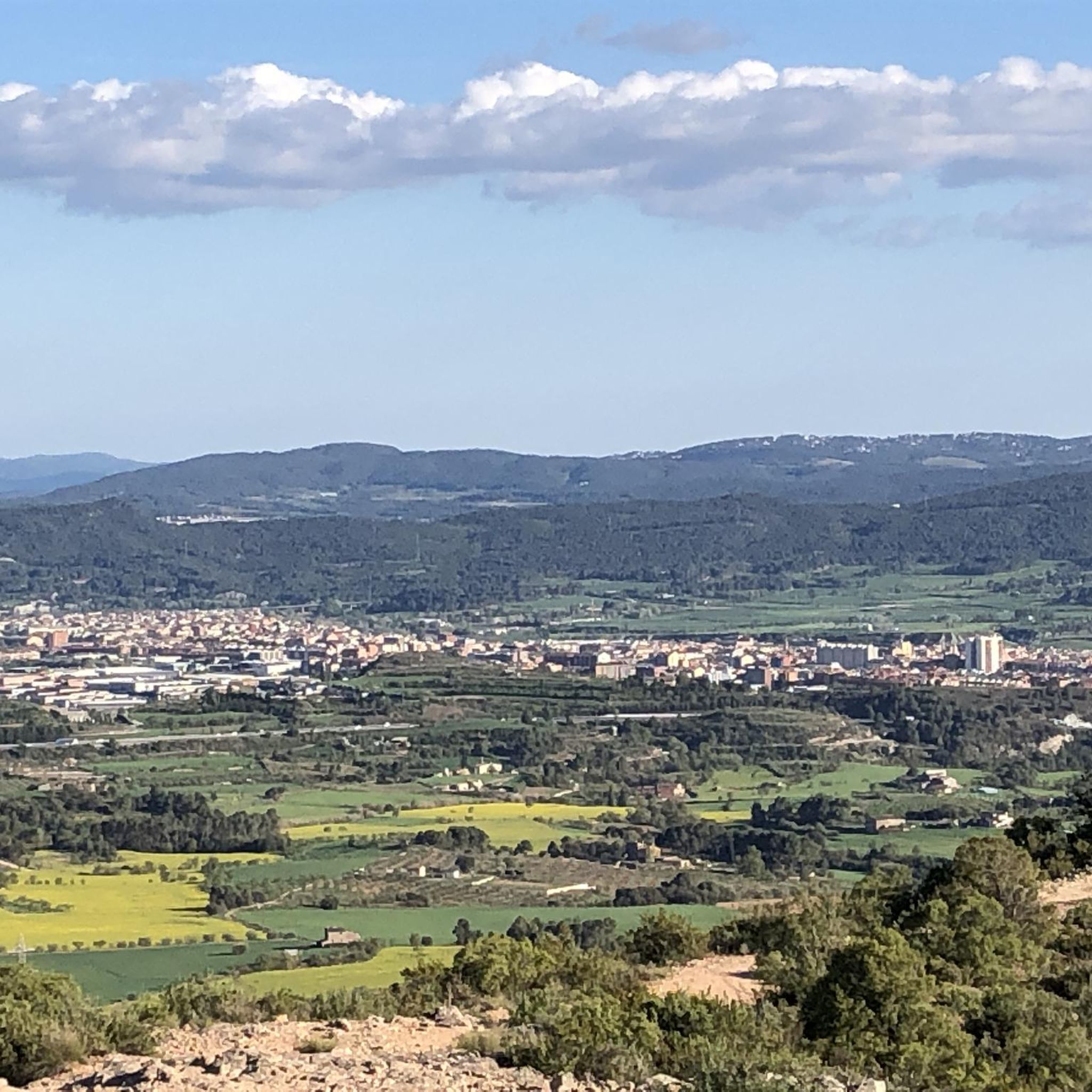
Hiking around Rubió offers a network of trails through the rural landscape of Catalonia, Spain. The region is characterized by rolling hills, agricultural fields, and scattered woodlands, providing a mix of open views and shaded paths. Hikers can expect varied terrain, including dirt tracks and some paved sections, with moderate elevation changes. The area provides opportunities to explore local villages and natural features.
Best hiking trails around Rubió
- The most popular hiking route is Puig de Sant Miquel – Morrocurt…
Last updated: May 4, 2026
3.3
(3)
24
hikers
Moderate hike. Good fitness required. Easily-accessible paths. Suitable for all skill levels.
4.0
(1)
3
hikers
7.73km
02:16
220m
220m
Moderate hike. Good fitness required. Easily-accessible paths. Suitable for all skill levels.

Sign up for free
5.0
(3)
8
hikers
8.53km
02:27
210m
210m
Moderate hike. Good fitness required. Easily-accessible paths. Suitable for all skill levels.
7
hikers
10.4km
02:58
230m
240m
Moderate hike. Good fitness required. Easily-accessible paths. Suitable for all skill levels.
5.0
(1)
9
hikers
6.35km
01:42
80m
80m
Easy hike. Great for any fitness level. Easily-accessible paths. Suitable for all skill levels.
Get access to more routes and recommendations from other explorers.
Sign up for free
Already have an account?
Our route recommendations are based on thousands of hikes, rides, and runs completed by other people on komoot.
Start today with a free account
Your next adventure awaits.
Login or Signup
Other adventures around Rubió

Tips from the Community

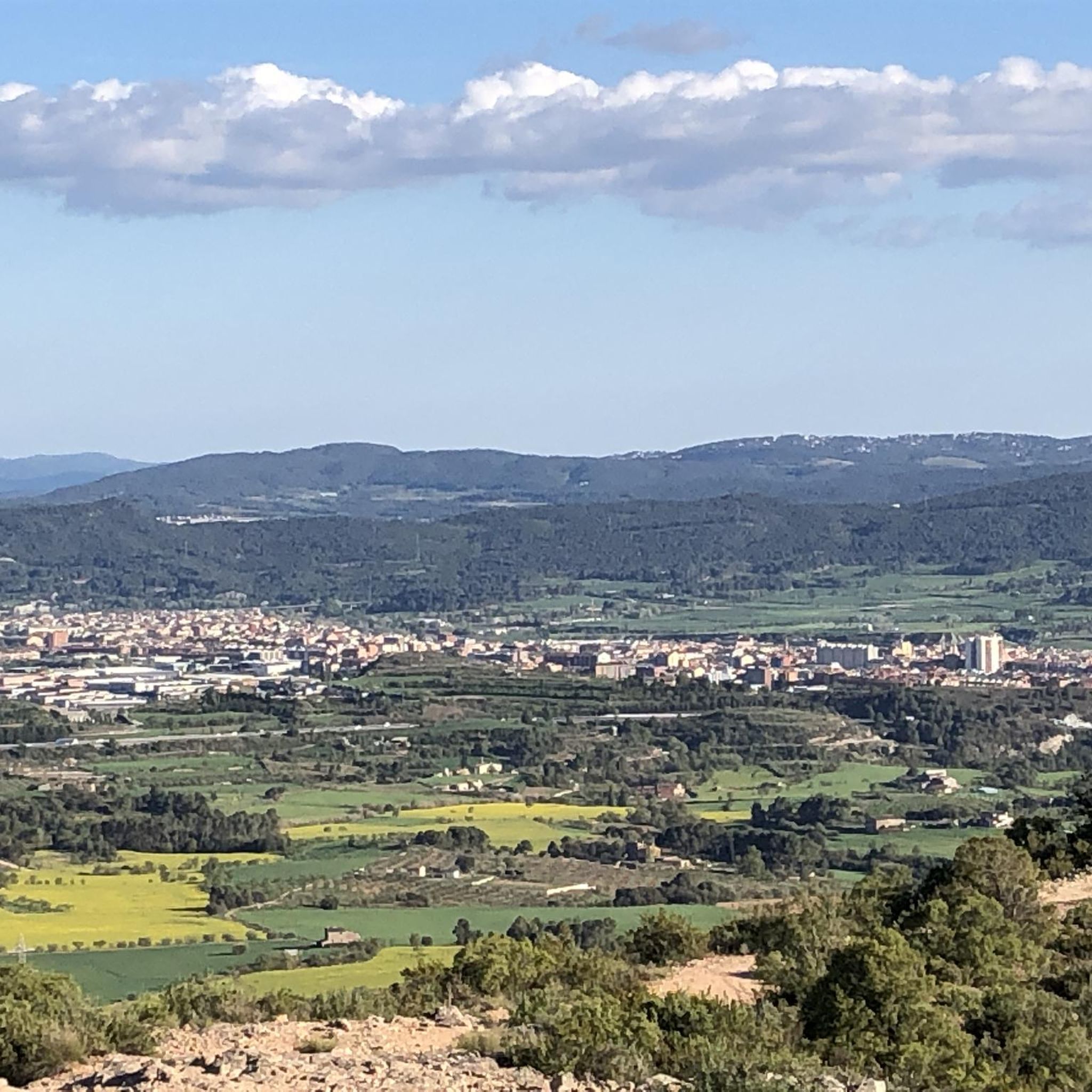
Good final climb, and very good views of the Ódena Basin
0
0

Small waterfall that is located in the same Rubió river and that collects the waters of the slopes of the nearby mountains.
0
0
From the top of Morrocurt or what is called the Costa de les Maioles, you can see views of the area and of Les Planes del Puig, near Rubió, to the north of the mountain.
0
0
El Puig de Sant Miquel is a mountain of more than seven hundred meters in the Serra de Rubió, the same name as the nearby town. Going down the south-west face stands the church of Sant Pere d'Ardesa and from both points you can see beautiful views of the area.
0
0
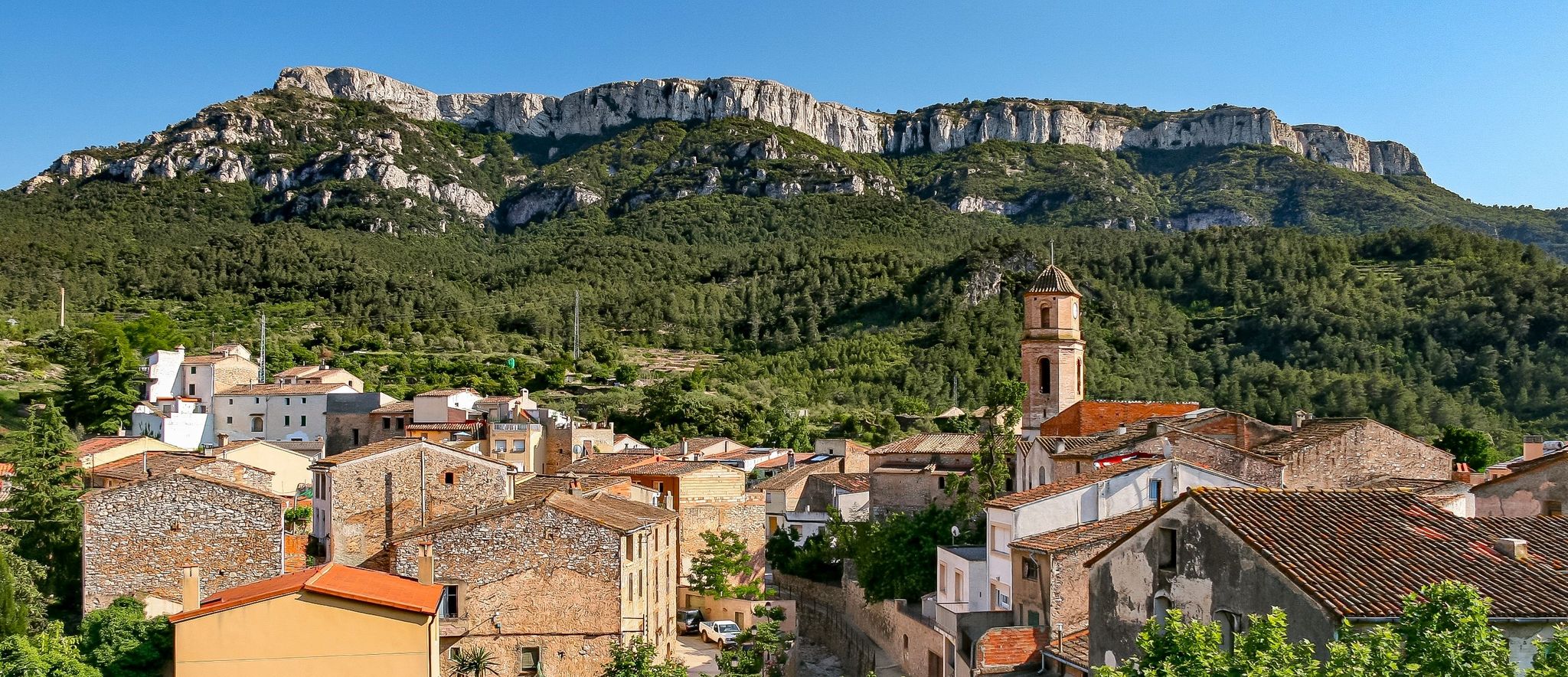
Small town located above the Serra de Cererols. In Rubió there is the church of Santa Maria and also an old castle, which, thanks to its elevated geographical location, allowed you to see the surrounding lands.
0
0

The Jorba dam, located in the course of the Rubió stream, is surrounded by riverside vegetation and is an idyllic place to walk and enjoy nature. Many birds can be observed while having a picnic along the shore.
1
0
Jorba is a very rural municipality in the region of Noya, dedicated mainly to agriculture and pig farming. The four streams that form between Jorba and the towns of Calaf and Argensola join here to form the Noya River. It later flows into the Llobregat next to Martorell.
2
0

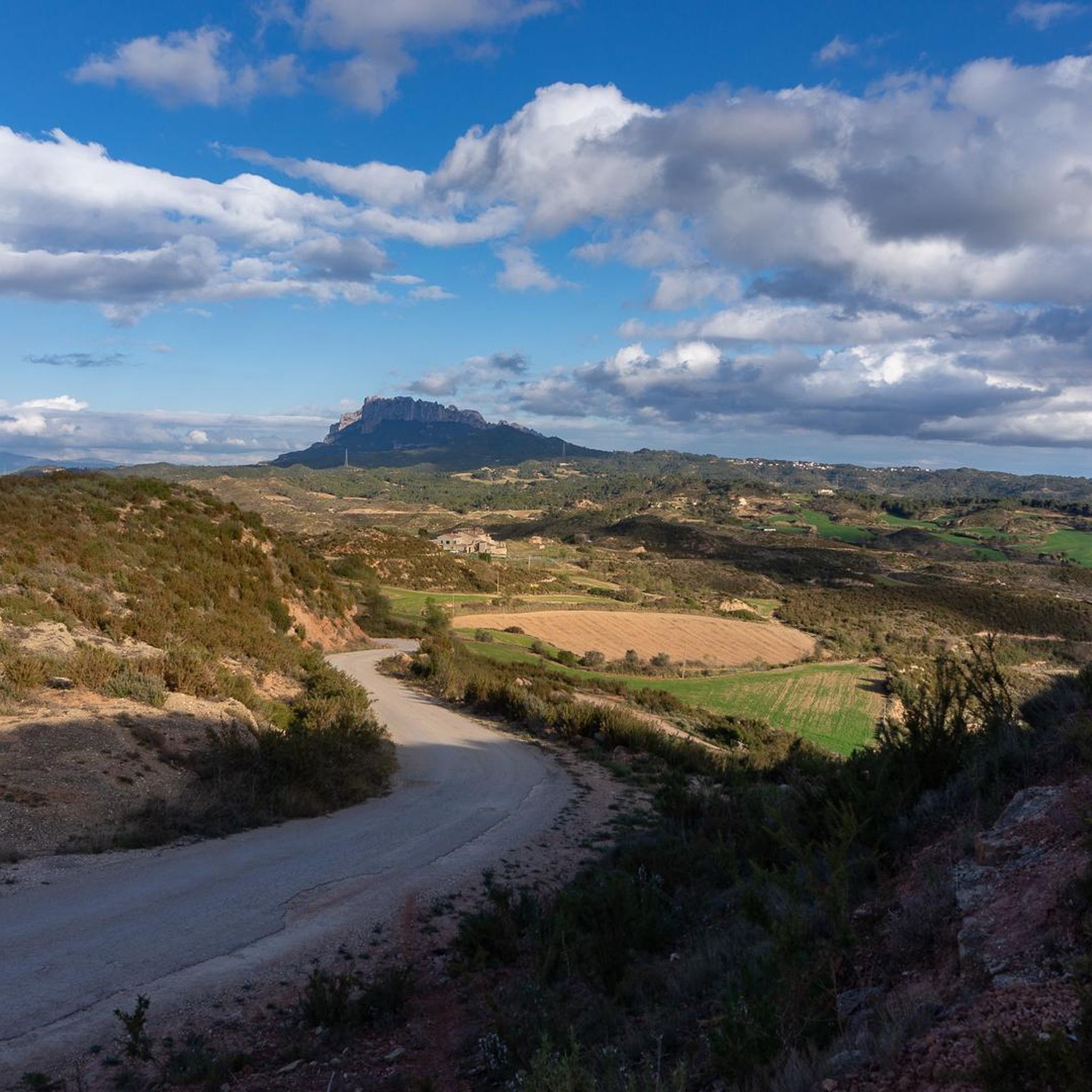
Old church. The road that passes is a climb with sharp curves, be careful with cars.
0
0
Frequently Asked Questions
How many hiking trails are available in Rubió?
Rubió offers a wide selection of hiking opportunities, with over 130 routes documented on komoot. These trails cater to various preferences, from easy strolls to more challenging moderate hikes.
What kind of terrain will I encounter on the hiking trails in Rubió?
The trails in Rubió traverse a diverse landscape characterized by rolling hills, expansive agricultural fields, and scattered woodlands. You can expect a mix of open views and shaded paths, with varied terrain that includes dirt tracks and some paved sections. Elevation changes are generally moderate.
Are there any easy hiking trails suitable for beginners in Rubió?
Yes, Rubió has a good selection of easy trails. Approximately 47 of the routes are classified as easy, making them ideal for beginners or those looking for a more relaxed walk. One example is the Jorba Dam – Jorba loop from Jorba, which is an easy 6.3 km hike.
Can I find circular hiking routes in Rubió?
Many of the trails in Rubió are designed as circular routes, allowing you to start and end at the same point. Popular options include the Puig de Sant Miquel – Morrocurt loop from Rubió, the The Middle Mill – Church of St. Magí loop from Copons, and the Jorba Dam loop from Jorba.
What do other hikers say about the trails in Rubió?
The hiking routes in Rubió are highly regarded by the komoot community, boasting an impressive average rating of 4.7 out of 5 stars from over 70 reviews. Hikers frequently praise the region's quiet rural charm, varied landscapes, and well-maintained paths.
Are there any historical sites or landmarks to see while hiking in Rubió?
Yes, the Rubió area is rich in historical and natural attractions. You can explore several castles, such as Castell de Boixadors and Rajadell Castle. Other notable points of interest include the Roman Villa of Sant Amanç de Viladés and the ancient Alzina Grossa de Querol, a natural monument.
What is the best time of year to go hiking in Rubió?
The best times to hike in Rubió are typically spring (April to June) and autumn (September to November). During these seasons, the weather is mild and pleasant, making for comfortable hiking conditions. Summer can be hot, while winter offers cooler temperatures, though trails generally remain accessible.
Are the hiking trails in Rubió suitable for families with children?
Many of Rubió's trails, especially the easier and moderate ones, are suitable for families. The varied terrain and opportunities to explore historical sites or natural features can make for an engaging outing. Always check the specific route details for distance and elevation to ensure it matches your family's ability.
What are some of the longer, more challenging hikes in Rubió?
While most trails are easy to moderate, there are options for longer hikes. For example, the Jorba Dam loop from Jorba is a moderate 10.4 km route that takes around 3 hours to complete. There are 7 routes classified as difficult for those seeking a greater challenge.
Are there any viewpoints or scenic spots along the trails in Rubió?
Yes, the rolling hills and open landscapes of Rubió offer numerous scenic spots. Hikers can enjoy panoramic views of the agricultural fields and scattered woodlands. The ascent to Puig de Sant Miquel on the Puig de Sant Miquel – Morrocurt loop from Rubió provides excellent vistas of the surrounding countryside.
Is it possible to combine hiking with exploring local villages in Rubió?
Absolutely. The hiking network in Rubió often connects or passes through local villages, allowing you to experience the region's cultural heritage. For instance, the The Middle Mill – Church of St. Magí loop from Copons explores the countryside around Copons, offering a chance to see historical points of interest within the village context.
Most popular attractions around Rubió

Get inspired with the komoot mobile app


Explore more
Browse the best Hikes in other regions.
