The best cycling routes around Torremejía
3.9
(26)
154
riders
9
rides
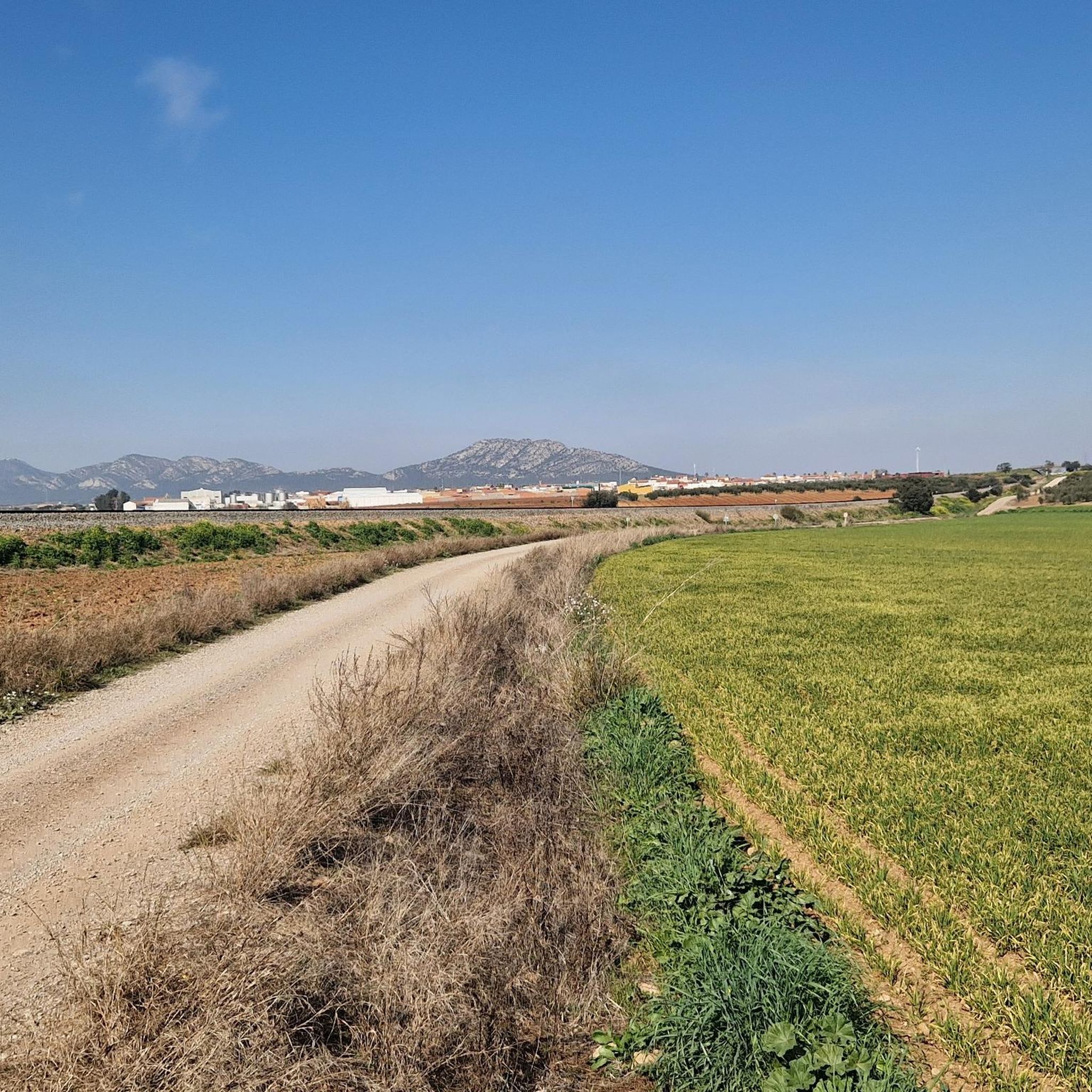
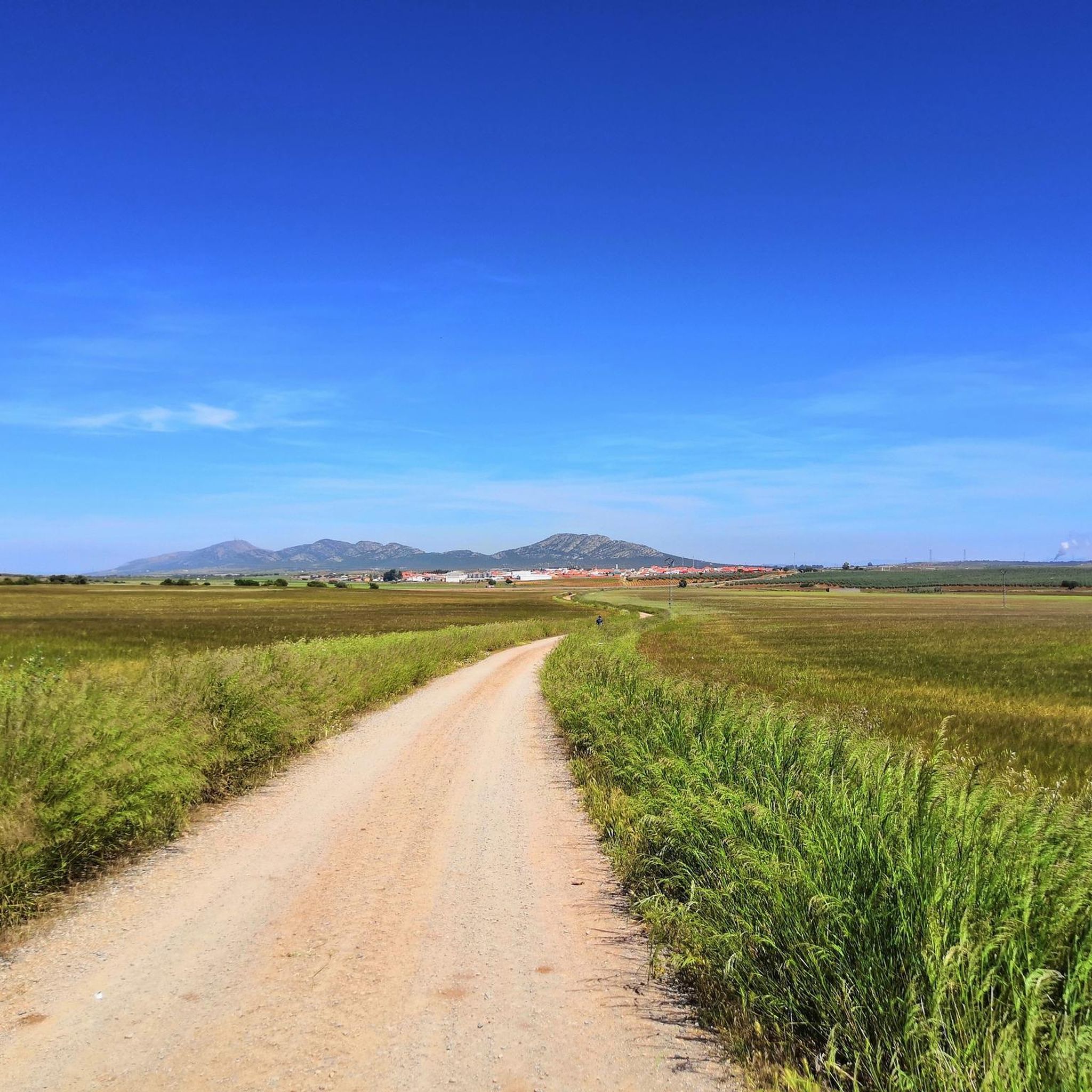
Touring cycling routes around Torremejía are set within the rural landscape of Extremadura, Spain. The region is characterized by agricultural fields, expansive esplanades, and plains, offering varied terrain for cyclists. It is strategically located along the historic Vía de la Plata and is part of the EuroVelo 1 Atlantic Coast Route, providing extensive long-distance cycling opportunities. The area features Mediterranean forest vegetation, including holm oaks and cork oaks, contributing to its natural appeal.
Best touring cycling routes around Torremejía
- The…
Last updated: May 30, 2026
5.0
(1)
2
riders
43.7km
03:04
470m
460m
Hard bike ride. Very good fitness required. Mostly paved surfaces. Suitable for all skill levels.
4.4
(7)
38
riders
51.3km
03:44
250m
250m
Moderate bike ride. Good fitness required. Mostly paved surfaces. Suitable for all skill levels.

Sign up for free
5.0
(2)
12
riders
43.3km
03:13
350m
350m
Moderate bike ride. Good fitness required. Mostly paved surfaces. Suitable for all skill levels.
11
riders
Moderate bike ride. Good fitness required. Mostly paved surfaces. Suitable for all skill levels.
5
riders
46.3km
02:51
420m
420m
Moderate bike ride. Good fitness required. Mostly paved surfaces. Suitable for all skill levels.
Get access to more routes and recommendations from other explorers.
Sign up for free
Already have an account?
Our route recommendations are based on thousands of hikes, rides, and runs completed by other people on komoot.
Start today with a free account
Your next adventure awaits.
Login or Signup
Tips from the Community

The Puente Romano crosses the Guadiana river and, with its 64 granite arches and a length of 800m, is one of the most striking remains from this period.
13
0
The Roman Bridge crosses the river Guadiana and, with its 64 granite arches and a length of 800m, is one of the most striking remains from this period.
13
0

Roman Bridge and Alcazaba of Mérida. A beautiful place to stroll along the river and immerse yourself in Roman history.
5
0

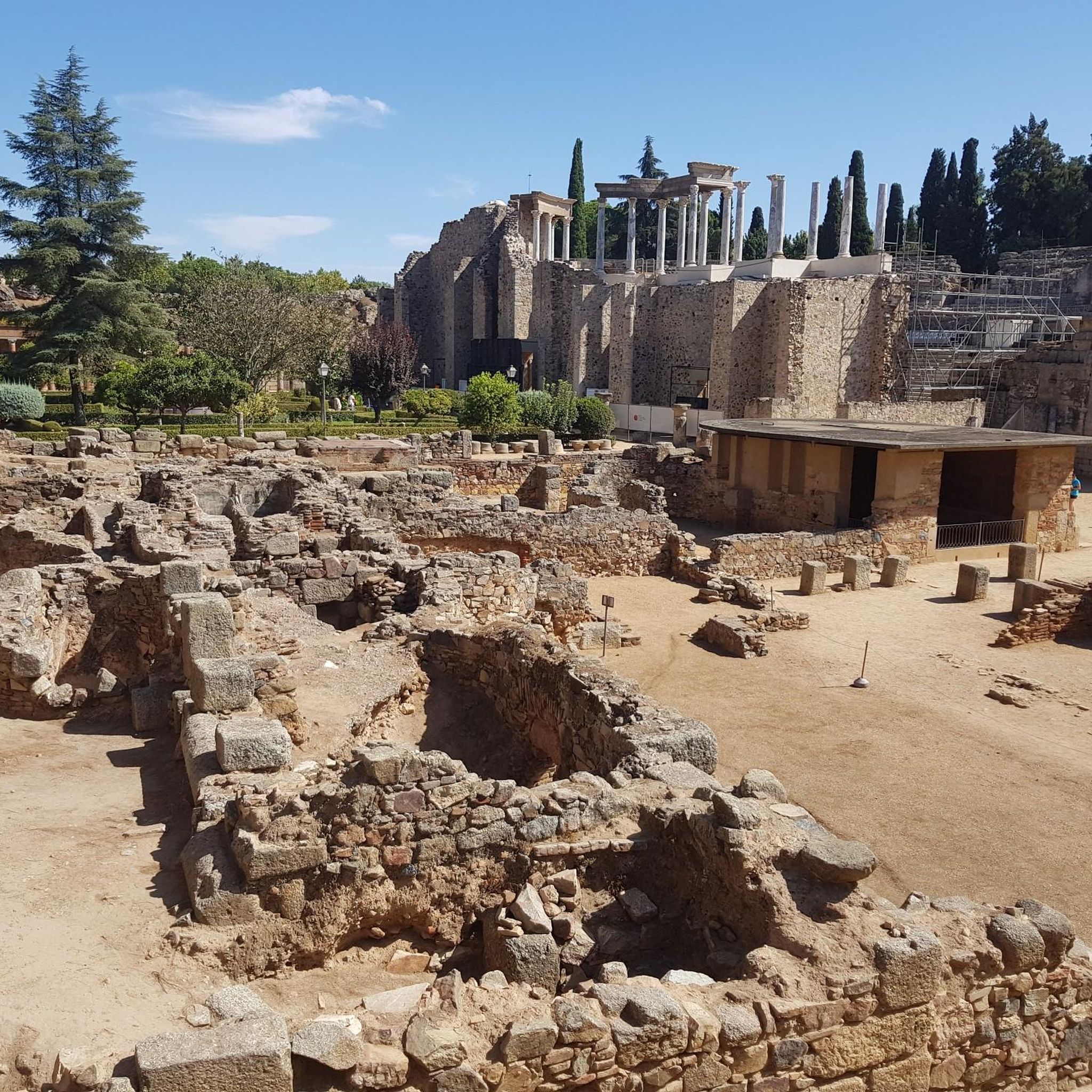
For lovers of Roman culture and art, Mérida is the perfect city.
0
0

The Proserpina Dam or Reservoir is one of the oldest and best-preserved Roman hydraulic works in the world. It is located about 5 km north of Mérida, in Extremadura, and forms part of the Archaeological Ensemble of Mérida, declared a World Heritage Site by UNESCO in 1993. The name “Proserpina” was adopted in the 18th century, after the discovery of an inscription dedicated to the goddess Ataecina-Proserpina.
4
0
The Proserpina Dam or Reservoir is one of the oldest and best-preserved Roman hydraulic works in the world. It is located about 5 km north of Mérida, in Extremadura, and forms part of the Archaeological Ensemble of Mérida, declared a World Heritage Site by UNESCO in 1993.
3
0


From the Proserpina Reservoir viewpoint, you can enjoy a spectacular panoramic view of this ancient Roman reservoir: the stone wall stretches out in front of you, with its stepped buttresses and incredible views. On clear days, you can see the gentle undulations of the Sierra de Carija in the background.
0
0
Frequently Asked Questions
What kind of terrain and difficulty can I expect on touring cycling routes around Torremejía?
The touring cycling routes around Torremejía are primarily set within the rural landscape of Extremadura, characterized by agricultural fields, expansive esplanades, and plains. This offers varied terrain, generally flat but with some moderate and difficult sections. Most routes are classified as moderate, with a few challenging options like the Embalse de Alange — circular by the Sierra de Peñas Blancas foothills, which features significant elevation changes.
What natural features and landmarks can I discover along the touring cycling routes?
The region boasts Mediterranean forest vegetation, including holm oaks and cork oaks. You can also encounter diverse wildlife, such as various bird species like white storks, especially near the Stork Nesting Area, Río Guadiana. Historic landmarks include the ancient Roman road of the Vía de la Plata, the Los Milagros Aqueduct near Mérida, and the Roman Bridge of Mérida. The Alange Castle, offering panoramic views, is also a notable attraction.
When is the best time of year to go touring cycling in Torremejía?
Torremejía, located in Extremadura, experiences a Mediterranean climate. Spring (March to May) and autumn (September to November) generally offer the most pleasant temperatures for touring cycling, avoiding the intense heat of summer and the cooler, sometimes wetter, conditions of winter. These seasons provide comfortable riding weather and allow you to enjoy the natural beauty of the agricultural fields and forests.
Are there any circular touring cycling routes available?
Yes, several touring cycling routes around Torremejía are designed as circular loops. For instance, the Embalse de Alange — circular by the Sierra de Peñas Blancas foothills and the Los Milagros Aqueduct – Acueducto de los Milagros loop from La Junquera are popular circular options, allowing you to start and finish in the same location.
What historical sites or attractions can I visit near the cycling routes?
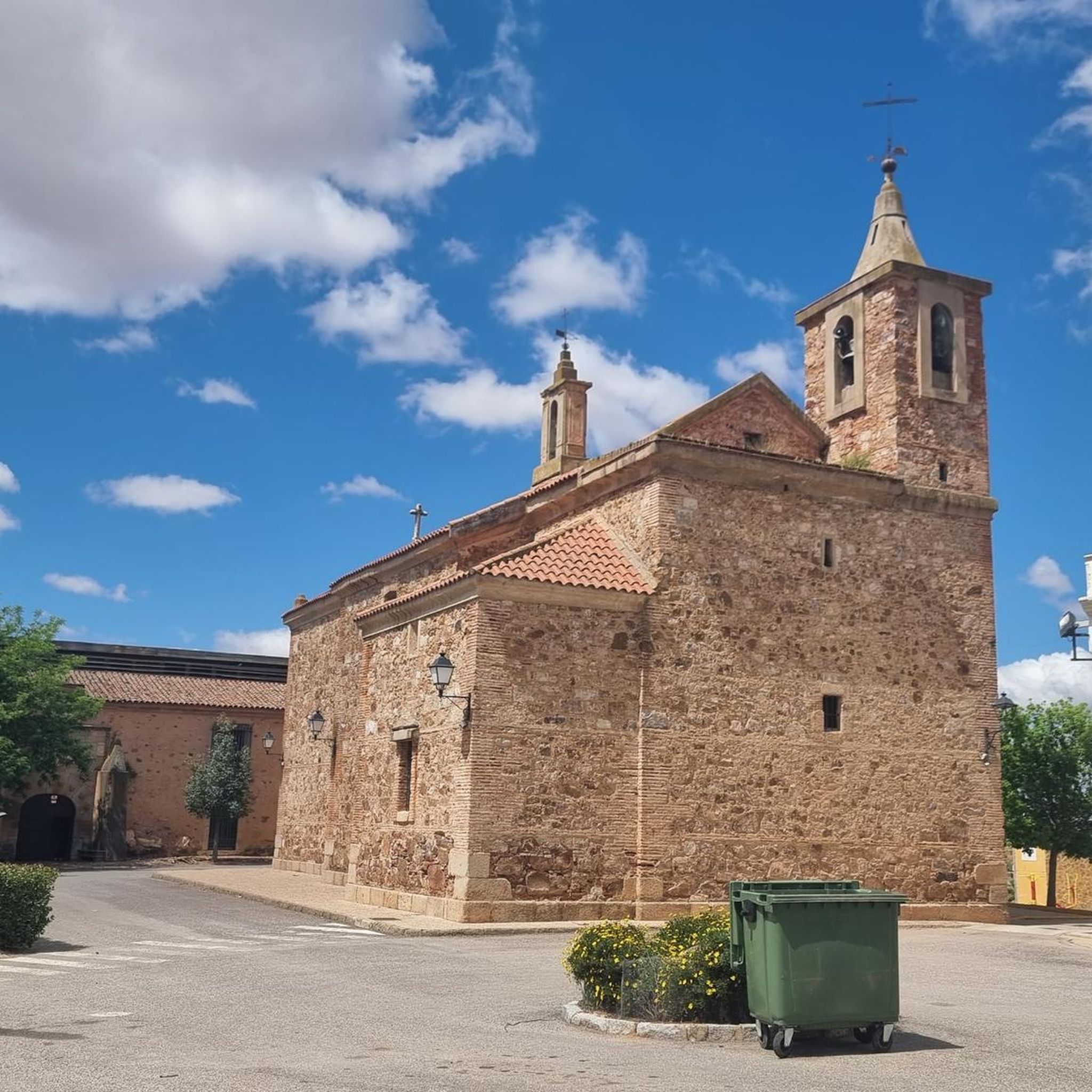
Beyond the cycling itself, you can explore several historical and cultural sites. The impressive Alange Castle, a historic fortress with Roman origins, offers breathtaking views of the Alange Reservoir. The village of Torremejía itself features architectural heritage like the Church of the Immaculate Conception and the Mexía Palace. Near Mérida, you can visit the Roman Bridge and the Los Milagros Aqueduct, both integral parts of the region's Roman past.
How many touring cycling routes are available in Torremejía?
There are 10 touring cycling routes available around Torremejía, offering a variety of experiences. These routes cater to different skill levels, with 8 classified as moderate and 2 as difficult, ensuring options for most touring cyclists.
What do other cyclists say about touring cycling in Torremejía?
The touring cycling routes in Torremejía are highly rated by the komoot community, with an average score of 4.0 stars from over 30 reviews. Cyclists often praise the rural charm, the varied terrain of agricultural fields and plains, and the opportunity to explore historic routes like the Vía de la Plata. Over 190 touring cyclists have used komoot to explore the area, indicating its popularity.
Are there any easy touring cycling routes for beginners?
While Torremejía offers a good selection of routes, currently there are no routes specifically classified as 'easy' for touring cycling. The available routes are predominantly moderate, with some challenging difficult options. Beginners might find the moderate routes manageable, but should be prepared for distances typically around 40-45 km and some elevation gain.
Can I bring my dog on touring cycling routes in Torremejía?
While the region's natural landscapes, including Mediterranean forests and open plains, are generally suitable for outdoor activities with dogs, specific regulations for bringing dogs on touring cycling routes are not explicitly stated. It's always advisable to keep dogs on a leash, especially in areas with wildlife or agricultural land, and to ensure they are well-behaved and do not disturb local fauna or livestock. Always carry water for your dog.
What kind of wildlife might I encounter while cycling?
The Extremadura region is known for its rich biodiversity. While cycling, you might spot various bird species, including white storks, particularly near the Stork Nesting Area, Río Guadiana. The Mediterranean forest vegetation, with holm oaks and cork oaks, also provides habitat for reptiles like bastarda and ladder snakes, though encounters are less common.
How can I reach Torremejía by public transport with my bicycle?
Torremejía is located along the historic Vía de la Plata and is part of the EuroVelo 1 Atlantic Coast Route, making it accessible for long-distance cyclists. For public transport, it's recommended to check local bus or train services connecting to nearby larger towns like Mérida. Policies regarding bicycle transport on public buses or trains can vary, so it's best to confirm directly with the transport provider before your journey.
Are there places to eat or stay that are cyclist-friendly in Torremejía?
Torremejía is described as a 'beautiful village' with a peaceful atmosphere, suggesting local amenities. As a stop on major cycling routes like the Vía de la Plata, it is likely to have cafes, pubs, and accommodation options that cater to travelers, including cyclists. While specific cyclist-friendly establishments aren't detailed, the town's role as a cycling hub implies a welcoming environment for those on two wheels.
Most popular attractions around Torremejía

Get inspired with the komoot mobile app


Explore more
Browse the best Cycling routes in other regions.
