The best MTB trails around Torremejía
4.0
(23)
124
riders
16
rides
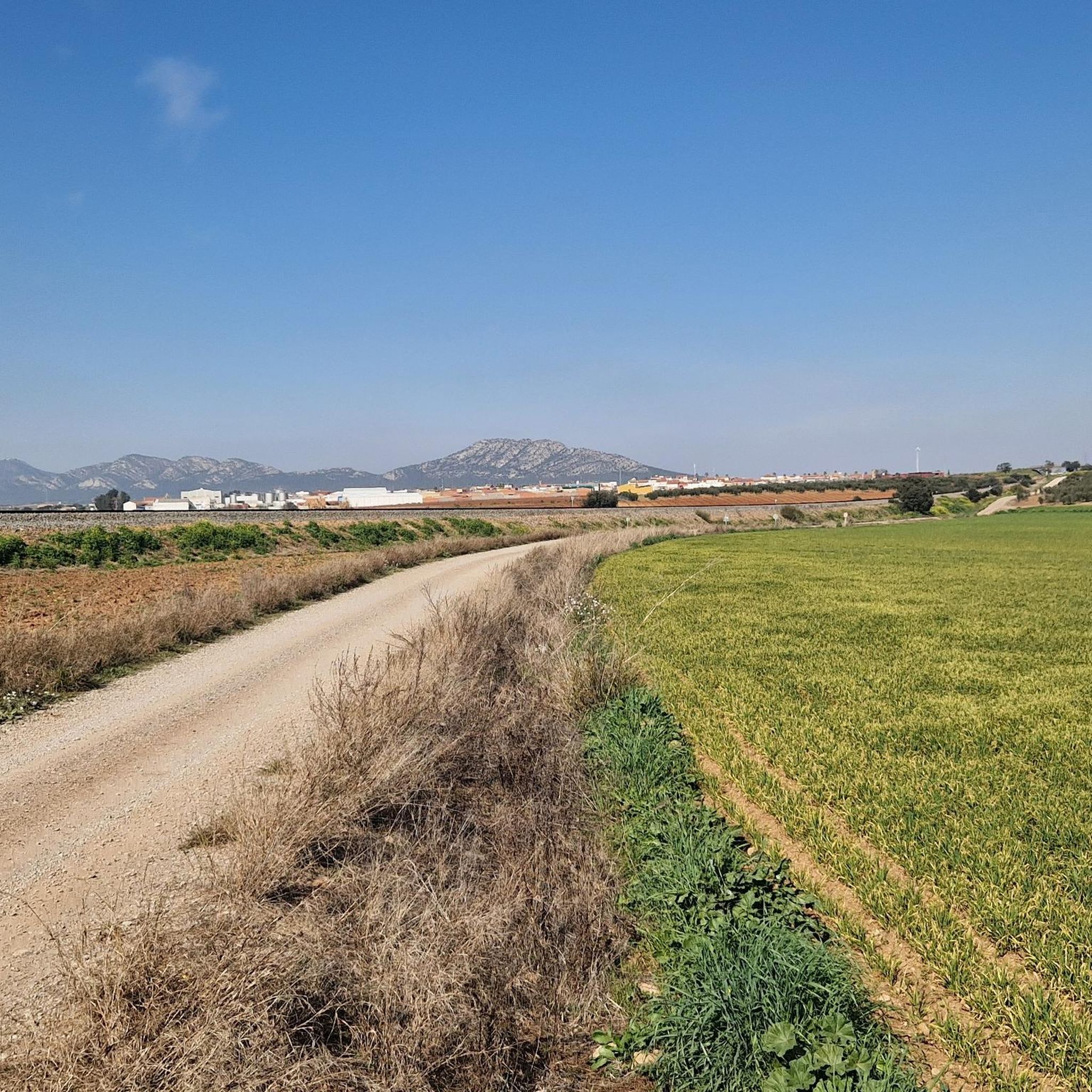
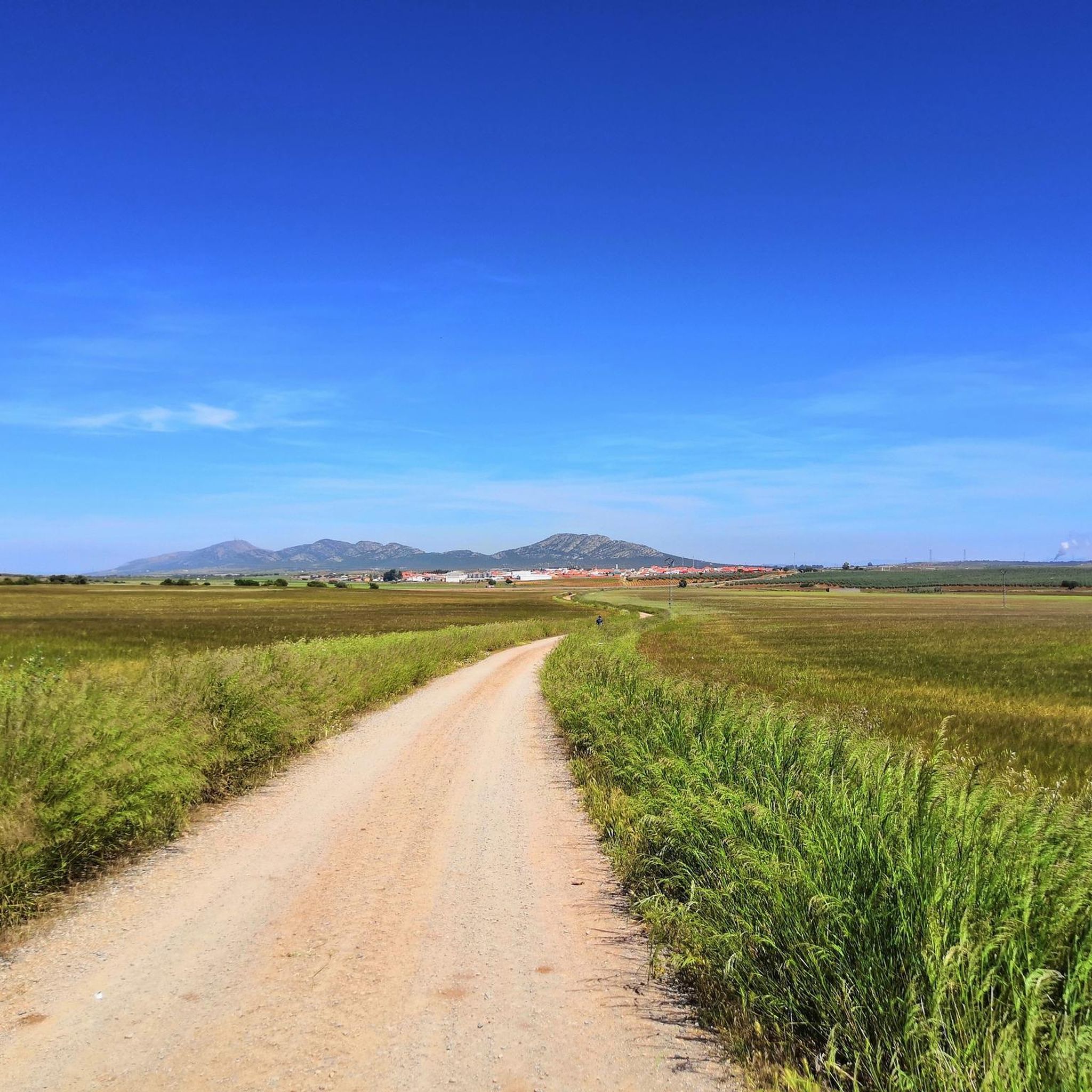
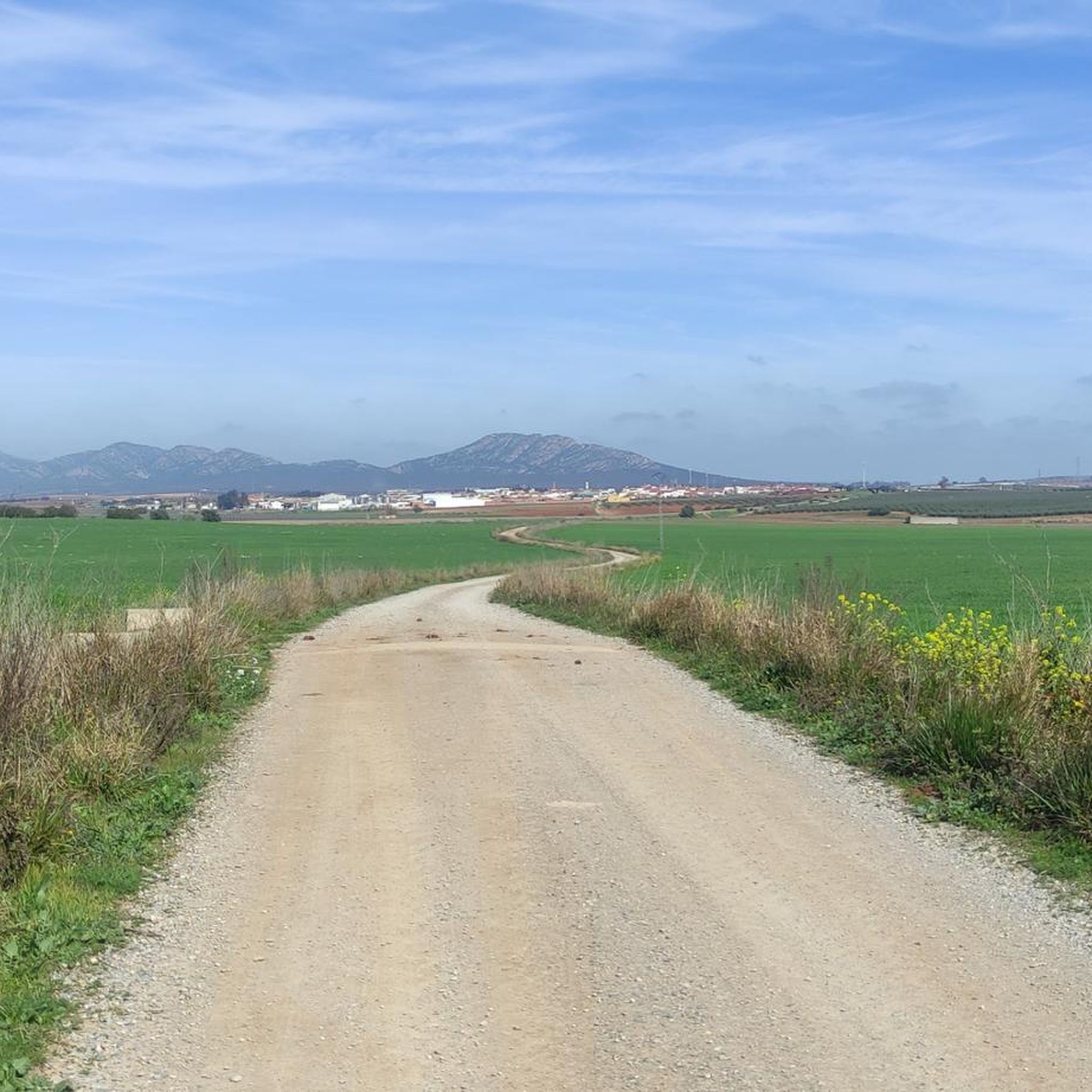
Mountain biking around Torremejía offers diverse landscapes, from rural areas and vineyards to open countryside, often interwoven with Roman history. The region, situated in Extremadura, features varied ecosystems including oak and holm oak forests, as well as extensive cereal plains. While Torremejía itself is around 300 meters in elevation, the broader area provides routes with significant changes in terrain. This makes it a compelling destination for mountain bikers seeking a blend of natural beauty and historical context.
Best mountain bike…
Last updated: May 30, 2026
5.0
(2)
17
riders
47.4km
03:25
220m
220m
Moderate mountain bike ride. Good fitness required. Suitable for all skill levels.
6
riders
37.8km
03:07
500m
490m
Moderate mountain bike ride. Good fitness required. Suitable for all skill levels.

Sign up for free
7
riders
40.1km
02:52
220m
220m
Moderate mountain bike ride. Good fitness required. Suitable for all skill levels.
4
riders
51.9km
03:55
320m
320m
Moderate mountain bike ride. Good fitness required. Suitable for all skill levels.
4
riders
73.0km
05:18
490m
490m
Hard mountain bike ride. Very good fitness required. Suitable for all skill levels.
Get access to more routes and recommendations from other explorers.
Sign up for free
Already have an account?
Our route recommendations are based on thousands of hikes, rides, and runs completed by other people on komoot.
Start today with a free account
Your next adventure awaits.
Login or Signup
Tips from the Community

The Puente Romano crosses the Guadiana river and, with its 64 granite arches and a length of 800m, is one of the most striking remains from this period.
13
0

For lovers of Roman culture and art, Mérida is the perfect city.
0
0

The Proserpina Dam or Reservoir is one of the oldest and best-preserved Roman hydraulic works in the world. It is located about 5 km north of Mérida, in Extremadura, and forms part of the Archaeological Ensemble of Mérida, declared a World Heritage Site by UNESCO in 1993. The name “Proserpina” was adopted in the 18th century, after the discovery of an inscription dedicated to the goddess Ataecina-Proserpina.
4
0
The Proserpina Dam or Reservoir is one of the oldest and best-preserved Roman hydraulic works in the world. It is located about 5 km north of Mérida, in Extremadura, and forms part of the Archaeological Ensemble of Mérida, declared a World Heritage Site by UNESCO in 1993. The name “Proserpina” was adopted in the 18th century, after the discovery of an inscription dedicated to the goddess Ataecina-Proserpina.
4
0
The Proserpina Dam or Reservoir is one of the oldest and best-preserved Roman hydraulic works in the world. It is located about 5 km north of Mérida, in Extremadura, and forms part of the Archaeological Ensemble of Mérida, declared a World Heritage Site by UNESCO in 1993.
3
0


Plasencia deserves to be walked through.
1
0
The La Zarza Mines, also known as the Silos de Calañas, are located in the municipality of La Zarza-Perrunal. These mines are part of the Tharsis-La Zarza mining basin and have a rich history dating back to ancient times. The site is a fascinating testimony to the mining history of the region and offers an insight into ancient and modern mining techniques.
5
0
Frequently Asked Questions
What kind of mountain biking terrain can I expect around Torremejía?
The region offers diverse landscapes, from rural areas and vineyards to open countryside. You'll find routes traversing oak and holm oak forests, as well as extensive cereal plains. While Torremejía itself is around 300 meters in elevation, the broader Extremadura area provides routes with significant changes in terrain, including some challenging climbs and descents.
Are there mountain bike trails suitable for beginners or families in Torremejía?
While the guide primarily features moderate and difficult routes, the wider Extremadura region is known for its varied terrain, which includes options for different ability levels. For a moderate introduction to the area's historical routes, consider the Roman Bridge of Mérida loop from Torremejía, which traverses rural landscapes and historical elements.
How many mountain bike trails are available in the Torremejía area?
There are 13 mountain bike trails documented in the Torremejía area, with 11 rated as moderate and 2 as difficult. This offers a good selection for riders looking for a varied experience.
What historical landmarks or attractions can I see while mountain biking near Torremejía?
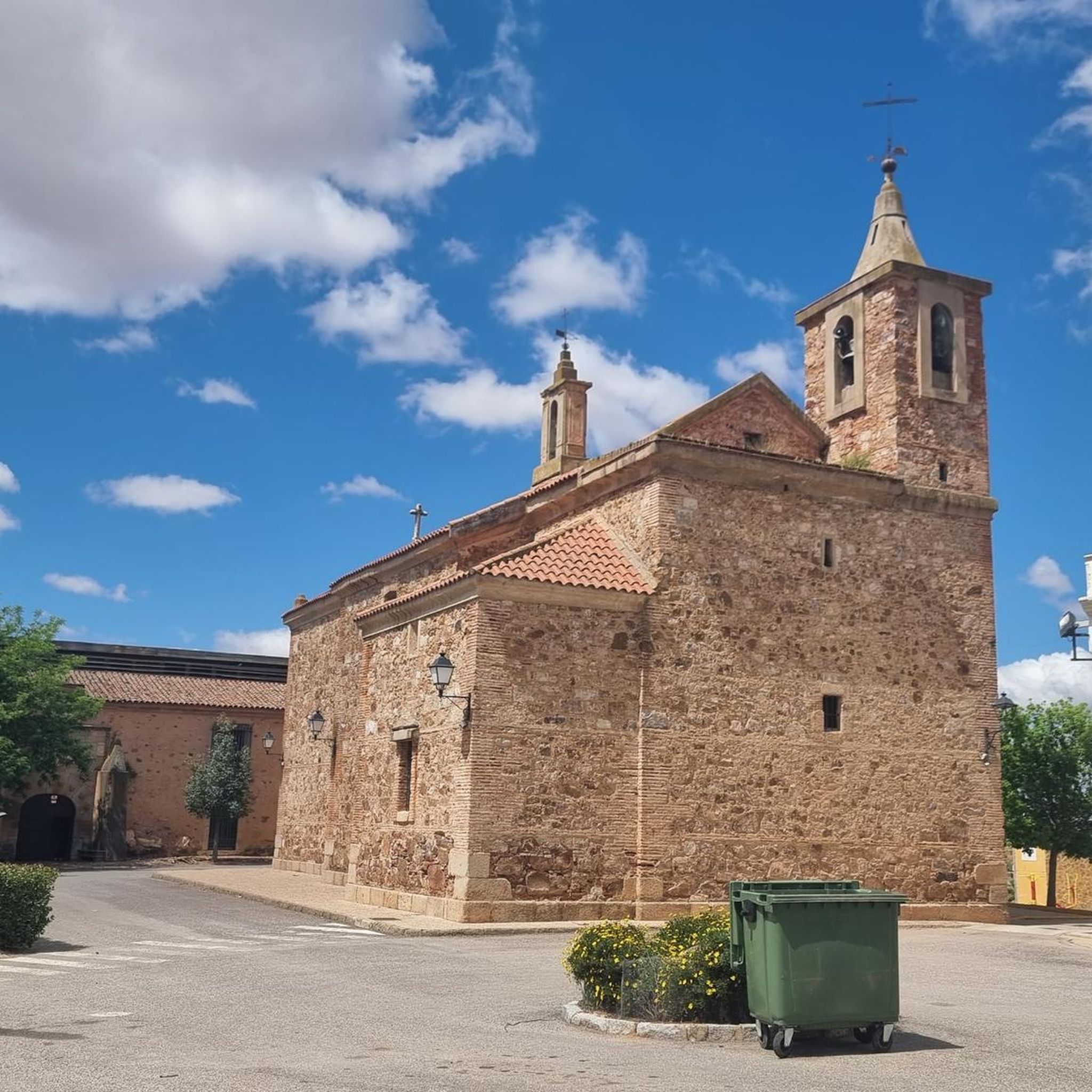
Torremejía is rich in history, particularly along the Vía de la Plata. You can encounter Roman heritage and architectural sites. Specific highlights include the Alange Castle, the Views of the Alange Reservoir, and the Vineyard Road on the Camino de Almendralejo to Torremejía. The Roman Bridge of Mérida loop from Torremejía is a great route to experience some of these historical elements.
Are there any circular mountain bike routes around Torremejía?
Yes, many of the routes in the area are circular, allowing you to start and end in the same location. Examples include the Roman Bridge of Mérida loop from Torremejía and the Montijo Dam – Esparragalejo Church loop from Arroyo de San Serván.
What is the best time of year to go mountain biking in Torremejía?
Extremadura, where Torremejía is located, experiences hot summers. Therefore, spring and autumn are generally the most pleasant seasons for mountain biking, offering milder temperatures and comfortable riding conditions. Winter can also be suitable, though some routes might be affected by rain.
What do other mountain bikers say about the trails in Torremejía?
The mountain bike routes around Torremejía are highly rated by the komoot community, with an average score of 4.0 stars from over 20 reviews. Riders often praise the blend of natural beauty, varied terrain, and the historical context provided by routes like those along the Vía de la Plata.
Are there any routes that offer significant elevation changes or challenging climbs?
While Torremejía itself is at a lower elevation, the broader Extremadura region features mountain ranges and deep valleys. For a more challenging ride with notable elevation gain, consider the difficult Walls of Mérida – Capitoline She-Wolf of Mérida loop from Alange, which covers over 76 km and includes significant ascents.
Can I find routes that explore natural features like reservoirs or rivers?
Absolutely. The region is home to several natural water bodies. The Alange Reservoir – Minas de la Zarza loop from Alange is an excellent option for exploring the area around the Alange Reservoir. You might also spot waterfowl in local habitats, and the Stork Nesting Area, Río Guadiana is a notable highlight.
Are there any mountain bike trails that pass through vineyards or agricultural areas?
Yes, the rural landscapes around Torremejía often include vineyards and open countryside. The Vineyard Road on the Camino de Almendralejo to Torremejía is a specific highlight that showcases this agricultural scenery, and many routes traverse similar areas.
What kind of forests can I expect to ride through?
The Extremadura region is known for its abundant chestnut, oak, cork oak, and holm oak forests. These provide shaded routes and picturesque scenery, contributing to a rich outdoor experience, especially during warmer months.
Most popular attractions around Torremejía

Get inspired with the komoot mobile app


Explore more
Browse the best MTB trails in other regions.
