Attractions and Places To See around Pajares De La Lampreana - Top 20
Best attractions and places to see around Pajares De La Lampreana include historical landmarks, cultural traditions, and natural landscapes. This municipality in Zamora, Spain, offers an authentic rural experience with a blend of ancient sites and diverse natural features. The area is intersected by historic pilgrimage routes like the Camino Sanabrés and the Vía de la Plata. Visitors can explore ruins, religious buildings, and wetlands known for birdlife.
Best attractions and places to see around Pajares De La Lampreana
- The…
Last updated: May 19, 2026
Junction of Camino Sanabrés and Via de la Plata
Highlight • Trail
Translated by Google •
Tip by

San Juan Church and Pilgrim Hostel, Granja de Moreruela
Highlight • Religious Site
Granja …
Translated by Google •
Tip by

Sign up now to discover places like this
Get recommendations on the best single tracks, peaks, & plenty of other exciting outdoor places.
Sign up for free
Hermitage of the Virgin of the Castle
Highlight • Religious Site
Translated by Google •
Tip by
Camino de la Plata
Highlight • Trail
Translated by Google •
Tip by
Castrotorafe Castle (Ruins)
Highlight • Castle
Translated by Google •
Tip by
Sign up for free to discover even more attractions around Pajares De La Lampreana.
Sign up for free
Already have an account?
Start today with a free account
Your next adventure awaits.
Login or Signup
Popular around Pajares De La Lampreana

Tips from the Community

Even if we always use the term “St. James Way” in the singular in the German language, there is no such thing as “one”. Rather, it is a network of many Ways of St. James that runs through several European countries and then concentrates on a few main routes in Spain (the most famous is the "Camino Frances", which leads from the Pyrenees through the north of Spain). However, in order to get from the south of Spain to Santiago de Compostela in Galicia, a different route is required, which JavierCR and DennisKe have already described briefly.
2
0

Fortified castle from the 12th century that protects the important commercial route and bridge over the Esla river. The structure and the protective walls have been modified several times during the medieval period.
1
0

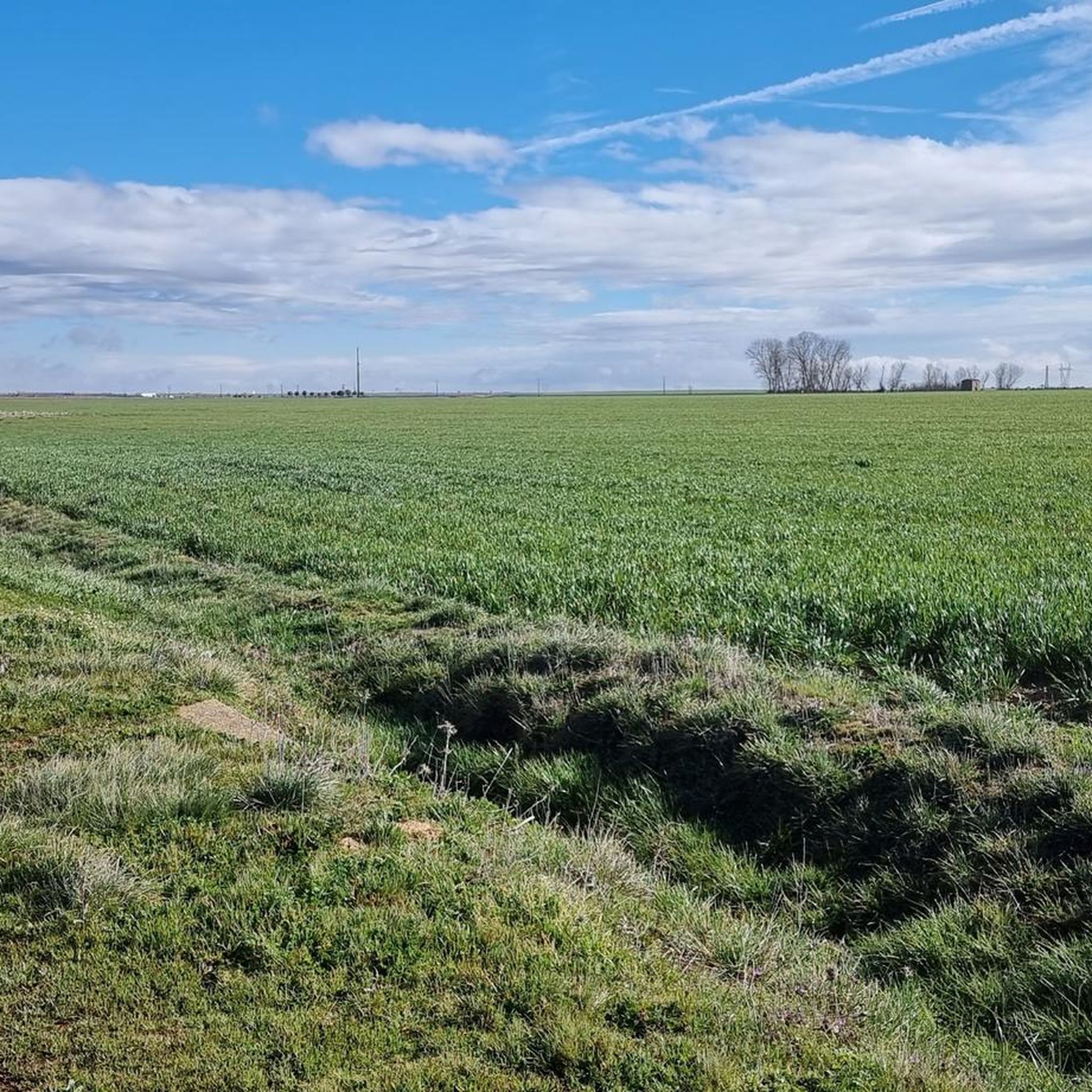
A beautiful picture as we pass along the Camino de la Plata, near the Castillo de Castrotorafe. Typical and endless roads of the Tierra del Pan region.
2
0
We are inside the Castillo de Castrotorafe Castle, currently in ruins of what was a walled medieval city. The views of the Esla River, at the foot of the walls, are excellent. We will find information panels that will give us more information about the place.
4
0
The population of Granja de Moreruel was born by the impulse of the Monastery of Santa María, raised by the eagerness of the Leonese monarchs to colonize extensive wastelands. Granja de Moreruela also has a church built in the mid-19th century, the Church of San Juan. Its term is crossed by the old Vía de la Plata, the Camino de Santiago de la Vía de la Plata and its variant, the Camino Mozárabe or Sanabrés. There is a Pilgrims Hostel.
3
0
Beautiful picture rolling near the Castillo de Castrotorafe through the endless roads of the Tierra del Pan region
3
0
Ruins of a walled medieval city, in which the ruins of the castle are preserved with beautiful views of the Esla river located at the foot of the walls.
1
1

The main altar in the atmospheric interior is an 18th-century Camarín altar.
0
1
Frequently Asked Questions
What historical sites can I explore in Pajares de la Lampreana?
Beyond the pilgrimage routes, you can visit the impressive Ruins of Castrotorafe Castle, a medieval walled city offering excellent views of the Esla River. The area also has archaeological vestiges from the Roman era at El Billar and Teso de Santa Coloma.
Are there any significant religious sites in the area?
Yes, the region is rich in religious heritage. You can visit the 12th-century Iglesia Parroquial de San Pedro, known for its Romanesque architecture and 18th-century altarpieces. The Hermitage of the Virgin of the Castle, though Baroque in appearance, houses a Romanesque polychromed image of the seated Virgin and a 16th-century altarpiece. In nearby Granja de Moreruela, the San Juan Church and Pilgrim Hostel is also a key site within the pilgrimage network.
What is the significance of the pilgrimage routes in Pajares de la Lampreana?
Pajares de la Lampreana is a significant point for pilgrims as it is intersected by the historic Camino Sanabrés and the Vía de la Plata. The Junction of Camino Sanabrés and Via de la Plata marks where these two important routes separate, with the Camino Sanabrés leading to Santiago de Compostela and the Vía de la Plata continuing towards Astorga.
What natural attractions can I find around Pajares de la Lampreana?
The natural surroundings are characterized by a mosaic of cultivated fields and wetlands, creating an ideal habitat for diverse birdlife. The local lagoons are a significant attraction for ornithology enthusiasts, especially during migrations. The municipality's proximity to the larger Villafáfila Lagoons means a rich presence of endangered bird species like the great bustard, harrier, and kestrel, alongside amphibians and small mammals.
Are there opportunities for birdwatching in the area?
Absolutely. The local lagoons and the nearby Villafáfila Lagoons are excellent spots for birdwatching. During migration seasons, you can observe various species of aquatic birds, as well as endangered species such as the great bustard, harrier, and kestrel.
What kind of outdoor activities are available?
The region offers various outdoor activities, particularly hiking and road cycling. You can explore historical routes, natural landscapes, and charming villages. For detailed routes, check out the guides for Hiking around Pajares De La Lampreana and Road Cycling Routes around Pajares De La Lampreana.
Are there hiking trails suitable for different skill levels?
Yes, there are hiking options for various skill levels. For example, you can find easy trails like the 'Cistercian Monastery of Santa Maria from Granja de Moruela' (7.8 km) or more challenging ones such as the 'Camino Sanabrés: Moreruela Monastery Loop' (21.5 km). You can find more details and routes in the Hiking around Pajares De La Lampreana guide.
Can I go cycling in the area?
Yes, road cycling is a popular activity. Routes range from easy, like 'From the Monastery of Santa María de Moreruela to the Laguna Salina Grande' (42.8 km), to moderate and difficult, such as the 'Villalpando – tour around Malva – Villafáfila Lakes Natural Reserve' (146.9 km). Explore more options in the Road Cycling Routes around Pajares De La Lampreana guide.
What cultural events or traditions can I experience?
Pajares de la Lampreana is known for its vibrant local festivities. Key events include the Fiestas de San Juan Bautista in June, Rogativas to the Virgen del Templo on April 14th and July 2nd, and the main celebration, 'La Feria,' honoring the Virgen del Templo on September 8th. The 'Semana Cultural' in the last week of August features theatrical performances, dances, and exhibitions of traditional crafts.
What is the best time of year to visit Pajares de la Lampreana?
The region offers attractions year-round, but for cultural events, consider visiting during the Fiestas de San Juan Bautista in June, the Rogativas in April or July, or 'La Feria' in September. The 'Semana Cultural' in late August is also a great time. For enjoying the natural landscapes and outdoor activities, spring and autumn generally offer pleasant weather.
Is Pajares de la Lampreana suitable for families with children?
Yes, the area offers a peaceful rural experience that can be enjoyable for families. Children might enjoy exploring the Castrotorafe Castle ruins, observing birdlife at the lagoons, and experiencing the local festivities. The traditional rural charm of the village also provides a unique atmosphere.
What local food specialties should I try?
When visiting Pajares de la Lampreana, be sure to savor the traditional regional dishes. A typical local specialty that comes highly recommended is roasted lamb.
Are there places to eat or stay in Pajares de la Lampreana?
Pajares de la Lampreana offers a tranquil rural experience, and while specific establishments are not detailed in the guide, you can expect to find local bars and restaurants serving traditional cuisine. For accommodation, rural houses or small hotels are typical in such authentic Spanish villages, providing a peaceful stay.
Can I bring my dog on trails or to attractions?
Many outdoor trails and natural areas around Pajares de la Lampreana are generally dog-friendly, allowing you to enjoy walks with your pet. However, it's always advisable to keep dogs on a leash and check specific rules for religious sites or protected natural reserves before visiting.
Most popular routes around Pajares De La Lampreana

Get inspired with the komoot mobile app


Explore more
Still not found the Highlight you’re looking for? See guides of the top attractions in other regions:
