The best cycling routes around Castro De Rei
5.0
(3)
44
riders
19
rides
Touring cycling around Castro De Rei offers diverse natural landscapes, from expansive plains to tranquil river paths. The region, part of Terra Chá, features generally flat topography with gentle inclines, making it suitable for various skill levels. Riverine routes along the Miño and Azúmara provide cycling opportunities, while the eastern parts introduce more rugged terrain with hills up to 620 meters. This varied environment supports a network of cycling routes that blend natural beauty with cultural exploration.
Best touring cycling…
Last updated: October 5, 2026
5.0
(2)
2
riders
46.2km
02:57
380m
380m
Moderate bike ride. Good fitness required. Mostly paved surfaces. Suitable for all skill levels.
5.0
(1)
1
riders
74.8km
05:13
1,080m
1,080m
Hard bike ride. Very good fitness required. Mostly paved surfaces. Suitable for all skill levels.

43.4km
03:07
870m
870m
Hard bike ride. Very good fitness required. Some segments of this route may be unpaved and difficult to ride.
4
riders
43.6km
03:03
290m
280m
Moderate bike ride. Good fitness required. Mostly paved surfaces. Suitable for all skill levels.
4
riders
50.0km
03:22
400m
400m
Moderate bike ride. Good fitness required. Mostly paved surfaces. Suitable for all skill levels.
Get access to more routes and recommendations from other explorers.
Already have an account?
Our route recommendations are based on thousands of hikes, rides, and runs completed by other people on komoot.
Start today with a free account
Your next adventure awaits.
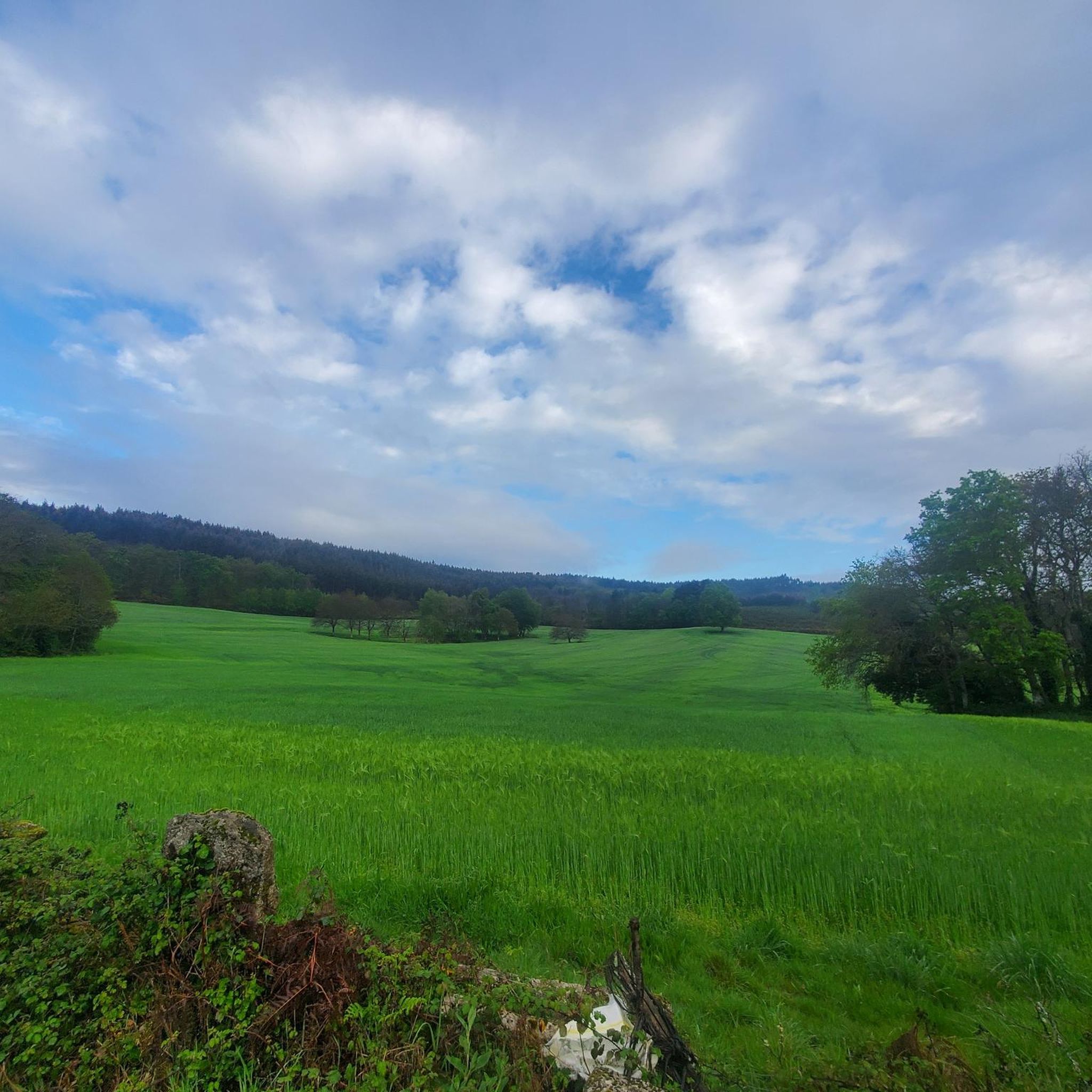
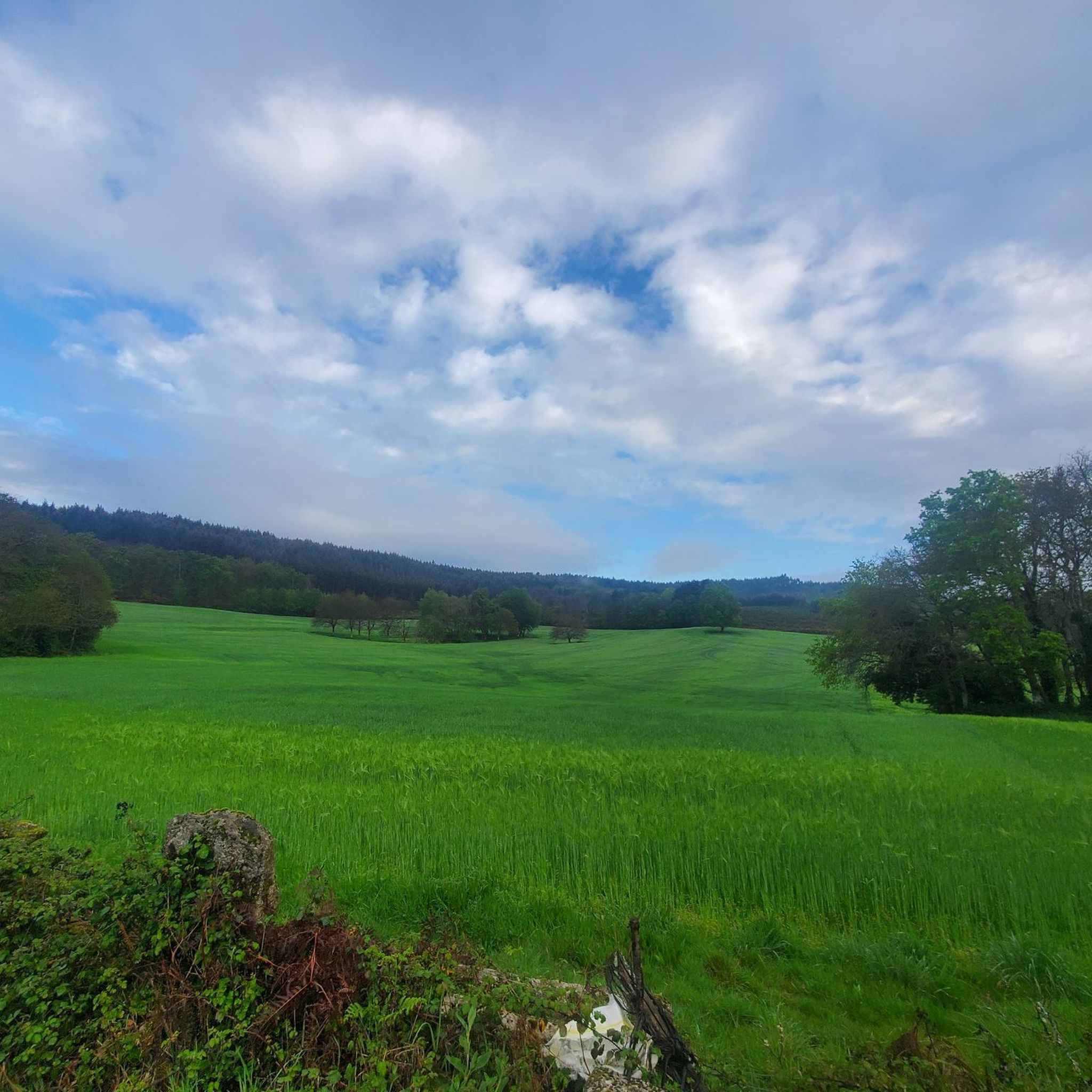
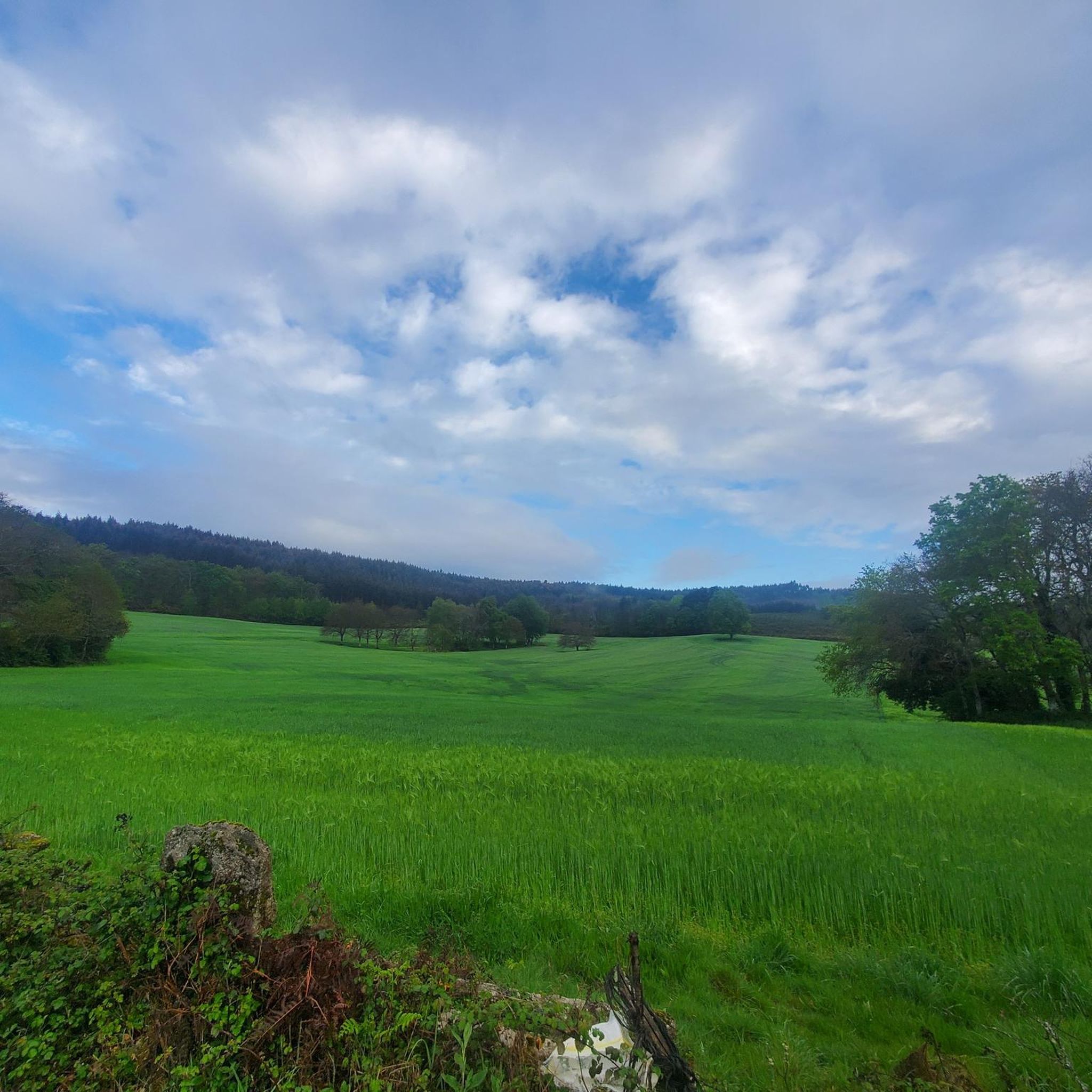
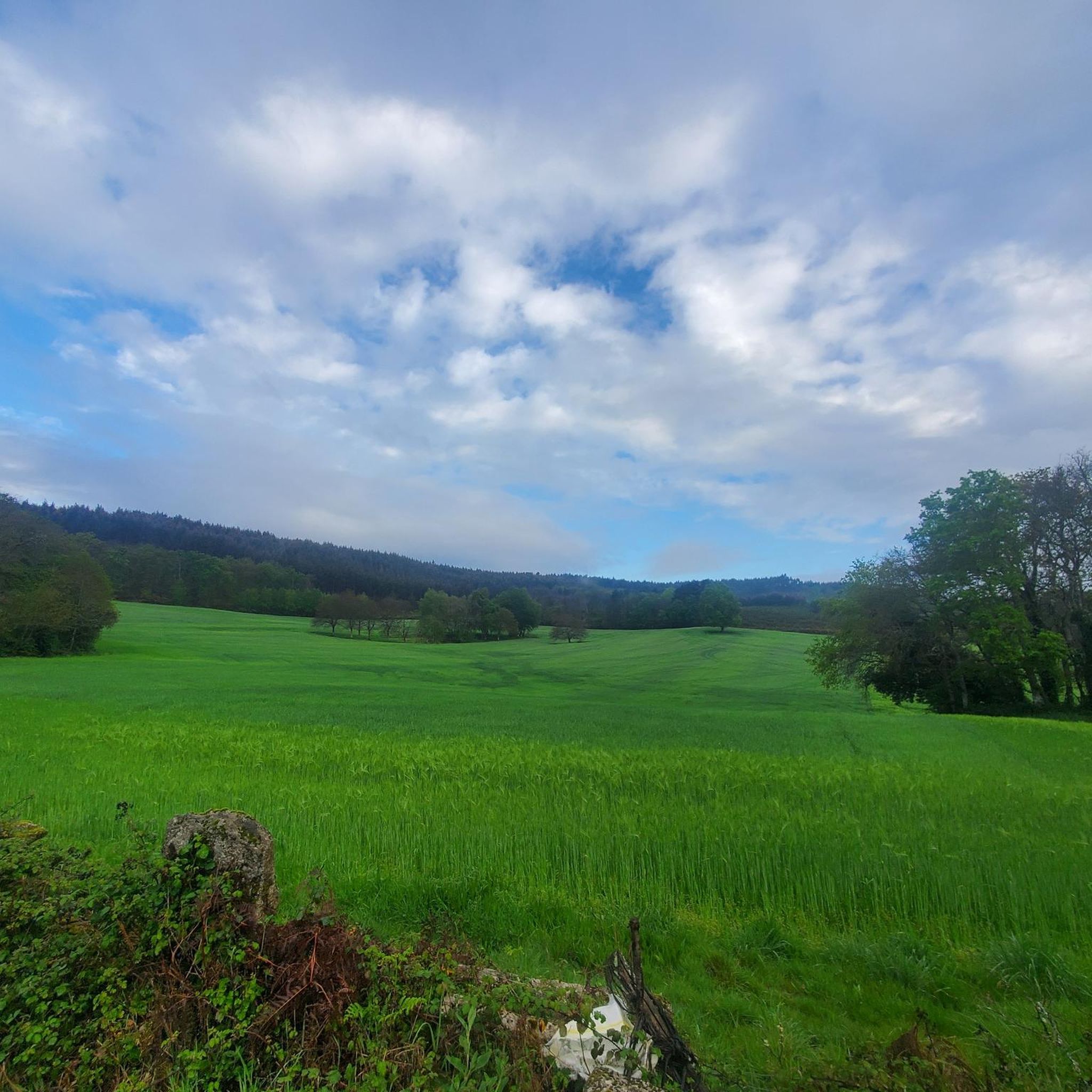
Tips from the Community

In June 2026, His Holiness Pope Leo XIV undertook a pastoral visit to Spain and, in his address, naturally referred to the national saint SANTIAGO MAJOR. He spoke of: 'a journey in several stages, each of which will show an aspect of the multifaceted nature of a great country that has embraced the word of the Gospel for almost two millennia. Tradition has always associated the first evangelization of the Iberian Peninsula with the preaching of the Apostle James the Greater. This connection is of considerable theological significance, as it expresses the local Church's awareness of being in continuity with the apostolic mission emanating from the event of Pentecost. The ancient connection between the Christian faith and this land... has profoundly shaped its culture and represents a source of hope and guidance amidst the challenges that we, as a human family, must face together today.'
0
0

A beautiful little town on the way to Santiago de Compostela 🤙
0
1

The so-called “Castroverde Cathedral” is actually the church of Santa María de Vilabade, a small parish three kilometers from Castroverde. It is located on the Primitive Way, although not all pilgrims pass through here, because there are two routes to complete the stage that goes from O Cádavo to Castroverde. However, it is worth choosing this route to visit this eclectic church.
4
0
Small church of medieval origin (Romanesque door) with later transformations. Masonry construction of a single nave, roofed on three sides with slate. Small rectangular apse.
6
0
The Church of Santiago de Espasande is one of the prominent monuments in the area. Popularly known as the “Castroverde Cathedral” for its monumentality, it was declared a National Monument in 1979. Built in 1557 by Fernando de Castro and renovated by Diego Osorio in the 17th century, it presents a late ogival style with Gothic-Romanesque influences. 😊
6
0

Beautiful walk on the walls of Lugo. Take the ramp of Santiago, next to the Cathedral to climb the wall and go all the way around
2
0

Typical small town in the mountains. The most notable building is the church of San Pedro located on the hills that dominate the town.
1
0
The source of the river Miño, located in Terra Chá before beginning a 315 km journey towards the Atlantic coast near A Guarda in the province of Pontevedra. The source is located on a steep mountain facing rocky boulders. The climb can be difficult for some.
1
0
Frequently Asked Questions
How many touring cycling routes are available in Castro De Rei?
There are over 20 touring cycling routes around Castro De Rei, offering a variety of options for different skill levels. You'll find 4 easy routes, 8 moderate routes, and 12 difficult routes to explore.
What kind of terrain can I expect when cycling in Castro De Rei?
Castro De Rei, located in the Terra Chá region, features generally flat topography with gentle inclines, making it suitable for various skill levels. You'll find expansive plains and tranquil river paths along the Miño and Azúmara rivers. The eastern parts of the region, however, offer more rugged terrain with hills reaching up to 620 meters, providing options for more challenging rides.
Are there any family-friendly cycling routes in Castro De Rei?
Yes, Castro De Rei offers several routes suitable for families, particularly those that stick to the generally flat plains and riverine paths. The region's low difficulty cyclo-tourist routes are ideal for a relaxed family outing. Look for routes categorized as 'easy' in the komoot app for the most family-friendly options.
What historical or cultural sites can I visit along the cycling routes?
Castro De Rei is rich in history. You can encounter pre-Roman forts and fortifications, including the well-known Castro de Viladonga Archaeological Site with its museum. Other notable sites include the Church of Saint Salvador of Soutomerille and the medieval Church of Saint Tomé. The region also lies along the Camino Primitivo, offering a blend of physical activity and cultural exploration.
Are there any circular touring cycling routes in the area?
Yes, there are several circular touring cycling routes. For example, the Outeiro de Rei – return via A Feira de Monte and Torre de Caldaloba is a popular moderate circular route connecting urban centers and historical points. Another option is the Ponte Vella de Rábade loop from Rábade, which offers a moderate ride.
What is the best time of year to go touring cycling in Castro De Rei?
Castro De Rei experiences a temperate climate, making it comfortable for outdoor activities for much of the year. Spring and autumn generally offer the most pleasant weather for cycling, with mild temperatures and less rainfall than winter. While winters bring abundant rainfall, cycling is still possible for those prepared for wet conditions.
What do other touring cyclists enjoy most about cycling in Castro De Rei?
The touring cycling routes in Castro De Rei are highly rated by the komoot community, with an average score of 5.0 stars. Cyclists often praise the diverse natural landscapes, from expansive plains to tranquil river paths, and the blend of natural beauty with cultural exploration offered by historical sites.
Are there any natural attractions or wetlands to see while cycling?
Absolutely. The region is characterized by extensive plains and wetlands, providing a rich ecological mosaic. You can visit the Cospeito Lagoon or the Fonte de la Rich and Teixeiro Lakes. The Miño River and its tributaries also offer pleasant, tranquil areas, including the Source of the Miño River and the Río Miño in Reserva da Biosfera Terras do Miño.
Where can I find accommodation or rest stops specifically for cyclists?
As Castro De Rei is along the Camino Primitivo, there are amenities catering to pilgrims and cyclists. The A Pociña de Muñiz Tourist Hostel offers accommodation with bicycle storage. Additionally, the Oasis of the Primitivo provides a charming rest area specifically for those traveling the Camino.
Are there any challenging routes for experienced touring cyclists?
Yes, for experienced touring cyclists seeking a challenge, the eastern part of Castro De Rei offers more rugged terrain. Routes like Lugo – tour around Castroverde and Castro de Viladonga, a difficult 74.8 km path, explore historical sites and feature varied terrain with significant elevation changes. Another difficult option is Meira – tour around Riotorto, leading through the more rugged eastern part of the region.
Is it possible to combine cycling with exploring nearby towns?
Many routes in Castro De Rei are designed to connect various points of interest, including urban centers and historical towns. For instance, the Outeiro de Rei – return via A Feira de Monte and Torre de Caldaloba route connects urban centers and historical points, allowing you to experience both the natural landscape and local culture.
Can I bring my dog on the cycling routes in Castro De Rei?
While specific regulations for dogs on cycling routes can vary, many natural areas and less-trafficked paths in rural regions like Castro De Rei are generally dog-friendly, especially if your dog is well-behaved and kept on a leash. It's always advisable to check local signage or specific route descriptions for any restrictions, particularly in protected natural areas or private lands. Ensure your dog is fit for the distance and terrain.
Most popular routes around Castro De Rei
Most popular attractions around Castro De Rei

Get inspired with the komoot mobile app


Explore more
Browse the best Cycling routes in other regions.
