The best walks and hikes around National Park Regional do Vale do Tua
4.4
(160)
537
hikers
6
hikes
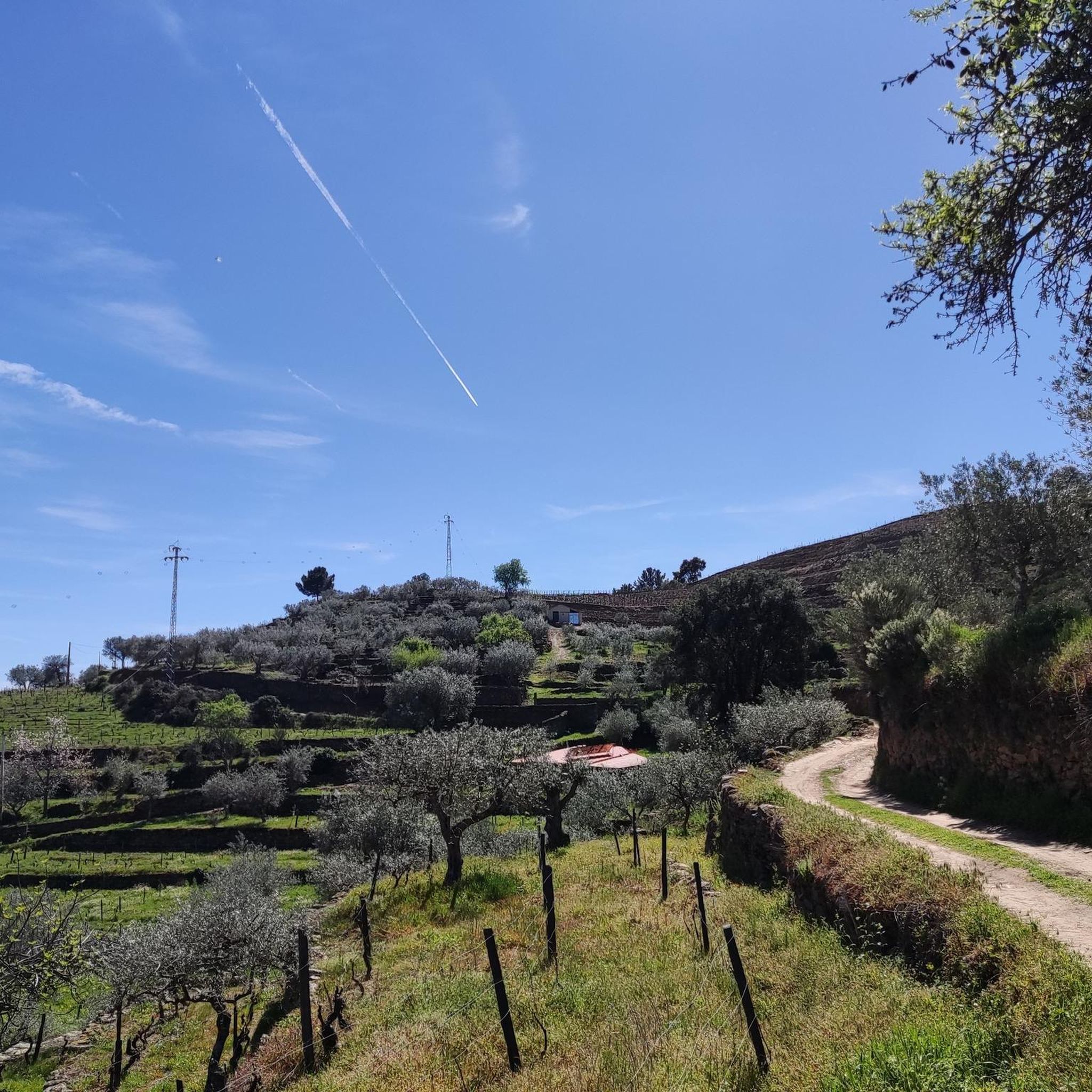
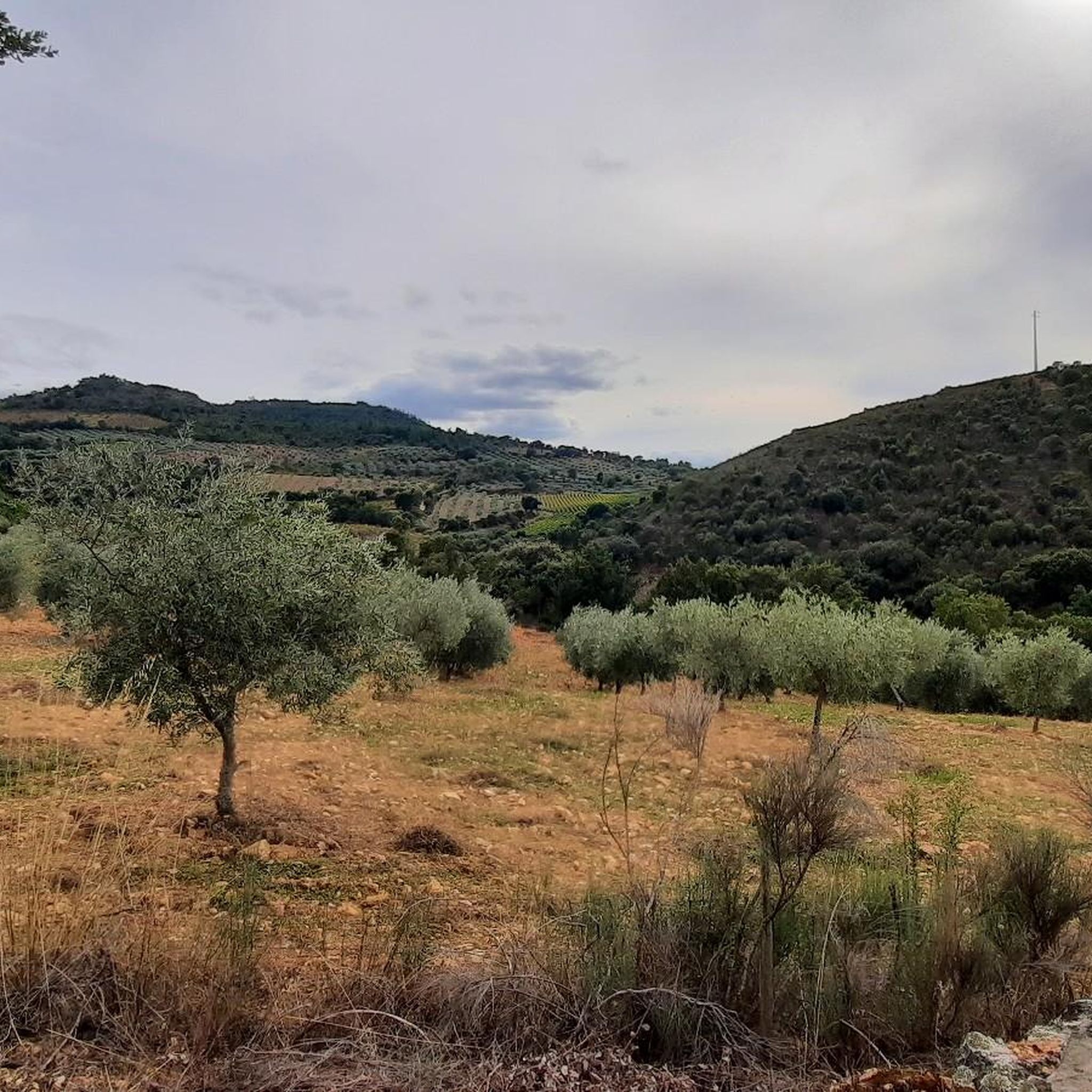
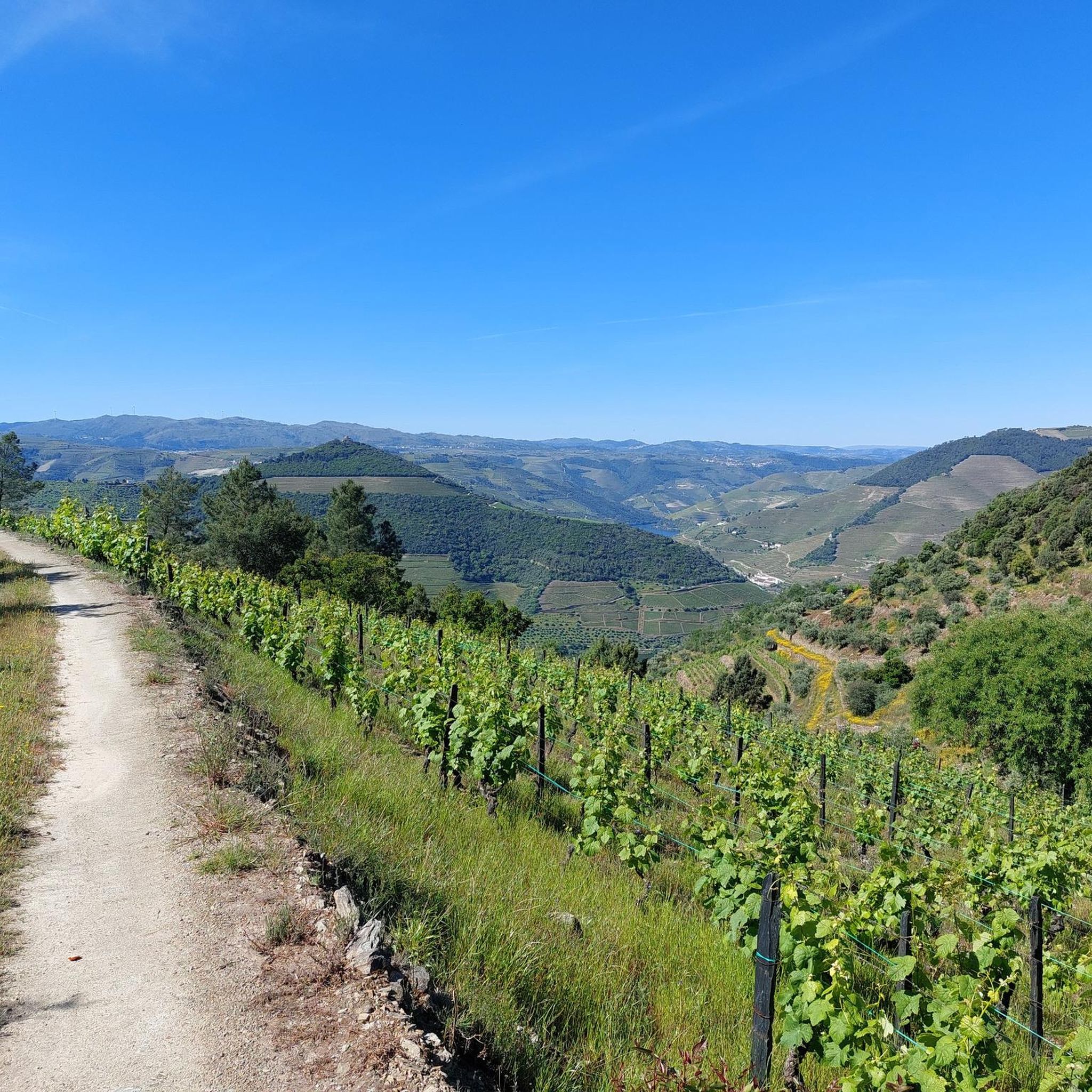
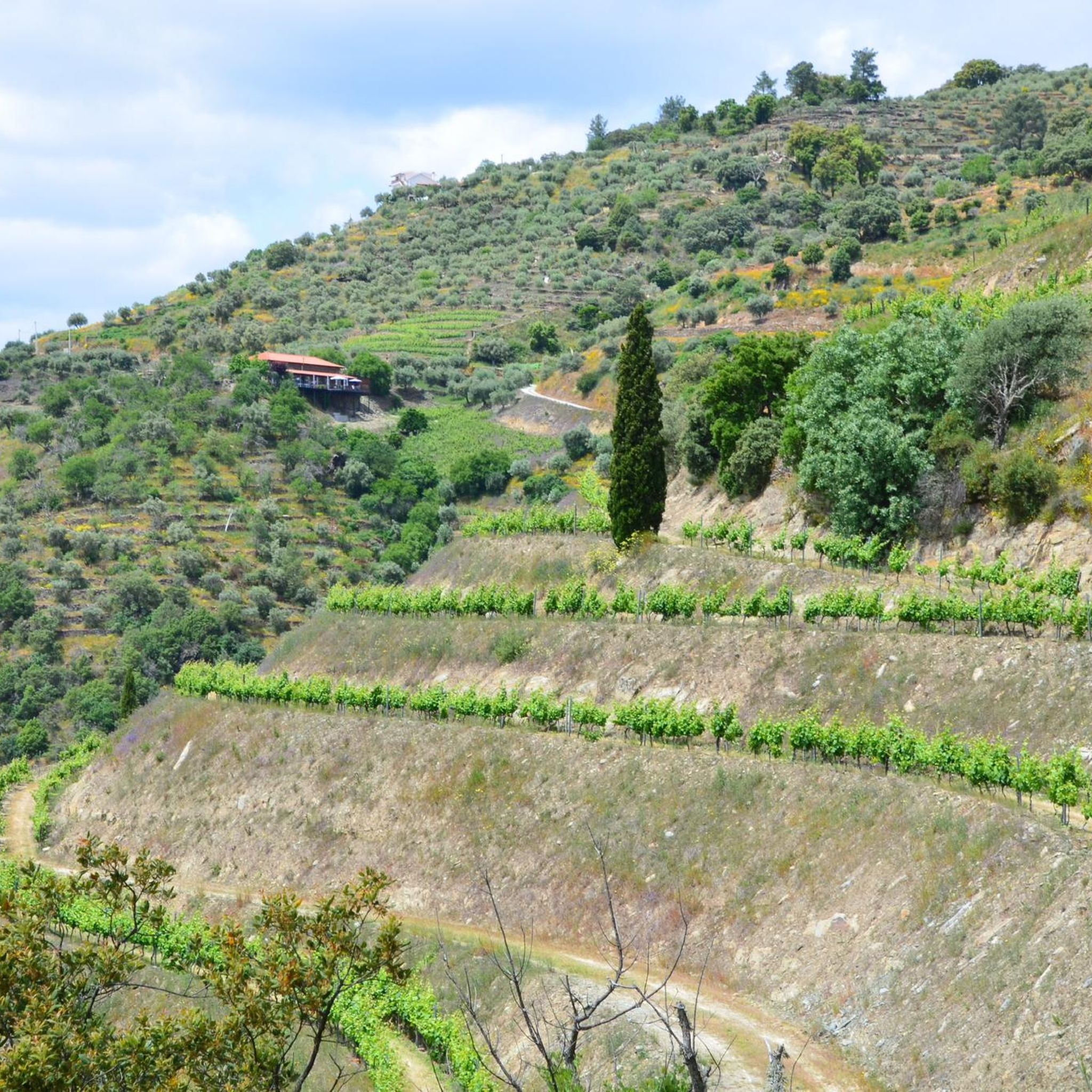
Hiking around National Park Regional do Vale do Tua reveals a landscape shaped by the Tua River, characterized by its deep valleys, terraced vineyards, and dense Mediterranean vegetation. The region features a mix of riverine ecosystems and elevated areas, offering diverse terrain for exploration. Trails often follow ancient paths, providing views of the river and surrounding hills. The park's natural features include varied flora and fauna, making it a significant ecological area in northern Portugal.
Best hiking trails around National Park Regional do Vale do Tua
- The most popular hiking route is Trilho do Senhor da Boa Morte (PR 2) — Tua Valley, a 6.0 miles (9.7 km) trail that takes 3 hours 6 minutes to complete. This moderate route offers views of the Tua River valley.
- Another top favourite among local hikers is Trilho de São Lourenço (PR 1) — Tua Valley, a moderate 7.6 miles (12.2 km) path. This trail navigates through the valley's natural scenery and traditional villages.
- Local hikers also love the Roman Bridge of Vale do Tua loop from São Mamede de Ribatua, a 6.4 miles (10.3 km) trail leading through riverine landscapes and historical points, often completed in about 3 hours 12 minutes.
- Hiking around National Park Regional do Vale do Tua is defined by river valleys, terraced hillsides, and Mediterranean forests. The network offers options for easy, moderate, and difficult trails, catering to different ability levels.
- The routes in National Park Regional do Vale do Tua are highly rated by the komoot community with an average score of 4.5 stars from over 120 reviews. More than 400 hikers have used komoot to explore National Park Regional do Vale do Tua's varied terrain.
Last updated: October 7, 2026
4.7
(24)
70
hikers
9.73km
03:06
420m
410m
Moderate hike. Good fitness required. Easily-accessible paths. Suitable for all skill levels.
4.8
(11)
26
hikers
12.2km
03:54
510m
510m
Moderate hike. Good fitness required. Easily-accessible paths. Suitable for all skill levels.

4.2
(6)
40
hikers
10.6km
03:17
410m
410m
Moderate hike. Good fitness required. Easily-accessible paths. Suitable for all skill levels.
4.8
(4)
23
hikers
6.08km
01:46
150m
150m
Easy hike. Great for any fitness level. Easily-accessible paths. Suitable for all skill levels.
2
hikers
19.0km
05:28
470m
470m
Hard hike. Very good fitness required. Easily-accessible paths. Suitable for all skill levels.
Our route recommendations are based on thousands of hikes, rides, and runs completed by other people on komoot.
Start today with a free account
Your next adventure awaits.
Tips from the Community

I love discovering viewpoints like Miradouro Olhos do Tua, where dramatic landscapes and panoramic river views make the journey feel worthwhile. The rugged scenery around the Tua River sounds especially impressive for anyone who enjoys nature and exploration. I also enjoy that same sense of movement and adventure when playing https://sloperidergame.com
0
0

From the village of Sao Mamede de Ribatua, there are 1700 steps down to the Tua Reservoir. And of course, you have to climb back up again. But you will be rewarded for the effort.
0
0
Arrival by bus is possible, 7:45 a.m., 10:20 a.m. from Tua train station. This option returns you to the starting point. Caution: some steep descents.
1
0

The municipality's main agricultural products are liqueur and table wine, olive oil, and cork, with the famous Ribatua orange being particularly noteworthy. Also noteworthy are important cultural aspects of the performing arts, such as ancestral traditions that originally featured open-air plays in Largo do Pelourinho, and musical aspects with a bicentenary band (1799).
2
0
From the vantage point behind the church, you have a magnificent view of the Tua Reservoir. The Tua River flows into the Douro.
3
0
A small, manageable park. The stalls are open on weekends.
2
0

This viewpoint on the Tua was also built entirely of steel, so the shape we see in this viewpoint represents the keel of a boat, which provides an incredible panoramic view of the river.
3
0
Frequently Asked Questions
How many hiking trails are available in National Park Regional do Vale do Tua?
There are 6 hiking routes available in the National Park Regional do Vale do Tua, offering a variety of experiences from easy strolls to more challenging treks. The komoot community has rated these routes highly, with an average score of 4.5 stars.
Are there easy hiking trails suitable for beginners or families with children?
Yes, the region offers an easy route perfect for beginners or families. The Porca de Murça loop from Murça is a 6.1 km (3.8 miles) trail that takes approximately 1 hour 45 minutes to complete, providing a gentle introduction to the area's natural beauty.
What kind of natural features and views can I expect to see while hiking?
Hiking in the National Park Regional do Vale do Tua offers stunning views of the Tua River valley, characterized by deep valleys, terraced vineyards, and dense Mediterranean vegetation. You'll encounter riverine ecosystems and elevated areas. Notable viewpoints include the Olhos do Tua Viewpoint and the Calçada de São Lourenço Viewpoint, both offering panoramic vistas of the landscape.
Are there any circular hiking routes in the park?
Yes, several routes in the National Park Regional do Vale do Tua are circular. For example, the Roman Bridge of Vale do Tua loop from São Mamede de Ribatua is a moderate 10.3 km (6.4 miles) trail that takes about 3 hours 12 minutes, leading you through riverine landscapes and historical points.
What is the best time of year to go hiking in National Park Regional do Vale do Tua?
The National Park Regional do Vale do Tua is generally pleasant for hiking in spring (April-May) and autumn (September-October) when temperatures are milder and the landscape is vibrant. Summer can be hot, especially in the river valleys, so early mornings or late afternoons are recommended if hiking during July and August.
Are there any historical or cultural points of interest along the trails?
Many trails in the region follow ancient paths and pass through traditional villages, offering glimpses into local culture and history. The Roman Bridge of Vale do Tua loop from São Mamede de Ribatua specifically highlights historical points, including the ancient Roman bridge itself.
Can I bring my dog on the hiking trails?
Generally, dogs are welcome on trails in the National Park Regional do Vale do Tua, but it's always best to keep them on a leash to protect local wildlife and respect other hikers. Ensure you carry enough water for your pet, especially during warmer months, as water sources may not always be readily available on all sections of the trails.
Are there any less crowded hiking options for a more peaceful experience?
While the region's trails are generally not overly crowded, for a more tranquil experience, consider exploring routes during weekdays or outside of peak holiday seasons. The Trilho de São Lourenço (PR 1) — Tua Valley, while popular, offers extensive sections through natural scenery where you can find solitude.
What should I pack for a day hike in the National Park Regional do Vale do Tua?
For a day hike, essential items include sturdy hiking shoes, sufficient water, snacks, sun protection (hat, sunscreen), and a first-aid kit. Depending on the season, layers of clothing are advisable. A map or GPS device is also recommended, as some trails might have varying signage.
Are there opportunities for wild swimming or cooling off in the water?
The Tua River is a central feature of the park, and while specific designated wild swimming spots on trails are not explicitly highlighted, many areas along the river offer opportunities for a refreshing dip, especially during the warmer months. Always exercise caution and check local regulations before entering the water.
What do other hikers enjoy most about hiking in National Park Regional do Vale do Tua?
The area is highly rated by the komoot community, with an average score of 4.5 stars from over 120 reviews. Hikers often praise the stunning river valley views, the tranquility of the ancient paths, and the diverse natural scenery that blends riverine ecosystems with terraced vineyards.
How can I reach the trailheads, and is parking available?
Access to trailheads often involves driving to nearby villages such as São Mamede de Ribatua or Murça. Parking is typically available in these villages, though it might be limited in smaller hamlets. Public transport options are less frequent in this rural region, so a car is generally recommended for flexibility.
Most popular routes around National Park Regional do Vale do Tua
Most popular attractions around National Park Regional do Vale do Tua

Get inspired with the komoot mobile app


Explore more
Browse the best Hikes in other regions.
