Attractions and Places To See around Karrantza Harana/Valle De Carranza - Top 20
Best attractions and places to see around Karrantza Harana/Valle De Carranza, a municipality in the Basque Country's Biscay province, offers a diverse range of attractions. The region is characterized by rugged mountains, lush valleys, and an impressive subterranean world, including numerous caves and sinkholes. Visitors can explore significant natural features and cultural sites that highlight the area's rich history and geology. This area provides opportunities to experience both natural beauty and historical landmarks.
Best attractions and places to see around…
Last updated: July 20, 2026
Old Bridge of Balmaseda
Highlight • Bridge
Translated by Google •
Tip by

Church of San Severino
Highlight • Religious Site
Translated by Google •
Tip by

Sign up now to discover places like this
Get recommendations on the best single tracks, peaks, & plenty of other exciting outdoor places.
Sign up for free
San Roque Hermitage on Mount Kolitza
Highlight • Religious Site
Translated by Google •
Tip by

Los Tornos via La Revilla and Fresnedo
Highlight (Segment) • Mountain Pass
Translated by Google •
Tip by

Cullalvera Cave
Highlight • Cave
Translated by Google •
Tip by
Sign up for free to discover even more attractions around Karrantza Harana/Valle De Carranza.
Sign up for free
Already have an account?
Start today with a free account
Your next adventure awaits.
Login or Signup
Popular around Karrantza Harana/Valle De Carranza
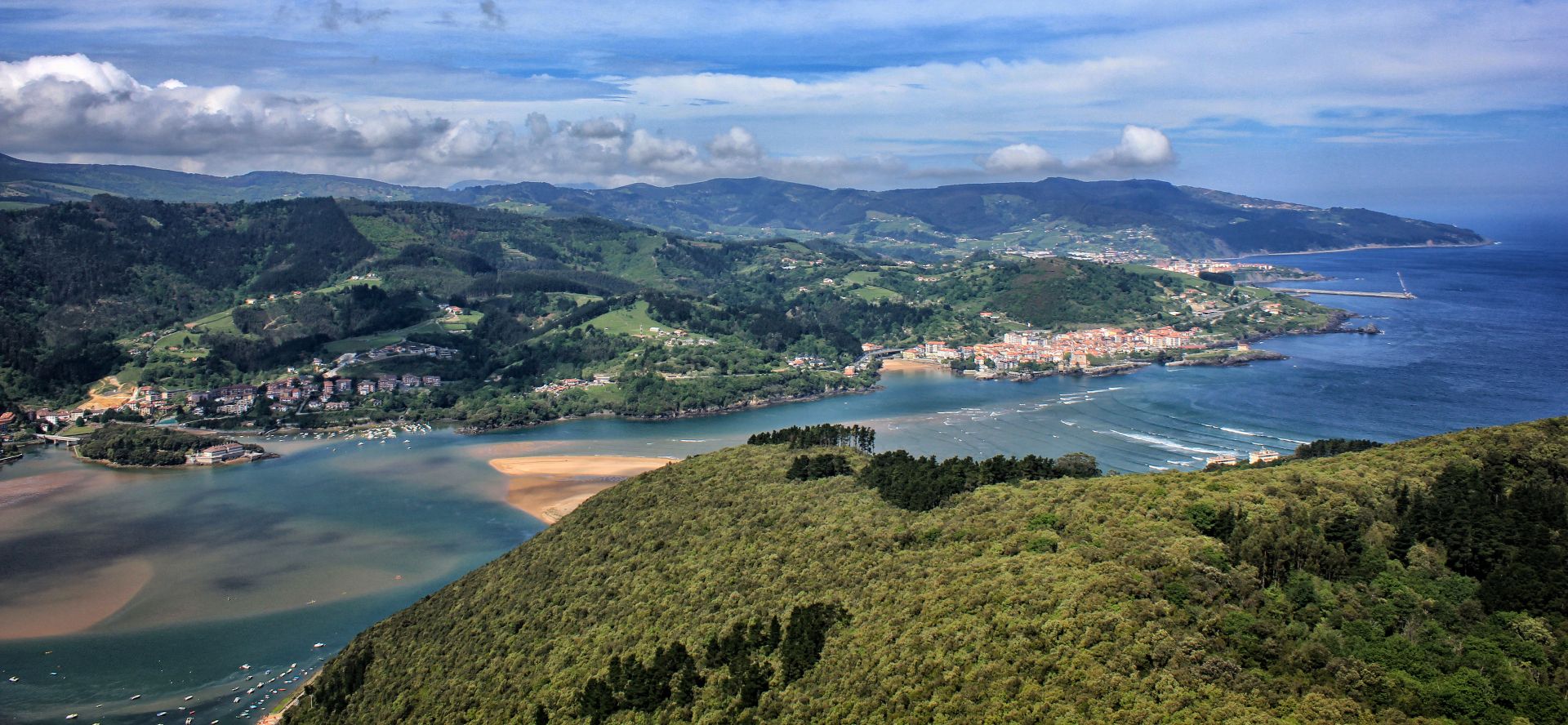
By the sea and the mountains – Tour of Biscay (GR 123)
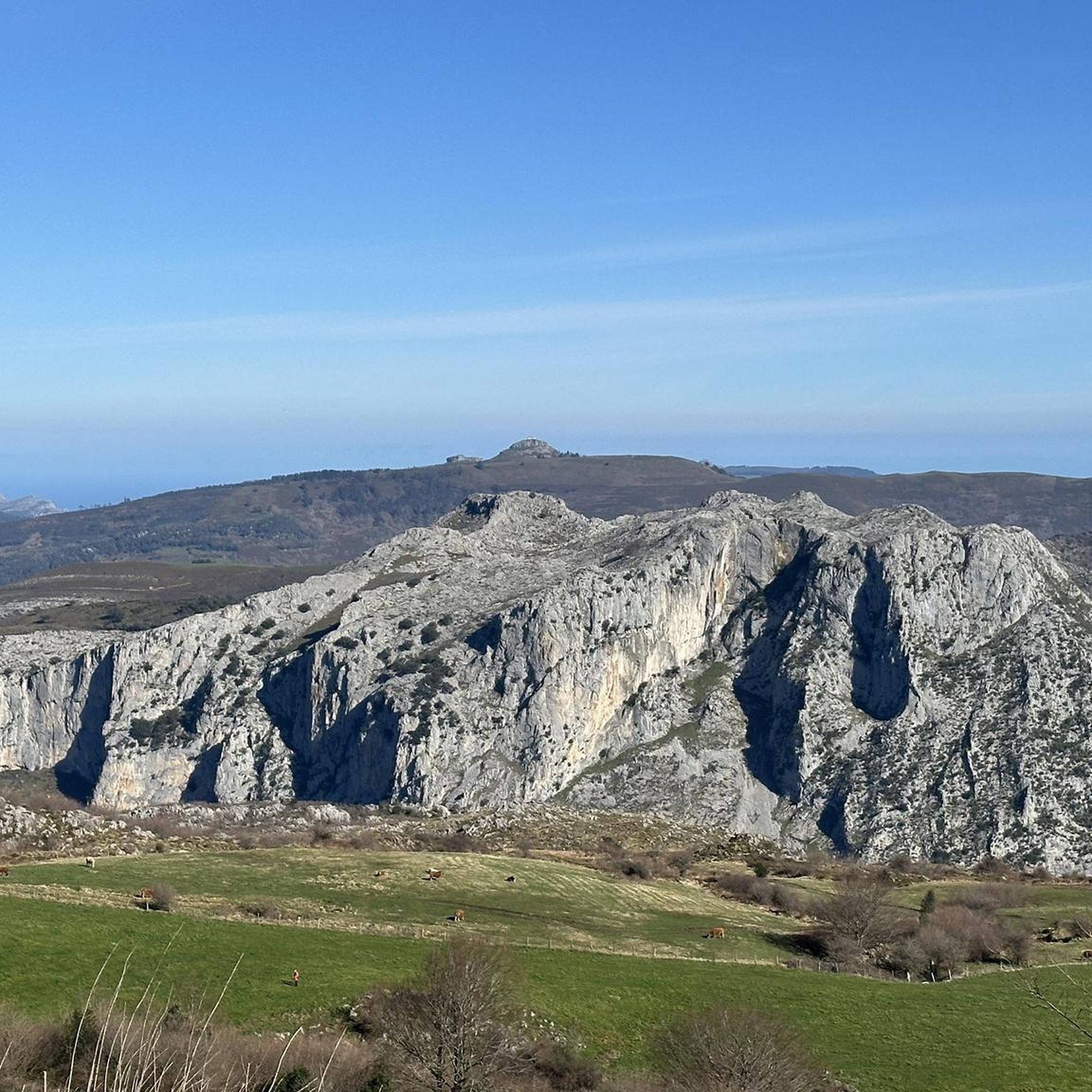
Running Trails around Karrantza Harana/Valle De Carranza
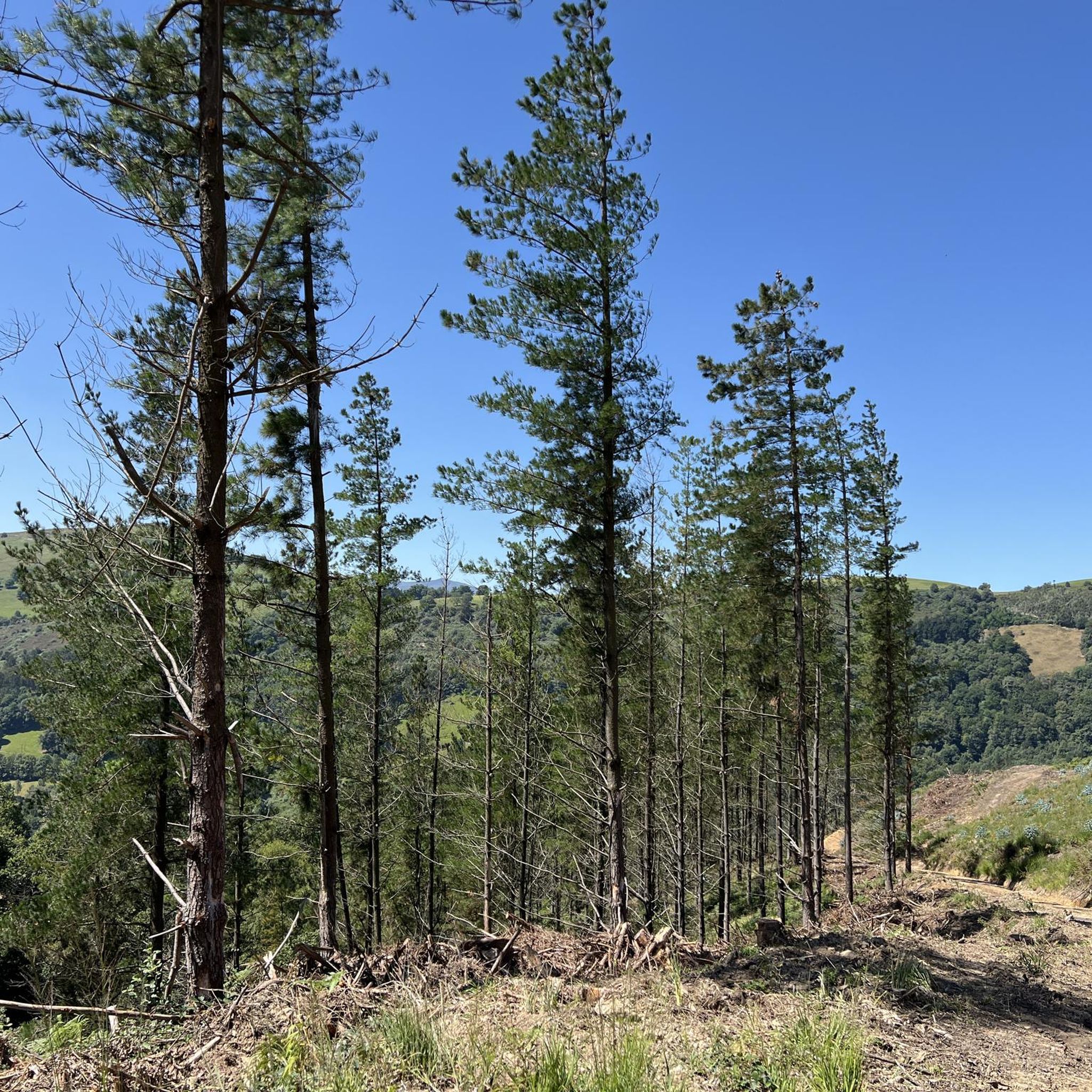
Hiking around Karrantza Harana/Valle De Carranza
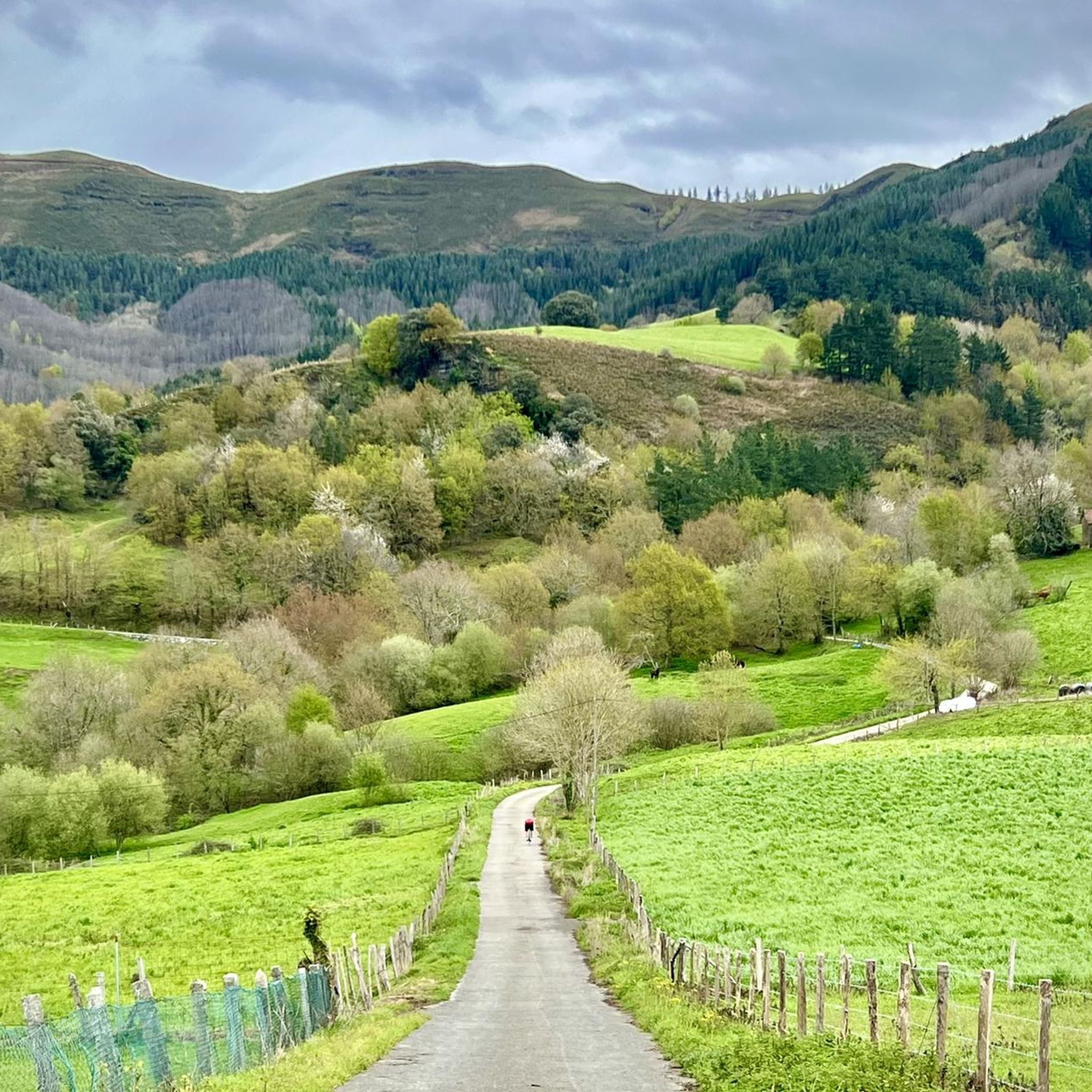
Cycling around Karrantza Harana/Valle De Carranza
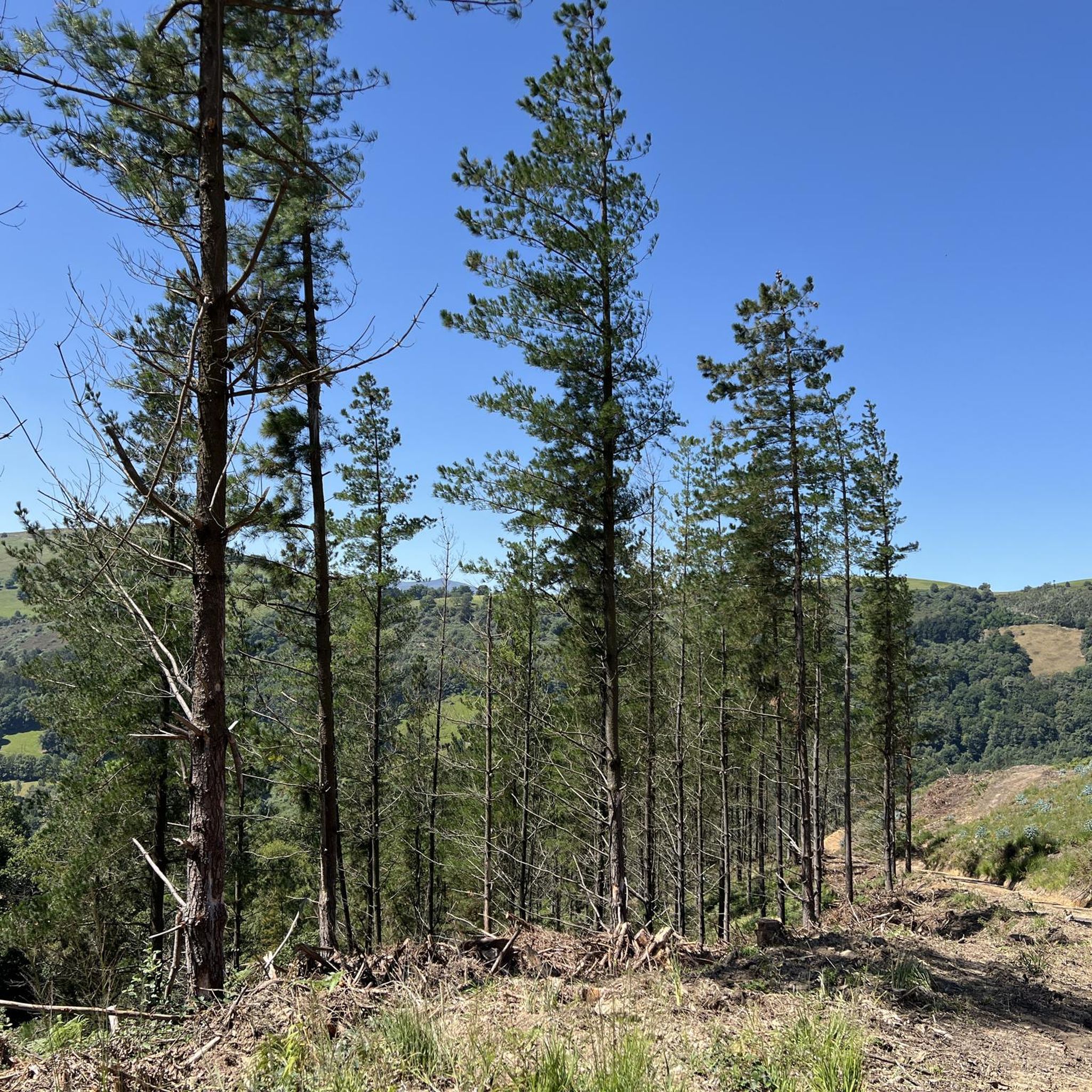
Road Cycling Routes around Karrantza Harana/Valle De Carranza
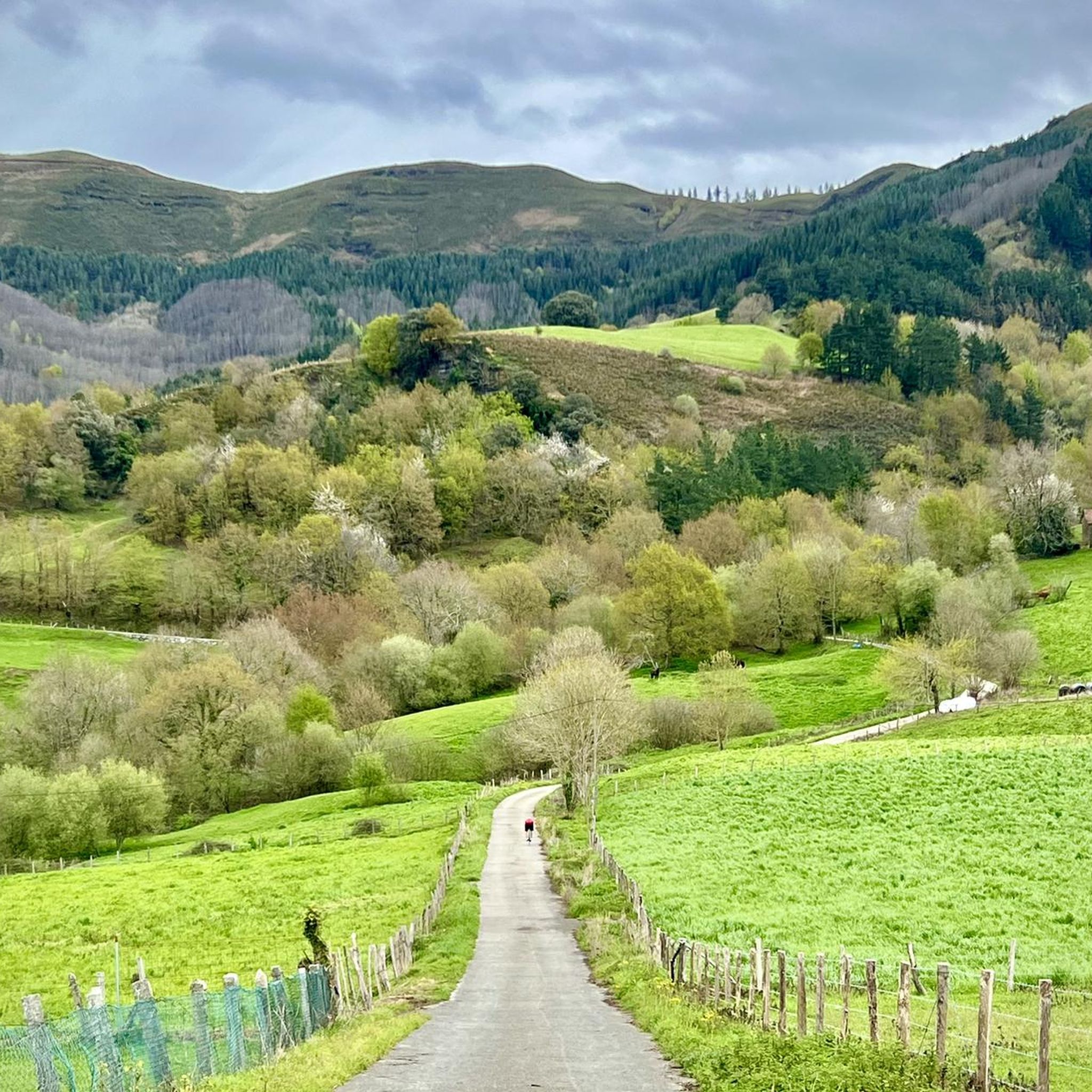
MTB Trails around Karrantza Harana/Valle De Carranza
Other adventures around Karrantza Harana/Valle De Carranza

Tips from the Community

The bridge was built in the 11th century and served as an important crossing point on the old road to Castile. It crosses the Cadagua River and is one of the city's landmarks. The bridge consists of three arches and has a Gothic tower added in the 15th century. This tower was formerly used to collect tolls.
1
0
The church is dedicated to Saint Severinus of Noricum, the patron saint of prisoners. It was built in the 15th century in the Gothic style. The church is located in the main square of Balmaseda.
1
0

The best-known image of Balmaseda, and it is right. A pleasure to go through.
3
0
Spectacular hermitage at the very top of Kolitza.
3
0
Today we made the official visit to the cave, it's a pity they didn't let us take photos inside.
2
0

One of the most publicized civil constructions in Bizkaia. Its charm has always been highly appreciated by painters, photographers and travelers. The footbridge joins the two banks of the Cadagua River where the neighborhoods of El Cristo and San Lorenzo are located, respectively, a place that occupied a modest Jewish aljama until 1492. It has a cobbled pavement.
2
0
Religious sanctuary from the 15th century, located in the Plaza Mayor of Balmaseda. The building is Gothic in style, but due to some reforms carried out in the 18th century, some Baroque additions can be seen.
1
0

The oldest town in Bizkaia, a thousand routes to run
0
0
Frequently Asked Questions
What natural wonders can I explore in Karrantza Harana/Valle De Carranza?
The region is rich in natural beauty, particularly its impressive subterranean world. You can visit the Cullalvera Cave, known for its vast karstic formations. The Cueva de Pozalagua is renowned for having the world's largest concentration of eccentric stalactites. The Parque Natural de Armañón is a treasure trove of biodiversity with around 200 caves and sinkholes, and the Torca del Carlista is Europe's largest chasm, though primarily for expert speleologists. Don't miss the ancient Paleolithic art in Cueva de Ventalaperra.
Are there any historical or cultural landmarks to visit?
Yes, Karrantza Harana/Valle De Carranza offers several significant historical and cultural sites. The Old Bridge of Balmaseda, an 11th-century Gothic bridge, is a prominent landmark. You can also see the Church of San Severino in Balmaseda, a 15th-century Gothic church with Baroque additions. Other notable sites include the Iglesia de San Andrés de Biañez, which houses a magnificent Renaissance altarpiece, and the Itinerario Megalítico de Haizko, featuring ancient dolmens and necropolises.
What are the best viewpoints in the area?
For breathtaking panoramic views, head to the San Roque Hermitage on Mount Kolitza. Located at 880 meters altitude, this 13th-century chapel offers spectacular vistas. Another scenic spot is Los Tornos via La Revilla and Fresnedo, a mountain pass providing extensive views from Picón Blanco to the Sierra del Hornijo, especially stunning when the mountains are snow-covered in winter.
What activities are available for families with children?
Families will enjoy Karpin Abentura / Karpin Fauna, an ecological park featuring a variety of animal species and a dinosaur park. The Cullalvera Cave is also a family-friendly attraction, offering an amazing experience exploring its vast chambers. Many of the natural areas, like the Encinar de Sopeña holm oak forest, are suitable for easy nature walks with children.
Are there opportunities for hiking or mountain biking?
Absolutely. The rugged mountains and lush valleys provide excellent terrain for outdoor activities. You can find numerous routes for mountain biking, such as the 'Puerto de La Sía por Picón Blanco' or the 'Peñalta Peak loop'. For road cycling, explore routes like 'Ramales de la Victoria – Ampuero Climb'. You can discover more detailed routes and their difficulties on the MTB Trails around Karrantza Harana/Valle De Carranza, Road Cycling Routes around Karrantza Harana/Valle De Carranza, and Cycling around Karrantza Harana/Valle De Carranza guide pages.
What is the best time of year to visit Karrantza Harana/Valle De Carranza?
The best time to visit depends on your preferred activities. Spring and autumn offer pleasant temperatures for hiking and exploring natural sites like the Parque Natural de Armañón and the Encinar de Sopeña. Summer is ideal for enjoying outdoor activities and the ecological park. Winter can be beautiful, especially for viewing snowy mountain landscapes from viewpoints like Los Tornos, but some higher trails might be more challenging.
Can I explore ancient history in the region?
Yes, the region has a rich ancient history. The Cueva de Ventalaperra is particularly significant as the oldest sanctuary in the Basque Country, featuring Paleolithic art. Additionally, the Itinerario Megalítico de Haizko allows you to walk among ancient megalithic monuments, including the Fuentellano dolmen and the La Cabaña necropolis, offering a glimpse into prehistoric times.
What kind of geological formations can I expect to see?
Karrantza Harana/Valle De Carranza is famous for its unique geological formations, especially its karst landscape. The Karst de Ranero, closely associated with the Cueva de Pozalagua, showcases dramatic karst formations. The region is dotted with numerous caves and sinkholes, including the impressive Torca del Carlista, Europe's largest chasm, and the Cullalvera Cave with its vast chambers formed by water erosion.
Are there any unique forests or natural reserves to visit?
Yes, the region boasts beautiful forests and natural reserves. The Parque Natural de Armañón is a significant natural park known for its biodiversity and geological features. You can also enjoy serene walks through the Encinar de Sopeña, a beautiful holm oak forest, or experience the picturesque scenery of the Hayedo de Balgerri, a stunning beech forest.
What do visitors enjoy most about the attractions in Karrantza Harana/Valle De Carranza?
Visitors particularly appreciate the blend of natural beauty and historical significance. The panoramic views from places like the San Roque Hermitage on Mount Kolitza are highly rated. The historical charm of the Old Bridge of Balmaseda and the impressive geological features of the caves, such as Cullalvera Cave, are also frequently highlighted as memorable experiences.
Are there any attractions related to industrial heritage?
Yes, the Old Dolomite Factory/Auditorium is a site that represents the region's industrial heritage. This unique location features a natural auditorium carved from an ancient Dolomite quarry, which is sometimes used for open-air concerts, offering an interesting blend of history and natural acoustics.
Most popular routes around Karrantza Harana/Valle De Carranza
Most popular attractions around Karrantza Harana/Valle De Carranza

Get inspired with the komoot mobile app


Explore more
Still not found the Highlight you’re looking for? See guides of the top attractions in other regions:
