Attractions and Places To See around Campillo De Ranas - Top 20
Best attractions and places to see around Campillo De Ranas, a village in Guadalajara, Spain, is known for its distinctive "black architecture" and natural landscapes. It is part of the "Pueblos Negros" route, characterized by buildings constructed primarily from dark slate. The area is situated within the Sierra Norte de Guadalajara Natural Park, offering diverse forested areas and rich wildlife. This region provides opportunities for rural tourism, hiking, and exploring unique cultural heritage.
Best attractions and places to see around…
Last updated: October 10, 2026
La Hiruela
Highlight • Settlement
Translated by Google •
Tip by

Valverde de los Arroyos
Highlight • Settlement
Translated by Google •
Tip by
Sign up now to discover places like this
Get recommendations on the best single tracks, peaks, & plenty of other exciting outdoor places.
Puerto de la Puebla
Highlight • Mountain Pass
Translated by Google •
Tip by

Roblelacasa
Highlight • Settlement
Translated by Google •
Tip by
Trillos Bridge
Highlight • Bridge
Translated by Google •
Tip by
Sign up for free to discover even more attractions around Campillo De Ranas.
Already have an account?
Start today with a free account
Your next adventure awaits.
Tips from the Community

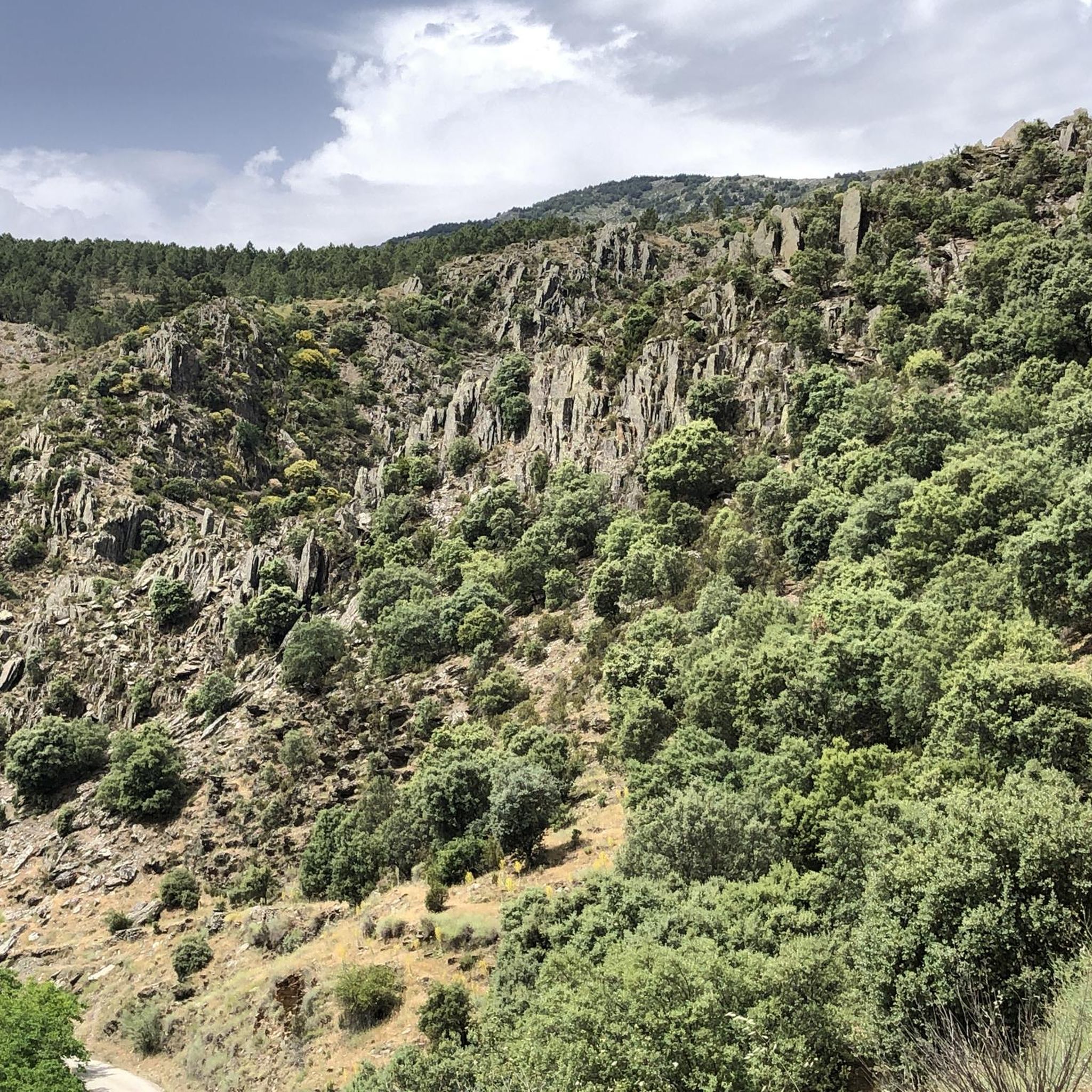
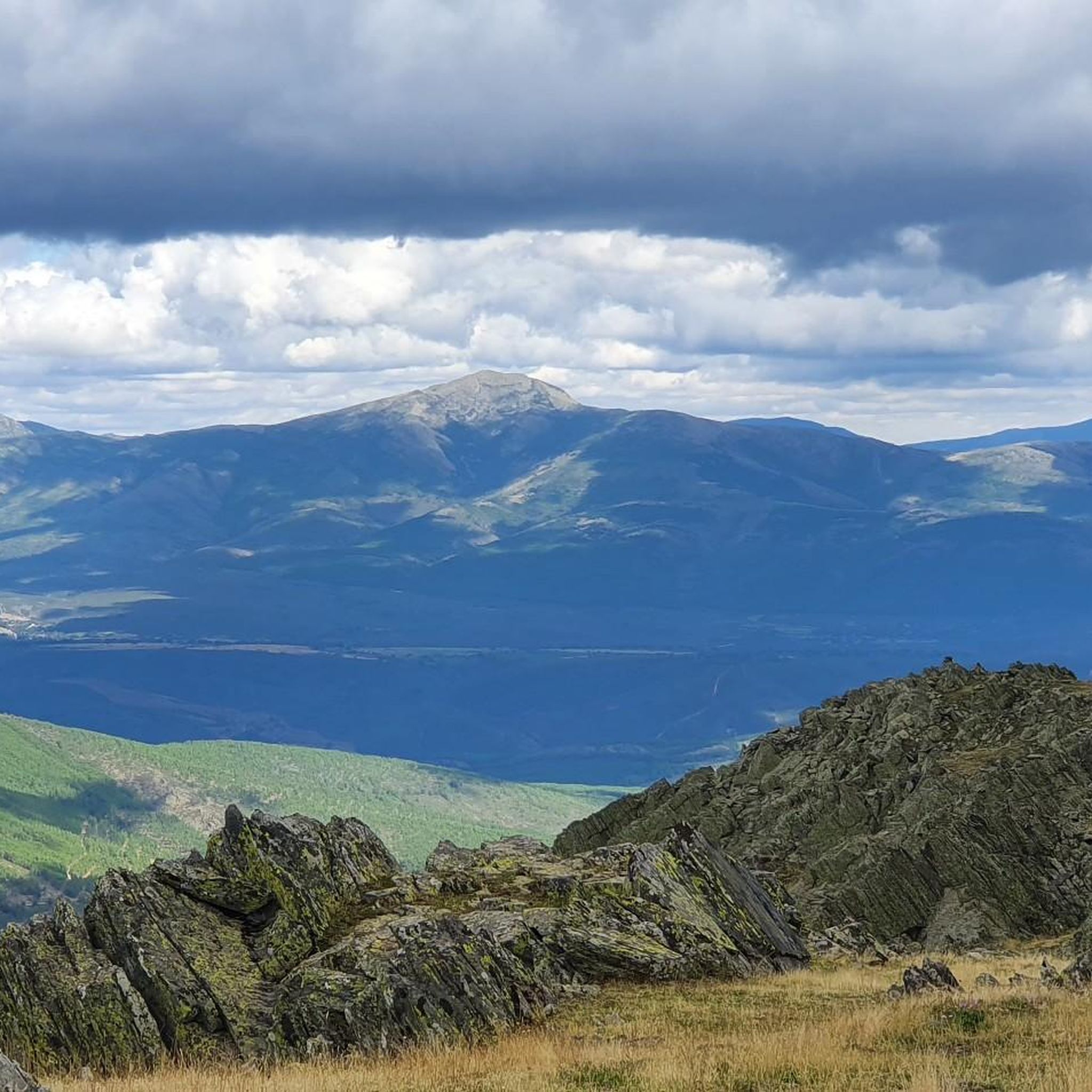
A very pleasant pass to climb up the Puebla de la Sierra side. To do this, you have to access it from Robledillo, with very steep ramps to warm up, and a few kilometers on a narrow and bumpy road. The views and the route are totally worth it. Avoid weekends, especially busy hours, as motorcycles, and especially cars, can spoil the party a bit, as I say, the road is very narrow. There is a fountain at the lowest point between Robledillo and Puebla, and another one when leaving Puebla de la Sierra. They are the only two points where you will be able to fill your bottles "for free".
0
0


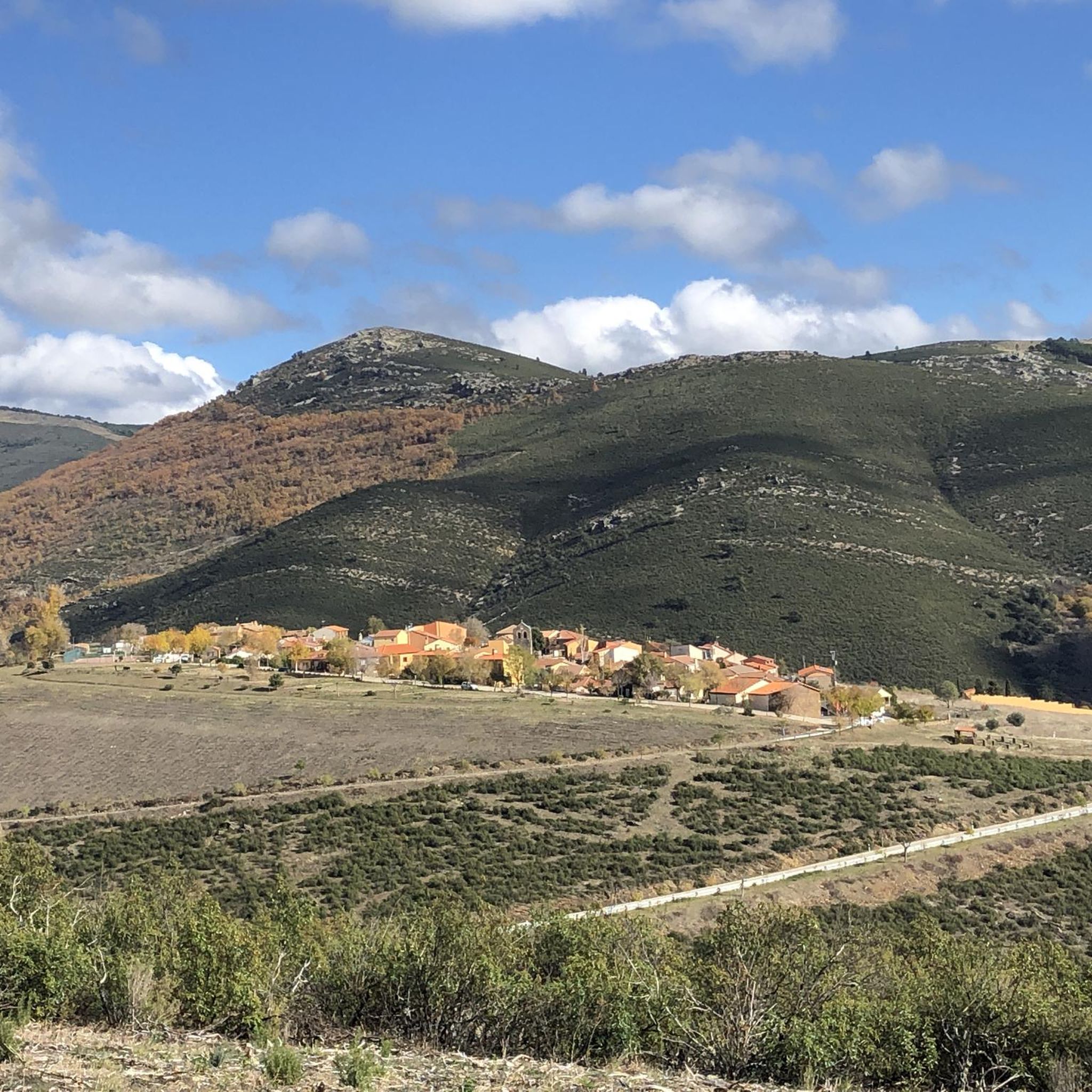
A picturesque village among the black villages of Guadalajara. The food is great and it is a good starting point for hiking and mountain biking excursions.
1
0

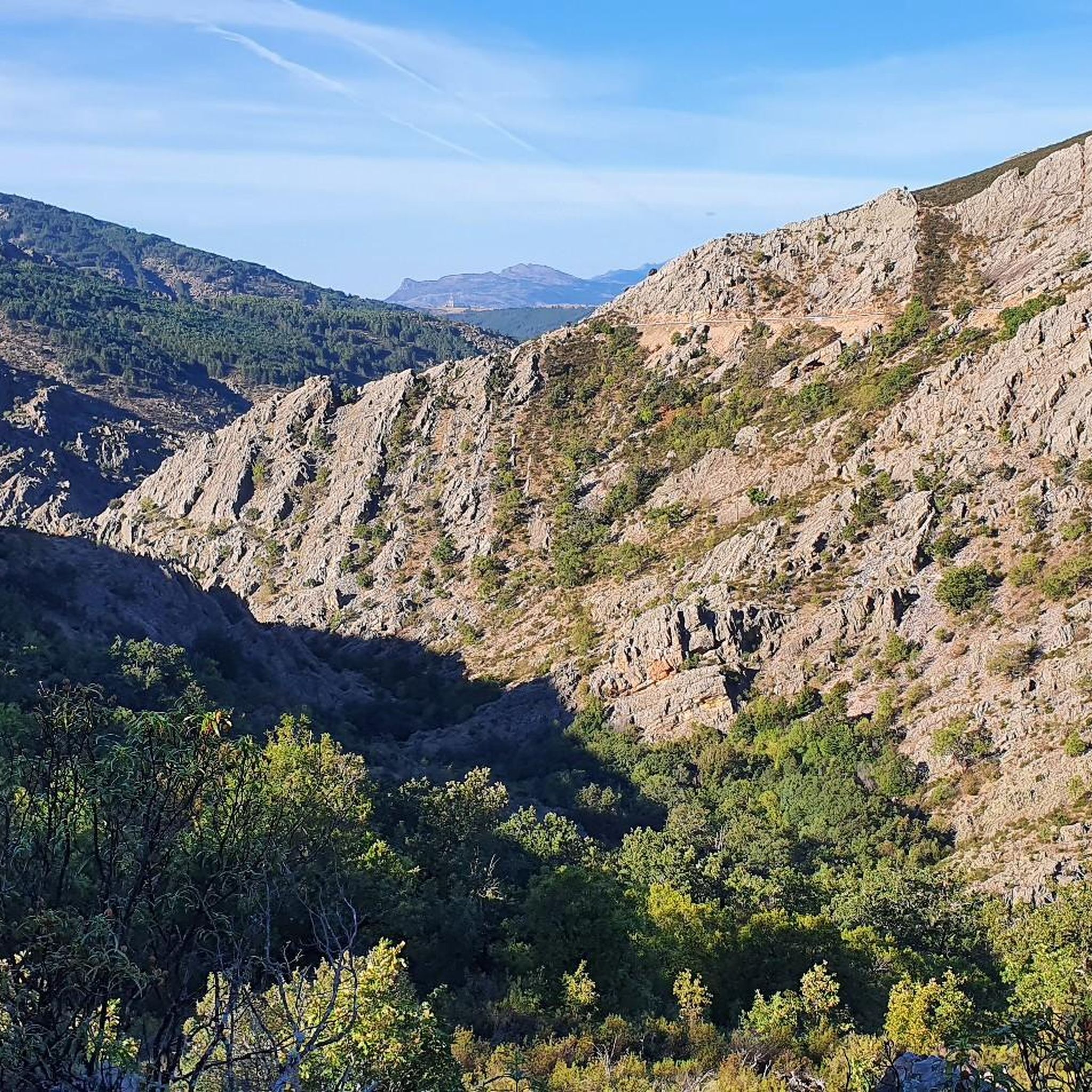
The route that passes through the Puente de los Trillos is known for its natural landscapes and traditional black architecture. It is an excellent option for hiking lovers looking to explore the Sierra Norte of Guadalajara.
4
0

Valverde de los Arroyos is beautiful all year round, in Spring, Summer, Autumn and Winter. Not only the town itself is extraordinary, but also its entire rich nature and landscape.
0
1
There are actually three bridges at this location: 1st.- The current wooden bridge over which the Jarama River is crossed. 2nd,. Below, is the old Los Trillos Bridge. To see it you have to move a little away from the river or the Madera bridge. 3º.- A little further down the bridge are the Lateral supports of the old Matallana Bridge. On this bridge, the span to cross it was much longer and the wooden beams quickly deteriorated. For this reason, they made the Puente de los Trillos as short as possible, bringing the two new lateral supports very close.
1
0
Rpblelacasa is a Beautiful Black Town.
0
1
Valverde de los Arroyos belongs to the area of Black Architecture, but here the Black Towns take on golden tints, due to the fact that the slate roof is interspersed on the wooden frame with the use of quartzite, which brings flashes of light to the his typical darkness. In the Plaza, the main feature is a space for traditional games that brings salt to a space presided over by the parish church, emblem of the aforementioned architecture of the area. In a typical house on Escuelas street, the Valverde de los Arroyos Ethnological Museum is housed, where in addition to publicizing its architecture, cultural homage is paid to the area's textile activity. The hermitage of the Virgen de Gracia is a slate construction from the 19th century that is due to two native missionaries from the Philippines.
9
0
Frequently Asked Questions
What makes the architecture around Campillo de Ranas unique?
The region is renowned for its distinctive 'black architecture,' where buildings are constructed primarily from dark slate. This creates a striking visual harmony with the natural environment. Villages like Campillo de Ranas, La Hiruela, and Roblelacasa showcase this traditional style. In Valverde de los Arroyos, the black architecture incorporates quartzite, giving the slate roofs golden tints.
Are there any notable historical or cultural sites to visit?
Yes, Campillo de Ranas offers several historical and cultural points of interest. You can explore the Romanesque-style Church of Santa María Magdalena, the symbolic Torre del Reloj Solar, and the Plaza Mayor, which often hosts local festivities. The Museo de Maquetas Roizo also showcases miniature models of traditional buildings and trades from the black architecture region.
What natural attractions can I explore near Campillo de Ranas?
The area is rich in natural beauty. You can visit the impressive Cascada del Aljibe, considered one of Spain's most beautiful waterfalls, located about 7 kilometers from the village. The majestic Pico Ocejón is a prominent peak offering spectacular views, and the ancient Roble Centenario (Centenary Oak) is a beloved symbol of the village. The entire region is part of the Sierra Norte de Guadalajara Natural Park.
What kind of hiking opportunities are available?
The area around Campillo de Ranas is excellent for hiking, with various marked trails. Popular routes include those leading to the Cascada del Aljibe and the 'Senda de los Inmortales.' The route passing by the Trillos Bridge is also known for its natural landscapes and traditional black architecture. For more hiking options, you can explore the Attractions and Places To See around Campillo De Ranas guide.
Are there family-friendly activities or attractions?
Yes, several attractions are suitable for families. Exploring the unique architecture of villages like La Hiruela and Valverde de los Arroyos can be an engaging experience. The Ethnological Museum in Valverde de los Arroyos offers insights into local culture, and the Plaza Mayor in Campillo de Ranas often hosts traditional games. Gentle walks in the natural park are also enjoyable for all ages.
What are the best viewpoints in the area?
For spectacular panoramic views, visit the Mirador de la Fuente de las Ranas, constructed entirely of slate, which offers vistas of the Sierra de Ayllón and the Pico Ocejón. The summit of Pico Ocejón itself also provides stunning landscapes after a rewarding hike.
Can I explore other 'black villages' nearby?
Absolutely. Campillo de Ranas is part of the 'Pueblos Negros' route. You can explore other charming black villages such as Campillejo, El Espinar, Roblelacasa, Robleluengo, Matallana, El Vado, and La Vereda. These villages share the distinctive slate architecture and offer a deeper dive into the region's unique heritage. Some, like Matallana, El Vado, and La Vereda, are currently uninhabited, offering a glimpse into the past.
What cycling routes are available around Campillo de Ranas?
The area offers diverse cycling opportunities. For road cycling, you can find routes like the 'Port of La Hiruela and Puentes Viejas Reservoir' or the 'Climb to Puerto de la Quesera.' If you prefer touring, options include the 'Choza del Majadal – Puerto de la Quesera loop.' Mountain biking enthusiasts can explore trails such as 'Los Huertos - Tamajón' or the 'Bonaval Monastery Ruins – Roman Bridge of Valdesotos loop.' More details can be found in the Road Cycling Routes around Campillo De Ranas, Cycling around Campillo De Ranas, and MTB Trails around Campillo De Ranas guides.
What do visitors particularly enjoy about the attractions in this region?
Visitors frequently appreciate the unique architectural identity of the black villages, noting how well-preserved towns like La Hiruela are. The stunning natural landscapes, especially the views from Pico Ocejón and the serene beauty of the Sierra Norte de Guadalajara Natural Park, are also highly praised. Many enjoy the blend of cultural heritage and outdoor activities, particularly the hiking routes that showcase both the architecture and nature.
Is Campillo de Ranas located within a natural park?
Yes, Campillo de Ranas is situated within the extensive Sierra Norte de Guadalajara Natural Park. This park offers diverse forested areas, rich wildlife, and is an ideal location for rural tourism, hiking, and enjoying nature.
Most popular routes around Campillo De Ranas
Most popular attractions around Campillo De Ranas

Get inspired with the komoot mobile app


Explore more
Still not found the Highlight you’re looking for? See guides of the top attractions in other regions:
