Attractions and Places To See around Lluçà - Top 20
Best attractions and places to see around Lluçà include a rich blend of historical, cultural, and natural sites. The municipality, nestled in the Lluçanès region, is known for its Romanesque patrimony and inviting natural surroundings. Visitors can explore ancient monasteries, castle ruins, and natural areas like the Riera de Merlès. The landscape offers opportunities for hiking and cycling, showcasing Catalonia's heritage and diverse scenery.
Best attractions and places to see around Lluçà
- The most popular attractions is Sanctuary of Mare…
Last updated: May 26, 2026
Montesquiu Castle
Highlight • Castle
Translated by Google •
Tip by

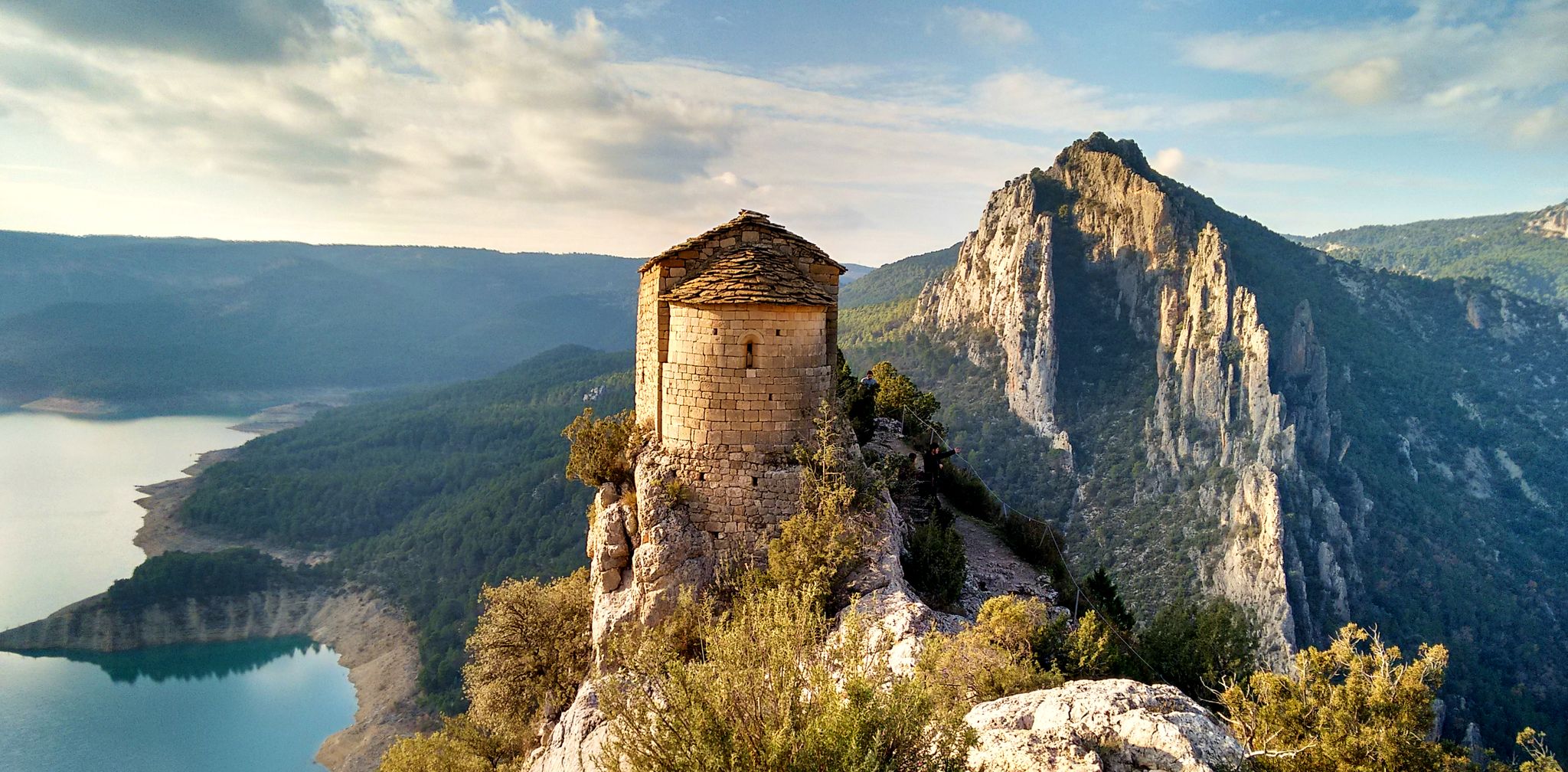
Sanctuary of Mare de Déu dels Munts
Highlight • Religious Site
Tip by

Sign up now to discover places like this
Get recommendations on the best single tracks, peaks, & plenty of other exciting outdoor places.
Sign up for free
Sant Jaume de Frontanyà
Highlight • Settlement
Translated by Google •
Tip by

Riera de Sorreigs Reservoir
Highlight • Lake
Translated by Google •
Tip by

Sant Moí Hermitage
Highlight • Religious Site
Translated by Google •
Tip by
Sign up for free to discover even more attractions around Lluçà.
Sign up for free
Already have an account?
Start today with a free account
Your next adventure awaits.
Login or Signup
Other adventures around Lluçà

Tips from the Community


Small mountain town in the Pre-Pyrenees, well known, connected by a local road from La Pobla de Lillet or from Borredà.
1
0

An interesting fact about Sant Jaume de Frontanyà is that it has a population of only 30 inhabitants. Until recently the smallest town in Catalonia. Currently this town does not have a bar or restaurant, but it does have a fountain.
1
0

It is the highest town hall in Catalonia. The climb from Borredà is comfortable and is only hard in the final part. Wide road in perfect condition, with hardly any traffic. There are hardly any trees that protect from the sun. The climb from La Pobla de Lillet has more ramps and is harder. It is a climb completely opposite to the previous one: hard ramps alternate with continuous breaks and it is completely covered by trees, making it a particularly cool place on the hottest days of summer.
1
0

A few months ago I covered the route from the R 3 train station, from Farga de Bebié to Montesquiu Castle and back to Sant Quirze de Besora Pueblo de la Ratafía: It is approximately 5 km. It is worth it, it is a very beautiful route.
2
0

The Montesquiu castle, in the Osona region, is a beautiful example of a recently restored medieval fortification. Built, surely, during the 13th century, it formed a defensive triangle together with the castles of Besora and Saderra.
3
0
The hermitage of Sant Moí is a beautiful Romanesque hermitage belonging to the municipality of Santa Maria de Besora, in the Osona region. It is believed that it was built at the end of the 10th century. Few vestiges remain inside the hermitage, but remains of paintings can still be seen in the apse.
2
0

Fantastic castle that is worth visiting
2
0
Frequently Asked Questions
What historical and cultural sites can I explore in Lluçà?
Lluçà is rich in history, particularly its Romanesque heritage. You can visit the ancient Monastery of Santa Maria de Lluçà, a prime example of Catalan Romanesque architecture featuring an impressive cloister and 14th-century mural paintings. The ruins of Lluçà Castle, perched on a hill, offer historical insight and panoramic views. Additionally, the Sant Moí Hermitage, believed to date back to the late 10th century, retains vestiges of ancient paintings in its apse.
Are there any natural attractions or scenic spots in the Lluçà region?
Yes, Lluçà boasts several beautiful natural areas. The Riera de Merlès Natural Interest Area forms the western boundary of the municipality and is a significant natural attraction. You can also explore the Riera Gavarresa in the northeastern part, with paths suitable for excursions. Don't miss the monumental Alzina Bonita oak tree near Santa Eulàlia de Puig-oriol, or the Rourets forest with its Mosquera fountain. The Riera de Sorreigs Reservoir is another notable water feature, forming two waterfalls and protected as an area of natural interest.
What kind of outdoor activities can I do around Lluçà?
The Lluçà area is ideal for various outdoor activities. Hiking and cycling are popular, with trails leading to historical sites like the Monastery of Santa Maria de Lluçà and the Lluçà Castle. The region is also part of the GR-1 long-distance path. For more structured routes, you can find numerous MTB trails, running trails, and gravel biking routes that explore the diverse landscapes of Lluçanès.
Are there any family-friendly attractions or activities in Lluçà?
Many of Lluçà's natural and historical sites can be enjoyed by families. Gentle walks in areas like the Rourets forest or visiting the Alzina Bonita offer tranquil experiences. Some highlights, such as the Sanctuary of Mare de Déu dels Munts and the Riera de Sorreigs Reservoir, are also considered family-friendly, offering accessible points of interest and scenic views.
Where can I find the best panoramic views in Lluçà?
For breathtaking panoramic views, head to the ruins of Lluçà Castle, which overlooks the Lluçanès region and the distant Pyrenees. The Sanctuary of Mare de Déu dels Munts is another excellent spot, offering extensive vistas. Additionally, the Santa Llúcia Hermitage in Sobremunt provides expansive views of the Plana de Vic and the Pyrenees.
What is the best time of year to visit Lluçà for outdoor activities?
Lluçà can be enjoyed throughout the year, but spring and autumn generally offer the most pleasant weather for outdoor activities like hiking and cycling, with mild temperatures and beautiful natural scenery. Summer is also suitable, though it can be warmer, while winter provides a different, often quieter, experience.
Are there any notable religious buildings besides the Monastery of Santa Maria de Lluçà?
Beyond the prominent Monastery, Lluçà and its surroundings feature other significant religious sites. The Sant Moí Hermitage, a beautiful Romanesque building from the late 10th century, is located nearby in Santa Maria de Besora. The Santa Llúcia Hermitage in Sobremunt, though largely renovated, preserves Romanesque remains at its base and offers stunning views. The Sanctuary of Mare de Déu dels Munts is another important Baroque church in the region.
Where can I find places to eat or rest during my visit?
For a place to eat and rest, consider the Puigcercós Shelter. This restaurant is well-known in the area, offering homemade cuisine with local products. It's a popular stop for hikers, cyclists, and those exploring the Riera de Merlès area, providing a good spot for refreshments and a meal.
What are some unique local events or festivals in Lluçà?
Lluçà hosts several local events throughout the year that showcase its cultural vibrancy. These include the Festa dels Reis in January, Caramelles during Easter, and the main Fiesta Mayor de Lluçà in November. Additionally, the Solc association organizes cultural activities focused on traditional music and popular culture during May and August, and there's a Christmas poem reading at the monastery in December.
What is the Riera de Sorreigs Reservoir and what makes it special?
The Riera de Sorreigs Reservoir is a captivating lake and river area formed by the Riera de Sorreigs watercourse. It is particularly special because it forms two waterfalls, one of which is known as the Gorg Negre. A large part of its valley is protected as an area of natural interest and is part of the Natura 2000 network, making it a charming spot for nature lovers.
Can I find cycling routes suitable for different skill levels in Lluçà?
Yes, the Lluçà region offers a variety of cycling routes. The BTT Centre Lluçanès provides numerous options, and you can find MTB trails and gravel biking routes ranging from moderate to difficult. These routes often pass through scenic landscapes and connect various points of interest, catering to different preferences and fitness levels.
What is the significance of Santa Eulàlia de Puig-oriol?
Santa Eulàlia de Puig-oriol is the main urban center of the Lluçà municipality. It is characterized by houses built during the 18th century, reflecting its historical development along a rural road. It serves as a central point within the region, and nearby you can find the monumental Alzina Bonita oak tree, perfect for a tranquil rest.
Most popular attractions around Lluçà

Get inspired with the komoot mobile app


Explore more
Still not found the Highlight you’re looking for? See guides of the top attractions in other regions:
