Attractions and Places To See around Ibeas De Juarros - Top 20
Best attractions and places to see around Ibeas De Juarros include a rich blend of historical, cultural, and natural sites. Situated near the Sierra de Atapuerca and the Arlanzón River, the area is known for its globally significant archaeological sites and its connection to the Camino de Santiago. Visitors can explore ancient human history, religious landmarks, and diverse natural landscapes. The region offers numerous footpaths and cycling trails, making it a destination for outdoor activities and historical exploration.
Best attractions…
Last updated: July 20, 2026
Matagrande Cross
Highlight • Monument
Translated by Google •
Tip by

Monastery of San Pedro de Cardeña
Highlight • Religious Site
Translated by Google •
Tip by

Sign up now to discover places like this
Get recommendations on the best single tracks, peaks, & plenty of other exciting outdoor places.
Sign up for free
Miraflores Charterhouse
Highlight • Religious Site
Surrounded by a lush forest, it once …
Translated by Google •
Tip by

Monastery and Church of Saint John of Ortega
Highlight • Religious Site
Translated by Google •
Tip by

Atapuerca Archaeological Site
Highlight • Historical Site
Translated by Google •
Tip by

Sign up for free to discover even more attractions around Ibeas De Juarros.
Sign up for free
Already have an account?
Start today with a free account
Your next adventure awaits.
Login or Signup

Tips from the Community

Even though this small sacred monument isn't located on the classic route of the Way of St. James through northern Spain, in view of the summit cross standing here, some thoughts by Hape Kerkeling might be helpful as inspiration. The entertainer, who is particularly famous in Germany, walked the Camino Frances in 2001 and kept a diary, which was published under the title "Ich bin dann mal weg" (I'm off then). In it, he describes his personal encounter with God along the way as follows: "Yesterday, something inside me struck a huge gong. And the sound will reverberate. Sooner or later, this path shakes everyone to their very foundations. I know the sound will slowly fade, but if I listen carefully, I'll be able to hear this reverberation for a very long time to come."
0
0

The Charterhouse of Santa María de Miraflores is a monastery located near the Fuentes Blancas Park, about four kilometers east of downtown Burgos. Surrounded by a lush forest, it once stood as a former hunting lodge, which King John II later converted into a monastery for Carthusian monks. Queen Isabella the Catholic converted it to house the remains of her parents John II and Isabella of Portugal, and her brother, Infante Alfonso.
26
0

Walk to the Charterhouse of Miraflores
4
0

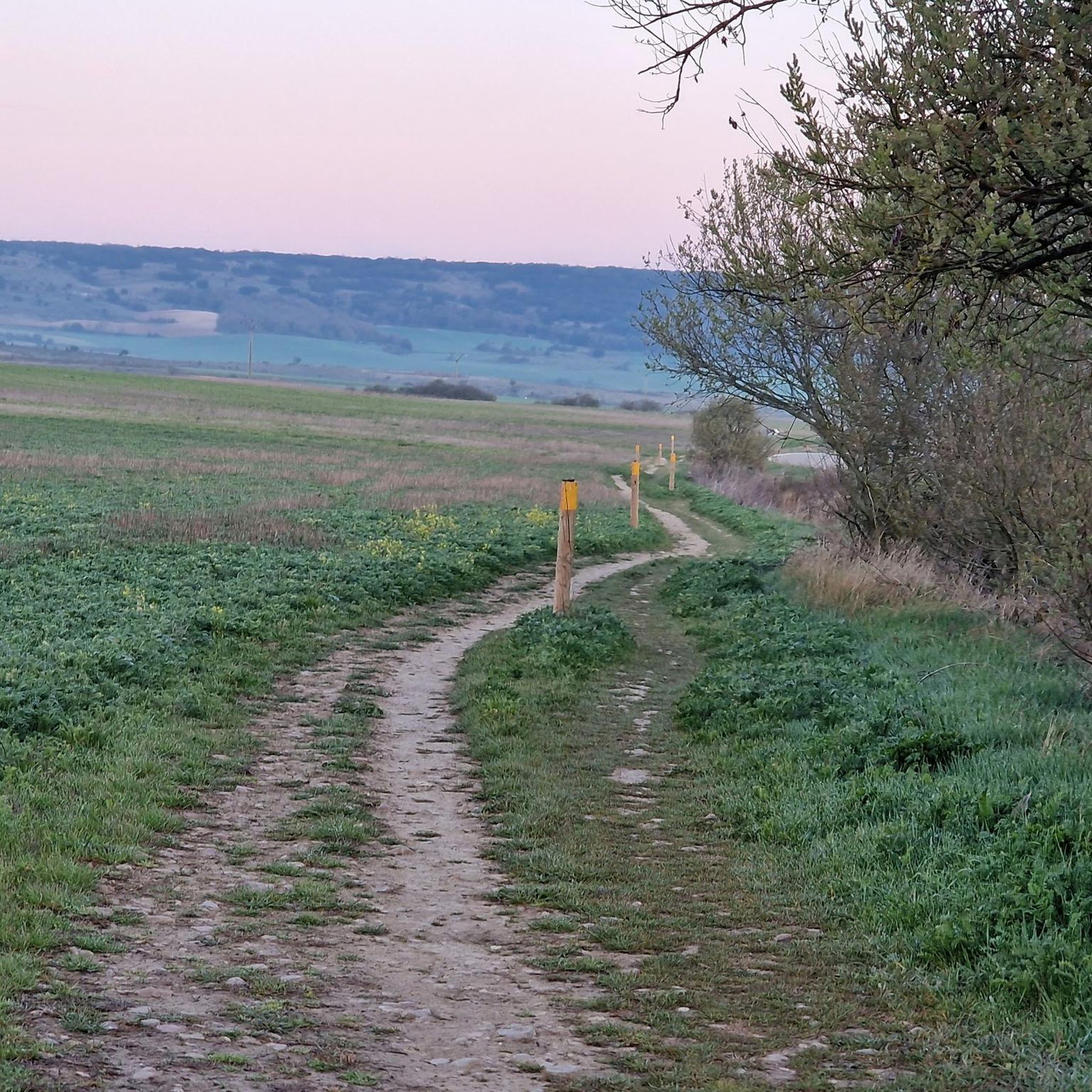
Nice area for hiking and mountain biking trails
0
0

The Cartuja de Santa María de Miraflores is a monastery of the Carthusian Order, built on a hill known as Miraflores, located about three kilometers from the center of the city of Burgos.
0
0
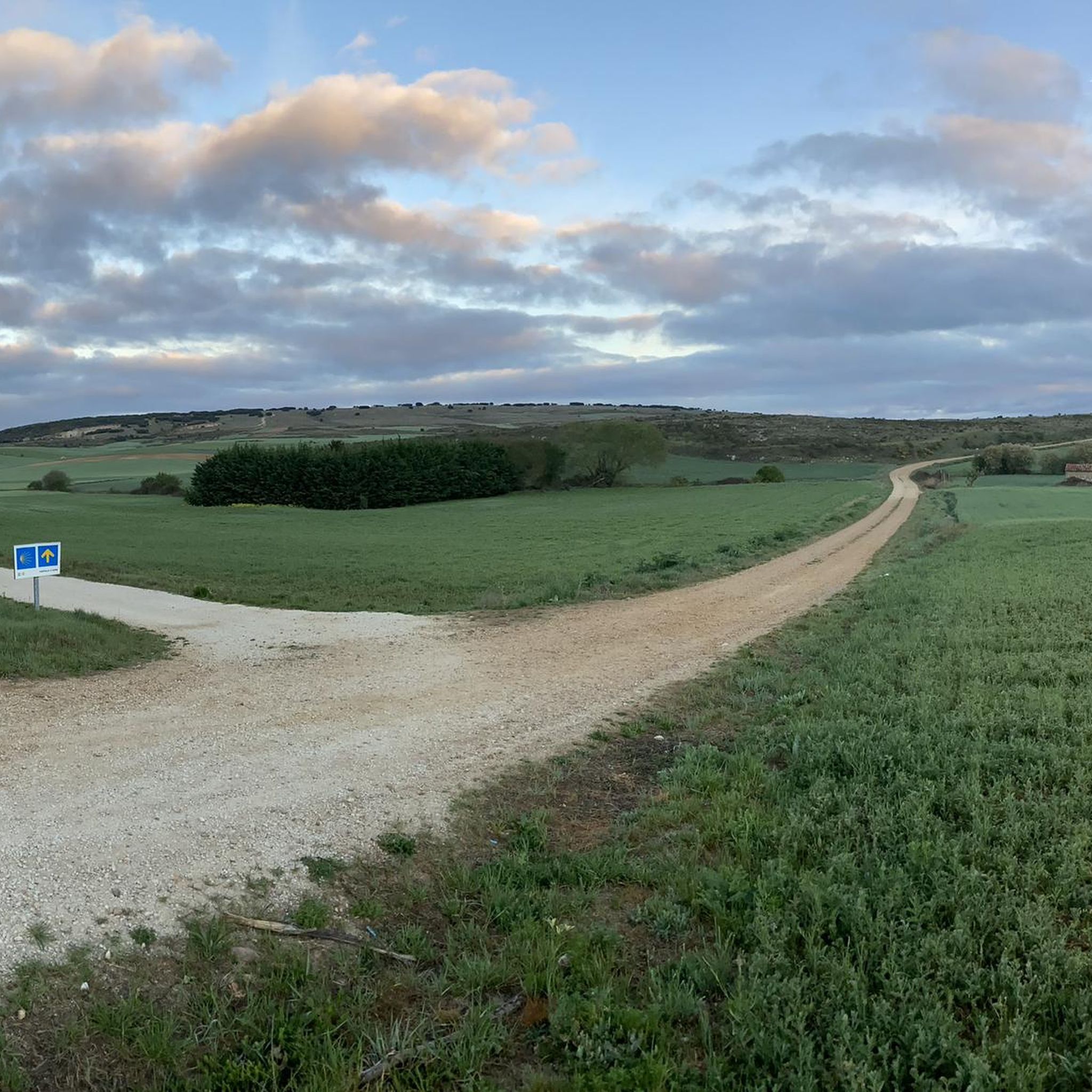
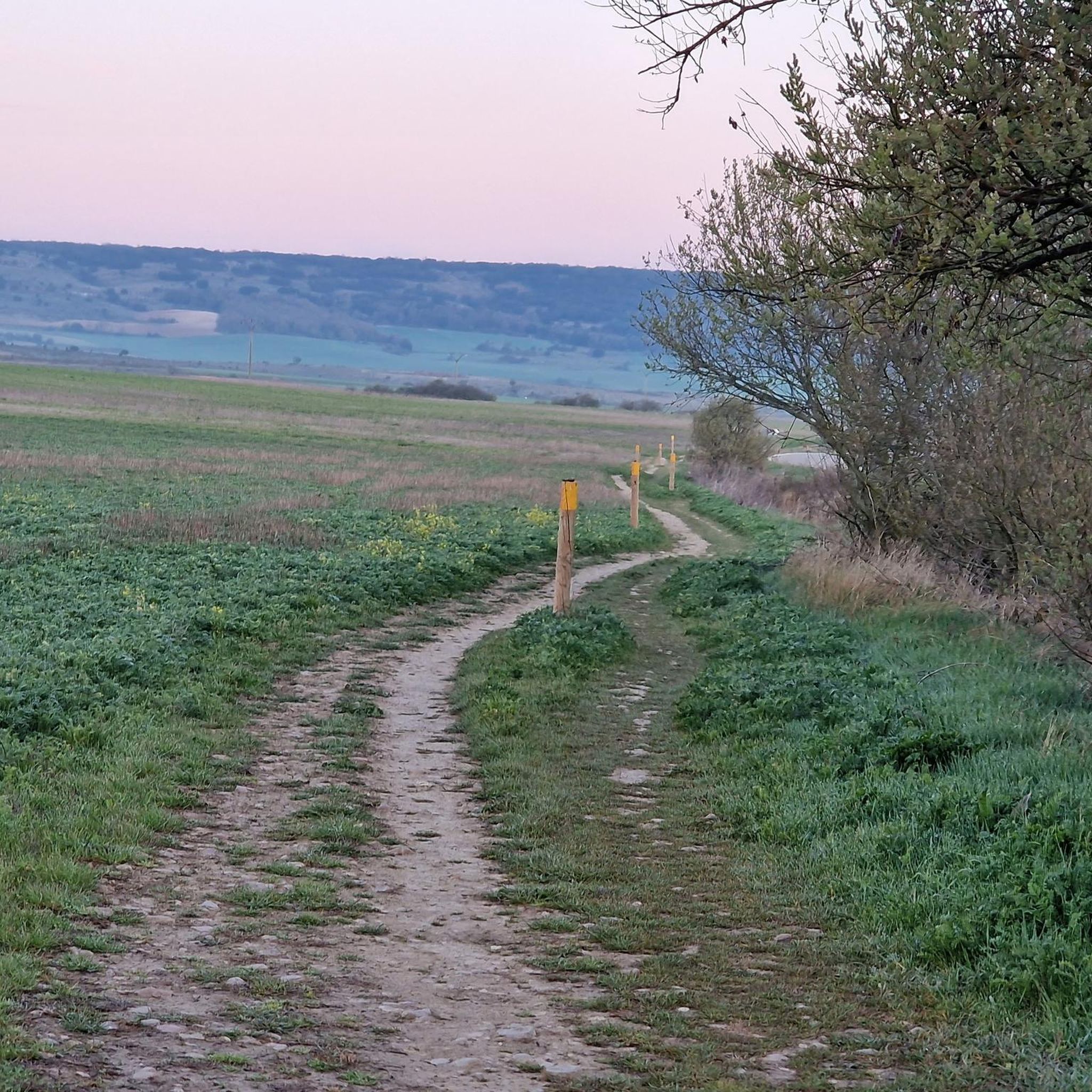
Cross located on the rock of Matagrande, at 1082 metres above sea level, right on the Camino de Santiago. During the Christmas season, they put up a nativity scene.
1
0

It preserves parts of the Romanesque style; the church is Gothic and part of the façade dates from the eighteenth century. Since 1942 it has been inhabited by Cistercian monks and produces wines and liqueurs from medicinal herbs. This monastery received the Cid at the time of his exile, along with his wife and daughters, and they lived there until the end of his life.
6
0
The stones piled up here at the base of the wayside cross are reminiscent of the “CRUZ de FERRO” (iron cross) – very well known among pilgrims – on the MONTE IRAGO on the “Camino Frances” (in Astorga, province of Leon). Many pilgrims who set out on the Way of St. James take a stone with them and place it there (or even here). Such a stone symbolizes the burdens and needs of the pilgrims (or their family members and friends at home), who symbolically cast off their worries at this point with the stone and can thus move on free of them. The CRUZ DE FERRO is available on komoot as a cycling highlight at the following link + https://www.komoot.com/de-de/highlight/716062
3
0
Frequently Asked Questions
What historical and archaeological sites can I visit in Ibeas de Juarros?
Ibeas de Juarros is a gateway to the globally significant Atapuerca Archaeological Site, a UNESCO World Heritage site known for its prehistoric excavations. You can also explore the CAYAC (Archaeological Site Access Centre) and the Aula Emiliano Aguirre for exhibitions and guided visits. Other historical sites include the late 15th-century Church of San Martín, the Medieval Bridge over the Arlanzón River, and the Roman Bridge in San Millán.
Are there any religious landmarks or sites related to the Camino de Santiago in the area?
Yes, the renowned Camino de Santiago passes directly through Ibeas de Juarros. Significant religious landmarks include the Monastery of San Pedro de Cardeña, which has ties to El Cid and the Camino del Cid, and the Monastery and Church of Saint John of Ortega, a popular meeting point for pilgrims. The Matagrande Cross is also a typical marker on the Camino where pilgrims leave stones.
What natural features and viewpoints can I explore around Ibeas de Juarros?
The area boasts beautiful natural landscapes, including the Sierra de Atapuerca and the Arlanzón River. For panoramic views, visit The Lookout (Mirador) situated across the river, offering ideal vistas of Ibeas de Juarros and the Sierra de Atapuerca.
What outdoor activities are available for hikers and cyclists?
Ibeas de Juarros and its surroundings are perfect for outdoor enthusiasts. You'll find numerous footpaths and cycling trails, including the greenway along the former Demanda railway line, the Mine Trail, the Springs Route, and the GR-82 long-distance footpath. For more detailed routes, you can explore hiking trails, MTB trails, and gravel biking routes in the region.
Are there family-friendly attractions or activities in Ibeas de Juarros?
Yes, several attractions are suitable for families. The Monastery of San Pedro de Cardeña and Miraflores Charterhouse are listed as family-friendly. Additionally, the Trinchera del Ferrocarril, part of the Atapuerca Archaeological Site, offers workshops for schoolchildren, making it an engaging educational experience for younger visitors.
What is the best time of year to visit Ibeas de Juarros for outdoor activities?
The spring and autumn months generally offer pleasant weather for hiking and cycling. The region also hosts various festivals, such as the 'Evolución Festival' in July and the 'Bean Fair' in November, which can add a cultural dimension to your visit.
What local culture and gastronomy can I experience in Ibeas de Juarros?
Ibeas de Juarros is known for its local gastronomy, particularly its 'Alubias de Ibeas,' a strain of beans used in the traditional 'Olla Podrida.' The town also celebrates the festivities of its patron saint, St. Michael Archangel, on September 29th, and a sheep shearing festival is held in Salgüero de Juarros in July. You can also admire the traditional stone and wood houses reflecting the region's architecture.
Are there any hidden gems or lesser-known sites worth visiting?
Beyond the main attractions, consider visiting the Pre-Romanesque Hermitage of Virgen del Cerro in Cueva de Juarros or the well-preserved Roman Bridge in San Millán for a glimpse into the region's rich history and charm.
What do visitors enjoy most about the attractions around Ibeas de Juarros?
Visitors frequently appreciate the historical significance of sites like the Atapuerca Archaeological Site and the spiritual journey offered by the Camino de Santiago. The peaceful atmosphere of places like the Monastery and Church of Saint John of Ortega and the scenic views from spots like the Matagrande Cross are also highly rated.
Can I find easy hiking trails suitable for beginners or families?
Yes, the area offers a variety of trails with different difficulty levels. For easier options, you can look for routes like the Carrascal Cave – Cueva Carrera loop from Castrillo del Val, which is rated as easy. Many sections of the greenway and local footpaths are also suitable for less experienced hikers or families.
Where can I find information about the prehistoric excavations at Atapuerca?
The Atapuerca Archaeological Site is the primary location for these world-renowned excavations. You can visit the CAYAC (Archaeological Site Access Centre) in Ibeas de Juarros for information, exhibitions, and to arrange guided visits to the sites. The Aula Emiliano Aguirre also provides permanent exhibitions with graphic materials and reproductions of tools and bones.
Most popular routes around Ibeas De Juarros
Most popular attractions around Ibeas De Juarros

Get inspired with the komoot mobile app


Explore more
Still not found the Highlight you’re looking for? See guides of the top attractions in other regions:
