Top 20 Natural Monuments around Valle De Abdalajís
Best natural monuments around Valle De Abdalajís showcase a landscape shaped by karst topography, featuring dramatic gorges, impressive peaks, and unique geological formations. This region in Málaga, Spain, is known for its natural beauty and diverse ecosystems. Visitors can explore areas carved by rivers through limestone, revealing towering walls and intricate rock structures. The natural monuments offer opportunities to experience the geological history and varied terrain of the Abdalajís mountain range.
Best natural monuments around Valle De Abdalajís
- The most…
Last updated: May 14, 2026
Caminito del Rey
Highlight • Trail
Translated by Google •
Tip by

Northern Entrance to Caminito del Rey
Highlight • Trail
Translated by Google •
Tip by

Sign up now to discover places like this
Get recommendations on the best single tracks, peaks, & plenty of other exciting outdoor places.
Sign up for free
Balcon de cristal
Highlight • Gorge
Translated by Google •
Tip by
The Torcal of Antequera
Highlight • Natural Monument
Translated by Google •
Tip by

The Cathedrals of El Torcal
Highlight • Natural Monument
Translated by Google •
Tip by

Sign up for free to discover even more natural monuments around Valle De Abdalajís.
Sign up for free
Already have an account?
Start today with a free account
Your next adventure awaits.
Login or Signup
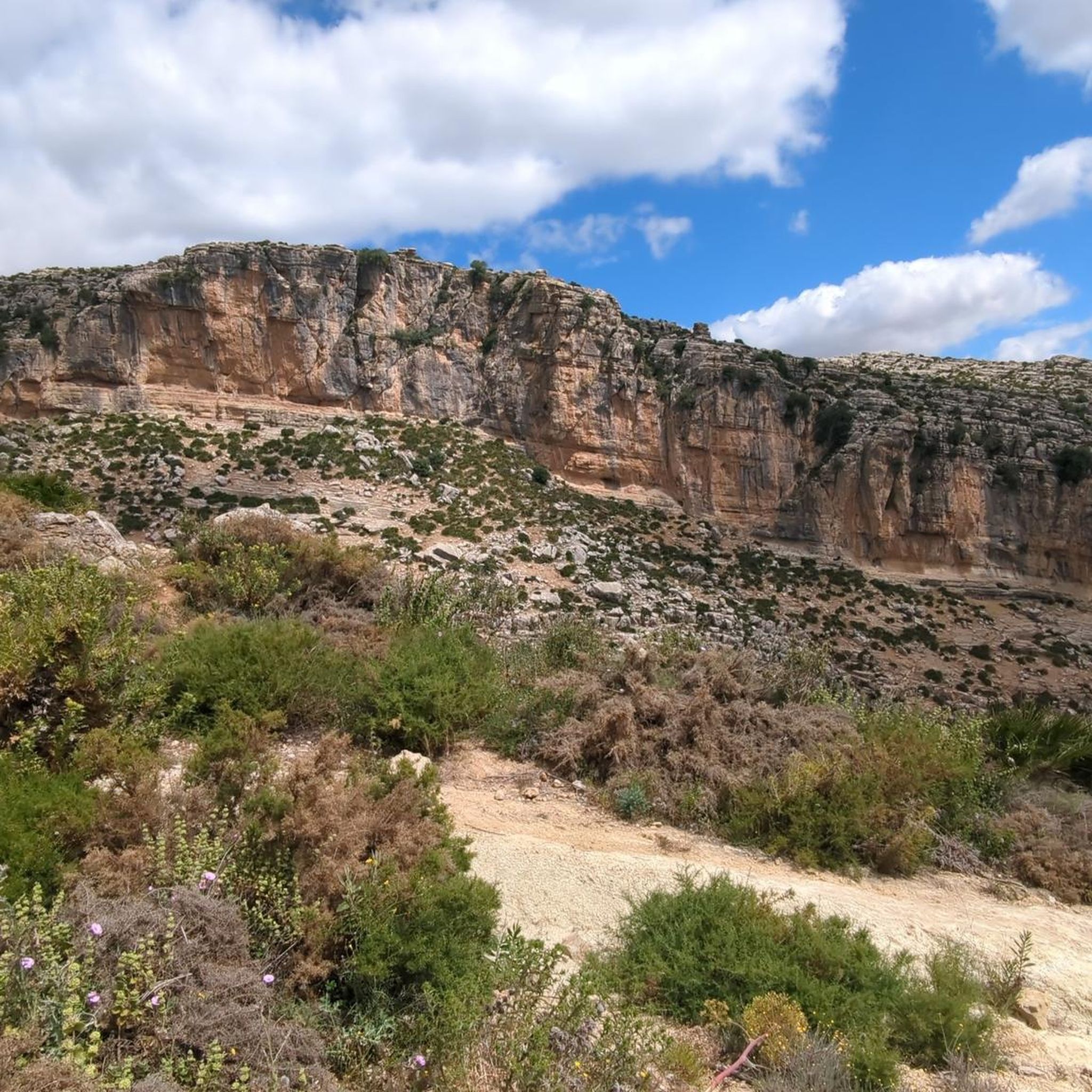
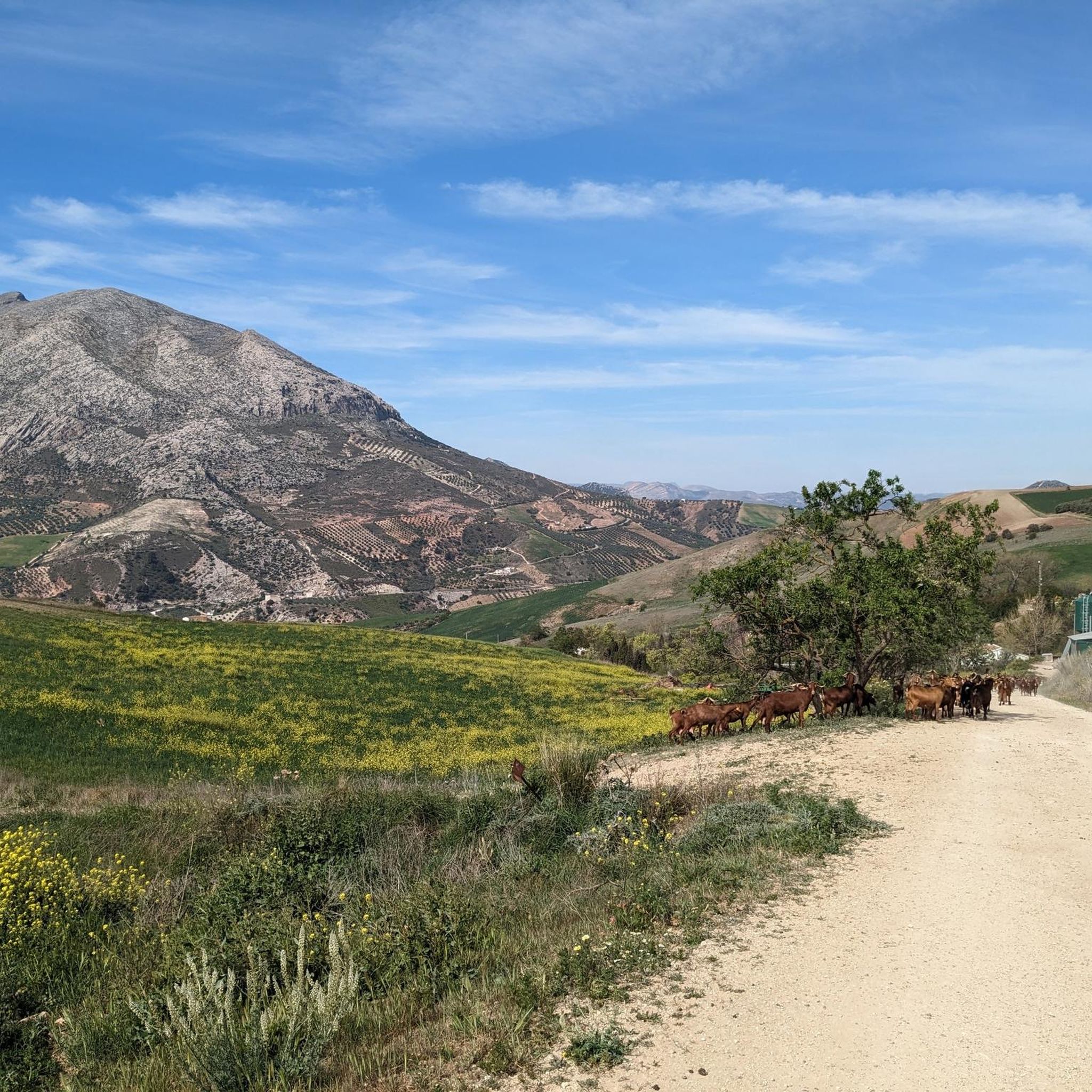
Other adventures around Valle De Abdalajís

Tips from the Community

The Balcon de Crystal is a small balcony with a transparent plexiglass floor. Therefore, a maximum of 4 people are allowed on the balcony at any one time.
3
0
From here, you may only proceed with a helmet, which is distributed beforehand along with a hairnet. As access is limited, be sure to reserve in advance.
2
0

Short video about hiking in this area could be found on my YouTUBE Channel under the following https://www.youtube.com/watch?v=O9pw2RlrLgA
2
1
Short video about hiking in this area could be found on my YouTUBE Channel under the following https://www.youtube.com/watch?v=O9pw2RlrLgA
1
0

A hiking and nature experience you won't forget. It's worth it in every way. You're guided in small groups. On the last and arguably most difficult section (the bridge and the steep, narrow stairs down), there were guides who supervised and provided reassurance. I wasn't fully recovered from a flu infection on the day of the hike, but I would have been very upset if I had missed this holiday highlight.
5
0

You can see the bridge from far away. Then you still have to walk a bit.
4
1

The view from the bridge shows on the one hand the route taken and on the other the Guadalhorce river.
15
1

The Caminito del Rey had a reputation as the most dangerous hiking trail in Europe. Following its restoration, it is now one of Andalusia's top attractions. Source and further information https://www.andalusien360.de/ardales
3
2
Frequently Asked Questions
What are the most iconic natural monuments to visit around Valle de Abdalajís?
The region around Valle de Abdalajís is rich in natural beauty. Among the most iconic are the dramatic Caminito del Rey, located within the Desfiladero de los Gaitanes gorge, and the otherworldly landscape of El Torcal de Antequera, known for its unique eroded rock formations. Another notable spot is Balcon de cristal, offering stunning views of the Guadalhorce river canyon.
What kind of unique geological features can I expect to see in the natural monuments of this region?
The natural monuments around Valle de Abdalajís are primarily characterized by their impressive karst topography. This geological process has sculpted dramatic gorges like the Desfiladero de los Gaitanes, towering peaks such as those in Sierra de Huma, and intricate cave systems like Cueva del Gato. You'll also find unique eroded rock formations at El Torcal de Antequera, often described as a 'museum of natural sculptures'.
Are there good hiking opportunities near the natural monuments?
Yes, the area offers excellent hiking opportunities. For instance, the Sierra de Huma features routes like the 'Ascent to La Huma' and the historical 'Arab Stairs Route'. El Torcal de Antequera has well-marked trails, including the Green Route (1.5 km, low difficulty) and the Yellow Route (3 km, medium difficulty). You can find more detailed hiking routes in the area by visiting the Hiking around Valle De Abdalajís guide.
What is the Caminito del Rey and what makes it special?
The Caminito del Rey is a thrilling suspended walkway clinging to the cliffs of the Desfiladero de los Gaitanes gorge, 100 meters above the Guadalhorce River. It's renowned for its breathtaking panoramic views and the unique experience of walking through a dramatic canyon. Visitors often highlight the moment of crossing the bridge as particularly beautiful.
What can I see at El Torcal de Antequera Natural Park?
El Torcal de Antequera is a UNESCO World Heritage Site famous for its extraordinary karst landscape. You'll witness an otherworldly scenery of uniquely eroded limestone formations, shaped over millions of years by wind and water. The park also offers opportunities to spot diverse flora and fauna, including the Iberian ibex, foxes, and various birds like griffon vultures and eagles. There are several trails, such as the Green and Yellow Routes, to explore these 'natural sculptures'.
Are there any family-friendly natural monuments or activities in the area?
For families, the easier hiking routes at El Torcal de Antequera, such as the Green Route, are a good option for exploring unique rock formations. The entrance to Cueva del Gato, with its natural pool, can also be a pleasant spot for picnics and enjoying the clear water during warmer months, though access inside the cave system requires specialized skills.
What kind of wildlife can be observed in the natural monuments around Valle de Abdalajís?
The region is rich in biodiversity. In the Desfiladero de los Gaitanes and El Torcal de Antequera, you might spot griffon vultures, golden eagles, and peregrine falcons soaring above. El Torcal is also home to the Iberian ibex and foxes. The Sierra de Huma also hosts Iberian ibex and golden eagles. Otters have been observed in the Desfiladero de los Gaitanes, and Cueva del Gato hosts one of the largest colonies of cave bats.
What other outdoor activities are available besides hiking near these natural monuments?
Beyond hiking, the Desfiladero de los Gaitanes is excellent for rock climbing, birdwatching, canyoning, and kayaking in the adjacent reservoirs. The Sierra de Huma is also a popular destination for climbers. For those interested in running or road cycling, you can explore various routes detailed in the Running Trails around Valle De Abdalajís and Road Cycling Routes around Valle De Abdalajís guides.
What is the Sierra de Huma known for?
The Sierra de Huma is a prominent mountain range offering dramatic peaks and challenging terrain. It's known for its unique landscapes formed by limestone escarpments and varied karstic formations, including the 'Torcal Chico'. Its highest points, Pico de Huma and Pico de la Capilla, provide extensive panoramic views of the Guadalhorce Valley and even the Mediterranean Sea on clear days. The area also holds marine fossil deposits from when it was covered by sea millions of years ago.
Is Cueva del Gato accessible to visitors?
The impressive entrance to Cueva del Gato and its surrounding natural pool are popular spots for visitors to enjoy wild swimming and picnics during warmer months. However, access inside the extensive Hundidero-Gato speleological system requires official permission and specialized skills due to its complexity and potential dangers. The cave is recognized as a Natural Monument and a Site of Cultural Interest, also holding archaeological significance.
What do visitors enjoy most about the natural monuments around Valle de Abdalajís?
Visitors frequently praise the breathtaking views and the unique geological formations. Many find the experience of walking the Caminito del Rey unforgettable, especially crossing its suspended bridge. At El Torcal de Antequera, the 'otherworldly' landscape and the chance to spot wildlife like ibex and vultures are highly valued. The overall sense of being immersed in nature's ingenuity and the opportunity to switch off from daily life are common sentiments.
What is the best time to visit the natural monuments in this region?
While specific recommendations can vary, generally, spring and autumn offer the most pleasant weather for exploring the natural monuments. Temperatures are milder, making hiking and outdoor activities more comfortable. Summer can be very hot, especially in the gorges and exposed areas, while winter can bring cooler temperatures, though often still suitable for exploration.
Most popular routes around Valle De Abdalajís
Most popular attractions around Valle De Abdalajís

Get inspired with the komoot mobile app


Explore more
Extend your search for the best caves by checking out these guides of the top ones around Valle De Abdalajís:
