Attractions and Places To See around Villares De Órbigo - Top 20
Best attractions and places to see around Villares De Órbigo include a blend of historical significance, cultural traditions, and natural beauty. The village is situated on the fertile banks of the Órbigo River, offering a landscape shaped by agriculture and water features like the Moral Lagoon. As an important stop on the French Way of Saint James, the area features numerous historical sites and landmarks. Visitors can explore a variety of cultural and natural points of interest, reflecting the region's…
Last updated: July 20, 2026
Passo Honroso Bridge
Highlight • Bridge
Translated by Google •
Tip by

Cathedral of Saint Mary of Astorga
Highlight • Religious Site
Translated by Google •
Tip by

Sign up now to discover places like this
Get recommendations on the best single tracks, peaks, & plenty of other exciting outdoor places.
Sign up for free
Episcopal Palace of Astorga (Gaudí Palace)
Highlight • Castle
Translated by Google •
Tip by
The Garden of the Soul
Highlight • Rest Area
Translated by Google •
Tip by
Ecce Homo Hermitage
Highlight • Religious Site
Mandatory stop on the way to Santiago. Built in the 16th century.
Translated by Google •
Tip by
Sign up for free to discover even more attractions around Villares De Órbigo.
Sign up for free
Already have an account?
Start today with a free account
Your next adventure awaits.
Login or Signup
Tips from the Community

For me, this place is a piece of paradise on the Camino. Take a short break in the shade. Enjoy some of the delicacies (fruit, eggs, cake, etc.). In this atmosphere, it's easy to relax, rejuvenate, and move on more easily (and happier).
1
0

This shrine was not dedicated to a person venerated as holy, but rather the church and the place were placed under the protection of the incarnate Son of God. However, the patronage of "ECCE HOMO" does not focus on the almighty God—as Creator of heaven and earth, for example—but rather on the suffering God. For precisely because Jesus Christ bore the pain of suffering and death, we Christians are redeemed for all time. In the traditional Stations of the Cross, we pray at the third station: "He was pierced for our transgressions, he was crushed for our iniquities. He had no form or comeliness, a man of sorrows, acquainted with infirmity," an apt description of "Ecce Homo."
2
0
This sanctuary was not dedicated to a person venerated as holy, but rather this place of a miracle (see the post by @Willem VS) was placed under the protection of the incarnate Son of God. However, the patronage of "ECCE HOMO" does not focus on the almighty God—for example, as the Creator of heaven and earth—but rather on the suffering God. For it is precisely because Jesus Christ bore the pain of suffering and death that we Christians are redeemed for all time. In the traditional Stations of the Cross, we pray at the third station: "He was pierced for our transgressions, he was crushed for our iniquities. He had no form or comeliness, a man of sorrows, acquainted with infirmity." This is an apt description of "Ecce Homo."
3
0

A small chapel not far from Astorga on the Camino towards "El Ganso." An elderly lady sits here, waiting for pilgrims to give them a stamp.
2
0
The Bishop's Palace of Astorga is one of only three buildings that Antoni Gaudí built outside Catalonia.
3
0

Small and suggestive hermitage located directly along the Camino
5
0
In the heart of Astorga, right next to the cathedral, lies one of the most unusual bishop's residences on the Iberian Peninsula: the Palacio Gaudi. It was designed and built by the famous Spanish architect of the same name (Antonio Gaudi, 1852-1926). A visit to the museum housed here is worthwhile both for the exhibits on display and, of course, for the imaginative architecture of the building.
2
0

On June 24, 1889, the prelate's name day, the first stone was laid. They had planned to complete the work on the palace in June 1894, but the bishop died in 1893, and this event radically changed the course of the work, paralyzed by the hostility between Gaudí and the Diocesan Council. Finally, Antonio Gaudí resigned from his post as chief architect, very upset by the treatment he received. In 1905, D. Julián de Diego y Alcolea ruled the diocese of Astorga and tried to convince Gaudí to return to the works of the palace, but he did not succeed. Ricardo García-Guereta, diocesan of León, was appointed architect and completed the work on October 12, 1913, as bishop D. Julián de Diego y Alcolea
4
0
Frequently Asked Questions
What historical sites can I explore around Villares de Órbigo?
The area boasts several significant historical sites. You can visit the Passo Honroso Bridge, famous for a medieval tournament held in 1434. In Villares de Órbigo itself, the Parish Church of Santiago Apóstol showcases Romanesque and Baroque styles, and the Old Schools Building, Washing Place, and Fountain reflect the village's past community life. Nearby Astorga offers the impressive Cathedral of Saint Mary and the unique Episcopal Palace of Astorga (Gaudí Palace).
Are there any natural features or viewpoints worth visiting near Villares de Órbigo?
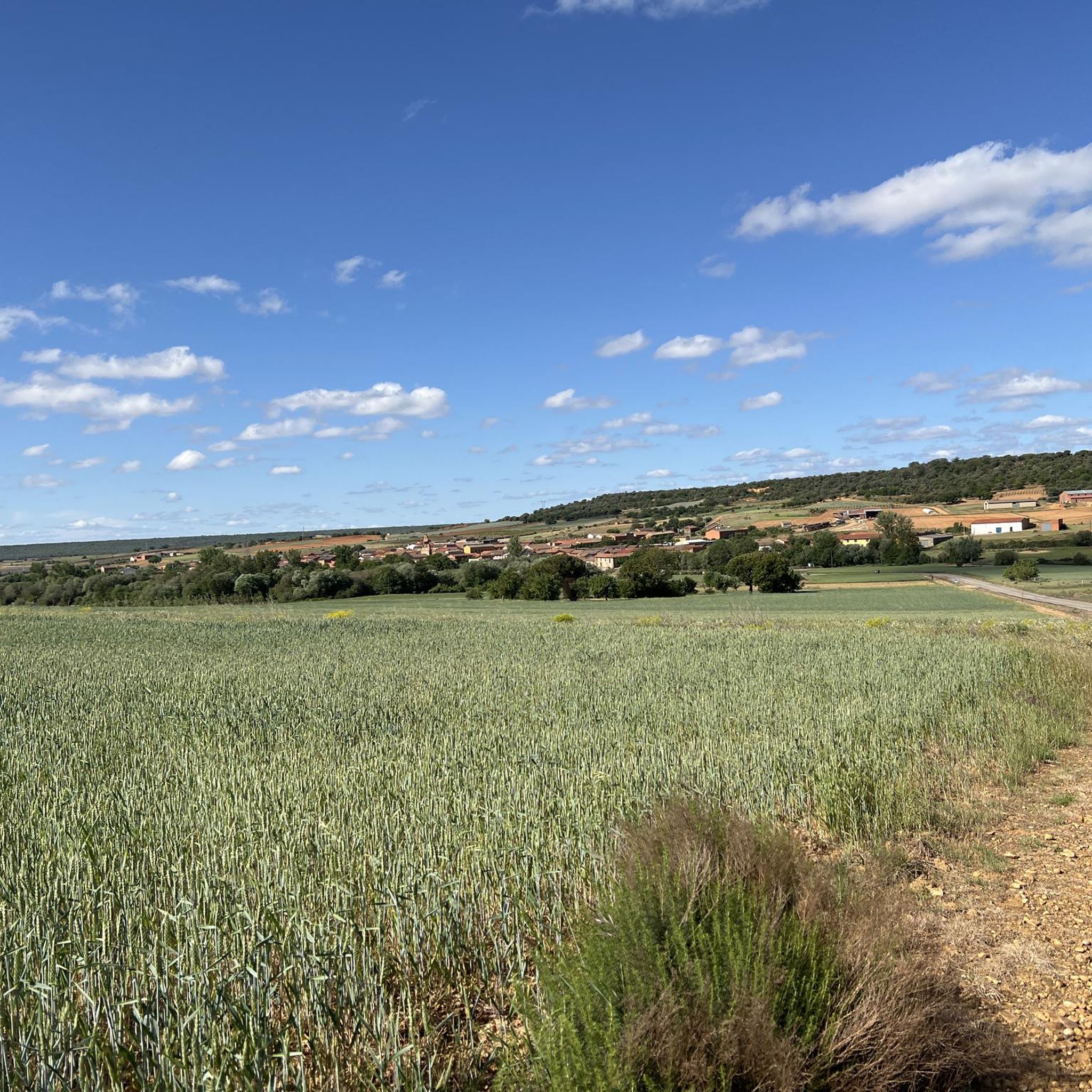
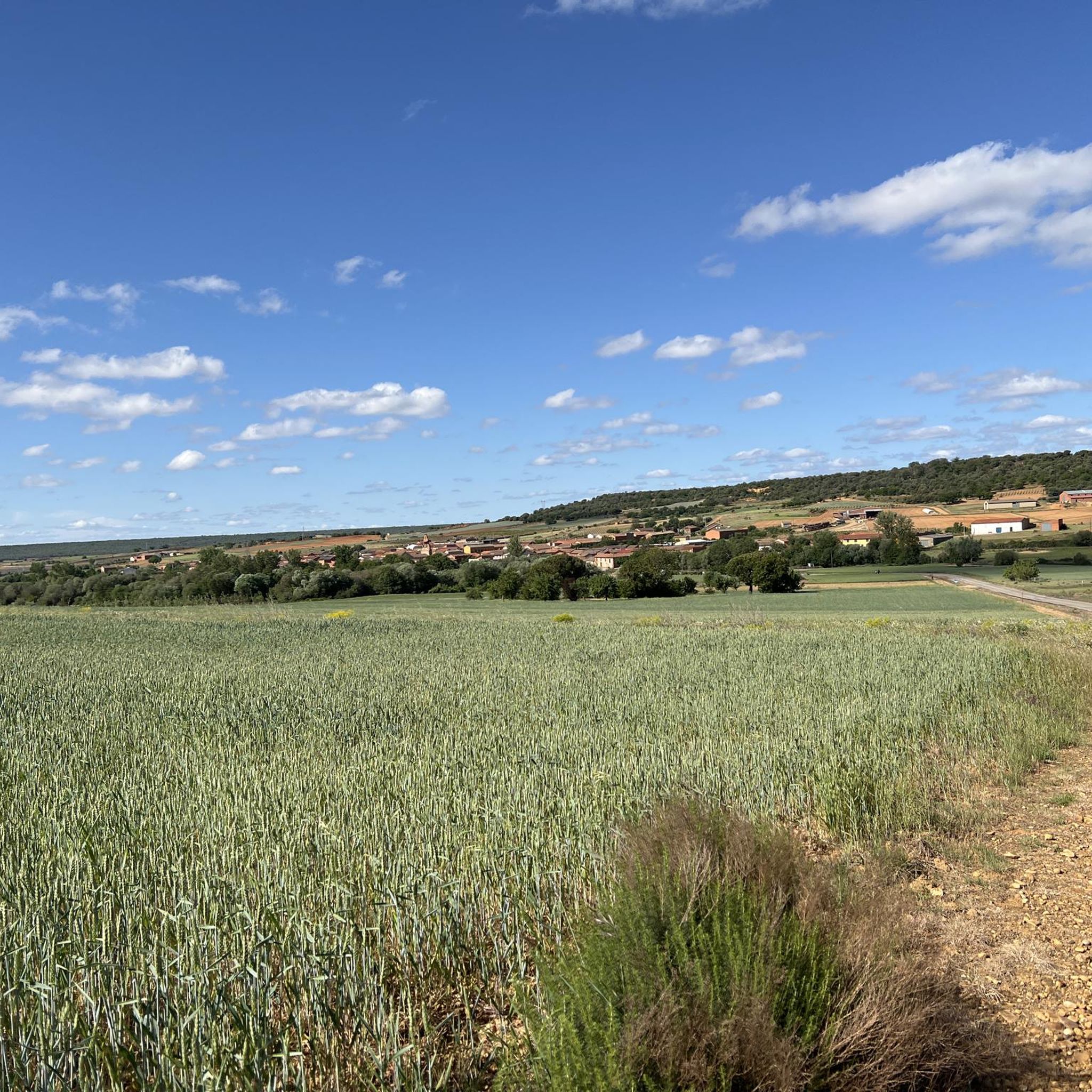
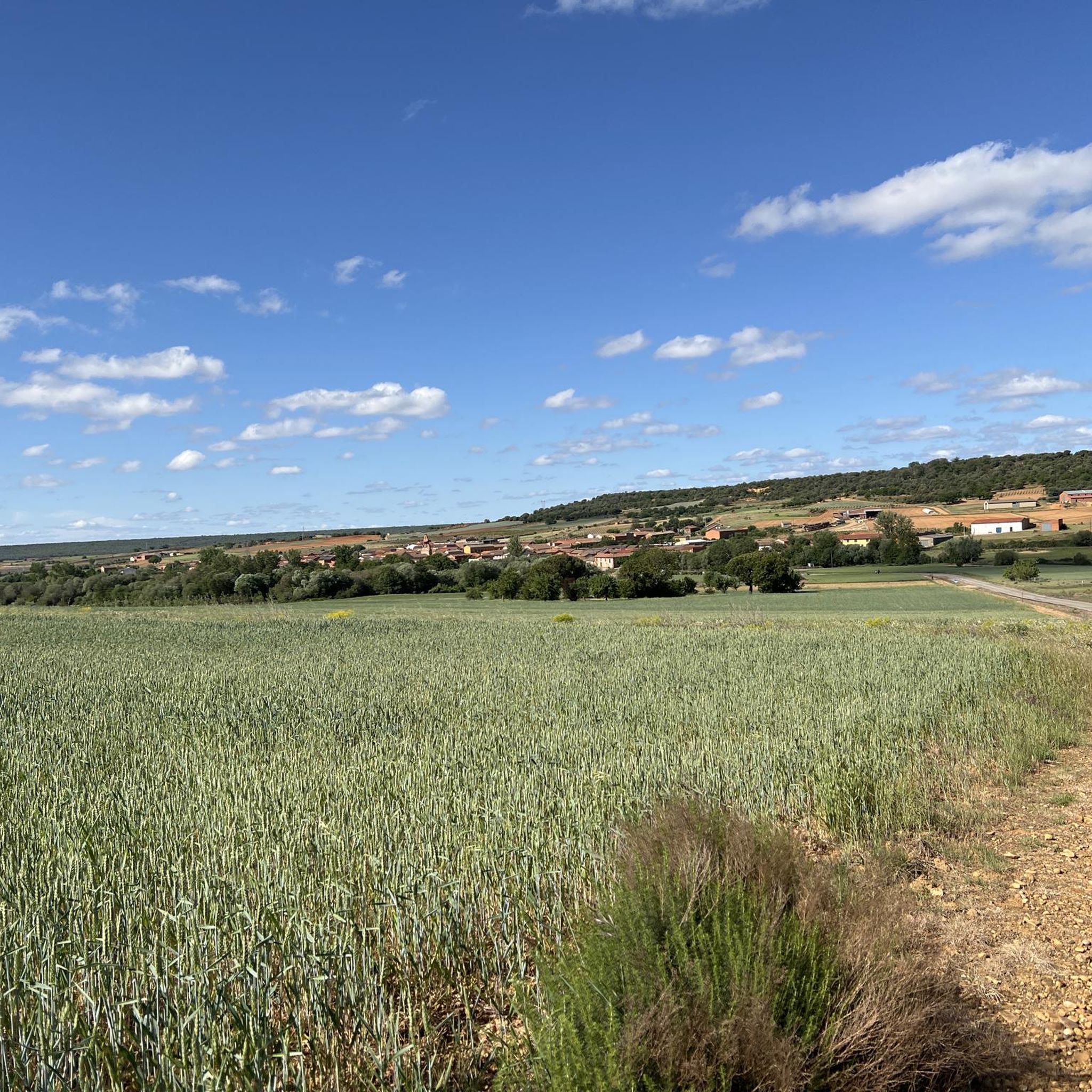
Yes, Villares de Órbigo is situated on the fertile banks of the Órbigo River, which offers picturesque views, especially from the footbridge towards Villamor. You can also find serene natural spots like the Moral Lagoon and the Big Lagoon, the latter conveniently located directly on the Camino de Santiago. For panoramic views, consider visiting the "Balcón de la Ribera" and the "Alto del Santo" between Villares, Santibáñez, and Valdeiglesias.
What cultural traditions or events are notable in Villares de Órbigo?
Villares de Órbigo has a rich agricultural heritage, celebrated annually at the Vegetables and Legumes Fair in September. The village also observes the deeply rooted Fiesta de los Quintos on the night of August 14th to 15th, where young men adorn houses with bouquets. Another enduring tradition is placing a "May" and celebrating San Isidro Day, the patron saint of farmers.
What outdoor activities can I do near these attractions?
The region around Villares de Órbigo offers various outdoor activities. You can find numerous running trails, such as the "Running loop from Sardonedo" or "Running loop from Santa Marina del Rey." For cyclists, there are routes like "Astorga - Santa Colomba de Somoza via Camino Francés" and more challenging options like the "Passo Honroso Bridge – Cruz de Ferro (Iron Cross) loop." Mountain biking enthusiasts can explore trails like "Adif Astorga – Plaza Mayor Building Facades loop." You can find more details on these activities in the respective guides: Running Trails around Villares De Órbigo, Cycling around Villares De Órbigo, and MTB Trails around Villares De Órbigo.
Are there family-friendly attractions around Villares de Órbigo?
Yes, many of the historical and cultural sites are suitable for families. The Passo Honroso Bridge, the Cathedral of Saint Mary of Astorga, and the Episcopal Palace of Astorga (Gaudí Palace) are all categorized as family-friendly. Additionally, the natural features like the Órbigo River banks and lagoons offer pleasant settings for family outings.
What is the significance of Villares de Órbigo for pilgrims?
Villares de Órbigo is an important and welcoming stop on the French Way of Saint James (Camino de Santiago). Pilgrims often pass through the village, utilizing its essential services and hostels. The Parish Church of Santiago Apóstol, dedicated to Saint James, further highlights its connection to the pilgrimage route.
Where can I find a good resting place or facilities while on the Camino de Santiago near Villares de Órbigo?
Pilgrims and visitors often find a welcoming stop at The Garden of the Soul. It's known as a very nice resting place where you can find food and refreshments, often operating on a contribution basis. It provides a comfortable spot to relax and recharge.
What kind of local gastronomy can I expect in the region?
The region around Villares de Órbigo is renowned for its high-quality horticultural products, thanks to its fertile plains. Local cuisine heavily features ingredients like garlic, chives, leeks, and peppers. These fresh, local vegetables and legumes are staples in traditional dishes, offering a taste of authentic regional flavors.
Are there any unique architectural sites in the vicinity?
Beyond the local Parish Church of Santiago Apóstol, the nearby city of Astorga is home to two architectural marvels. The Cathedral of Saint Mary of Astorga is an impressive religious building with a decorative Gothic style. Even more unique is the Episcopal Palace of Astorga (Gaudí Palace), a neo-Gothic building designed by the famous architect Antoni Gaudí, which now houses the Museum of the Way of St. James.
What do visitors enjoy most about the attractions around Villares de Órbigo?
Visitors frequently appreciate the blend of historical significance and natural beauty. The Passo Honroso Bridge is often highlighted for its length and historical context, especially the medieval fair. The architectural grandeur of Astorga's Cathedral and Gaudí Palace also receives high praise. Many enjoy the welcoming atmosphere for pilgrims and the serene natural spots like the lagoons and river views.
Are there any accessible attractions for visitors with mobility needs?
The Episcopal Palace of Astorga (Gaudí Palace) is noted as wheelchair accessible, making it a suitable option for visitors with mobility needs to explore its unique architecture and the Museum of the Way of St. James housed within.
Can you tell me about any other religious sites in the area?
In addition to the Parish Church of Santiago Apóstol in Villares de Órbigo and the Cathedral of Saint Mary of Astorga, you can also visit the Ecce Homo Hermitage. Located at the exit of Astorga, this 16th-century hermitage is a mandatory stop on the Camino de Santiago and is associated with a local legend.
Most popular routes around Villares De Órbigo
Most popular attractions around Villares De Órbigo

Get inspired with the komoot mobile app


Explore more
Still not found the Highlight you’re looking for? See guides of the top attractions in other regions:
