The best walks and hikes around Quintanilla Vivar
4.4
(318)
2,541
hikers
155
hikes
Hiking around Quintanilla Vivar offers access to varied terrain, including river valleys, agricultural plains, and gentle hills. The region is characterized by its position on the banks of the Ubierna River, providing fertile lands and historical features like an old flour mill. A notable feature is the Vía Verde del antiguo Ferrocarril Santander-Mediterráneo, a converted railway line offering accessible paths. This area also serves as a point on The Way of El Cid, blending historical routes with natural landscapes.
Best…
Last updated: November 17, 2026
22
hikers
Easy hike. Easily walkable paths.
4.4
(5)
13
hikers
9.33km
02:23
40m
40m
Moderate hike. Good fitness required. Easily walkable paths.

10
hikers
8.49km
02:10
30m
30m
Moderate hike. Good fitness required. Easily walkable paths.
5.0
(1)
10
hikers
9.83km
02:39
130m
130m
Moderate hike. Good fitness required. Easily walkable paths.
9
hikers
5.86km
01:29
20m
20m
Easy hike. Easily walkable paths.
Get access to more routes and recommendations from other explorers.
Already have an account?
Our route recommendations are based on thousands of hikes, rides, and runs completed by other people on komoot.
Start today with a free account
Your next adventure awaits.
Popular around Quintanilla Vivar
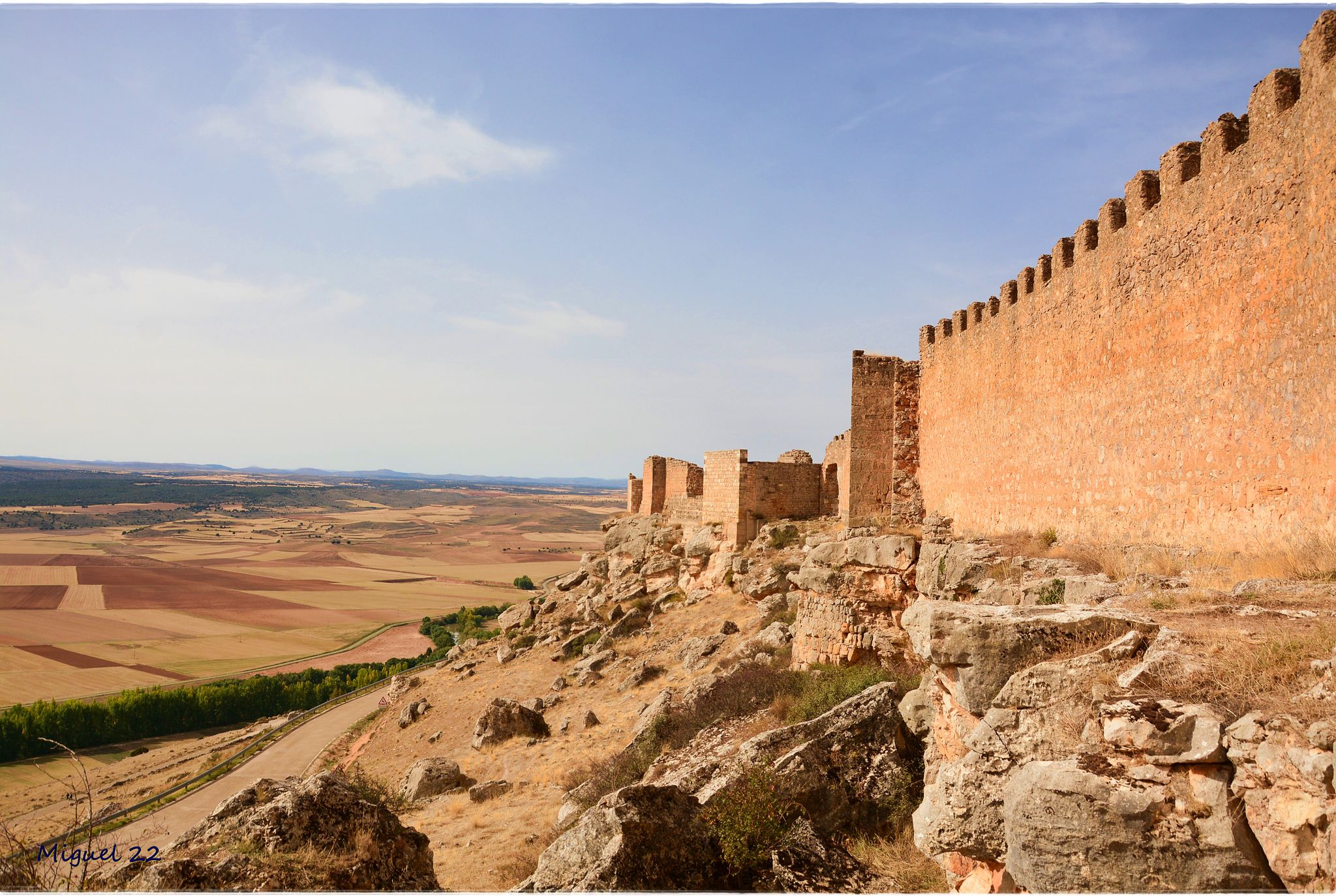
A journey through mediaeval Spain – El Camino del Cid (GR 160)
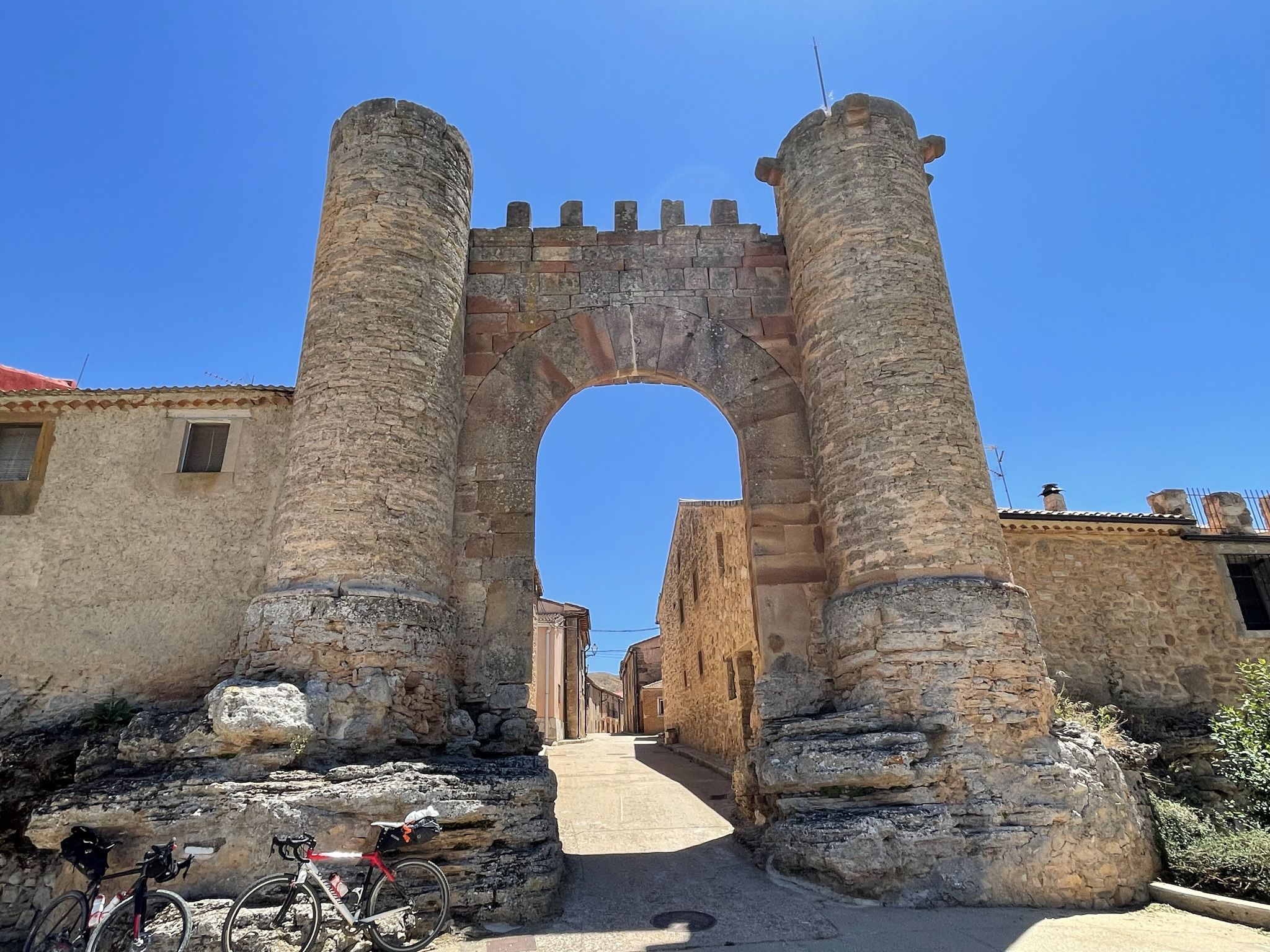
El Camino del Cid – El Destierro by gravel bike
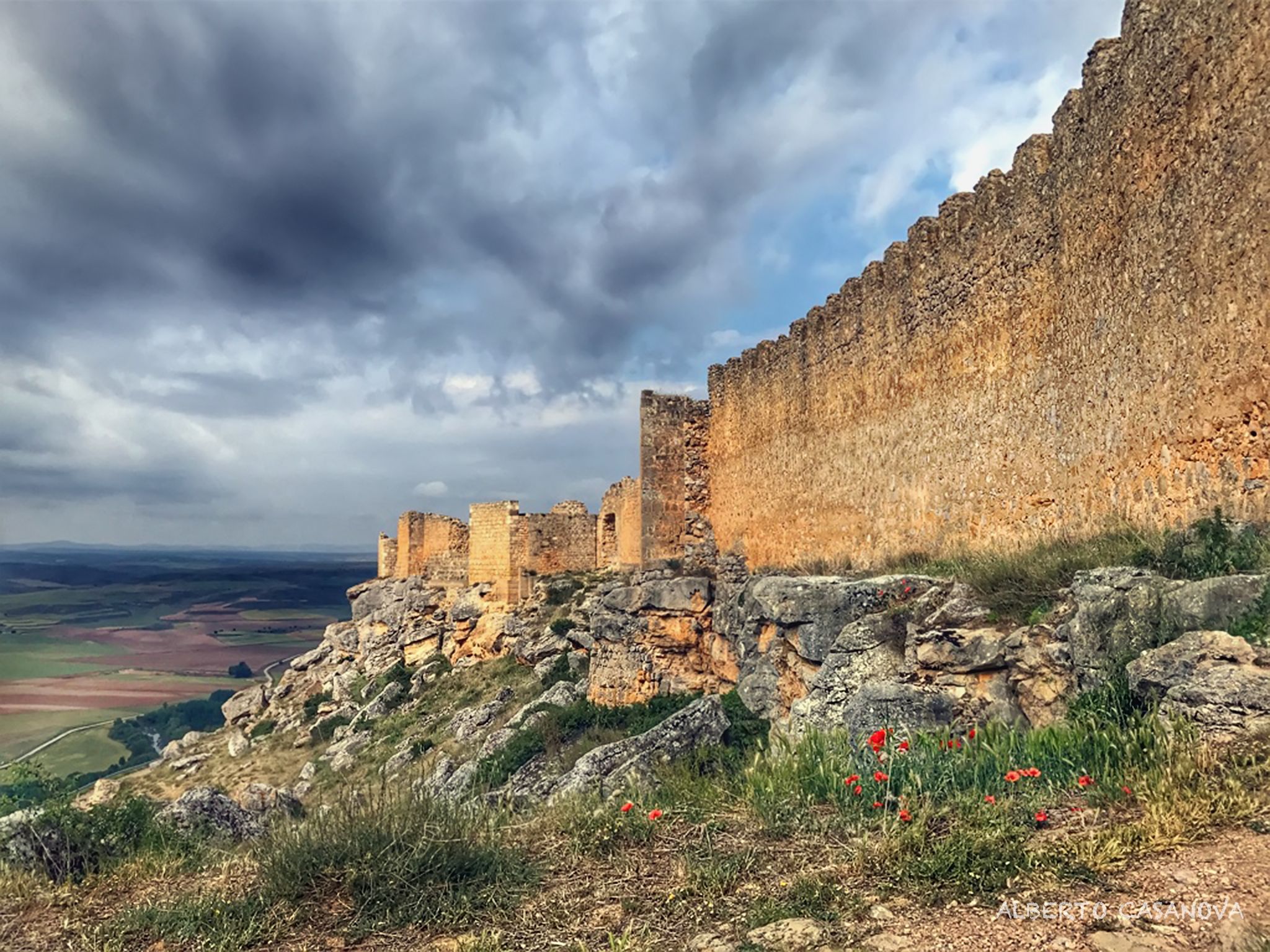
Camino del Cid on MTB – El Destierro
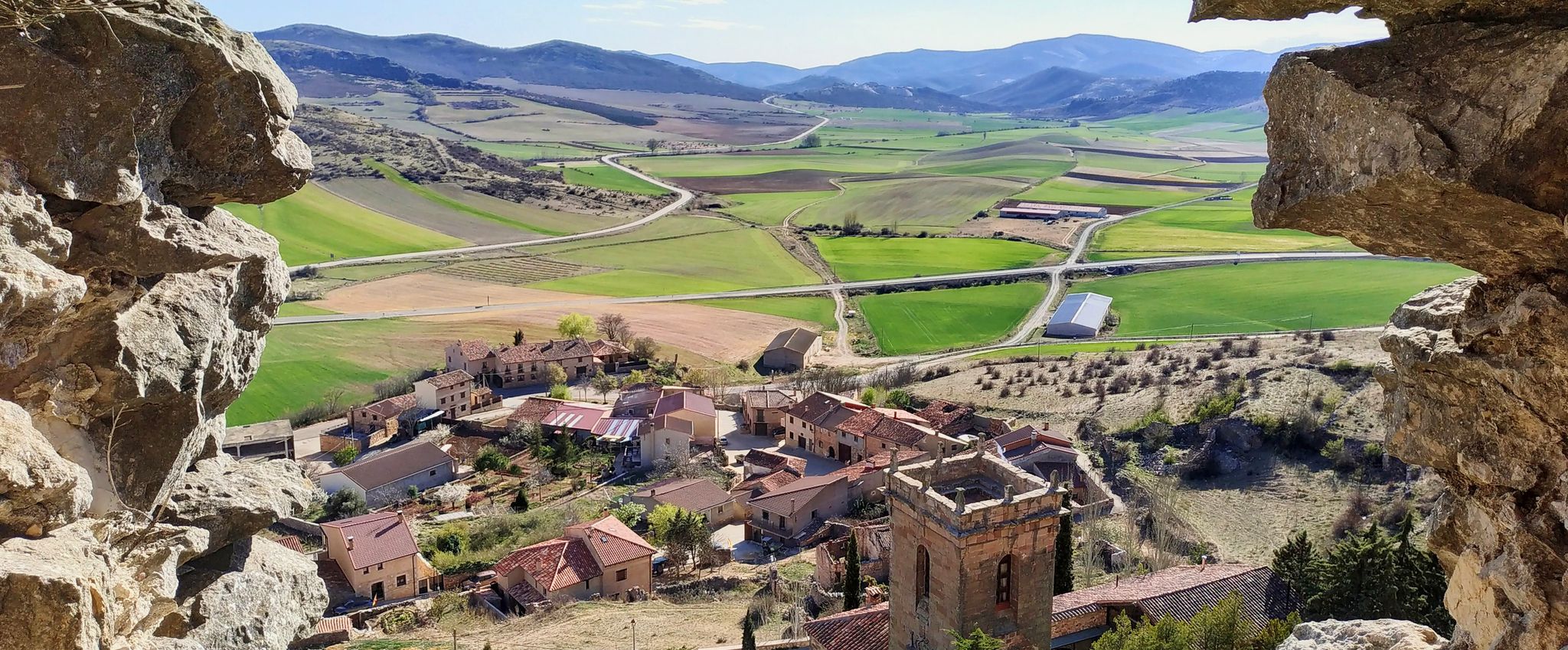
Spain’s Camino del Cid by bicycle — El Destierro
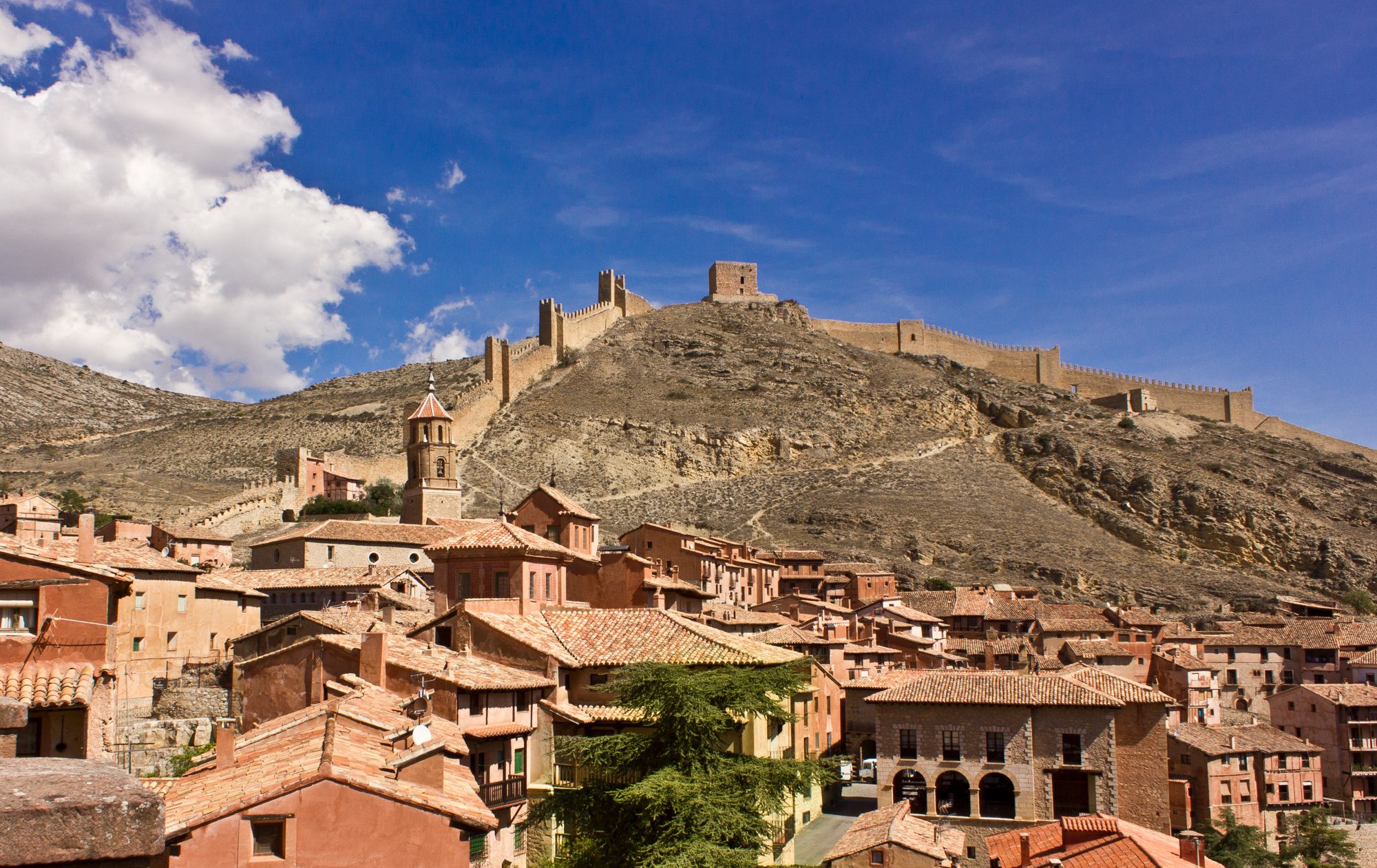
Bike tour into the Spanish Middle Ages - the Camino del Cid
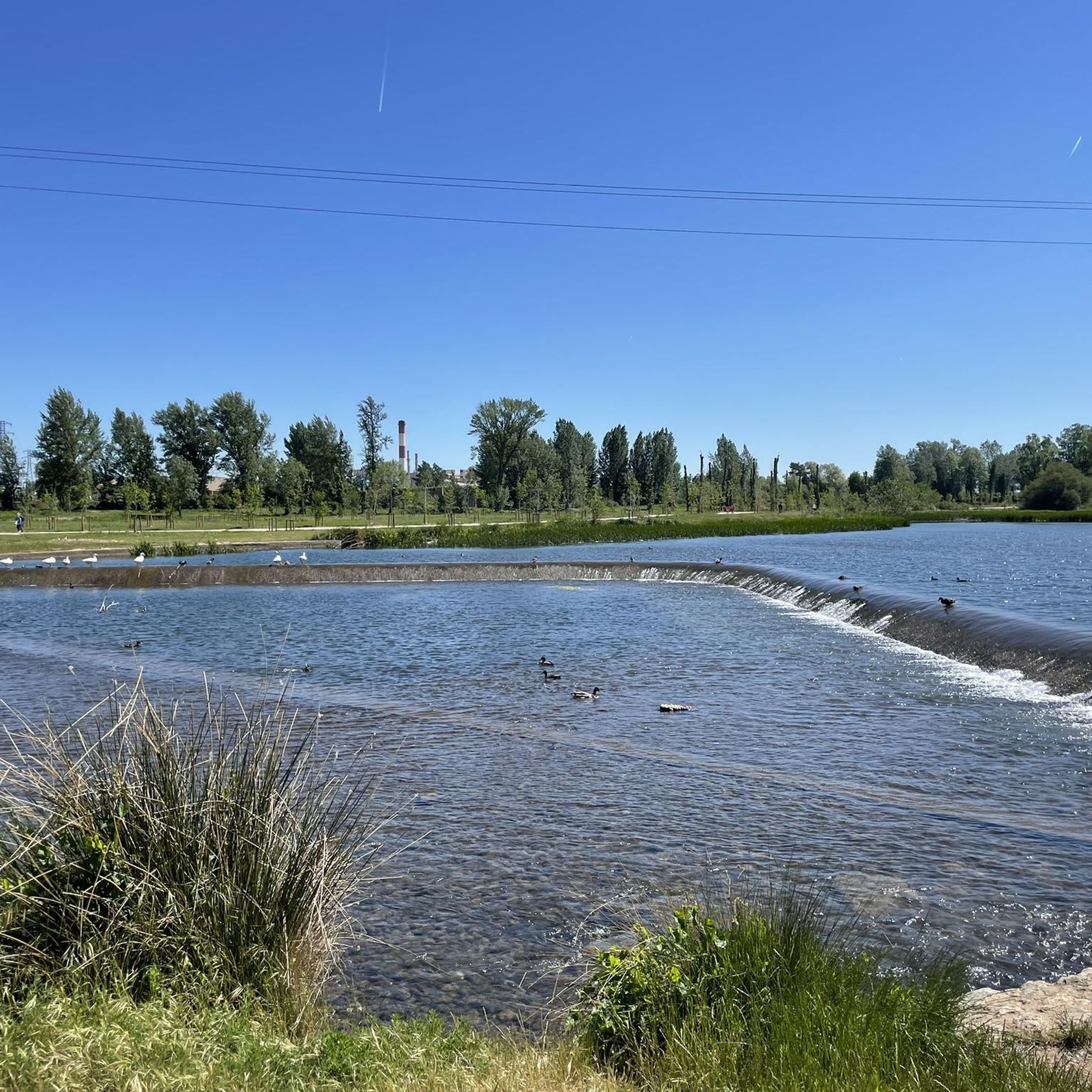
Cycling around Quintanilla Vivar
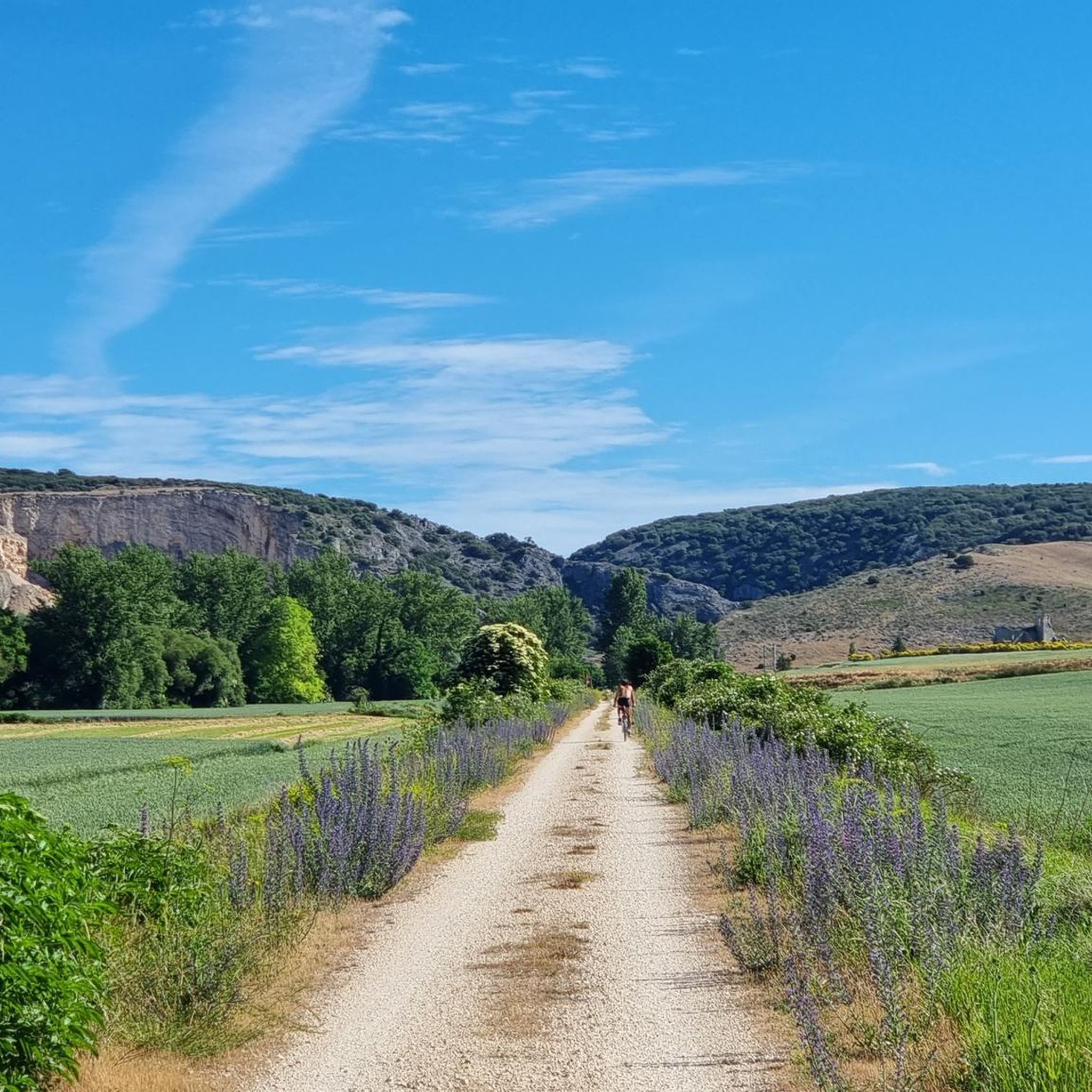
Road Cycling Routes around Quintanilla Vivar
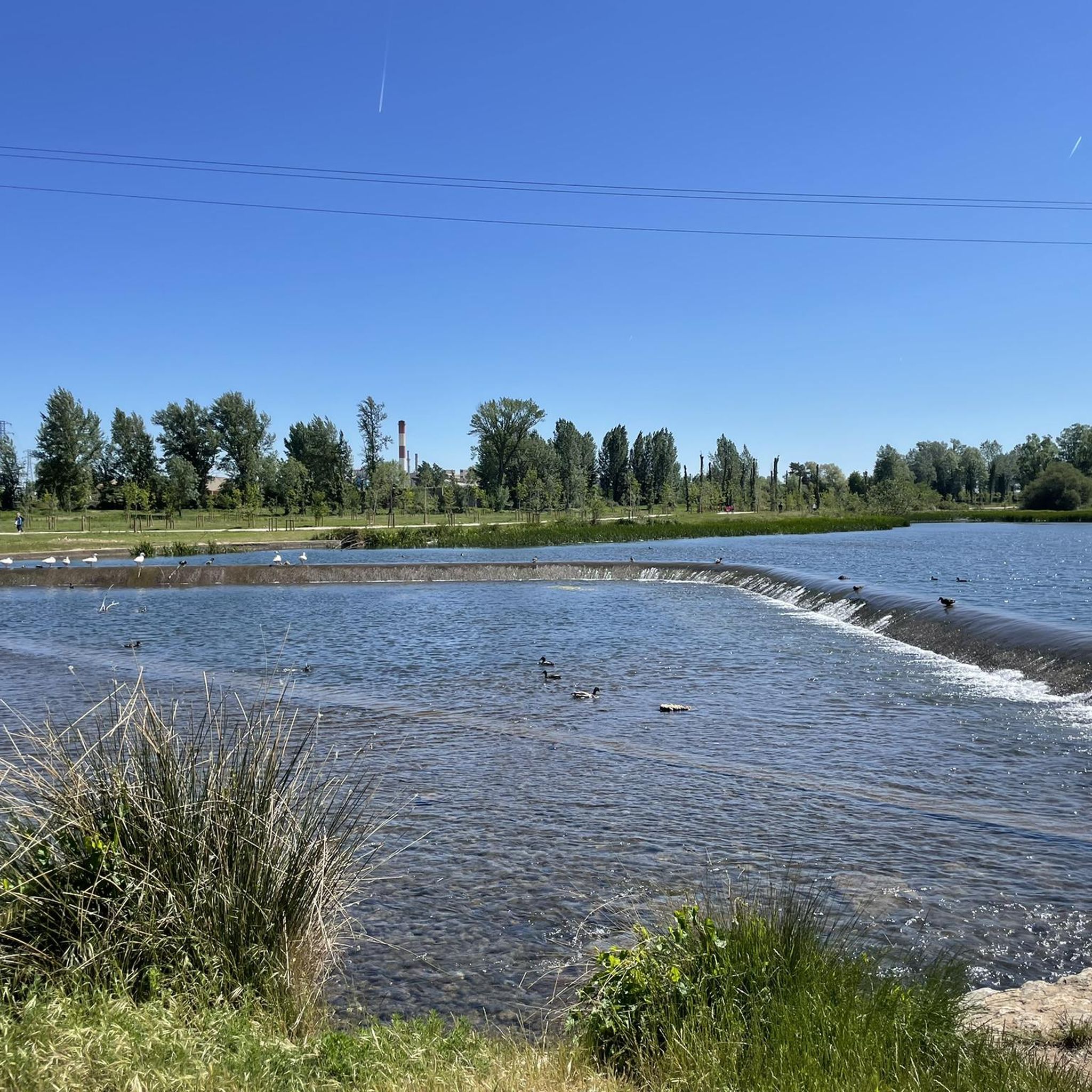
MTB Trails around Quintanilla Vivar
Running Trails around Quintanilla Vivar

Gravel biking around Quintanilla Vivar
Other adventures around Quintanilla Vivar


Tips from the Community

The bronze bull in Burgos (officially Monumento al Toro or Estatua del Toro) is a life-sized bronze sculpture weighing around 900 kilograms, located on Avenida del Cid Campeador (corner of Calle Santander),The sculpture was erected in May 2011 to commemorate the historic bullring Coso de los Vadillos as well as the bullfighting tradition in Burgos
0
0

„In the rich cultural heritage of the Church, we encounter the testimony of faith of our ancestors, which reaches us today in the language of beauty, so that we may pass on the faith to future generations. (…) [It] opens souls to the meaning of the eternal, as a sign of life and as a guide to the immortality of religious and spiritual values at the same time,“ wrote the then Archbishop of Santiago de Compostela, Julian Barrio Barrio, a number of years ago. Even if his words were addressed to the famous 'Portico de la Gloria', which welcomes us – having reached the end of all the Way of St. James pilgrimage routes – we can let them affect us in every church whose decorative design was created for the glory of God.
0
0

A very beautiful church, which costs €4 to enter, but with the Cathedral bracelet, for €13, it's free.
0
0
Located on the street of the same name, one of the most emblematic baroque churches in Burgos.
0
0
This mural is located on the street behind the cathedral
0
0

Historical treasures and pilgrimage routes Burgos is known for its impressive Gothic cathedral, the third largest in Spain after those in Seville and Toledo. This cathedral, along with the Monasterio de las Huelgas, makes the city an important stop on the pilgrimage route to Santiago de Compostela.
4
0

The Church of San Lorenzo el Real is one of the most prominent Baroque churches in Burgos. It was built between 1684 and 1694 by the Society of Jesus, on the site of a more modest building. After the expulsion of the Jesuits at the end of the 18th century, the church became a parish church and was dedicated to the martyr Saint Lawrence.
7
0
Burgos's North Market Square, also known as Plaza de España, has been a focal point of local commerce for decades. It was once the site of the North Market, opened in 1968, which served as a distribution center for fresh produce such as meat, fish, and fruit.
14
0
Frequently Asked Questions
How many hiking trails are available around Quintanilla Vivar?
There are over 150 hiking routes available around Quintanilla Vivar, offering a wide range of options for different skill levels and preferences.
What kind of terrain can I expect on hikes near Quintanilla Vivar?
The terrain around Quintanilla Vivar is varied. You can expect to find accessible paths along the Vía Verde del antiguo Ferrocarril Santander-Mediterráneo, which is a converted railway line. The broader region of Burgos also features river valleys, agricultural plains, and gentle hills, providing diverse landscapes for exploration.
What is the best time of year to go hiking in Quintanilla Vivar?
While specific seasonal data isn't provided, regions like Burgos generally offer pleasant hiking conditions in spring and autumn with milder temperatures. Summer can be warm, and winter might bring colder weather, so checking local forecasts is always recommended.
Are there options for easy hikes in Quintanilla Vivar?
Yes, Quintanilla Vivar offers plenty of easy hiking options. Approximately 72 of the available routes are classified as easy, making them suitable for casual walkers or those looking for a relaxed outing.
Are there any challenging hikes for experienced trekkers?
For experienced trekkers seeking a challenge, there are 8 routes classified as difficult around Quintanilla Vivar. These trails typically involve more significant elevation changes or longer distances.
What historical landmarks or points of interest can I see while hiking near Quintanilla Vivar?
Many routes offer glimpses of historical and cultural sites. You might encounter the Plaza Mayor of Burgos, the impressive Burgos Cathedral, or the Arch of Santa María. The area is also historically significant as the birthplace of El Cid Campeador, with landmarks like the Statue of El Cid.
Are there any castles accessible from hiking routes?
Yes, you can explore several castles in the vicinity. Highlights include the Staircase to Castillo de Burgos, Castillo de Sotopalacios, and Castillo de Zumel, which can be points of interest along your hikes.
Are there any circular hiking routes available?
Yes, many of the trails around Quintanilla Vivar are circular. For example, the easy route Juan de Garay Ship Sculpture – PlazaDelMercadoNorte loop from G-3 Vista Alegre is a great option, as is the moderate Burgos Castle – Arch of Fernán González loop from Barriada de la Tejera.
Are dogs allowed on the hiking trails around Quintanilla Vivar?
Generally, dogs are welcome on many outdoor trails in Spain, especially in natural areas. However, it's always best to keep them on a leash and be mindful of local regulations, especially when passing through agricultural land or near wildlife.
What do other hikers say about the trails in Quintanilla Vivar?
The hiking trails around Quintanilla Vivar are highly regarded by the komoot community, with an average rating of 4.4 stars from over 200 reviews. Hikers often praise the varied terrain and the accessibility of routes, with over 1600 visitors having explored the area using komoot.
Is there parking available near the trailheads in Quintanilla Vivar?
While specific parking details for every trailhead are not available, Quintanilla Vivar is a village, and parking is generally accessible. For routes starting in Burgos, public parking facilities are typically available in and around the city center.
Can I reach hiking trails in Quintanilla Vivar using public transport?
Quintanilla Vivar is connected to Burgos, a larger city, by public transport. From Burgos, you can access various trailheads. For specific routes, it's advisable to check local bus schedules to see which lines serve the starting points of your chosen hikes.
Are there places to eat or stay near the hiking trails in Quintanilla Vivar?
Quintanilla Vivar itself is a village and may offer limited amenities. However, the nearby city of Burgos provides a wide range of cafes, restaurants, and accommodation options, making it a convenient base for exploring the surrounding hiking trails.
Most popular routes around Quintanilla Vivar
Most popular attractions around Quintanilla Vivar

Get inspired with the komoot mobile app


Explore more
Browse the best Hikes in other regions.
