The 7 Most Amazing Peaks around Contreras
Best mountain peaks around Contreras are found in a region characterized by its diverse terrain, offering a range of elevations and natural features. This area provides opportunities for outdoor activities amidst its hills and mountainous landscapes. The region's natural settings contribute to its appeal for those seeking varied experiences. It serves as a destination for exploring different types of mountain environments.
Best mountain peaks around Contreras
- The most popular mountain peaks is View of Peña de Carazo, a viewpoint…
Last updated: July 26, 2026
Sad Hill Cemetery
Highlight • Historical Site
Translated by Google •
Tip by

View of Peña de Carazo
Highlight • Viewpoint
Translated by Google •
Tip by

Sign up now to discover places like this
Get recommendations on the best single tracks, peaks, & plenty of other exciting outdoor places.
Sign up for free
Castillejo
Highlight • Summit
Translated by Google •
Tip by
Alto de la Cabeza Summit
Highlight • Summit
Translated by Google •
Tip by
Cerro San Cristóbal
Highlight • Summit
Translated by Google •
Tip by

Sign up for free to discover even more peaks around Contreras.
Sign up for free
Already have an account?
Start today with a free account
Your next adventure awaits.
Login or Signup


Tips from the Community

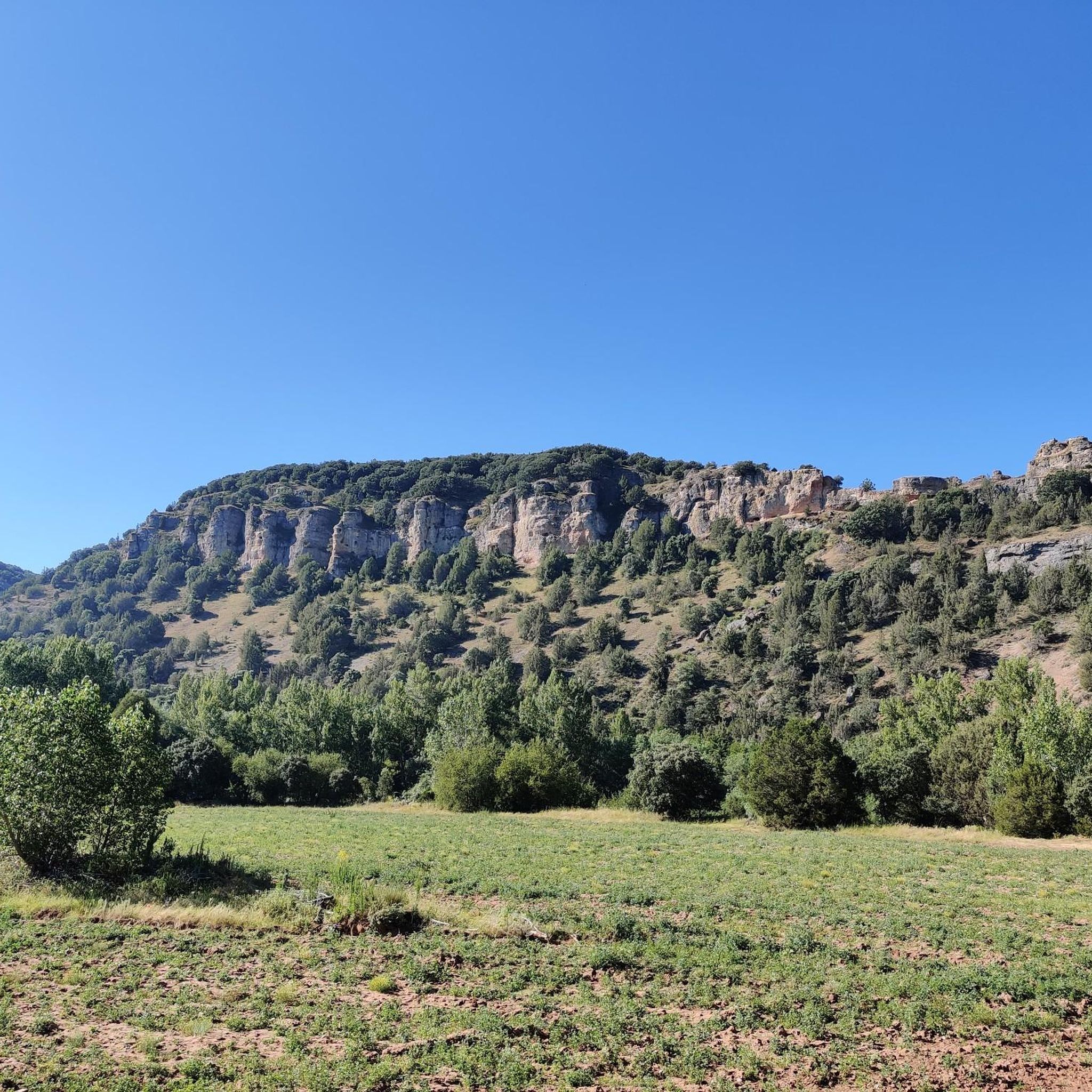
El Castillejo (1,347 m) is a twin peak located in the Sierra de las Mamblas, 5 km north of the town of Covarrubias (Burgos). It owes its name to its natural defensive rock formations. On its summit, an artificial cavity is preserved that served as a strategic watchtower. The mountain offers a spectacular panoramic view of the Arlanza valley and the Sierra de la Demanda. At its foothills lies the Hermitage of Our Lady of Mamblas (Ermita de Nuestra Señora de Mamblas). The terrain features rocky barriers that served as a defensive settlement in antiquity.
0
0


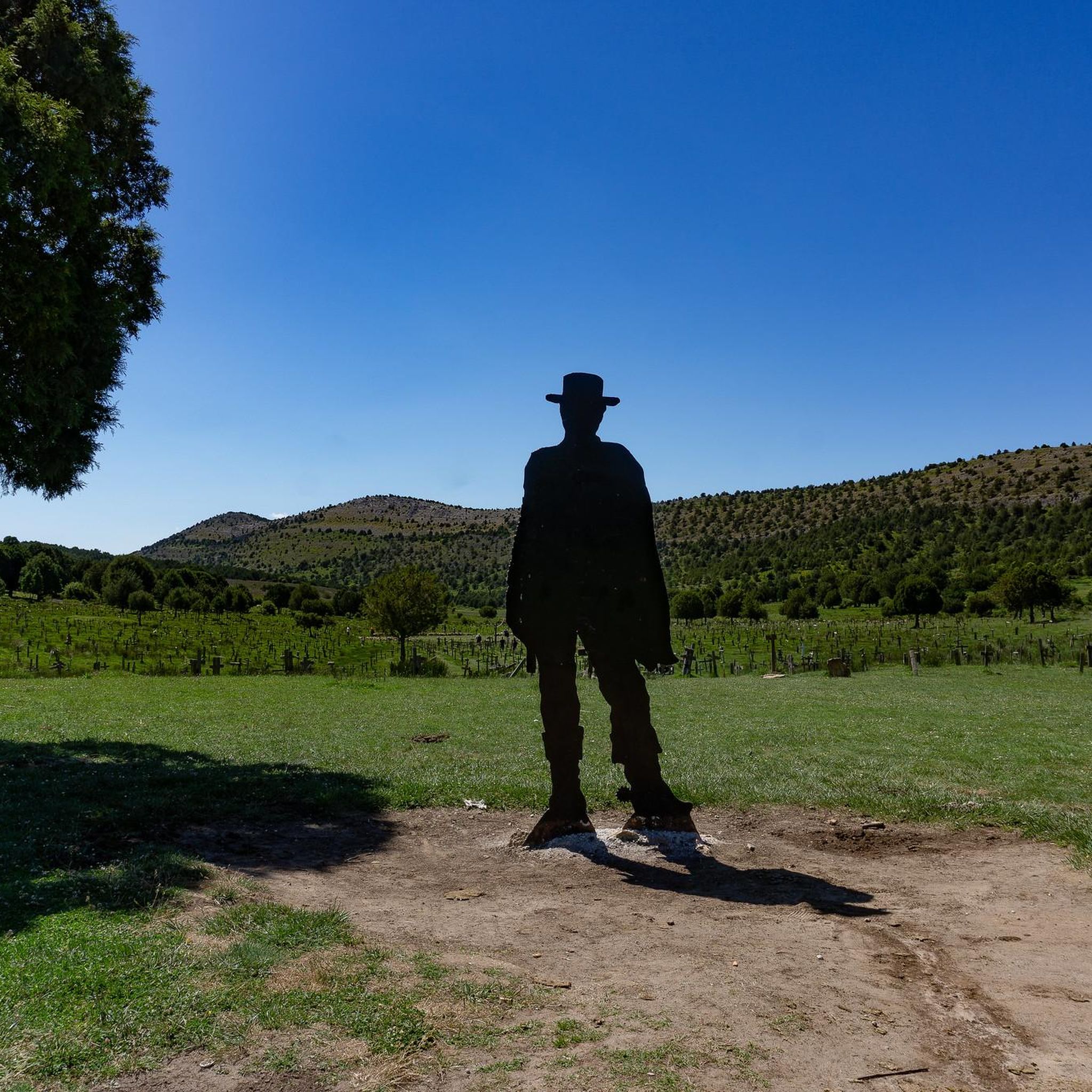
The fictional cemetery “Sad Hill Cemetery” was artificially created for the filming of “Two Glorious Scoundrels”. The scene of the big showdown is iconic, in which the three opponents face each other between the graves of an old cemetery in a haunting finale. The cemetery was exposed to increasing decay. A group of courageous residents polished up the cemetery in 2016 in time for the 50th anniversary of the cult western.
0
0

In this natural setting the duel of the mythical movie The Good, the Bad and the Ugly was filmed. But apart from that, as soon as you get there, the cemetery is only part of the natural beauty that that valley has.
1
0

Alto de la Cabeza is the highest point in the Ribera del Duero with its 1343 m high. The top is crowned by a metal cross.
1
0
The peak bears this name thanks to its tower shape. The views are spectacular, highlighting the Sierra del Mencilla to the North, the Sierra de Cervera to the South, and that of its partner, the Muela de las Mamblas to the East.
2
0

Santo Domingo de Silos is a town and a monastery of Benedictine monks, located in the mountains of the southeast of the province of Burgos, 57 kilometers from the capital. The town and monastery are located in the eastern part of the Tabladillo valley, at 1000 meters above sea level and surrounded by high mountains of limestone rocks, sparsely covered with holm oaks, junipers, eskenes and pines.
8
0

Sad Hill Cemetery is an iconic location built specifically for the movie "The Good, the Bad and the Ugly." Located in the Sierra de la Demanda, the cemetery was built in 1966 for the filming of the final scene of the film, where the three protagonists have their last confrontation.
1
0
Frequently Asked Questions
What are the most prominent mountain peaks in La Magdalena Contreras?
La Magdalena Contreras is home to several significant peaks. Cerro El Triángulo, at 3,819 meters (12,530 feet), is the highest. Other notable peaks include Pico Acoconetla (3,360 meters), known for rock climbing, and Cerro del Judío (2,750 meters), which features an ancient archaeological site.
What outdoor activities can I do in the mountainous areas of La Magdalena Contreras?
The region, particularly Los Dinamos National Park, offers a wide range of outdoor activities. You can enjoy hiking, mountain biking, rock climbing (with over 250 equipped routes), rappelling, camping, trout fishing, and horseback riding. There are trails suitable for all levels, from easy walks to challenging treks.
Are there any historical or archaeological sites on the mountain peaks?
Yes, Cerro del Judío (also known as Mazatépetl) is a significant historical site. It hosts an Otomi archaeological settlement at its summit, featuring a pyramid with a carved stone turtle dating from 1200 to 1380 AD. Pico Acoconetla also has historical significance, having been a pre-Hispanic adoration point for the rain god Tlaloc, with observable petroglyphs.
What makes Los Dinamos National Park a popular destination?
Los Dinamos National Park is a major ecotourism destination due to its extensive forests, the Magdalena River (Mexico City's only free-flowing river), waterfalls, and springs. It offers a 26-kilometer network of eco-paths and diverse activities like hiking, climbing, and camping. Its name comes from 19th-century power generation facilities.
Are there challenging hiking opportunities in La Magdalena Contreras?
Yes, for those seeking a challenge, there is a trail leading to the summit of Cerro El Triángulo, the highest peak in the borough, offering demanding hiking opportunities and expansive views. Within Los Dinamos National Park, the higher 'Dinamos' (3rd and 4th) also provide more demanding trails and impressive viewpoints like La Coconetla and Puerta del Cielo.
Can I go rock climbing in La Magdalena Contreras?
Absolutely. Pico Acoconetla, nestled in the highest part of the Dinamos ravine, is a prominent spot for rock climbing, especially for crack climbing. Los Dinamos National Park itself boasts over 250 equipped routes for rock climbing and rappelling.
What kind of natural features can I expect to see in the mountains of La Magdalena Contreras?
The region is characterized by rugged and mountainous terrain, featuring hills, mountains, ravines, and canyons. You'll find extensive forests, the free-flowing Magdalena River, waterfalls (like Cascada de los Dinamos), and springs. The area is considered a vital 'green lung' for Mexico City.
Are there family-friendly activities or trails in the mountain areas?
Yes, Los Dinamos National Park offers trails ranging from easy walks suitable for families to more serious treks. The park's diverse activities like trout fishing and horseback riding can also be enjoyed by families, making it a great destination for all ages.
What is the significance of the Magdalena River in the region?
The Magdalena River is highly significant as it is the only free-flowing river in Mexico City. It flows through Los Dinamos National Park, contributing to the park's rich biodiversity and natural beauty, and is a key feature of the area's ecosystem.
What other notable peaks are found in La Magdalena Contreras?
Beyond the most prominent ones, La Magdalena Contreras features several other significant elevations. These include Cerro Palmas (3,789 meters), Nezehuiloya (3,760 meters), Cerro Palmitas (3,700 meters), Cerro San Miguel (3,630 meters), and Cerro Panza (3,600 meters), among others, all offering extensive opportunities for hiking and experiencing nature.
Can I observe wildlife in the mountainous regions of La Magdalena Contreras?
Yes, Los Dinamos National Park is a place where visitors can observe wildlife. The park is known for species such as axolotls and various birds, contributing to its ecological importance as a natural protected area.
Are there viewpoints offering panoramic views of Mexico City?
Yes, Cerro del Judío offers panoramic views of Mexico City from its summit. Additionally, the higher 'Dinamos' within Los Dinamos National Park provide impressive viewpoints like La Coconetla and Puerta del Cielo, showcasing the forested ravines and surrounding landscapes.
Most popular attractions around Contreras

Get inspired with the komoot mobile app


Explore more
See even more amazing summits around Contreras with these guides:
