Attractions and Places To See around Bustillo Del Páramo - Top 20
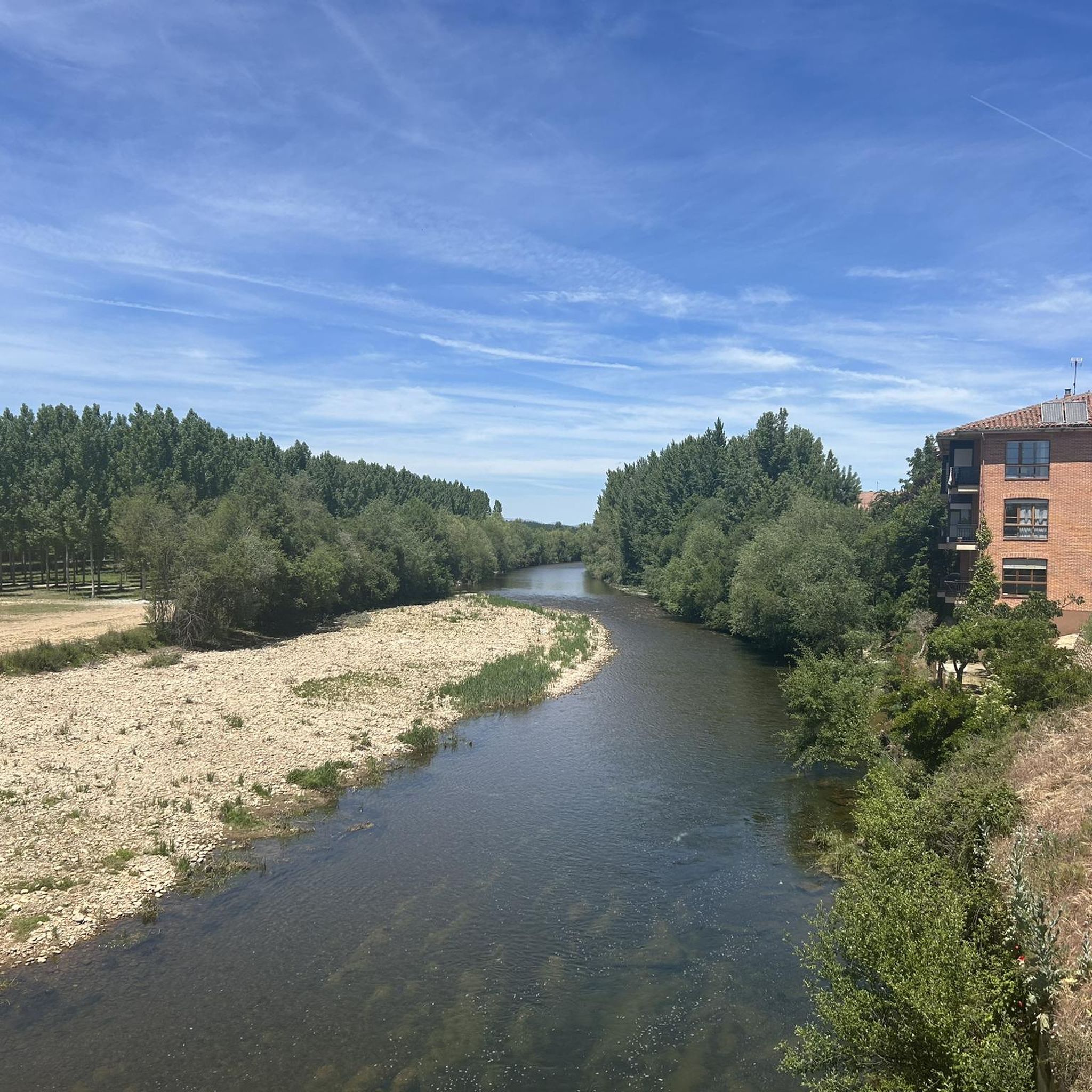
Best attractions and places to see around Bustillo Del Páramo include a blend of historical sites, cultural landmarks, and natural features. The region, situated within the Páramo, Órbigo y Esla area, is characterized by its rural landscapes and proximity to the Órbigo River. Significant portions of the Camino de Santiago pass through the municipality, offering numerous points of interest for pilgrims and visitors. The area provides opportunities to explore traditional architecture and serene natural surroundings.
Best attractions and places to…
Last updated: May 10, 2026
Passo Honroso Bridge
Highlight • Bridge
Translated by Google •
Tip by

The Garden of the Soul
Highlight • Rest Area
Translated by Google •
Tip by

Sign up now to discover places like this
Get recommendations on the best single tracks, peaks, & plenty of other exciting outdoor places.
Sign up for free
Church of St John the Baptist, Hospital de Órbigo
Highlight • Religious Site
Translated by Google •
Tip by

Pilgrim Sculpture and Memorial Cross
Highlight • Monument
Translated by Google •
Tip by

Pelegrins of Villares de Orbigo
Highlight • Monument
Tip by

Sign up for free to discover even more attractions around Bustillo Del Páramo.
Sign up for free
Already have an account?
Start today with a free account
Your next adventure awaits.
Login or Signup
Tips from the Community

For me, this place is a piece of paradise on the Camino. Take a short break in the shade. Enjoy some of the delicacies (fruit, eggs, cake, etc.). In this atmosphere, it's easy to relax, rejuvenate, and move on more easily (and happier).
1
0

It belongs to the municipality of Santa Marina del Rey and is located near the Órbigo River, which gives it its name. This area is known for its rural landscapes and its proximity to the Vía de la Plata and the Camino de Santiago, which makes it a point of interest for pilgrims.
0
0

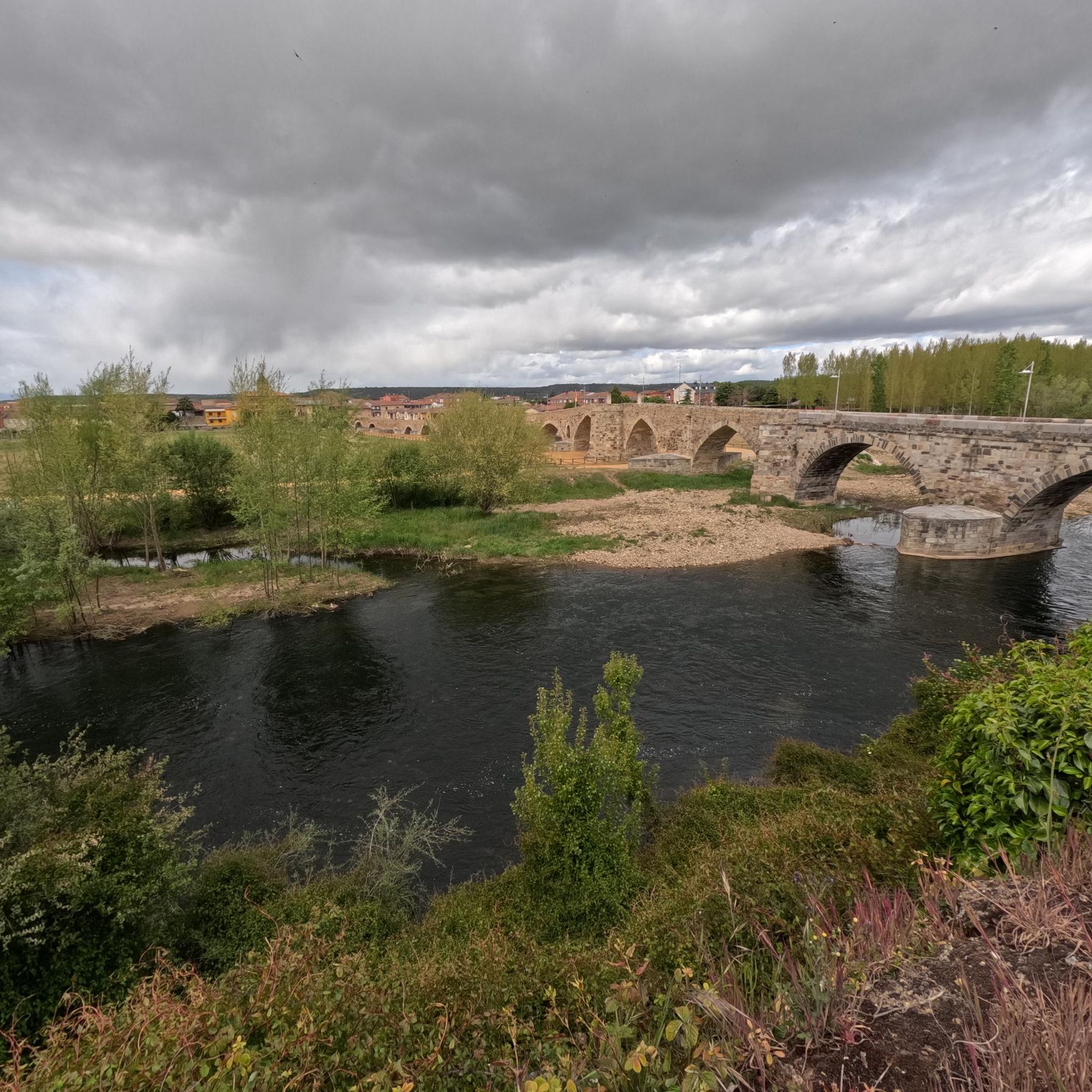
The Passo Honroso Bridge in Hospital de Órbigo is an impressive medieval construction from the 13th century. This bridge is known for its large size and historical importance, as it was the scene of the famous Passo Honroso joust in 1434, where the knight Suero de Quiñones and his companions defended the bridge for a month. 🌉😎🚶♀️🚴
5
0

The Iglesia de San Juan Bautista is located in Hospital de Órbigo, a medieval village in the province of León. The village is known to pilgrims who follow the French route of the Camino de Santiago. The church itself is a reminder of the presence of the Knights Hospitaller. It has a cross-shaped plan and has been rebuilt. The entrance facade has a cross of the Order. The church is very centrally located in the village, next to the town hall. It is perfectly preserved and the statue of San Juan Bautista that can be seen at the entrance through the triple portal is particularly striking. The construction of the church dates back to the mid-18th century. It belonged to the Military Order of the Knights of St. John of Jerusalem and its Prior was that of San Román El Antiguo of the same Order4. The altarpiece belongs to the Plateresque style4.
4
0

A small "Cruz de Ferro" is a very pleasant place to rest. But the path is not recommended for cycling.
2
1
The Church of San Juan Bautista in Hospital de Órbigo is a historical treasure that is located in the heart of this charming municipality. The church is located in the center of Hospital de Órbigo, next to the Town Hall. Its construction dates back to the 18th century and was made of masonry, with a Latin cross plan. The Church of San Juan Bautista and its surroundings in Hospital de Órbigo are a reminder of the history, spirituality and beauty of this region. 🙏🏰🌿
4
0

Hospital de Órbigo is a municipality on the Way of Saint James in the province of León, in the autonomous community of Castile and León. In the Middle Ages there was already a small village on the left bank of the Río Órbigo river. This village, formed around the church of Santa Maria, was named after the Puente de Órbigo bridge.
4
0
This medieval stone bridge is one of the most impressive on the Way of St. James. It spans the Rio Órbigo in 20 arches and connects the towns of Hospital de Órbigo with Puente de Órbigo. The oldest components date from the 13th century.
6
0
Frequently Asked Questions
What historical landmarks can I explore around Bustillo Del Páramo?
The region is rich in history, particularly along the Camino de Santiago. A prominent site is the Passo Honroso Bridge in Hospital de Órbigo, famous for a medieval jousting tournament. You can also visit the Church of St John the Baptist in Hospital de Órbigo, which has ties to the Knights Hospitaller. Further afield, the Gaudí Palace and Cathedral of Santa María in Astorga offer significant architectural and cultural insights.
Are there any natural features or scenic viewpoints to enjoy?
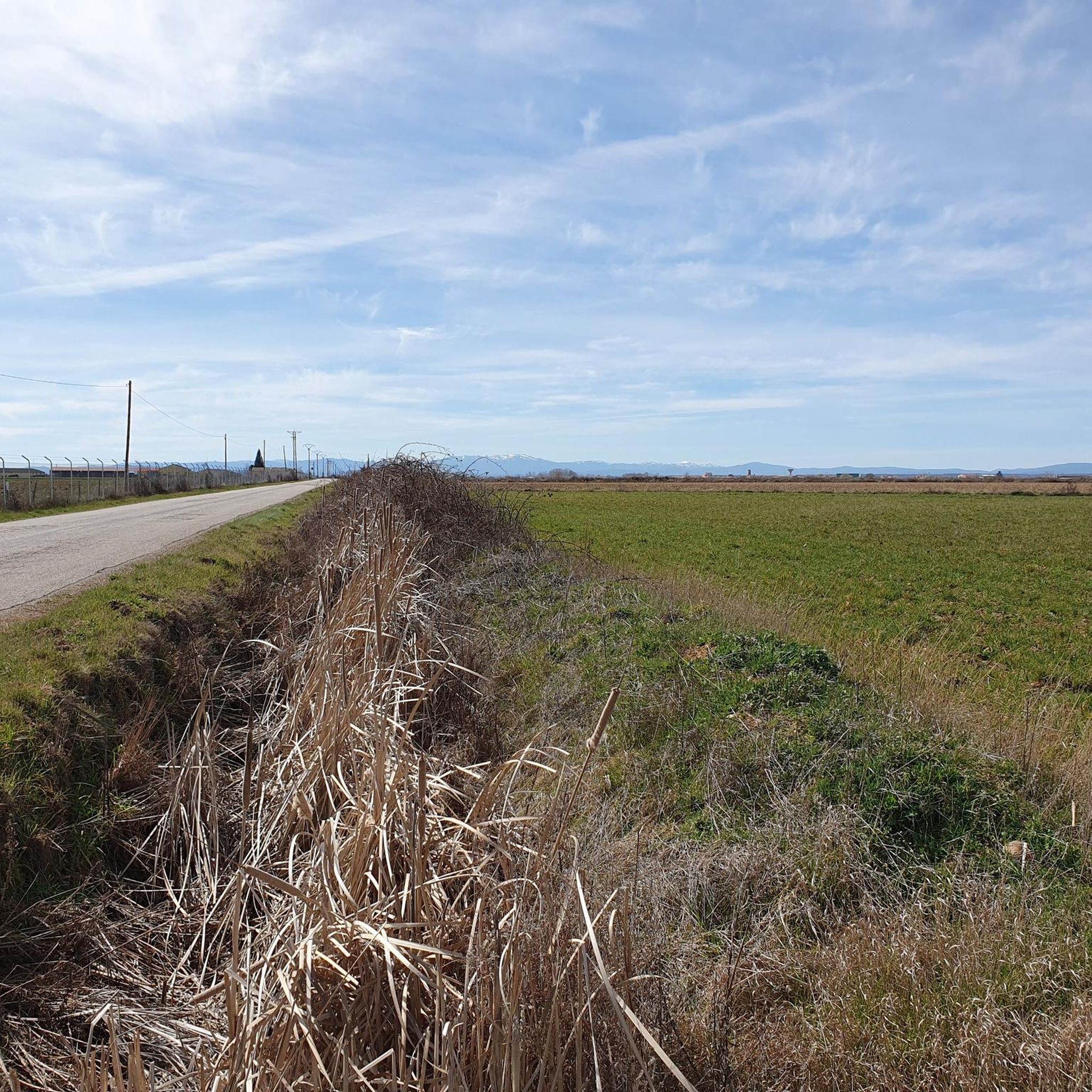
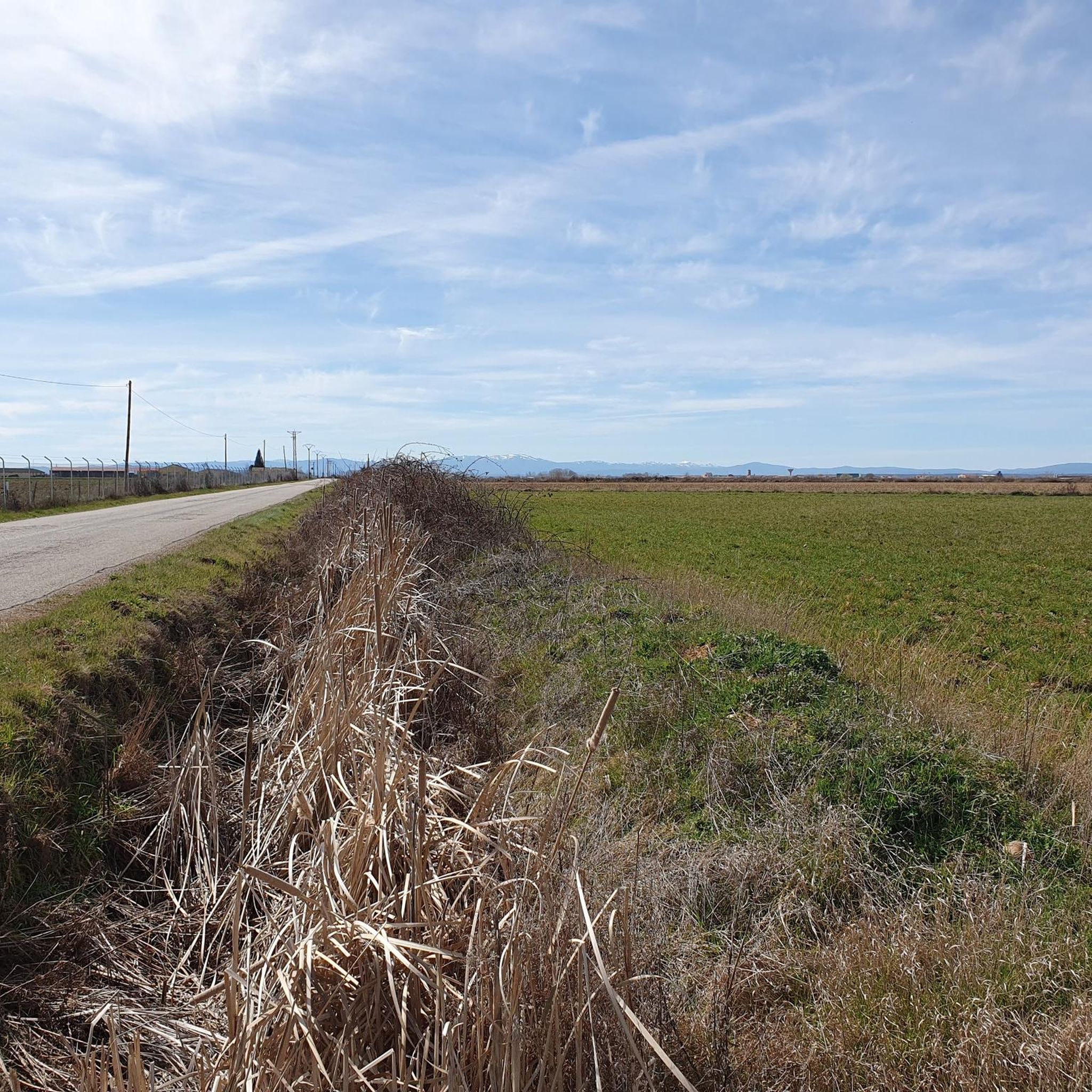
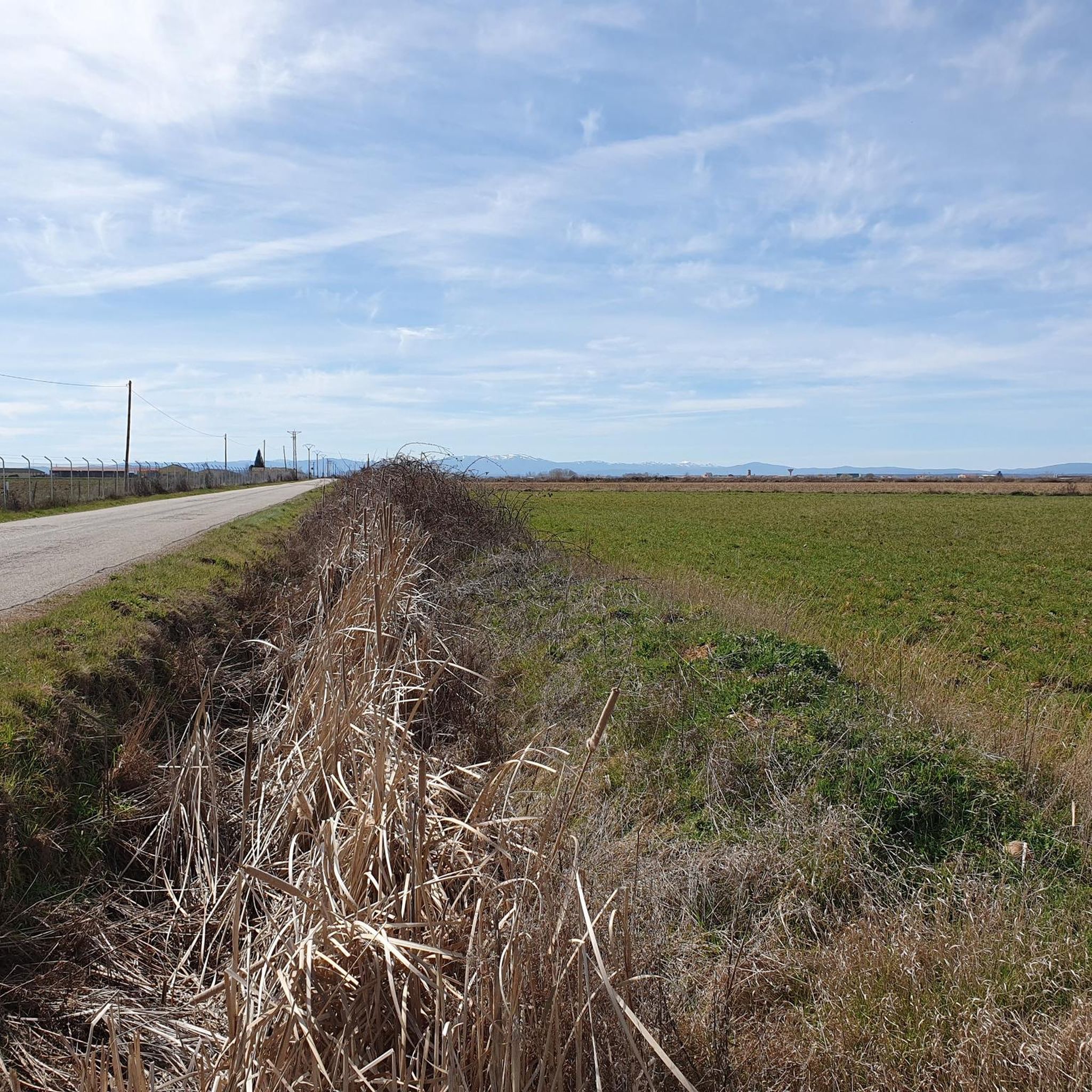
The area around Bustillo Del Páramo is characterized by its rural landscapes and the fertile plain of the Órbigo River. You can find serene surroundings and characteristic landscapes of the Castilian plateau. The Pilgrim Sculpture and Memorial Cross offers a viewpoint and a peaceful resting spot. In Bustillo del Páramo (León), the local church's brick spire is visible from various points across the Leonese páramo, offering a unique architectural landmark against the natural backdrop.
What kind of outdoor activities can I do near Bustillo Del Páramo?
The region is ideal for various outdoor activities, especially those related to the Camino de Santiago. You can find numerous hiking trails, including sections of the Camino Francés. For cyclists, there are several road cycling routes that explore the local scenery. Additionally, running trails are available for those looking for a jog through the rural landscape.
Are there family-friendly attractions or activities in the area?
Yes, several attractions are suitable for families. The Passo Honroso Bridge is an impressive historical site that can spark imagination. For a refreshing activity, the Piscina Fluvial Villoria de Órbigo offers a natural swimming spot adapted from the Órbigo riverbed, with shallow and pleasant water. Many of the Camino de Santiago related monuments, like the Pilgrim Sculpture and Memorial Cross, provide interesting stops for all ages.
Where can I find a place to rest or get refreshments while exploring?
Pilgrims and visitors alike can find welcoming spots. The Garden of the Soul is a highly-rated facilities point on the Camino de Santiago, offering a place to rest and get food. Historically, locations like the 'Hospital Blanco' in Bustillo del Páramo de Carrión (Palencia) provided assistance, reflecting the region's long tradition of hospitality.
What is the significance of the Camino de Santiago in this region?
The Camino de Santiago is a central feature of the region, with significant stretches passing through the municipal areas of Bustillo del Páramo (León) and Bustillo del Páramo de Carrión (Palencia). Many local landmarks, such as the Passo Honroso Bridge and the Pilgrim Sculpture and Memorial Cross, are directly associated with the pilgrimage route, offering resting points and historical context for those following the path.
Are there any unique architectural sites to see?
Beyond the historical churches, the area is known for its traditional adobe houses, though many are at risk. In Bustillo del Páramo (León), the village church features a distinctive brick spire on a stone base and a Baroque altarpiece. The nearby church in Grisuela del Páramo boasts a beautiful polychromed coffered ceiling. In Bustillo del Páramo de Carrión (Palencia), the Church of San Andrés Apóstol, built between 1650 and 1737, showcases impressive Baroque plasterwork and a 14th-century Gothic sculpture of San Pablo.
What is the best time to visit Bustillo Del Páramo?
The best time to visit depends on your interests. If you're keen on experiencing local traditions, the medieval fair held each June in Hospital de Órbigo, commemorating the jousting tournament at the Passo Honroso Bridge, is a highlight. For stargazers, Bustillo del Páramo de Carrión (Palencia) offers remarkable dark skies due to low light pollution, making evenings a unique spectacle.
What do visitors particularly enjoy about the attractions around Bustillo Del Páramo?
Visitors appreciate the blend of history and tranquility. The Passo Honroso Bridge is often praised for its impressive length and historical significance. The resting places along the Camino, like The Garden of the Soul, are highly valued for their hospitality and amenities. The unique monuments and the serene rural landscapes also contribute to a memorable experience.
Are there any archaeological sites nearby?
Yes, in the vicinity of Bustillo del Páramo de Carrión (Palencia), you can explore the Villa Romana La Tejada. This archaeological site allows visitors to delve into one of the region's most important Roman villas, offering a glimpse into ancient history.
Can I find traditional rural experiences in Bustillo Del Páramo?
Absolutely. The region is known for its rural charm. You can observe traditional adobe houses, explore the fertile plains of the Órbigo River, and immerse yourself in the serene surroundings characteristic of the Castilian plateau. The emphasis on the Camino de Santiago also provides a traditional, immersive travel experience.
Most popular routes around Bustillo Del Páramo

Get inspired with the komoot mobile app


Explore more
Still not found the Highlight you’re looking for? See guides of the top attractions in other regions:
