The best cycling routes around Alcubilla De Avellaneda
5.0
(1)
24
riders
8
rides
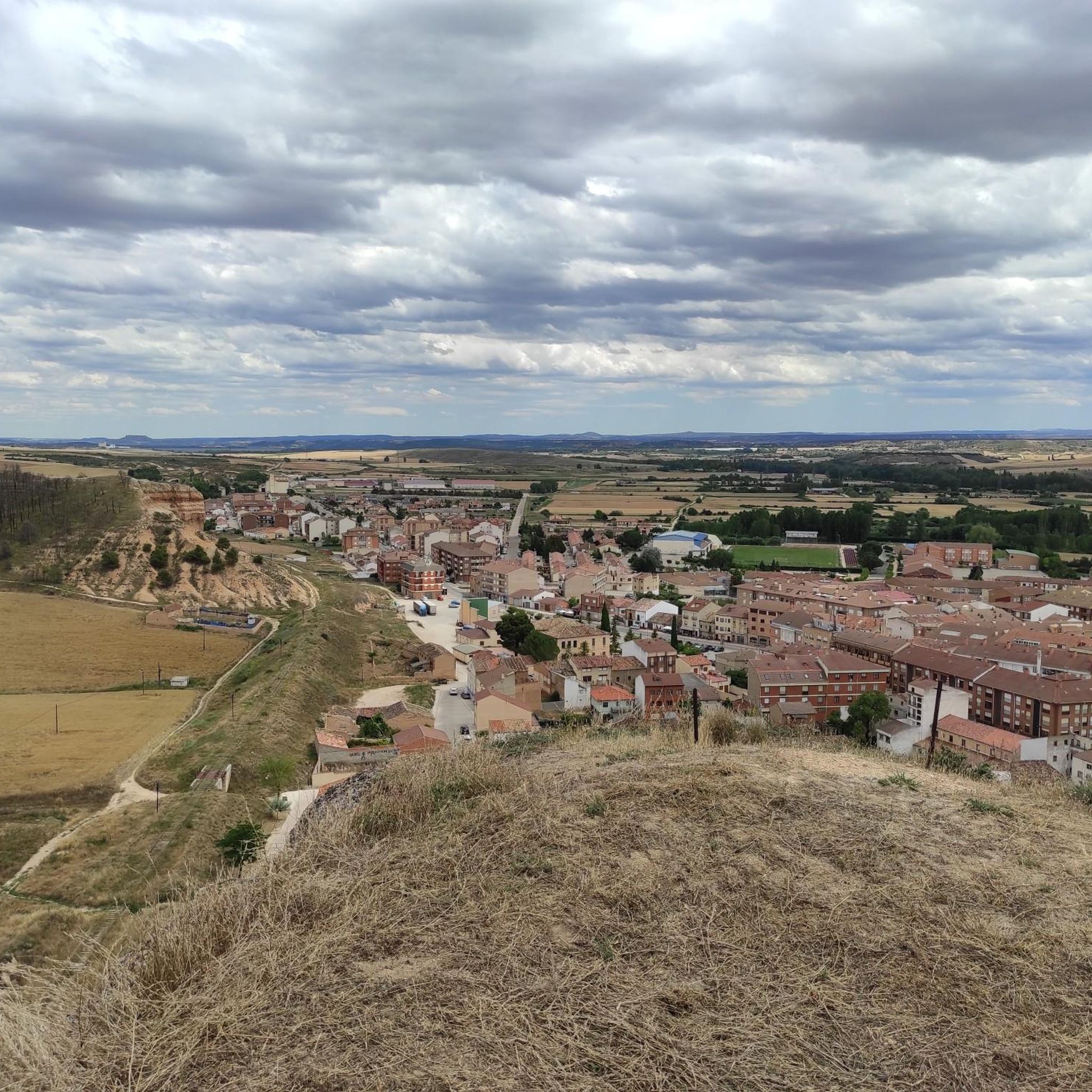
Touring cycling routes around Alcubilla De Avellaneda are situated in the Ribera del Duero Soriana region of Soria, Spain, at an altitude of approximately 940 to 1000 meters. The area features a landscape of vineyards, cultivated fields, and forests dominated by juniper and holm oak. Rural roads and historical pathways like the Ruta de la Lana and Camino del Cid provide varied terrain for cycling.
Best touring cycling routes around Alcubilla De Avellaneda
- The most popular touring cycling route is…
Last updated: July 25, 2026
5.0
(1)
6
riders
91.7km
06:01
780m
780m
Hard bike ride. Very good fitness required. Mostly paved surfaces. Suitable for all skill levels.
3
riders
25.5km
02:03
190m
190m
Moderate bike ride. Good fitness required. Mostly paved surfaces. Suitable for all skill levels.

Sign up for free
4
riders
58.7km
03:34
510m
510m
Hard bike ride. Very good fitness required. Mostly paved surfaces. Suitable for all skill levels.
2
riders
26.8km
02:27
290m
290m
Moderate bike ride. Good fitness required. Mostly paved surfaces. Suitable for all skill levels.
3
riders
62.3km
03:59
470m
470m
Hard bike ride. Very good fitness required. Mostly paved surfaces. Suitable for all skill levels.
Get access to more routes and recommendations from other explorers.
Sign up for free
Already have an account?
Our route recommendations are based on thousands of hikes, rides, and runs completed by other people on komoot.
Start today with a free account
Your next adventure awaits.
Login or Signup
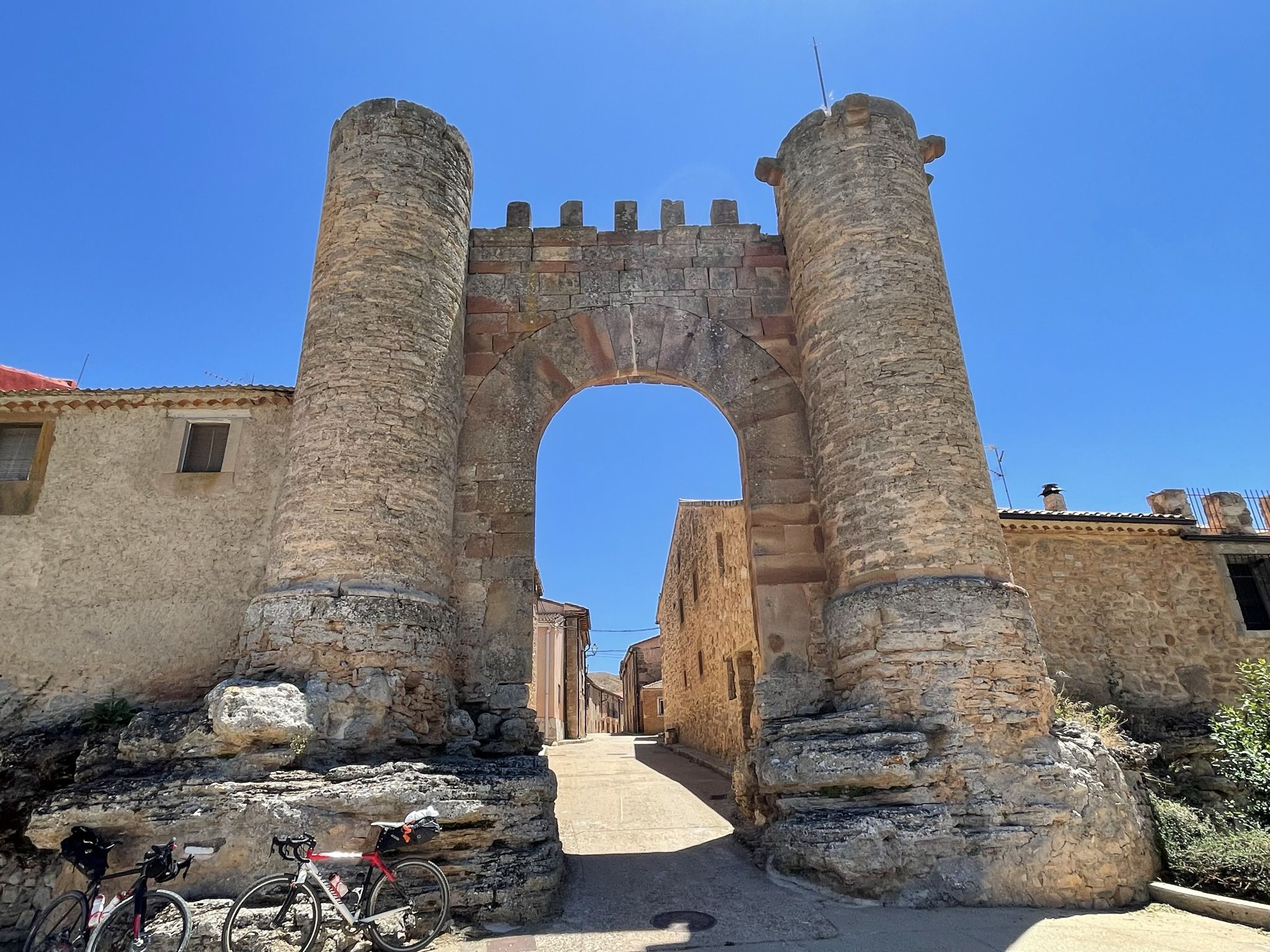
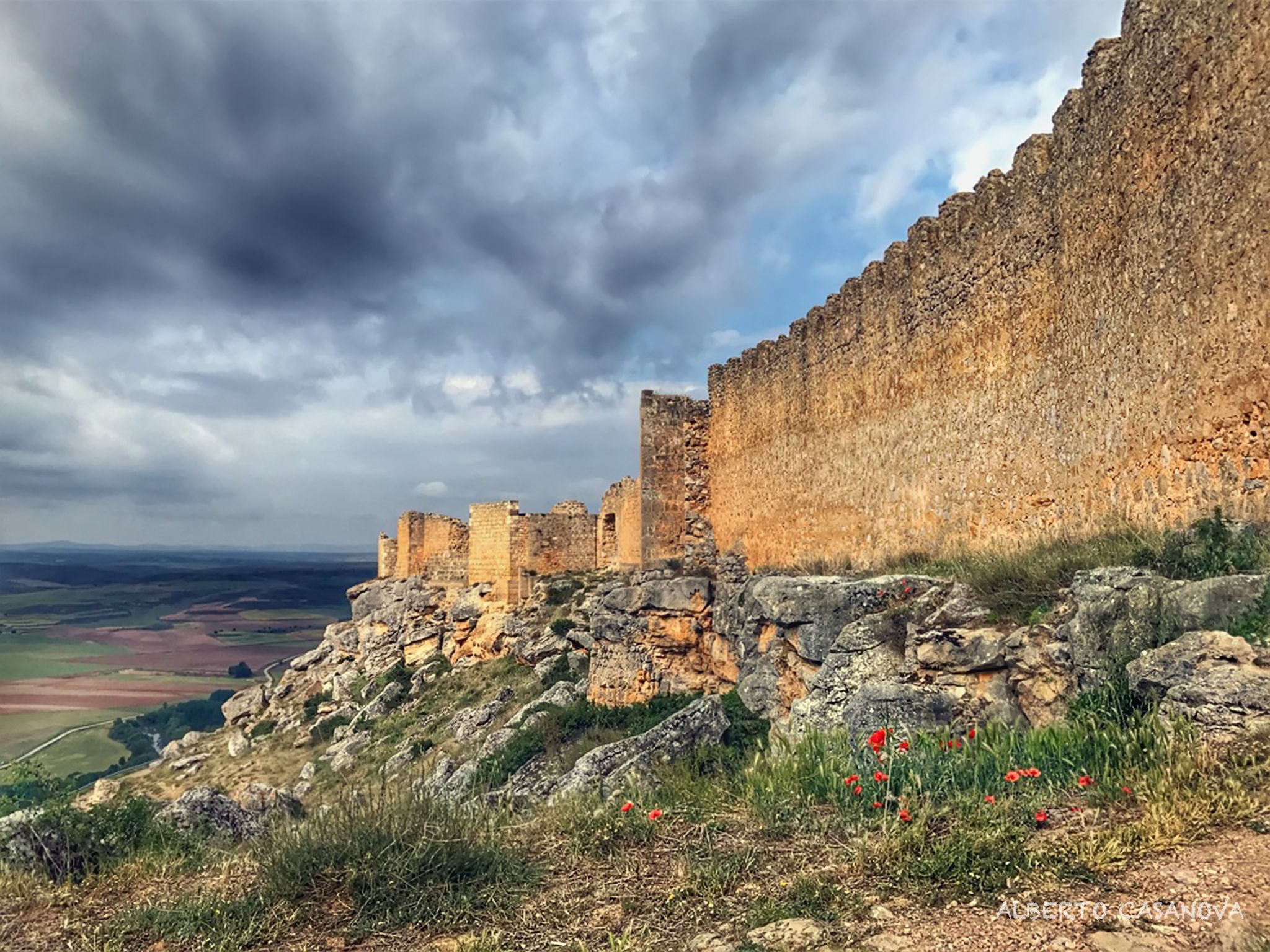
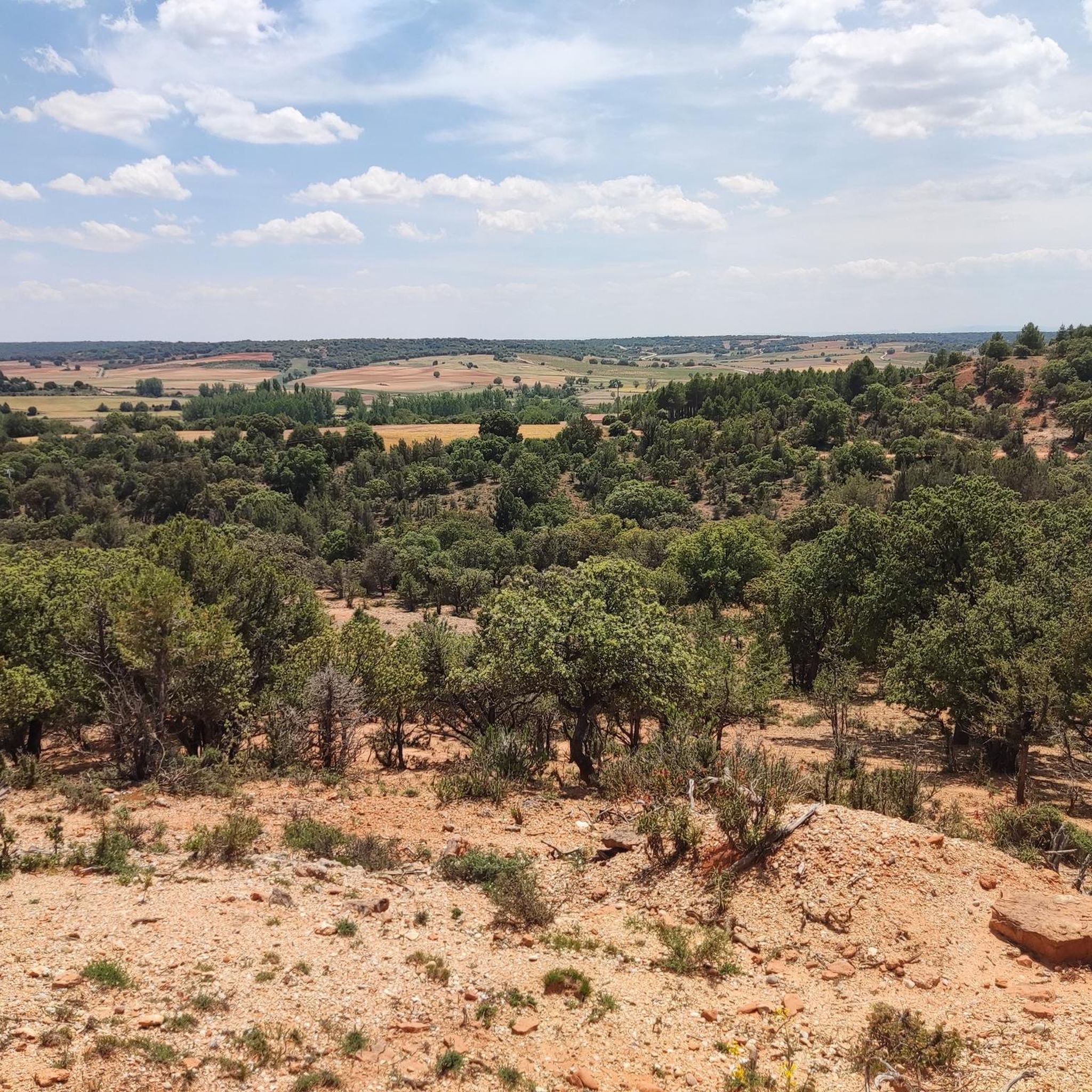
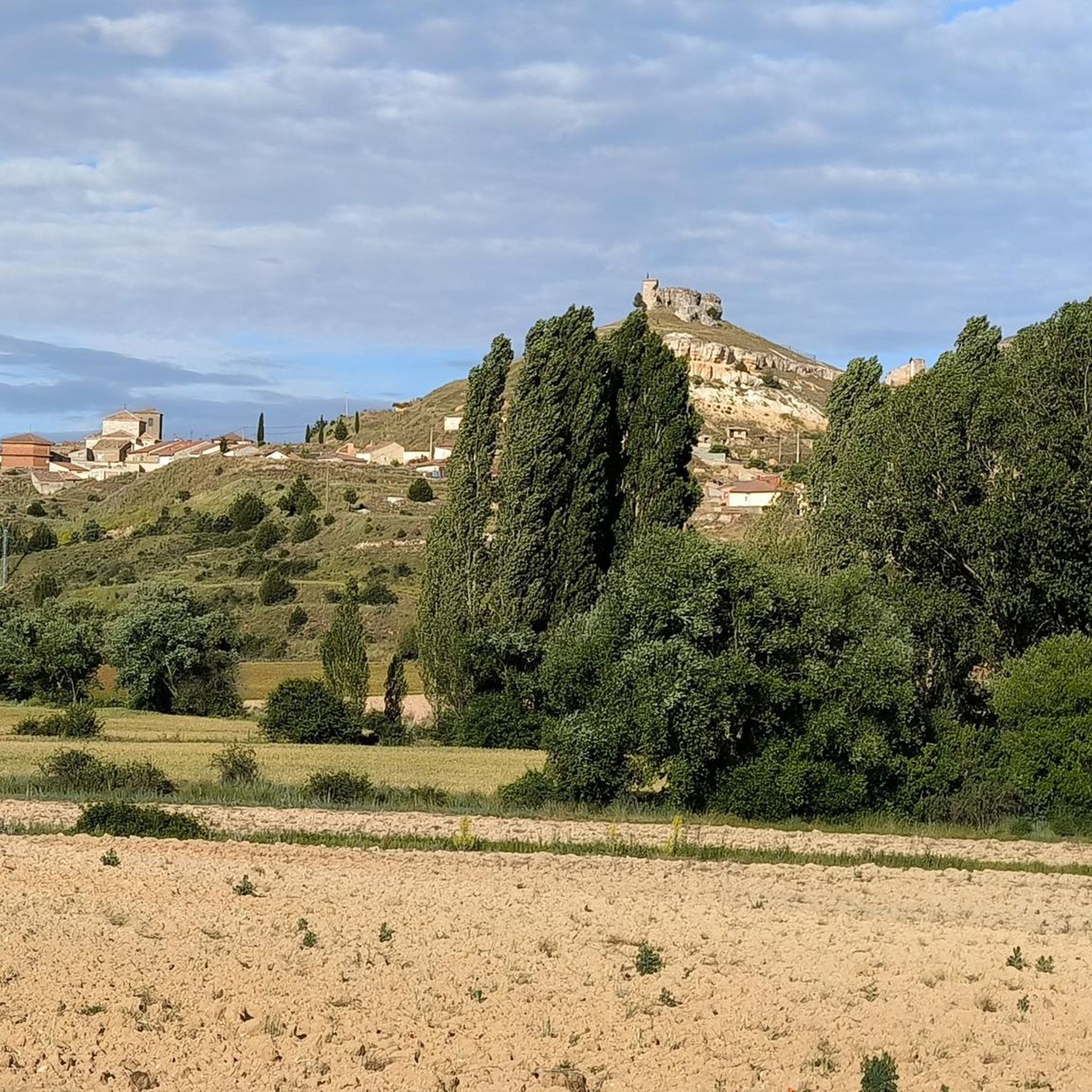
Other adventures around Alcubilla De Avellaneda

Tips from the Community

Spectacular area for hiking routes
0
0
Spectacular area for hiking routes
0
0

Huerta de Rey is a Spanish municipality and town located in the province of Burgos, in the Sierra de la Demanda mountain range. Historically, it is known for being listed in the Guinness Book of World Records due to the large number of unusual names among its inhabitants, a tradition that originated in the early 20th century to distinguish people with common surnames. The town is also notable for its natural surroundings, which are part of the Wool Route and the Camino del Cid, and for its Gothic church of San Pelayo, a building that survived a devastating fire in 1918.
3
0
The Diego Marín Monument in Coruña del Conde pays tribute to an ingenious 18th-century shepherd. In 1793, Diego Marín Aguilera built a rudimentary glider and managed to fly nearly 360 meters from the top of the town's castle, becoming one of the first pioneers of aviation. The monument commemorates his daring and historic feat.
4
0
The sculpture of El Cid in Coruña del Conde stands two and a half meters tall. It was inaugurated in 1999 to commemorate the ninth centenary of El Cid's death. The sculpture's pedestal contains a text from the "Cantar de mío Cid" (The Song of My Cid) that refers to the town, mentioning that El Cid established one of his most important camps there during his exile.
4
0
The Roman bridge of Coruña del Conde dates back to the 1st century AD. It was built to cross the Arandilla River and provide access to the ancient Roman city of Clunia. Throughout history, it has undergone several modifications, so its current structure is a mixture of styles, although it still retains original elements.
4
0
Arandilla is a municipality and town in the province of Burgos, in the Ribera del Duero region, known for its rural tranquility and rich heritage. The town, located on the banks of the Arandilla River, offers a natural setting ideal for hiking and exploring. Its main historical attractions include the Church of the Assumption of Our Lady, which features an ancient tower dating from its defensive past, and the Hermitage of San Isidro, a 13th-century Romanesque gem. Furthermore, the area is dotted with underground wineries, reflecting the region's significant wine culture.
4
0
Peñaranda de Duero is a municipality in Burgos, in the Ribera del Duero region, known for its rich historical heritage. Its old town, declared a Historic Site, is notable for the Peñaranda de Duero Castle, the Palace of the Counts of Miranda, its arcaded Plaza Mayor, and its provincial roll. In addition to its architecture, the town is part of the Ribera del Duero Designation of Origin and has a strong winemaking tradition.
4
0
Frequently Asked Questions
How many touring cycling routes are available around Alcubilla de Avellaneda?
Based on komoot data, there are 7 touring cycling routes around Alcubilla de Avellaneda. These routes offer a range of experiences, from moderate to difficult, traversing varied landscapes and historical pathways.
What kind of terrain and difficulty can I expect on touring cycling routes in Alcubilla de Avellaneda?
The terrain around Alcubilla de Avellaneda is varied, featuring expansive vineyards, cultivated fields, and forests of juniper and holm oak. Situated at an altitude of 940 to 1000 meters, routes often include ascents and descents. You'll find options ranging from moderate to difficult, with some challenging climbs and rewarding panoramic views.
Are there any long-distance or historical touring cycling routes in the area?
Yes, Alcubilla de Avellaneda is uniquely positioned on significant historical routes. You can explore sections of the Ruta de la Lana (Wool Route) and the Camino del Cid (Way of El Cid), which are generally conducive to touring cycling and offer a blend of historical significance and scenic landscapes. For a longer ride, consider the difficult San Esteban de Gormaz – El Burgo de Osma loop from La Cañada, which covers 56.9 miles (91.6 km).
What natural features or scenic viewpoints can I discover while cycling?
The region is known as 'the town of a hundred fountains,' and you'll encounter rich natural water sources, vineyards, and diverse forests. The 'Mirador de cierre de la cuesta' offers breathtaking views of the village and surrounding landscapes. For a route that highlights natural beauty, try the difficult Boca del Ocejo – Source of the Ucero River loop from Refugio de la Dehesilla, which explores natural water sources and varied landscapes.
Are there any circular touring cycling routes available?
Yes, several routes are designed as loops, allowing you to start and end in the same location. Examples include the moderate Arauzo de Torre – Church of Arauzo de Torre loop from Arandilla, which takes you through cultivated fields and traditional villages, or the difficult San Esteban de Gormaz – Langa de Duero loop from Alcubilla de Avellaneda.
What cultural or historical attractions can I visit along the cycling routes?
Alcubilla de Avellaneda and its surroundings offer several cultural and historical points of interest. You can visit the impressive Renaissance Palacio de los Avellaneda, which now houses a hospitality complex, or the Museo del Lagar, a 19th-century wine press rehabilitated into a museum dedicated to wine culture. Nearby settlements like Peñaranda de Duero and Fuentearmegil also offer glimpses into traditional architecture and local heritage.
What is the best time of year for touring cycling in Alcubilla de Avellaneda?
The distinct climate of the region, influenced by its high altitude, makes spring and autumn particularly pleasant for touring cycling. These seasons offer milder temperatures and beautiful scenery, especially with the changing colors of the vineyards and forests. Summers can be warm, while winters may bring colder conditions.
Are there opportunities for wildlife spotting while cycling?
Yes, the natural surroundings are home to diverse fauna. Cyclists might spot deer, wild boar, hares, and partridges. The area also hosts various birds of prey and nocturnal birds like owls, adding an element of wildlife observation to your outdoor activities.
What do other touring cyclists enjoy most about cycling in Alcubilla de Avellaneda?
The touring cycling routes in Alcubilla de Avellaneda are highly rated by the komoot community, with an average score of 5.0 stars from 2 reviews. Cyclists often praise the region's varied terrain, the historical significance of routes like the Camino del Cid, and the peaceful rural roads that wind through vineyards and forests.
Are there any routes that follow the Camino del Cid?
Yes, Alcubilla de Avellaneda is located directly on the Camino del Cid. You can experience this historic path on routes such as the difficult Alcubilla de Avellaneda – Water Spring at Camino del Cid loop from Arandilla, which covers 31.2 miles (50.2 km) and takes you along a section of this famous route.
Can I find places to eat or stay near the cycling routes?
Alcubilla de Avellaneda offers amenities for visitors. The renovated Palacio de los Avellaneda now includes a restaurant and bar, providing a place to relax and dine. The town itself, with its traditional streets, may also offer local establishments. For more options, nearby towns like San Esteban de Gormaz and El Burgo de Osma, which are connected by some routes, also have various services.
Most popular attractions around Alcubilla De Avellaneda

Get inspired with the komoot mobile app


Explore more
Browse the best Cycling routes in other regions.
