The best road cycling routes around Astorga
4.9
(18)
719
riders
37
rides
Road cycling around Astorga offers diverse landscapes, from the expansive plains of the Castilian meseta to the challenging mountain passes of the Maragatería region. The area is characterized by significant elevation changes in its western parts and flatter, open countryside to the east. Many routes integrate with sections of the historic Camino de Santiago and Via de la Plata pilgrimage routes, adding a cultural dimension to the ride. This region provides varied riding conditions suitable for different fitness levels.
Best…
Last updated: October 10, 2026
5.0
(1)
16
riders
55.2km
02:16
340m
340m
Moderate road ride. Good fitness required. Mostly well-paved surfaces and easy to ride.
8
riders
Moderate road ride. Good fitness required. Mostly well-paved surfaces and easy to ride.

5.0
(1)
62
riders
56.4km
02:37
660m
660m
Moderate road ride. Good fitness required. Mostly well-paved surfaces and easy to ride.
29
riders
133km
06:15
1,690m
1,690m
Hard road ride. Very good fitness required. Mostly well-paved surfaces and easy to ride.
20
riders
86.5km
03:52
890m
890m
Moderate road ride. Good fitness required. Mostly well-paved surfaces and easy to ride.
Get access to more routes and recommendations from other explorers.
Already have an account?
Our route recommendations are based on thousands of hikes, rides, and runs completed by other people on komoot.
Start today with a free account
Your next adventure awaits.


Tips from the Community

In the heart of Astorga, right next to the cathedral, lies one of the most unusual bishop's residences on the Iberian Peninsula: the Palacio Gaudi. It was designed and built by the famous Spanish architect of the same name (Antonio Gaudi, 1852-1926). A visit to the museum housed here is worthwhile both for the exhibits presented to visitors and, of course, for the imaginative architecture of the building.
0
0

The Bishop's Palace of Astorga is one of only three buildings that Antoni Gaudí built outside Catalonia.
3
0

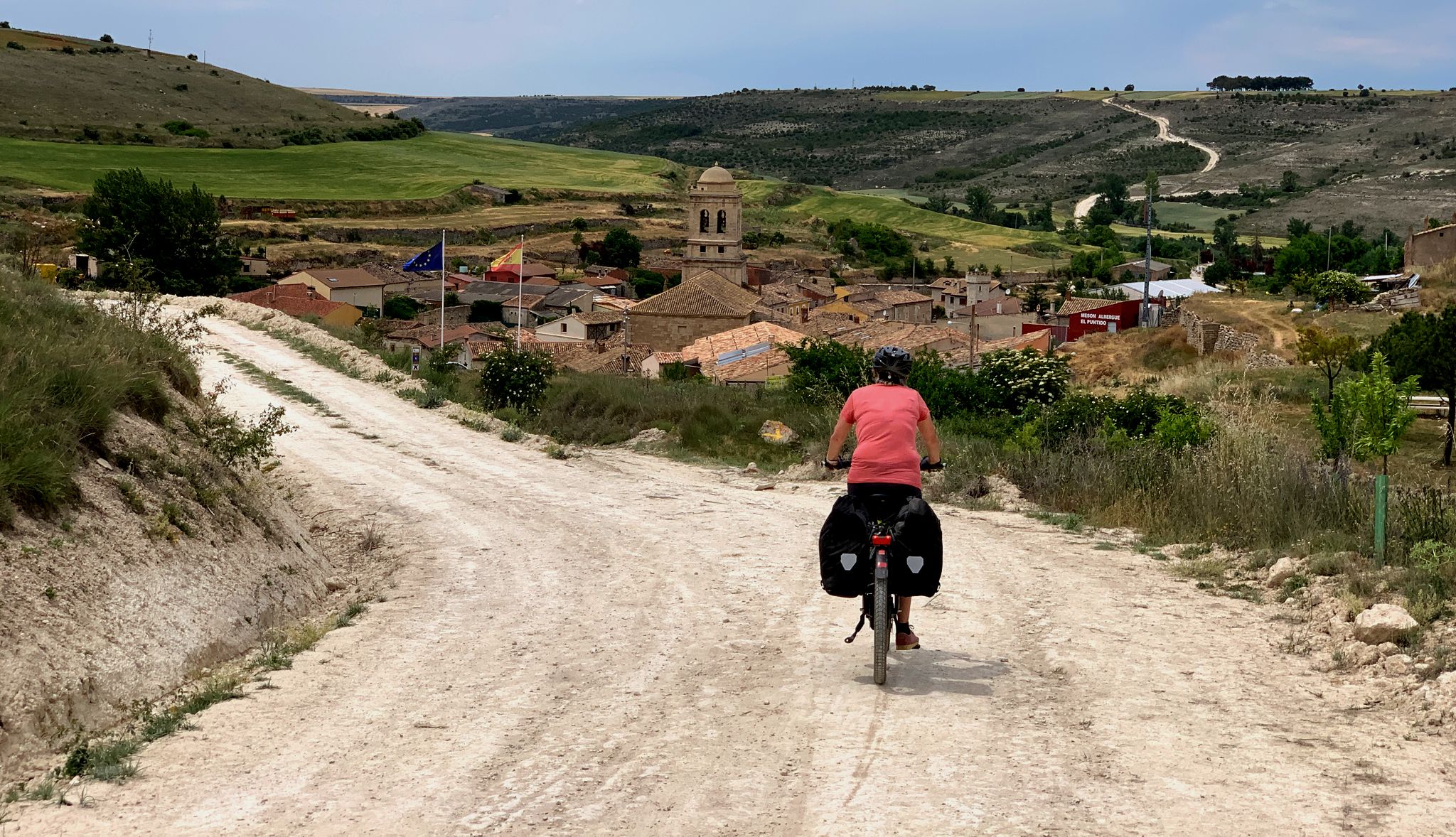
A town of less than fifty inhabitants and with 5 restaurants and seven hostels. The miracles of the Camino de Santiago
5
0
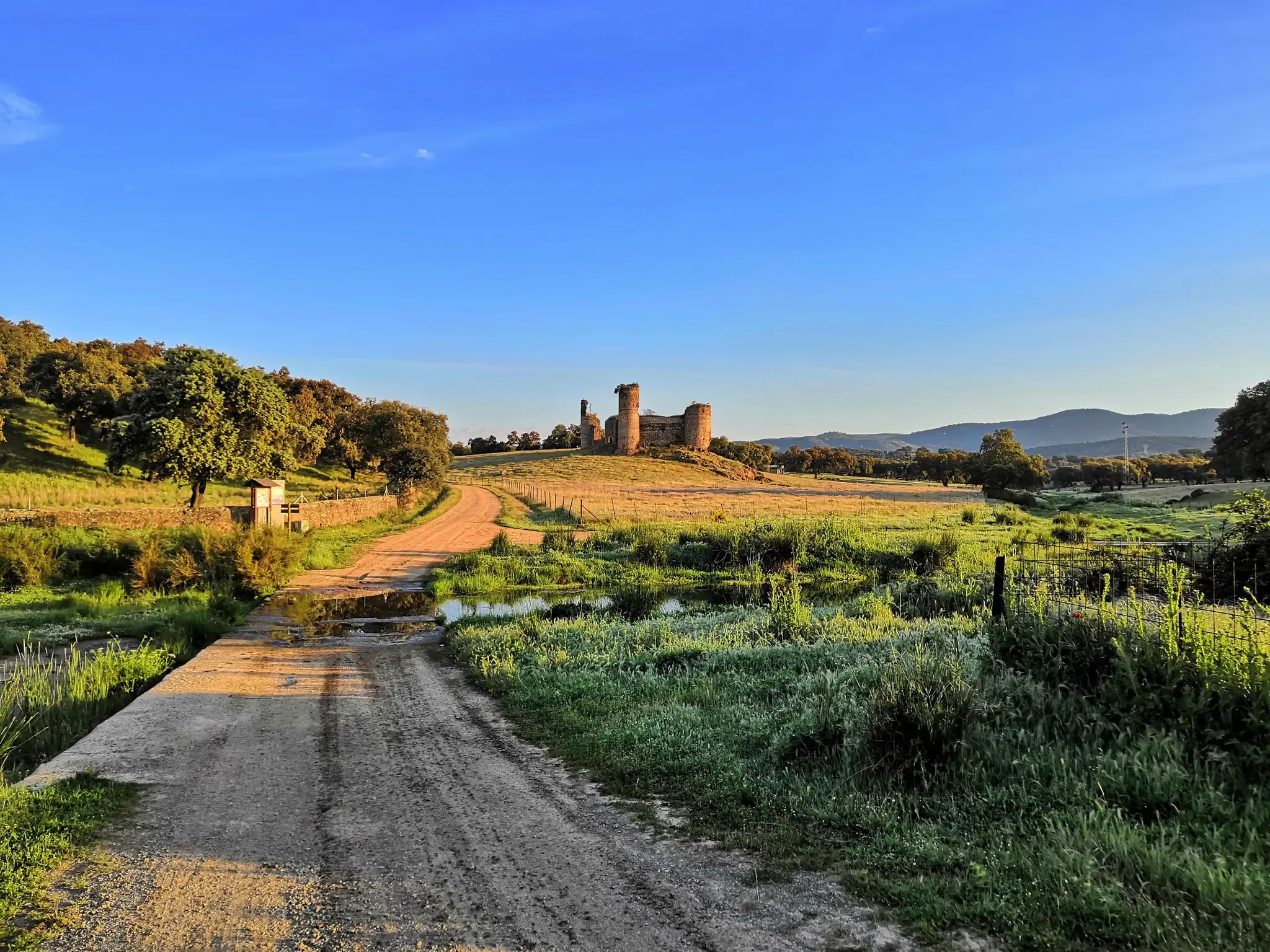
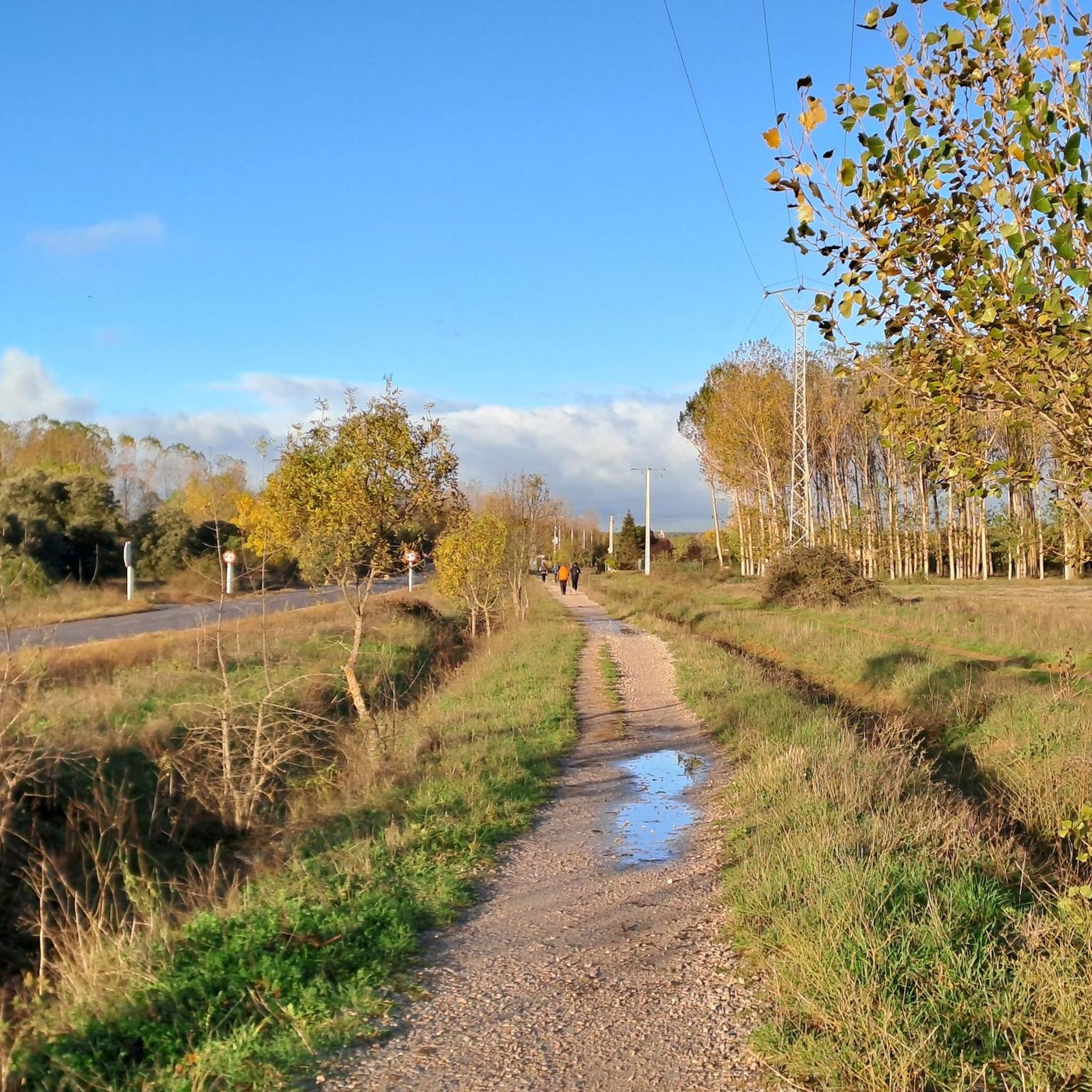
It seems like we've landed in the Wild West, all that's missing is Tex Willer arriving
1
0

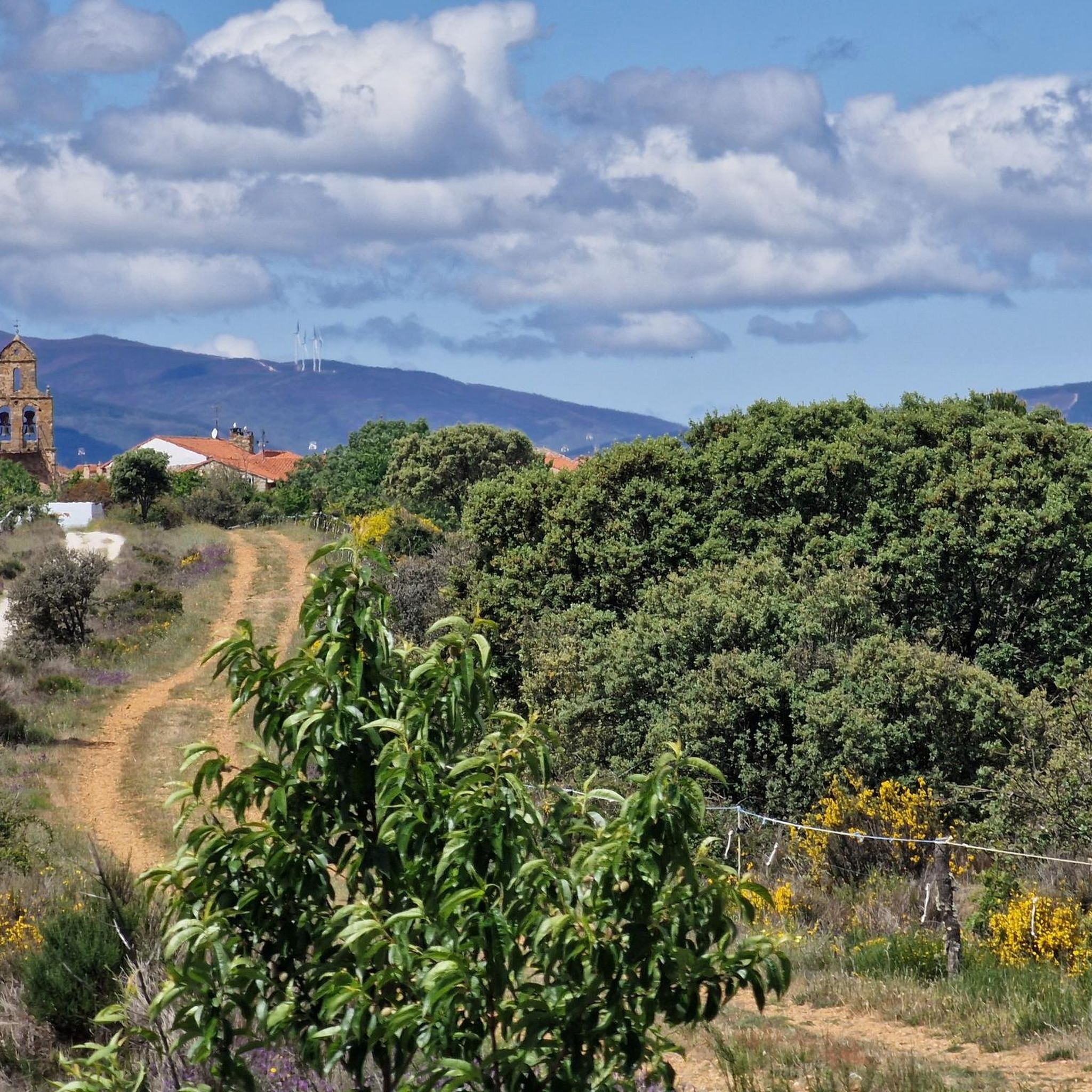
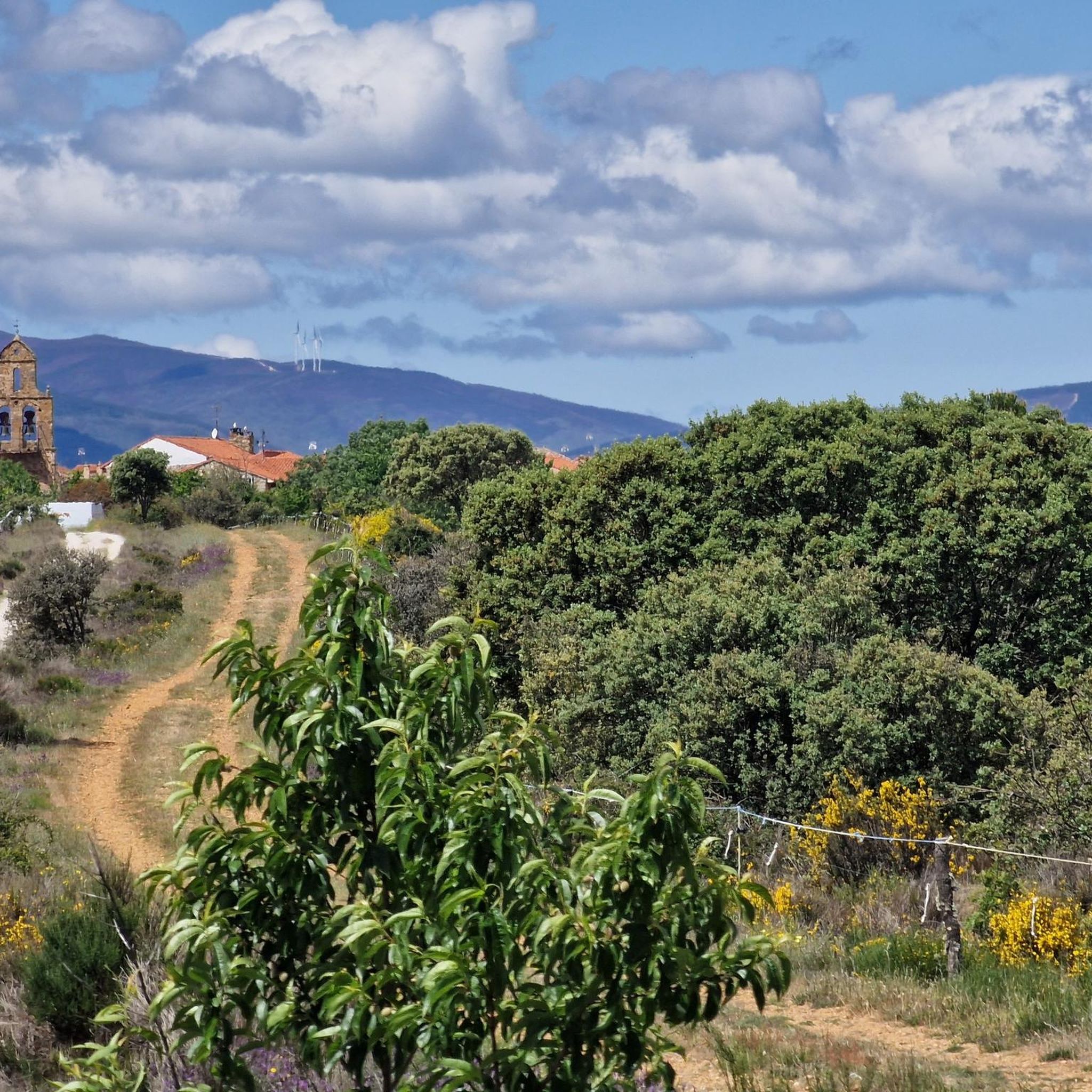
The elaborately restored village of Castrillo de los Polvazares with less than 100 inhabitants is a typical example of the architecture of the Maragatería region
2
0

It is also known as Cruz de Fierro (Iron Cross). A mountain landmark (1504 m) that stands on the French Way in the mountains of León as it passes through the province of the same name, corresponding to the autonomous community of Castilla y León. 230 km from Santiago. It is one of the best-known and most symbolic places of all the Jacobean routes, and perhaps for this reason the most mythologised and exciting, with the Monte do Gozo de Santiago, the first place from which pilgrims on the French Way observe the city of Santiago.
8
0
In the heart of Astorga, right next to the cathedral, lies one of the most unusual bishop's residences on the Iberian Peninsula: the Palacio Gaudi. It was designed and built by the famous Spanish architect of the same name (Antonio Gaudi, 1852-1926). A visit to the museum housed here is worthwhile both for the exhibits on display and, of course, for the imaginative architecture of the building.
2
0
The "iron cross" here on Monte Irago, which is legendary for many pilgrims on the Camino Frances to Santiago de Compostela to the grave of the Apostle James the Greater, has since been replaced by a copy at the original location. The cross, which appears comparatively small due to its enormous height, stands out from a constantly growing pile of stones at the top of a very long tree trunk. Many pilgrims take a stone with them on the Way of St. James and lay it here. This stone symbolizes the burdens and needs of the pilgrims (or their family members and friends at home), who in this way symbolically cast off their worries at this point with the stone, and can thus move on free of them.
2
0
Frequently Asked Questions
How many road cycling routes are available around Astorga?
Astorga offers a wide selection of road cycling routes, with over 30 options available. These routes cater to various skill levels, including easy, moderate, and difficult trails, ensuring there's something for every road cyclist.
What kind of terrain can I expect when road cycling near Astorga?
The terrain around Astorga is quite varied. To the west, you'll find the mountainous and forested
Maragatería region, characterized by significant elevation changes and traditional villages. Heading east, the expansive and relatively flat Castilian Meseta offers less strenuous rides. The Bierzo Valley to the west, after the Maragatería, provides a different scenic experience with cultivated lands and vineyards. Many routes also integrate with sections of the historic Camino de Santiago and Via de la Plata pilgrimage routes.
What is the best time of year for road cycling in Astorga?
While specific weather data isn't provided, regions with varied terrain like Astorga generally offer pleasant cycling conditions during spring (April-June) and autumn (September-October). These seasons typically avoid the extreme heat of summer and the colder, potentially wetter conditions of winter, providing comfortable temperatures for exploring both the plains and mountain passes.
Are there routes suitable for beginners or less experienced road cyclists?
Yes, Astorga offers several routes suitable for beginners or those seeking an easier ride. There are 4 easy routes available, allowing cyclists to enjoy the scenic Castilian Meseta with gentle undulations without significant climbing challenges.
What are some challenging road cycling climbs or routes in the Astorga area?
For experienced cyclists looking for a challenge, Astorga has 9 difficult routes. A notable climb is the ascent to Cruz de Ferro (Iron Cross), a symbolic point on the Camino de Santiago, reaching an altitude of 1,510 meters and offering spectacular views. Routes like the Molinaseca Roman Bridge – Cruz de Ferro (Iron Cross) loop from Astorga involve significant elevation gains.
What do other cyclists say about road cycling in Astorga?
The road cycling routes around Astorga are highly rated by the komoot community, with an average score of 5.0 stars from more than 10 reviews. Cyclists often praise the varied terrain, from challenging mountain passes to peaceful plains, and the opportunity to combine physical activity with exploring historical sites along the Camino de Santiago.
What historical landmarks or cultural sites can I see along road cycling routes in Astorga?
Astorga is rich in history and culture. Cyclists can incorporate visits to landmarks such as the stunning Cathedral of Saint Mary of Astorga and the unique Episcopal Palace of Astorga (Gaudí Palace). Many routes also follow sections of the ancient Roman roads and the Camino de Santiago, offering a deep dive into the region's heritage.
Are there any scenic viewpoints or natural features to look out for on road cycling routes?
Absolutely. The Villameca Reservoir Loop from Astorga offers beautiful views of the reservoir itself. The ascent to Cruz de Ferro provides panoramic vistas of the surrounding mountainous landscape. The transition from the Maragatería mountains to the fertile Bierzo Valley also presents diverse and picturesque scenery, including vineyards and cultivated lands.
Are there any circular road cycling routes around Astorga?
Yes, many road cycling routes around Astorga are circular, allowing you to start and end in the same location. Examples include the Villameca Reservoir Loop from Astorga and the Tower of Lagunas de Somoza from Astorga – circular by Santa Colomba de Somoza, which explores the traditional villages of the Maragatería region.
Can I find family-friendly road cycling routes near Astorga?
While specific 'family-friendly' designations are not detailed, the easier routes on the relatively flat Castilian Meseta would be more suitable for families or those cycling with children. These routes offer a gentler experience away from the challenging mountain passes.
What are the options for parking my bike in Astorga?
Astorga, being a hub for the Camino de Santiago, is generally bike-friendly. While dedicated bike parking facilities are not explicitly detailed, you can expect to find secure places to lock your bike in the city center, especially near accommodations and main attractions. Many hotels and hostels catering to pilgrims also offer bike storage.
Is public transport available for cyclists with bikes in Astorga?
Astorga is connected by regional buses and trains. While specific policies for transporting bikes on public transport can vary, it's generally possible to take bikes on some regional trains (often requiring a small fee or specific times) and long-distance buses (usually in the luggage compartment, sometimes disassembled). It's advisable to check with the specific transport provider beforehand.
Are there bike-friendly cafes or pubs along the routes or in Astorga?
Given Astorga's popularity with pilgrims and cyclists on the Camino de Santiago, you'll find numerous cafes, restaurants, and pubs in the city and in the villages along the routes that are accustomed to catering to cyclists. Many establishments offer outdoor seating and are understanding of cycling gear.
Where can I find accommodation suitable for cyclists in Astorga?
Astorga offers a wide range of accommodation options, from hotels to hostels and guesthouses, many of which are geared towards pilgrims and cyclists. Look for places that advertise bike storage facilities or are known to be 'pilgrim-friendly,' as they often provide amenities like secure bike sheds and laundry services.
Are there long-distance road cycling routes available from Astorga?
Yes, Astorga serves as an excellent starting point for longer road cycling adventures. Its position on both the French Way and the Vía de la Plata branches of the Camino de Santiago means you can embark on multi-day tours. Routes like the Molinaseca Roman Bridge – Cruz de Ferro (Iron Cross) loop from Astorga, at over 130 km, provide a taste of longer distances, and these can be extended by connecting to the extensive pilgrimage routes.
Most popular attractions around Astorga

Get inspired with the komoot mobile app


Explore more
Browse the best Road cycling routes in other regions.
