Attractions and Places To See around Nava Del Rey - Top 20
Best attractions and places to see around Nava Del Rey, a municipality in Valladolid, Spain, offer a blend of historical, cultural, and natural experiences. Situated in the Tertiary Depression of the Duero River basin, the area is known for its winemaking tradition under the Rueda Designation of Origin. Visitors can explore significant architectural landmarks and extensive pine forests. The region provides opportunities to discover its rich heritage and diverse landscapes.
Best attractions and places to see around Nava Del Rey
…Last updated: July 16, 2026
Historic Center of Tordesillas
Highlight • Historical Site
Translated by Google •
Tip by

Church of Santa María la Mayor de la Asunción de Tordesillas
Highlight • Religious Site
Translated by Google •
Tip by

Sign up now to discover places like this
Get recommendations on the best single tracks, peaks, & plenty of other exciting outdoor places.
Sign up for free
Royal Convent of Santa Clara
Highlight • Religious Site
Translated by Google •
Tip by
Church of San Antolín
Highlight • Religious Site
Translated by Google •
Tip by
Medieval bridge
Highlight • Bridge
Translated by Google •
Tip by
Sign up for free to discover even more attractions around Nava Del Rey.
Sign up for free
Already have an account?
Start today with a free account
Your next adventure awaits.
Login or Signup

Tips from the Community

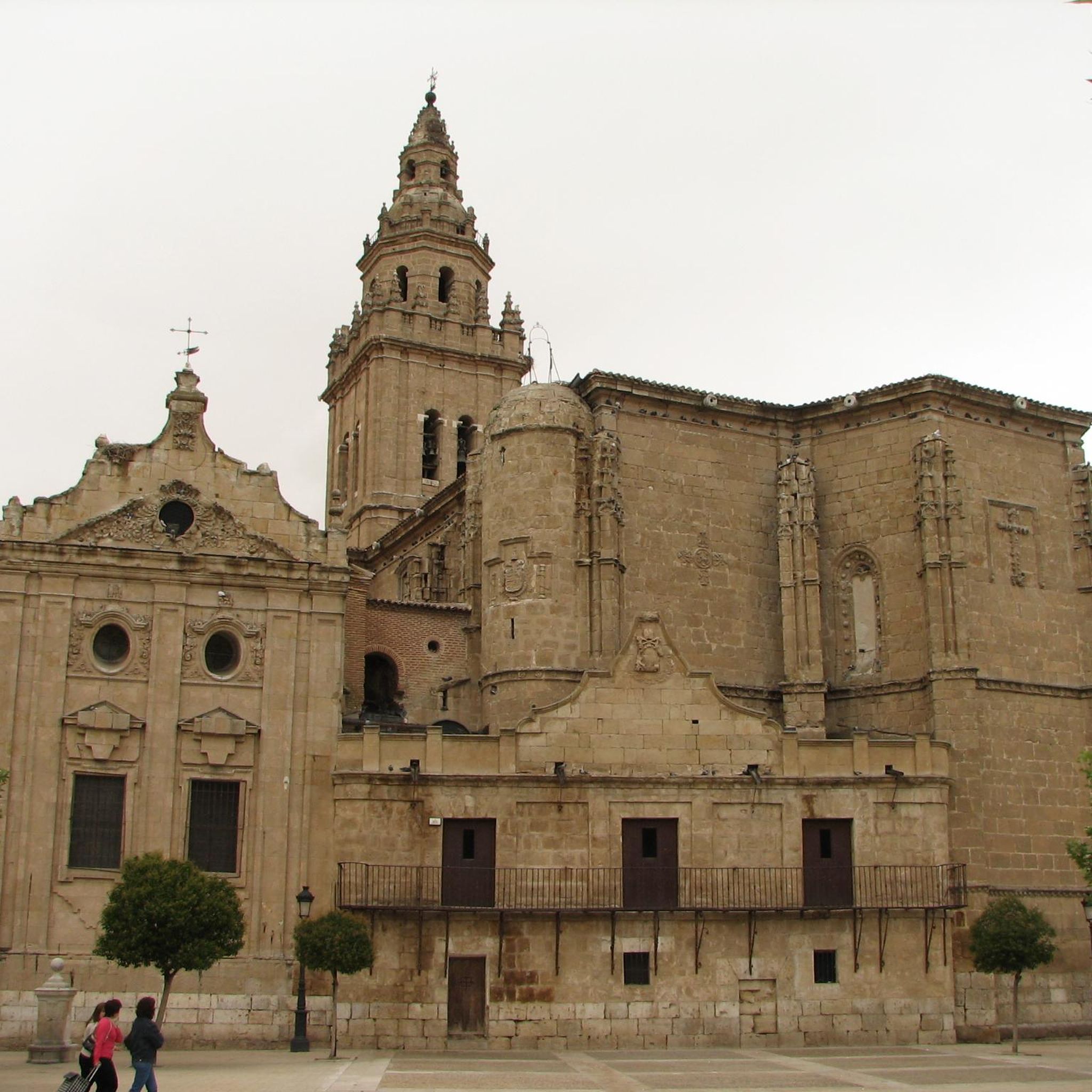
Declared a Site of Cultural Interest (BIC) on December 7, 1983, this church is located in the heart of Tordesillas (Valladolid), one of the town's most iconic landmarks and the largest in the entire municipality. It is believed to have been built on the site of the former Tordesillas mosque. The main construction took place between the 16th and 17th centuries, with additions continuing into the 18th century. The church combines Gothic elements (the apse and the lower sections of the tower) with Neoclassical renovations inspired by El Escorial. Today, it serves as the headquarters for several Holy Week brotherhoods, housing processional floats such as the Virgin of Solitude and the Christ of Mercy.
5
0
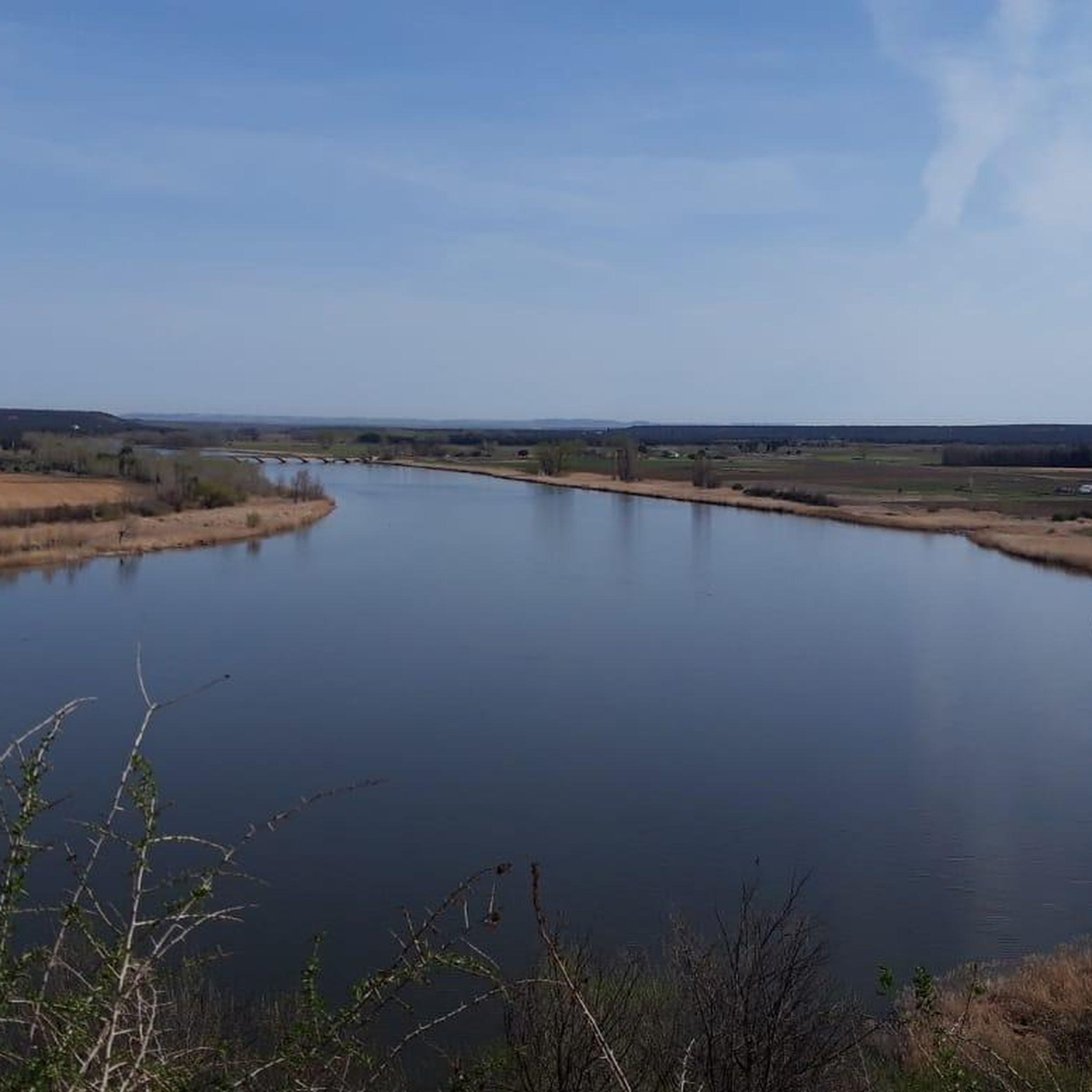
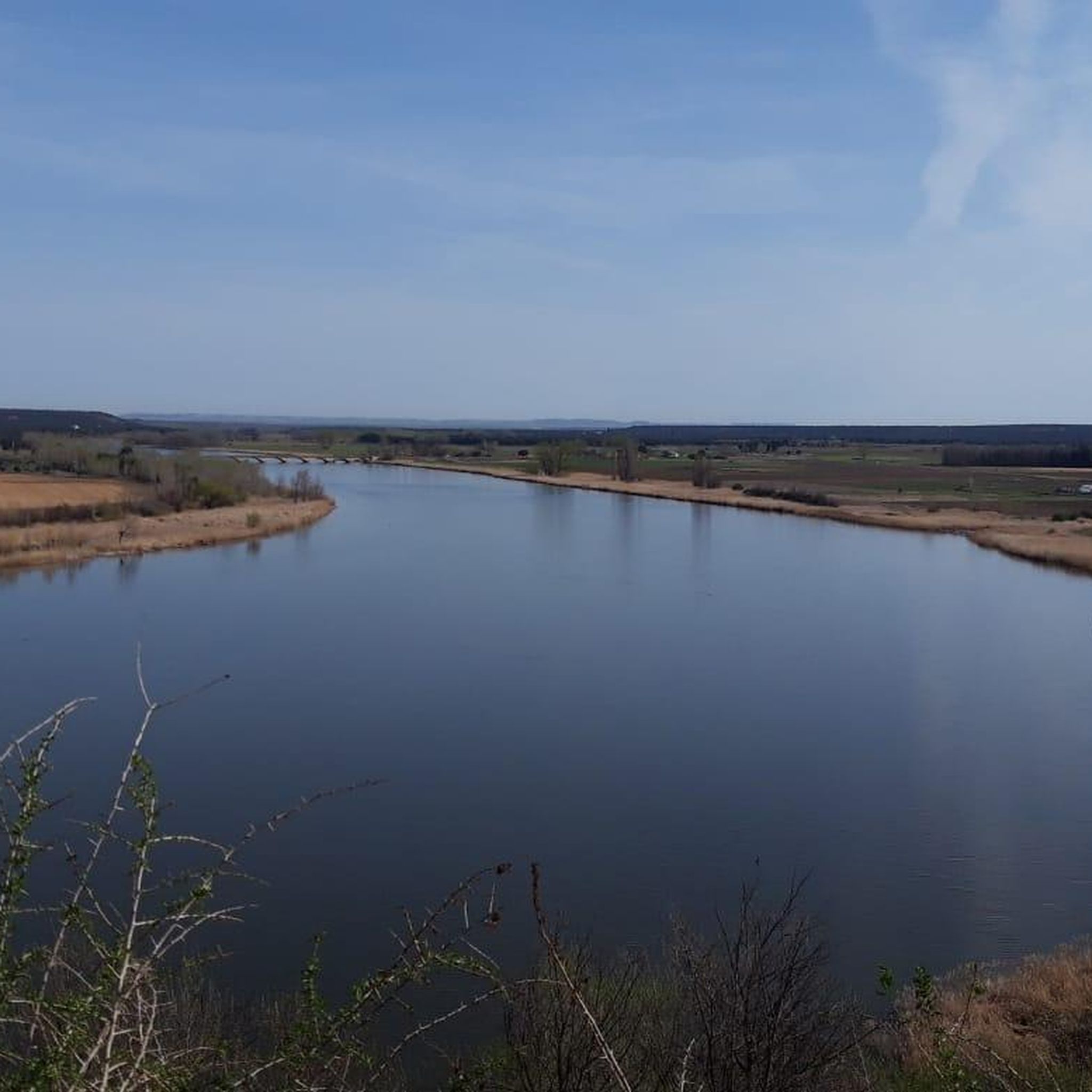
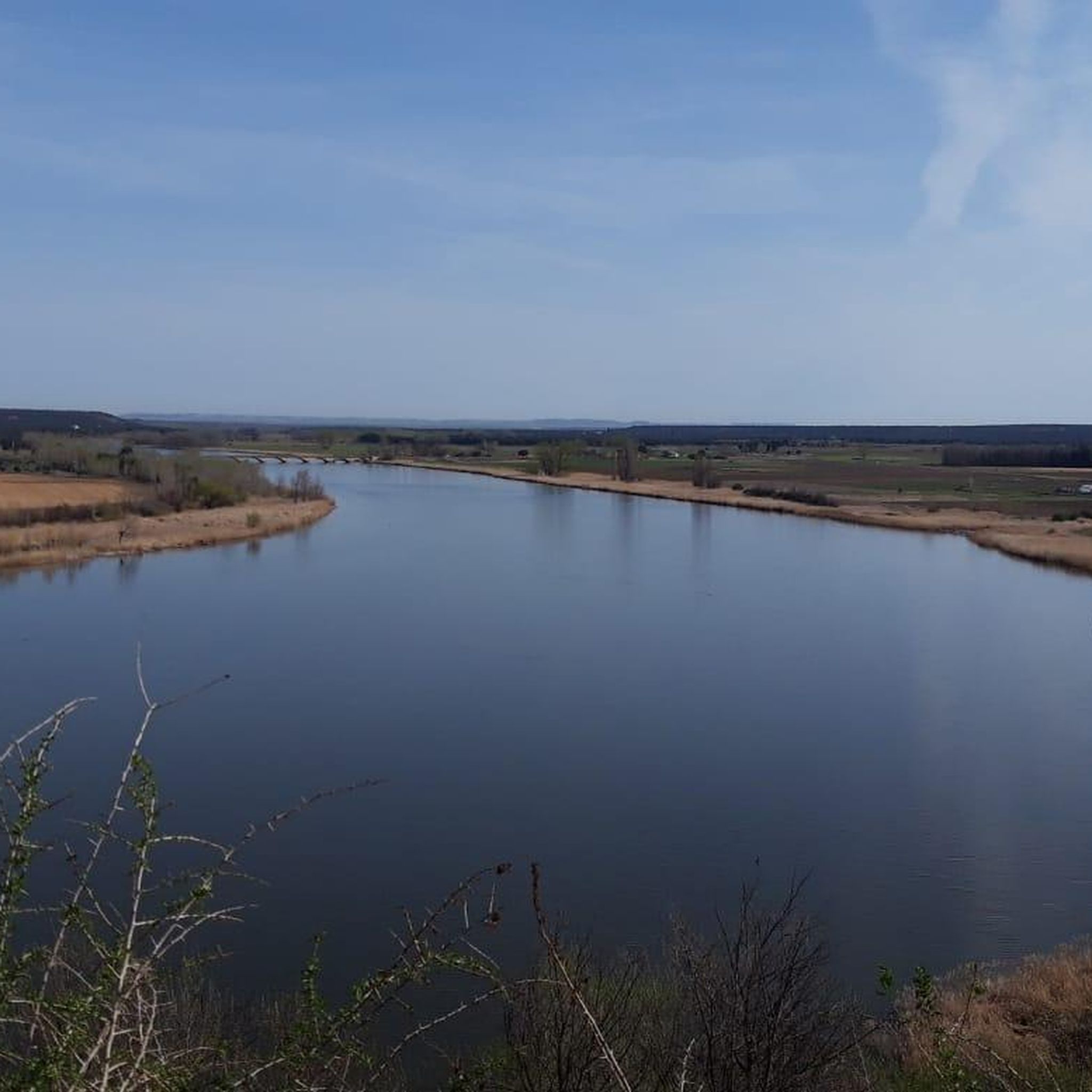
The bridge spans the Zapardiel River, on the old road that connected the now-abandoned village of Zofraga with Rueda, in the province of Valladolid. It played an important role in connecting Zofraga (abandoned after an epidemic) with Rueda, allowing the abandoned inhabitants to reach the town and carry out their agricultural work.
2
0

The building, constructed between the 16th and 18th centuries, began in the Gothic style and finished in the Neoclassical. Another striking feature is its tower, the tallest in the city. The Baroque-era organ is considered one of the finest in the region, both for its design and its state of preservation.
6
0
The historic center of Tordesillas is one of the most emblematic ensembles in Castile and León, steeped in history and traditional architecture. Here are the main points of interest: Treaty Houses and Treaty Museum The famous Treaty of Tordesillas (1494), which divided the lands of the New World between Spain and Portugal, was signed here. The museum includes original documents, antique maps, and scale models. Santa Clara Monastery A National Monument since 1931. A prime example of Mudéjar architecture, originally a 14th-century royal palace. It houses a church and a museum with historical artifacts. San Antolín Church Museum A 16th-17th century Gothic church. Works by Juan de Juni, Pedro de Mena, and Gregorio Fernández. Main altarpiece and Baroque sculptures. Plaza Mayor (Main Square) The heart of the town, surrounded by arcades and traditional architecture. A venue for markets and historical celebrations.
6
0

The bridge is especially beautiful to look at in the evening at sunset
1
0

Johanna the Mad, locked herself in this monastery at the age of 28, to mourn her husband Philip the Fair for 46 years.
3
0
Tourism in Tordesillas, located in the province of Valladolid, Castilla y León, Spain, offers an enchanting experience.
9
0
This monastery, originally built as a palace in 1340 by Alfonso
10
0
Frequently Asked Questions
What is the historical significance of the area around Nava Del Rey?
The region around Nava Del Rey, particularly Tordesillas, holds immense historical importance. It's famously where the Historic Center of Tordesillas is located, the site where the Treaty of Tordesillas was signed in 1494, dividing new lands between Spain and Portugal. The town of Nava del Rey itself boasts a rich winemaking tradition under the Rueda Designation of Origin and features numerous historical buildings and noble houses.
What are some notable historical buildings or landmarks to visit in Nava del Rey?
Nava del Rey offers several significant historical landmarks. You can explore the emblematic irregular-shaped Plaza de España, the heart of the town. The Iglesia de los Santos Juanes is a prominent parish church with Renaissance and Baroque architecture, housing valuable religious art. Other notable sites include the Baroque Ermita de la Vera Cruz, the 12th-century fortress El Torrejón, and the 18th-century Ayuntamiento (Town Hall).
Are there any significant natural features or areas to explore near Nava del Rey?
Yes, Nava del Rey is surrounded by interesting natural features. The extensive Pinar de La Nava (Monte Común y Escobares) is the largest pine-covered area in Tierra de Medina, offering diverse plant life. The southern plains of Valladolid provide wide visual expanses perfect for enjoying sunsets and birdwatching. The area is also situated between the Rivers Trabancos and Zapardiel and is designated as a Special Protection Area for Birds (ZEPA), home to species like the great bustard and various eagles.
What cultural experiences related to winemaking can I find in Nava del Rey?
Nava del Rey has a deep connection to winemaking, being part of the Rueda Designation of Origin. Many traditional wineries offer tours that detail the complete winemaking process, from vineyard to bottling, often concluding with wine tastings amidst impressive vineyard views. This provides a rich cultural experience into the region's viticultural heritage.
Are there family-friendly attractions around Nava Del Rey?
Yes, several attractions around Nava Del Rey are suitable for families. The Historic Center of Tordesillas and the Church of Santa María la Mayor de la Asunción de Tordesillas are listed as family-friendly. Exploring the town's historical squares and noble houses, or enjoying the natural landscapes of the Pinar de La Nava, can also be engaging activities for families.
What outdoor activities can I do near these attractions?
The area around Nava Del Rey offers various outdoor activities. You can find numerous routes for hiking, mountain biking, and running. For hiking, consider trails like the 'Foncastín Cork Oak Trail' or 'Nava del Rey by the Camino de Levante'. Mountain bikers can explore routes such as the 'Duero Trail (GR 14): Tordesillas Loop'. Runners have options like the 'Mirador al Río Duero loop from Tordesillas'. You can find more details on these activities in the hiking guide, MTB guide, and running guide for Nava Del Rey.
Are there any religious buildings of architectural interest?
Absolutely. The Church of Santa María la Mayor de la Asunción de Tordesillas is a significant religious building, constructed between the 16th and 18th centuries, showcasing Gothic and Neoclassical styles. In Nava del Rey itself, the Iglesia de los Santos Juanes is a notable example of Renaissance and Baroque architecture. The Royal Convent of Santa Clara, originally a 14th-century palace, is a prime example of Mudéjar architecture.
What is the best time to visit Nava del Rey for outdoor activities?
The southern plains of Valladolid, where Nava del Rey is located, are characterized by wide visual expanses, offering opportunities for sports and enjoying sunsets. While specific seasonal recommendations are not provided, generally, spring and autumn offer pleasant temperatures for outdoor activities like hiking and cycling, avoiding the peak heat of summer or potential chill of winter.
Can I find traditional local products or crafts in Nava del Rey?
Yes, Nava del Rey is known for its traditional products, particularly those related to its winemaking heritage. Additionally, the Capuchin nuns at the Convento de los Sagrados Corazones are famous for preparing traditional sweets like 'rosquillas de Santa Teresa' and 'cocadas', offering a taste of local culinary traditions.
What do visitors enjoy most about the attractions around Nava Del Rey?
Visitors appreciate the rich blend of history, culture, and natural beauty. The historical sites, like the Historic Center of Tordesillas, are highly valued for their deep historical significance and traditional architecture. The architectural grandeur of religious buildings, such as the Church of Santa María la Mayor de la Asunción de Tordesillas, also receives high praise. The extensive pine forests and open plains offer a peaceful escape and opportunities for outdoor exploration.
Are there any unique historical structures like old bridges or fortresses?
Yes, the area features unique historical structures. Near Nava del Rey, you can find a Medieval bridge spanning the Zapardiel River, which played an important role in connecting old villages. In Nava del Rey itself, 'El Torrejón' is a fortress built in the late 12th century, part of a larger fortification system, offering a glimpse into the region's defensive past.
Is Nava del Rey part of any long-distance walking routes?
Yes, Nava del Rey is a stop on the Camino de Santiago de Levante (GR-239), a long-distance route that stretches from Valencia to Santiago de Compostela. This makes it an interesting point for pilgrims and long-distance walkers.

Get inspired with the komoot mobile app


Explore more
Still not found the Highlight you’re looking for? See guides of the top attractions in other regions:
