The best walks and hikes around Nava Del Rey
3.9
(11)
126
hikers
31
hikes
Hiking around Nava Del Rey offers diverse landscapes within the province of Valladolid, Spain. The region is characterized by extensive pine forests, including Pinar de La Nava, alongside remnants of Mediterranean woodlands featuring holm oaks and gall oaks. Open plains and the interfluvial zone between the Trabancos and Zapardiel rivers contribute to varied terrain, with an extensive network of wetlands. This combination provides a range of natural features for outdoor exploration.
Best hiking trails around Nava Del Rey
- The most…
Last updated: May 16, 2026
3.0
(2)
6
hikers
10.1km
02:38
60m
60m
Moderate hike. Good fitness required. Easily-accessible paths. Suitable for all skill levels.
5.0
(1)
11
hikers
9.27km
02:24
50m
50m
Moderate hike. Good fitness required. Easily-accessible paths. Suitable for all skill levels.

Sign up for free
3.0
(1)
4
hikers
13.2km
03:32
150m
150m
Moderate hike. Good fitness required. Easily-accessible paths. Suitable for all skill levels.
18.9km
04:58
150m
150m
Moderate hike. Good fitness required. Easily-accessible paths. Suitable for all skill levels.
4.3
(4)
12
hikers
Moderate hike. Good fitness required. Easily-accessible paths. Suitable for all skill levels.
Get access to more routes and recommendations from other explorers.
Sign up for free
Already have an account?
Our route recommendations are based on thousands of hikes, rides, and runs completed by other people on komoot.
Start today with a free account
Your next adventure awaits.
Login or Signup

Tips from the Community

Declared a Site of Cultural Interest (BIC) on December 7, 1983, this church is located in the heart of Tordesillas (Valladolid), one of the town's most iconic landmarks and the largest in the entire municipality. It is believed to have been built on the site of the former Tordesillas mosque. The main construction took place between the 16th and 17th centuries, with additions continuing into the 18th century. The church combines Gothic elements (the apse and the lower sections of the tower) with Neoclassical renovations inspired by El Escorial. Today, it serves as the headquarters for several Holy Week brotherhoods, housing processional floats such as the Virgin of Solitude and the Christ of Mercy.
5
0
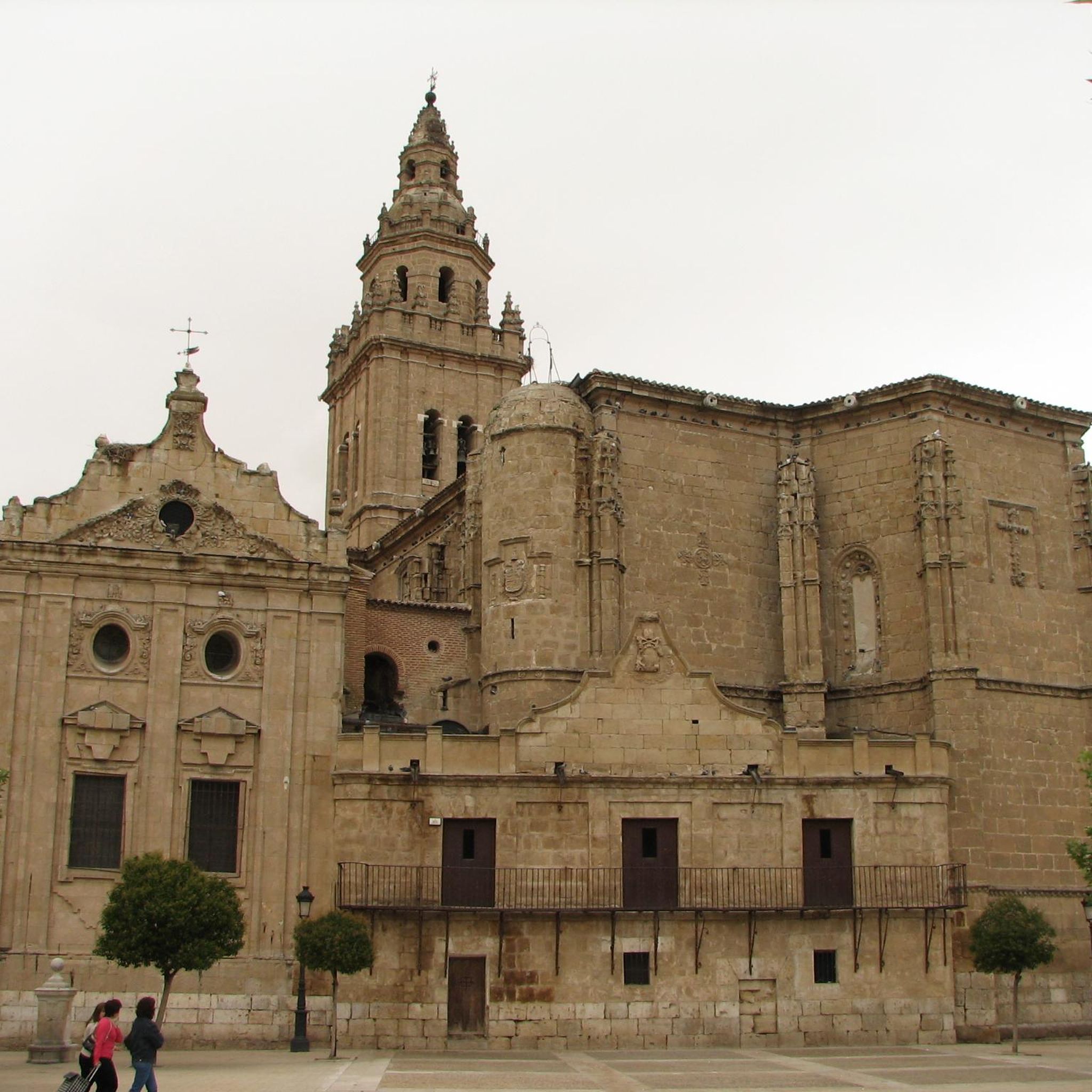
Church of San Juan in Nava del Rey (Valladolid): Built between the 16th and 18th centuries, it incorporates the work of several architects: Juan Campero (apse and side chapels, early 16th century) and Rodrigo Gil de Hontañón (from 1560). After the tower collapsed in 1663, destroying the rear section, choir, and organ, it was rebuilt, and Juan de Revilla completed the new tower in 1702.
2
0

We are looking at a restored building dating from the 16th and 17th centuries, occupied by the Carmelites, and which is now used as an auditorium.
10
0
In the inner courtyard of the Casas del Tratado we find an area dedicated to the exhibition of models of emblematic buildings of Tordesillas, the province as well as Valladolid, where we can appreciate the proportions and beauty of these buildings.
9
0
This is where the famous Treaty of Tordesillas was signed. In this building, which is actually the combination of two palaces, the treaty was signed on June 7, 1494, between Castile and Portugal, establishing the boundary between the territories of the New World that would belong to Castile and Portugal. One of the palaces is older, dating from the late 15th century, and it was precisely in this palace that the agreement or treaty was signed.
9
0
The Plaza Mayor of Tordesillas was built in the 17th century as a perfect square, accessible from four streets. It features arcades, and the houses are two stories high, leaving space on the ground floor for shops, bars, and restaurants. The facades have large windows and balconies, ideally designed for viewing the various performances that have taken place there throughout history. Among other important buildings, the Town Hall is located in the plaza.
9
0
This is an unequivocal sign of the city's heritage conservation, where they are concerned with preserving vestiges of the past to keep them in the present.
7
0
The building, constructed between the 16th and 18th centuries, began in the Gothic style and finished in the Neoclassical. Another striking feature is its tower, the tallest in the city. The Baroque-era organ is considered one of the finest in the region, both for its design and its state of preservation.
6
0
Frequently Asked Questions
How many hiking trails are available around Nava Del Rey?
There are over 30 hiking trails in the Nava Del Rey area. These routes cater to various skill levels, with 14 easy trails, 15 moderate trails, and 2 more challenging options.
What kind of terrain can I expect on hikes around Nava Del Rey?
Hikes around Nava Del Rey feature diverse terrain. You'll encounter extensive pine forests, such as the Pinar de La Nava, remnants of Mediterranean woodlands with holm oaks, and vast open plains. The region also includes the interfluvial zone between the Trabancos and Zapardiel rivers, offering routes near wetlands and river systems.
Are there any family-friendly hiking options in Nava Del Rey?
Yes, Nava Del Rey offers several family-friendly hiking options. With 14 easy trails available, you can find paths suitable for all ages. These routes often traverse gentle terrain through pine forests and open landscapes, providing a pleasant experience for families.
Can I bring my dog on the hiking trails in Nava Del Rey?
Many trails in Nava Del Rey are suitable for dogs, especially those through the expansive pine forests and open plains. It's always recommended to keep your dog on a leash and ensure you follow local regulations regarding pets in natural areas. Always carry water for your dog, especially on longer routes.
What are some notable natural features or landmarks to look out for on the trails?
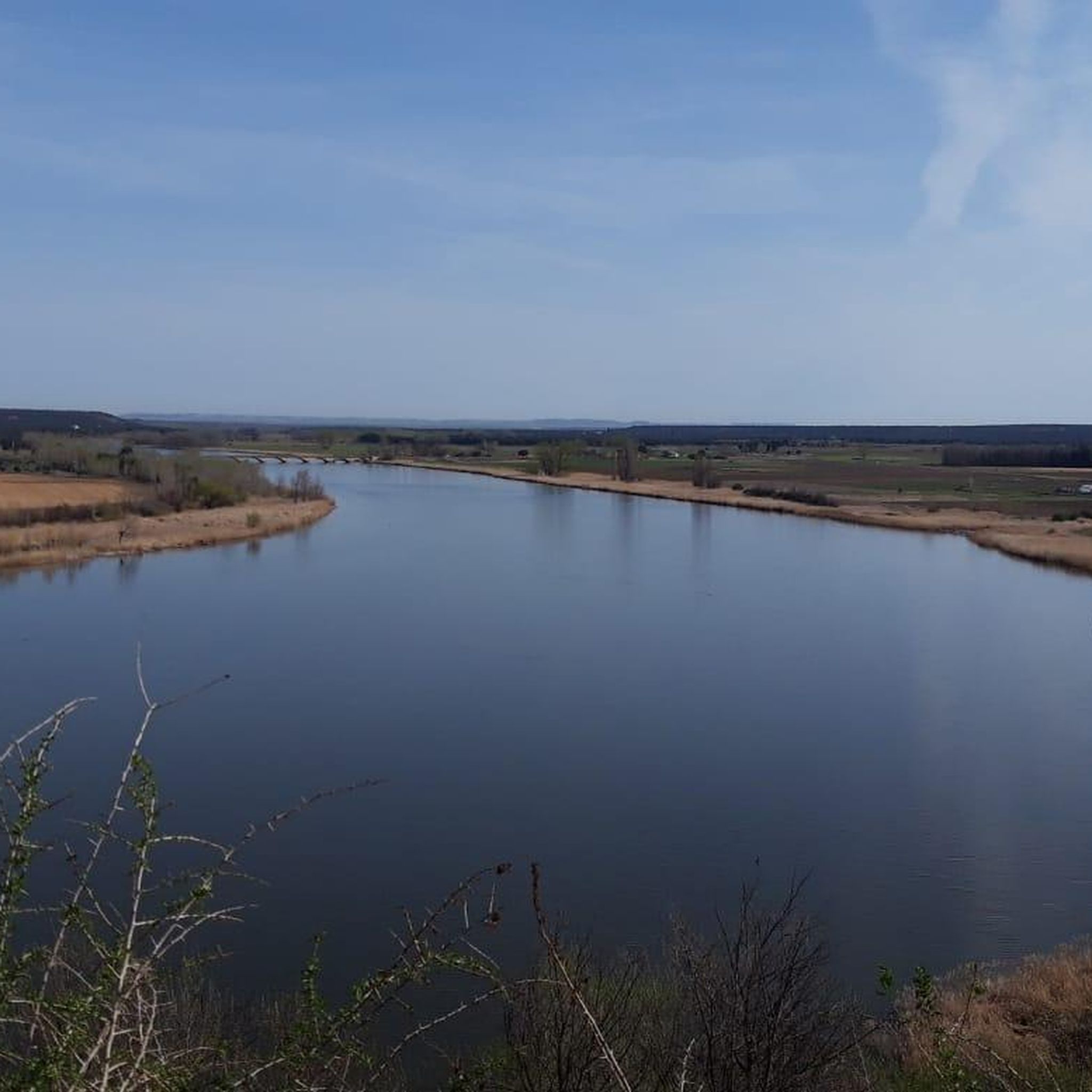
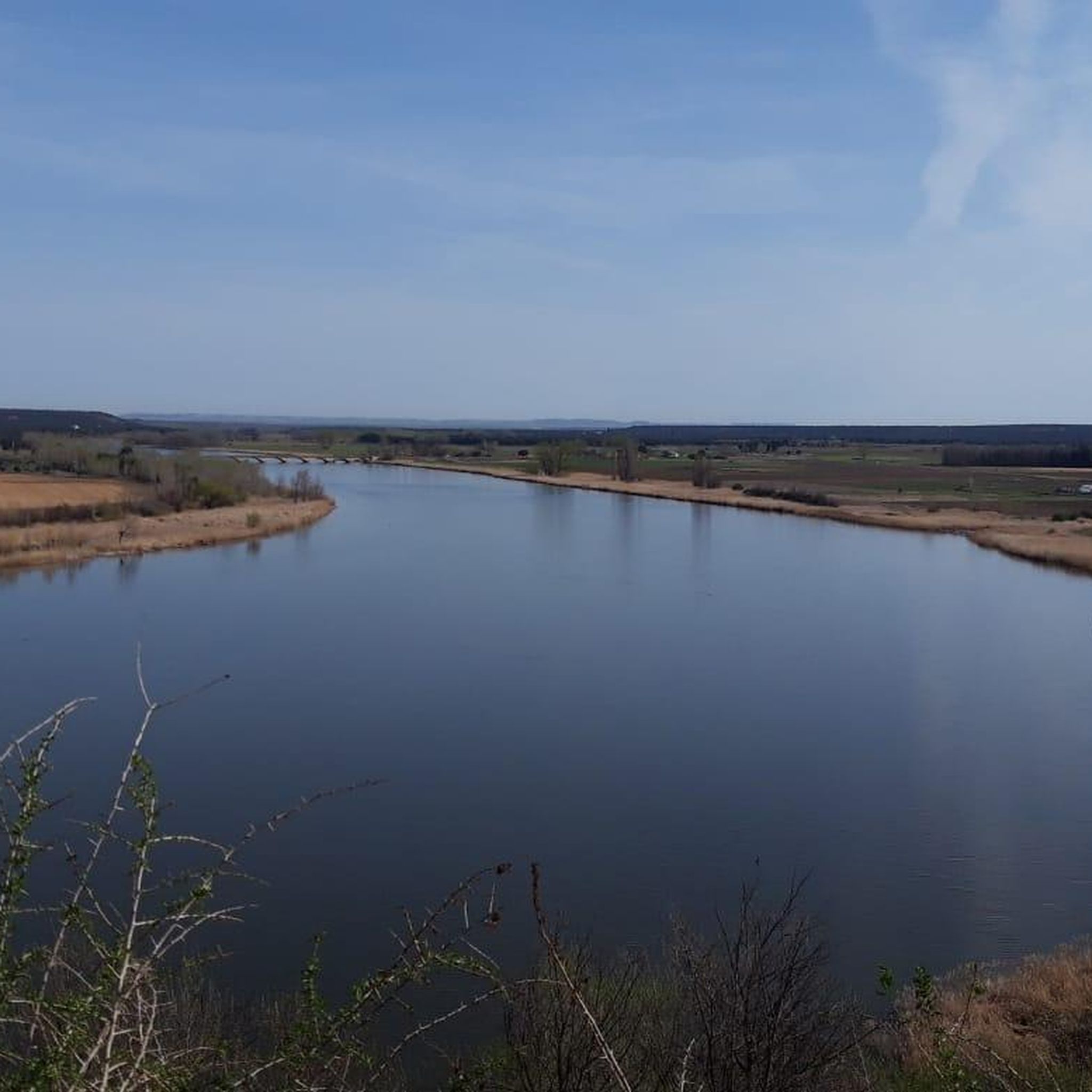
The region is rich in natural features. You can explore the vast Pinar de La Nava pine forest, discover remnants of Mediterranean woodlands with holm oaks, and observe the wetlands between the Trabancos and Zapardiel rivers. Historic points of interest include a medieval bridge over the Zapardiel River. For specific landmarks, consider visiting the Historic Center of Tordesillas or the Medieval bridge near Tordesillas.
Are there any circular hiking routes available?
Yes, there are several circular routes. One popular option is the Tordesillas and Duero Trail Loop, which explores the landscape near the Duero river basin. Another is the Cañada Real Leonesa Occidental and Cerro Carrecastro Loop, leading through open plains and past Cerro Carrecastro hill.
What is the best time of year to go hiking in Nava Del Rey?
The best time for hiking in Nava Del Rey is generally during spring and autumn when temperatures are milder and the natural landscapes are vibrant. Spring brings blooming wild chamomile and other flora, while autumn offers pleasant weather for exploring the pine and Mediterranean forests. Summer can be hot, especially in the open plains, so early mornings or late afternoons are preferable if hiking during this season.
What do other hikers enjoy most about the trails in Nava Del Rey?
The hiking routes in Nava Del Rey are highly rated by the komoot community, with an average score of 4.25 stars. Hikers often praise the diverse landscapes, from the extensive pine forests to the open plains and river systems, and appreciate the variety of options available for different ability levels.
Are there any viewpoints along the hiking trails?
Yes, the region offers scenic viewpoints. The Mirador, overlooking the Trabancos valley, provides expansive views of the surrounding area, including Sieteiglesias and the spires of Alaejos. Another notable spot is the Mirador de las Aguilas, offering further panoramic vistas.
Are there any routes that highlight the unique cork oak trees of the region?
Certainly. The Foncastín Cork Oak Trail is specifically designed to lead you through areas where cork oaks are present, showcasing these characteristic remnants of the Mediterranean forest.
What is the typical duration of hikes in Nava Del Rey?
Hikes in Nava Del Rey vary in length and duration. For example, the Foncastín Cork Oak Trail is about 5.8 miles (9.3 km) and takes around 2 hours 24 minutes. Longer routes, like the Nava del Rey by the Camino de Levante, can be up to 11.7 miles (18.9 km) and take over 4 hours.
Are there historical sites accessible from the hiking trails?
Yes, some trails offer access to historical sites. For instance, the Tordesillas and Duero Trail Loop explores the landscape near the historic town of Tordesillas. You can also find a medieval bridge over the Zapardiel River, which is a notable historical point of interest in the area.
Most popular attractions around Nava Del Rey

Get inspired with the komoot mobile app


Explore more
Browse the best Hikes in other regions.
