Attractions and Places To See around Guadalcázar - Top 20
Attractions and places to see around Guadalcázar, located in the province of Córdoba, Spain, offer a blend of historical sites and natural landscapes. This area is situated between the countryside and the Guadalquivir Valley, providing a rich architectural and cultural heritage. Visitors can explore ancient archaeological complexes, historic landmarks, and scenic routes that highlight the region's natural beauty.
Best attractions and places to see around Guadalcázar
- The most popular attractions is Start of the Vía Verde de la Campiña,…
Last updated: May 25, 2026
Start of the Vía Verde de la Campiña
Highlight • Cycleway
Translated by Google •
Tip by

Service road of the Guadalmellato canal
Highlight • Trail
Translated by Google •
Tip by

Sign up now to discover places like this
Get recommendations on the best single tracks, peaks, & plenty of other exciting outdoor places.
Sign up for free
Medina Azahara Archaeological Site
Highlight • Historical Site
Translated by Google •
Tip by

Entrance to the Medina Azahara visitor center
Highlight • Rest Area
If you have time on your trip, don't hesitate to schedule in a visit.
Translated by Google •
Tip by
Almodóvar del Río Castle
Highlight • Castle
Translated by Google •
Tip by

Sign up for free to discover even more attractions around Guadalcázar.
Sign up for free
Already have an account?
Start today with a free account
Your next adventure awaits.
Login or Signup

Tips from the Community

Circular route from Turruñuelos Park, Córdoba, passing through: - Torrehoria Viewpoint (19.5 km) - Torre del Beato (23.1 km) - Torre de las Siete Esquinas (24.5 km) - Bridge over the canal (29.5 km) The route begins along the Guadalmellato Canal, ascends through La Canchuela, Llanos de los Mesoneros, passes the El Cruce gas station, enters the "Fangor" forest, Torrehoria, Camino del Nuo Bajo, Torre del Beato, Torre de las Siete Esquinas, and from there descends to reach the start of the Trassierra Trail. Except for the descent from Siete Esquinas, the route, exceptionally beautiful given the recent rainfall in the mountains with runoff everywhere, follows paths without technical difficulty, making it even more appealing. It's a challenging distance but offers stunning views of the surrounding area and the city and its environs from the highest points.
0
0

"Madinat al-Zahra, the Shining City" The museum/visitor center and the archaeological site are free for EU citizens. A shuttle bus runs approximately every 20 minutes from the visitor parking lot to the archaeological site. A one-way ticket for adults costs €3. There is a café serving refreshments in the visitor center. More information is available here: https://www.museosdeandalucia.es/web/conjuntoarqueologicomadinatalzahra/servicios-e-instalaciones
5
0

Medina Azzahra, a palace city located a few kilometers from Córdoba, began construction under the Caliphate of Abd al-Rahman III. Construction continued under Al-Haqin II. A third of the revenues of Muslim Spain were needed to build this fortress and official residence. Twelve thousand workers worked tirelessly, with workers from Byzantium and Baghdad arriving. The descriptions of Arab chroniclers portray Medina Azzahra as truly dazzling, a fact that has been further confirmed by excavations. The city was surrounded by a robust wall, with several spacious courtyards inside. Numerous rooms have come to light, but much remains to be excavated.
0
1

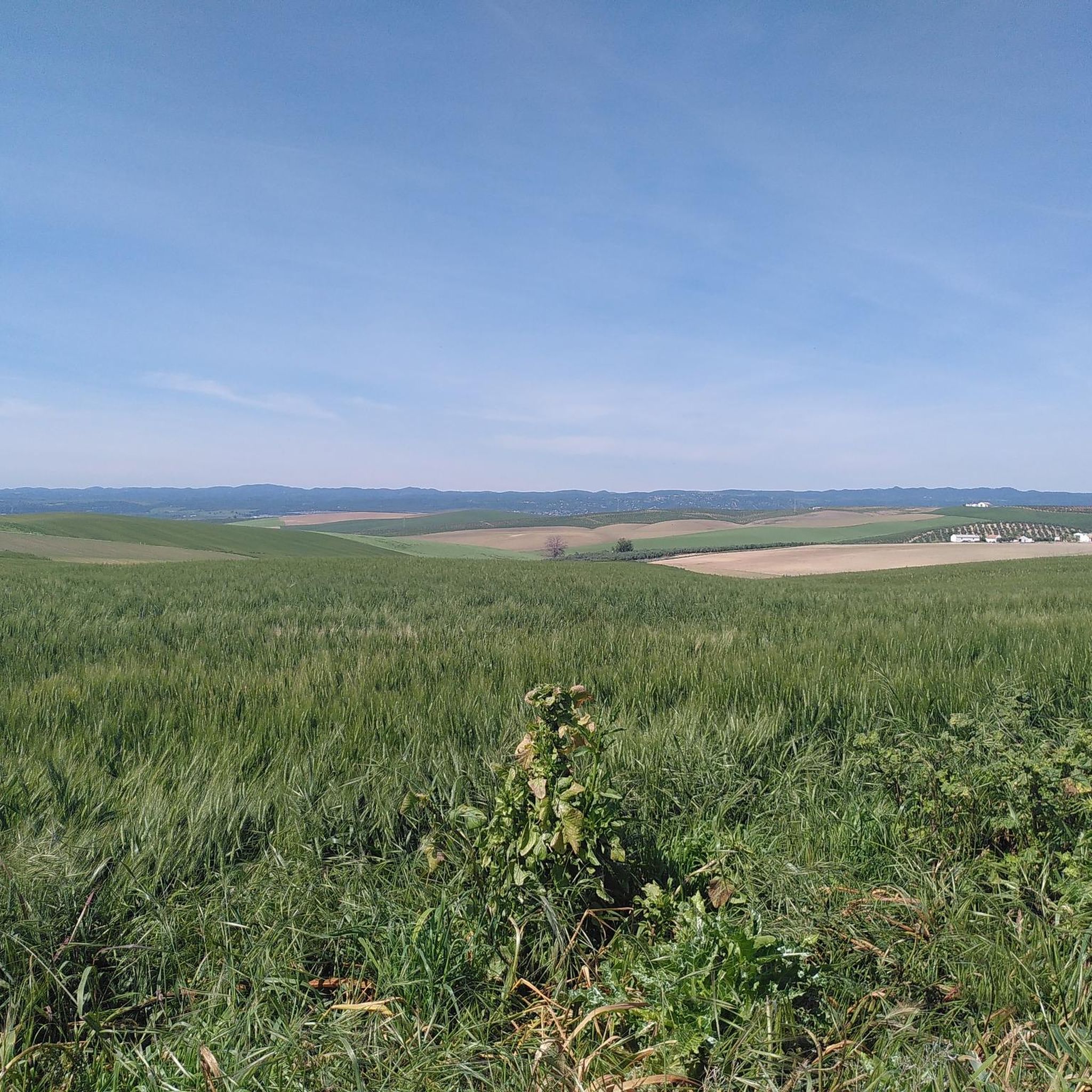
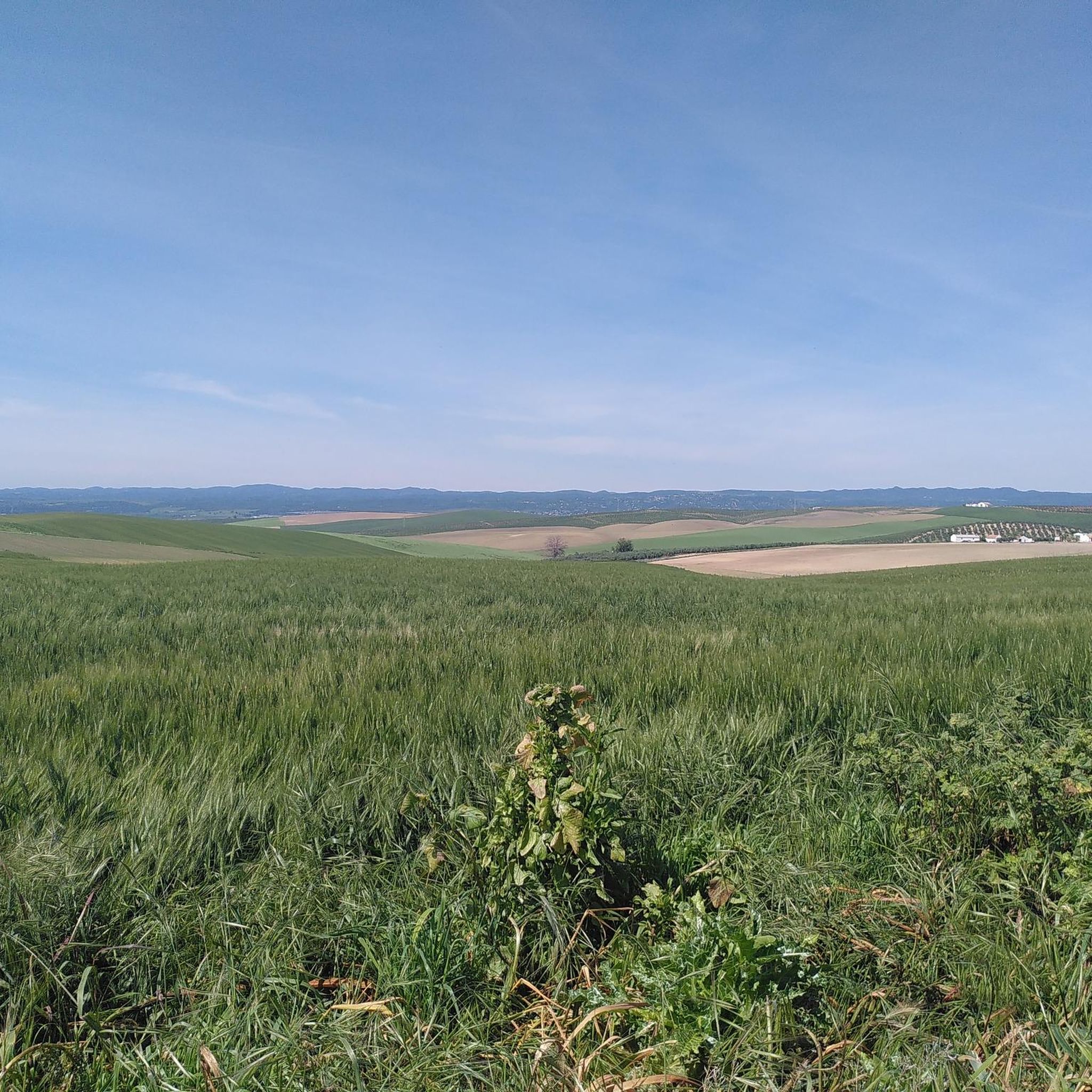
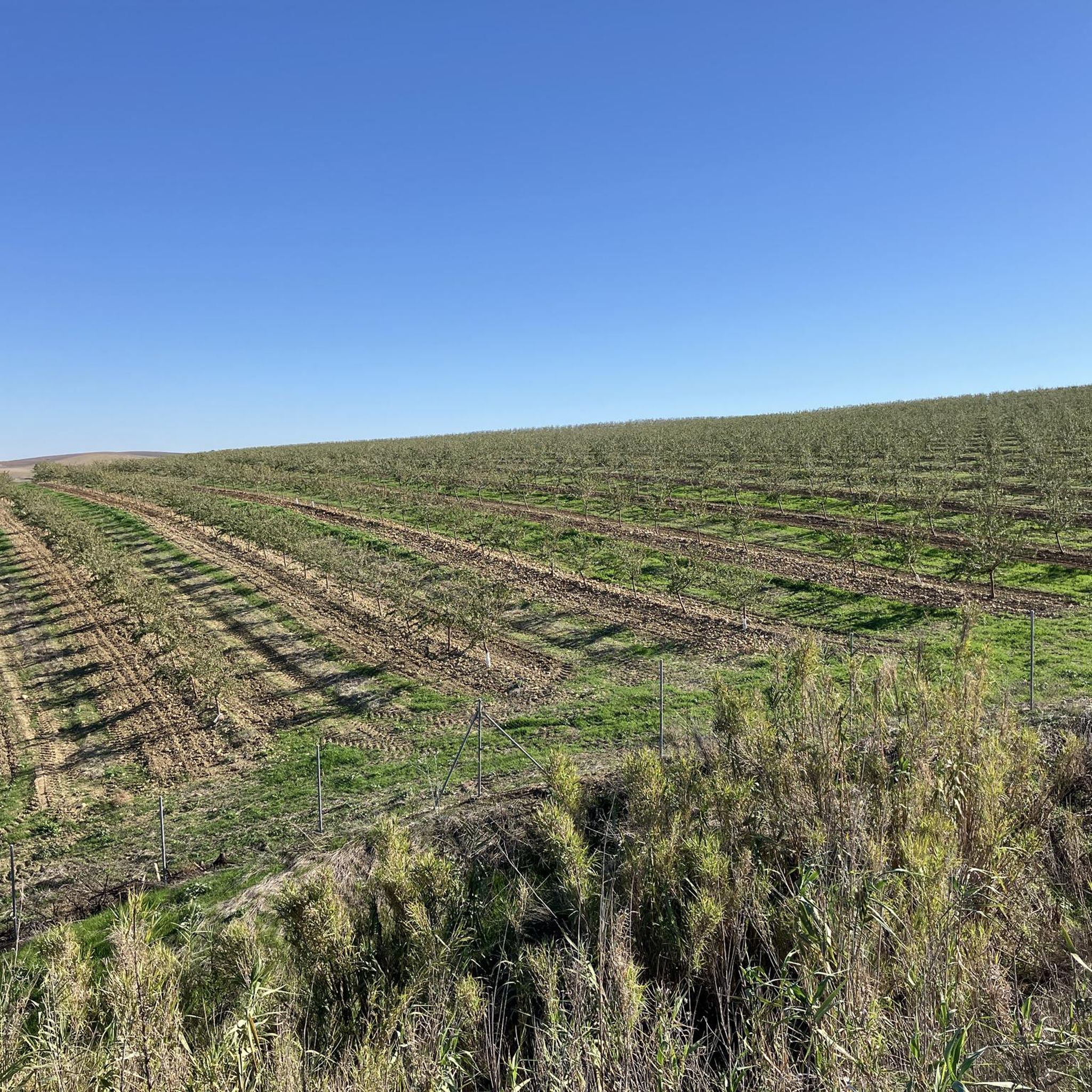
The Via Verde Natural de la Campiña is a beautiful cycling and walking route in Andalusia. This route follows an old railway line of approximately 28 kilometres, which originally connected Córdoba with Marchena. The route passes through the beautiful landscapes of the Campiña, with vast fields, olive groves and blooming flower fields, especially in spring.
6
0

This path is forbidden to any unauthorized person, I am in front and very bothered after only 5km of cycling....
0
0

There are a few parking spaces at the top in front of the castle gate, although the road up is winding and sometimes quite narrow. If you can't get a parking space at the top, you can park below the castle and climb the castle on foot. However, you should plan a few extra minutes for this.
2
0
The Castillo is definitely worth a visit and offers visitors a great tour of the many areas of the castle, from the castle wall to the towers, the dungeon and the castle courtyard. The visit usually takes 1.5 to 2 hours. We wanted to visit the castle in the evening and arrived there at 7 p.m. They actually wanted to close the castle gate and not let any new visitors in. We then quickly visited the castle in about 50 minutes. If you would like to visit the castle without many tourists, you should be there either when it opens or by 6:30 p.m. at the latest.
2
0

Castle also called Castillo de la Floresta, is located on the hill called "El Redondo". It is a castle of Berber origin, from the year 760. It is in a good state of conservation. As a curiosity, some scenes from the Game of Thrones series were recorded in the castle, mainly representing Altojardín, headquarters of House Tyrell.
2
0
Frequently Asked Questions
What historical sites can I explore around Guadalcázar?
The region offers a rich historical experience. You can visit the UNESCO World Heritage Site of Medina Azahara Archaeological Site, a lavish ancient city built by Abd-al Rahman III. Another significant landmark is Almodóvar del Río Castle, a well-preserved Berber-origin castle. Within Guadalcázar itself, explore the Herrerian-style Torre Mocha, which houses a science museum, and the 17th-century Parish of Nuestra Señora de Gracia.
Are there good cycling routes near Guadalcázar?
Yes, the area is excellent for cycling. The Start of the Vía Verde de la Campiña is a popular ecological route following an old railway line, perfect for gravel bikes and offering scenic views of olive groves and fields. Another pleasant option is the Service road of the Guadalmellato canal, a car-free path with even terrain. For more challenging rides, explore the Gravel biking routes or Road Cycling Routes around Guadalcázar.
Where can I find natural parks or green spaces for relaxation?
For outdoor activities and relaxation, consider visiting Parque Municipal "El Hecho," located about 4 kilometers from Guadalcázar. It offers shaded areas, tables, and barbecues. The Vía Verde de la Campiña also provides a healthy walk through natural landscapes. If you venture further into the San Luis Potosí region of Guadalcázar, you'll find El Realejo with its pine forests and picturesque lakes, and Piedras Las Comadres, a natural park with unique rock formations.
Are there family-friendly attractions or activities in the area?
Absolutely. The Vía Verde de la Campiña is a family-friendly cycle and walking route. Parque Municipal "El Hecho" is also ideal for families, offering space for picnics and outdoor fun. The Medina Azahara visitor center provides an engaging and educational experience for all ages before exploring the archaeological site.
What kind of unique geological features can be found in the Guadalcázar region?
The Guadalcázar region, particularly in San Luis Potosí, Mexico, is known for its distinctive geological formations. You can find impressive limestone caves and cliffs, which are popular for sport climbing and bouldering, featuring stalactites, vertical pocketed walls, and tufas. The area also boasts 'Los Arcos,' a natural rock formation resembling an arch, known for its unusual colorations at different times of day.
What running trails are available near Guadalcázar?
There are several running trails around Guadalcázar, offering various distances and moderate difficulties. You can find routes like the 'Castle of Almodóvar del Río – View of La Breña Reservoir loop' or shorter 'Running loops from Almodóvar del Río.' For detailed options, refer to the Running Trails around Guadalcázar guide.
What is the best time of year to visit Guadalcázar for outdoor activities?
Spring is an excellent time to visit, especially for enjoying the Vía Verde de la Campiña, when the flower fields are in bloom. Generally, the mild temperatures of spring and autumn are ideal for outdoor activities like cycling, hiking, and exploring historical sites, avoiding the intense heat of summer.
Are there any accessible attractions for visitors with mobility needs?
Yes, the Entrance to the Medina Azahara visitor center is wheelchair accessible. The center itself is a modern museum, partly underground, providing detailed interpretation of the historic sites, making it a comfortable starting point for exploring the area's history.
Can I find ancient Roman artifacts or structures in Guadalcázar?
Yes, the Casa de la Cultura in Guadalcázar, Córdoba, displays an ancient Roman artifact known as the Romat Statuette of the Lady of the Gods. Additionally, the region has a history dating back to ancient Mesoamerican settlements, with vestiges found around the town, particularly in the San Luis Potosí area.
What are the parking options when visiting attractions like Almodóvar del Río Castle?
For Almodóvar del Río Castle, there are a few parking spaces available at the top, directly in front of the castle gate. However, the road leading up can be winding and narrow. If these spots are full, you can park below the castle and walk up, but remember to allocate extra time for the ascent.
What do visitors enjoy most about the attractions around Guadalcázar?
Visitors particularly appreciate the blend of historical richness and natural beauty. The Medina Azahara Archaeological Site is highly praised for its imposing scale and the impeccable restoration and museography. The Vía Verde de la Campiña is loved for its beautiful landscapes, perfect for cycling and walking through olive groves and blooming fields.
Are there opportunities for climbing or bouldering in the Guadalcázar area?
Yes, if you are referring to Guadalcázar in San Luis Potosí, Mexico, it is renowned for its world-class limestone caves and cliffs. These offer excellent opportunities for sport climbing and bouldering, characterized by stalactite formations, vertical pocketed walls, and tufas. Some routes near San Cayetano can reach up to 50 meters in length.
Most popular routes around Guadalcázar
Most popular attractions around Guadalcázar

Get inspired with the komoot mobile app


Explore more
Still not found the Highlight you’re looking for? See guides of the top attractions in other regions:
