Attractions and Places To See around San Martín De Pusa - Top 12
Best attractions and places to see around San Martín De Pusa offer a blend of historical landmarks, cultural sites, and natural beauty. This serene municipality in Toledo province features quiet streets and traditional architecture. The region is characterized by its proximity to the Pusa River and its location within the Montes de Toledo, providing diverse landscapes from olive groves to Mediterranean forests.
Best attractions and places to see around San Martín De Pusa
- The most popular attractions is Malpica Castle, a castle that is an impressive fortification of Arab origin built in the 14th century. It is notable for its location on the banks of the Tagus River, surrounded by moats and water.
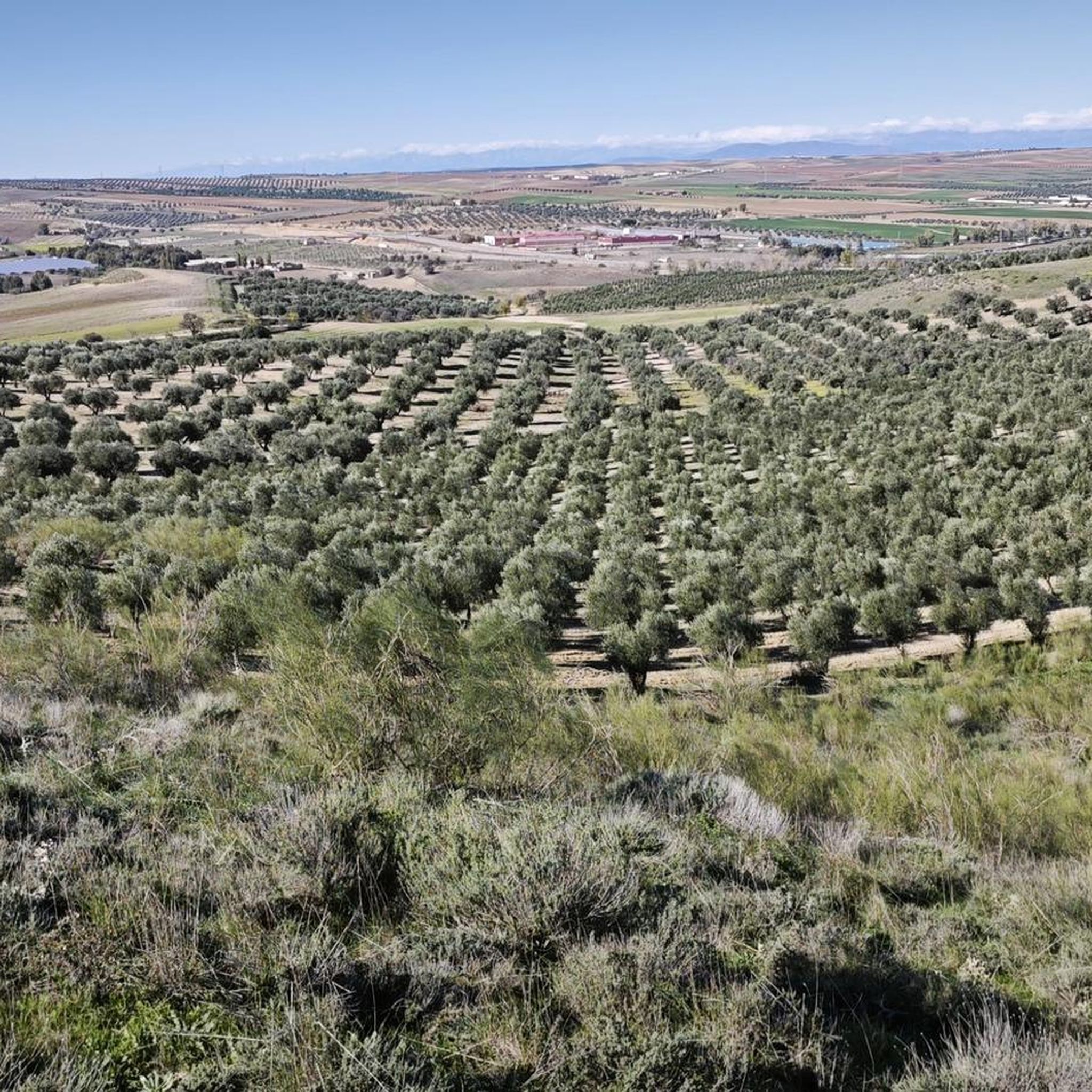
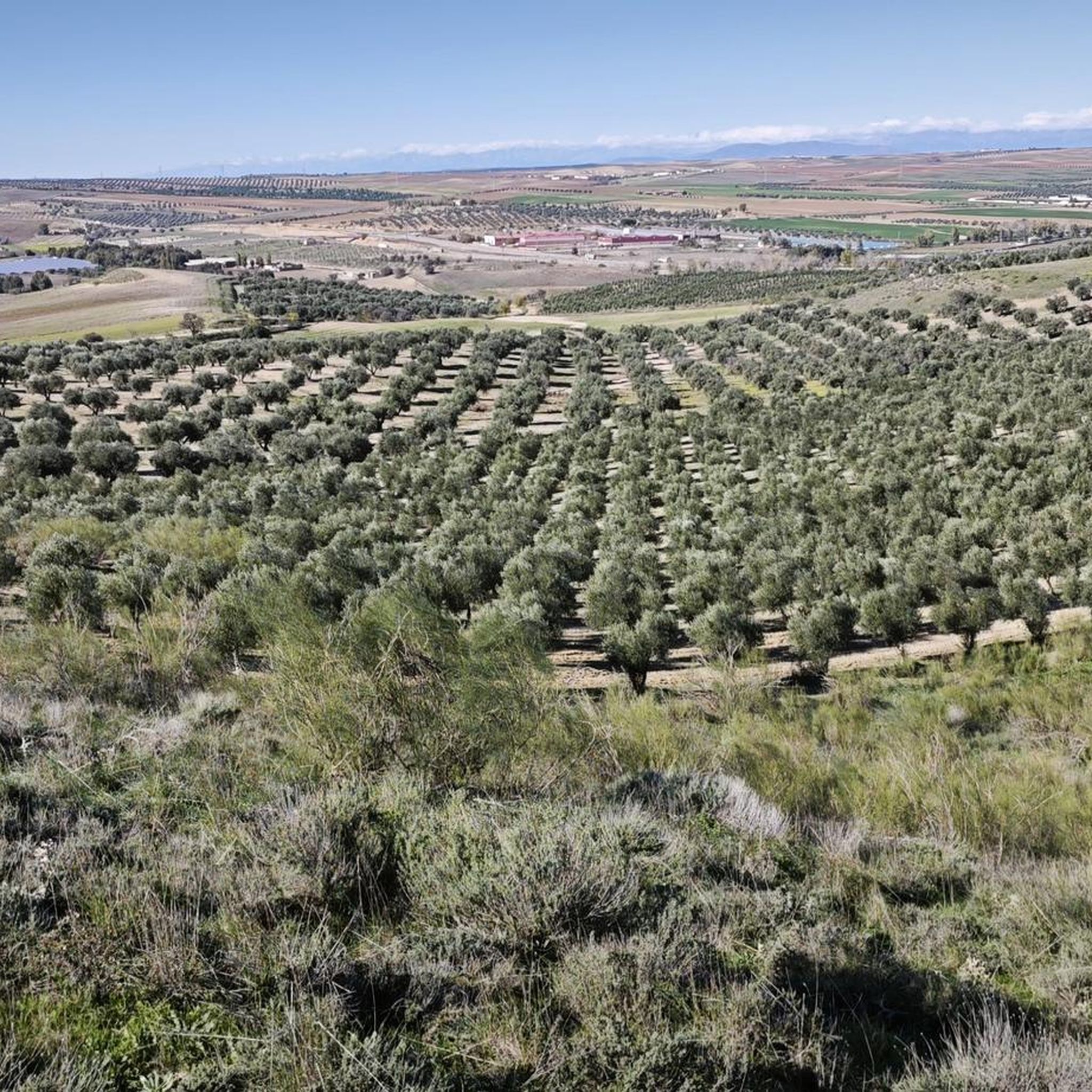
- Another must-see spot is Los Navalmorales, a peaceful settlement ideal for rural getaways. This village is surrounded by olive groves and Mediterranean forests, boasting an interesting historical heritage.
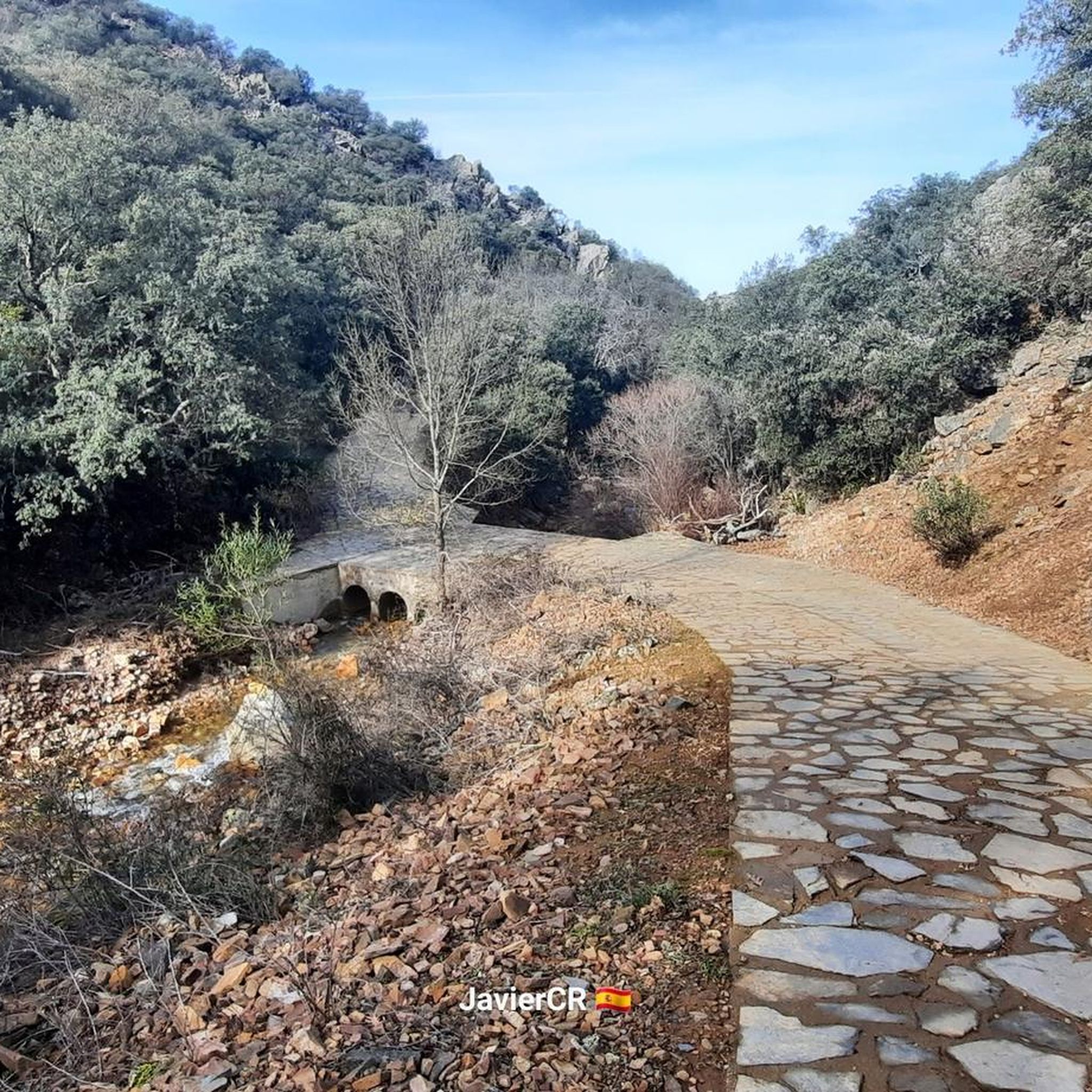
- Visitors also love Jabonero Dam, an old weir or dam. It was historically used to power mills along the Pusa River and is now a site visited for its picturesque scenic beauty.
- San Martín De Pusa is known for its historical castles, charming settlements, and natural river features. The area offers a variety of attractions to explore, from ancient structures to serene natural spots.
- The attractions around San Martín De Pusa are appreciated by the komoot community, with 6 upvotes and 6 photos shared by visitors.
Last updated: July 16, 2026
Malpica Castle
Highlight • Castle
Translated by Google •
Tip by

Los Navalmorales
Highlight • Settlement
Translated by Google •
Tip by

Sign up now to discover places like this
Get recommendations on the best single tracks, peaks, & plenty of other exciting outdoor places.
Sign up for free
San Martín de Pusa
Highlight • Settlement
Initially. This town was known as "El Pozuelo" due to a well that supplied them. With the repopulation, the new town arises further west of the previous one, which will take the name of "San Martín de Valdepusa" after a church that was built for devotion to San Martín Obispo and for the lord of Valdepusa, owner of the lands. In 1517 the name "Pozuelo" was lost, maintaining that of the Saint.
Translated by Google •
Tip by
Santa Ana de Pusa Town Hall and Church
Highlight • Settlement
Translated by Google •
Tip by
Church of Saint Martin the Bishop
Highlight • Religious Site
Translated by Google •
Tip by
Sign up for free to discover even more attractions around San Martín De Pusa.
Sign up for free
Already have an account?
Start today with a free account
Your next adventure awaits.
Login or Signup
Popular around San Martín De Pusa
Tips from the Community

What to see in Los Navalmorales Church of Our Lady of La Antigua: A 16th-century church with a Baroque altarpiece and an octagonal baptistery. Historic Hermitages: San Sebastián, San Antonio, Virgen de los Remedios, and Santísimo Cristo de la Fuente. Fountain of the Six Spouts: Built in the 17th century and supplied by aquifers. Hermosilla House: Declared a Site of Cultural Interest. Pillory of Justice: A historical symbol in the town square. Huerta del Convento Park: Ideal for strolling and relaxing. Olive Grove Interpretation Center (La Pontezuela Estate): An experience about olive oil and olive culture.
7
0
It's a peaceful village, ideal for rural getaways and getting away from it all. Surrounded by olive groves and Mediterranean forests, it boasts an interesting historical heritage and good connections to Talavera and the Cabañeros National Park.
8
0
From the s. XVI, of Toledo masonry (brick and masonry) and slender tower, illuminated at night after recent works. At the back of the temple stands a simple scroll of justice, on two granite steps and topped with a wrought iron cross.
20
1

San Martín de Pusa was first established in 1357 but with a different name. The current name was established in 1517. In the 1950s its population exceeded 2,000 inhabitants, but currently it is around 600. There are several heritage buildings to see here, including the Town Hall, the Hermitage of the Santísimo Cristo de Valdelpozo and the Parish Church of San Martín Obispo.
0
0

Despite having only about 350 inhabitants, Santa Ana de Pusa undoubtedly stands out for its numerous and original popular festivals. Beginning on January 20 with the Fiesta de los Perros, the celebrations continue at Easter with the Burning of Judas and have their maximum expression in their patron saint festivities dedicated to Santa Ana in the month of July. There is also a festival called El Cristo in mid-September.
0
0
The town of San Martín de Pusa is located in the center of the old manor. However, its foundation was made by the residents of the old and nearby town of El Pozuelo. Initially. This town was known as "El Pozuelo" due to a well that supplied them. With the repopulation, the new town arises further west of the previous one, which will take the name of "San Martín de Valdepusa" after a church that was built for devotion to San Martín Obispo and for the lord of Valdepusa, owner of the lands. In 1517 the name "Pozuelo" was lost, maintaining that of the Saint.
19
0

Malpica Castle is the most emblematic construction of the Toledo town of Malpica de Tajo. It is an impressive fortification of Arab origin built in the 14th century. Made of brick and surrounded by several moats and the waters of the Tagus, it stands out for the solidity and strength of its structure.
1
0
Despite having only about 350 inhabitants, Santa Ana de Pusa undoubtedly stands out for its numerous and original popular festivals. Beginning on January 20 with the Fiesta de los Perros, the celebrations continue at Easter with the Burning of Judas and have their maximum expression in their patron saint festivities dedicated to Santa Ana in the month of July. There is also a festival called El Cristo in mid-September.
2
0
Frequently Asked Questions
What historical sites can I explore in San Martín De Pusa?
San Martín De Pusa and its surroundings offer a rich historical tapestry. You can visit the 16th-century Palace of the Lords of Valdepusa, built on an ancient Celtic tower, and the nearby Ruins of the Castle of Santisteban from the 12th century. The Parish Church of San Martín Obispo and the Hermitage of Santísimo Cristo de Valdelpozo are also significant. Don't miss the Town Hall, commissioned in the 15th century by the Catholic Monarchs. A short distance away, the impressive Malpica Castle, an Arab-origin fortification from the 14th century, stands on the banks of the Tagus River.
Are there natural attractions or scenic spots near San Martín De Pusa?
Yes, the region boasts natural beauty. The Pusa River and its surroundings offer picturesque landscapes, and the area is part of the Natura 2000 network. You can also visit the Jabonero Dam, an ancient weir historically used for mills, now admired for its scenic beauty. San Martín De Pusa is situated within the Montes de Toledo, and exploring the wider La Jara region provides spectacular mountain landscapes, diverse geology, and Mediterranean forests.
What kind of cycling routes are available around San Martín De Pusa?
The area around San Martín De Pusa is excellent for cycling. You can find various routes for different disciplines. For road cycling, options include a moderate circular route from Talavera de la Reina to Malpica Castle, or more challenging loops like the Navahermosa and San Martín de Montalbán. Mountain biking enthusiasts can explore routes such as the La Jara and Pusa River Loop or the Montes de Toledo: Espinoso del Rey and La Jara Loop. For more general cycling, there are easy bike loops from Huerta del Cotanillo. You can find more details on these routes in the Road Cycling Routes, MTB Trails, and Cycling guides around San Martín De Pusa.
What is there to see in the settlement of Los Navalmorales?
Los Navalmorales is a peaceful village known for rural getaways, surrounded by olive groves and Mediterranean forests. Its historical heritage includes the 16th-century Church of Our Lady of La Antigua, several historic hermitages, and the 17th-century Fountain of the Six Spouts. You can also visit the Hermosilla House and the Pillory of Justice in the town square. For a relaxing stroll, the Huerta del Convento Park is ideal, and the Olive Grove Interpretation Center offers insights into olive oil culture.
Are there any family-friendly attractions or activities in the area?
The region offers several family-friendly options. Exploring the historical sites like the Town Hall and the Hermitage of Santísimo Cristo de Valdelpozo in San Martín de Pusa can be an educational outing. The picturesque setting of the Jabonero Dam provides a lovely spot for a family picnic or a short walk. Additionally, the wider natural areas of the Pusa River and Montes de Toledo are suitable for gentle walks and enjoying nature with children.
What is the best time of year to visit San Martín De Pusa for outdoor activities?
Given its location in the Montes de Toledo, spring (April-May) and autumn (September-October) are generally the best times for outdoor activities. During these seasons, the weather is typically mild and pleasant, ideal for cycling, walking, and exploring the natural landscapes without the intense heat of summer or the cooler temperatures of winter.
What is the significance of the Pusa River in the region?
The Pusa River is a significant natural feature, contributing to the varied natural environment of the region, which includes olive groves and Mediterranean forests. Historically, its waters powered mills, with structures like the Jabonero Dam serving this purpose. Today, the river and its surroundings are recognized for their ecological value, forming part of the Natura 2000 network, and offering picturesque landscapes for tranquility and nature appreciation.
What cultural traditions are unique to San Martín De Pusa?
San Martín De Pusa is known for its local cultural tradition called "Los Quintos." This involves a group of young people marking their symbolic transition to adulthood, often celebrated with events and collective efforts. This tradition reflects the community spirit and heritage of the municipality.
Can I find information about the history of San Martín De Pusa itself?
Yes, the village of San Martín de Pusa has a rich history. It was founded by residents of the older settlement of El Pozuelo and was initially known by that name due to a well. The current name, "San Martín de Valdepusa," was adopted after a church built in honor of Saint Martin of Tours and the Lord of Valdepusa. The name "Pozuelo" gradually fell out of use around 1517. The town features several heritage buildings, including its Town Hall, the Hermitage of the Santísimo Cristo de Valdelpozo, and the Parish Church of San Martín Obispo.
What makes Santa Ana de Pusa notable?
Despite its small population, Santa Ana de Pusa is notable for its numerous and original popular festivals. These include the Fiesta de los Perros in January, the Burning of Judas at Easter, and its patron saint festivities dedicated to Santa Ana in July. There is also a festival called El Cristo in mid-September, showcasing a vibrant local culture.
What are the Montes de Toledo and La Jara region, and how are they relevant to San Martín De Pusa?
San Martín De Pusa is situated within the Montes de Toledo, a mountain range offering spectacular landscapes. The wider La Jara region, which encompasses parts of the Montes de Toledo, provides diverse geological structures, native vegetation, and varied wildlife. This area is highly relevant for outdoor enthusiasts, offering opportunities for activities like mountain biking and road cycling, and for those seeking to explore natural beauty.
Most popular routes around San Martín De Pusa

Get inspired with the komoot mobile app


Explore more
Still not found the Highlight you’re looking for? See guides of the top attractions in other regions:
