Attractions and Places To See around Balsareny - Top 20
Best attractions and places to see around Balsareny, a municipality in the Bages region of Barcelona, Spain, offer a blend of historical landmarks and unique natural features. The area is characterized by its position along the Llobregat river and its historical connection to the Séquia canal. Visitors can explore well-preserved historical sites and distinctive geological formations. The landscape provides opportunities to discover both cultural heritage and natural points of interest.
Best attractions and places to see around Balsareny
- The most…
Last updated: September 26, 2026
The Manresa Canal
Highlight • Structure
Its construction was highly problematic, as the Bishop of Vic opposed …
Translated by Google •
Tip by

Parque de l'Agulla
Highlight • Lake
Translated by Google •
Tip by

Sign up now to discover places like this
Get recommendations on the best single tracks, peaks, & plenty of other exciting outdoor places.
La Botjosa salt dump
Highlight • Structure
The La Botjosa salt dump measures 775 meters long by an average width of 150 meters, occupies 13.5 Ha …
Translated by Google •
Tip by

La Séquia Canal Trail
Highlight • Trail
As a tribute to the people who built the irrigation canal between 1339 and 1383, which still provides a large flow of water to the city of Manresa …
Translated by Google •
Tip by

Corbatera Pond
Highlight • Lake
This place is a passage area for migratory birds.
Translated by Google •
Tip by
Sign up for free to discover even more attractions around Balsareny.
Already have an account?
Start today with a free account
Your next adventure awaits.
Tips from the Community

The Transéquia As a tribute to the people who built the irrigation canal between 1339 and 1383, which still provides a large flow of water to the city of Manresa today, the Young Chamber of Manresa began organizing the Transéquia in 1985. Starting from Balsareny, it passes through the municipalities of Sallent, Santpedor and Sant Fruitós de Bages and reaches the Parc de l'Agulla de Manresa. In 2014, the Fundació Aigües de Manresa - Junta de la Séquia took over from the Young Chamber and has been organizing it ever since.
0
0

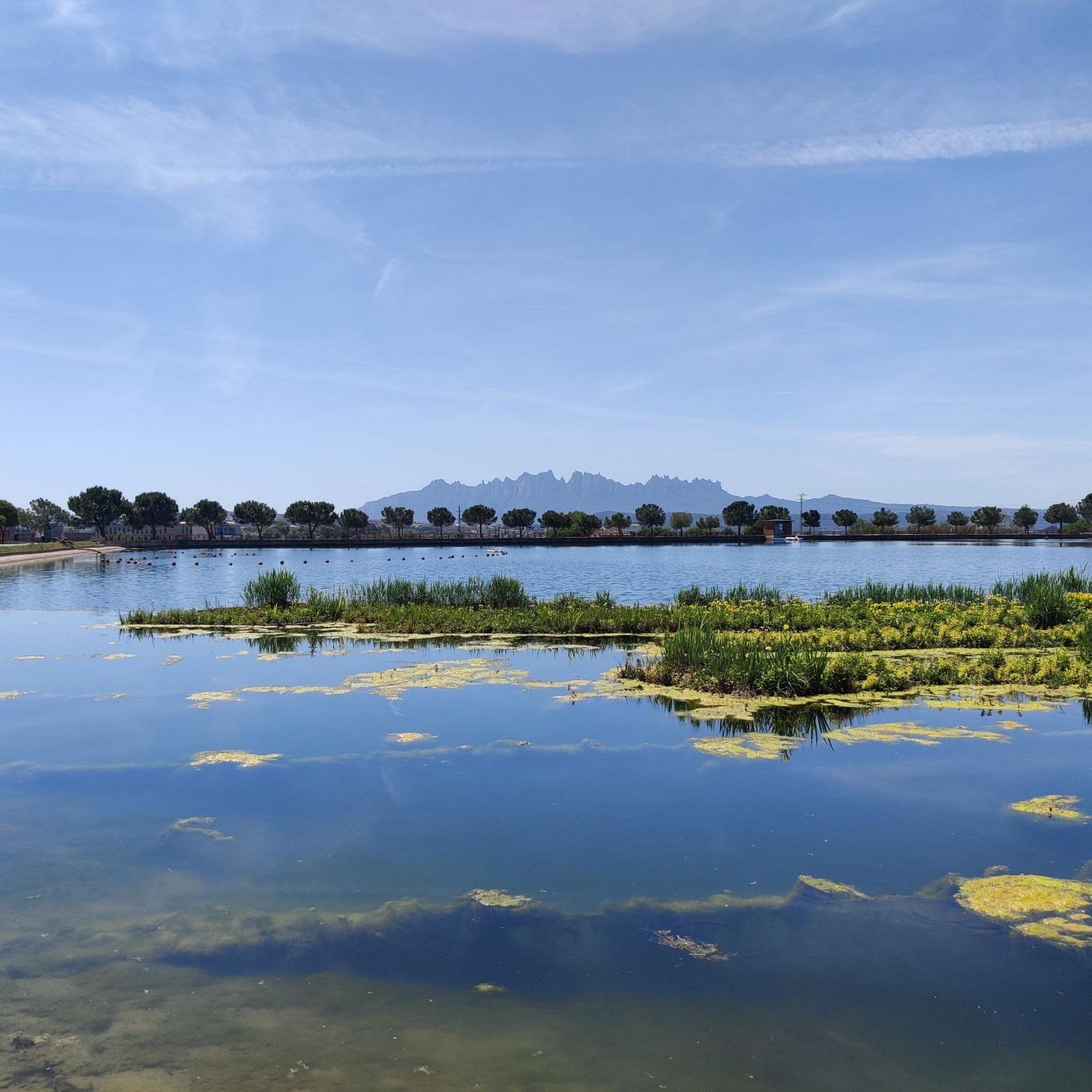
Space to relax and look towards Montserrat
1
0
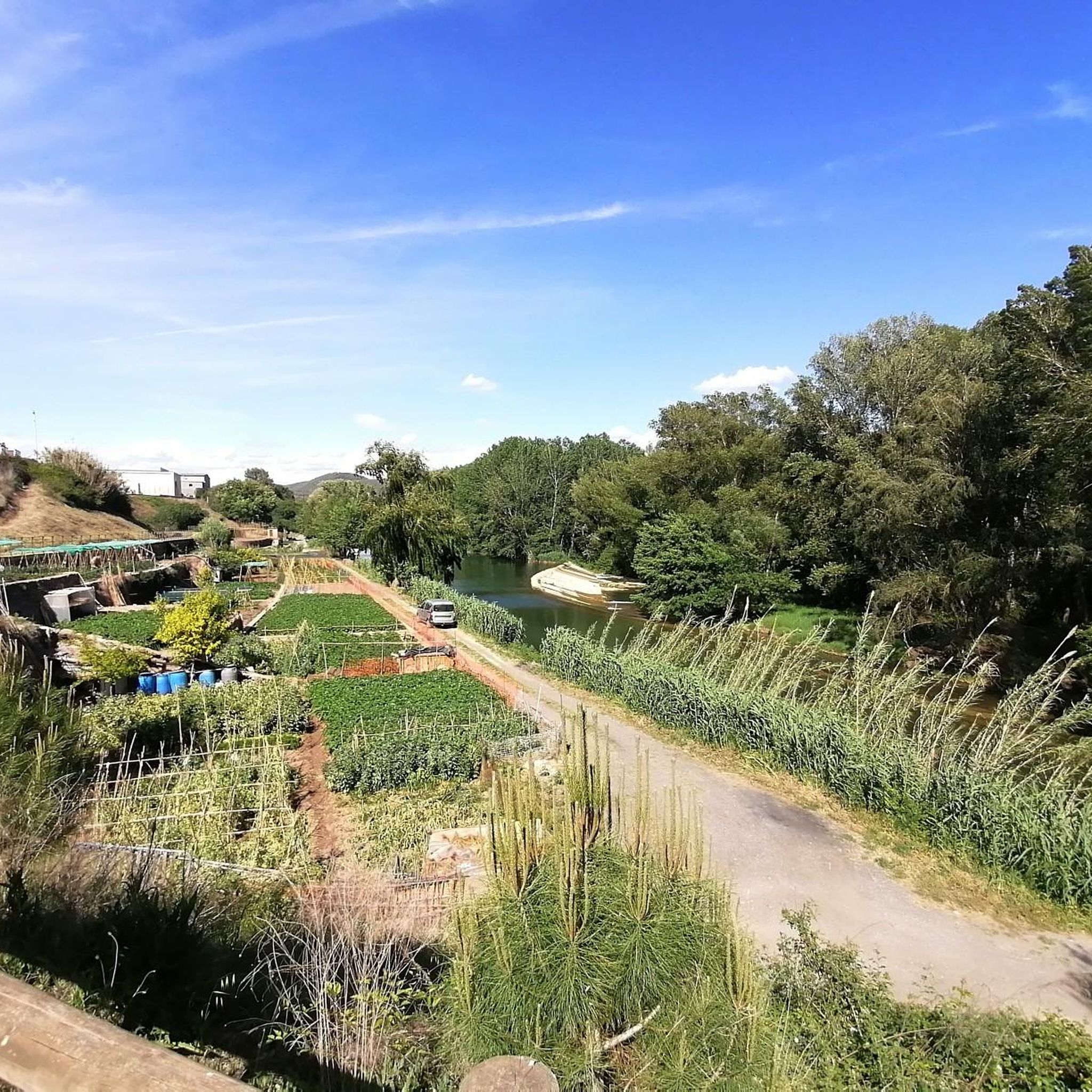
Place next to the river typical of the area
0
0

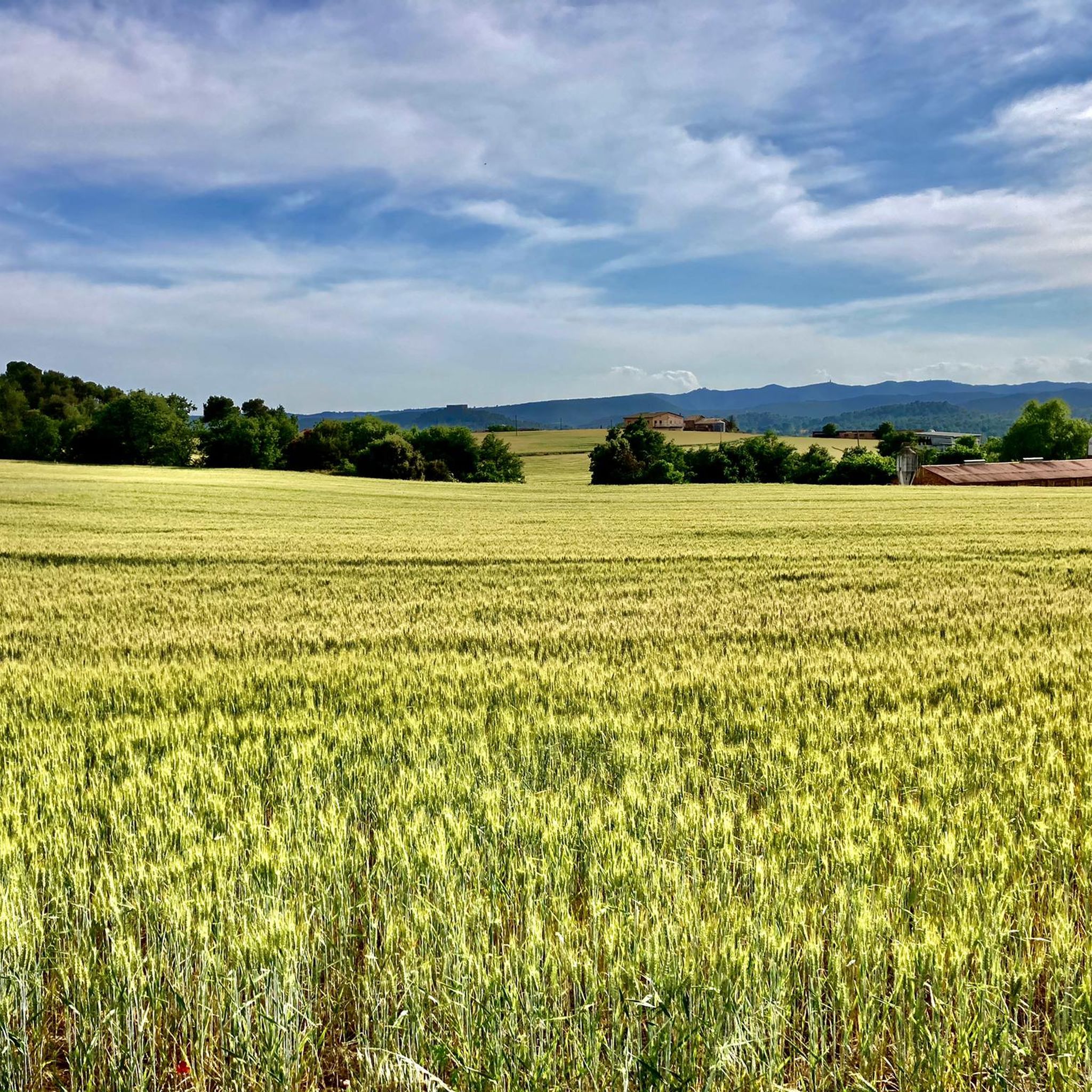
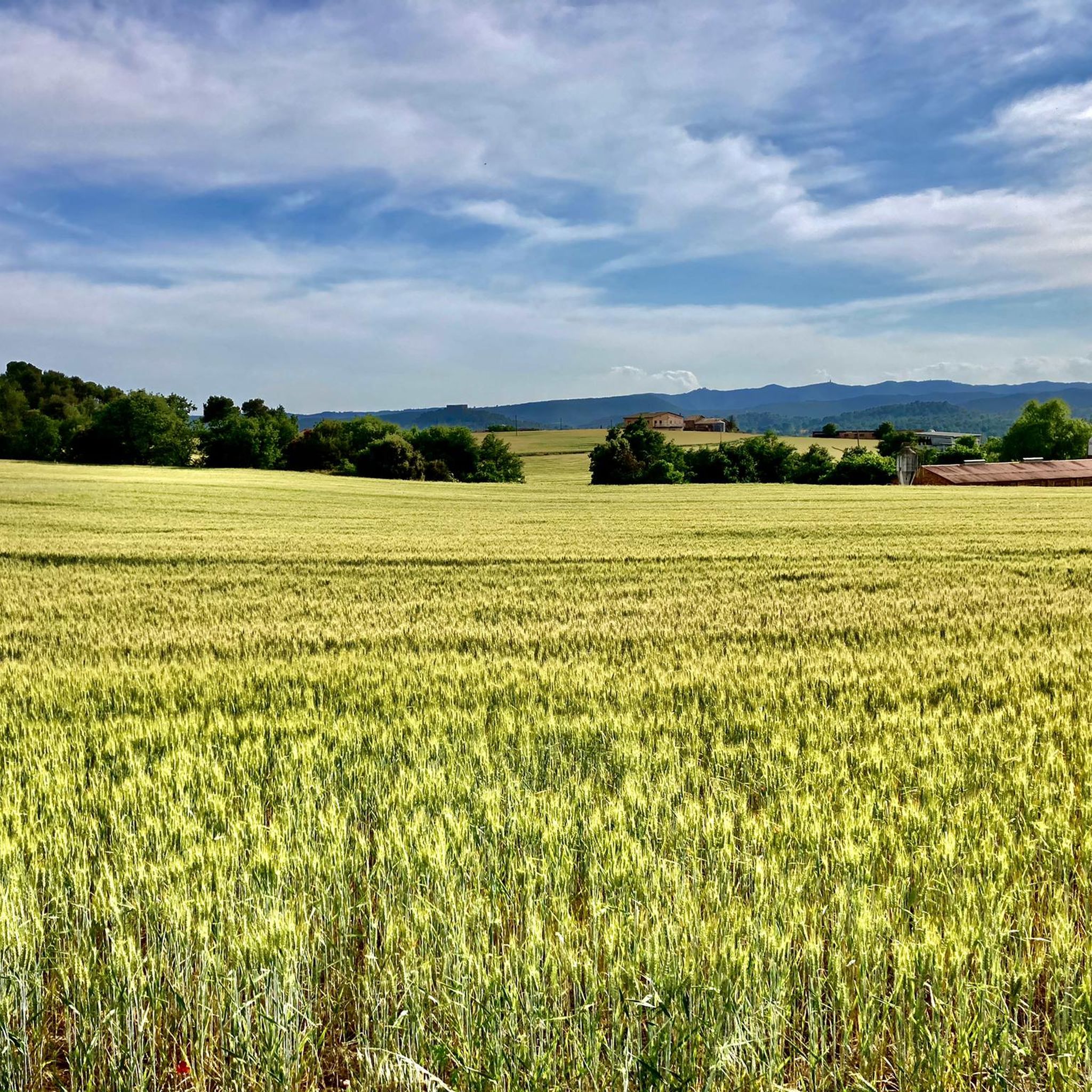
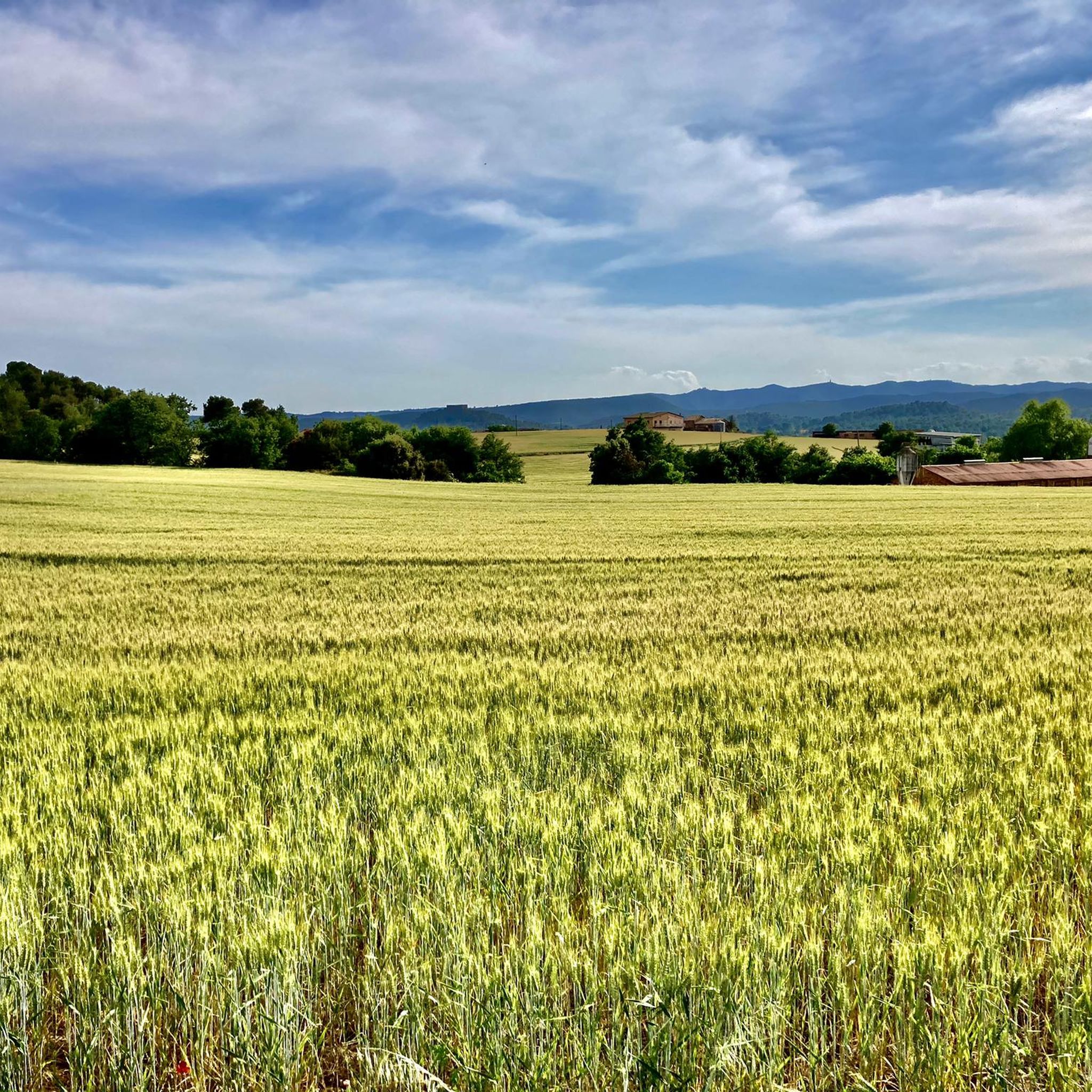
The Corbatera pond (Sallent) is a wet area that occupies the alluvial plain of the Llobregat river from Cabrianes to Pont de Cabrianes. This place is a passage area for migratory birds.
2
1
This 26-kilometre-long ditch that carries water to Manresa was built in the 14th century by the master Guillem Catà. Its construction was highly problematic, as the Bishop of Vic opposed its construction because it passed through the bishopric's land and threatened its promoters with excommunication. The bishop died before the works were finished and even so he really excommunicated the workers and the councilors of Manresa, in addition to interrupting the practice of the sacraments throughout the city. The bishop's successor maintained a more dialogue attitude, accepting the compensation offered by the city. However, legend has it that divine intervention became necessary, in the form of a mysterious light from Montserrat that entered through the stained glass windows of the Carmen church, at the same time that the bells began to ring by themselves. The bishop, seeing this phenomenon, regretted his position, but died shortly after, and his successor did not take long to reverse the situation and lift the excommunication.
1
1

Mountain of saline and other waste created between 1945 and 1977. The La Botjosa salt dump measures 775 meters long by an average width of 150 meters, occupies 13.5 Ha and its content is estimated at around 4 million tons of salty waste. Since the start of the new Cogulló dump in 1977, the potash mining of Sallent and Balsareny stopped dumping saline waste in La Botjosa. Since then, a considerable portion of the saline residues dumped in the La Botjosa dump has disappeared by dissolution in rainwater and air humidity, as evidenced by the geomorphologies in lapiaz on the slopes and dame coiffée where an object acting as an umbrella has protected the salt below
2
0

This park is a large reservoir with a nice trail around it for walking and biking. There is parking and a picnic area. It is a good place to relax or start or end an adventure.
3
0
A beautiful area of marshes next to the Llobregat.
1
1
Frequently Asked Questions
What historical and cultural sites can I explore in Balsareny?
Balsareny offers a rich historical experience. You can visit the well-preserved Balsareny Castle, a Gothic Catalan style fortress dating back to 951, which offers panoramic views. Nearby, you'll find the Romanesque Hermitage of Mare de Déu del Castell from the 12th century. Another significant site is The Manresa Canal, a medieval irrigation canal built in the 14th century that still supplies water to Manresa.
Are there any unique natural features to discover around Balsareny?
Yes, the area boasts some distinctive natural features. One unique spot is La Botjosa salt dump, a fascinating geological formation created by dissolved saline waste, showcasing unusual geomorphologies. The Llobregat River also flows through Balsareny, playing a key role in the region's landscape and history.
What kind of outdoor activities are available near Balsareny's attractions?
The region around Balsareny is excellent for various outdoor activities. You can enjoy hiking, cycling, and running on numerous trails. For specific routes, explore the guides for Hiking around Balsareny, Cycling around Balsareny, and Running Trails around Balsareny.
Are there family-friendly attractions in Balsareny?
Absolutely. Many attractions in the area are suitable for families. Parque de l'Agulla is a great option, offering a large reservoir with a trail for walking and biking, a picnic area, and views towards Montserrat. Corbatera Pond is another beautiful natural area, perfect for a family stroll, and La Séquia Canal Trail is also considered family-friendly.
Where can I find good viewpoints or scenic spots in the area?
For breathtaking panoramic views, head to Balsareny Castle, perched on a hill overlooking the Llobregat river, Balsareny town, Montserrat, and the Pyrenees. Parque de l'Agulla also offers lovely views, particularly towards Montserrat.
What is the Séquia Canal and its significance?
The Séquia Canal is a remarkable medieval irrigation canal, constructed between 1339 and 1383. It's an engineering marvel that still supplies a large volume of water to the city of Manresa. Its capture point is located under the cliff of Balsareny Castle. The canal is celebrated annually with the 'Transéquia' event, honoring its builders and passing through several municipalities, including Balsareny.
Are there hiking trails for different difficulty levels around Balsareny?
Yes, the hiking trails around Balsareny cater to various skill levels. You can find easy routes like the 'Lavolta Artistic Gallery loop from Navàs' (6.3 km), moderate options such as 'Castell de Balsareny – Manresans' Weir loop from Balsareny' (9.5 km), and more difficult trails like 'Manresans' Weir – Castell de Balsareny loop from Navàs' (25.9 km). For more details, refer to the Hiking around Balsareny guide.
What do visitors enjoy most about the attractions around Balsareny?
Visitors particularly appreciate the blend of historical landmarks and unique natural features. The historical significance of sites like Balsareny Castle and The Manresa Canal, combined with the natural beauty of places like Parque de l'Agulla and Corbatera Pond, makes for a diverse and engaging experience. The opportunities for walking and biking in scenic surroundings are also highly valued.
Can I go cycling near Balsareny's attractions?
Absolutely. There are several cycling routes in the vicinity, ranging in difficulty. For example, you can find challenging routes like 'The Manresa Canal – Corbatera Canal loop from Navàs' (52.2 km) or 'Balsareny Castle – Road Along Turó de la Senyera loop from Balsareny' (41.3 km). These routes often incorporate key attractions and scenic landscapes. Check the Cycling around Balsareny guide for more options.
What is Corbatera Pond and why is it notable?
Corbatera Pond is a beautiful area of marshes located next to the Llobregat river. It's an alluvial plain that serves as an important passage area for migratory birds, making it a point of interest for nature enthusiasts and birdwatchers.
What is Parque de l'Agulla and what can I do there?
Parque de l'Agulla is a natural space on the outskirts of Manresa, featuring a large lake that serves as a primary water source from the Sèquia de Manresa canal. It offers a pleasant trail around the lake for walking and biking, along with parking and a picnic area, making it an ideal spot for relaxation and outdoor activities.
Are there any running trails in the Balsareny area?
Yes, there are dedicated running trails around Balsareny. You can find routes of varying lengths and difficulties, from easy loops like 'Running loop from Navàs' (5 km) to more challenging ones such as 'Sant Pau de Pinós Church loop from Navàs' (50.6 km). Explore the Running Trails around Balsareny guide for detailed information.
Most popular routes around Balsareny
Most popular attractions around Balsareny

Get inspired with the komoot mobile app


Explore more
Still not found the Highlight you’re looking for? See guides of the top attractions in other regions:
