The best running trails around Valldemossa
4.3
(240)
10,666
runners
19
runs
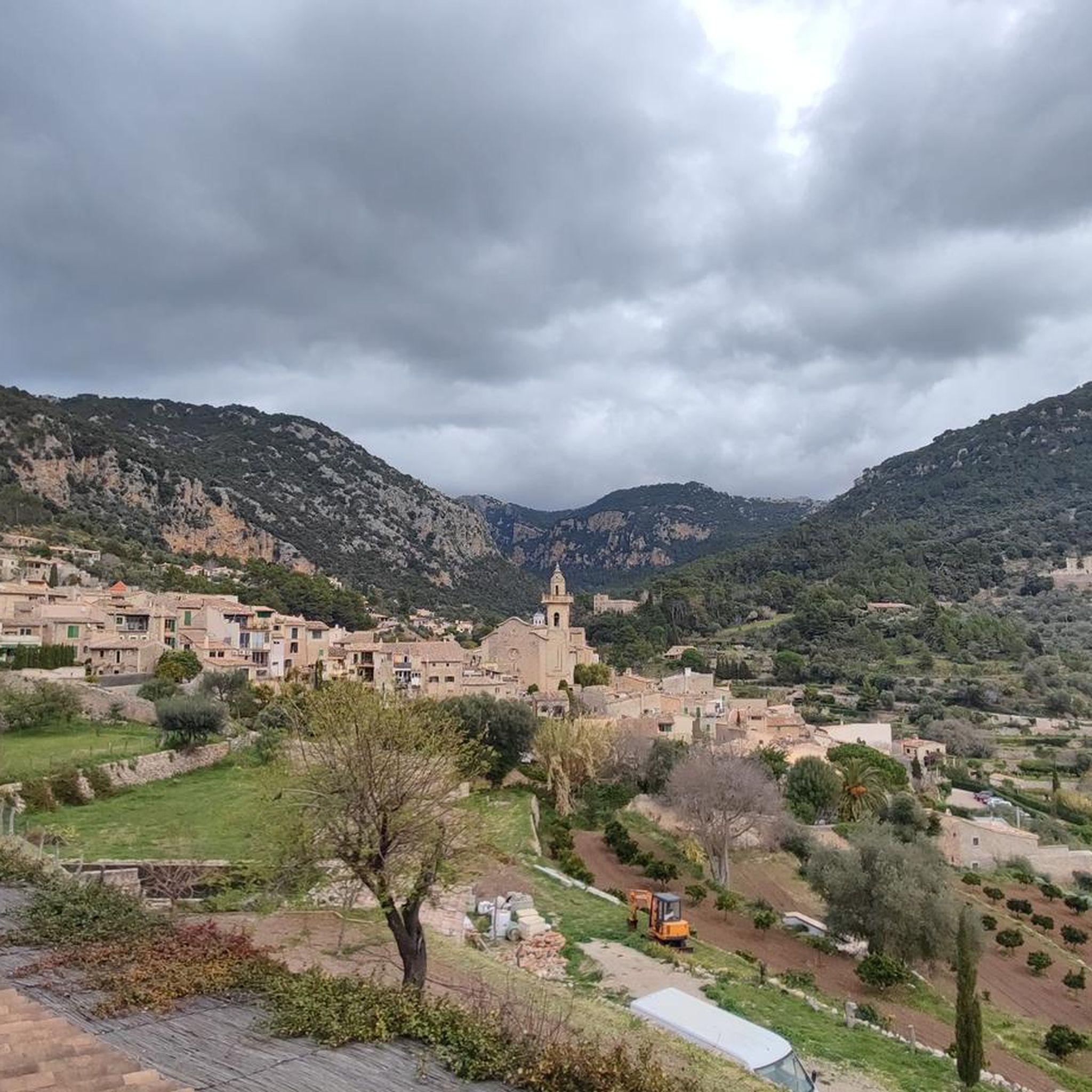
Jogging around Valldemossa, nestled within the UNESCO World Heritage-listed Serra de Tramuntana mountains in Mallorca, offers diverse terrain for runners. The region is characterized by dramatic mountain backdrops, winding trails through pine forests, terraced hillsides, and ancient olive groves. Runners can experience varied surfaces and picturesque scenery, with routes often providing views of the rugged coastline and expansive mountain range.
Best jogging routes around Valldemossa
- The most popular jogging route is Guillem Hermitage Cave – Es Caragolí loop from Valldemossa, a 6.1 miles (9.8 km) difficult trail that takes 1 hour 38 minutes to complete, leading through mountainous terrain with significant elevation gain.
- Another top favourite among local runners is Valldemossa Old Town – Es Caragolí loop from Valldemossa, a difficult 9.3 miles (14.9 km) path. This route offers views of the historic village and ascends towards Es Caragolí.
- Local runners also love the View of Valldemossa – Forn de Calç (Lime Kiln) loop from Valldemossa, a 4.1 miles (6.5 km) trail leading through forested areas and offering panoramic views of the village, often completed in about 1 hour 6 minutes.
- Jogging around Valldemossa is defined by mountain trails, historic paths, and serene natural beauty, with options for different ability levels, from challenging ascents to more moderate paths.
- The routes in Valldemossa are highly rated by the komoot community with an average score of 4.3 stars from over 200 reviews. More than 9,000 runners have used komoot to explore Valldemossa's varied terrain.
Last updated: August 6, 2026
4.5
(2)
115
runners
15.4km
02:35
970m
970m
Hard run. Very good fitness required. Sure-footedness, sturdy shoes and alpine experience required.
50
runners
Hard run. Very good fitness required. Mostly paved surfaces. Suitable for all skill levels.

Sign up for free
51
runners
48.8km
07:40
2,270m
2,270m
Hard run. Very good fitness required. Sure-footedness, sturdy shoes and alpine experience required.
23
runners
26.3km
04:22
1,560m
1,560m
Hard run. Very good fitness required. Sure-footedness, sturdy shoes and alpine experience required.
4.0
(2)
23
runners
6.54km
01:06
320m
320m
Hard run. Very good fitness required. Sure-footedness, sturdy shoes and alpine experience required.
Get access to more routes and recommendations from other explorers.
Sign up for free
Already have an account?
Our route recommendations are based on thousands of hikes, rides, and runs completed by other people on komoot.
Start today with a free account
Your next adventure awaits.
Login or Signup

Tips from the Community

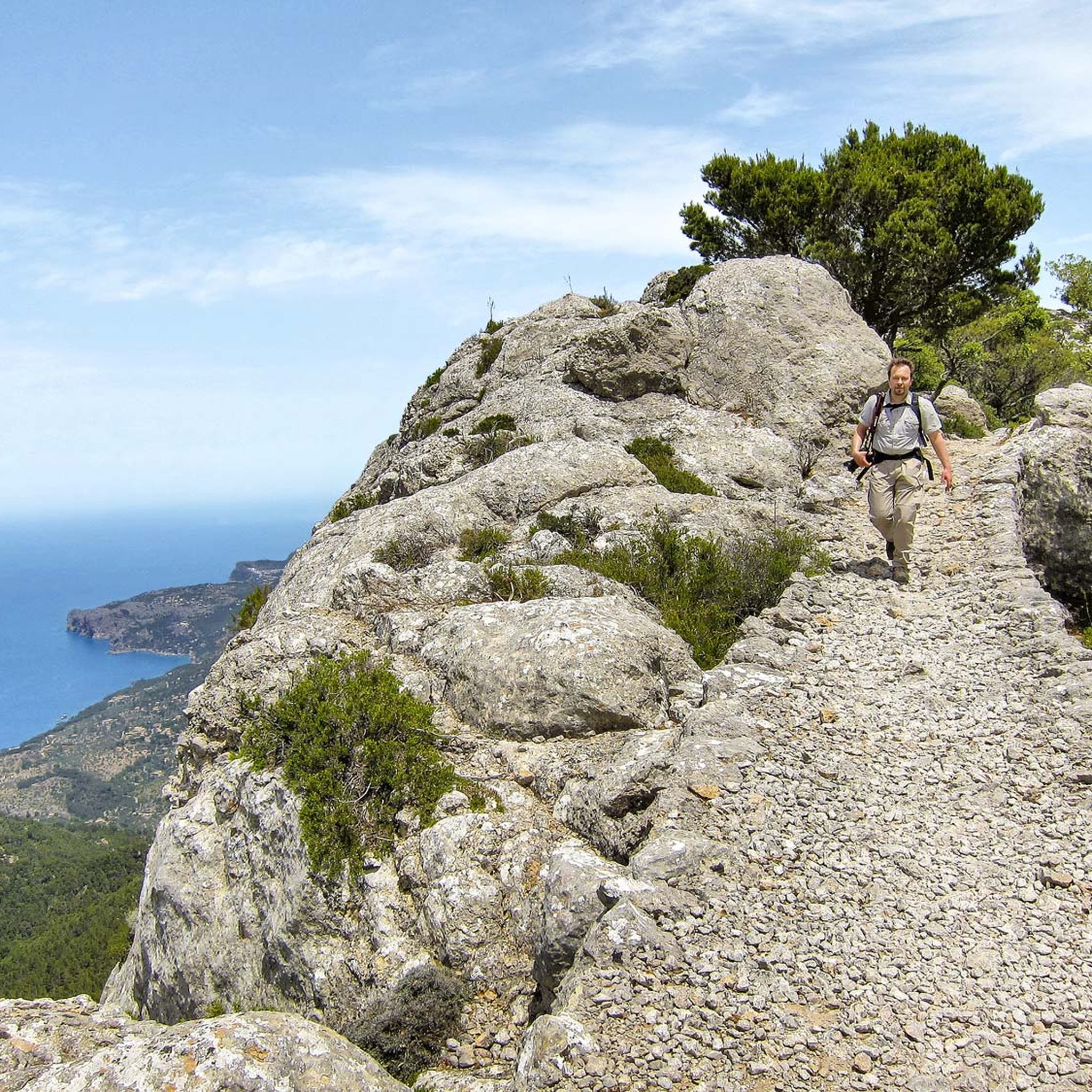
If you've already made the climb up all those meters, you should definitely make your way up here to the temporary summit cross. Just sit and enjoy the view.
0
0

A safareig (pronounced safarétsch in Catalan) is a typical element of traditional Mallorcan water management and housekeeping – essentially a water basin or washing place. What is a safareig? A safareig is a large, open water basin that was formerly used to collect and store water. It was usually built of stone or cement and belonged to rural houses (possessions), farms, or gardens. Uses A safareig had several purposes: Washing place: Women, in particular, used it to wash clothes with soap and a brush. Irrigation: The stored water was used for vegetable gardens, fields, or fruit trees. Watering place for livestock: In some cases, it also served as a watering place for animals. Water reservoir: During periods of low rainfall, it was part of an irrigation system with cisterns, springs, and canals (síquies). Appearance Rectangular or square, often with stone steps for descending. With inlet channels for spring or rainwater. In villages, sometimes with covered washing areas (rentadors) next to it.
0
0

Washhouse with clear water 💦 Very well preserved and you can imagine how hard the work was!
4
0

Depending on where you're coming from, you'll need a more or less good sense of direction, but you'll definitely need to be in good shape. The direct route from Deià is quite steep in places, and from the Camí de s'Arxiduc there's a pathless section in places. The views are fantastic. Sóller, Port de Sóller, Muleta Gran.
3
0
All I can add to Maik's description is that this oven has stepping stones on the outside, which I haven't seen very often.
4
0

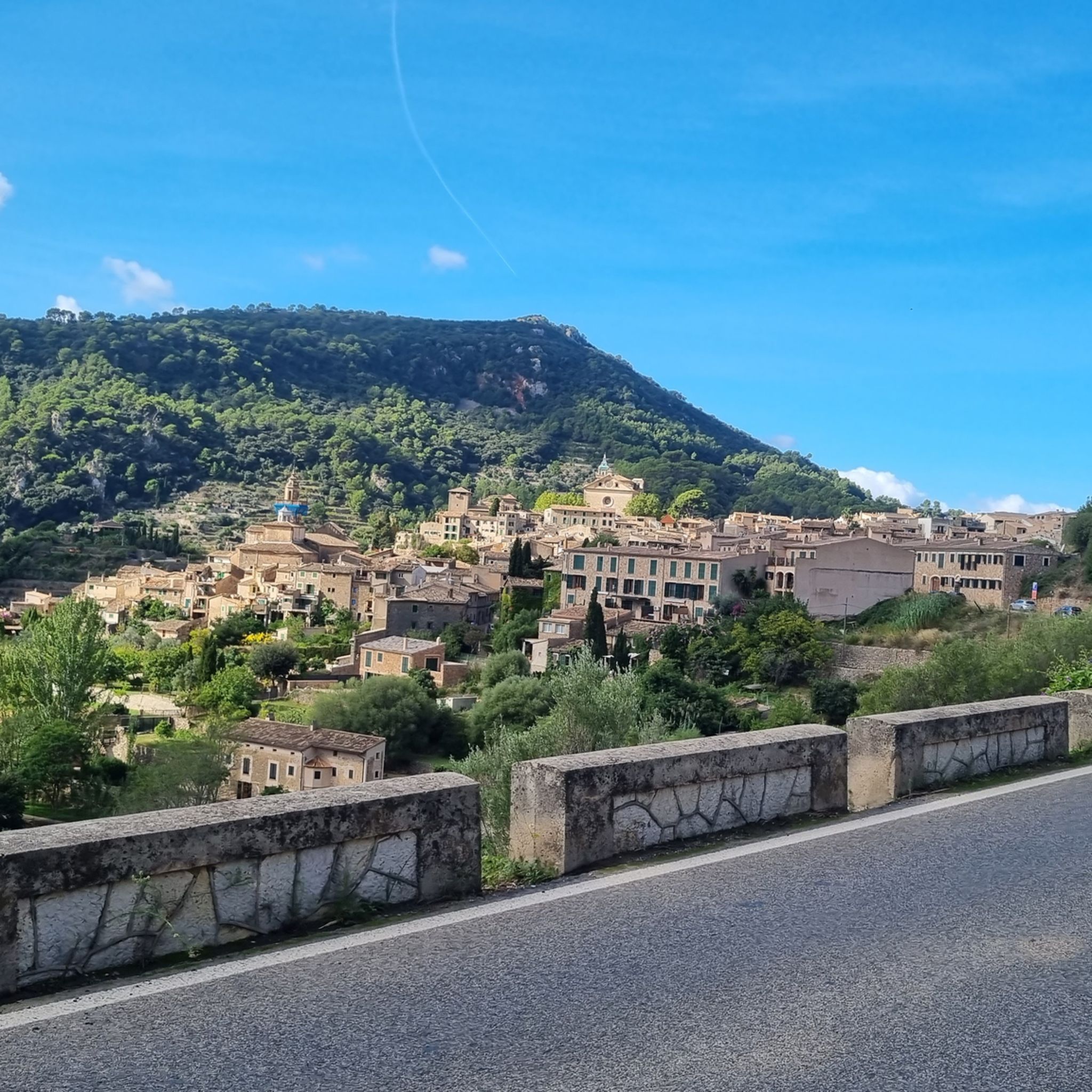
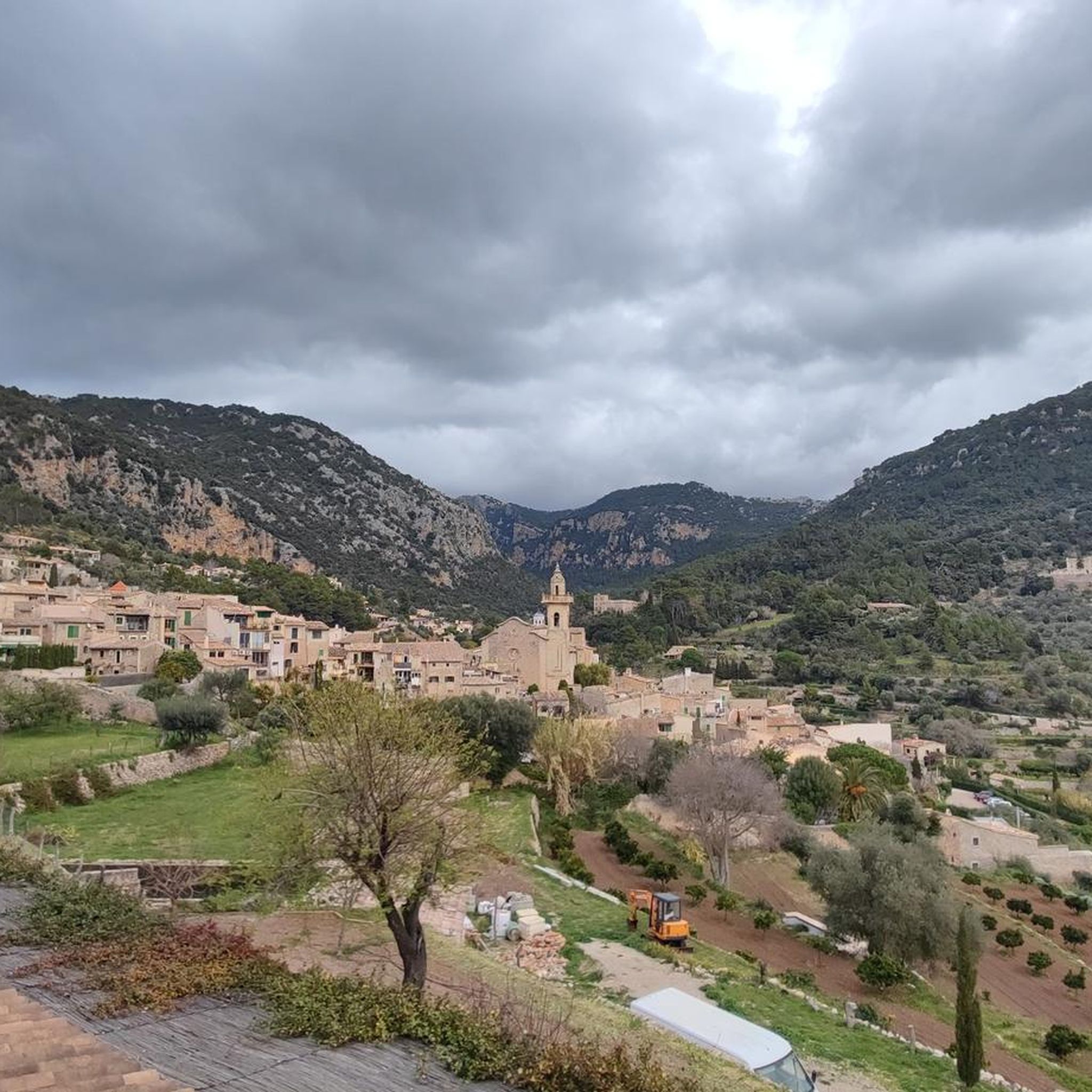
The church's origins date back to 1245, when a house of worship was first mentioned on this site. It was originally dedicated to the Virgin Mary. In the 14th century, the church was enlarged and dedicated to the Apostle Bartholomew (Sant Bartomeu). Over the centuries, the church underwent numerous renovations, including the construction of the current facade and bell tower. Although the tower has a Moorish appearance, it dates only from 1863. Today, the church presents itself in the Gothic style with a cross vault and several side chapels.
4
0
Catalina Thomàs remains the only Mallorcan woman to be canonized and is venerated throughout the island. Painted tiles depicting scenes from her life can be found on house walls everywhere, but especially frequently in Valldemossa. A small chapel was established in her honor in the house where she was born. Born in 1531 in Valldemossa, Catalina grew up in humble circumstances and showed a deep devotion to prayer from an early age. She built her own small altar in a field and spent many hours there in communion with God. As a young girl, walking through the fields of Valldemossa, Catalina encountered the devil. He tried to lead her away from the path of virtue with various apparitions and temptations. However, she steadfastly resisted by repeatedly repeating the words "Jesús, Maria i Josep," a prayer that gave her strength and protection. While still in the Augustinian convent in Palma, Catalina Thomàs was regularly haunted by the devil. He appeared to her not only in disguise, but also in a very annoying way: He hid in her room, rattled furniture, and whispered things meant to unsettle her. One night, she sensed his presence – he had hidden under her bed. Without a word, she grabbed the nearest broom, ducked down, and struck the sinister creature between the horns. As she did so, she cried out loudly: "Au, fora, dimoni brut!" ("Out with you, filthy devil!") After that, he had had enough and left her in peace from then on. In 1577, three years after her death, her body was exhumed. It was discovered that it had not undergone the normal process of decomposition. This event, along with other miracles attributed to her, led to her beatification (1792) and later to her canonization (1930). Her body, said to still be incorrupt, is now housed in a glass shrine in the Church of Santa Maria Magdalena in Palma de Mallorca.
3
0
Frequently Asked Questions
What kind of terrain can I expect on running routes around Valldemossa?
Jogging routes in Valldemossa are predominantly mountain trails within the Serra de Tramuntana, a UNESCO World Heritage site. You'll encounter varied surfaces, including winding paths through pine forests, terraced hillsides, and ancient olive groves. Many routes feature significant elevation changes, offering a challenging but rewarding experience with stunning views.
Are there any easy or moderate running routes for beginners in Valldemossa?
While most routes around Valldemossa are rated as difficult due to the mountainous terrain and elevation gain, there is at least one moderate option available. For a less strenuous experience, consider exploring the charming, car-free cobbled streets within Valldemossa village itself for lighter jogs.
Can I find circular running routes in Valldemossa?
Yes, many of the running routes around Valldemossa are designed as loops, allowing you to start and finish in the same location. For example, the Guillem Hermitage Cave – Es Caragolí loop from Valldemossa is a popular circular option, as is the View of Valldemossa – Forn de Calç (Lime Kiln) loop from Valldemossa.
What kind of landmarks or natural features can I see along the running trails?
The trails around Valldemossa offer a wealth of natural beauty and historical landmarks. You can expect panoramic views of the Serra de Tramuntana mountains, the rugged coastline, and the village itself. Notable features include ancient olive groves, historic dry stone paths like sections of the GR-221, and viewpoints such as Mirador de Sa Foradada. You might also encounter highlights like the Old Olive Tree or the historic Camí de s'Arxiduc (Archduke's Trail).
Are there any running routes that offer spectacular viewpoints?
Absolutely. Valldemossa is renowned for its breathtaking vistas. Many routes lead to stunning panoramic viewpoints, including those towards Puig des Teix, Puig Caragolí, and Puig de Sa Moneda. The View of Valldemossa – Forn de Calç (Lime Kiln) loop from Valldemossa specifically highlights panoramic views of the village and surrounding landscape.
What is the best time of year to go jogging in Valldemossa?
Valldemossa offers beautiful running conditions for much of the year. Spring and autumn generally provide pleasant temperatures. In February, the almond blossom season transforms the landscape with stunning white and pink hues, creating a particularly picturesque backdrop for outdoor activities. Summers can be hot, so early morning or late evening runs are advisable.
Are there any family-friendly running options in Valldemossa?
While many of the mountain trails are challenging, families might enjoy lighter jogs within the car-free cobbled streets of Valldemossa village. For more dedicated running, consider routes with less extreme elevation changes or shorter distances. Always check the difficulty rating and elevation profile to ensure it suits your family's fitness level.
What do other runners enjoy most about the trails in Valldemossa?
The running routes in Valldemossa are highly rated by the komoot community, with an average score of 4.3 stars from over 200 reviews. Runners frequently praise the stunning panoramic views, the diverse terrain through forests and olive groves, and the unique experience of running on historic paths like sections of the GR-221. The challenging nature of the trails is also often highlighted as a rewarding aspect.
Is parking available near the trailheads in Valldemossa?
Valldemossa has public parking areas, and many trails, such as the Valldemossa Old Town – Es Caragolí loop from Valldemossa, start directly from the village. It's advisable to check local signage for parking regulations and availability, especially during peak tourist seasons.
Can I reach the running trails using public transport?
Valldemossa is accessible by public transport, with bus services connecting it to Palma and other towns in Mallorca. Many running routes, including popular loops, start directly from the village center, making them convenient to access if you arrive by bus. For specific bus routes and timetables, it's best to consult local transport information.
Are there any long-distance running routes or challenging trails for experienced runners?
Yes, Valldemossa is an excellent base for experienced trail runners. Sections of the GR-221 'Dry Stone Route' traverse the area, offering long-distance challenges. The Ascent to Es Caragolí – Archduke's Path loop from Valldemossa is a particularly challenging route, known for its spectacular views and significant elevation gain, often taking several hours to complete.
Are permits required for any of the running trails around Valldemossa?
Generally, most public trails in the Serra de Tramuntana, including those around Valldemossa, do not require specific permits for recreational use. However, some private estates or protected areas might have restrictions or require prior permission. It's always a good idea to check local regulations, especially for lesser-known paths or if you plan to deviate from marked trails. For general information on routes, you can visit visitvalldemossa.es.
Most popular routes around Valldemossa
Most popular attractions around Valldemossa

Get inspired with the komoot mobile app


Explore more
Browse the best Running Trails & Routes in other regions.
