The 18 Most Amazing Peaks around Cangas De Onís
Best mountain peaks around Cangas De Onís are found in a region that serves as a primary gateway to the Picos de Europa National Park. This area is characterized by dramatic alpine karst scenery, featuring spiky summits, deep canyons, and verdant slopes. The municipality encompasses a significant portion of the park's Western Massif, offering a diverse range of summits.
Best mountain peaks around Cangas De Onís
- The most popular mountain peaks is Pienzu Peak, a summit that offers spectacular…
Last updated: August 9, 2026
Pienzu Peak
Highlight • Summit
Translated by Google •
Tip by

Jou de los Cabrones Refuge
Highlight • Mountain Hut
Translated by Google •
Tip by

Sign up now to discover places like this
Get recommendations on the best single tracks, peaks, & plenty of other exciting outdoor places.
Sign up for free
Mofrechu Peak
Highlight • Summit
Translated by Google •
Tip by

Picu Urriellu Viewpoint
Highlight • Viewpoint
Just the area through which the beautiful hiking route to Bulnes from …
Translated by Google •
Tip by
La Cotorra Summit
Highlight • Summit
Translated by Google •
Tip by

Sign up for free to discover even more peaks around Cangas De Onís.
Sign up for free
Already have an account?
Start today with a free account
Your next adventure awaits.
Login or Signup
Popular around Cangas De Onís
Route of the Reconquest (GR 202) – In the footsteps of an army
Legendary climbs - Ports of La Vuelta a España
Unknown Paths of Asturias — GR Pilgrimage Route (105)
From statue to statue – Reconquista Challenge
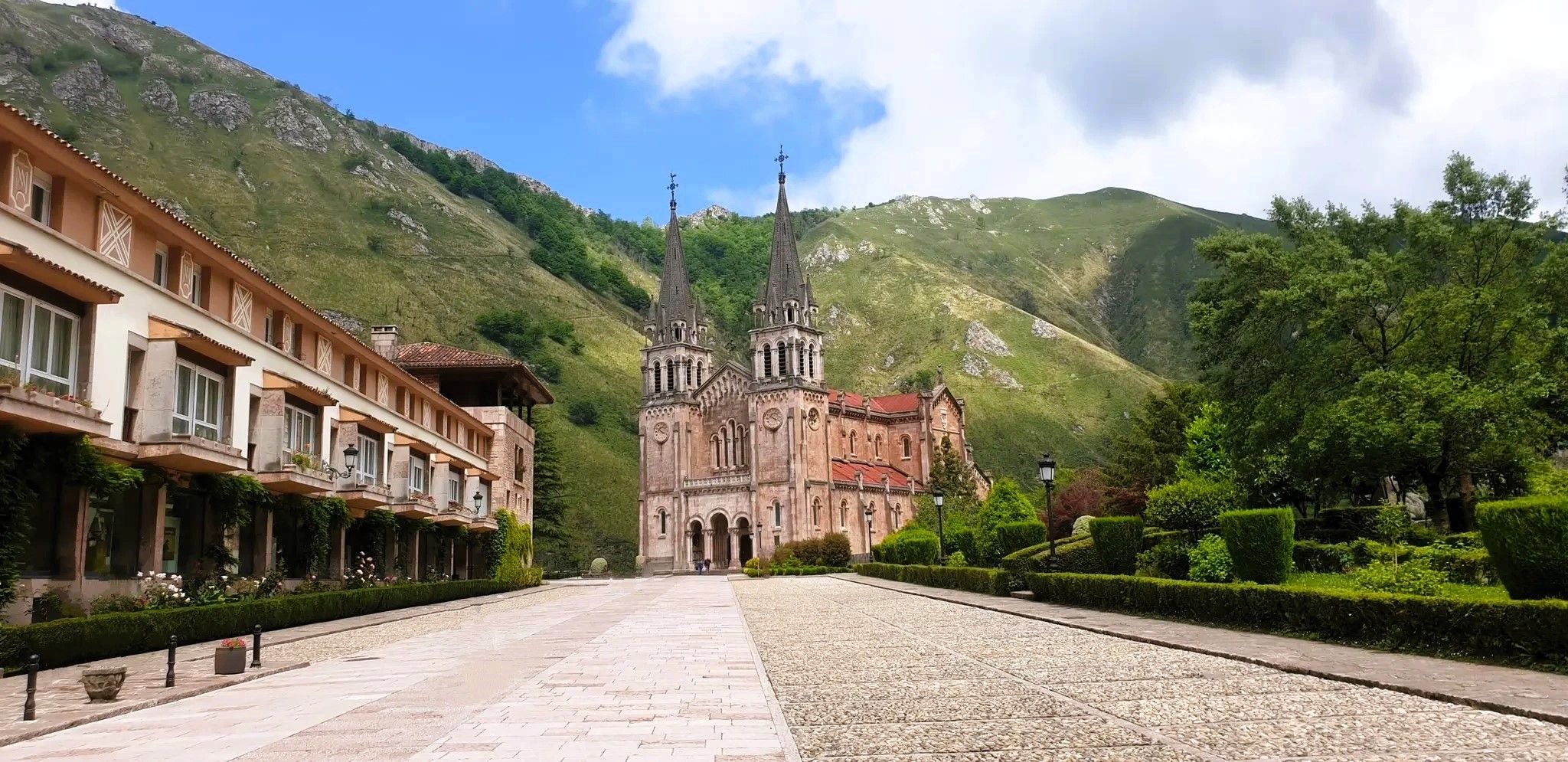
The other side of Asturias in Spain – Travesía Andariega (GR 108)
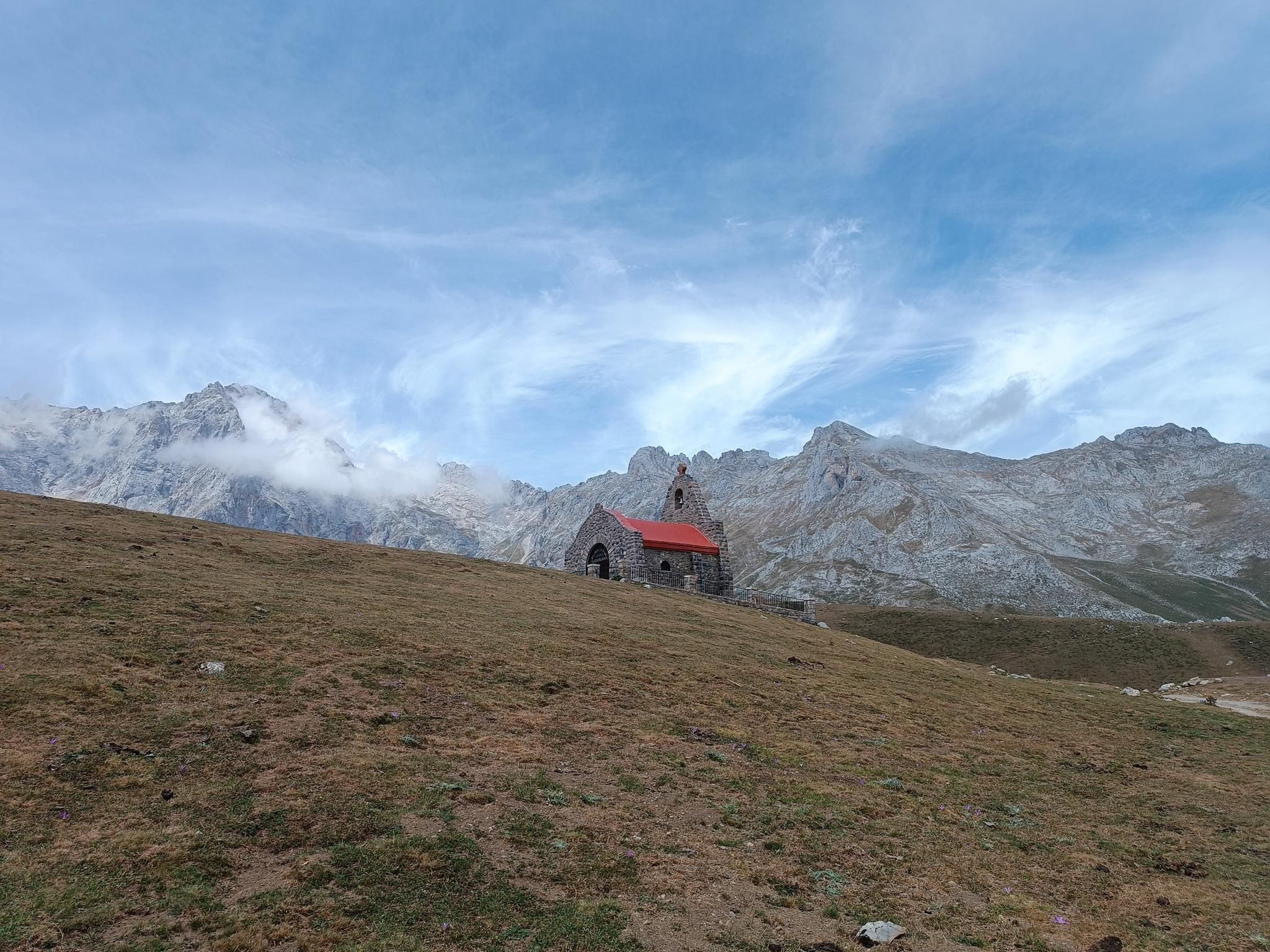
A pilgrimage to the peaks – Camino de los Santuarios
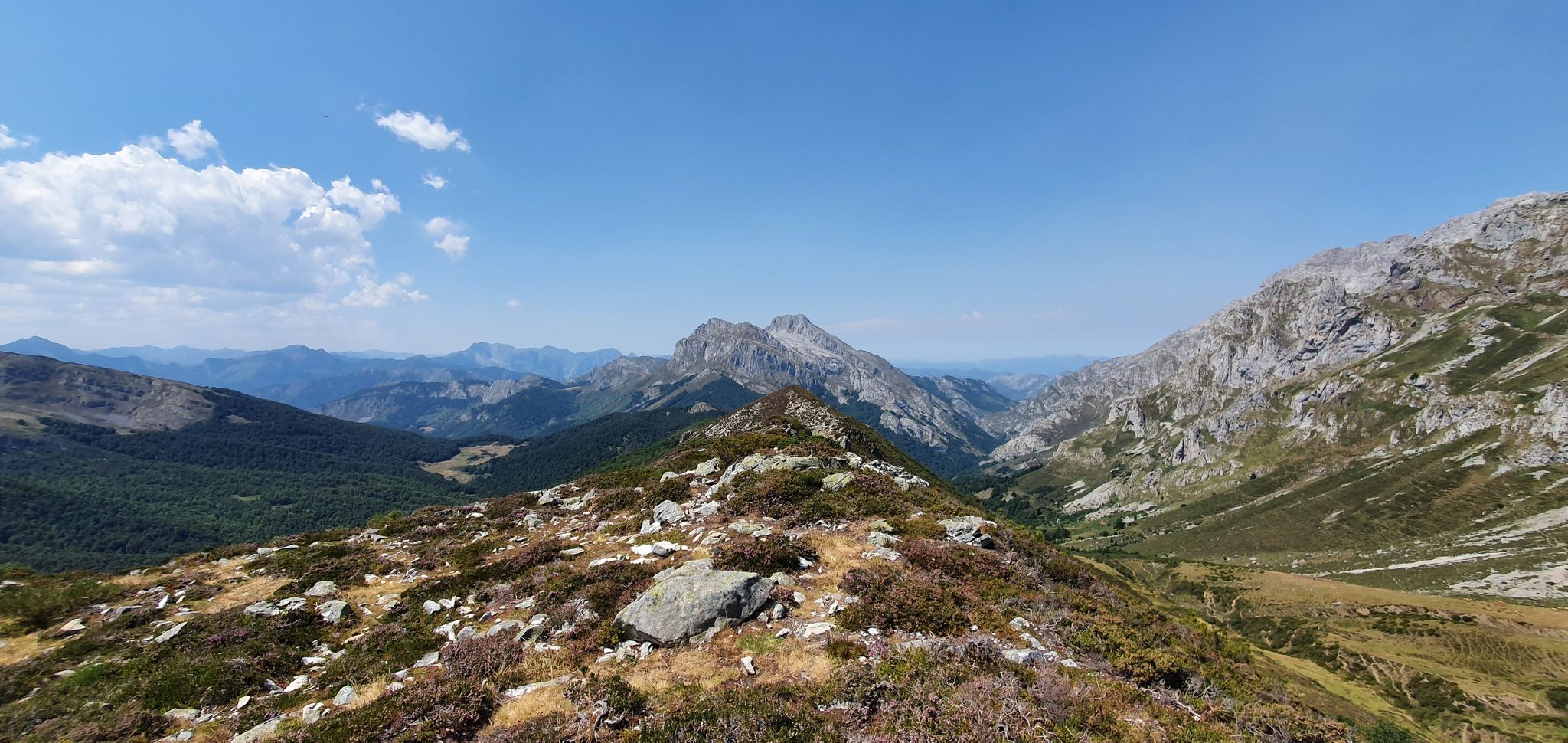
Four days hiking in Spain’s Picos de Europa – Anillo Vindio
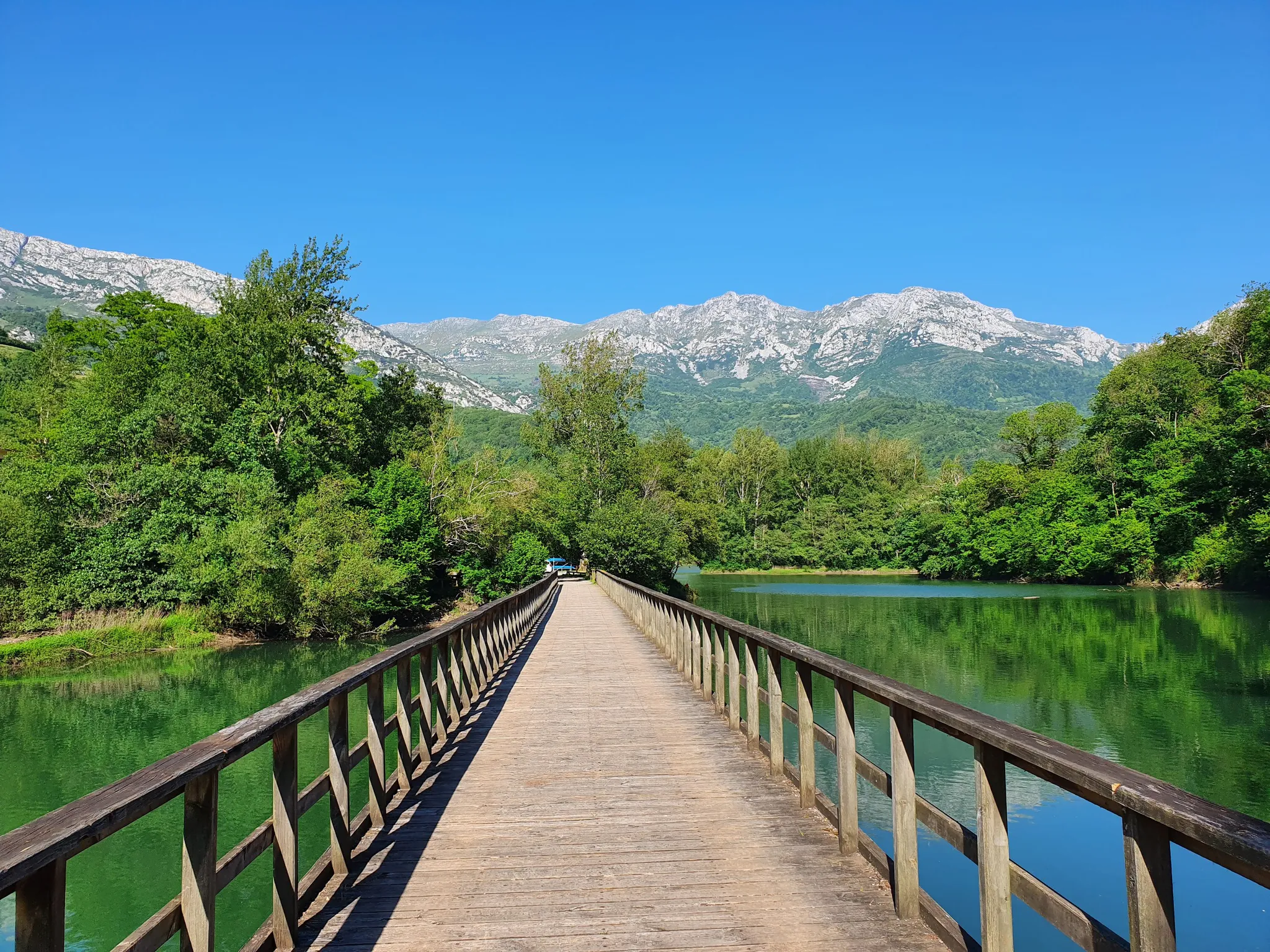
The secrets of the Cantabrian Mountains – GR 109 Asturias Interior
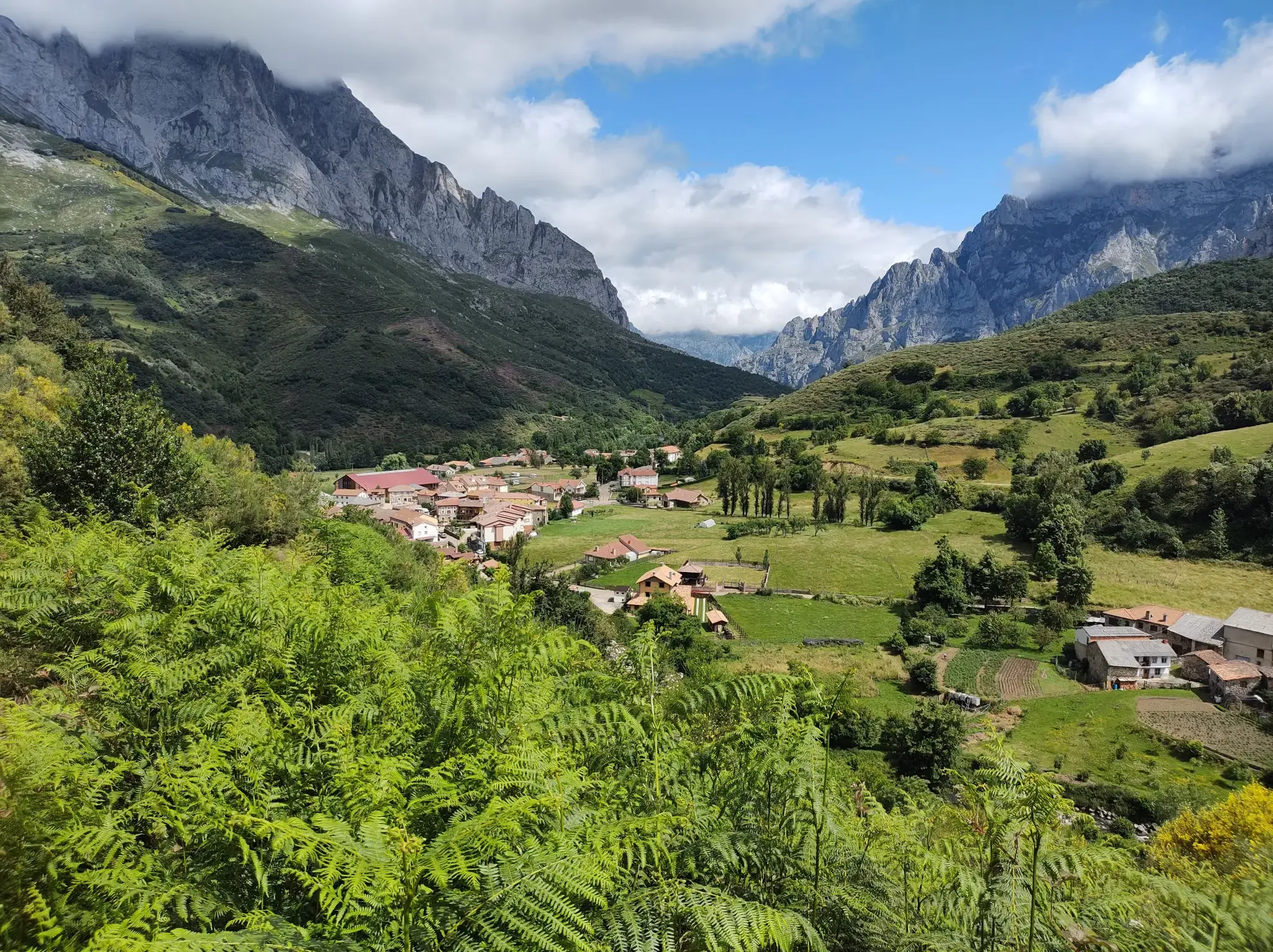
Hike Spain’s Picos de Europa – Ring of Peaks, Three Massifs
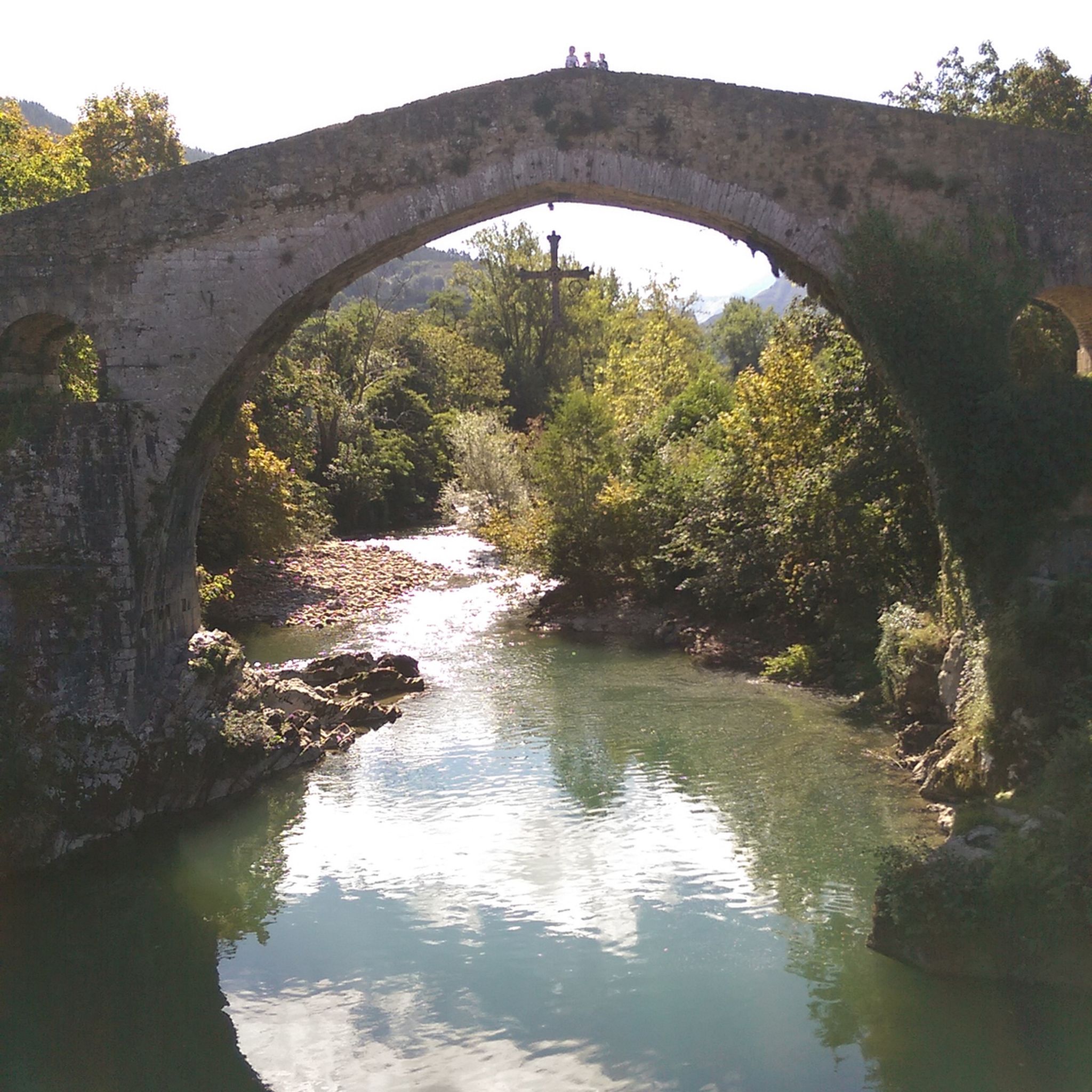
Hiking around Cangas De Onís
Other adventures around Cangas De Onís


Tips from the Community

The ascent of Pico Pienzu can be one of the most rewarding routes you'll find in the Asturian mountains. The contrast between sea and mountains at its summit will leave you speechless, and any route you choose for the climb will offer a fantastic day in the mountains.
0
0

The 4.2 km trail reaches Mofrechu Peak at an altitude of 872 meters above sea level. After ascending 425 m, there is a panoramic view of the bay of Ribadesella. The trail is designated as medium grade, but could be difficult after rains. Don't forget to bring warm clothes with you. The weather at the summit can be cold and windy.
1
0
In the Sueve there are two reference peaks: Pienzu, the highest, most famous and most traveled, and Miruenu, an almost twin peak, much less accessible, and logically almost deserted, but in my opinion much more beautiful and with the same or better views than from the Pienzu. EYE to the area marked as full of ticks.
3
0

La Cotorra, whose summit is at a modest altitude of 1,518 meters, is embraced by a beech forest. With its strategic location overlooking the Dobra River, you can enjoy breathtaking views.
2
0


The Jou de los Cabrones Refuge, in addition to being the one located at the highest altitude of all the Asturias refuges, is the most difficult to reach in the entire Spanish territory. His approaches from any place that is attempted are all difficult, for any of them we will always find a place where we will have to use our hands. For this reason, it makes it a special refuge, not only because of its views but also because of the sensation of arriving at a place in a unique enclave. If you want to reserve a room or meals, the contact telephone number is 650 780 381 and 985 925 200. You can also do it through www.reservarefugios.com. The summer season is the busiest in Picos so keep that in mind!
1
1
This beautiful viewpoint allows us to obtain a panoramic view of the Naranjo de Bulnes or Picu Urriellu. Just the area through which the beautiful hiking route to Bulnes from Poncebos runs. A town whose access is only on foot or by funicular and which has another of the best viewpoints of Picos de Europa.
0
0

Located in the Sierra de la Escapa, it is the highest peak in Ribadesella. It is one of the best viewpoints or natural balconies in the area. From its summit we have unbeatable views of the Bay of Biscay, the Cantabrian Mountains, the adjoining Sierras, Cuera and Sueve and especially the Central and Western Massif (Cornión and Urrieles) of the Picos de Europa.
1
0
Frequently Asked Questions
What are some of the most iconic mountain peaks to see near Cangas de Onís?
The region around Cangas de Onís, serving as a gateway to the Picos de Europa National Park, is home to several iconic peaks. Picu Urriellu, also known as Naranjo de Bulnes, is an international climbing icon with a distinctive shape. For those seeking panoramic views without extreme technical difficulty, Pienzu Peak offers spectacular vistas of the Asturian coast and the Picos de Europa.
Are there any easily accessible mountain peaks with great views for hikers of all levels?
Yes, for those looking for rewarding views without extreme technical difficulty, Pico Arbolín is noted for having an easy-to-walk path to its summit, offering beautiful views of Cangas de Onís and the wider Picos de Europa. Another excellent option is Torre de los Horcados Rojos, described as one of the most easily accessible peaks in the Picos de Europa, providing amazing 360-degree views from its top.
Which mountain peaks offer the most challenging ascents for experienced mountaineers?
For experienced mountaineers, Picu Urriellu (Naranjo de Bulnes) is a highly challenging climb, attracting climbers globally. Peña Santa de Castilla, the highest point in the Western Massif, also offers challenging ascents with incredible views over a vast expanse of the Picos de Europa. Additionally, Torre Cerredo, the highest peak in the entire Picos de Europa range, is a significant achievement for serious mountaineers, offering unparalleled 360-degree views.
What kind of views can I expect from the mountain peaks around Cangas de Onís?
The mountain peaks around Cangas de Onís offer diverse and spectacular views. From Mofrechu Peak, you can enjoy panoramic views of the Bay of Ribadesella, the Bay of Biscay, and the Picos de Europa. Pienzu Peak provides a unique contrast of sea and mountains, while Picu Urriellu Viewpoint offers a stunning panoramic view of the iconic Naranjo de Bulnes.
Are there any mountain refuges or huts available for overnight stays in the area?
Yes, the Jou de los Cabrones Refuge is located at the highest altitude of all Asturian refuges and is known for its unique enclave and views. It's a challenging but rewarding destination for an overnight stay. Reservations for rooms or meals can be made via phone or through reservarefugios.com, especially during the busy summer season.
What are the best times of year to visit the mountain peaks near Cangas de Onís?
The Picos de Europa region is generally best visited from late spring through early autumn (May to October) for hiking and mountaineering, when the weather is more stable and trails are clear of snow. Summer is the busiest season, especially for refuges. Winter hiking is possible but requires specialized gear and experience due to snow and ice conditions.
What outdoor activities can I do near these mountain peaks?
Beyond peak bagging, the area offers extensive outdoor activities. You can find numerous hiking trails, from moderate to difficult, including routes around the stunning Lakes of Covadonga. For cycling enthusiasts, there are challenging road cycling routes that explore the balconies of Picos de Europa. You can explore more options in the Mountain Hikes around Cangas De Onís guide or the Road Cycling Routes around Cangas De Onís guide.
Are there any family-friendly mountain walks or viewpoints near Cangas de Onís?
While many peaks offer challenging ascents, the area around Cangas de Onís also provides options for families. The trails around the Lakes of Covadonga (Enol and Ercina), easily accessible from Cangas de Onís, offer picturesque views and serve as starting points for many high-altitude trails, some of which are moderate and suitable for families. Pico Arbolín also offers an easy-to-walk path to its summit, making it a good option for a family day trip.
What natural features, besides the peaks, are prominent in the Picos de Europa National Park?
The Picos de Europa National Park, accessible from Cangas de Onís, is renowned for its dramatic alpine karst scenery. Beyond the spiky summits, you'll find deep canyons like the Cares Gorge, verdant slopes carved by glaciers, and stunning glacial lakes such as the Lakes of Covadonga (Enol and Ercina). The region also boasts diverse ecosystems, from lush valleys to rocky, high-alpine terrain, and is home to a variety of wildlife.
What is special about La Cotorra Summit?
La Cotorra Summit, at a modest altitude of 1,518 meters, is embraced by a beautiful beech forest. Its strategic location overlooking the Dobra River provides breathtaking views, making it a rewarding intermediate hike for those who appreciate forest scenery combined with panoramic vistas.
How can I access the Lakes of Covadonga from Cangas de Onís?
The Lakes of Covadonga are easily accessible from Cangas de Onís. During peak seasons and certain times of the year, private vehicle access is restricted, and visitors must use public transport (buses) from Cangas de Onís or Covadonga to reach the lakes. This system helps manage visitor numbers and preserve the natural environment.
What should I wear when hiking in the mountains around Cangas de Onís?
When hiking in the Picos de Europa mountains, it's crucial to be prepared for varying weather conditions. Always wear layers, including moisture-wicking base layers, insulating mid-layers, and a waterproof and windproof outer shell. Sturdy hiking boots with good ankle support are essential. Don't forget sun protection, a hat, gloves, and warm clothes, as the weather at summits can be cold and windy even in summer.
Most popular routes around Cangas De Onís
Most popular attractions around Cangas De Onís

Get inspired with the komoot mobile app


Explore more
See even more amazing summits around Cangas De Onís with these guides:
