The best traffic-free bike rides around Cangas De Onís
4.7
(141)
10,935
riders
19
rides
Road cycling around Cangas De Onís offers diverse terrain within Asturias, Spain, characterized by its mountainous landscapes, river valleys, and proximity to the Picos de Europa National Park. The region features a mix of steady climbs, winding roads, and scenic routes alongside the Sella River. Limestone peaks and verdant valleys provide a varied backdrop for no traffic road cycling routes.
Best no traffic road cycling routes around Cangas De Onís
- The most popular no traffic road cycling route is Ribadesella…
Last updated: October 13, 2026
4.0
(4)
186
riders
Moderate road ride. Good fitness required. Mostly well-paved surfaces and easy to ride.
4.8
(4)
490
riders
30.4km
02:16
1,140m
1,140m
Hard road ride. Very good fitness required. Some segments of this route may be unpaved and difficult to ride.

4.5
(2)
259
riders
24.2km
01:53
1,030m
1,030m
Hard road ride. Very good fitness required. Mostly well-paved surfaces and easy to ride.
5.0
(4)
81
riders
53.1km
02:47
910m
910m
Hard road ride. Very good fitness required. Mostly well-paved surfaces and easy to ride.
50
riders
Hard road ride. Very good fitness required. Mostly well-paved surfaces and easy to ride.
Get access to more routes and recommendations from other explorers.
Already have an account?
Our route recommendations are based on thousands of hikes, rides, and runs completed by other people on komoot.
Start today with a free account
Your next adventure awaits.
Popular around Cangas De Onís
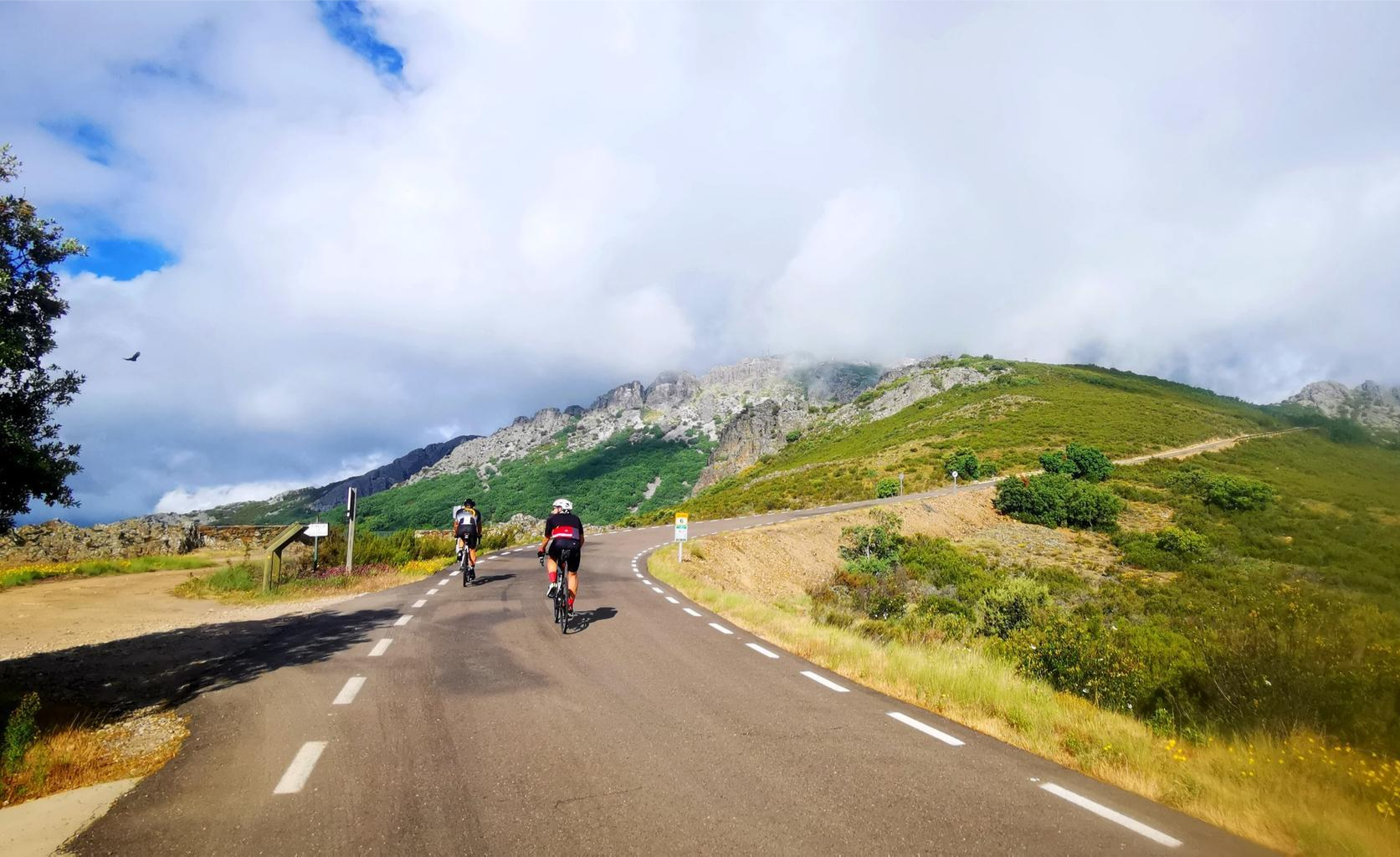
Legendary climbs - Ports of La Vuelta a España
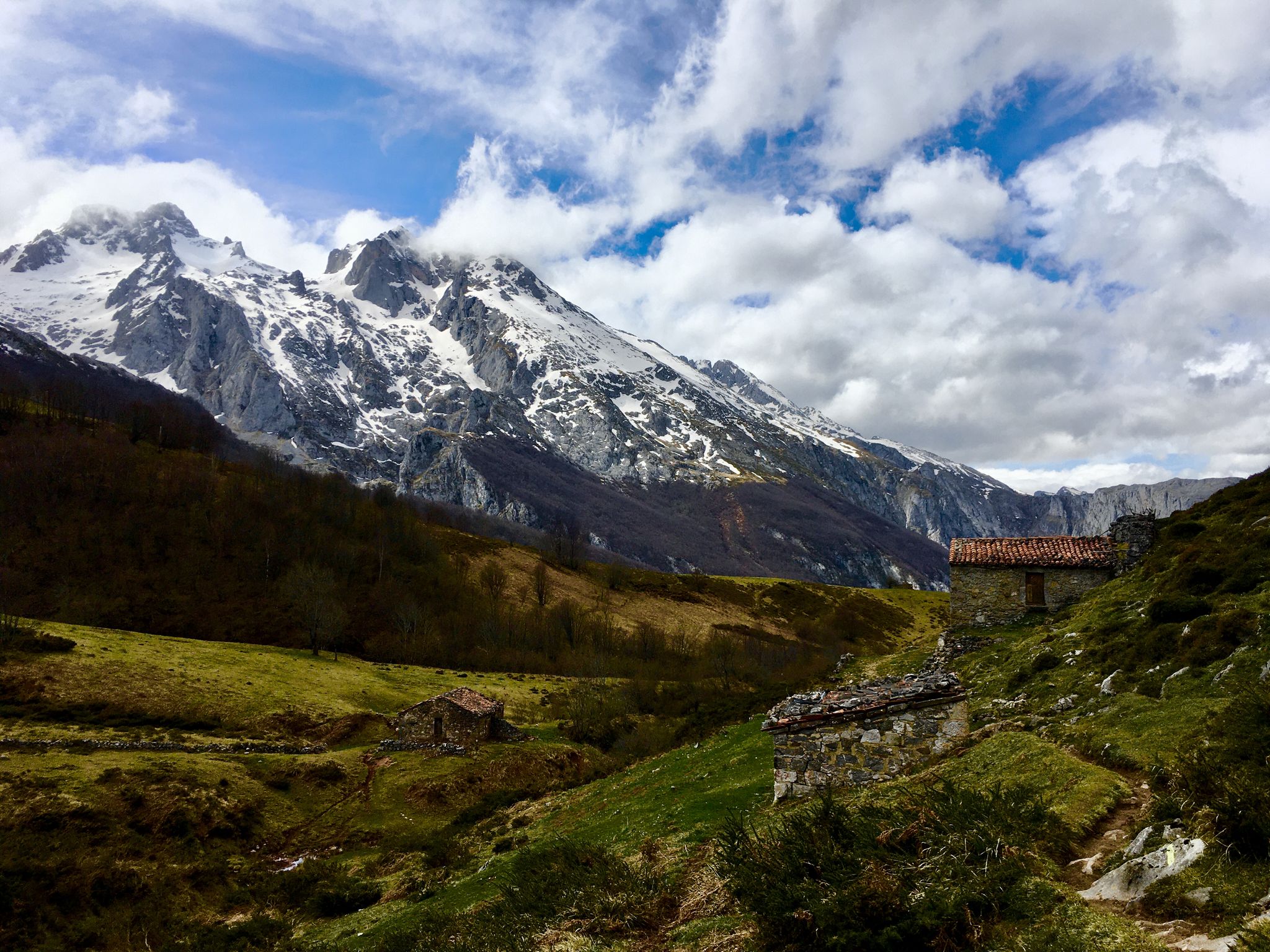
Route of the Reconquest (GR 202) – In the footsteps of an army
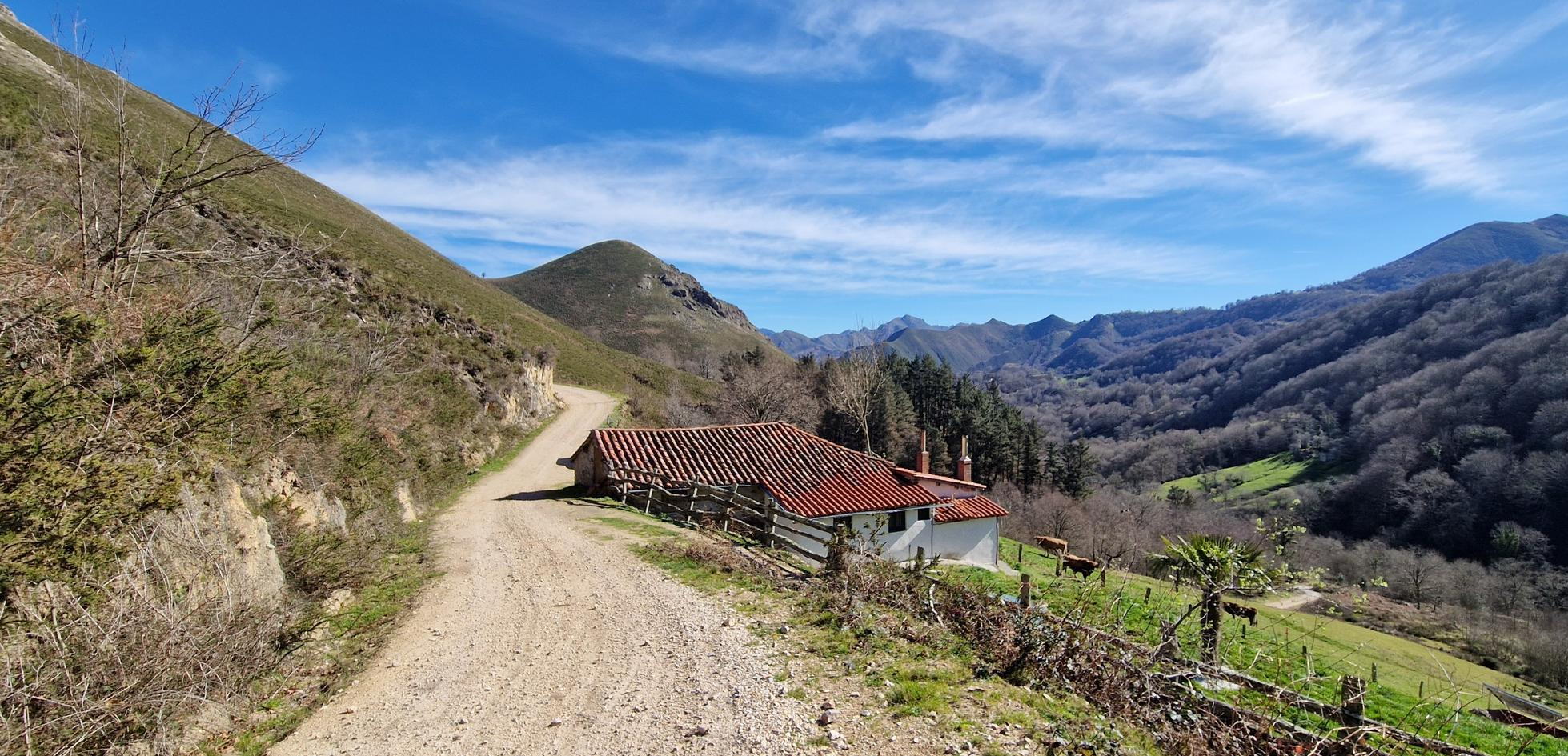
Unknown Paths of Asturias — GR Pilgrimage Route (105)
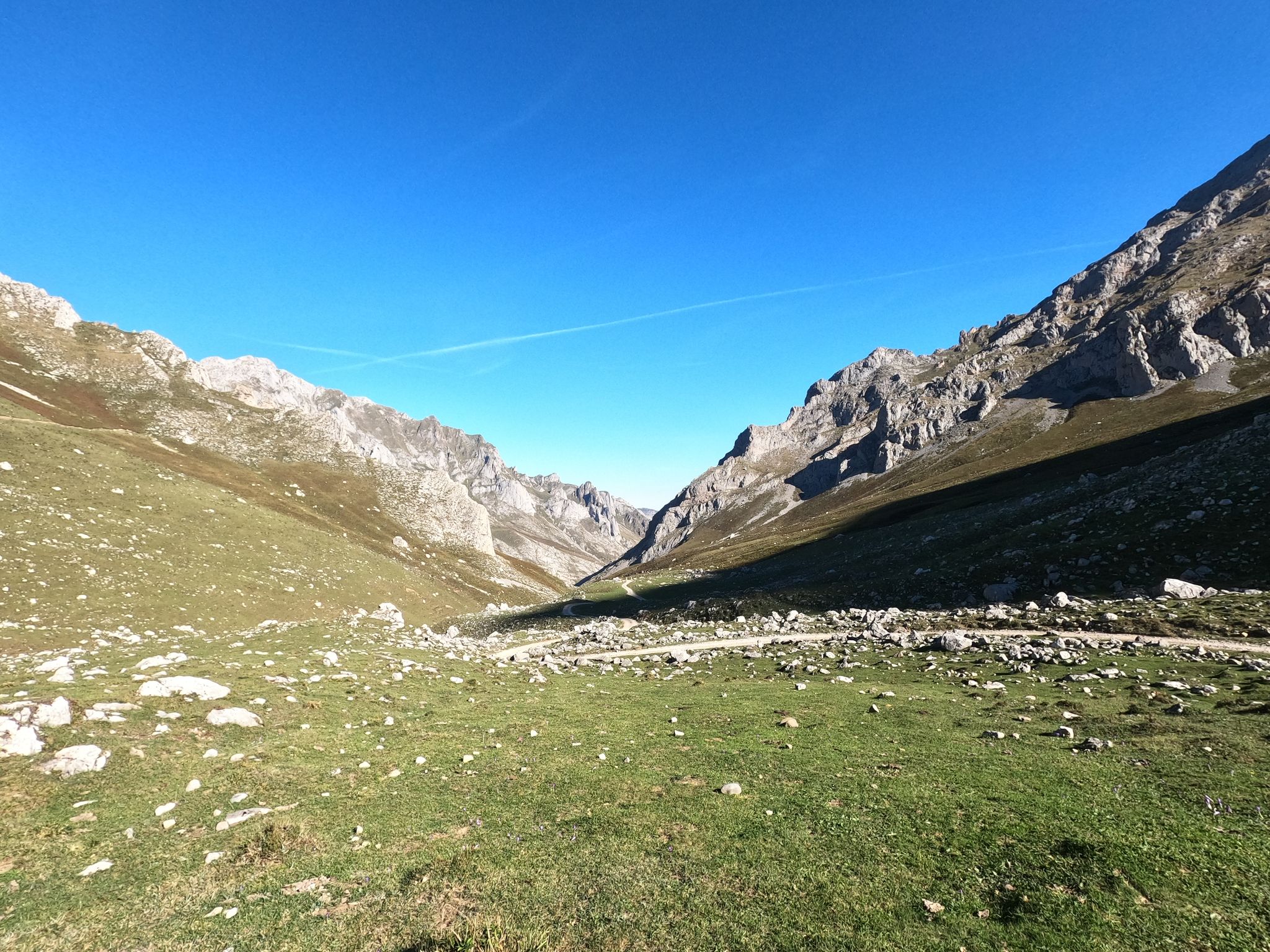
From statue to statue – Reconquista Challenge
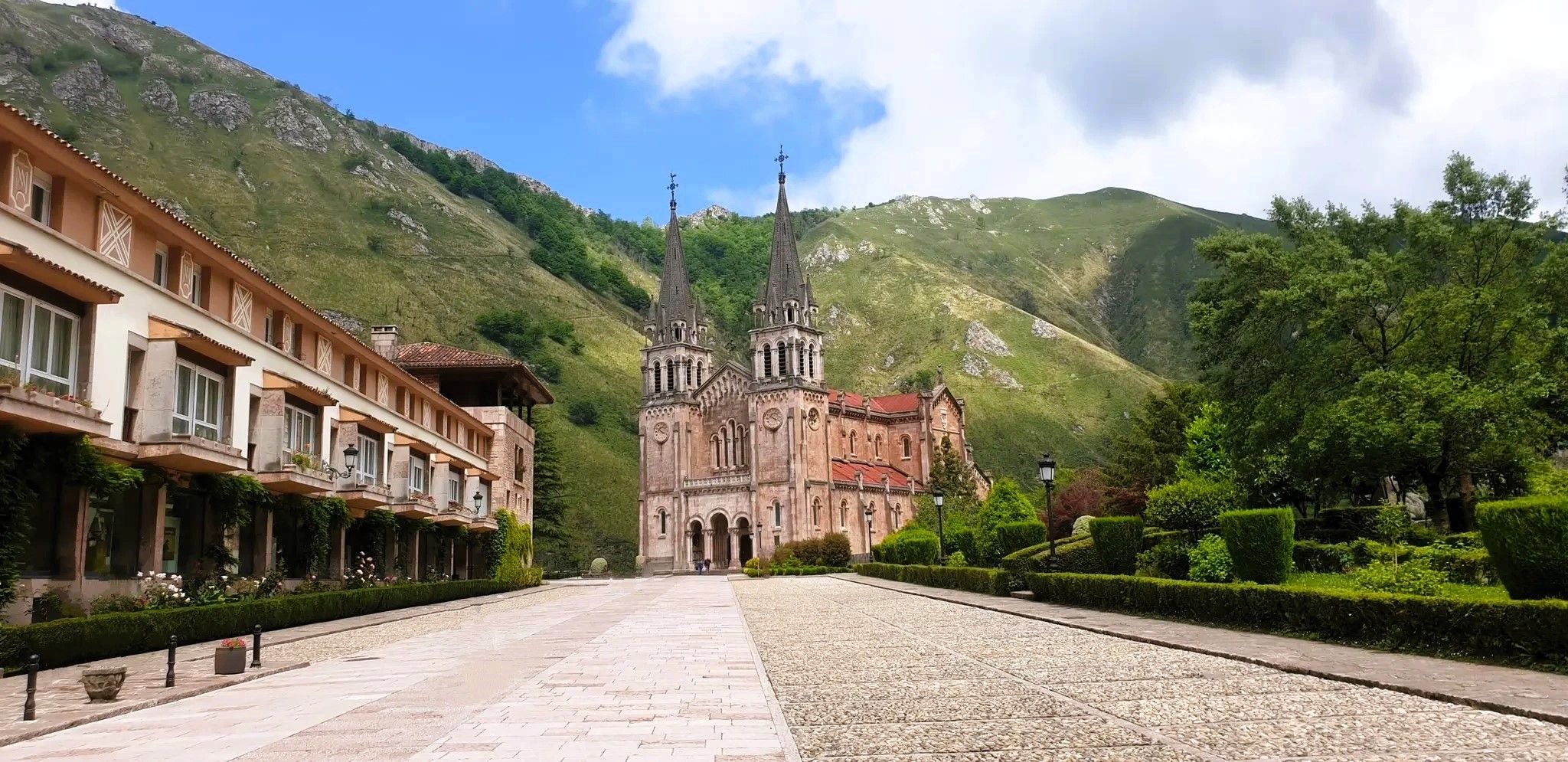
The other side of Asturias in Spain – Travesía Andariega (GR 108)
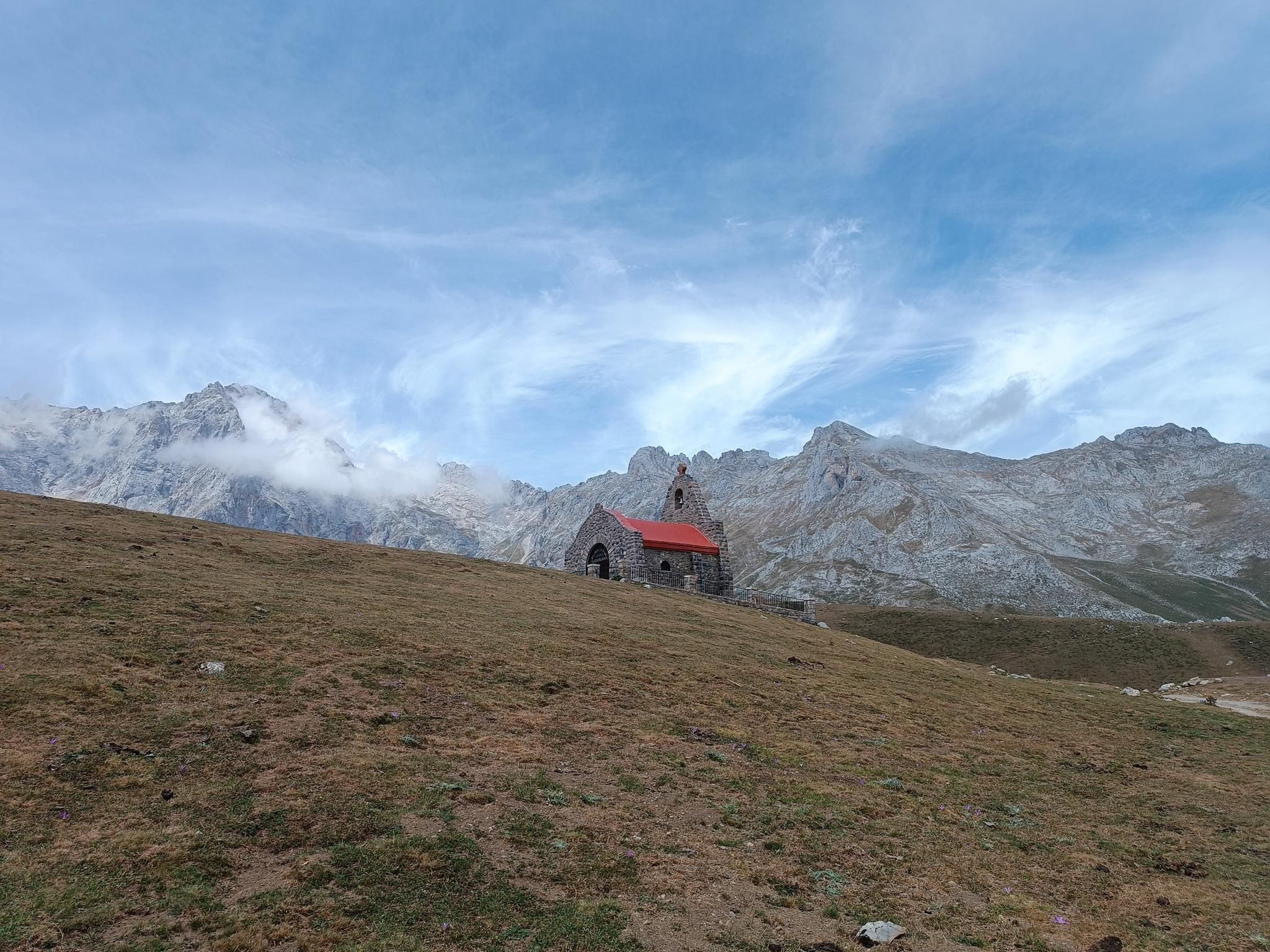
A pilgrimage to the peaks – Camino de los Santuarios
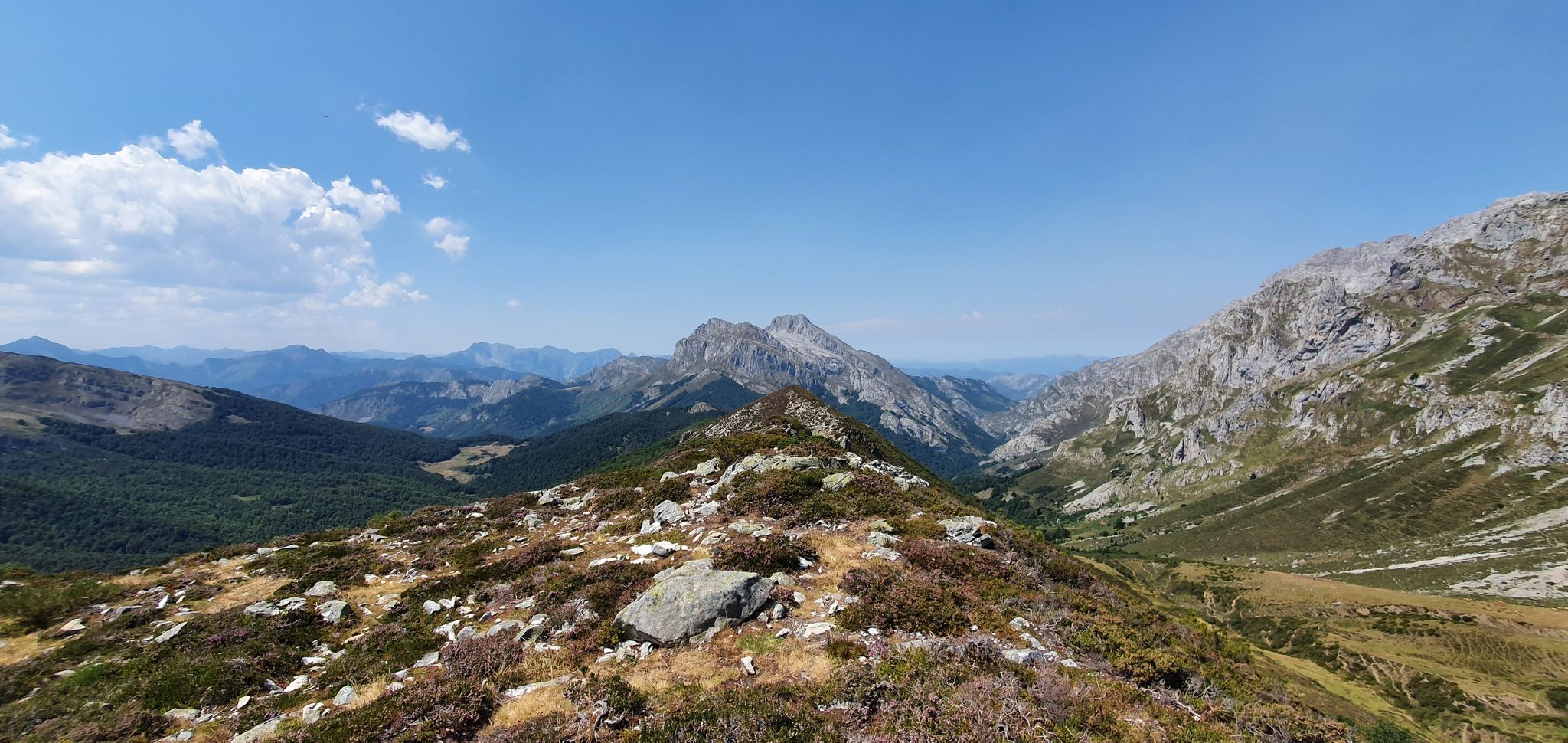
Four days hiking in Spain’s Picos de Europa – Anillo Vindio
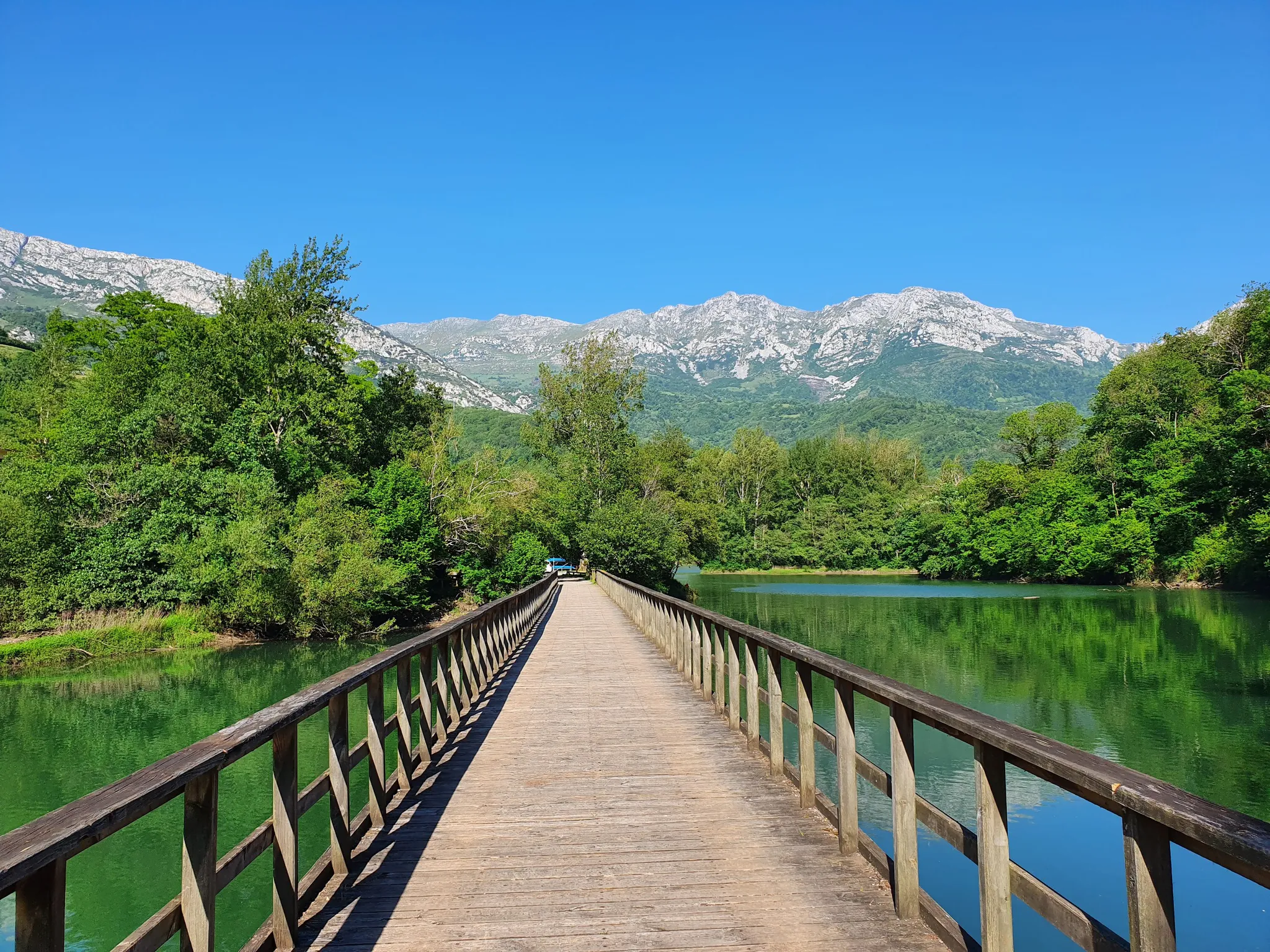
The secrets of the Cantabrian Mountains – GR 109 Asturias Interior
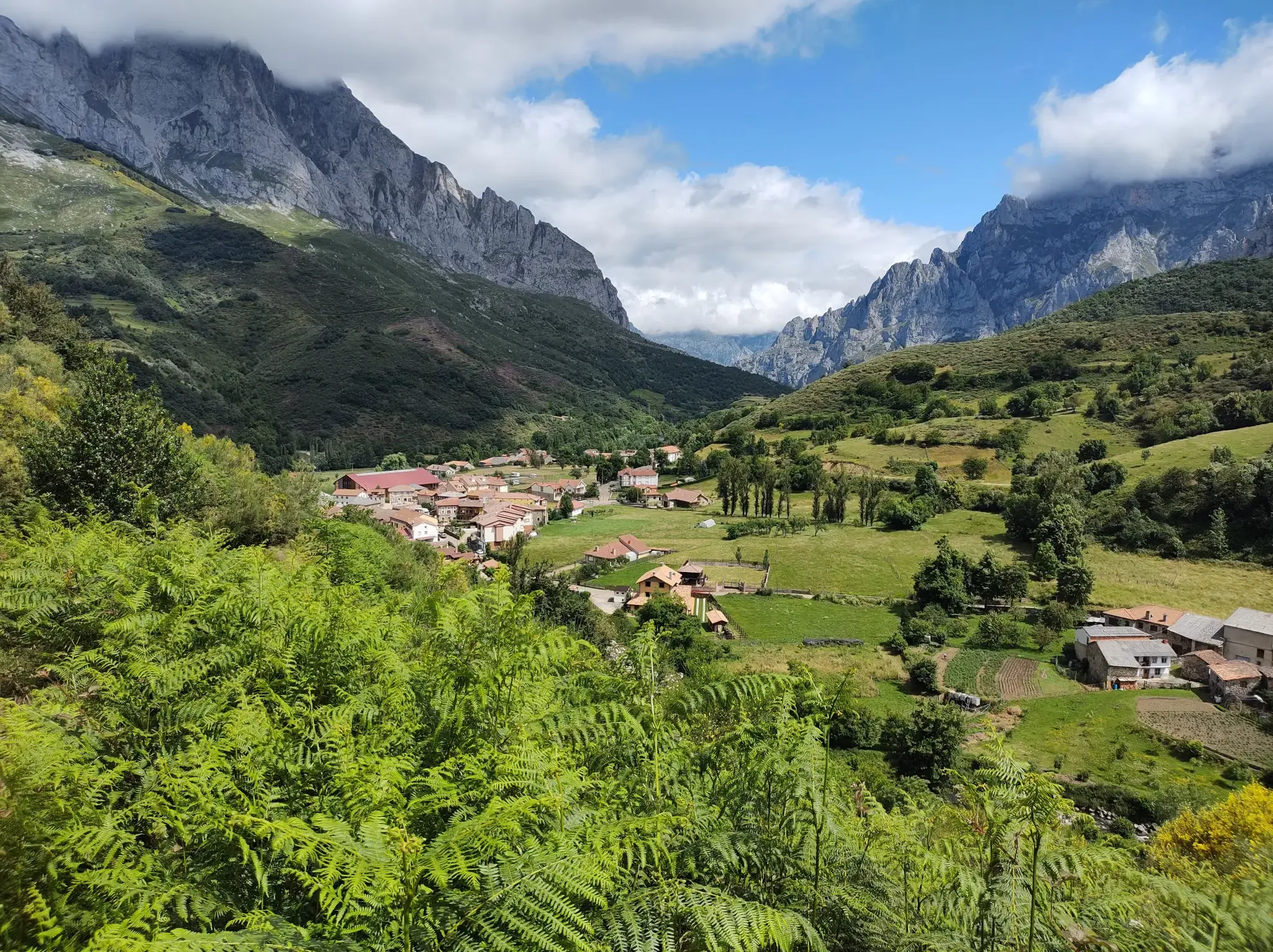
Hike Spain’s Picos de Europa – Ring of Peaks, Three Massifs

Traffic-free bike rides around Cangas De Onís
Other adventures around Cangas De Onís


Tips from the Community

On this secondary road, at a certain point, you come across this small church in a wonderful position in a cove on the coast. In the morning with the first light of the sun, it is very striking.
0
0

Lake Enol is the largest of the famous Covadonga lakes. It is located in the municipality of Cangas de Onís, in the heart of the Picos de Europa National Park in Asturias. Altitude: It is located 1,070 meters above sea level. Dimensions: It is 750 meters long and has a maximum depth of about 25 meters. This differentiates it from its neighbor, Lake Ercina, which is much shallower. Origin: It is a glacial lake with crystalline waters in emerald green tones. The submerged Santina: At its bottom rests a figure of the Virgin of Covadonga. Every September 8th (Asturias Day), a group of divers retrieves it to carry it in procession.
0
0
Ascent to the Lagos de Covadonga: Distance: About 14 kilometers from the village or sanctuary of Covadonga to Lake Ercina. Elevation gain: Around 1014 meters of climbing with an average gradient close to 7.4%. La Huesera: The most famous and difficult section, with 1.5 kilometers at 12% and maximum peaks of 15%. Tips for the Ascent Pace: Save your energy for the second half, as the first kilometers through the forest are demanding but steady (7% to 10%). Gearing: Bring a generous cassette with comfortable gears so you don't suffer too much on the double-digit gradients. Weather: The weather changes quickly in the mountains; check the sky before you leave and adjust your clothing accordingly.
0
0

On June 12, 1987, one of the greatest tragedies in the history of the Picos de Europa occurred. A Civil Guard helicopter was flying over the Lakes of Covadonga in a large-scale operation to find Germán Quintana, a 13-year-old boy who had disappeared days earlier. Difficult conditions and dense fog caused the aircraft to collide with the slope of the Sohornín peak, crashing near the road that connects the Enol and Ercina lakes. All seven occupants died in the accident: four Civil Guard officers and three canine guides from the Ertzaintza who had joined the search as volunteers with their dogs. Tragically, the boy was never found. This double tragedy shocked the country, and the rescuers are still remembered today with this stone monument erected at the site of the crash.
0
0
It's better to stop to see it on your way back to the sanctuary.
0
0
Also known as La peña del Elefante, or Elefante de Teon.
0
0
Ideal for a cycling holiday, with great and famous peaks nearby like the Lagos de Covadonga. Essentially sea and mountain within a distance of less than 5 km and a lot of atmosphere.
0
0

Ribadesella is one of those Asturian villages that steal your heart. The Sella River divides it in two and on each side there is something to see: the port, the old town, the houses of the indianos and a breathtaking beach. Just below the cliffs is the Tito Bustillo cave, with cave paintings declared a World Heritage Site.
1
0
Frequently Asked Questions
How many no-traffic road cycling routes are available around Cangas de Onís?
There are over 20 dedicated no-traffic road cycling routes around Cangas de Onís, offering a variety of experiences for different skill levels. These routes allow you to explore the stunning Asturian landscape without the distraction of vehicular traffic.
What is the best time of year for no-traffic road cycling in Cangas de Onís?
The Picos de Europa region, including Cangas de Onís, is ideal for road cycling during spring and autumn. These seasons offer pleasant temperatures and less crowded routes compared to the peak summer months. While summer is popular, some iconic climbs like Lagos de Covadonga have car traffic restrictions during July and August, which can enhance the cycling experience by reducing vehicle presence.
Are there any challenging no-traffic road cycling routes for experienced riders?
Yes, Cangas de Onís is a gateway to some truly challenging climbs. For instance, the route from Cangas de Onís to the Holy Cave of Covadonga and Queen's Viewpoint offers a significant ascent of over 1100 meters over 30 km, making it a difficult but rewarding ride. The region is known for its mountainous terrain, providing ample opportunities for experienced cyclists to test their limits on routes with minimal traffic.
Can I find family-friendly no-traffic road cycling routes in the area?
While many routes in the Picos de Europa are challenging, there are options that can be adapted for families, especially those with some cycling experience. The focus on 'no traffic' routes inherently makes them safer for families. For easier rides, consider exploring flatter sections along river valleys or coastal paths, which can be found in the broader region surrounding Cangas de Onís, such as the coastal loops near Ribadesella.
What kind of landmarks and viewpoints can I expect to see along these routes?
The no-traffic road cycling routes around Cangas de Onís are rich with natural beauty and historical sites. You can expect breathtaking views of the Picos de Europa National Park, including the iconic glacial Lakes of Covadonga (Lake Enol and Lake Ercina). Historical landmarks like the Roman Bridge in Cangas de Onís and the Sanctuary of Covadonga are often accessible or visible from routes. The Mirador de la Reina, for example, offers spectacular panoramic vistas.
Are there any circular no-traffic road cycling routes available?
Yes, many of the no-traffic road cycling routes around Cangas de Onís are designed as circular loops, allowing you to start and end in the same location. An example is the Ribadesella Town Center – San Antolín de Bedón Beach loop from Ribadesella, which offers a moderate ride with coastal views. These circular routes are convenient for exploration and return to your starting point.
What do other road cyclists enjoy most about cycling in Cangas de Onís?
The komoot community highly rates the road cycling experience in Cangas de Onís, with an average score of 4.85 stars. Reviewers often praise the stunning natural beauty of the Picos de Europa, the challenging yet rewarding climbs, and the opportunity to ride on quiet, traffic-free roads. The diverse landscapes, from mountainous ascents to coastal views, are frequently highlighted as major attractions.
Are there any less crowded no-traffic road cycling routes?
While popular routes like the ascent to Lagos de Covadonga can see more cyclists, especially during events or peak season, the region offers many less-trafficked roads. Exploring routes that venture slightly off the most famous climbs or choosing shoulder seasons (spring/autumn) can lead to a more serene cycling experience. The extensive network means you can often find quieter alternatives that still offer beautiful scenery and minimal vehicle presence.
What are the typical distances and elevations for no-traffic road cycling routes here?
The routes vary significantly. You can find moderate rides like the Ribadesella Town Center – San Antolín de Bedón Beach loop from Cueves, covering about 48 km with over 500 meters of elevation gain. For more difficult challenges, routes can exceed 30 km with over 1100 meters of climbing, such as the loop to the Holy Cave of Covadonga. The region caters to a wide range of preferences, from shorter, less strenuous rides to demanding mountainous ascents.
Are there any specific attractions or natural features to look out for near the routes?
Absolutely. Beyond the cycling, the area boasts incredible natural features. The Sella River, flowing through Cangas de Onís, is a hub for water sports and contributes to the lush green valleys. The Picos de Europa National Park itself is a biosphere reserve with dramatic limestone peaks and deep gorges. You might also encounter unique geological formations like La Cuevona of Cuevas del Agua or the stunning Cuevas del Mar Beach if your route takes you towards the coast.
Is parking available for accessing these no-traffic road cycling routes?
Yes, Cangas de Onís and surrounding towns like Ribadesella and Arriondas typically offer parking facilities, often near the starting points of popular routes. It's advisable to check local parking regulations, especially during peak tourist seasons, as some areas within the Picos de Europa National Park may have restricted access or require specific parking arrangements. Public transport options are also available to reach some starting points.
Most popular routes around Cangas De Onís
Most popular attractions around Cangas De Onís

Get inspired with the komoot mobile app


Explore more
Browse the best Road cycling routes in other regions.
