Attractions and Places To See around Tineo - Top 20
Best attractions and places to see around Tineo include a mix of historical sites, cultural landmarks, and natural features. Located in Asturias, Spain, Tineo is known for its connection to the Camino de Santiago and its diverse landscapes. The region features significant historical architecture, ancient monuments, and protected natural areas like river gorges and ancient trees. Visitors can explore a range of environments from mountain passes to fishing villages.
Best attractions and places to see around Tineo
- The most popular…
Last updated: May 9, 2026
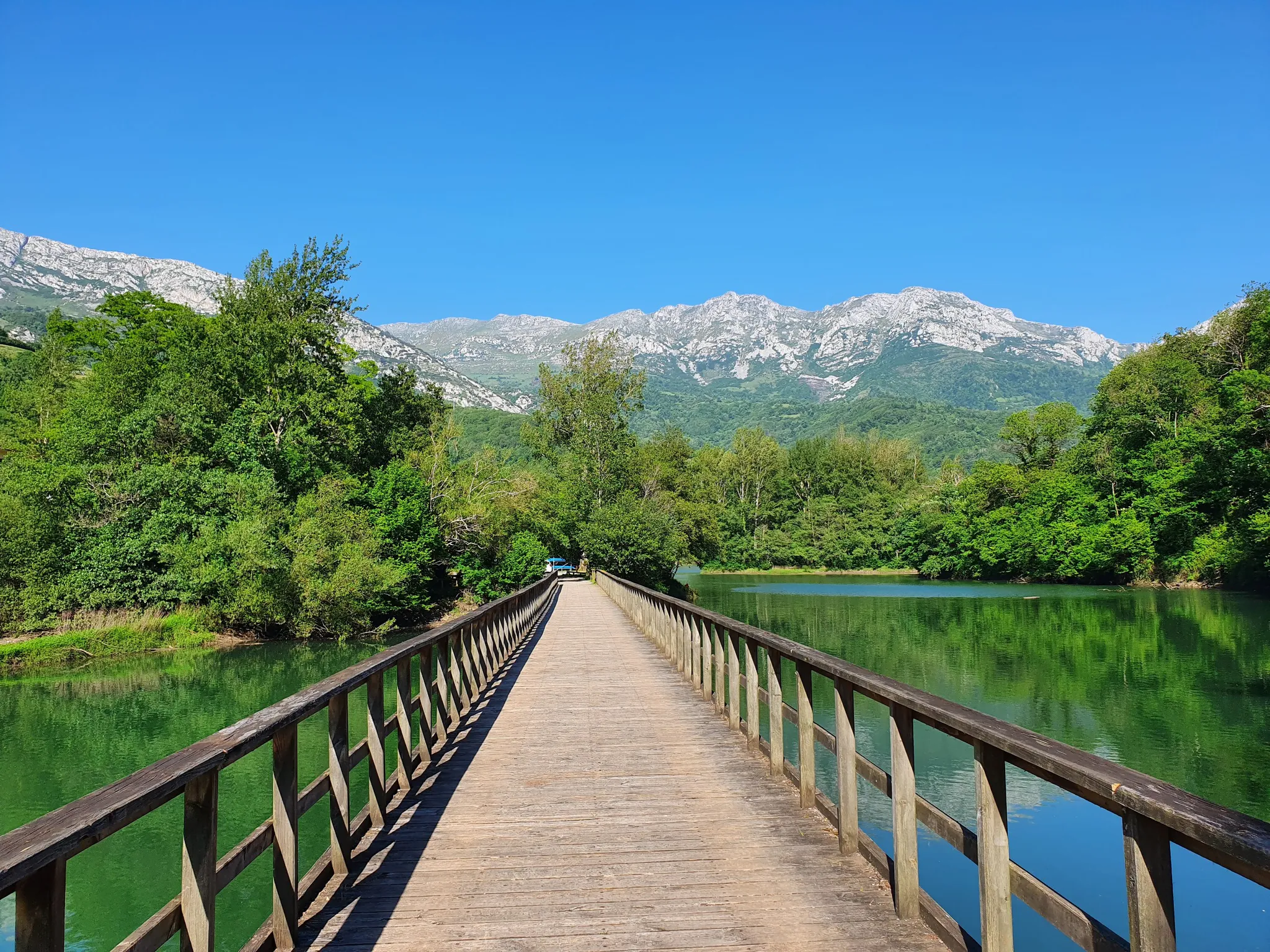
Luarca
Highlight • Settlement
Translated by Google •
Tip by

Collegiate Church of St. Mary Major in Salas
Highlight • Religious Site
Translated by Google •
Tip by

Sign up now to discover places like this
Get recommendations on the best single tracks, peaks, & plenty of other exciting outdoor places.
Sign up for free
Ruins of the Fonfaraón Hospital
Highlight • Historical Site
Translated by Google •
Tip by

Hermitage of San Roque of Tineo
Highlight • Religious Site
Translated by Google •
Tip by
Alto de La Marta
Highlight • Mountain Pass
Translated by Google •
Tip by
Sign up for free to discover even more attractions around Tineo.
Sign up for free
Already have an account?
Start today with a free account
Your next adventure awaits.
Login or Signup


Tips from the Community

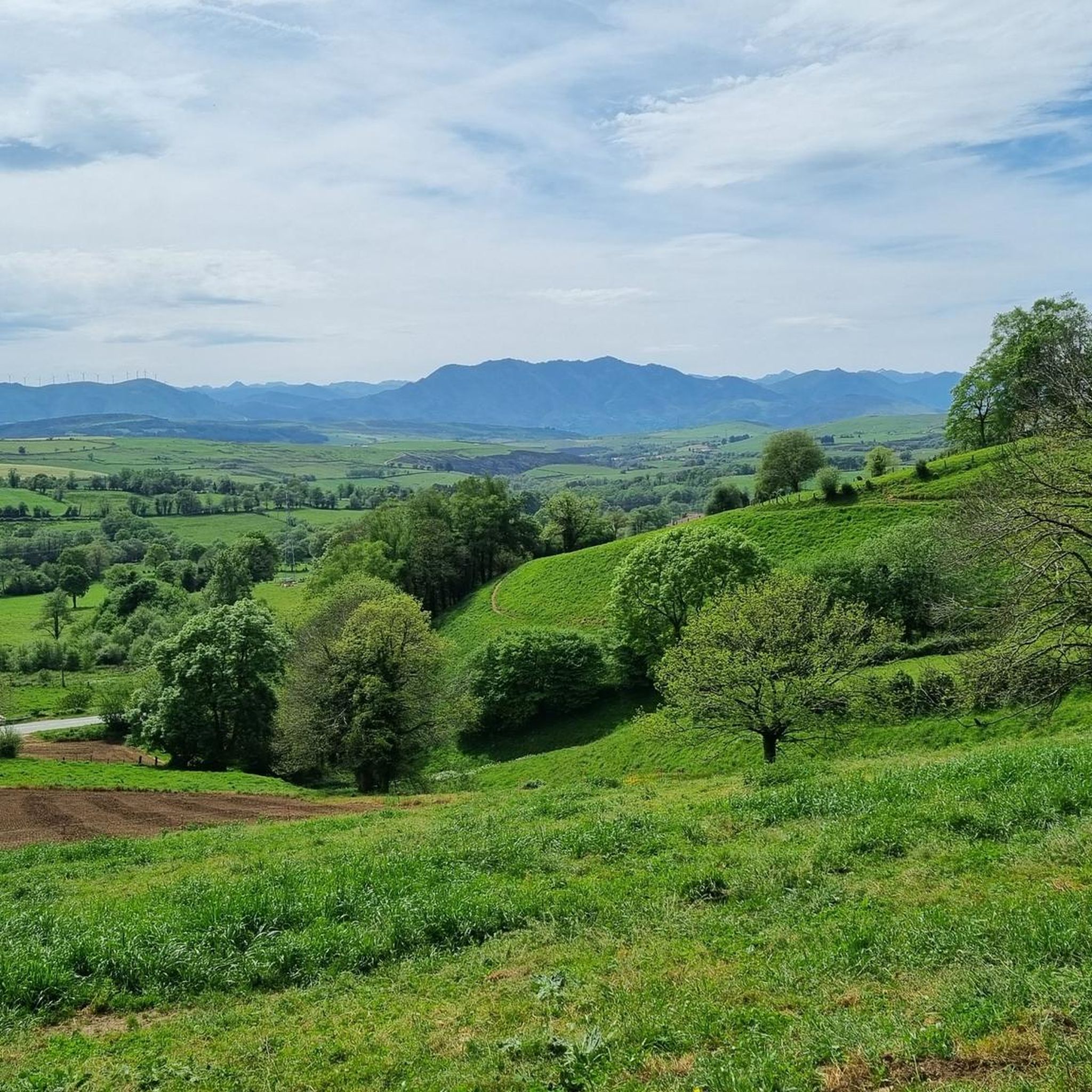
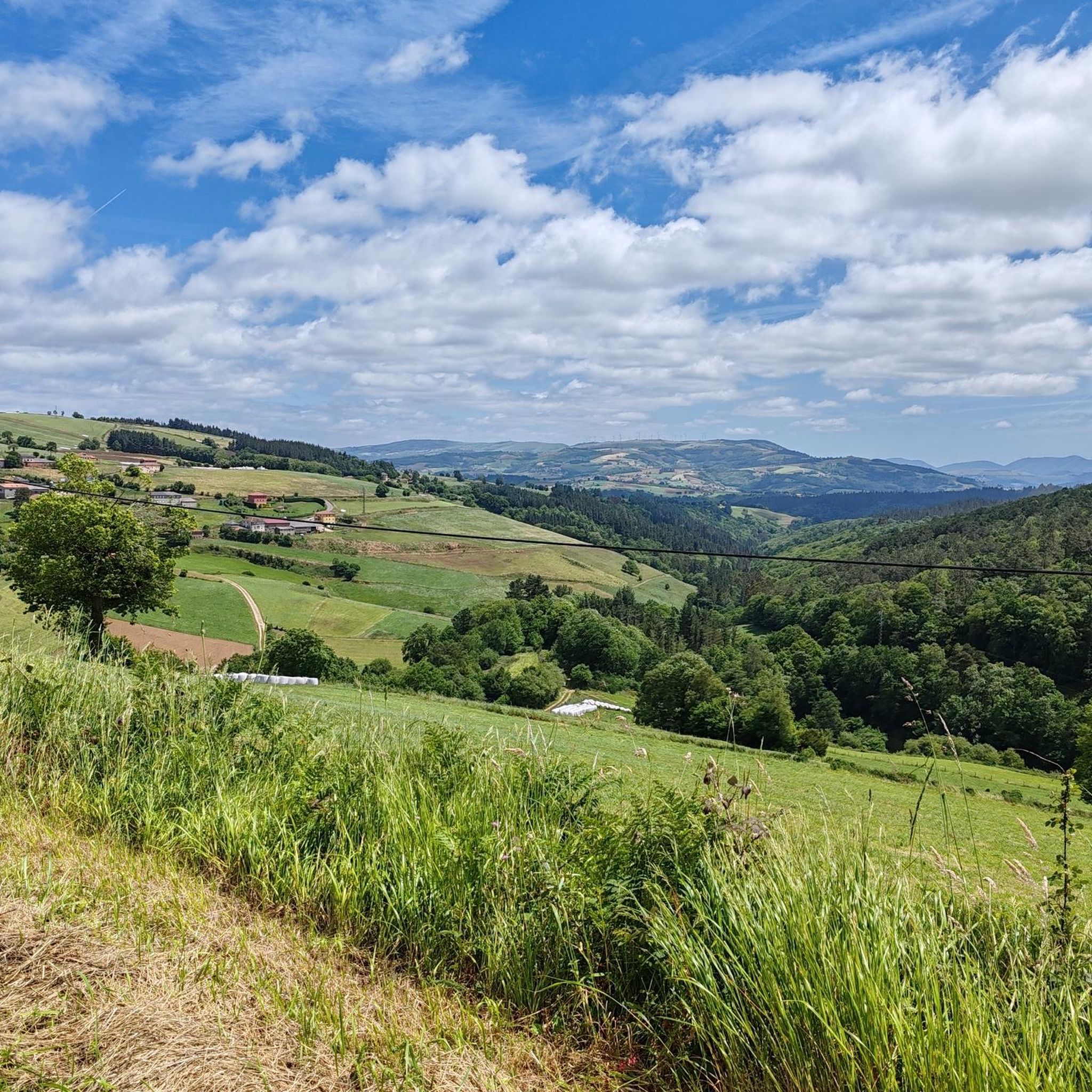
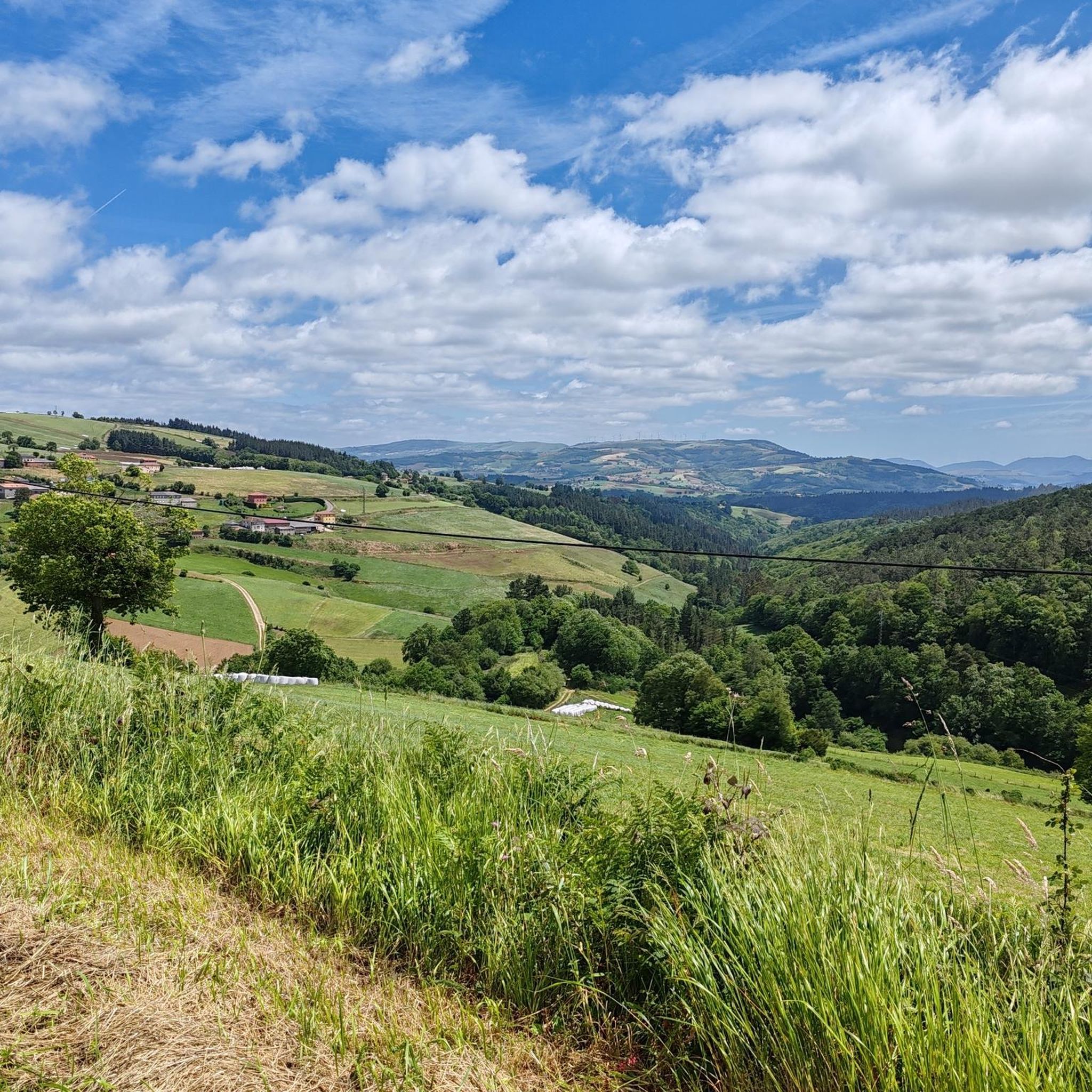
One of the great Asturian mountain passes, without a doubt. Generally unknown to the general public, it's rarely used in professional races. It has two clearly distinct slopes. The southern slope, which begins in Pola de Allande, is gentle and steady, along a road in good condition. It shares much of its climb with Puerto del Palo, which it turns off from just 3 km from the summit of Puerto de la Marta. The northern slope, which comes from Villayon, is uneven, with very tough sections and several rest stops and descents. It reminds me a lot of the Croix-de-Fer from Sant Jean de Maurienne, not because of the landscape, but because of the type of pass.
0
0

This one shelter was used to change clothes on our tour (with storms and wind).
0
1

Right next to the field there is a fountain and also a bar to get a good supply
0
0
Next to the chapel there is a fountain with very good water and also a bar where you can stock up on supplies.
0
0
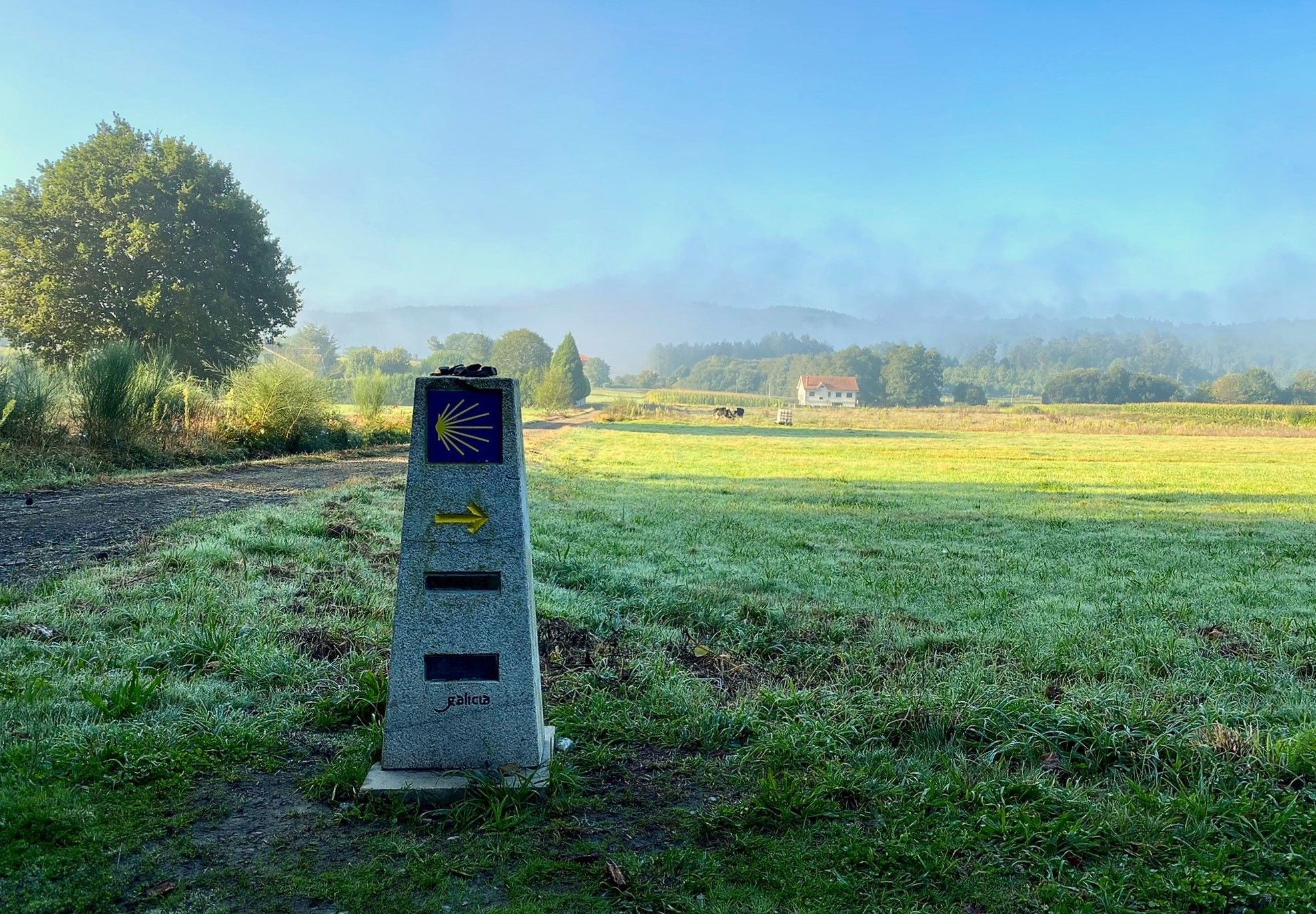
The Chapel of San Roque is located near Tineo, in the well-known Campo de San Roque, one kilometer from the town of Tineo, at 720 meters above sea level. According to tradition, this chapel, dedicated to the saint after whom it is named, was founded by the saint himself, although it is more likely that it was built by French pilgrims on their way to Compostela. Its founding date is believed to be the late 12th century. Renovated and rebuilt on several occasions, it nevertheless retains traces of its Romanesque construction, with barrel vaults and four buttresses that give it a very robust appearance. The doorway, with ashlars forming a perfect semicircular arch, is in a sober, rustic style, consistent with all the rural chapels in the municipality. It has a barrel vault and four exterior buttresses, which give it great strength. The doorway is made of ashlars that form a perfect semicircular arch. The curved tile roof, Arabic style, is finished
0
0
Highly recommended, it can be done together with the Palo departing from Pola, the Marta is shorter but with a steeper slope
0
0

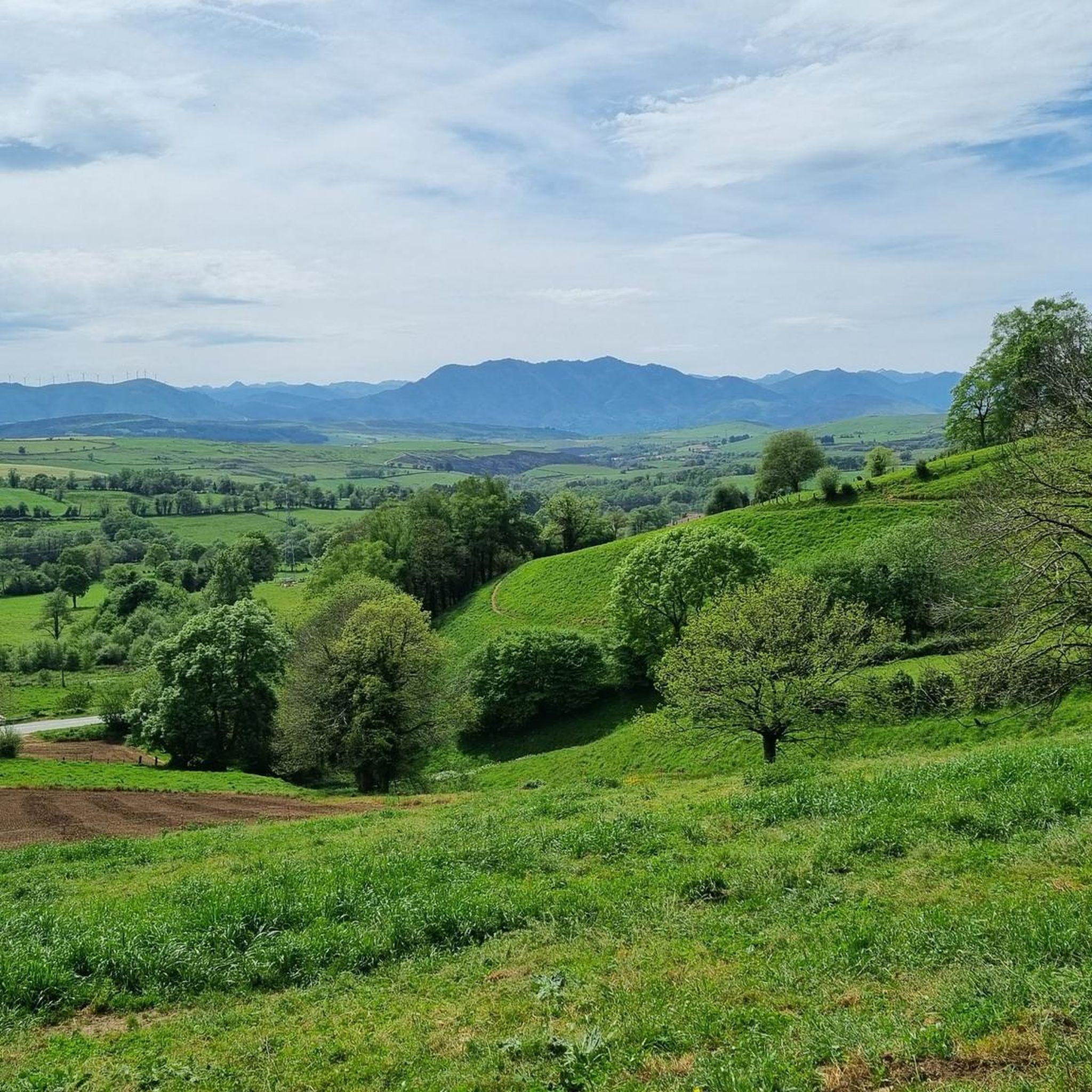
Beautiful climb with stunning views to Pola and El Palo. The pass will take you towards Bustantigo, with stunning views to the ancient Roman gold mine "La Freita" to then descend towards Viyallon or down to the enchanting village of Pontenova to then ascend to Montefurau. From Montefurau continue back to Pola de Allande via El Palo (enjoying a different perspective of La Freita) or towards Berducedo.
1
0

The Iglesia colegiata de Santa María la Mayor is a magnificent collegiate church located in the heart of a historic town. Its grandeur and architectural beauty reflect its significance as a religious and cultural landmark.
3
0
Frequently Asked Questions
What historical and cultural sites can I explore in Tineo?
Tineo is rich in history. You can visit the 13th-century Monastery of Santa María la Real de Obona, a significant stop on the Primitive Way of the Camino de Santiago. The Church of San Pedro, with its late Gothic style, houses the Sacred Art Museum, showcasing religious art. Don't miss the Palace of Los García de Tineo, now the Municipal House of Culture, or the 16th-century Palace of Merás, which now hosts a hotel and the Valentín Alba Museum of Antiquities. For ancient history, explore the Dolmen of Merillés, a Neolithic burial chamber.
Are there any notable natural monuments or landscapes to see around Tineo?
Absolutely. The Esva River Gorges are a Natural Monument, offering rugged landscapes and hiking opportunities. You can also marvel at Valentín's Oak (Carbayón de Valentín), an ancient tree estimated to be around 700 years old and a symbol of Asturian nature. The region is also part of the Protected Landscape of the Esva River Basin, and you can visit the unique geological formation of Fana de Genestaza.
What kind of outdoor activities are available near Tineo's attractions?
Tineo offers diverse outdoor activities. For hiking, you can explore routes like the 'Camino Primitivo: Tineo and Letizia Viewpoint Loop' or the more challenging 'Camino Primitivo, Ruta de Los Hospitales, Alto de La Marta'. There are also various running and road cycling routes available. You can find more details on these activities in the Hiking around Tineo, Running Trails around Tineo, and Road Cycling Routes around Tineo guides.
Where can I find unique viewpoints in the Tineo area?
For stunning panoramic views, head to Alto de La Marta, a mountain pass at 1105 meters altitude, where you can see from the Cantabrian Mountains to the Cantabrian Sea. Another great spot is the fishing village of Luarca, which offers picturesque views of its historical port and the Rio Negro estuary.
Are there any family-friendly attractions in Tineo?
Yes, several attractions are suitable for families. The charming fishing village of Luarca is a great option with its historical port and old neighborhoods. The Collegiate Church of St. Mary Major in Salas and the Hermitage of San Roque of Tineo are also considered family-friendly cultural sites. For a gentle outdoor experience, consider walking the La Cerezal Path, a 5 km route through rural landscapes and forests.
What is the significance of the Camino de Santiago in Tineo?
Tineo is a significant stop on the Primitive Way of the Camino de Santiago. Pilgrims can experience a journey rich in history and scenic landscapes. Historical sites like the Monastery of Santa María la Real de Obona and the Pilgrims' Hospital of Navelgas are directly connected to the Camino. The Ruins of the Fonfaraón Hospital, located at 1,190 meters, are considered one of the best-preserved hospitals on the alternative route of the Camino Primitivo.
Where can I learn about the region's gold mining history?
To delve into the region's gold mining past, visit the Asturias Gold Museum in Navelgas. Navelgas is a town close to Tineo and is known as the Asturian capital of Gold, making it an ideal place to explore this aspect of local heritage.
What are some unique local experiences in Tineo?
Beyond historical sites and nature, you can experience local life at the Tineo Market, offering a glimpse into local gastronomy and products. For a unique cultural insight, visit the San Roque Bowling Alley to see Celtic Bowling, an autochthonous sport of the area with its distinctive style and numerous pins.
Are there any ancient archaeological sites in the area?
Yes, the Dolmen of Merillés is an important archaeological site. This ancient megalithic monument dates back to the Neolithic period and consists of large stones forming a burial chamber, reflecting prehistoric culture in the region.
What can I see at the Pilotuerto Reservoir?
The surroundings of the Pilotuerto Reservoir are worth visiting, especially for birdwatchers. There's a 500-meter walkway along the reservoir where you can observe numerous species of aquatic birds, making it a peaceful spot for nature enthusiasts.
What kind of architecture can I expect to see in Tineo?
Tineo showcases a blend of architectural styles. You'll find medieval structures like the original round tower of the Palace of Los García de Tineo, Gothic and Renaissance elements in the Collegiate Church of St. Mary Major in Salas, and 16th-century palatial civil architecture at the Palace of Merás. The Monastery of Santa María la Real de Obona also features 13th-century origins with a 17th-century cloister.
Most popular attractions around Tineo

Get inspired with the komoot mobile app


Explore more
Still not found the Highlight you’re looking for? See guides of the top attractions in other regions:
