The best walks and hikes around Tineo
4.3
(94)
648
hikers
42
hikes
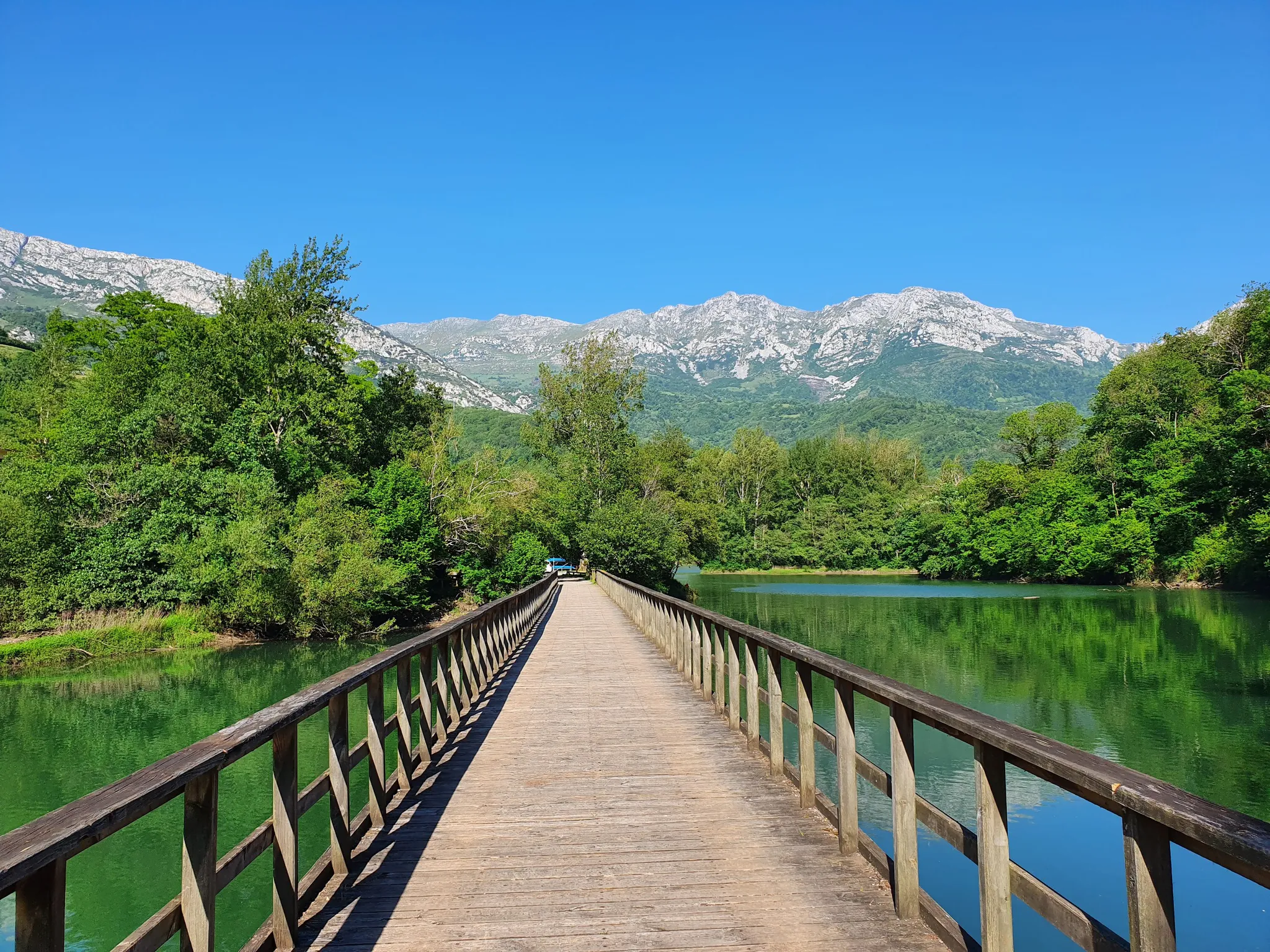
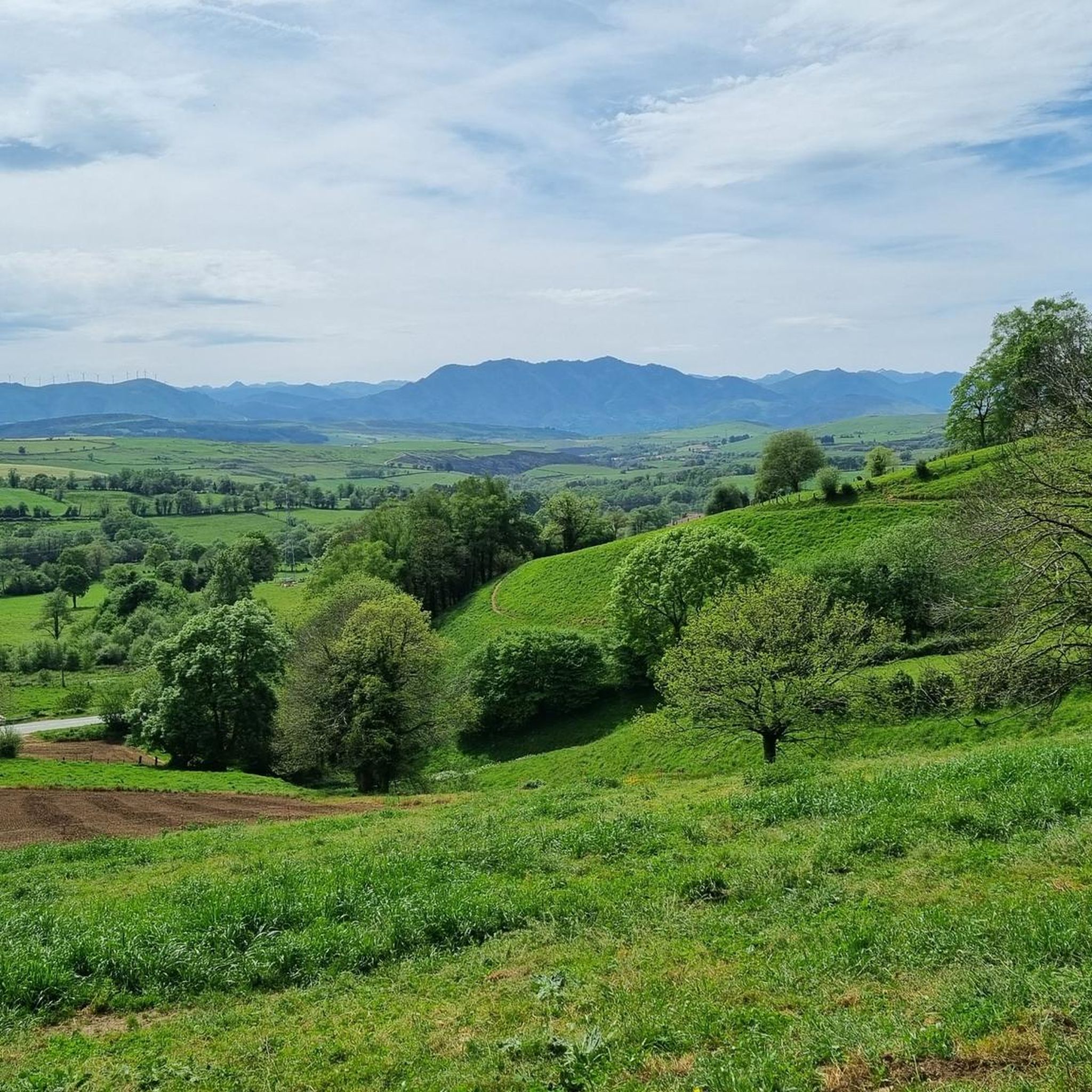
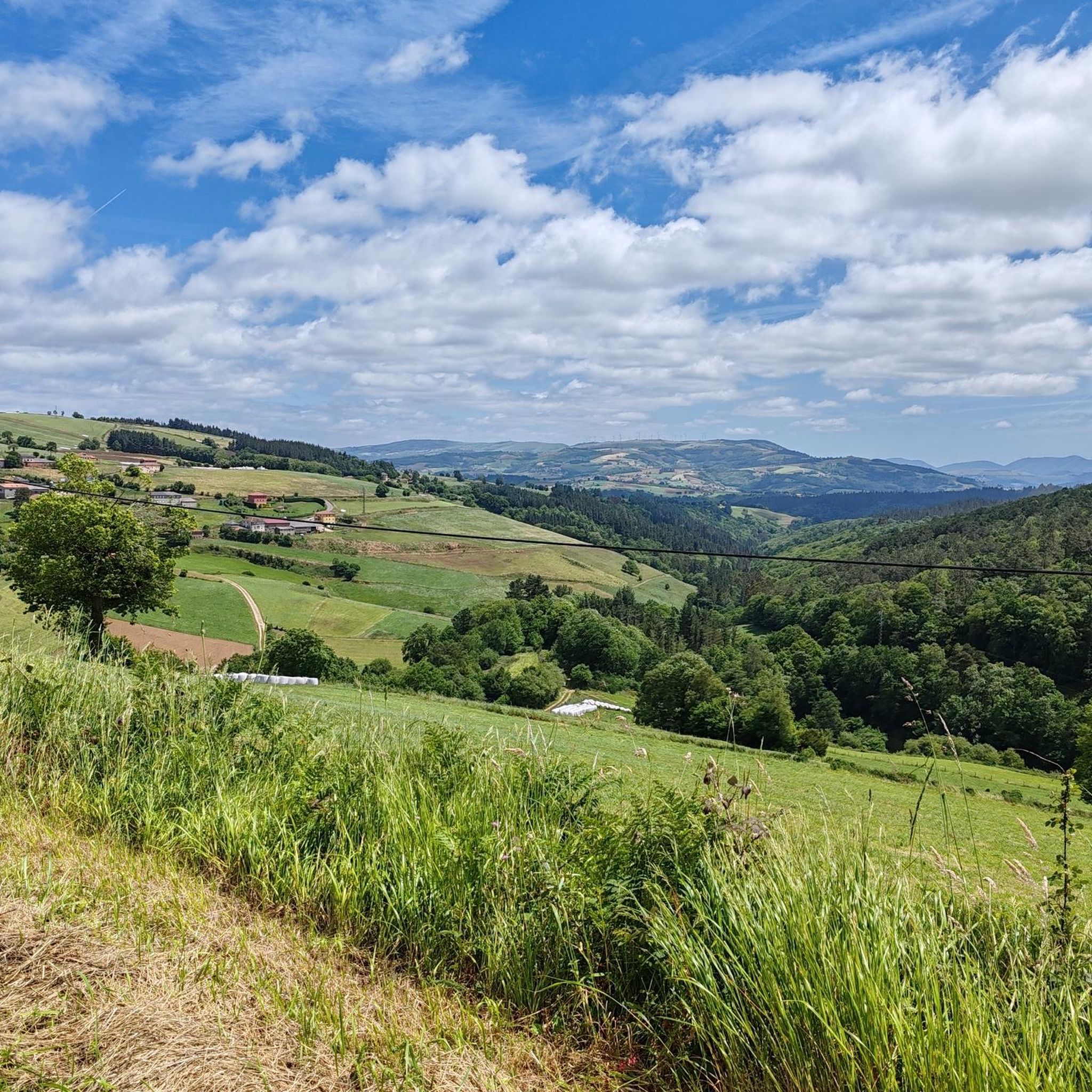
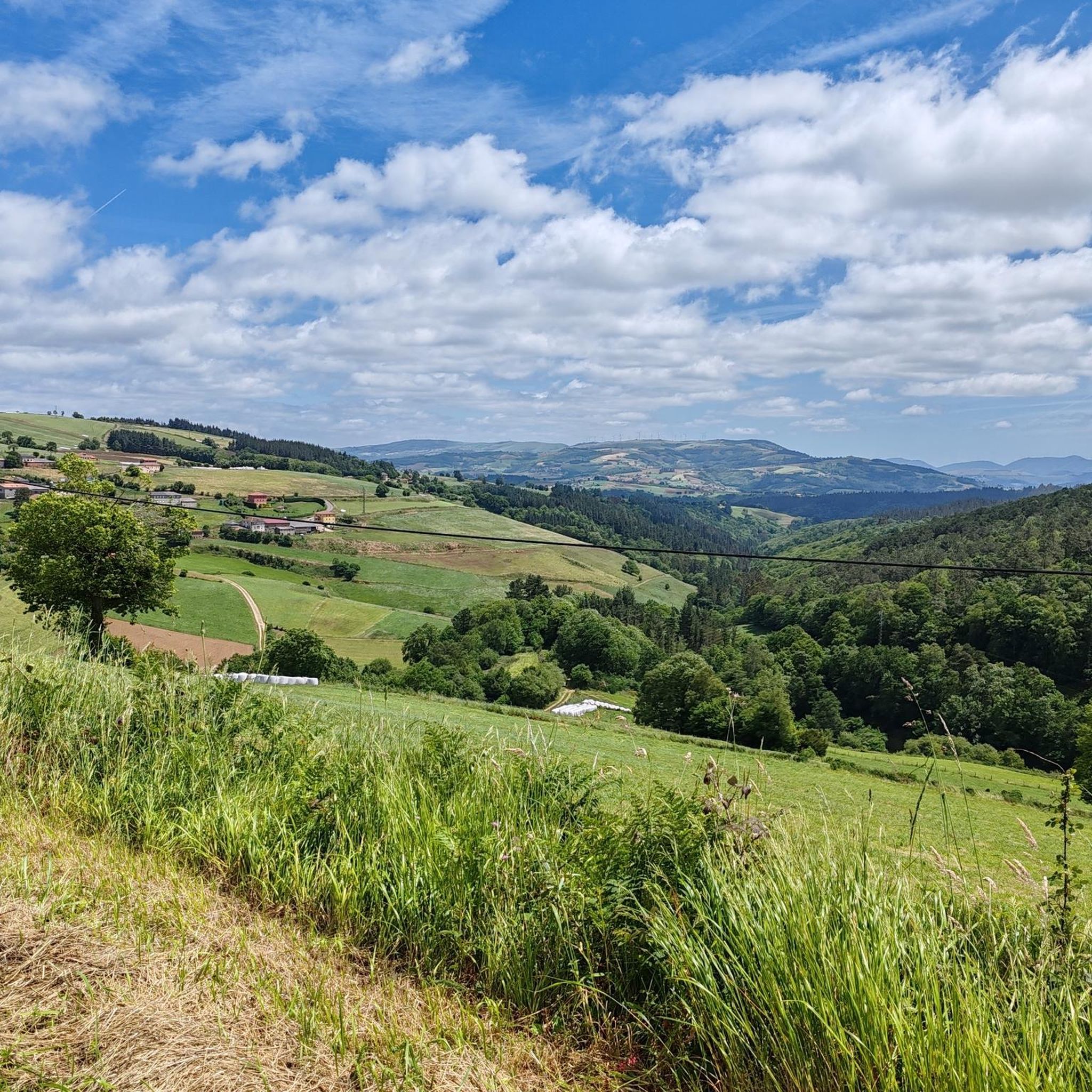
Hiking around Tineo offers diverse terrain in the heart of western Asturias, characterized by its mountainous landscape and varied natural features. The region includes fertile valleys, native forests of beech and oak, and river paths, notably along the Nonaya and Narcea Rivers. Its elevation changes provide a range of hiking experiences, from gentle walks to more challenging ascents and descents.
Best hiking trails around Tineo
- The most popular hiking route is Camino Primitivo: Tineo and Letizia Viewpoint Loop, a…
Last updated: July 21, 2026
3
hikers
20.6km
06:22
750m
750m
Hard hike. Very good fitness required. Easily-accessible paths. Suitable for all skill levels.
5.0
(1)
5
hikers
10.6km
03:10
350m
340m
Moderate hike. Good fitness required. Easily-accessible paths. Suitable for all skill levels.

Sign up for free
20.6km
06:19
640m
640m
Hard hike. Very good fitness required. Mostly accessible paths. Sure-footedness required.
22.5km
06:30
540m
540m
Hard hike. Very good fitness required. Easily-accessible paths. Suitable for all skill levels.
4.8
(13)
73
hikers
Hard hike. Very good fitness required. Easily-accessible paths. Suitable for all skill levels.
Get access to more routes and recommendations from other explorers.
Sign up for free
Already have an account?
Our route recommendations are based on thousands of hikes, rides, and runs completed by other people on komoot.
Start today with a free account
Your next adventure awaits.
Login or Signup


Tips from the Community

Spectacular tree, it is worth stopping to admire this natural monument
0
0

beautiful, but unfortunately synthetic
0
0

One of the great Asturian mountain passes, without a doubt. Generally unknown to the general public, it's rarely used in professional races. It has two clearly distinct slopes. The southern slope, which begins in Pola de Allande, is gentle and steady, along a road in good condition. It shares much of its climb with Puerto del Palo, which it turns off from just 3 km from the summit of Puerto de la Marta. The northern slope, which comes from Villayon, is uneven, with very tough sections and several rest stops and descents. It reminds me a lot of the Croix-de-Fer from Sant Jean de Maurienne, not because of the landscape, but because of the type of pass.
0
0
spectacular church that has a very interesting museum
0
0
Highly recommended to visit the museum
0
0

This one shelter was used to change clothes on our tour (with storms and wind).
0
1
Right next to the field there is a fountain and also a bar to get a good supply
0
0
Frequently Asked Questions
How many hiking trails are available in Tineo?
Tineo offers a wide variety of hiking experiences, with over 45 routes documented on komoot. These range from easy strolls to challenging long-distance treks, ensuring options for all fitness levels.
What kind of terrain can I expect when hiking in Tineo?
Hiking in Tineo is characterized by its mountainous landscape in western Asturias. You'll encounter fertile valleys, ancient forests of beech and oak, and paths along rivers like the Nonaya and Esva. The region features significant elevation changes, offering both gentle slopes and more demanding ascents and descents.
Are there easy hiking trails suitable for beginners in Tineo?
Yes, Tineo has several easy hiking options perfect for beginners or those looking for a relaxed walk. There are 10 easy routes available on komoot, often leading through picturesque villages or along river paths. These trails typically have less elevation gain and are shorter in duration.
Can I find circular hiking routes in Tineo?
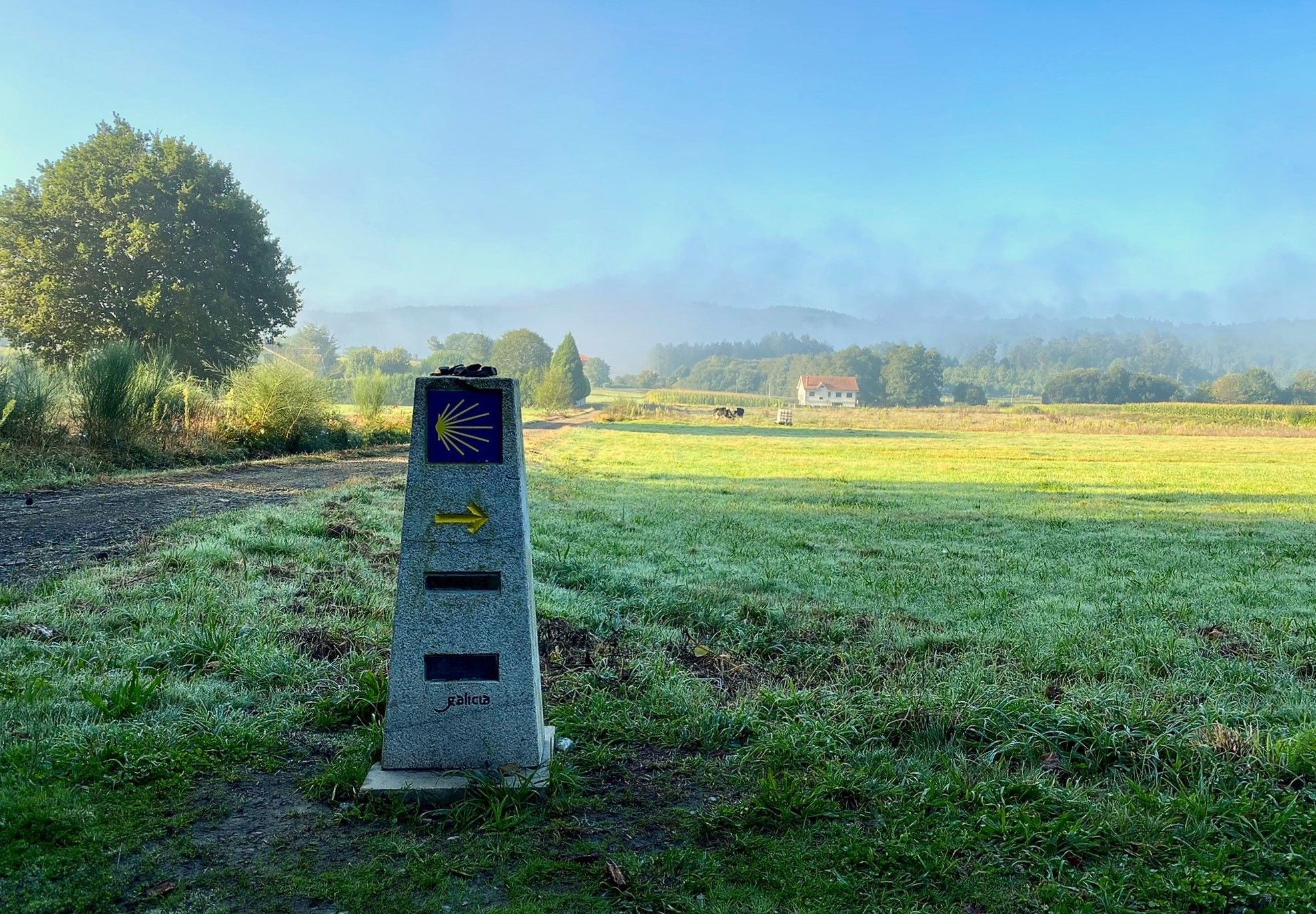
Absolutely. Many routes in Tineo are designed as circular paths, allowing you to start and end at the same point. A popular example is the Tineo and the Letizia Viewpoint on the Primitive Way — circular, which offers scenic views and is part of the historic Camino Primitivo.
Are there challenging long-distance hikes in Tineo?
For experienced hikers, Tineo offers challenging long-distance routes, particularly sections of the historic Camino Primitivo. These trails feature significant elevation changes and traverse mountainous terrain. An example is the difficult Camino Primitivo, Ruta de Los Hospitales, Alto de La Marta, which covers over 20 km with substantial climbs.
What unique natural features or landmarks can I see while hiking in Tineo?
Tineo's trails lead to several notable natural features and landmarks. You might encounter the ancient and grand Carbayo de Valentín, a designated Natural Monument, or the unique geological formation of Fana de Genestaza. The gorges formed by the Hoces del Río Esva are also recognized for their ecological value. Additionally, you can visit the Hermitage of San Roque of Tineo, a 14th-century chapel on the Jacobean route.
Are there any viewpoints with spectacular scenery in Tineo?
Yes, Tineo is home to several viewpoints offering breathtaking panoramic views. The Letizia Viewpoint is a popular spot, often included in circular hiking routes from Tineo. Another excellent location is the Alto de La Marta, which provides expansive vistas of the surrounding mountains and valleys.
What do other hikers enjoy most about hiking in Tineo?
The hiking trails in Tineo are highly rated by the komoot community, with an average score of 4.3 stars from over 115 reviews. Hikers frequently praise the region's diverse landscapes, from ancient forests to river valleys, and the opportunity to experience sections of the historic Camino Primitivo. The well-preserved rural atmosphere and traditional villages encountered along the way are also often highlighted.
Are there family-friendly hiking options in Tineo?
While specific 'family-friendly' designations aren't always available, many of the 10 easy routes in Tineo are suitable for families. These trails typically involve less strenuous terrain and shorter distances, making them enjoyable for children. Look for routes that pass through villages or along gentle river paths for a pleasant family outing.
What is the best season for hiking in Tineo?
The best season for hiking in Tineo is generally spring and autumn, when the weather is mild and the natural scenery is particularly vibrant. Spring brings blooming flora, while autumn offers stunning fall foliage in the region's extensive beech and oak forests. Summer can also be pleasant, especially at higher elevations, but be prepared for warmer temperatures. Winter hiking is possible but may require appropriate gear due to potential snow and colder conditions in mountainous areas.
Are dogs allowed on hiking trails in Tineo?
Generally, dogs are welcome on most public hiking trails in Tineo, especially in natural areas. However, it's always recommended to keep your dog on a leash, particularly in areas with livestock or wildlife, and to follow local regulations regarding pet waste. Some protected areas or specific private properties might have restrictions, so it's good practice to check for signage.
Are there any routes that pass through traditional Asturian villages?
Yes, many hiking routes in Tineo will lead you through small, traditional Asturian villages. These offer a glimpse into the local rural atmosphere, where you can often spot traditional elements like 'hórreos' (granaries). The Camino Primitivo, in particular, passes through several such settlements, providing cultural insights alongside natural beauty.
Most popular attractions around Tineo

Get inspired with the komoot mobile app


Explore more
Browse the best Hikes in other regions.
