Attractions and Places To See around Caso - Top 20
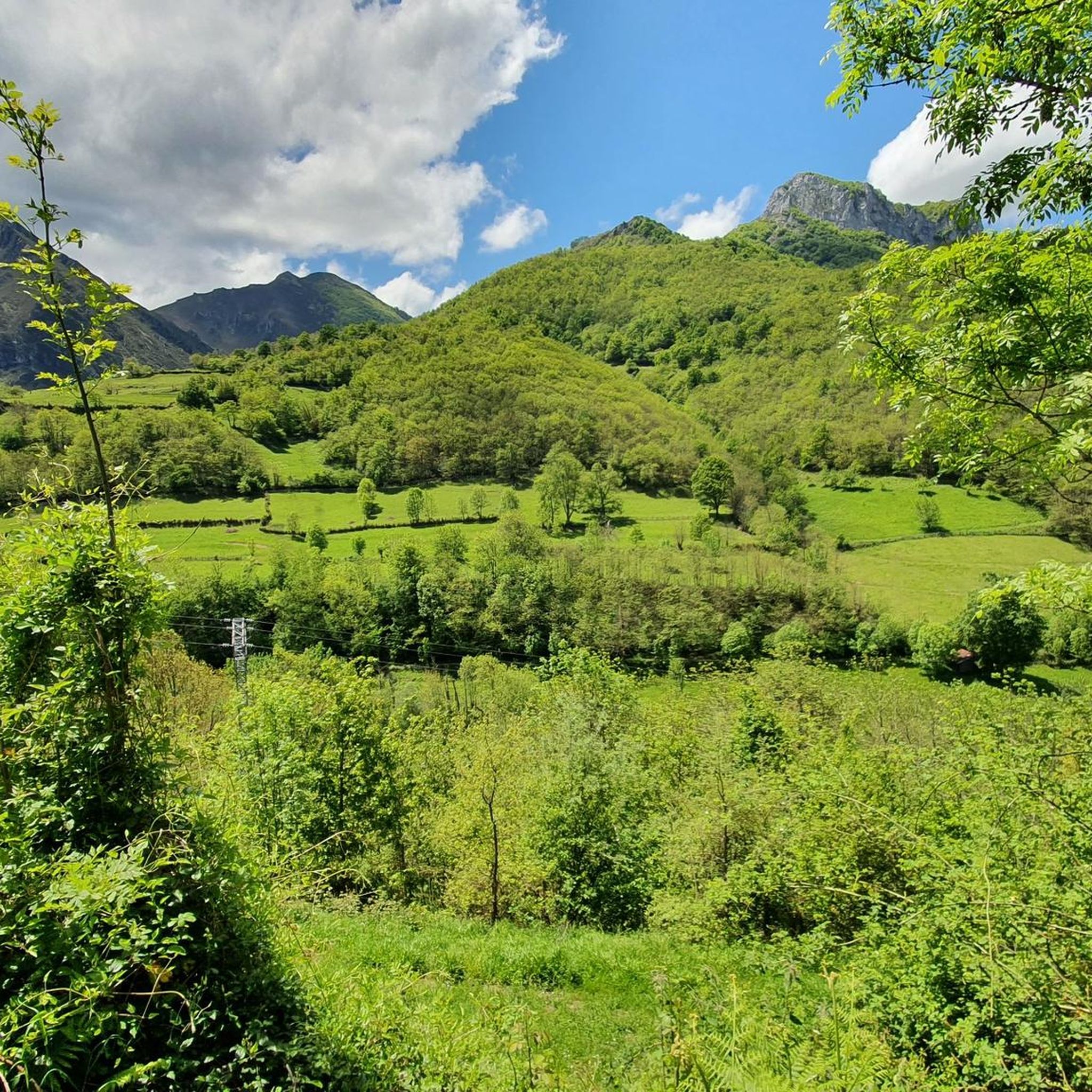
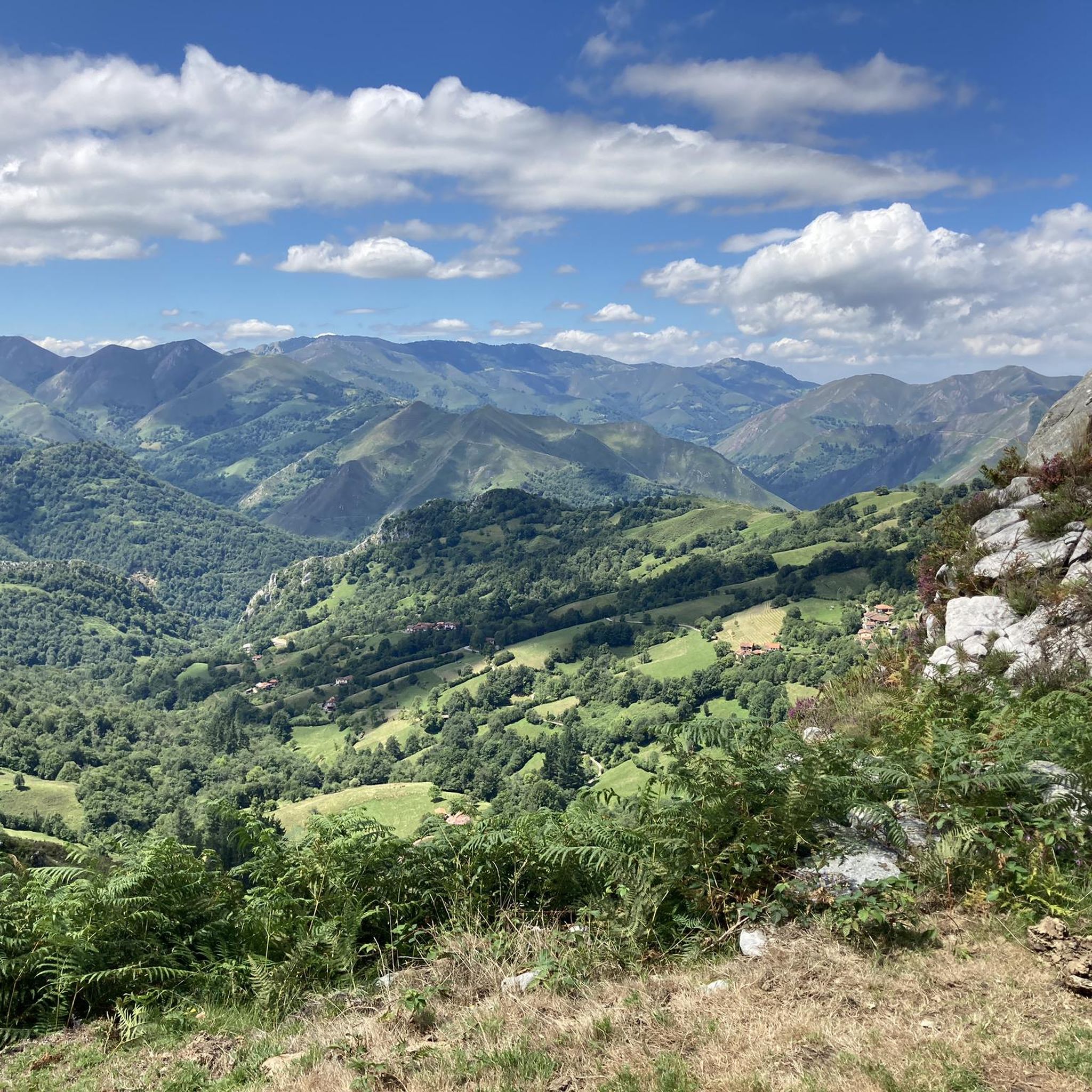
Attractions and places to see around Caso, a municipality in Asturias, Spain, are primarily characterized by its wild, mountainous terrain and its inclusion in the Redes Natural Park, a UNESCO Biosphere Reserve. The region features diverse ecosystems, including European beech forests, and is known for its natural monuments and traditional Asturian architecture. Visitors can explore a variety of landscapes, from impressive waterfalls to historic villages.
Best attractions and places to see around Caso
- The most popular attractions is Ojo de…
Last updated: October 10, 2026
Soto de Agues Village
Highlight • Settlement
Translated by Google •
Tip by

Caleao Village
Highlight • Settlement
Translated by Google •
Tip by

Sign up now to discover places like this
Get recommendations on the best single tracks, peaks, & plenty of other exciting outdoor places.
Les Praeres – Sierra de Peñamayor
Highlight • Summit
Translated by Google •
Tip by

El Tabayón del Mongayu Waterfall Trail
Highlight • Trail
Translated by Google •
Tip by
Tabayón del Mongayu Waterfall
Highlight • Waterfall
Translated by Google •
Tip by
Sign up for free to discover even more attractions around Caso.
Already have an account?
Start today with a free account
Your next adventure awaits.
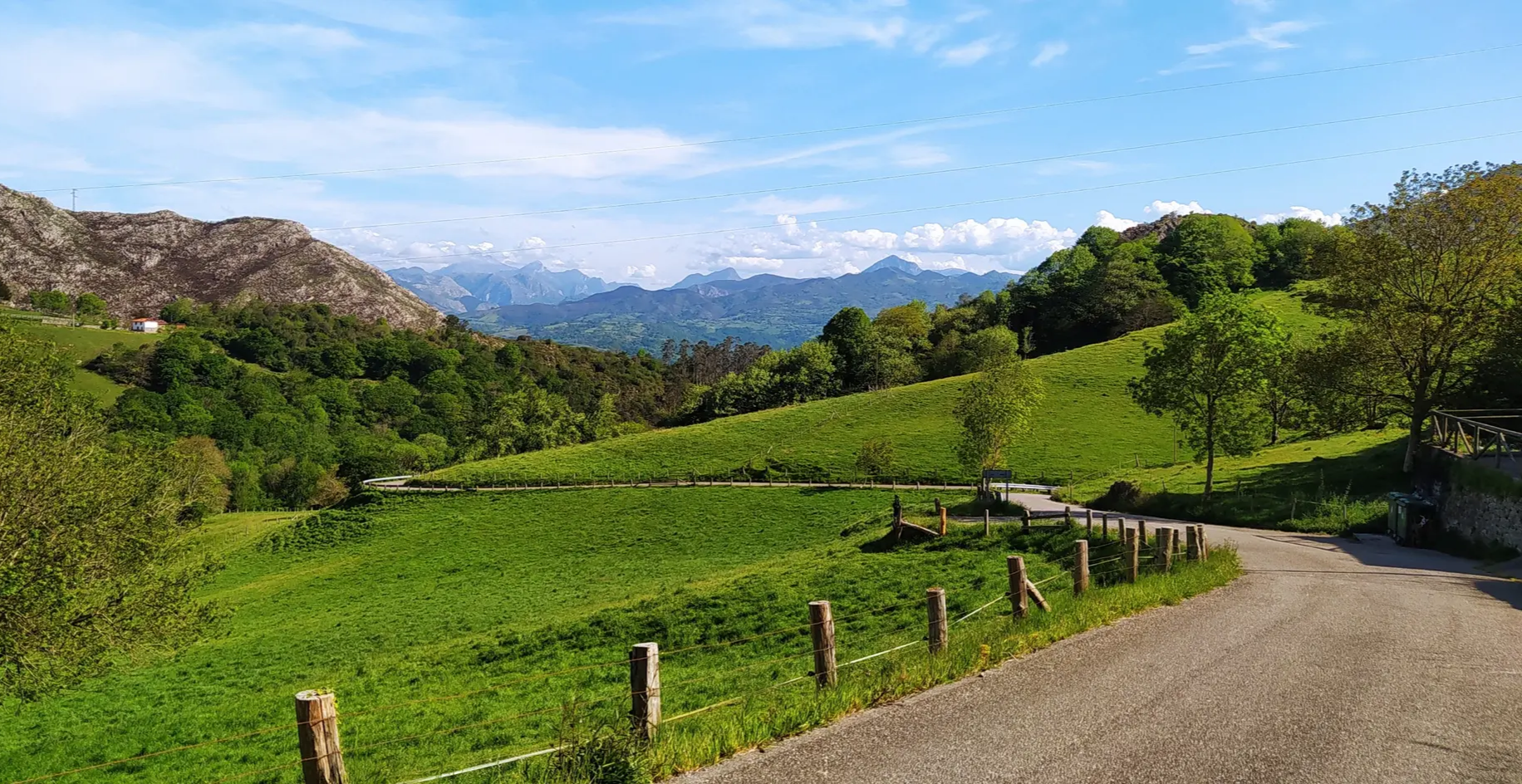
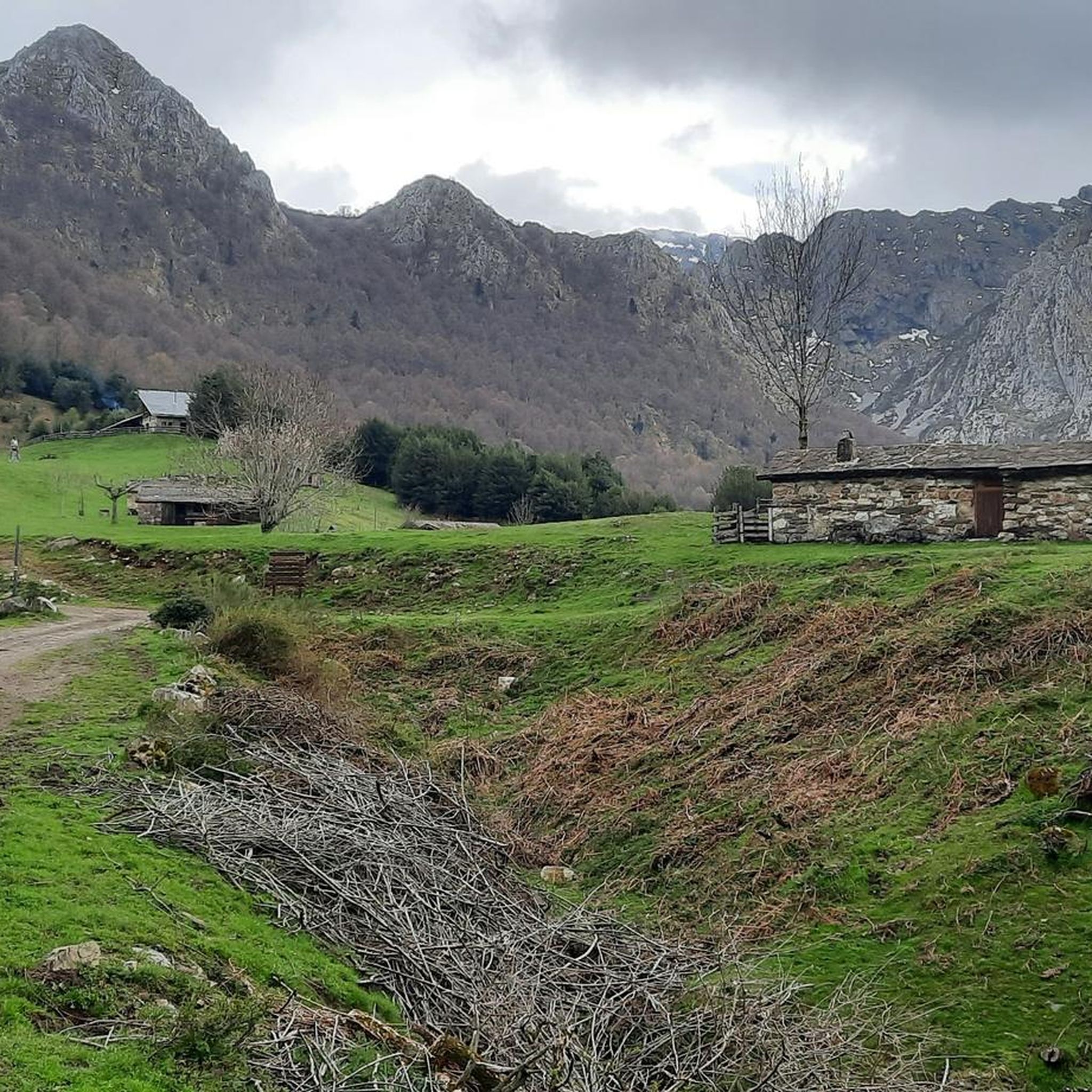
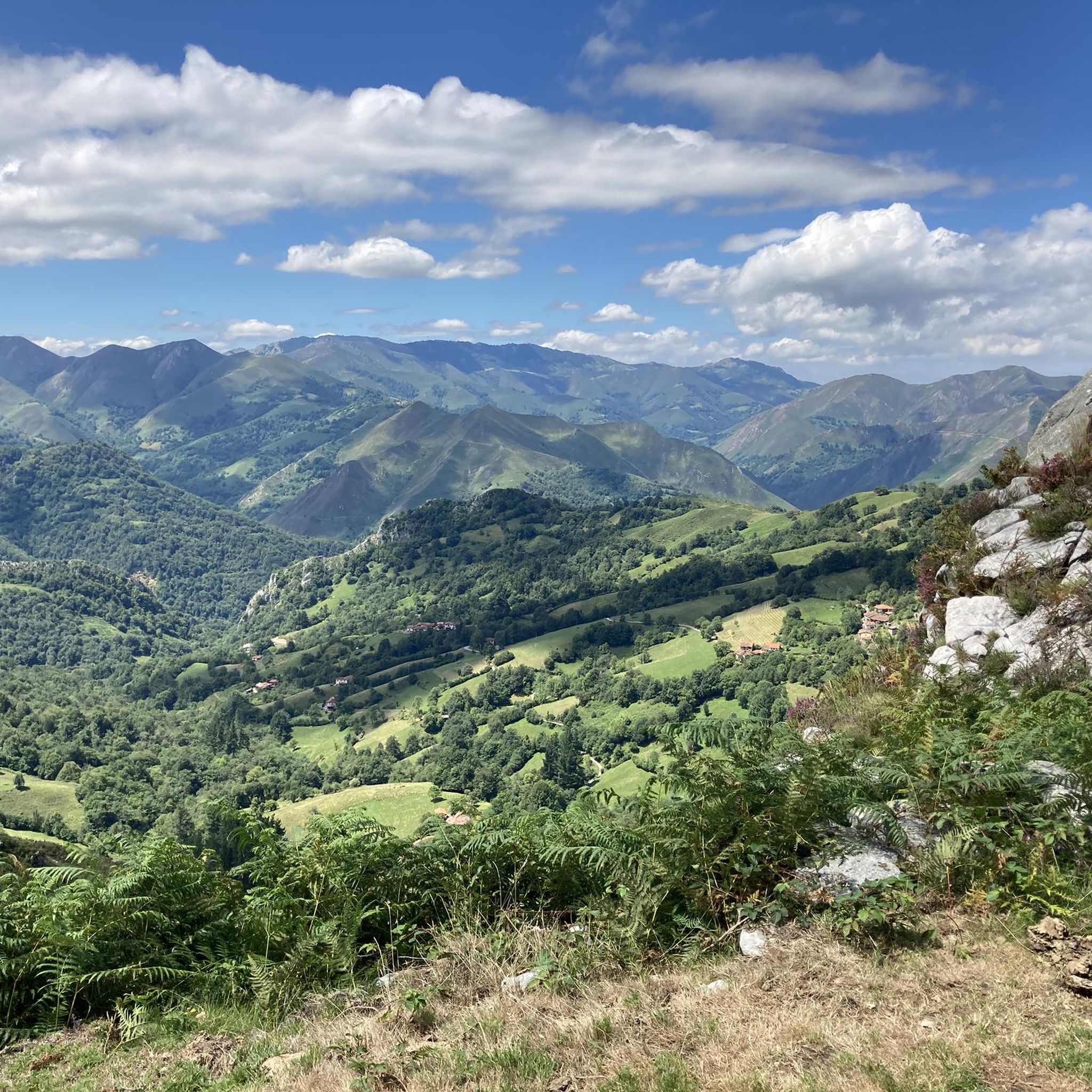
Other adventures around Caso

Tips from the Community

The small mountain village of Caleao hangs beautifully on the slope and appears very authentic. Even if the village is suitable as a starting point for various tours, such as the one into the Desfiladero de los Arrudos, it appears at best a little touristy. If you can't find a parking space here, you might find one on the other side of the road leading to the village, near the campsite - the parking spaces opposite the main building seem to be public, not just for visitors to the campsite.
0
0
There is no way around Soto de Agues if you want to hike the Ruta del Alba in the Redes Natural Park, like I did, as a classic. A beautiful village with many beautiful old houses. Hikers are intercepted with their cars in a large car park just before the village, so they don't park randomly in the village. If you choose the Camín de Socuitu, which runs approximately parallel, for the last approx. 2km of the return journey instead of the Ruta del Alba, you will pass numerous hórreos (Asturian granaries) in the village.
0
0
The Tabayón del Mongallu, with its 60 meters of height, is quite impressive. It doesn't just fall straight down, it looks very beautiful, even if it doesn't carry huge amounts of water. After the last stretch to the waterfall, which is a bit steeper on a scree ground, you can take a slightly longer break here. It's quite cool near the waterfall, which is very good on a hot day.
0
0
From Tarna to the waterfall, two paths lead, relatively direct or a bit longer and flatter along the stream. Together, as PR-AS 060 Ruta del Tabayón de Mongallu, they form a beautiful circular route, where you relatively rarely encounter other hikers - only at the waterfall did I have some company. The loop is good for warming up before hiking longer distances, it certainly has a few strenuous climbs but is quite manageable. The last stretch to the waterfall is quite rocky, you should take your time on the descent here.
0
0

The Les Praeres pass, meaning "meadows" in Spanish, is a beautiful crossing point for the surrounding peaks. There's also a bar and restaurant with a mountain atmosphere. As if that weren't enough, there's a deer, rescued as a puppy by the bar's owner, who freely roams the area like a pet.
0
0

Several routes depart from Soto de Agues, including the typical Ruta del Alba.
0
0

Beautiful place, with impressive views and a bar where you can have a drink or something to eat.
0
0

In case of morning frost, when climbing the waterfall, put snow boots
1
0
Frequently Asked Questions
What natural attractions can I explore in Caso and the Redes Natural Park?
Caso is rich in natural beauty, particularly within the Redes Natural Park, a UNESCO Biosphere Reserve. You can visit the impressive Chorrón Waterfall, which has a 15-meter drop and a natural pool for summer swimming. Another notable natural monument is Ojo de Buey (L'Arcu de la Finiesta), a striking 20-meter diameter rock formation. The region also features the Deboyu Cave, where the Nalón River flows through a mountain, and the scenic Arrudos Defile.
Are there any historical or cultural sites to visit in Caso?
Yes, Caso offers several cultural and historical sites. Explore the traditional Asturian architecture in the Pandu Quarter in Campo de Caso or the well-preserved Soto de Agues Village. You can also find historic churches like Santa María la Real in Tanes and Santa Cruz de la Real in Caleao, which features a Baroque altarpiece. Other notable sites include the Medieval Bridge of El Campu and the Veneros Palace, which houses the Wood Museum.
What kind of outdoor activities are available around Caso?
The mountainous terrain of Caso and the Redes Natural Park is ideal for various outdoor activities. Hiking is very popular, with numerous routes for all levels. You can also find opportunities for mountain biking and road cycling. For specific routes, check out the guides for MTB Trails around Caso, Cycling around Caso, and Running Trails around Caso.
Where can I experience traditional Asturian village life?
To experience traditional Asturian village life, visit Soto de Agues Village. This settlement preserves excellent examples of traditional architecture and serves as a starting point for several mountain routes. The Pandu Quarter in Campo de Caso also showcases traditional Asturian buildings.
What are some good viewpoints or scenic spots in the area?
For breathtaking views, head to Les Praeres – Sierra de Peñamayor, a mountain pass offering impressive vistas. The Tarna Pass is another excellent spot, known for its spectacular and less-traveled scenery. The natural rock formation Ojo de Buey (L'Arcu de la Finiesta) also provides striking views of the surrounding landscape.
Are there any family-friendly attractions or activities in Caso?
Yes, Caso offers family-friendly options. The Soto de Agues Village is a pleasant place to explore traditional architecture and serves as a starting point for various walking routes, some of which are suitable for families. The Redes Natural Park itself provides a wonderful environment for nature walks and enjoying the outdoors with children.
What is the best time to visit Caso for outdoor activities?
The summer months are ideal for enjoying outdoor activities in Caso, especially if you plan to swim in the natural pool at Chorrón Waterfall. The region's mountainous terrain offers pleasant conditions for hiking and exploring during warmer weather, though spring and autumn also provide beautiful scenery and comfortable temperatures for walking.
Can I learn about local crafts or traditions in Caso?
Yes, you can delve into local traditions. Visit the Museo de la Madera y la Madreña (Wood Handcraft Museum) in Veneros, or the Taller de la Madera y la Madreña (Wood Handcraft Workshop and Clog Museum) in Pendones to learn about traditional wood craftsmanship, particularly the making of clogs (madreñas).
What unique local products or events is Caso known for?
Caso is famous for its Casín cheese, one of Spain's oldest cheeses. You can often find it at local markets or during the Casín Cheese Contest held annually in late August. The municipality also hosts various traditional feasts throughout the year, celebrating local saints and harvests, offering a glimpse into local culture.
Where can I find information about the Redes Natural Park?
For comprehensive information about the Redes Natural Park, including its diverse ecosystems and attractions, visit the Redes Visitor Centre located in Campo de Caso. It provides valuable insights into this UNESCO Biosphere Reserve.
What kind of wildlife can I expect to see in the Redes Natural Park?
The Redes Natural Park is home to diverse wildlife. Keep an eye out for species such as brown bears, capercaillie, red deer, wolves, and chamois. The park's rich flora, including European beech, holly, oak, and chestnut trees, supports this varied ecosystem.
Most popular attractions around Caso

Get inspired with the komoot mobile app


Explore more
Still not found the Highlight you’re looking for? See guides of the top attractions in other regions:
