Attractions and Places To See around Paderne - Top 20
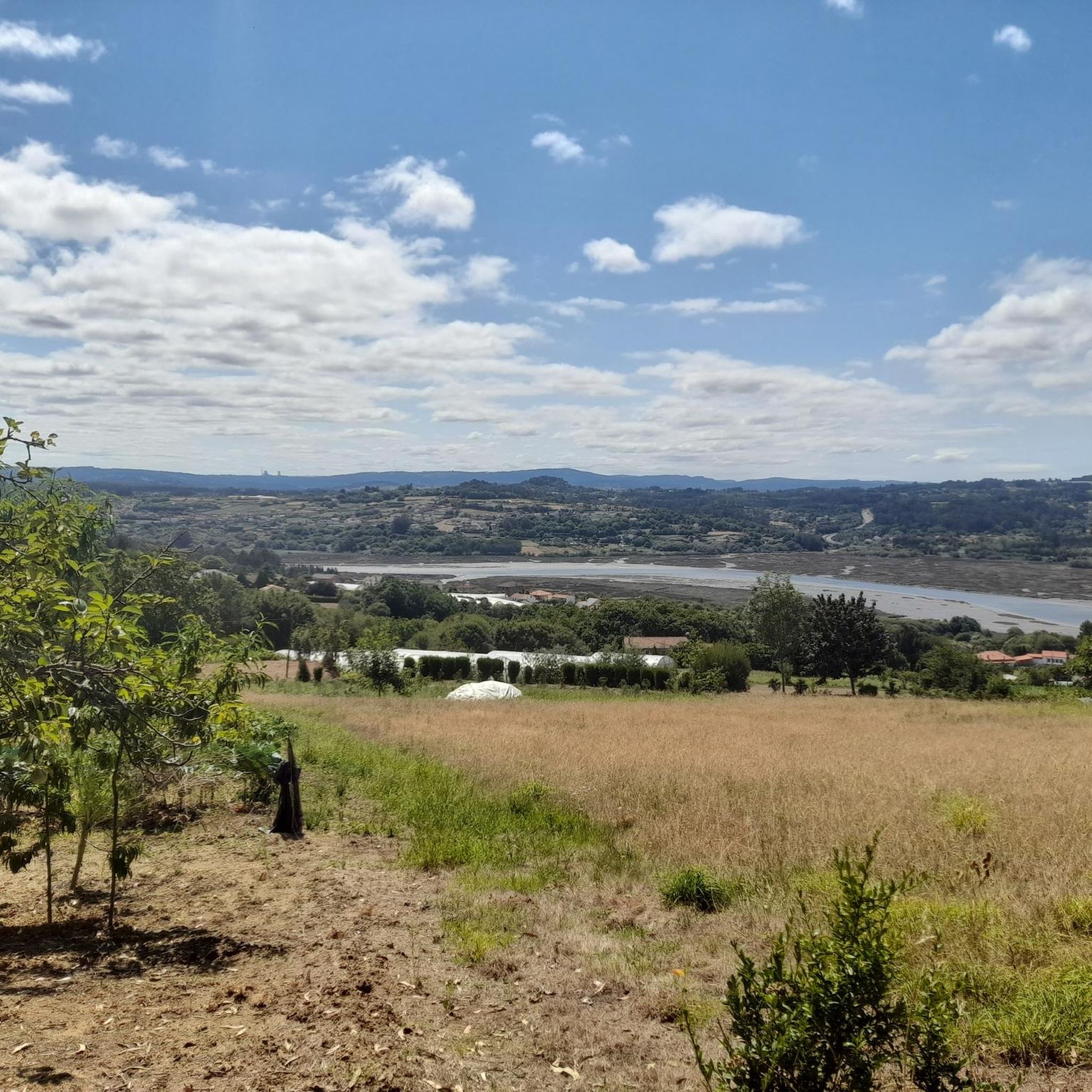
Best attractions and places to see around Paderne include historical sites, natural trails, and cultural landmarks. The region offers a mix of river walks, historical squares, and significant bridges. Visitors can explore areas with native forests and discover historical architecture.
Best attractions and places to see around Paderne
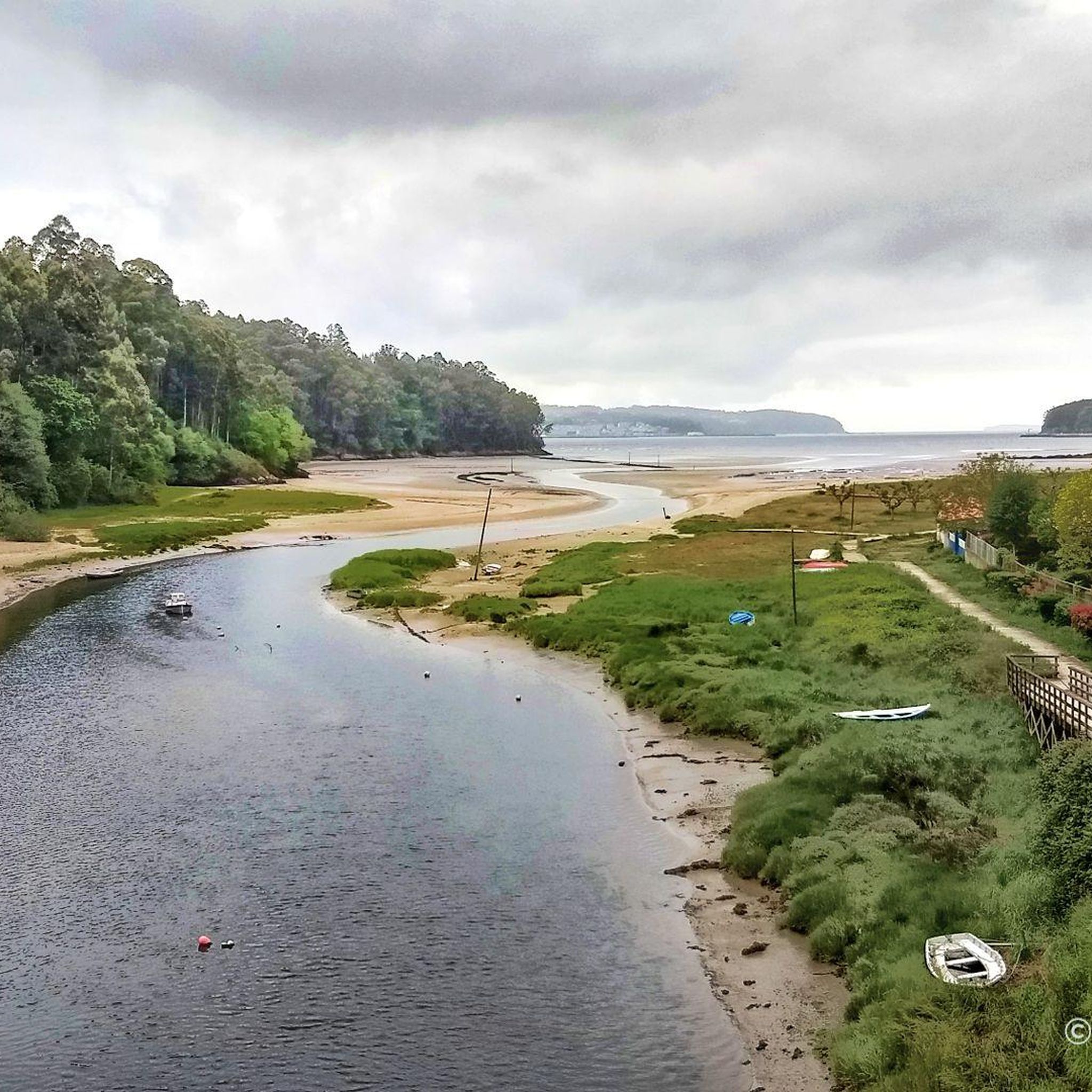
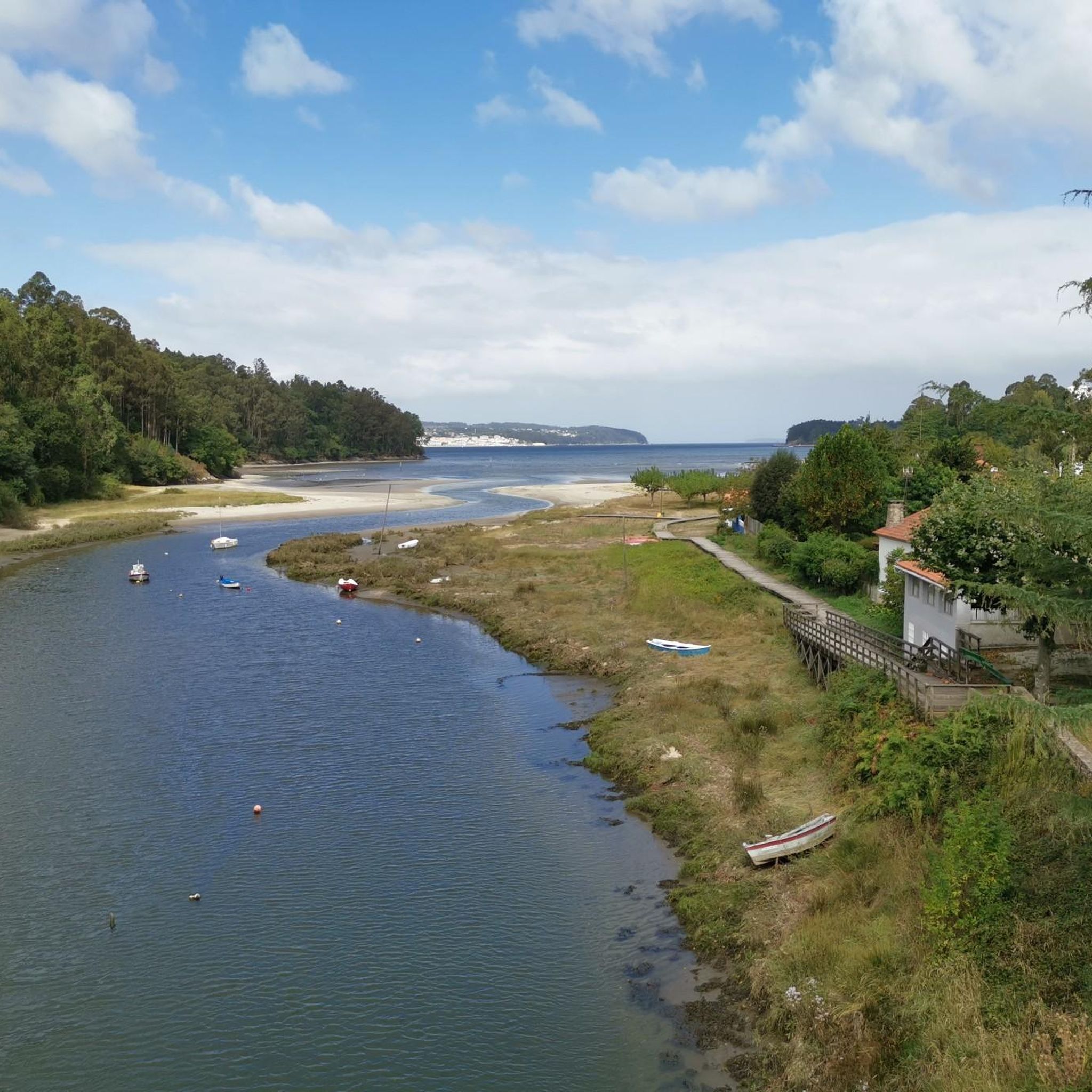
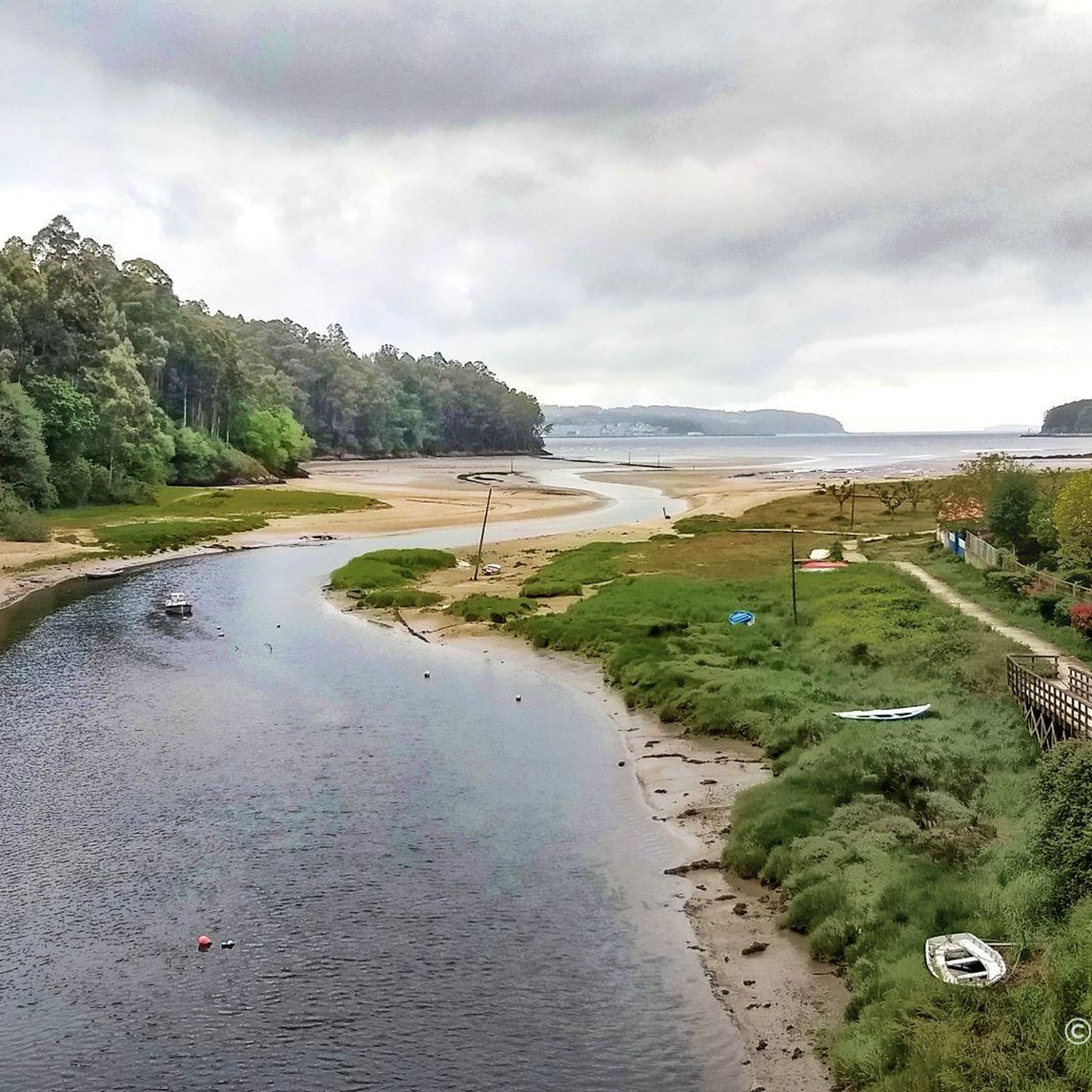
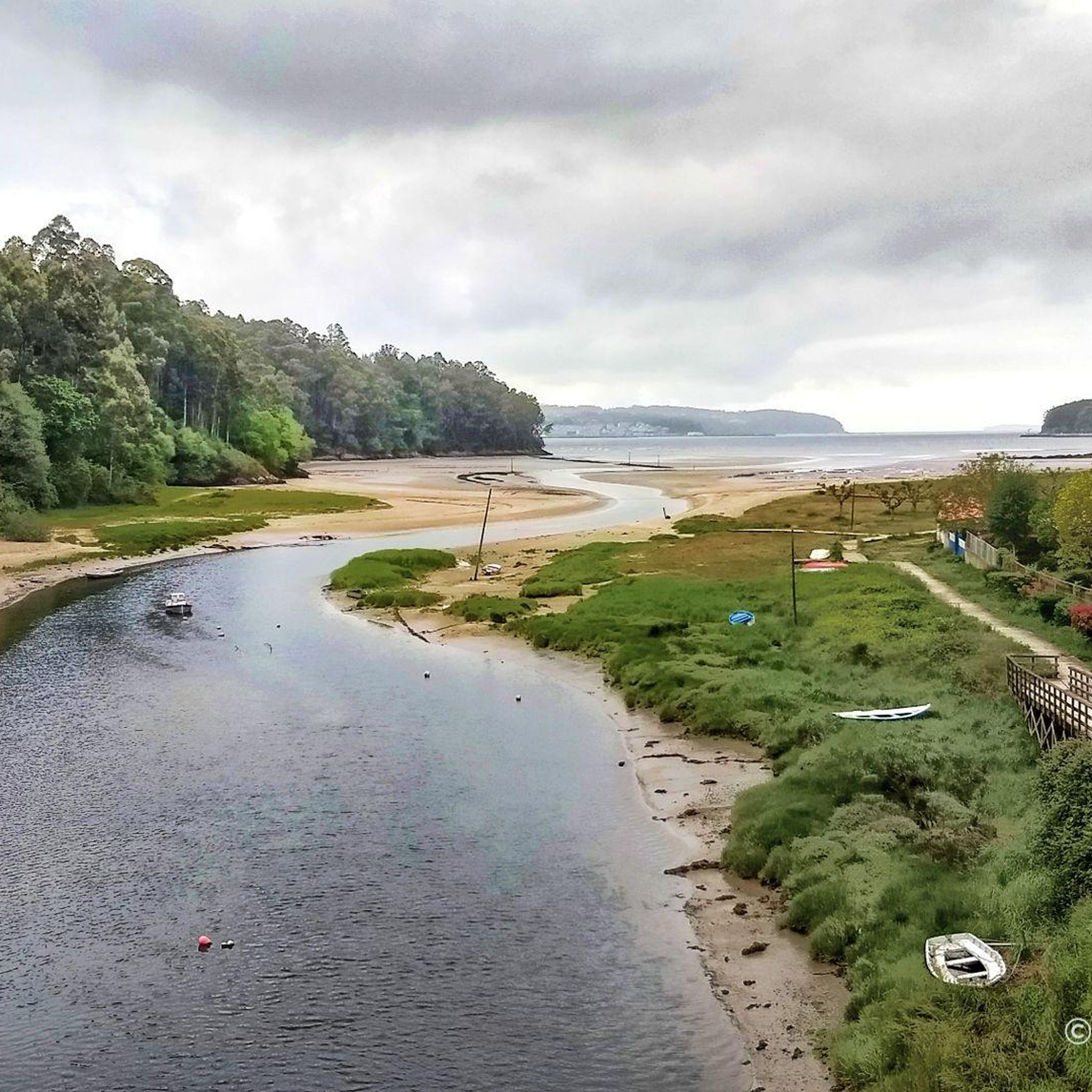
- The most popular attractions is Mero River Trail, a trail that runs along the Mero river. It is a protected natural space with native trees.
- Another must-see spot is Pontedeume Bridge…
Last updated: July 20, 2026
Parish Church of St James in Pontedeume
Highlight • Religious Site
Showing Translation
Tip by

Mero River Trail
Highlight (Segment) • Trail
Translated by Google •
Tip by

Sign up now to discover places like this
Get recommendations on the best single tracks, peaks, & plenty of other exciting outdoor places.
Sign up for free
García Naveira Brothers' Square
Highlight • Settlement
Translated by Google •
Tip by

Pontedeume Bridge
Highlight (Segment) • Bridge
Translated by Google •
Tip by

Ponte Vella
Highlight • Bridge
Translated by Google •
Tip by

Sign up for free to discover even more attractions around Paderne.
Sign up for free
Already have an account?
Start today with a free account
Your next adventure awaits.
Login or Signup

Tips from the Community

In this church Iglesia parroquial de Santiago, besides the pilgrim stamp, there is also a very personal pilgrim blessing for the onward journey
1
0

Betanzos is a beautiful town with many charming streets, squares, and restaurants. It also boasts several beautiful churches and other buildings. It's definitely worth exploring the town. https://turismo.betanzos.es
1
0

The Pontedeume Bridge ("Eume River Bridge") is a must-see, wide and beautiful. If you cross it on your way out of the city, you'll be able to take some beautiful photos. On the other side, facing the sea, is Cabañas Beach, very wide and peaceful, with a large grove of trees.
0
0

It has two different parts: the main chapel - built by Fernando de Andrade in 1538 - and the rest of the church, the work of Archbishop Rajoy at the end of the 18th century. In the main chapel, the intricate ribs of the vault and the Renaissance altarpiece from 1561 stand out. The image of Santiago Apóstol that is in the central area of the altarpiece was buried in the presbytery in 1961 when some work was underway. The rest of the church is organized on a Latin cross plan with poorly marked arms and three naves, of which the central one is covered by a barrel vault. It is made up of three "streets", two canvases were torn from the central one to place the tabernacle and the image of the patron saint, Santiago. On the façade there are three doors, the central one is crowned by the coat of arms of Fernando de Andrade, an equestrian statue of Santiago Apóstol and a plaque of the Heart of Jesus with his motto "I will reign in Spain", placed in 1900 to commemorate the beginning of the century. In its upper part there are still allusions to the heraldic emblems of the Andrade family. On the Gospel side is the tomb of Fernando de Andrade where he was moved from the center of the chapel in 1758.
0
0

Small place with shops to refill your provisions
2
0
Great bridge sights and historical building
1
0

Old bridge that connects the two banks of the Eume River. The bridge flows directly into the center of the town of Pontedeume. We can see the arches of the railway bridge and small boats dotted in the port.
2
0
Frequently Asked Questions
What historical sites can I explore in and around Paderne?
Paderne is rich in history, offering several significant sites. You can visit the 12th-century Moorish Paderne Castle, a fortress built with traditional *taipa* techniques, offering panoramic views. Nearby, the Medieval Bridge of Paderne, restored in 1771, crosses the Quarteira River. Other notable historical and religious sites include the Chapel of Nossa Senhora do Castelo, the Church of Nossa Senhora da Esperança, and the 17th-century Hermitage of Nossa Senhora da Pé da Cruz.
Are there any natural attractions or reserves for walking near Paderne?
Yes, Paderne offers beautiful natural areas for walks and relaxation. Fonte Benémola is a serene nature reserve perfect for picnics and leisurely strolls. The Ribeira de Quarteira area, flowing near Paderne Castle, features well-preserved riparian vegetation and trails ideal for birdwatching and observing diverse flora like olive and fig trees.
What are the best places for hiking and outdoor activities around Paderne?
For hiking, Rocha da Pena provides fantastic opportunities with stunning vistas and diverse wildlife. You can also explore the trails along the Ribeira de Quarteira. For more structured routes, komoot offers several options, such as the Hiking around Paderne guide, which includes routes like the moderate 'Fraga do Xarío desde Miño' or the more challenging 'Alameda Beach – Ponte Vella loop'.
Are there any family-friendly attractions or activities in Paderne?
Families can enjoy the serene nature reserve of Fonte Benémola for picnics and gentle walks. The Acordeon Museum offers a unique cultural experience showcasing Portugal's musical heritage. Additionally, the Mero River Trail is a simple, flat, and family-friendly dirt river walk, perfect for a leisurely outing.
Where can I find cultural points of interest in Paderne?
Paderne has several cultural points of interest. The Acordeon Museum is a highlight, offering insight into Portugal's musical traditions. You can also visit the Avezinha Newspaper Library Museum and explore the charming Paderne Village itself, which maintains strong rural characteristics and traditions. The village is also home to one of the oldest philharmonic bands in southern Portugal.
Are there any viewpoints or scenic spots in the Paderne area?
Yes, the ruins of Paderne Castle offer panoramic views of the surrounding countryside, including the Ribeira de Quarteira valley. The Rocha da Pena area also provides stunning vistas for those who enjoy hiking.
What are some unique or 'hidden gem' attractions in Paderne?
Beyond the main historical sites, consider visiting the Moinho do Leitão (Leitão Windmill) for a glimpse into traditional rural life. The Fountain of Paderne, an 18th-century fountain, is also a charming spot. For a refreshing experience, seek out Pego do Inferno, an enchanting hidden waterfall with a picturesque swimming hole.
What cycling routes are available near Paderne?
Cyclists can find various routes around Paderne. The Cycling around Paderne guide features options like the 'Ponte Vella – Pedrido Bridge loop' or the 'Playa Grande – Playa Grande de Miño loop', catering to different difficulty levels.
Are there any accessible attractions for wheelchair users in Paderne?
The García Naveira Brothers' Square in Betanzos, a lively town center near Paderne, is noted as wheelchair accessible. While specific accessibility details for all Paderne attractions are limited, this square provides an accessible option for visitors.
What is the best time to visit Paderne to enjoy its attractions?
Paderne's attractions, particularly its outdoor historical sites and natural reserves, are best enjoyed during spring and autumn when the weather is mild and pleasant for exploring. Summer can be warm, making water-related activities like visiting Pego do Inferno particularly appealing. Winter offers cooler temperatures, suitable for hiking, though some trails might be muddy after rain.
Can I find places to eat or stay in Paderne?
Paderne village maintains strong rural characteristics and traditions, and you can find local cafes and restaurants within the village to experience authentic Portuguese cuisine. For accommodation, there are options ranging from guesthouses to rural tourism establishments, offering a charming stay in the heart of the Algarve countryside.
What is the significance of the Paderne Castle?
Paderne Castle is one of the most significant historical sites in the region, dating back to the 12th century. It's a rare example of Moorish military architecture built using *taipa* (rammed-earth) and played a crucial strategic role during the Moorish occupation and the Christian Reconquest in 1248. Its historical importance is even recognized by its depiction on the Portuguese flag.
Most popular routes around Paderne
Most popular attractions around Paderne

Get inspired with the komoot mobile app


Explore more
Still not found the Highlight you’re looking for? See guides of the top attractions in other regions:
