Attractions and Places To See around Vilanova De Meià - Top 20
Attractions and places to see around Vilanova De Meià include a blend of historical sites, natural features, and outdoor activity opportunities. The area is characterized by its medieval charm and diverse landscapes, including the Montsec mountain range. Notable features range from ancient cave paintings to Romanesque churches and impressive gorges. This region offers a variety of points of interest for exploration.
Best attractions and places to see around Vilanova De Meià
- The most popular attractions is Suspension Bridge and Dam at Congost de Mu, a bridge that is a wooden suspension bridge necessary to cross the Mu Gorge. It is a significant man-made monument within an impressive gorge.
- Another must-see spot is Cova del Tabac, a monumental cave. This cave contains ancient cave paintings and was formed by karst phenomena.
- Visitors also love Sant Jordi Hermitage, a religious building offering good views of Camarasa and the Segre river. The hermitage was built in the 19th century, replacing an older temple.
- Vilanova De Meià is known for its caves, historical sites, and viewpoints. The area offers a variety of attractions to see and explore, from natural monuments to mountain passes.
- The attractions around Vilanova De Meià are appreciated by the komoot community, with 17 upvotes and 34 photos shared.
Last updated: July 20, 2026
Cova del Tabac
Highlight • Cave
The cave was formed by karst phenomena, meaning that water infiltrated through the stone over millions of years.
As a curiosity, we know that the name of Cova del Tabac comes from the dust that was extracted from it back in the day to mix it with tobacco.
Translated by Google •
Tip by

Coll de Comiols
Highlight • Mountain Pass
Translated by Google •
Tip by

Sign up now to discover places like this
Get recommendations on the best single tracks, peaks, & plenty of other exciting outdoor places.
Sign up for free
Sant Jordi Hermitage
Highlight • Religious Site
Translated by Google •
Tip by
Suspension Bridge and Dam at Congost de Mu
Highlight • Bridge
Translated by Google •
Tip by
Rural House Cal Sisquet
Highlight • Structure
Montcortès, Lleida
(12)
Full rental
10 - 15 people
7 bedrooms
13 beds
Distribution and capacity
Sisquet House
Entire accommodation (rural house type)
x15
Beds: 2 double, 11 single
€ 21
pers / night (approx)
See pricing details
Description of the accommodation
Casa Sisquet is located in a privileged environment in Pallars near Lake Montcortes. On a viewpoint where you can enjoy the last virgin corners of the Pyrenees. It is rented complete and without the owners. The house is fully prepared so that up to 16 people can live together quietly.
Casa Sisquet consists of four floors, plus the ground floor to go outside. The main curiosity of this farmhouse is that you can enter from below, but the most normal thing is to enter through the fourth floor and from there go down.
The fourth floor is the living room with more than 80m2, where we find the fully equipped kitchen
Translated by Google •
Tip by

Sign up for free to discover even more attractions around Vilanova De Meià.
Sign up for free
Already have an account?
Start today with a free account
Your next adventure awaits.
Login or Signup

Tips from the Community

On the other side of the bridge, a beautiful hiking trail begins
0
0

Has a room for overnight stay or as shelter in case of sudden bad weather
0
0

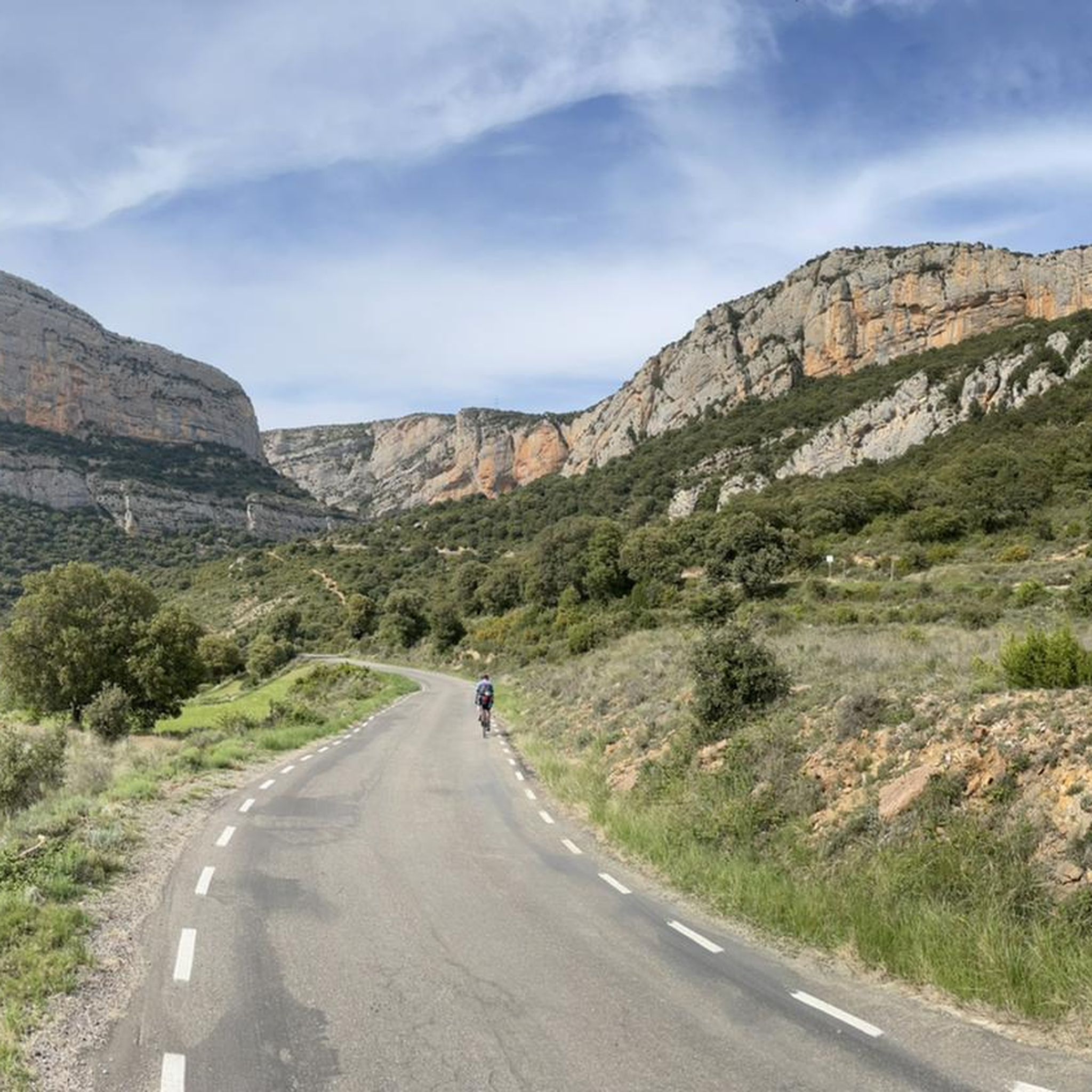
Next to the Coll d'Ares, it is the most iconic port in the Montsec mountain range and the Lleida Pre-Pyrenees. The views from above, either towards the Pyrenees and the Isona and Tremp valley, as well as the Plana de Lleida, are magnificent. It is a port with 4 aspects, each one different: - The southern slope, which begins in Artesa de Segre, is almost 24 km long and runs along a road with a lot of traffic, very wide and with long straights. After passing the town of Folquer, you face the hardest section of the climb, now with continuous curves and horseshoes, although with a road that is still very wide. The best are the views of the Lleida plain. It is not a side that I like since it is very stinky. - The southeast slope, the one that begins in Pons, is longer than the previous one, with 29 km. It has 2 rest sections, with some descent, and the road is narrow and twisty. There are good views along the climb. This slope joins the southern slope that comes from Artesa de Segre at the height of Folquer, where the hardest 7 km remain until reaching the top of the pass. - The main northern slope begins in Tremp and is 28.2 km. It is similar to the Artesa de Segre slope, with a similar gradient and a wide, busy road with a progressive slope, although it is true that there are no kilometers that reach 7%. I don't like. - The northwest slope, which also begins in Tremp, takes the old road that goes up through the town of Sant Salvador de Toló. It is a climb without traffic, on an irregular asphalt road, one of the old ones, which is grippy and difficult to roll, but in good condition. If you plan to go up to Comiols on the northern slope, you have to do it here and forget about the slope that runs along the main road.
0
0

The Coll de Comiols is a hill located at 1101 meters high. It acts as the border of several municipalities in the Pallars Jussà region. It offers magnificent views of the surrounding mountains and the Cuenca de Tremp.
0
0

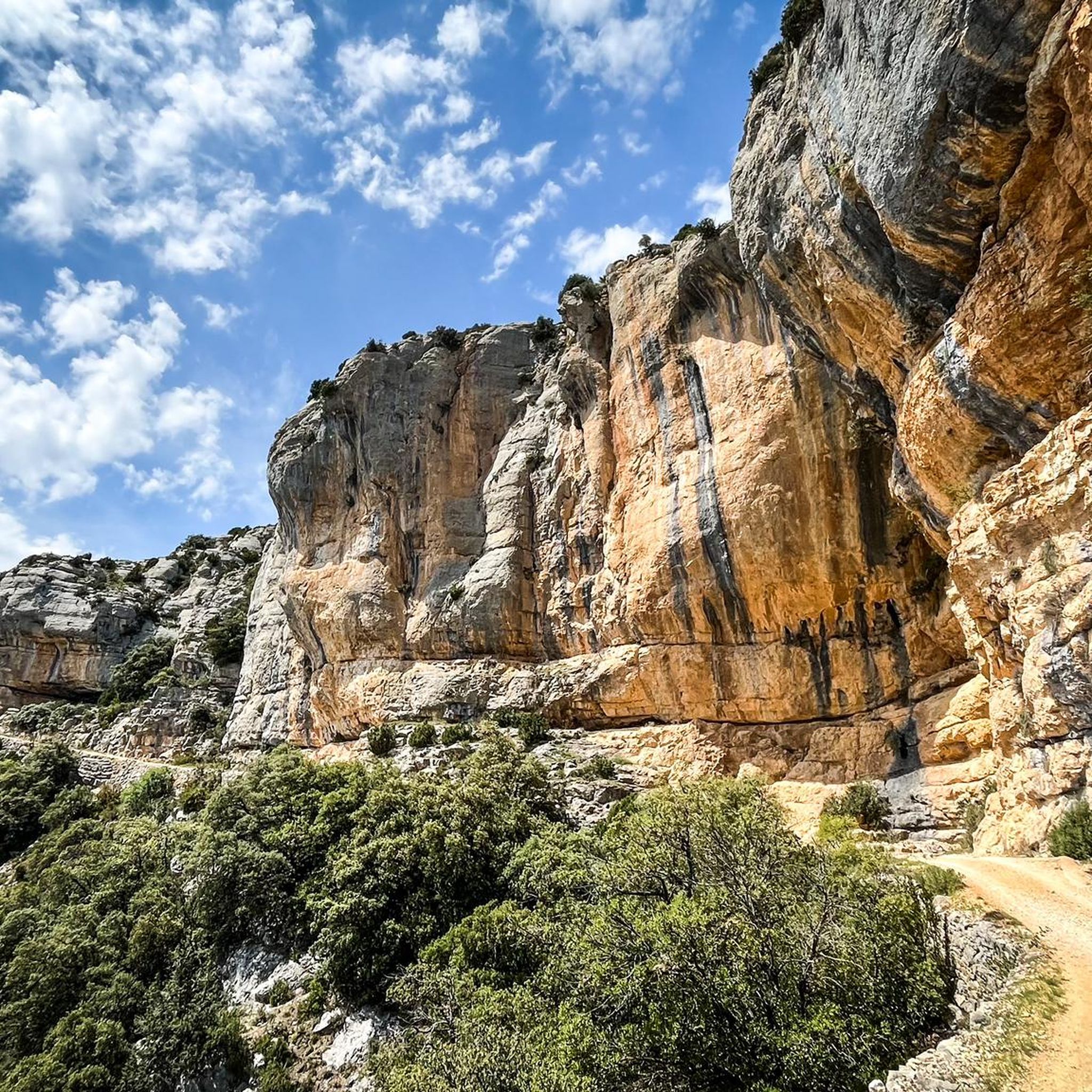
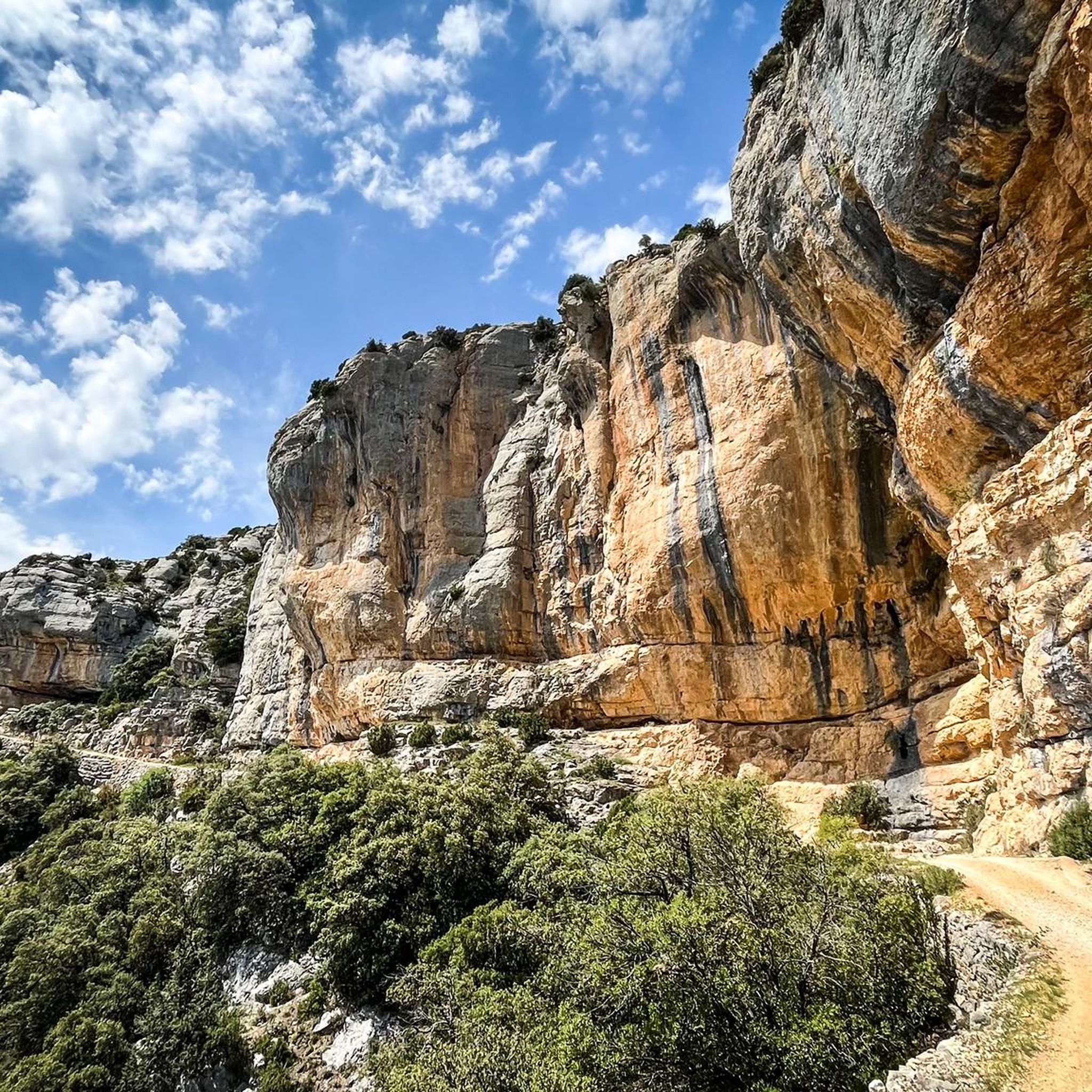
With magnificent views of Camarasa and the Segre River, at this point we will find the Cova del Tabac, a monumental cave where we will find ancient cave paintings damaged by acts of vandalism. The cave was formed by karst phenomena, meaning that water infiltrated through the stone over millions of years. As a curiosity, we know that the name Cova del Tabac comes from the powder that centuries ago was extracted from it to mix with tobacco.
1
0
At this point we will find the Cova del Tabac, a monumental cave where we will find ancient cave paintings damaged by acts of vandalism. The cave was formed by karst phenomena, meaning that water infiltrated through the stone over millions of years. As a curiosity, we know that the name of Cova del Tabac comes from the dust that was extracted from it back in the day to mix it with tobacco.
1
0
Nice wooden suspension bridge, necessary to cross to the other side of the Mu Gorge.
2
0
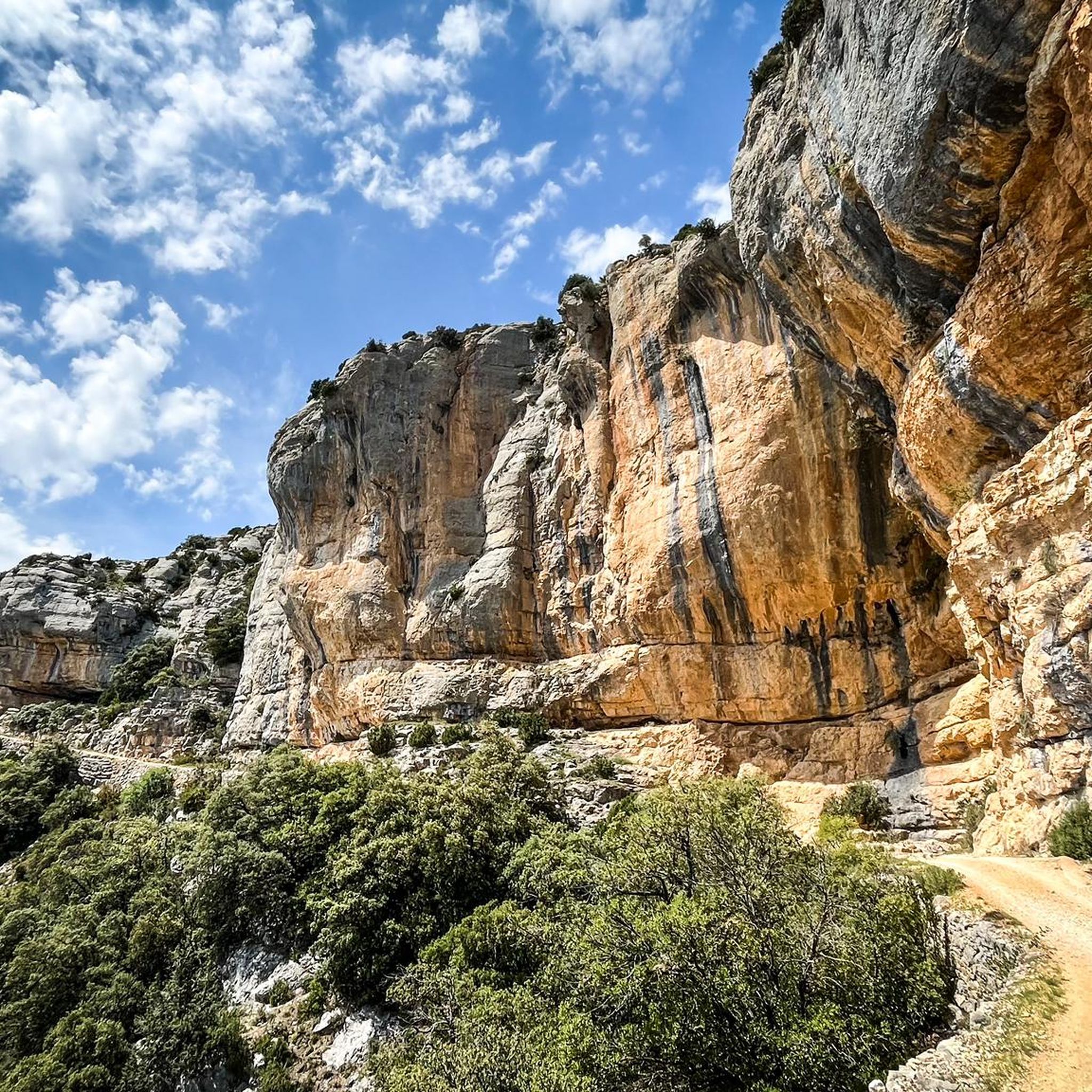
Good views of Camarasa and the Segre river. The hermitage of Sant Jordi was built in the 19th century to replace a previous temple in ruins that can be found half a km from the current one to the north. The interior is simple with an image of Sant Jordi
3
0
Frequently Asked Questions
What natural attractions can I explore around Vilanova De Meià?
Vilanova De Meià is rich in natural beauty. You can visit the monumental Cova del Tabac, known for its karst formations and ancient cave paintings. The area is also home to the impressive Serra del Montsec mountain range, offering diverse landscapes. For panoramic views, consider the 1,200-meter El Cogulló mountain or the Coll de Comiols, a hill at 1101 meters high. Other natural wonders include Font Blanca, the mysterious Cova del Gel, and the scenic Pantà de Terradets reservoir.
Are there historical or cultural sites to visit in Vilanova De Meià?
Yes, Vilanova De Meià has a rich history. The historic center retains its medieval character, with remnants of fortified walls and defense towers. You can explore the Romanesque-Gothic Sant Salvador Church, dating from the 13th and 14th centuries, or the 11th-century Romanesque hermitage of Santuari de la Mare de Déu del Puig de Meià. The Cova del Tabac also features ancient cave paintings, adding to the region's historical significance.
What kind of outdoor activities are popular in the Vilanova De Meià area?
The region around Vilanova De Meià is a hub for outdoor enthusiasts. It's particularly renowned for climbing, especially on Roca dels Arcs, which offers excellent multi-pitch routes. Hiking and cycling are also very popular, with numerous routes that combine scenic beauty with physical activity. You can find detailed guides for these activities, including specific routes, on komoot: Hiking around Vilanova De Meià, Cycling around Vilanova De Meià, and Gravel biking around Vilanova De Meià.
Where can I find the best viewpoints in Vilanova De Meià?
Several spots offer magnificent views. The Coll de Comiols provides panoramic vistas of the surrounding mountains and the Cuenca de Tremp. The Sant Jordi Hermitage also offers good views of Camarasa and the Segre River. Additionally, the summit of El Cogulló mountain and the Old Hostal Roig are known for their impressive valley views.
Are there any unique natural formations or caves to explore?
Absolutely. The Cova del Tabac is a monumental cave with ancient cave paintings and fascinating karst formations. Another intriguing natural wonder is the Cova del Gel, a mysterious ice cave filled with stalactites and stalagmites. The Pantà de Terradets also features impressive landscapes and a reservoir.
What is the Suspension Bridge and Dam at Congost de Mu?
The Suspension Bridge and Dam at Congost de Mu is a notable man-made monument within an impressive gorge. It features a wooden suspension bridge that is essential for crossing the Mu Gorge, offering a unique experience and scenic views.
What is the best time of year to visit Vilanova De Meià for outdoor activities?
The region is generally pleasant for outdoor activities from spring through autumn. For hiking and climbing, the milder temperatures of spring and early autumn are ideal. If you're interested in local events, the Fira de la Perdiu (Partridge Fair) typically takes place in mid-November, celebrating local cuisine and mushrooms.
Are there any family-friendly attractions or activities?
While specific 'family-friendly' highlights are not explicitly listed, the natural environment offers many opportunities for families. Easy hiking trails, exploring the less strenuous parts of the Cova del Tabac, or enjoying the serene Font Blanca can be enjoyable for families. The general outdoor activities like cycling along the Riu Boix also provide options for active families.
What is the significance of the Sant Jordi Hermitage?
The Sant Jordi Hermitage is a 19th-century religious building that replaced an older temple. It is a historical site offering good views of Camarasa and the Segre River, making it a popular spot for both its cultural significance and scenic outlook.
Can I find routes for cycling near Vilanova De Meià's attractions?
Yes, the area is well-suited for cycling. The El Riu Boix river, for example, has routes that pass through significant locations. You can explore various cycling routes, including those for touring bicycles and gravel biking, which often connect to or pass by many of the region's attractions. For detailed routes, refer to the Cycling around Vilanova De Meià and Gravel biking around Vilanova De Meià guides on komoot.
What makes the Serra del Montsec special for visitors?
The Serra del Montsec mountain range provides a privileged natural setting for Vilanova De Meià. It's an area of significant geological and archaeological interest, offering diverse landscapes and numerous opportunities for hiking and exploring its unique natural features.
Most popular routes around Vilanova De Meià
Most popular attractions around Vilanova De Meià

Get inspired with the komoot mobile app


Explore more
Still not found the Highlight you’re looking for? See guides of the top attractions in other regions:
