Attractions and Places To See around Vilardevós - Top 12
Attractions and places to see around Vilardevós include natural features and historical sites in southeastern Ourense, Galicia. This municipality borders Portugal and is characterized by its tranquil landscapes and rich heritage. The region features river valleys, mountain ranges, and archaeological remains, offering diverse points of interest.
Best attractions and places to see around Vilardevós
- The most popular attractions is Verín, a settlement that served as a regional strategic city on the old trade route to Portugal. It is a…
Last updated: August 9, 2026
Verín
Highlight • Settlement
Translated by Google •
Tip by

Pozo do Demo Waterfall
Highlight • Waterfall
Due to the large rocks that surround the well, it …
Translated by Google •
Tip by

Sign up now to discover places like this
Get recommendations on the best single tracks, peaks, & plenty of other exciting outdoor places.
Sign up for free
Igrejinha Chapel
Highlight • Religious Site
Translated by Google •
Tip by

Támega River Valley
Highlight • River
Translated by Google •
Tip by
Balneario de Cabreiroá
Highlight • Structure
Currently, it is closed, but it …
Translated by Google •
Tip by
Sign up for free to discover even more attractions around Vilardevós.
Sign up for free
Already have an account?
Start today with a free account
Your next adventure awaits.
Login or Signup

Tips from the Community

The Cabreiroá Spa is one of Galicia's most emblematic thermal resorts, renowned for the quality of its mineral-medicinal waters and a history that blends science, modernist architecture, and thermal tradition. As early as the 19th century, a pool existed there, used by locals to treat stomach and bladder problems, and to promote wound healing.
2
1

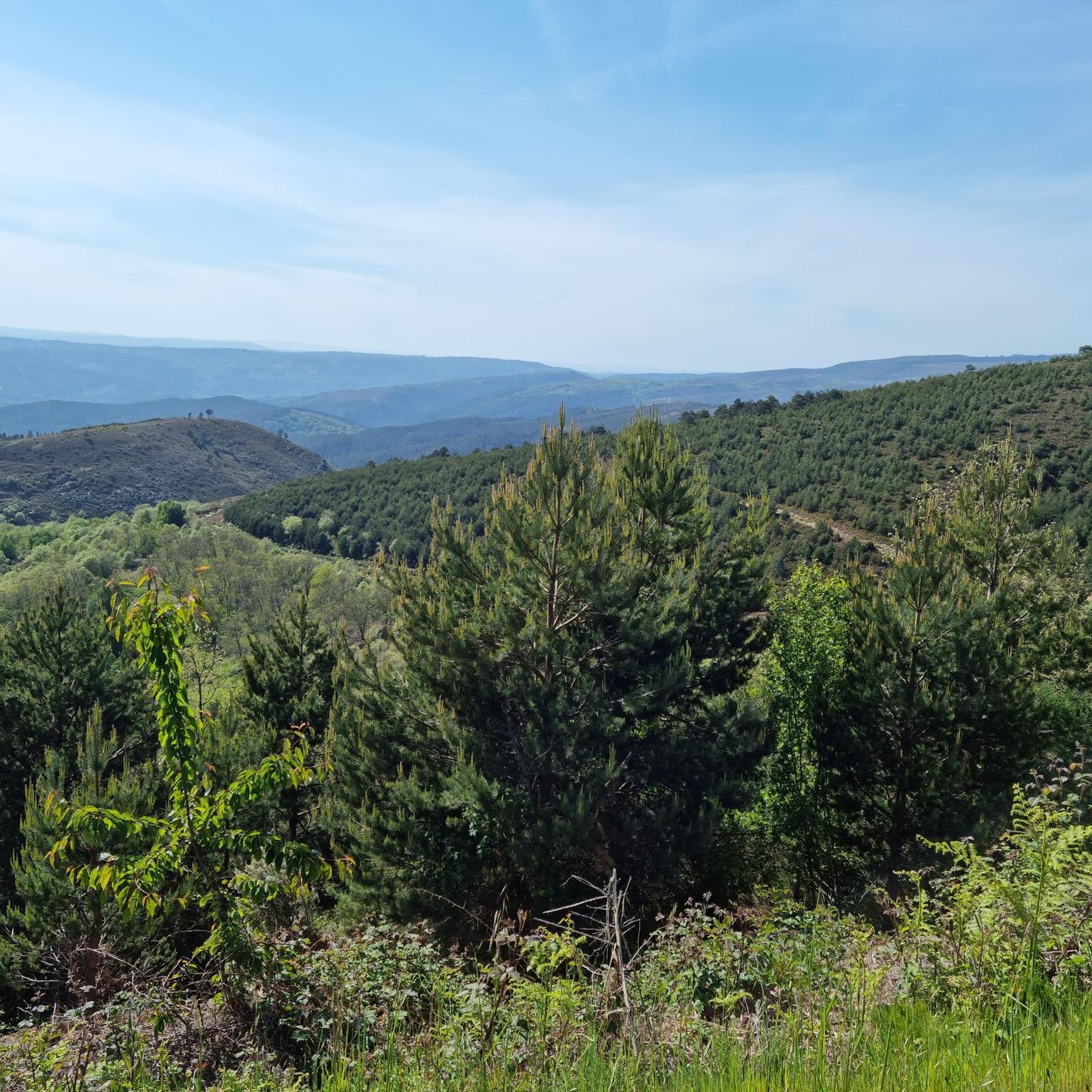
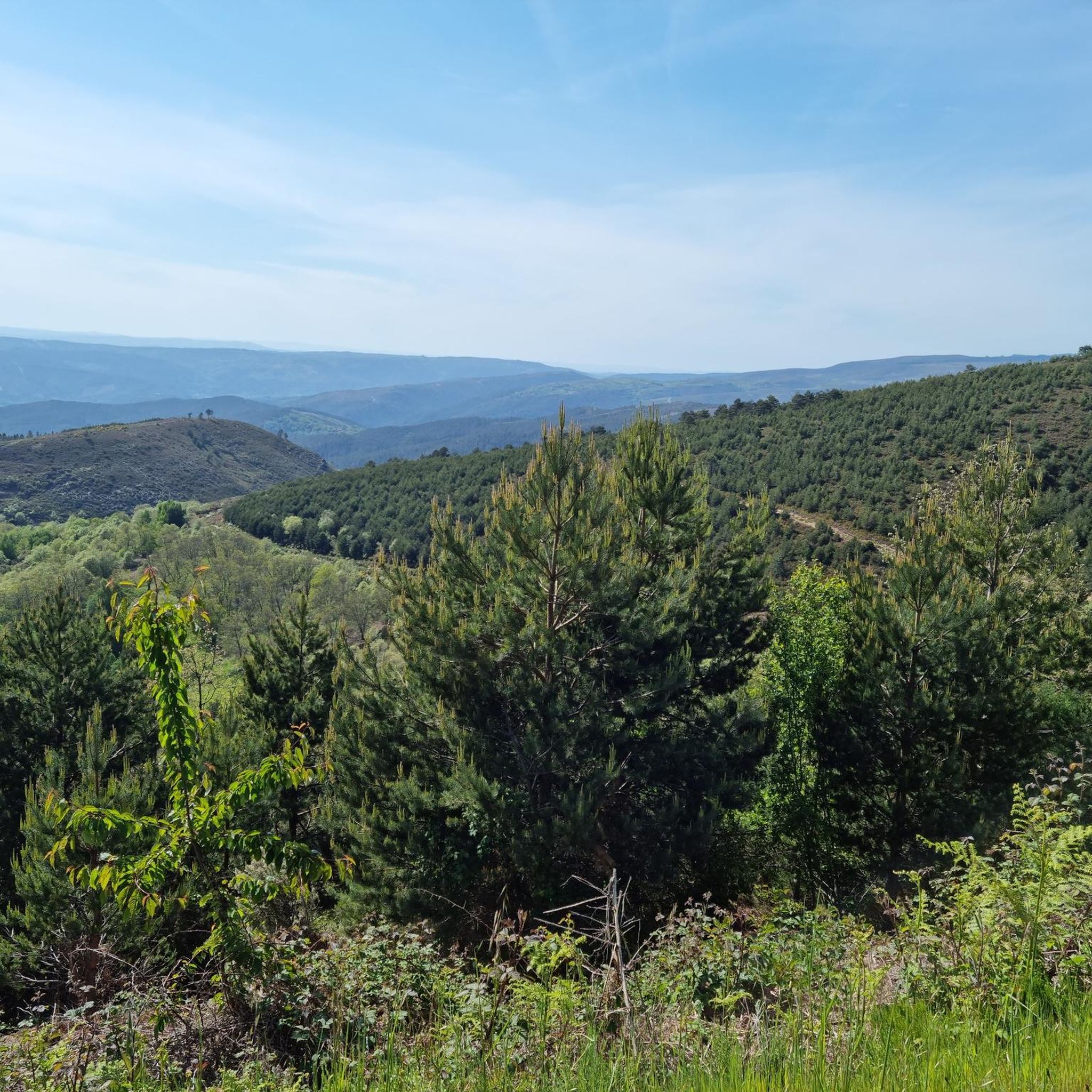
A wolf(!?) crossed our path here. When he saw us, he fled.
0
0

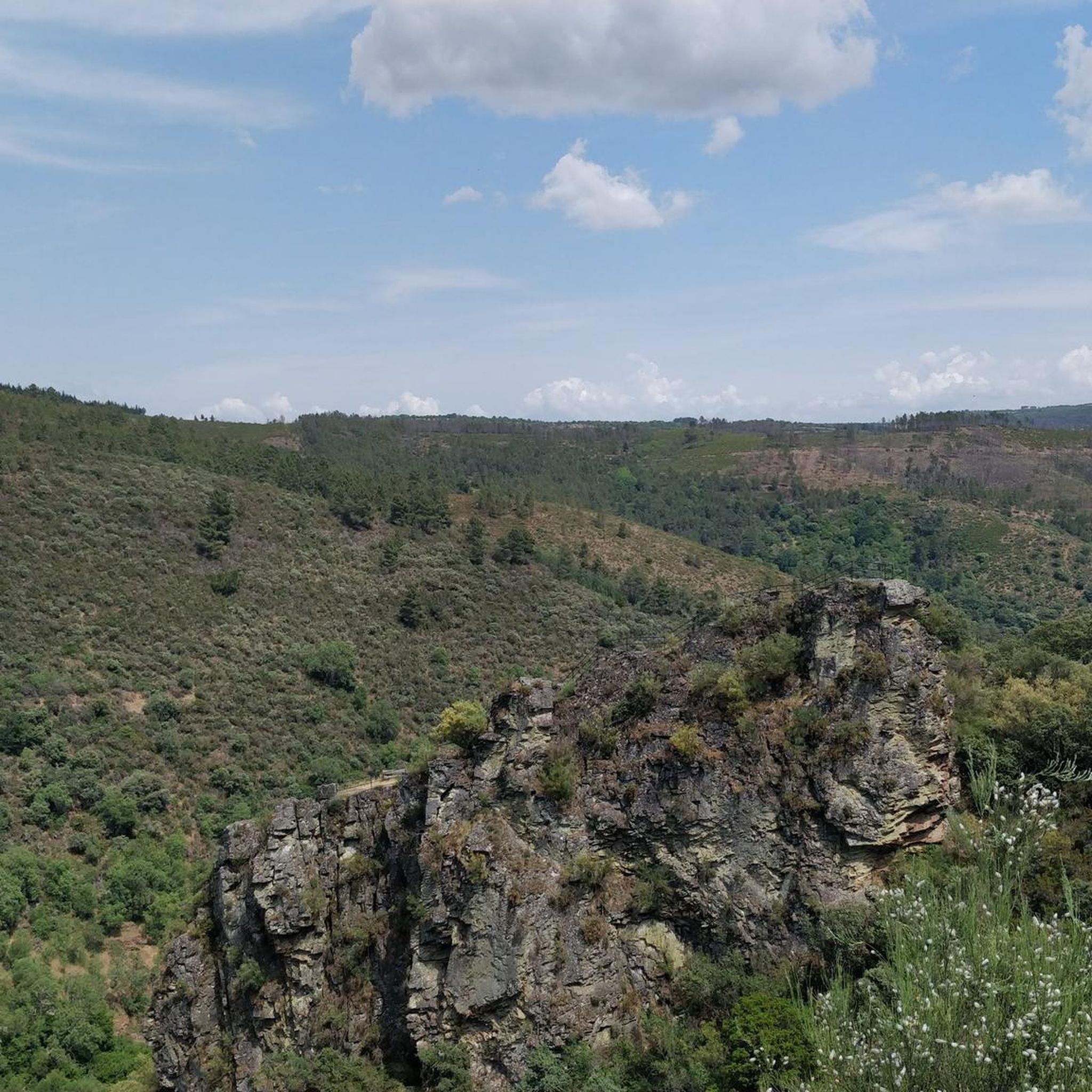
Large rock with a small porch, used as a chapel.
0
0

Regional strategic city on the old trade route to Portugal and a stopping point on the Camino de la Plata. Do not forget to see the Castillo de Monterrei overlooking the town.
1
0
The Tâmega River is born in this valley on its way to Portugal and the Douro River. Enjoy biking through this beautiful, lush green valley surrounded by native trees and water.
1
0

Located in the village of Cabreiroá, is the Cabreiroá Spa, made up of a spring, the mineral water bottling facilities and the spa itself. Currently, it is closed, but it is possible to visit part of the enclosure. Admission for your visit is free, although you must check the opening hours, as these may vary.
2
1
Magnificent waterfall in the Rego das Quintas, a tributary of the Abedes River that rises on Mount Fraga de Lobos. Due to the large rocks that surround the well, it is impossible to see the full magnitude of this great waterfall. A sign, next to the sound of water, indicates the descent to the river. Although the path is quite accessible, you have to be careful not to slip on rainy days. To be able to see the waterfall, you have to look below, in an opening between the stones.
2
2
Quiet and shaded route through the valley from Verín before climbing the mountain. The river is one of the tributaries of the Douro River that flows into the Atlantic Ocean in Porto
1
1
Frequently Asked Questions
What natural attractions can I explore in Vilardevós?
Vilardevós offers several beautiful natural spots. You can visit the magnificent Pozo do Demo Waterfall, located in the Rego das Quintas, or the Fervenza da Cidadella, which can be explored via a circular route with wooden walkways. The lush Támega River Valley is ideal for biking, and the Serra de Penas Libres provides scenic mountain views.
Are there any historical or cultural sites to visit in Vilardevós?
Yes, Vilardevós is rich in history and culture. You can explore the ancient Castro de Florderrei, an Iron Age fort, which is also home to the 18th-century Ermida de Nosa Señora das Portas Abertas. The Balneario de Cabreiroá is a historically significant thermal resort, and the region features traditional architecture, religious buildings like the Chapel of San Roque, and unique ethnographic heritage elements such as the Peto das Ánimas.
What kind of outdoor activities are available in Vilardevós?
The region is perfect for outdoor enthusiasts. You can enjoy hiking through scenic landscapes, with routes like the 'Balneario de Cabreiroá – Pozo do Demo Waterfall loop from Verín' available. Cycling is also popular, especially along the Támega River Valley. For more detailed route information, check out the Hiking around Vilardevós and Cycling around Vilardevós guides.
Are there family-friendly places to visit in the area?
Absolutely. The Támega River Valley offers a pleasant environment for family bike rides or walks. The Cidadella recreational area, near Fervenza da Cidadella, provides picnic spots and restored mills, making it a great place for families to relax and explore.
Where can I find panoramic views of the Vilardevós region?
For breathtaking panoramic views, head to the Mirador del Alto da Cota, situated at almost 1100 meters near the Portuguese border. It offers impressive vistas of the Portuguese 'raia' and the Monterrei valley. Another excellent spot is the Miradoiro de Florderrei, which provides extensive views of the territory and its natural surroundings.
Can I go hiking in Vilardevós?
Yes, Vilardevós offers several hiking opportunities. A notable circular route is the Ruta da Terra de Arriba, which is 14.67 kilometers long and includes the Fervenza da Cidadella as one of its main attractions. You can find more hiking trails, including moderate options like the 'Viewpoint Overlooking Spain – Igrejinha Chapel loop from Pinheiro Novo', in the Hiking around Vilardevós guide.
Are there cycling routes available in Vilardevós?
Yes, cycling is a popular way to explore the region. The Támega River Valley is particularly suitable for biking. You can find various routes, from easy to moderate, such as the 'Verin - tour around the Tamega river' or the 'Lagoons of the Tâmega River loop'. For a comprehensive list, refer to the Cycling around Vilardevós guide.
What is the significance of the Balneario de Cabreiroá?
The Balneario de Cabreiroá is one of Galicia's most emblematic thermal resorts, renowned for its mineral-medicinal waters. While the spa itself is currently closed, visitors can often explore parts of the enclosure for free. It has a rich history dating back to the 19th century, when its waters were used for various health treatments.
What are some unique cultural elements in Vilardevós?
Vilardevós preserves unique expressions of Galician popular religiosity and ethnographic heritage. Examples include the 'Peto das Ánimas de Enxames' and 'Peto das Ánimas de Vilarello'. Additionally, you can explore traditional architecture, such as stone houses and ancient fountains, and visit centenarian wineries in Arzádegos to learn about the region's winemaking history.
Are there any archaeological sites in the area?
Yes, Vilardevós has a long history of human presence, evidenced by archaeological remains. The Castro de Florderrei is an Iron Age fort with signs of Roman occupation. Prehistoric findings from the Neolithic period, including ceramics and bell-beakers, have also been discovered near 'Flor de rei Vello', indicating ancient settlements.
What is the best way to experience the Támega River Valley?
The Támega River Valley, where the Tâmega River originates, is best experienced by biking or walking. Its lush green landscapes, native trees, and water make it ideal for a tranquil journey. There are various cycling routes that follow the river, offering a quiet and shaded experience.
What is the best time of year to visit Vilardevós for outdoor activities?
The region's natural beauty, including its waterfalls and river valleys, can be enjoyed throughout much of the year. Spring and autumn generally offer pleasant temperatures for hiking and cycling. During rainy days, caution is advised on paths near waterfalls like Pozo do Demo Waterfall due to slippery conditions.

Get inspired with the komoot mobile app


Explore more
Still not found the Highlight you’re looking for? See guides of the top attractions in other regions:
