The best MTB trails around Agullana
4.3
(429)
2,428
riders
118
rides
Mountain bike trails around Agullana are set within the diverse landscapes of the Alt Empordà region, bordering France. The area features the western part of the Sierra de la Albera, offering a mountainous backdrop with varied terrain. Riders can explore extensive forests of cork, holm oak, and chestnut trees, alongside the scenic Salines-Bassegoda Nature Reserve. Routes often integrate natural features like the Darnius-Boadella Dam and Reservoir, providing a mix of challenging ascents and picturesque views.
Best mountain bike trails around…
Last updated: October 29, 2026
4.5
(4)
44
riders
41.1km
04:12
1,230m
1,230m
Hard mountain bike ride. Very good fitness required. Advanced riding skills necessary.
23
riders
37.9km
03:41
840m
840m
Moderate mountain bike ride. Good fitness required.

15
riders
Easy mountain bike ride.
5
riders
34.6km
02:55
830m
830m
Moderate mountain bike ride. Good fitness required.
5.0
(5)
9
riders
Moderate mountain bike ride. Good fitness required.
Get access to more routes and recommendations from other explorers.
Already have an account?
Our route recommendations are based on thousands of hikes, rides, and runs completed by other people on komoot.
Start today with a free account
Your next adventure awaits.

Tips from the Community

A single-nave church with side chapels. The façade is the oldest part of the church. The portal is composed of four ruined semi-circular arches, a smooth tympanum featuring the Rocabertí coat of arms, and an architrave inscribed with the date May 18, 1414. The rest of the church (nave, transept, and apse) dates back to the 18th century. The roof is made of Arab tiles.
0
0

Viewpoint on the most beautiful part of the reservoir
18
0

This pass was important as a passage between regions, especially in activities such as transhumance or the transport of goods. The snow wells that give the place its name were also key elements in the economy of the mountainous areas. The term "Pou de la Neu" refers to the snow or ice wells that were traditionally used to store snow during the winter. These structures, dug into the ground or built with stones, served to preserve ice that was later transported to the lower areas for use in food, medicine or food preservation.
1
0

https://www.youtube.com/watch?v=MPTihCg51pw The current parish church of La Jonquera was started in 1414 by Bernat Gonbau Parer and his wife, according to the inscription on the portal, although there is documentation that testifies to an older origin. Initially it was a suffragan of Santa Maria d'Agullana and did not attain the status of parish until 1569. It is a single-nave building with a transept and dome, and a semicircular apse. The facade has been preserved from the construction or reform of the 15th century, with a portal that, despite the date, is still of the Romanesque tradition, made of very well-carved ashlars and formed by four archivolts in degradation, dust guard, and a smooth tympanum, where there is the coat of arms of the Rocabertí family. On the lintel, on both sides of the already mentioned inscription, there are reliefs of animals. The rest of the temple is the result of a reconstruction in the 18th century (it is noted that in 1790 it was still under construction).
3
0
https://www.youtube.com/watch?v=rdU570JVAvQ The Llobregat d'Empordà is a river in Alt Empordà, a tributary of the Muga on the left side. It originates at the peak of the Llobregat, passes through the Jonquera and receives the waters of the southern slope of the Albera mountain range. It is a rainfed river, nourished only by autumn and spring rains and has a minimum in August. In terms of biological diversity, it must be said that it is a river full of life: it is populated by the typical Catalan river species, barbels and trout, crayfish (currently dominated by the American crayfish, the native has almost disappeared) , eels, water snakes, salamanders, toads, frogs... The banks are full of riparian vegetation: alders, poplars...
3
0
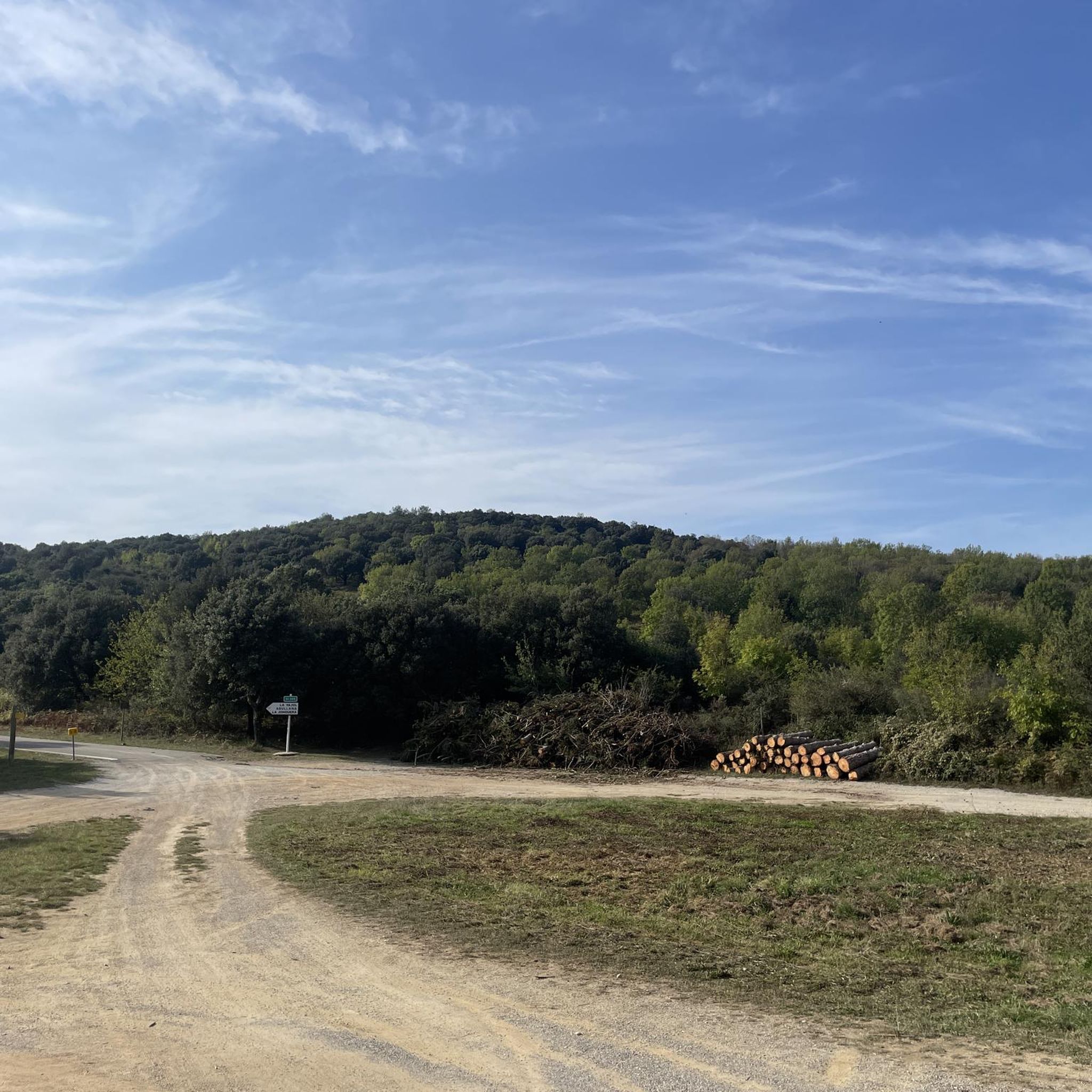
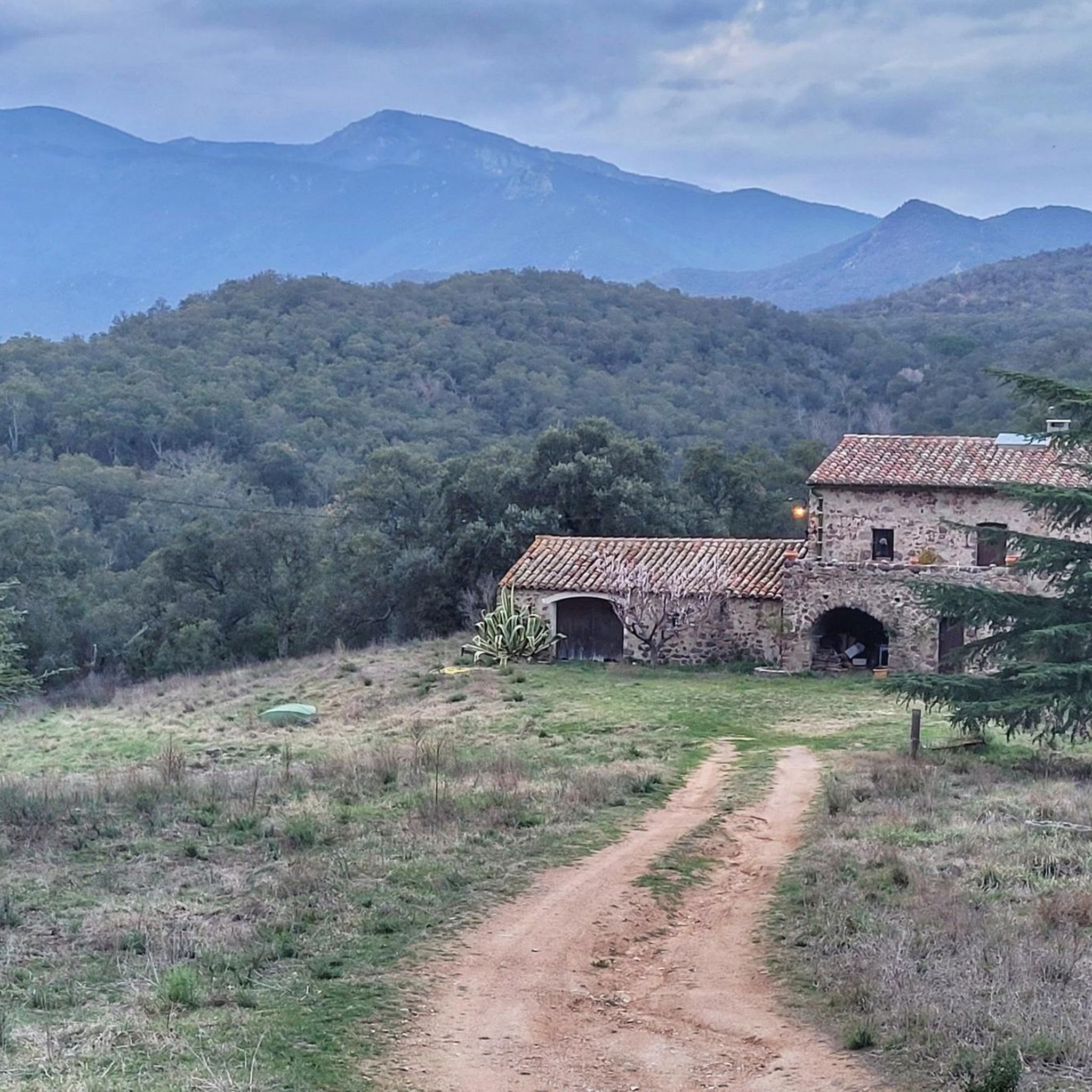
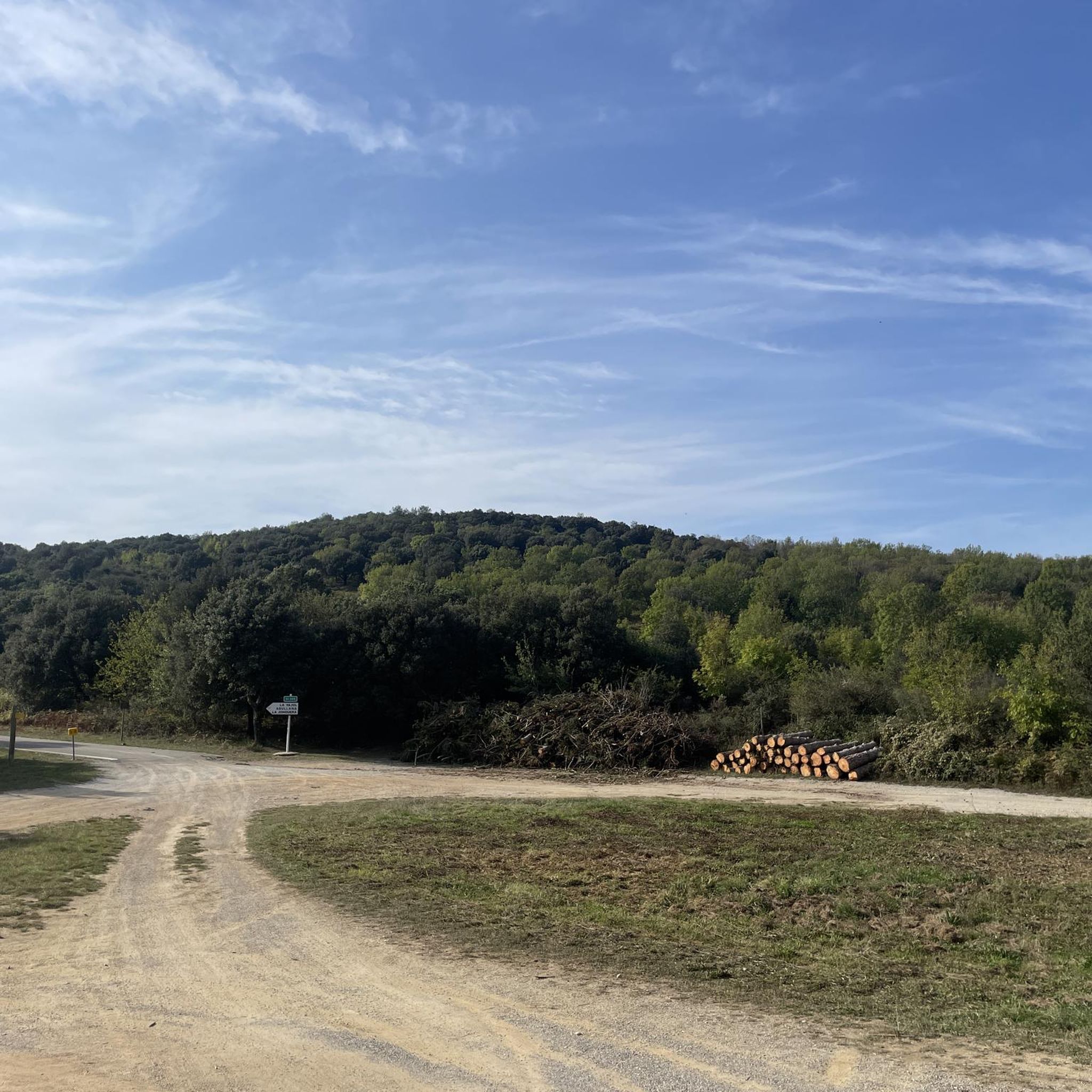
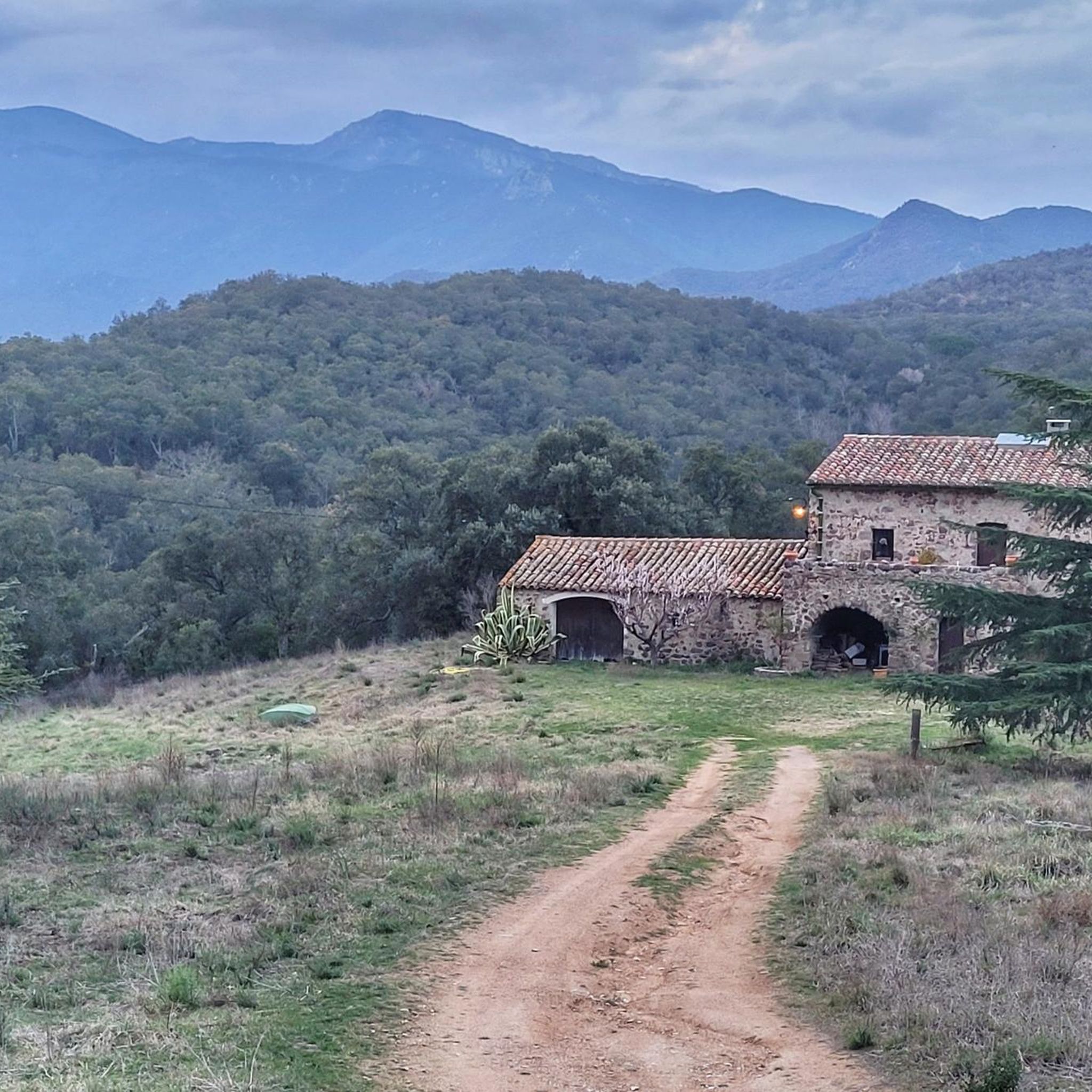
Fun track in good conditions with a positive gradient that ends at the Can Genis farmhouse (spectacular), located between Darnius and Agullana, it is a farmhouse made up of several buildings that have been added to over the centuries. In the 18th and 19th centuries, more modern buildings were added, such as the manor house, with a turret and gallery of arcades that describe a large terrace. I recommend going downhill and enjoying the curves and folds.
1
0
Small but very interesting town, visit its gorc full of all types of birds, enjoy its history and its restaurants.
3
0
Frequently Asked Questions
How many mountain bike trails are available around Agullana?
There are over 120 mountain bike trails around Agullana, catering to various skill levels. This includes 14 easy routes, 75 moderate routes, and 38 difficult routes, ensuring a diverse riding experience for everyone.
What kind of terrain can I expect on mountain bike trails in Agullana?
The terrain around Agullana is quite varied, featuring the rugged Sierra de la Albera with its mountainous backdrop. You'll encounter extensive forests of cork, holm oak, and chestnut trees, as well as areas near the Salines-Bassegoda Nature Reserve and the Darnius-Boadella Dam and Reservoir. Routes include both paved and unpaved surfaces, from fire roads and gravel tracks to more technical sections.
Are there any easy mountain bike trails suitable for beginners or families in Agullana?
Yes, Agullana offers 14 easy mountain bike routes, perfect for beginners or families looking for a more relaxed ride. An example of an easy route is the Church of Santa Maria – Llobregat d'Empordà River loop from la Jonquera, which is just over 6 km long.
What are some notable natural features or viewpoints along the mountain bike trails?
Many trails offer scenic views of the Sierra de la Albera and pass through dense forests. The Darnius-Boadella Reservoir – Darnius-Boadella Reservoir loop from Darnius provides picturesque views of the reservoir itself. You might also encounter stunning waterfalls like the Cascade of the Gorges de la Fou or the Salt del Fitó, which are accessible from some routes.
Can I find historical landmarks or cultural sites while mountain biking in Agullana?
Absolutely. The region is rich in history. You can explore ancient megalithic monuments like the Dolmen of the Barraca del Lladre or the Menhir dels Palaus within the forests. Some routes, such as the Douglas DC-6 Crash Site (1986) – View of Requesens Castle loop from la Jonquera, lead through historical sites and offer panoramic views of places like Castell de Requesens. The town of Agullana itself also features modernist buildings from its cork industry heyday.
What do other mountain bikers say about the trails in Agullana?
The mountain bike trails in Agullana are highly rated by the komoot community, with an average score of 4.5 stars from over 300 reviews. Many riders praise the diverse landscapes, the mix of challenging ascents and picturesque views, and the opportunity to combine physical activity with cultural discovery.
Are there any circular mountain bike routes in Agullana?
Yes, many of the mountain bike routes around Agullana are designed as loops, allowing you to start and end at the same point. For example, the popular Darnius-Boadella Reservoir – Darnius-Boadella Reservoir loop from Darnius is a moderate 30.5 km circular route.
What is the best time of year to go mountain biking in Agullana?
Agullana's diverse climate makes it suitable for mountain biking for much of the year. Spring and autumn generally offer the most pleasant temperatures for riding, with lush landscapes in spring and vibrant colors in autumn. Summer can be warm, but the extensive forests of cork, holm oak, and chestnut trees provide shaded routes. Winter riding is also possible, though some higher elevation trails might be cooler.
Are there any challenging mountain bike routes for experienced riders?
Experienced riders will find plenty of challenging options in Agullana, with 38 difficult routes available. A demanding trail is the Pou de la Neu Pass – Puig del Faig loop from Darnius, a 41.1 km path featuring significant elevation gain through mountainous terrain.
Where can I find parking for mountain biking trails in Agullana?
While specific parking areas vary by trail, many routes start from towns like Darnius or La Jonquera, where public parking is generally available. It's advisable to check the starting point of your chosen route on komoot for detailed information on nearby parking facilities.
Are there any routes that pass by the Darnius-Boadella Reservoir?
Yes, the Darnius-Boadella Dam and Reservoir are integrated into several cycling routes, offering beautiful waterside scenery. A popular moderate route that circles the reservoir is the La Gorga de les Dones – Darnius-Boadella Reservoir loop from Darnius.
Most popular attractions around Agullana

Get inspired with the komoot mobile app


Explore more
Browse the best MTB trails in other regions.
