The best road cycling routes around Casabermeja
4.8
(25)
3,071
riders
34
rides
Road cycling around Casabermeja offers diverse landscapes with undulating terrain and significant elevation gains. The region, nestled in the hills north of Málaga, features quiet roads winding through the Montes de Málaga Natural Park and offering views towards El Torcal. Cyclists can expect challenging climbs and scenic routes across pine forests and ridgelines. This area provides a compelling destination for road cyclists seeking varied terrain.
Best road cycling routes around Casabermeja
- The most popular road cycling route is Puerto de Sabar – Puerto del Sol (1085 m) loop from Casabermeja, a 44.1 miles (71.0 km) trail that takes 3 hours 43 minutes to complete. This difficult route features over 1,300 meters of elevation gain, providing panoramic views.
- Another top favourite among local road cyclists is Estepa Gate – Dolmens of Antequera loop from Casabermeja, a difficult 63.9 miles (102.8 km) path. This route includes steady climbs towards the Puerto de El Torcal, offering sweeping views of surrounding mountain ranges.
- Local road cyclists also love the Fuente de Almogía – Almogía Cycling Viewpoint loop from Casabermeja, a 33.5 miles (53.9 km) trail leading through the Montes de Málaga, often completed in about 2 hours 58 minutes.
- Road cycling around Casabermeja is defined by undulating terrain, significant elevation gains, and quiet roads through natural parks. The network offers options for both moderate and difficult ability levels.
- The routes in Casabermeja are highly rated by the komoot community with an average score of 4.8 stars from over 20 reviews. More than 2,000 road cyclists have used komoot to explore Casabermeja's varied terrain.
Last updated: July 25, 2026
5.0
(2)
123
riders
48.6km
02:57
1,260m
1,260m
Hard road ride. Very good fitness required. Mostly well-paved surfaces and easy to ride.
16
riders
59.6km
03:01
940m
940m
Hard road ride. Very good fitness required. Some segments of this route may be unpaved and difficult to ride.

Sign up for free
15
riders
76.3km
04:14
1,660m
1,660m
Hard road ride. Very good fitness required. Mostly well-paved surfaces and easy to ride.
12
riders
53.3km
03:04
1,260m
1,260m
Hard road ride. Very good fitness required. Mostly well-paved surfaces and easy to ride.
7
riders
174km
09:44
3,770m
3,770m
Hard road ride. Very good fitness required. Some segments of this route may be unpaved and difficult to ride.
Get access to more routes and recommendations from other explorers.
Sign up for free
Already have an account?
Our route recommendations are based on thousands of hikes, rides, and runs completed by other people on komoot.
Start today with a free account
Your next adventure awaits.
Login or Signup

Tips from the Community

Rewarding hike through the Guadalhorce gorge
0
0

Ideal for the coffee break.
0
0

The climb is noticeable and requires fitness, but the effort is rewarded with a magnificent view of the landscape.
0
0
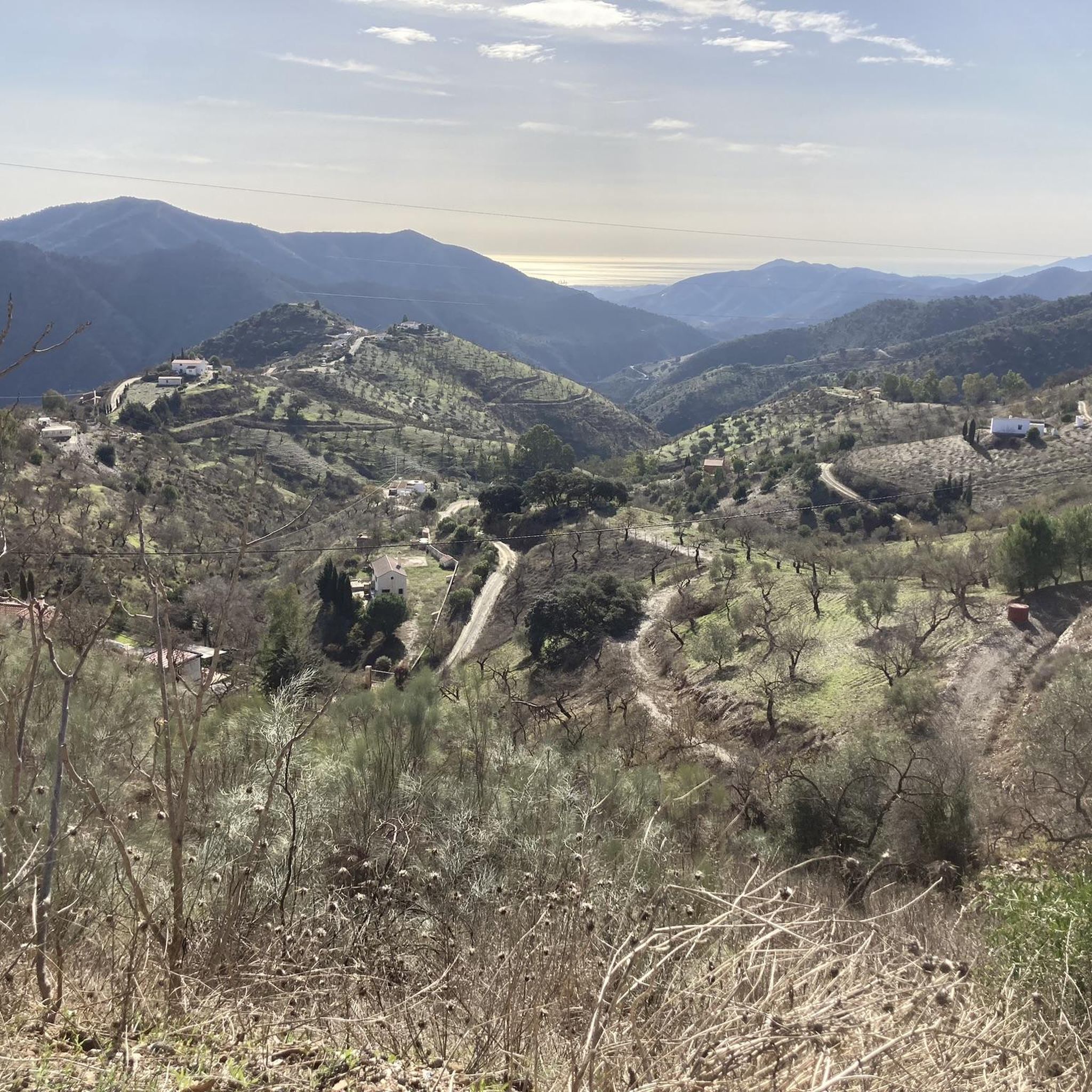
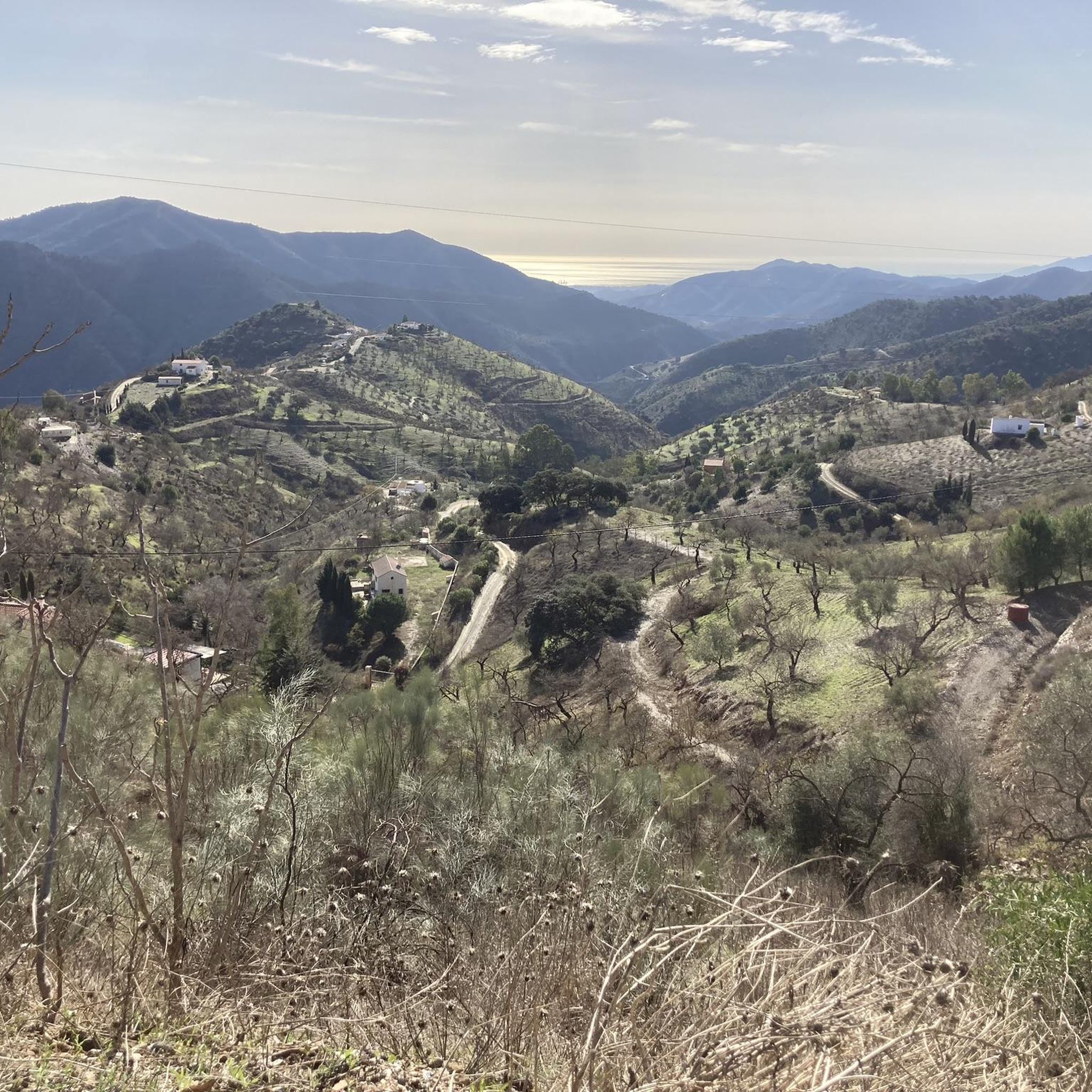
The ascent to Puerto del León follows a winding, paved road characterized by a consistently steep gradient, particularly noticeable in the switchbacks. The route leads through the foothills of the Montes de Málaga, past wooded slopes, scattered olive groves, and small fields. Upon reaching the upper sections, a view opens up to the mountainous landscape of the Axarquía region, with its gentle mountain ranges and deep valleys. The road itself snakes through the mountains, with the gradient frequently alternating between moderate and challenging, demanding both stamina and pedaling technique. The route, combined with the altitude, offers an intense experience of nature and riding.
2
0
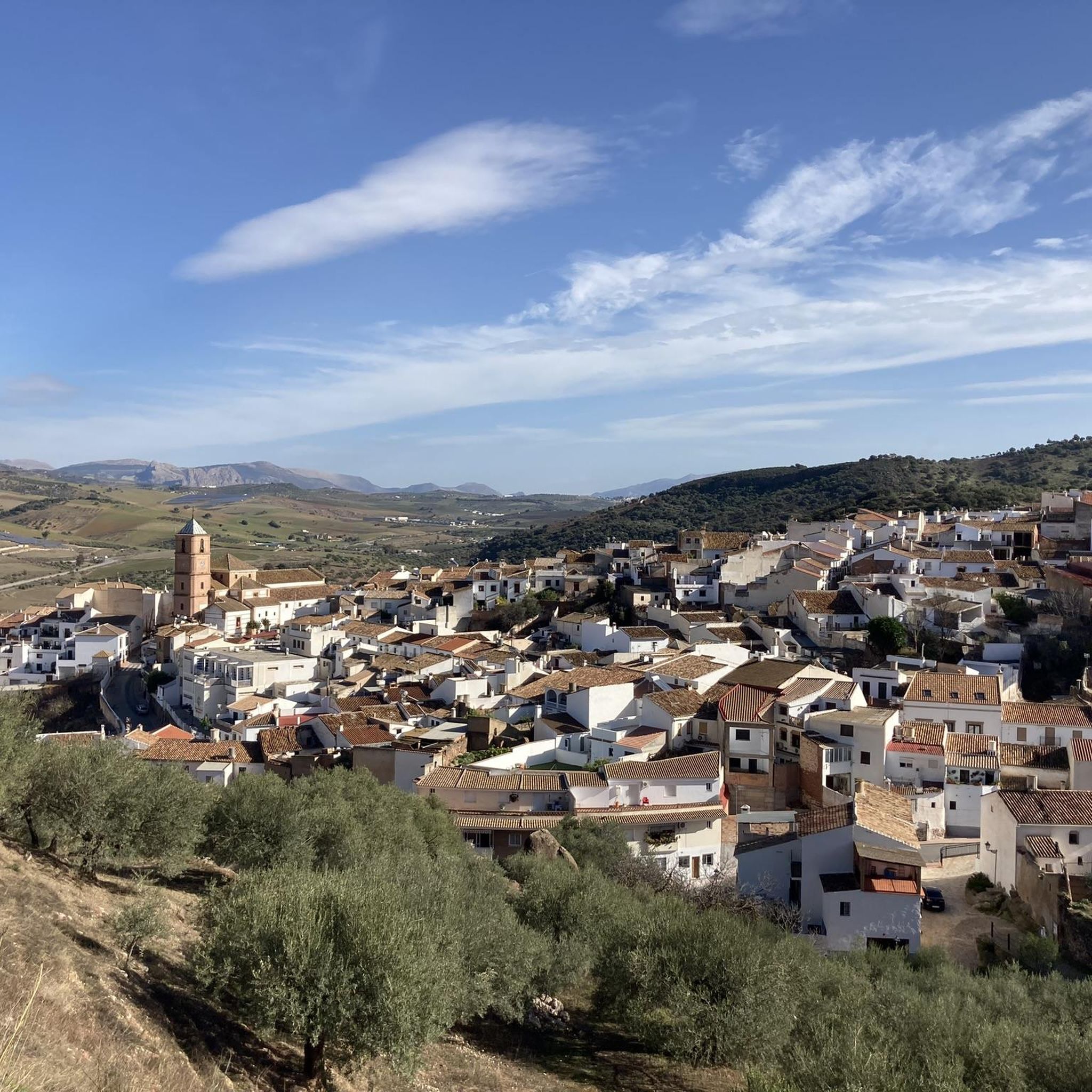
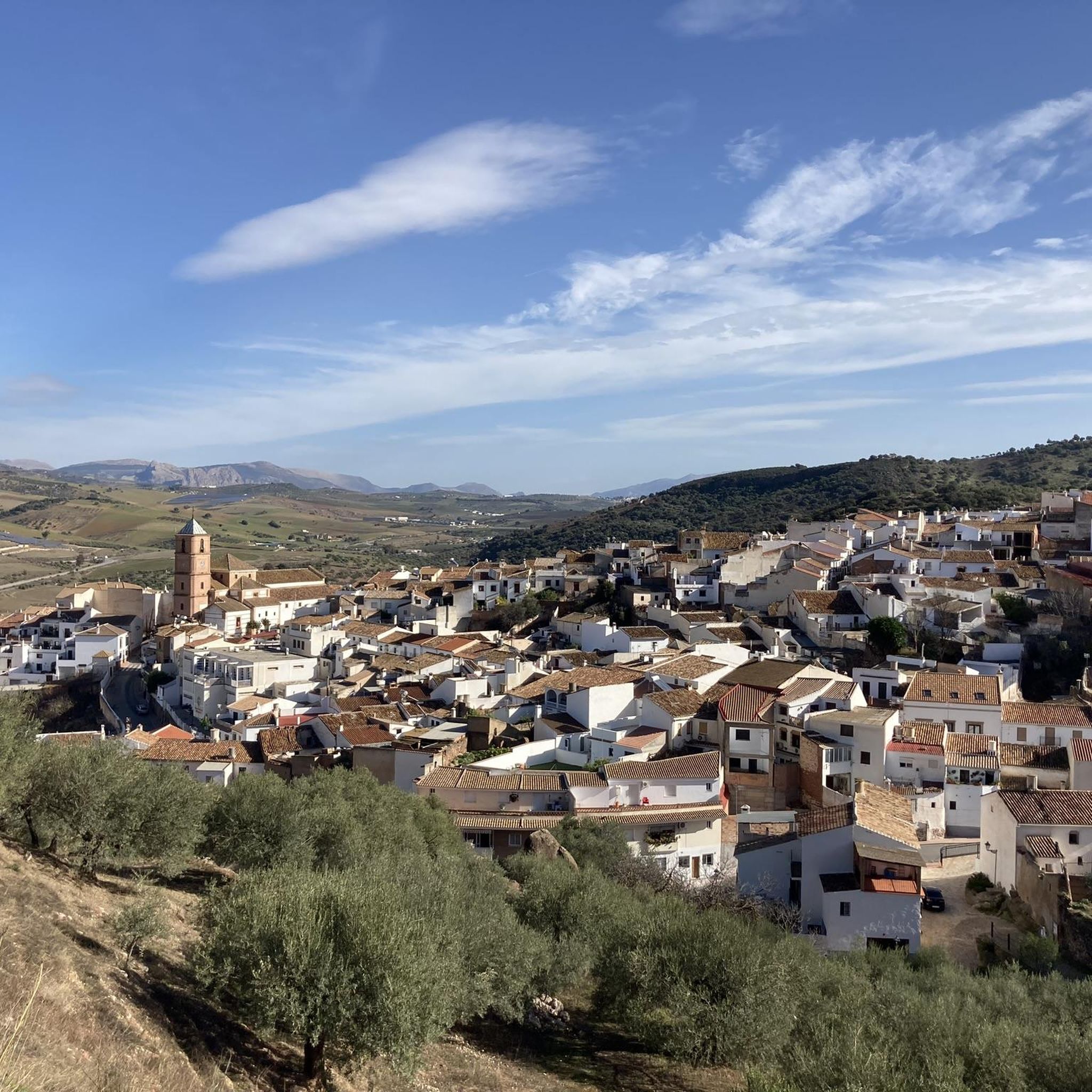
Colmenar, a picturesque village in the Andalusian province of Málaga, was founded at the end of the 15th century after the Christian reconquest of the region. The village's name derives from the Spanish word colmena ("beehive") and recalls the long tradition of beekeeping, which once played a central role here. Thanks to its favorable location in the Montes de Málaga mountains and the lush vegetation, beekeeping was one of the most important sources of income for the population for centuries. Even today, Colmenar is known as the "Village of Honey" and proudly maintains this cultural heritage. Among the village's most important landmarks is the Ermita de la Candelaria, a small 17th-century chapel perched on a hill overlooking the village, offering sweeping views of the surrounding mountains. In the town center stands the Iglesia de Nuestra Señora de la Asunción, a church dating from the 16th and 17th centuries, which impresses with its simple Andalusian style and tranquil atmosphere. At the town entrance, visitors are greeted by the Puerta de la Cruz, a symbolic gate featuring a monolith bearing the village's coat of arms – adorned with a bee and a honeycomb, representing Colmenar's history and identity. A particular highlight is the Museo de la Miel, the "Honey Museum," where visitors can learn all about beekeeping, the work of bees, and honey production. Thus, Colmenar harmoniously blends history, nature, and tradition – a place where the region's past and a deep love for its landscape are reflected in every street and every scent of wild rosemary.
6
0
The monument commemorates Don Alfonso Molina Padilla, one of the town's most important figures. Born in Colmenar in 1875, Molina Padilla was a lawyer and politician of the liberal left. He represented the Archidona constituency in the Spanish Parliament and dedicated his life to social causes and education. Having no children, he bequeathed his entire fortune to a foundation he established in his will – the "Fundación Molina Padilla – Orfanato de Jesús y Candelaria." The foundation's aim was to provide underprivileged children and young people from Colmenar with access to education. To this day, the foundation awards scholarships to pupils and students, ensuring the continued impact of his work across generations. A monument honoring his legacy was erected in Colmenar, located in the plaza at the end of Calle Camino de Málaga, near Calle La Nora. The statue depicts Don Alfonso Molina Padilla as a symbol of charity and community spirit – values that he deeply rooted in his home community.
0
0
Puerto de El Jaral is not only a geographical crossing, but also a quiet viewpoint where the tranquility of nature and the wide view over the Mediterranean landscape combine – a characteristic destination for cyclists and nature lovers alike.
4
0
The Torre Zambra is a worthwhile destination for cyclists. The climb to the tower leads through a tranquil, scenic setting with sweeping views of the mountains surrounding Casabermeja. The route is challenging, as it climbs steadily, but rewards with impressive views from the summit plateau. At the top of the tower, you can take a short break to enjoy the expansive view stretching all the way to Málaga and, on a clear day, even to North Africa. The Torre Zambra is therefore an ideal destination for cyclists seeking a sporting challenge and a natural experience.
2
0
Frequently Asked Questions
What is the overall difficulty level of road cycling routes around Casabermeja?
Road cycling routes in Casabermeja are generally challenging. The area features undulating terrain with significant elevation gains. Out of the 13 available routes, 6 are classified as moderate and 7 as difficult, meaning there are no easy routes suitable for beginners or young families.
Are there any long-distance road cycling routes available?
Yes, Casabermeja offers several long-distance routes. For example, the Estepa Gate – Dolmens of Antequera loop from Casabermeja is a difficult 102.8 km path with over 2,000 meters of elevation gain, offering sweeping views towards Antequera.
What kind of landscapes can I expect to see while road cycling in Casabermeja?
You'll experience diverse landscapes, including quiet roads winding through the Montes de Málaga Natural Park with extensive pine forests and ridgelines. Many routes also offer wide panoramas back towards Málaga and the coastline, as well as vistas of the dramatic mountain ranges around El Torcal.
Are there any circular road cycling routes in the area?
Yes, many routes around Casabermeja are designed as loops. A notable example is the Puerto de Sabar – Puerto del Sol (1085 m) loop from Casabermeja, a challenging 71 km route with over 1,300 meters of elevation gain.
What do other road cyclists say about the routes in Casabermeja?
The road cycling routes in Casabermeja are highly rated by the komoot community, with an average score of 4.8 stars from over 20 reviews. Cyclists often praise the challenging climbs, scenic views, and the serene, quiet roads through natural parks.
What are some notable natural attractions visible from the road cycling routes?
You can enjoy views of impressive natural formations like The Torcal of Antequera and The Cathedrals of El Torcal. The routes also pass through the beautiful Montes de Málaga Natural Park.
Are there any cultural or historical landmarks along the cycling paths?
While primarily focused on natural beauty, some routes offer glimpses of the region's heritage. The area is rich in history, with traces of human settlement since prehistoric times. You might pass by traditional features like the Queen's Fountain, a common reference point for local riders.
Which route offers views of the Axarquia region?
The Viewpoint Axarquia – Comares Village loop from Casabermeja is a difficult 76 km route that leads over Axarquia, offering substantial kilometers and elevation with stunning views from the Patas Cortas pass and descents through white villages.
Are there any routes that pass by reservoirs or dams?
Yes, some routes in the region offer views of water bodies. For instance, the MA-3101 road from Málaga to Casabermeja, which is part of the broader cycling network, passes by the Agujero Dam.
What is a good route for experienced cyclists looking for a significant challenge?
Experienced cyclists seeking a significant challenge might enjoy the Fuente de Almogía – Almogía Cycling Viewpoint loop from Casabermeja. This difficult 53.9 km trail leads through the Montes de Málaga and features over 1,000 meters of elevation gain.
Can I find routes that explore the Montes de Málaga Natural Park?
Absolutely. Many routes traverse the Montes de Málaga Natural Park. These climbs gently suggest taking your time to admire the beautiful views across pine forests, dry riverbeds, and long ridgelines. The Colmenar – Colmenar loop from Casabermeja is one such difficult route, covering 60.1 km within the park's vicinity.
What is the best time of year for road cycling in Casabermeja?
The region's climate, being an Andalusian village north of Málaga, generally offers pleasant conditions for cycling outside of the peak summer months. Spring and autumn typically provide ideal temperatures for tackling the significant elevation gains and enjoying the scenic routes without extreme heat.
Most popular attractions around Casabermeja

Get inspired with the komoot mobile app


Explore more
Browse the best Road cycling routes in other regions.
