The best cycling routes around Narbonne
4.4
(4162)
29,137
riders
932
rides
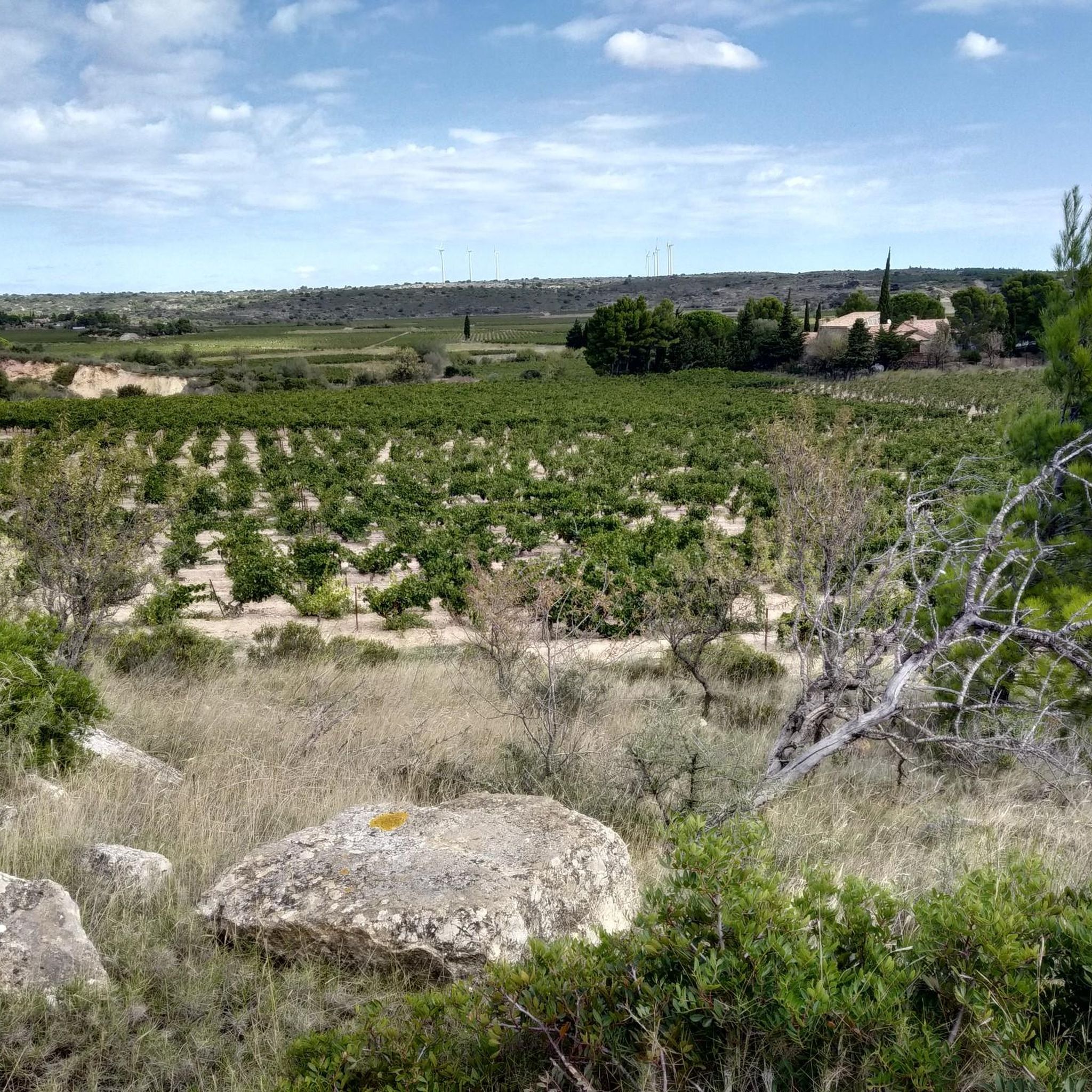
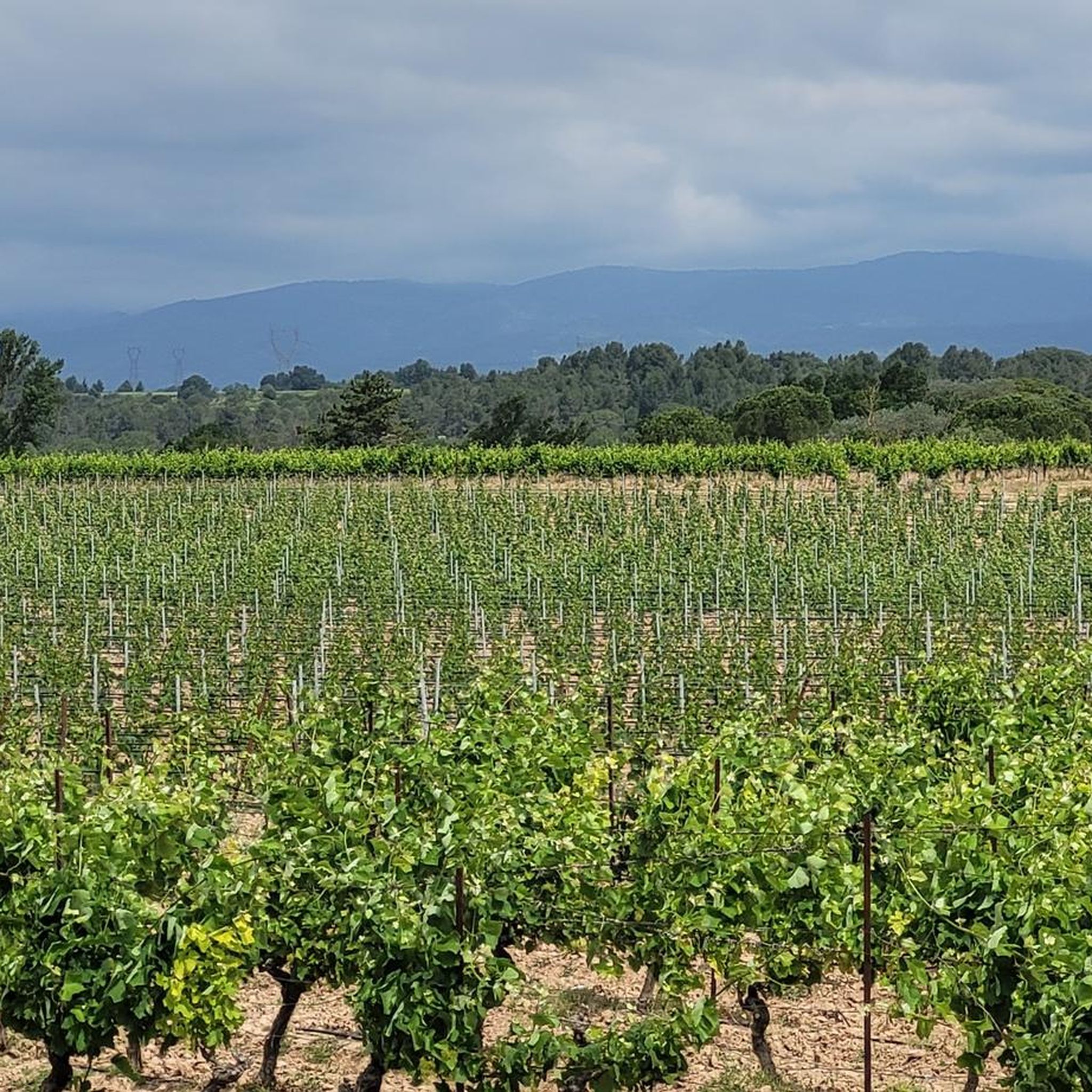
Touring cycling around Narbonne offers diverse landscapes, from flat canal paths to more challenging routes through limestone massifs. The region is characterized by its extensive vineyards, coastal lagoons, and historic waterways like the Canal de la Robine. Cyclists can explore routes along the Mediterranean coastline and through the protected environment of the Narbonnaise Regional Natural Park. This varied terrain provides options for different cycling abilities and preferences.
Best touring cycling routes around Narbonne
- The most popular touring cycling route is…
Last updated: October 7, 2026
4.4
(52)
313
riders
68.2km
04:59
150m
150m
The EuroVelo 8 route from Leucate to Narbonne immerses you in a cycling journey that transitions from the sunny vineyards of the Leucate plateau to the historical tranquility of the…
3.4
(15)
55
riders
58.9km
03:41
280m
280m
Cycle a moderate 36.6-mile loop around Etang de Gruissan, enjoying lagoon views, birdlife, and historic landmarks in the Narbonnaise Park.

4.0
(18)
56
riders
23.3km
01:30
90m
90m
Easy bike ride. Great for any fitness level. Mostly paved surfaces. Suitable for all skill levels.
4.3
(6)
23
riders
71.0km
04:09
130m
130m
Hard bike ride. Good fitness required. You may need to push your bike for some segments of this route.
3.5
(2)
22
riders
Moderate bike ride. Good fitness required. Mostly paved surfaces. Suitable for all skill levels.
4.5
(163)
857
riders
39.9km
02:19
60m
60m
Moderate bike ride. Good fitness required. Mostly paved surfaces. Suitable for all skill levels.
4.4
(122)
852
riders
96.4km
07:13
230m
230m
Hard bike ride. Very good fitness required. Mostly paved surfaces. Suitable for all skill levels.
4.7
(100)
610
riders
33.7km
01:59
40m
40m
Easy bike ride. Great for any fitness level. Mostly paved surfaces. Suitable for all skill levels.
4.2
(82)
502
riders
62.3km
03:39
200m
200m
Moderate bike ride. Good fitness required. Mostly paved surfaces. Suitable for all skill levels.
4.6
(65)
397
riders
41.8km
03:24
70m
70m
Moderate bike ride. Good fitness required. Mostly paved surfaces. Suitable for all skill levels.
Get access to more routes and recommendations from other explorers.
Already have an account?
Our route recommendations are based on thousands of hikes, rides, and runs completed by other people on komoot.
Other adventures around Narbonne


Tips from the Community

A very scenic route between the waters, which is better avoided in rain or on wet ground.
0
0
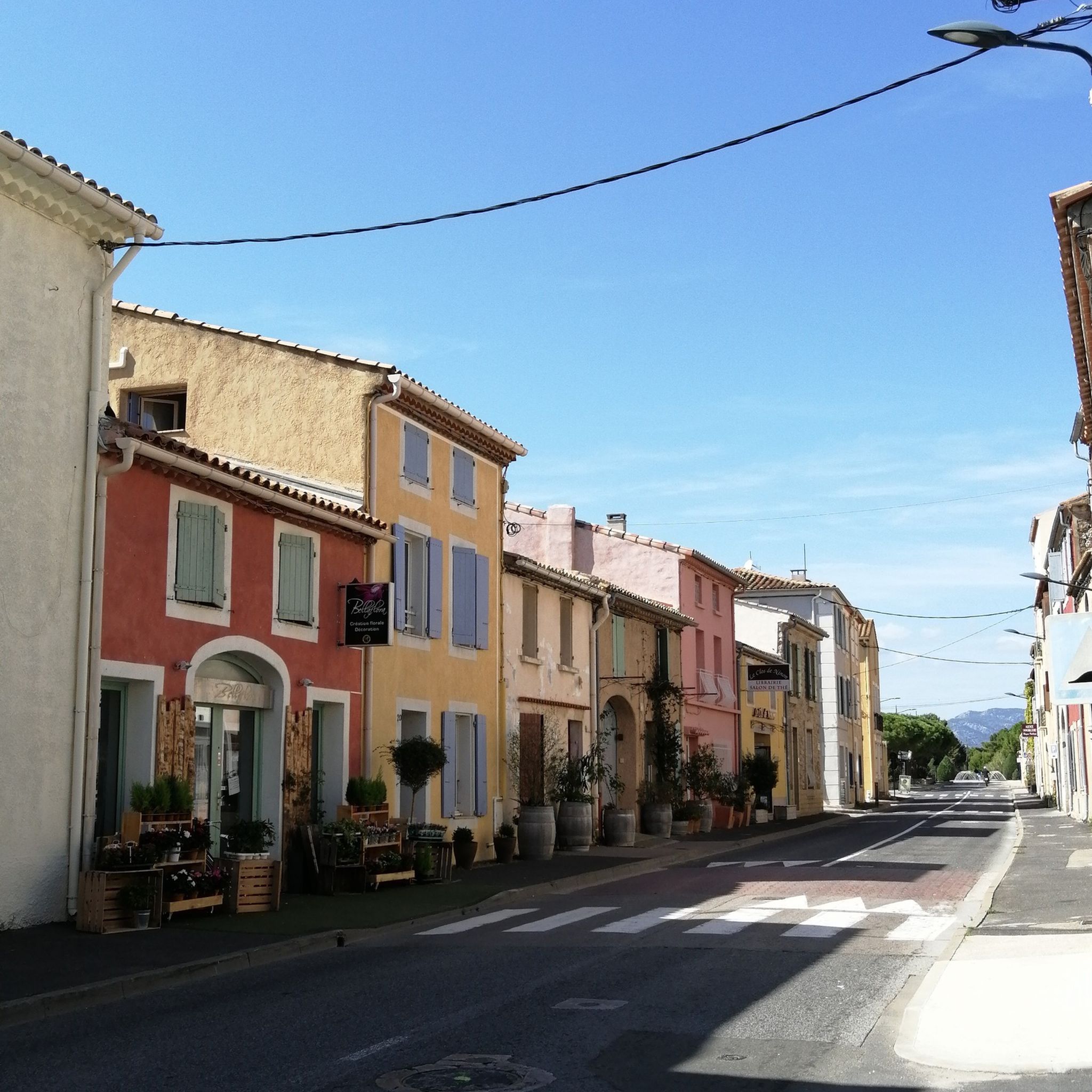
An attractive small town that has retained much of its original atmosphere. Approximately 5,000 people live in the entire municipality year-round, and 45,000 in the summer.
0
0

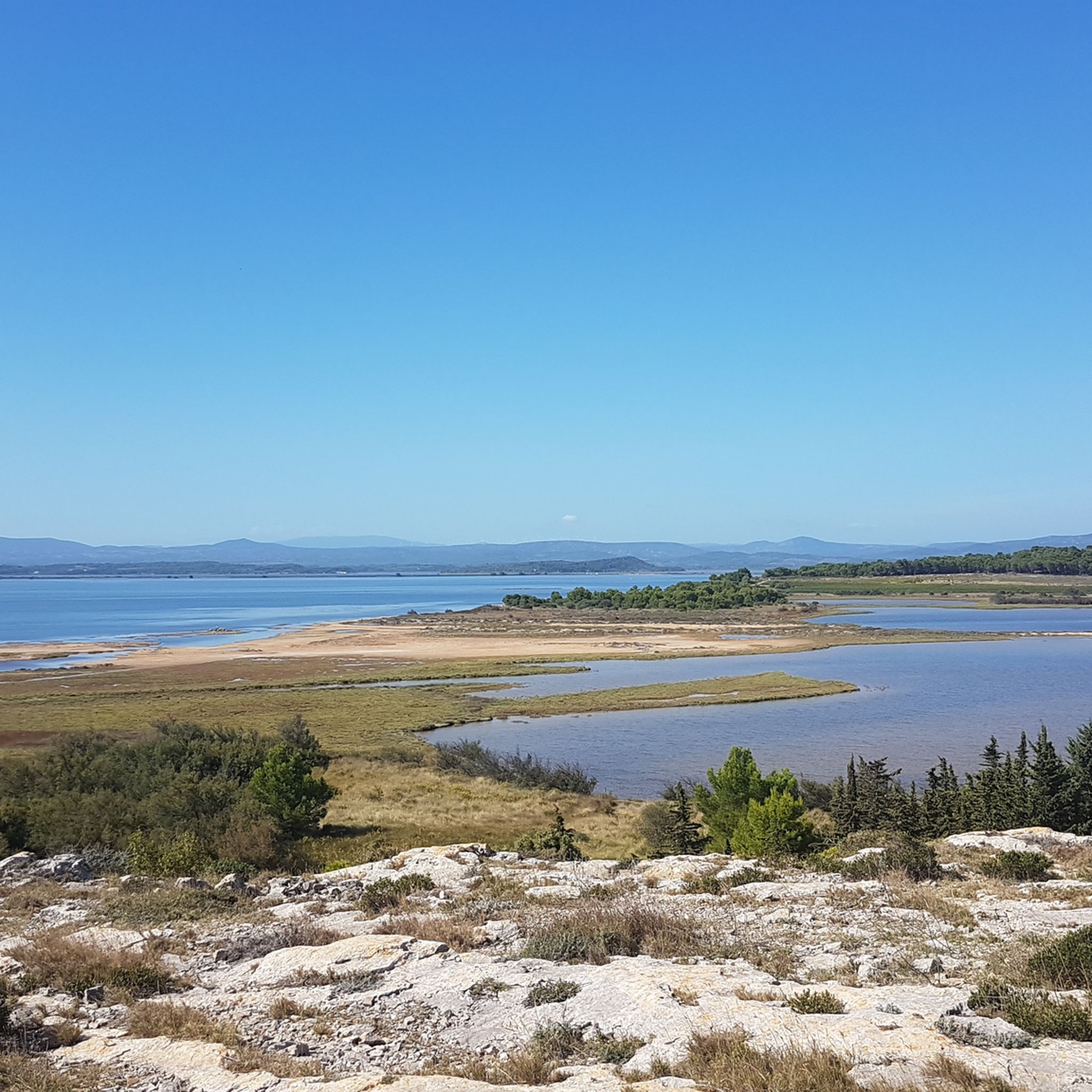
From this narrow strip of land, the lagoon landscape of Gruissan reads almost like a succession of parallel bands: the wetlands and secondary ponds to the south, the path, the Sainte-Marie canal, then the Gruissan pond to the north. The Sainte-Marie canal bears witness to the former hydraulic development of the coastal plain. Integrated into a network of canals intended to manage its waters, it notably participated in the draining of the former salt pond. Today, it contributes to the freshwater supply of the Gruissan pond and thus participates in the salinity variations of the lagoon. Beyond the pond, the reliefs of Gruissan and the Barberousse Tower stand out on the horizon.
2
0
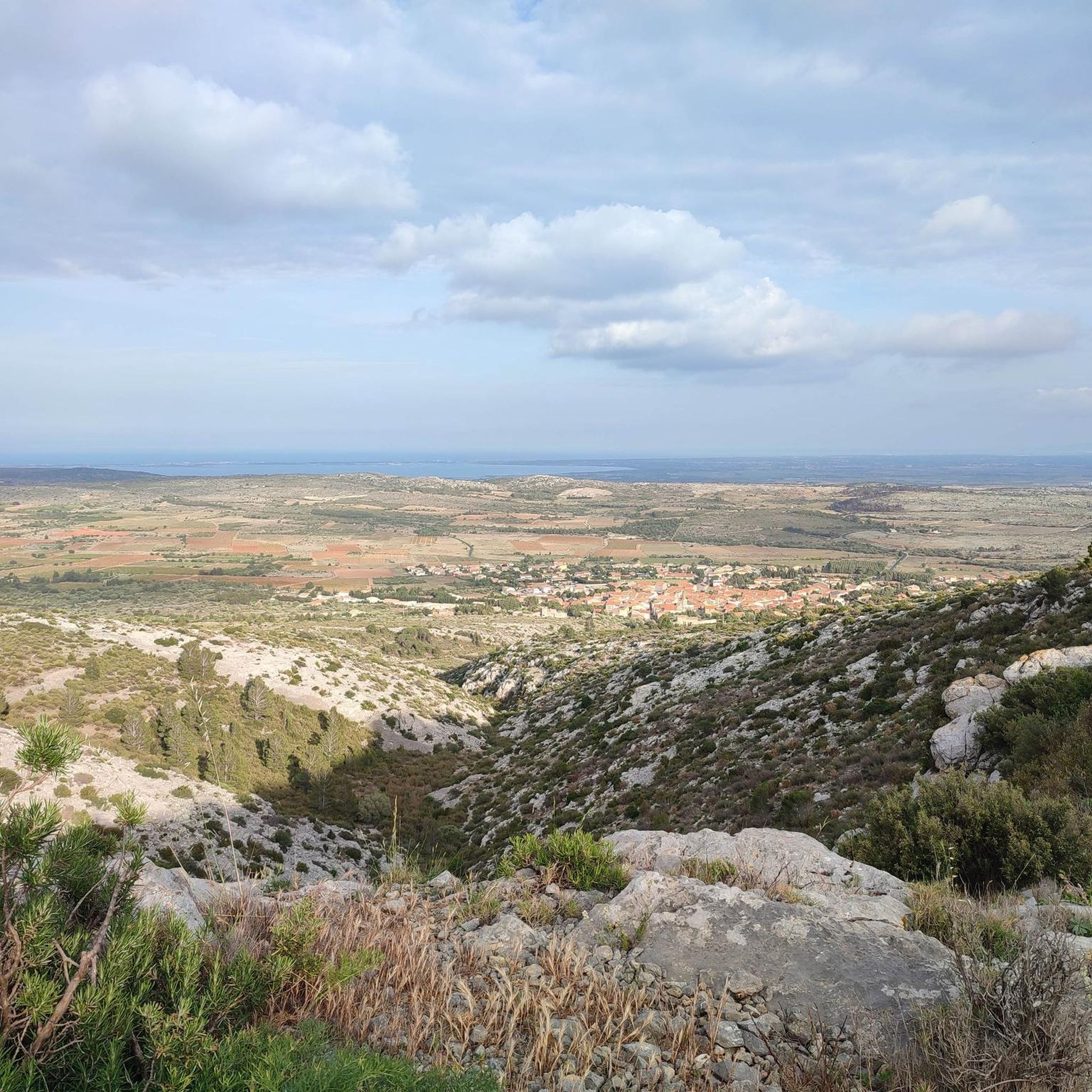
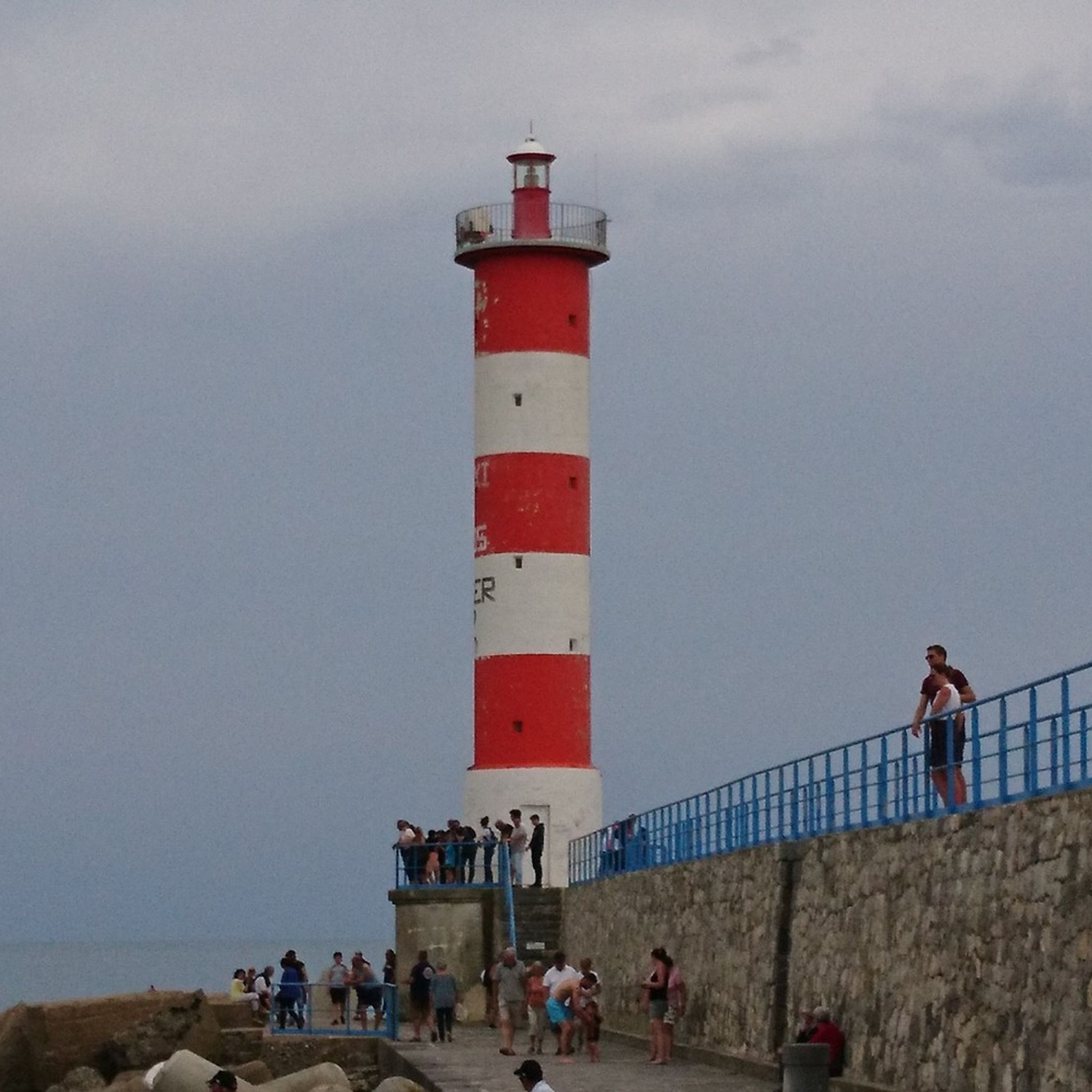
From the pond of Gruissan, there is a wide panorama of the village and the Tour Barberousse. The current tower, built between 1245 and 1247 by the archbishop of Narbonne, Guillaume de Broa, is the main remnant of a medieval castle that guarded the maritime access to the Narbonne area.
2
0

The Trèbes locks are a flight of locks composed of three basins. Built around 1674, it is located downstream from the port of Trèbes at the exit of the town in the direction of the village of Marseillette. Taking advantage of the strong difference in level of the flight, an intense milling activity was established on the left bank of the lock. A first upper mill was built at the end of the 17th century. It is crossed by a diversion of the Canal du Midi which ensures its operation; it is described as having four millstones with a stable and a shed. A transformation of this first mill was carried out in 1867 to make it a flour mill comprising 6 millstones. This new building, later enlarged in the 1930s, consists of a base and 4 floors at its highest point. Today it has been converted into a restaurant.
0
0
The Canal du Midi, formerly the Royal Canal, is a 17th-century technical feat designed by Pierre-Paul Riquet to connect the Atlantic to the Mediterranean. Today, it is above all a place for relaxation and discovery, where heritage, nature, and conviviality blend together.
0
0
The l'Aiguille lock is a double lock on the Canal du Midi located in the commune of Puichéric.
0
0
L'Epanchoir de l'Argent Double, classified as a historic monument: started in 1677 and completed in 1694 according to Vauban's plans, it allows the canal to discharge its excess water.
0
0
Frequently Asked Questions
How many touring cycling routes are available around Narbonne?
Narbonne offers a vast network of over 900 touring cycling routes. These routes cater to various preferences, ranging from easy, flat paths to more challenging trails through diverse landscapes.
What types of terrain can I expect on touring cycling routes in Narbonne?
The region around Narbonne provides a rich variety of terrain. You can find flat, shaded paths along historic waterways like the Canal de la Robine, coastal routes offering refreshing sea breezes, and more challenging climbs through the limestone Massif de la Clape. Many routes also wind through extensive vineyards and past scenic coastal lagoons.
Are there easy, family-friendly cycling routes in Narbonne?
Yes, Narbonne is well-suited for family cycling. The towpaths along the Canal de la Robine are particularly flat and shaded, making them ideal for relaxed rides with children. Routes around the coastal lagoons also tend to be less strenuous and offer beautiful views.
What are some scenic points of interest or attractions along the cycling routes?
Cycling routes around Narbonne are rich with points of interest. You can explore the UNESCO World Heritage site of the Canal de la Robine, pass by historic villages like Le Somail, or discover the Gruissan Lagoon. The region also features extensive vineyards, the protected environment of the Narbonnaise Regional Natural Park, and coastal views, especially along segments of the EuroVelo 8.
Are there any circular touring cycling routes around Narbonne?
Yes, there are several excellent circular routes. For instance, the Gruissan Lagoon – Panorama of Gruissan loop from Place de la Jonque offers a scenic ride around coastal lagoons. Another option is the Leucate from La Palme in a loop, which provides diverse landscapes.
What is the best time of year for touring cycling in Narbonne?
The best seasons for touring cycling in Narbonne are generally spring and autumn. During these times, the weather is typically mild and pleasant, avoiding the intense heat of summer and the cooler, potentially wetter conditions of winter. This allows for comfortable exploration of the vineyards, canals, and coastal paths.
Are there challenging routes for experienced touring cyclists?
Absolutely. For those seeking a more demanding ride, the Tour of the Massif de la Clape offers a moderate challenge with scenic views and varied terrain. Another route, Col de Pereille and Col du Souil from Durban-Corbières in a loop, involves significant elevation gain, providing a good workout for advanced cyclists.
What do other touring cyclists enjoy most about cycling in Narbonne?
The touring cycling routes in Narbonne are highly rated by the komoot community, with an average score of 4.4 stars from over 3,100 reviews. Cyclists often praise the region's diverse landscapes, from the tranquil canal paths to the stunning coastal views and the unique experience of cycling through vineyards. The well-maintained paths and variety of difficulty levels are also frequently highlighted.
Can I access international cycling routes from Narbonne?
Yes, Narbonne is a key point on the EuroVelo 8, also known as the Mediterranean Cycle Route. You can cycle segments like EuroVelo 8: Leucate to Narbonne, which offers coastal views and passes along the Canal de la Robine. Another segment connects Narbonne to Béziers, featuring historical sites and engineering marvels. More information can be found on France Vélo Tourisme.
Are there places to eat or drink along the cycling routes?
Many routes pass through or near charming towns and villages where you can find cafes, restaurants, and local markets. For example, starting your day at the Halles 1900 Market in Narbonne allows you to gather local produce for a picnic to enjoy along the Canal de la Robine. Villages like Gruissan and Le Somail also offer dining options.
Is public transport available for cyclists with bikes in the Narbonne region?
The Narbonne region is generally well-equipped to welcome cyclists. While specific public transport options for bikes can vary, many local services and regional trains in France allow bikes, often with specific conditions or dedicated spaces. It's advisable to check with local transport providers or the Occitanie tourism website for the most current information on bike-friendly public transport.
Where can I find parking for my car if I want to cycle a route?
Parking is generally available in and around Narbonne, especially at popular starting points for cycling routes or in nearby towns. For routes along the Canal de la Robine or those exploring the Massif de la Clape, you can often find designated parking areas. Checking specific route descriptions on komoot or local tourism information can provide details on convenient parking spots.
Most popular routes around Narbonne
Most popular attractions around Narbonne

Get inspired with the komoot mobile app


Didn’t find what you were looking for?
Check out more Cycling routes throughout Narbonne below and find the perfect route in your destination.
Explore more
Browse the best Cycling routes in other regions.
