Attractions and Places To See around Pau - Top 20
Best attractions and places to see around Pau include historical sites, cultural venues, and natural landscapes. Located at the foothills of the Pyrenees in southwestern France, Pau offers a blend of history and natural beauty. Visitors can explore ancient castles, serene parks, and impressive viewpoints, providing diverse options for exploration.
Best attractions and places to see around Pau
- The most popular attractions is Boulevard of the Pyrenees, a promenade that provides panoramic views of the Pyrenees mountain range. Napoleon Bonaparte envisioned its design in 1808, and it was completed at the end of the 19th century.
- Another must-see spot is National Museum and Estate of the Château de Pau, a castle. This Renaissance castle is the birthplace of King Henry IV and houses a significant collection of tapestries and period furnishings.
- Visitors also love Palais Beaumont, a man-made monument. Originally built in 1898 as Pau's Winter Palace, this Belle Époque structure now functions as a convention center.
- Pau is known for its historical sites, cultural institutions, and natural features. The region offers a variety of attractions to see and explore, from ancient buildings to scenic riverbanks.
- The attractions around Pau are appreciated by the komoot community, with more than 120 upvotes and 4 photos shared.
Last updated: August 16, 2026
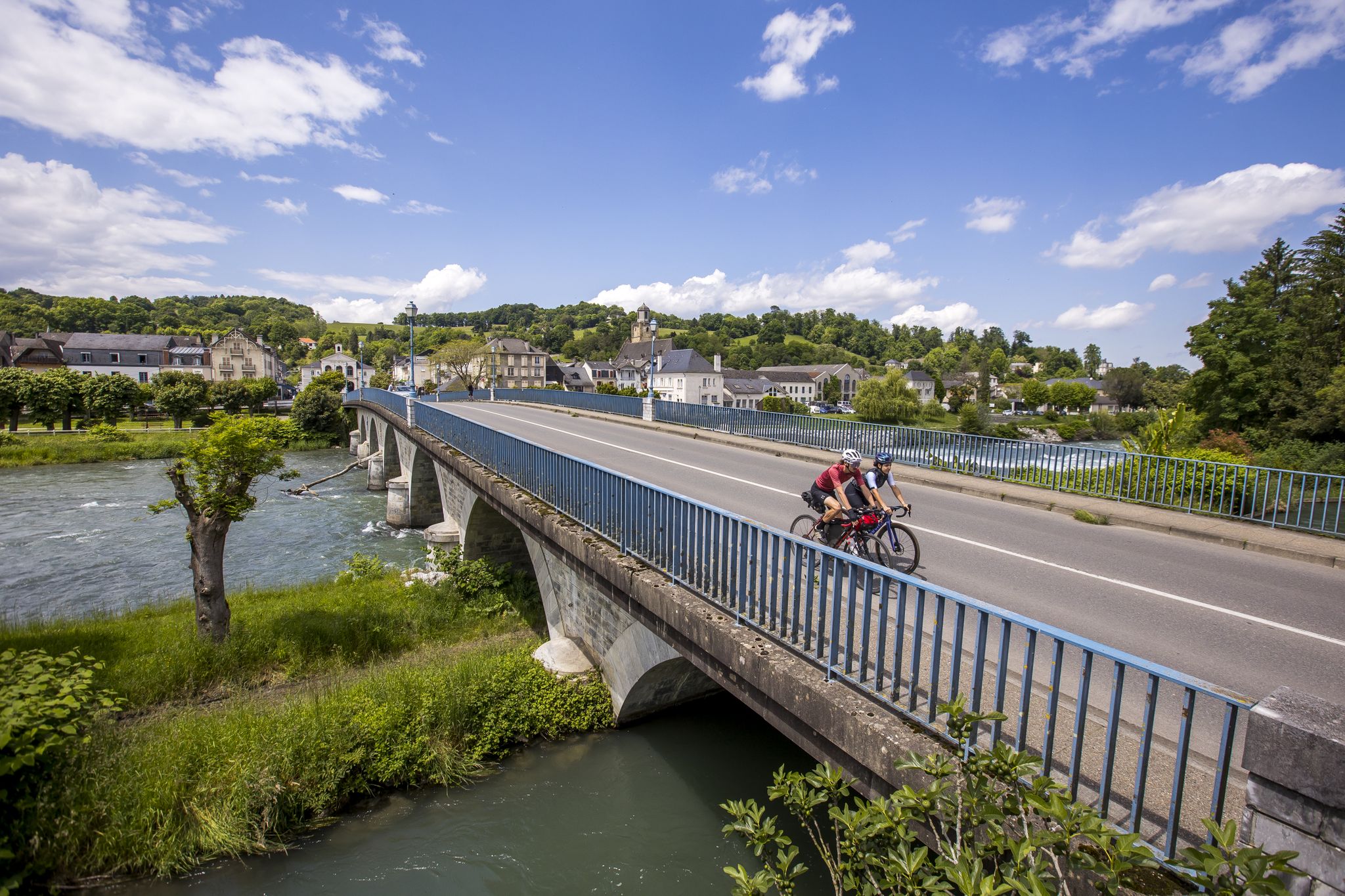
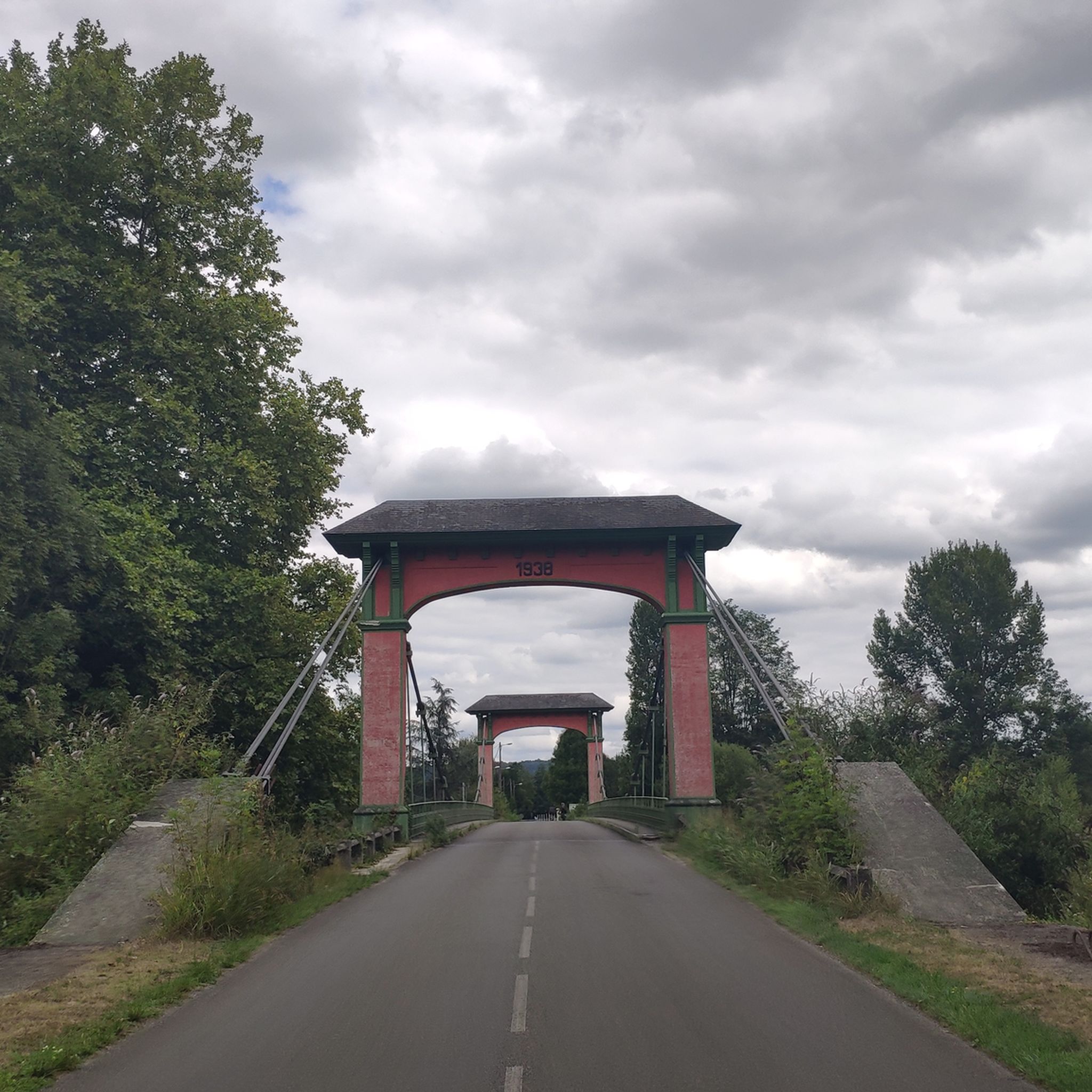
Gave de Pau Cycle Bridge
Highlight • Bridge
Translated by Google •
Tip by

National Museum and Estate of the Château de Pau
Highlight • Castle
The place is also known for having been during the second half of the 14th century the fortress of Gaston Phébus count of Foix and viscount of Béarn.
Today it is a high-quality national museum, which you should hurry to discover.
There you will find, among other paintings, works of art from the time of good King Henry as well as the superb Gobelins tapestries, one of the most beautiful collections in France.
The castle's large dining room, which can accommodate more than 100 guests, is impressive.
You will find permanent and temporary exhibitions within the museum, as well as activities. Many of these have a connection to the era of the Green Gallant; nickname given to King Henry IV.
Translated by Google •
Tip by

Sign up now to discover places like this
Get recommendations on the best single tracks, peaks, & plenty of other exciting outdoor places.
Sign up for free
Palais Beaumont
Highlight • Monument
The building was extremely expensive to maintain, however, and fell into disrepair. It was fully renovated in 1928 by Odon de Béarn, who turned the building into a casino. As part of the renovation works carried out by the architect Georges Wybo, the large glass roof was removed and nine large window doors were installed, which offered lots of light and a view onto the Pyrenees.
Further extensive renovation works were carried out in 2006 by the architect François Lombard. The building was modernised and equipped with conference rooms and became a conference centre.
Tip by

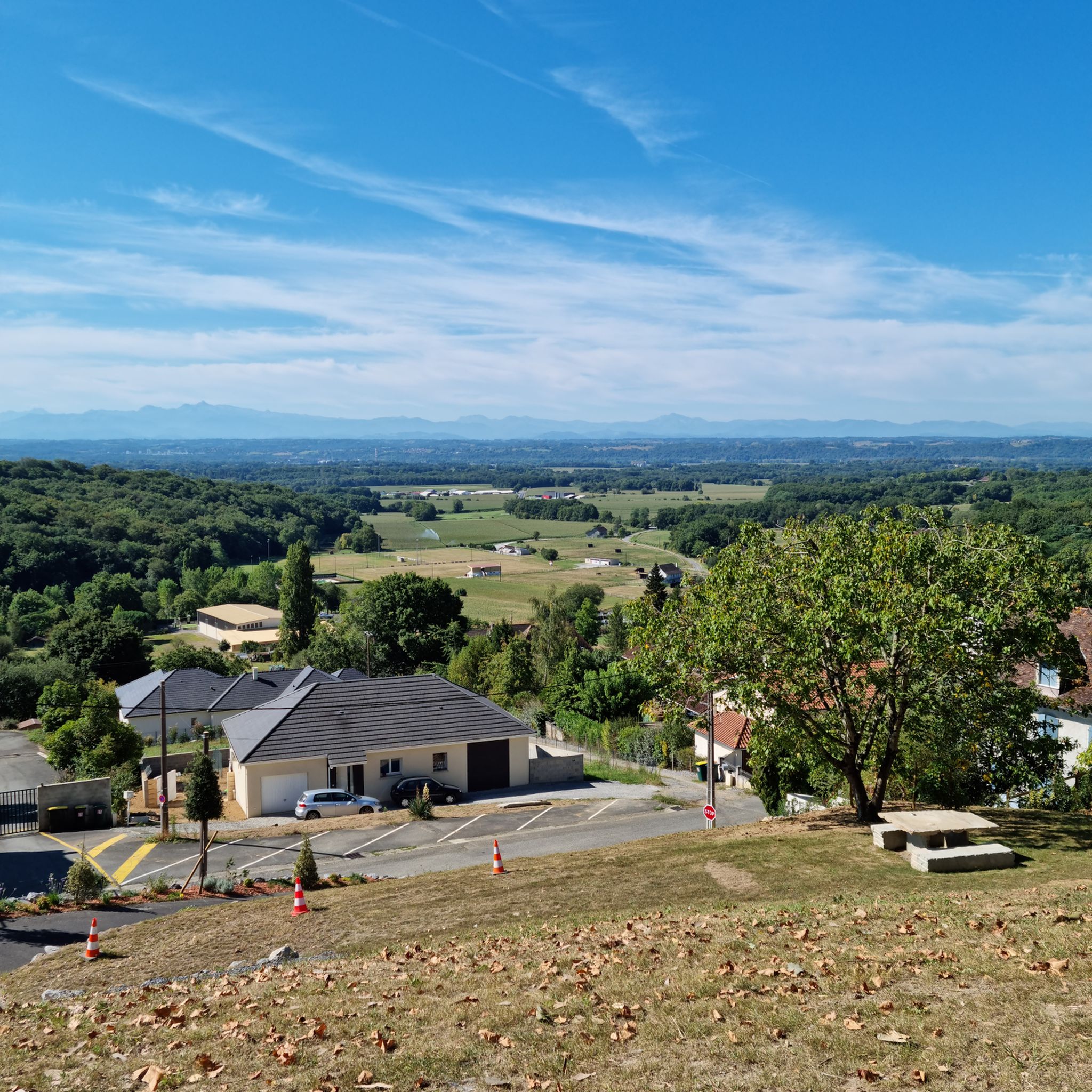
Boulevard of the Pyrenees
Highlight • Other
Its realization did not materialize until the very end of the 19th century. From this boulevard located on the edge of the cliff, you can contemplate the spectacle of the Pyrenees chain in the distance, including the Pic du Midi d'Ossau.
There is also the curious funicular of Pau, a statue of Henri IV, as well as 54 small plaques which indicate to walkers the name of the various Pyrenean peaks visible.
Translated by Google •
Tip by
Pau whitewater stadium
Highlight • Other
Translated by Google •
Tip by
Tunnel
Highlight (Segment) • Other
Translated by Google •
Tip by

Saint Peter's Church
Highlight • Religious Site
Peter and Paul are also known as the “Princes of the Apostles”; their common feast day in the saints’ calendar is June 29th.
Translated by Google •
Tip by

Moncade Castle - Orthez
Highlight • Other
Translated by Google •
Tip by

Pont d'Assat Suspension Bridge
Highlight • Bridge
Translated by Google •
Tip by

Saint-Martin Church (Pau)
Highlight • Religious Site
Tip by
Sign up for free to discover even more attractions around Pau.
Sign up for free
Already have an account?
Start today with a free account
Your next adventure awaits.
Login or Signup
Popular around Pau
Pyrenees by bike – loops between Béarn and Basque Country
On the way to Compostela – Via Tolosana (Arles Way)
Henri IV Way – GR 782
The flavours of France’s southwest – cycling through the delicacies
Road Cycling Routes around Pau
Cycling around Pau
Running Trails around Pau
Hiking around Pau
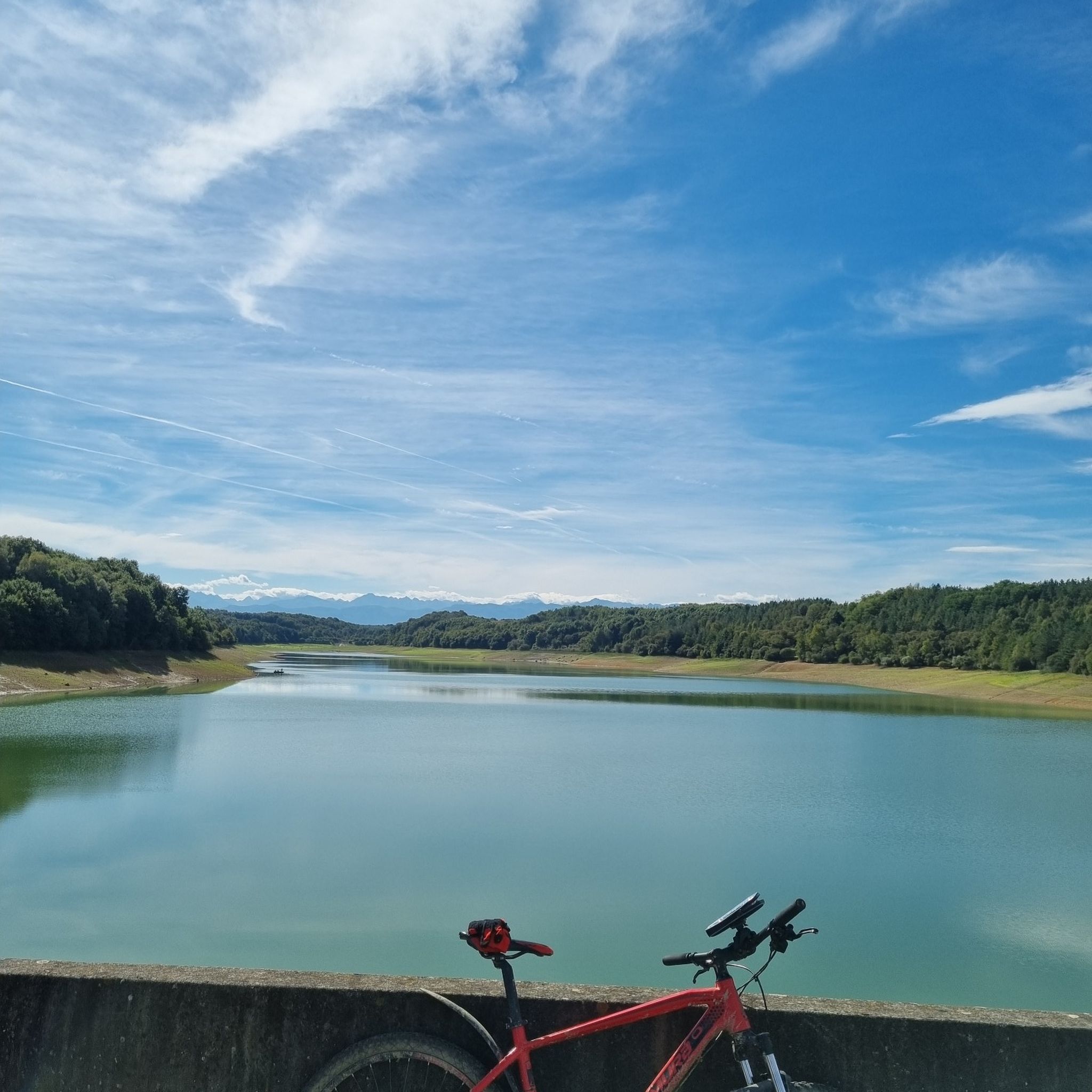
MTB Trails around Pau
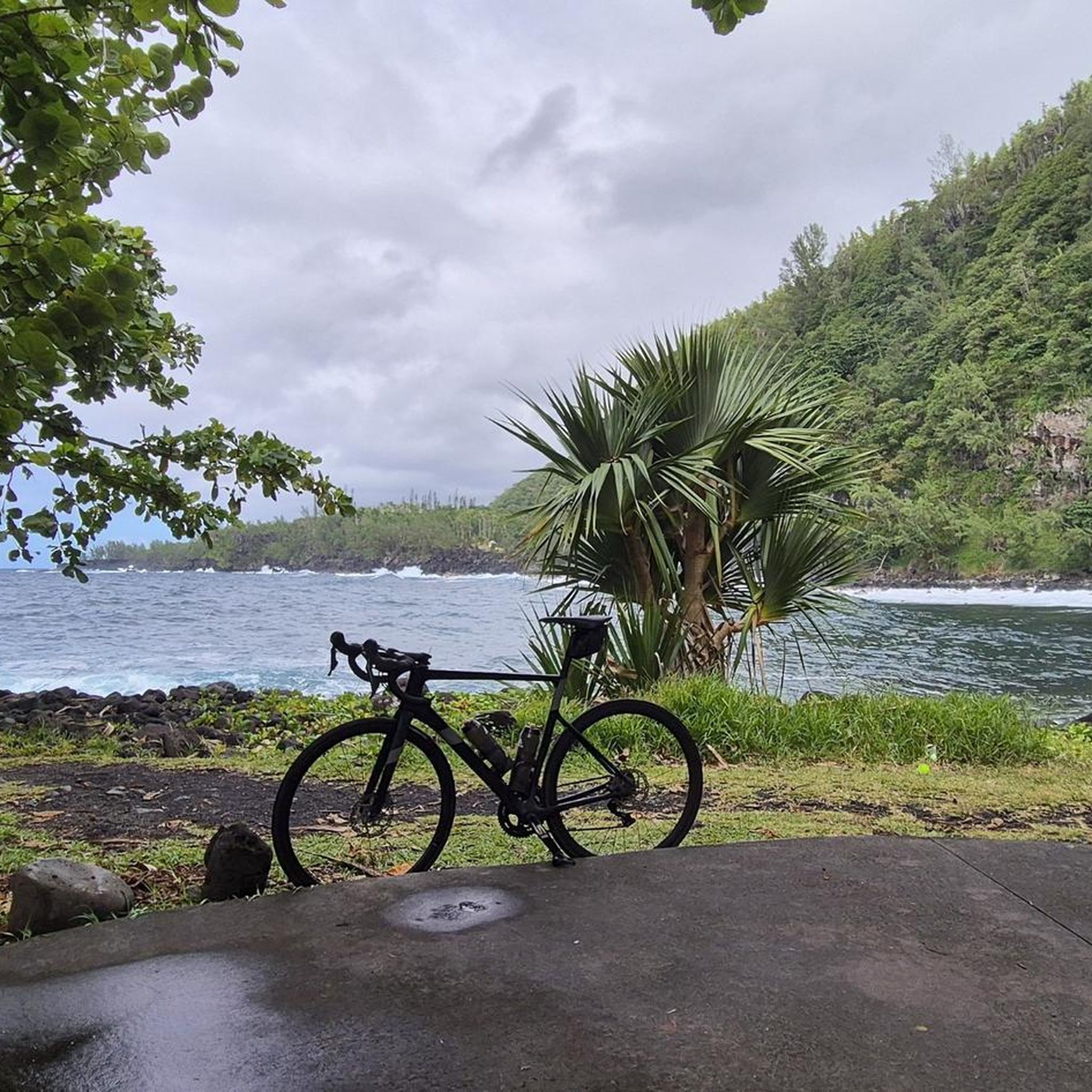
Gravel biking around Pau
Other adventures around Pau


Tips from the Community

Chateau built by Gaston VIl Moncade from 1242 to 1262, protected by 3 lines of fortifications, and a "V"-shaped masonry moat. The main building protected the entrance to the keep. The ground floor, a pentagonal keep, without a door, served as a prison; on the first floor was the guardroom. This Castle was redeveloped by Gaston Febus in the 14th century. It was burned during the Wars of Religion, in 1569, and sold, at the Revolution, to demolition contractors who dismantled it. Remains restored in 1845.
0
0

A great church with a fantastic play of colors.
0
0

## The tunnel The tunnel, located between the Puyoô and Salies-de-Béarn stations, is one of the significant structures on line n° 662.000 connecting Puyoô to Mauléon. It is a single-track tunnel 848.5 m long and 5.00 m wide between the abutments. The height under the crown is 6.00 m. It is a multi-radius arch. The structure is generally oriented North-South, with a curve of R400 m for the first 250 meters on the North side, then a straight section to the South end. The longitudinal profile has a constant gradient of 0.01 m/m from the North. A central aqueduct equips the structure along its entire route. The maximum cover is 49 m. The tunnel is built in the Campanian flysch (Upper Cretaceous). The construction of the tunnel (1879-1883) was carried out from two headings via shafts approximately 35 m deep, located at PM219 and PM632. The shafts were retained as ventilation shafts. The masonry thicknesses (limestone rubble set in lime mortar) vary from 0.50 m to 1.20 m. The length of the tunnel, initially projected at 400 m, was increased to 787 m following the decision to lower the profile (from 20‰ to 16‰). During construction, ground instabilities encountered during the excavation of access trenches led to a further extension of the structure, which finally reached a length of 848.5 m. Numerous ground instabilities (landslides) caused significant delays in the progress of the work. The tunnel was electrified in 1930 and the overhead line equipment was removed in 1971.
0
0

Beautiful palace in the park of the same name, which is very lovingly designed
2
0
A boulevard lined with many upscale hotels, offering a magnificent view of the Pyrenees
3
0
Very beautiful church that is definitely worth visiting - very decorative stained glass windows, especially when the sun is shining
2
0
The Renaissance castle houses a museum where you can visit, among other things, the living quarters of the last imperial couple of France and the keep from the 14th century.
2
0

This stadium where the Canoe and Kayak World Championships take place is open all year round to the public for Paddle, Rafting, Hydrospeed and other water disciplines. It was created thanks to Tony Estanguet, the world and Olympic champion of Canoe Slalom, among others. Today, international teams come to train there. In these photos 2025.01, it is the Spanish national team.
1
0
Frequently Asked Questions
What historical sites can I explore in Pau?
Pau offers a rich history, with several notable sites. The National Museum and Estate of the Château de Pau, birthplace of King Henry IV, is a must-visit for its tapestries and period furnishings. You can also see the Palais Beaumont, originally Pau's Winter Palace, now a convention center with Belle Époque architecture. Other historical points include the Musée Bernadotte, Lescar Cathedral just outside the city, and the Parlement de Navarre.
Where can I find panoramic views of the Pyrenees in Pau?
For breathtaking panoramic views of the Pyrenees, head to the Boulevard of the Pyrenees. This iconic promenade, envisioned by Napoleon Bonaparte, offers spectacular vistas of the mountain range, including the Pic du Midi d'Ossau on clear days. You can also take the historic Funiculaire de Pau from the lower city up to the Boulevard.
Are there any green spaces or parks in Pau for relaxation?
Yes, Pau has several beautiful green spaces. Parc Beaumont is a 10-hectare English-style garden perfect for leisurely strolls. Other tranquil spots include the Jardin des Vins, which highlights the region's wine culture, the Japanese-inspired Kofu Garden, and Parc Lawrence, known for its majestic cedars.
What outdoor activities are available near Pau?
The region around Pau, with its proximity to the Pyrenees and the Gave de Pau river, offers diverse outdoor activities. You can explore various road cycling routes, including challenging climbs like L'Aubisque. For hikers, there are numerous mountain hikes, such as the Pic du Pibeste loop. The Pau whitewater stadium is also popular for kayaking and canoeing, and the Gave de Pau (Pau River) itself is great for riverside walks and running.
Are there family-friendly attractions in Pau?
Many attractions in Pau are suitable for families. The National Museum and Estate of the Château de Pau offers an engaging historical experience. The Palais Beaumont and its surrounding park provide space for children to play. The Pau whitewater stadium is a fun place to watch kayakers, and the Pont d'Assat Suspension Bridge offers an interesting walk over the river.
What cultural institutions are worth visiting in Pau?
Pau boasts several cultural institutions. The Musée des Beaux-Arts houses an impressive collection of European paintings from the 15th to the 20th century. The Musée Bernadotte tells the unique story of Jean-Baptiste Bernadotte, who became King of Sweden and Norway. For a taste of local life, visit the Halles de Pau, a vibrant covered market.
What is the best time of year to visit Pau for sightseeing and outdoor activities?
The spring (April to June) and autumn (September to October) months are generally ideal for visiting Pau. The weather is pleasant for exploring historical sites and parks, and the Pyrenees offer comfortable conditions for hiking and cycling before the peak summer heat or winter snows. The views of the Pyrenees are often clearest during these periods.
Are there any unique or hidden gems to discover in Pau?
Beyond the main attractions, Pau has some unique spots. The Pau Golf Club, founded in 1856, is the oldest golf club in continental Europe. The Sauvelade Abbey, a Benedictine foundation from 1127, offers a glimpse into medieval history with its simple Cistercian architecture. Exploring the Jurançon Wine Route provides insight into the region's wine culture.
Can I access Pau's attractions using public transport?
Many of Pau's central attractions are accessible by public transport or are within walking distance of each other. The historic Funiculaire de Pau connects the lower city, near the railway station, to the upper city where the Boulevard of the Pyrenees and Château de Pau are located. Local bus services also cover the city and its immediate surroundings.
What are some popular running trails around Pau?
Pau offers several popular running trails, many along the picturesque Gave de Pau river. You can find routes like the 'Running loop from Palais des Sports' or the 'Gave de Pau (Pau River) loop from Laroin'. Another scenic option is the 'Château de Pau – View of Pau over the Mountains loop', which combines urban sights with natural views. For more details, check the running trails guide around Pau.
Are there any religious buildings of historical significance in Pau?
Yes, Pau and its surroundings feature several historically significant religious buildings. The Sauvelade Abbey, founded in the 12th century, is a notable example of Cistercian architecture. Within Pau, the Saint-Martin Church and Saint Peter's Church also hold historical and architectural interest.
What is the significance of the Gave de Pau river?
The Gave de Pau (Pau River) is a central natural feature of the city, offering picturesque views and recreational opportunities. It's popular for riverside walks, fishing, and kayaking. The Gave de Pau Cycle Bridge and the Pont d'Assat Suspension Bridge provide scenic crossings and viewpoints over the water.
Most popular routes around Pau
Most popular attractions around Pau

Get inspired with the komoot mobile app


Didn’t find what you were looking for?
Are you keen on exploring more awesome places nearby? Browse our guides:
Explore more
Still not found the Highlight you’re looking for? See guides of the top attractions in other regions:
