Top 20 Lakes around Montpellier
Best lakes around Montpellier are found in a diverse landscape in the south of France. The city is situated near the Mediterranean coast, offering access to both freshwater lakes and coastal lagoons. This region is characterized by its varied geology, including red ruffes and volcanic hills, alongside scrubland and pine forests. The area provides a range of natural settings for outdoor activities.
Best lakes around Montpellier
- The most popular lakes is Between the Étang du Méjean and the Étang de…
Last updated: October 2, 2026
Between the Étang du Méjean and the Étang de l'Arnel
Highlight • Cycleway
Translated by Google •
Tip by

Submersible Road Between the Étang de l'Arnel and the Étang des Moures
Highlight (Segment) • Cycleway
Showing Translation
Tip by

Sign up now to discover places like this
Get recommendations on the best single tracks, peaks, & plenty of other exciting outdoor places.
Vic Pond
Highlight • Lake
Showing Translation
Tip by

Stunning view of the Thau Lagoon and Sète
Highlight • Lake
Translated by Google •
Tip by

Lake Cécélès
Highlight • Lake
A path goes around, very narrow, prefer the feet to the bike.
Translated by Google •
Tip by

Salines de Villeneuve Nature Reserve
Highlight (Segment) • Natural Monument
Translated by Google •
Tip by

Flamingos at the Étang de Pérols
Highlight • Lake
Translated by Google •
Tip by

Salines de Villeneuve-lès-Maguelone
Highlight (Segment) • Natural Monument
cenlr.org/salines
Translated by Google •
Tip by

Along the Étang de Vic (Rhône–Sète Canal)
Highlight • Trail
There are no more construction sites/obstructions.
Translated by Google •
Tip by

Méjean Pond
Highlight • Lake
Translated by Google •
Tip by

Sign up for free to discover even more lakes around Montpellier.
Already have an account?
Start today with a free account
Your next adventure awaits.
Popular around Montpellier
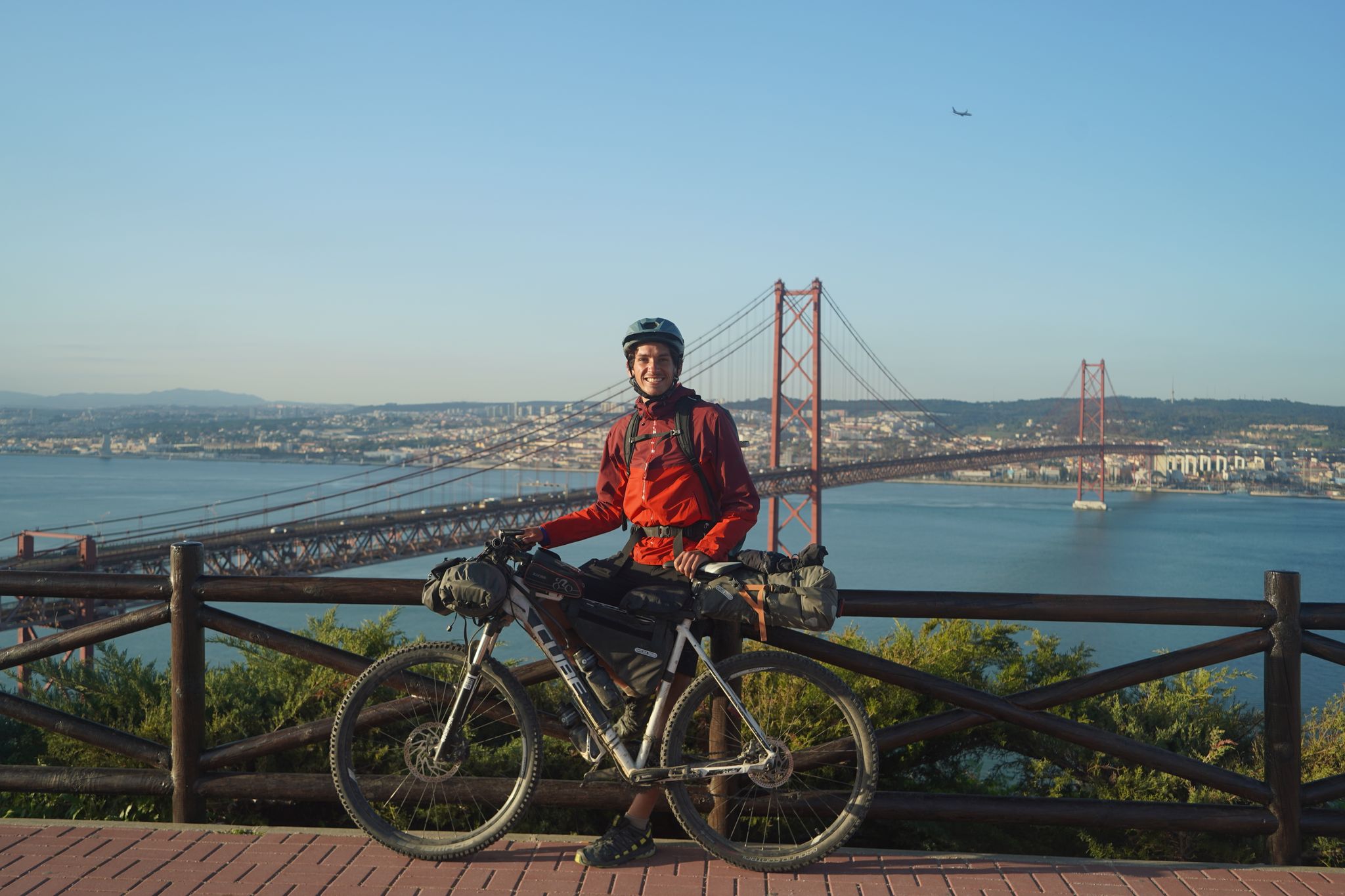
Road to Lisbon – bikepacking the Alps, Pyrenees and Picos de Europa
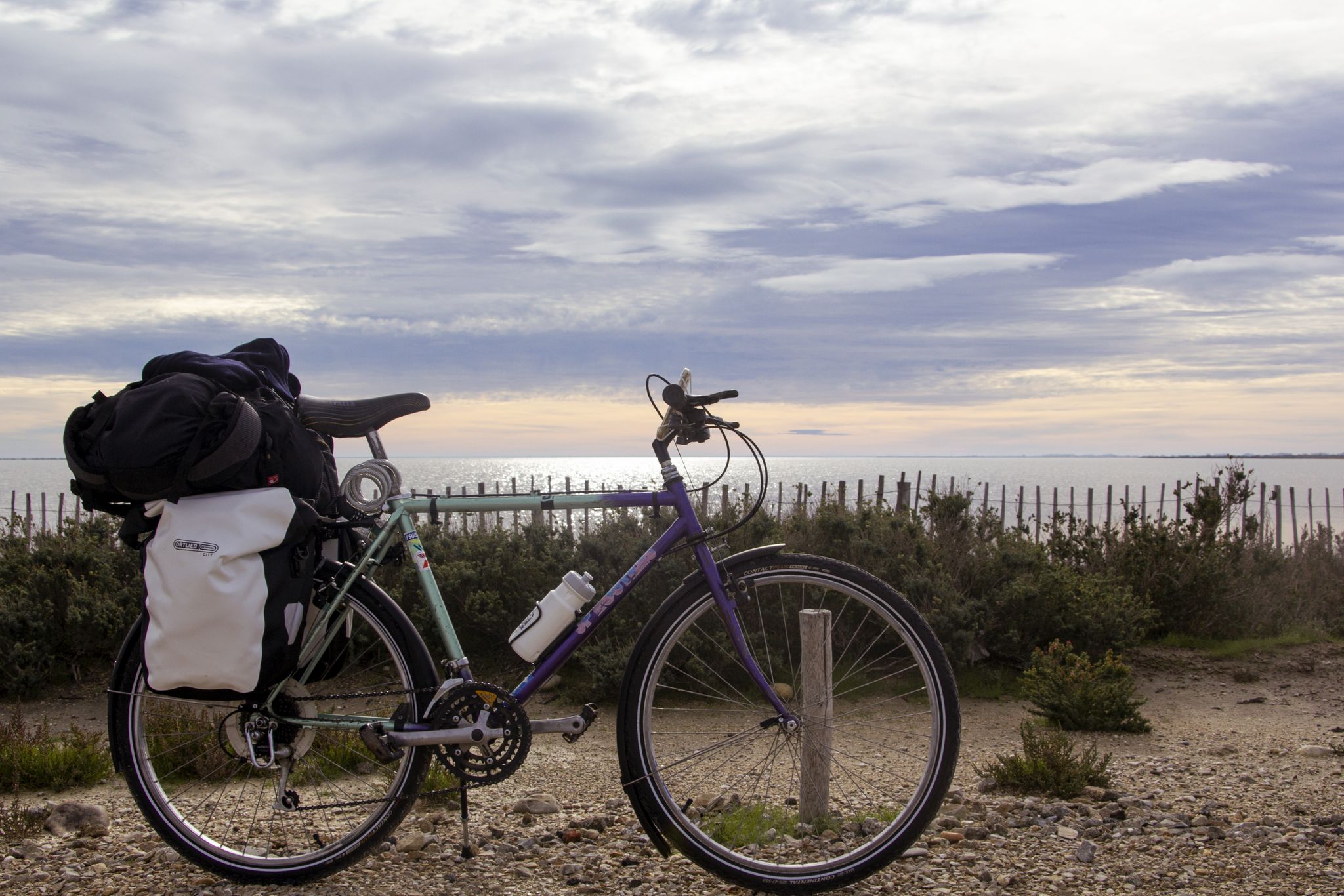
From Marseille to Montpellier — France's south coast by bike
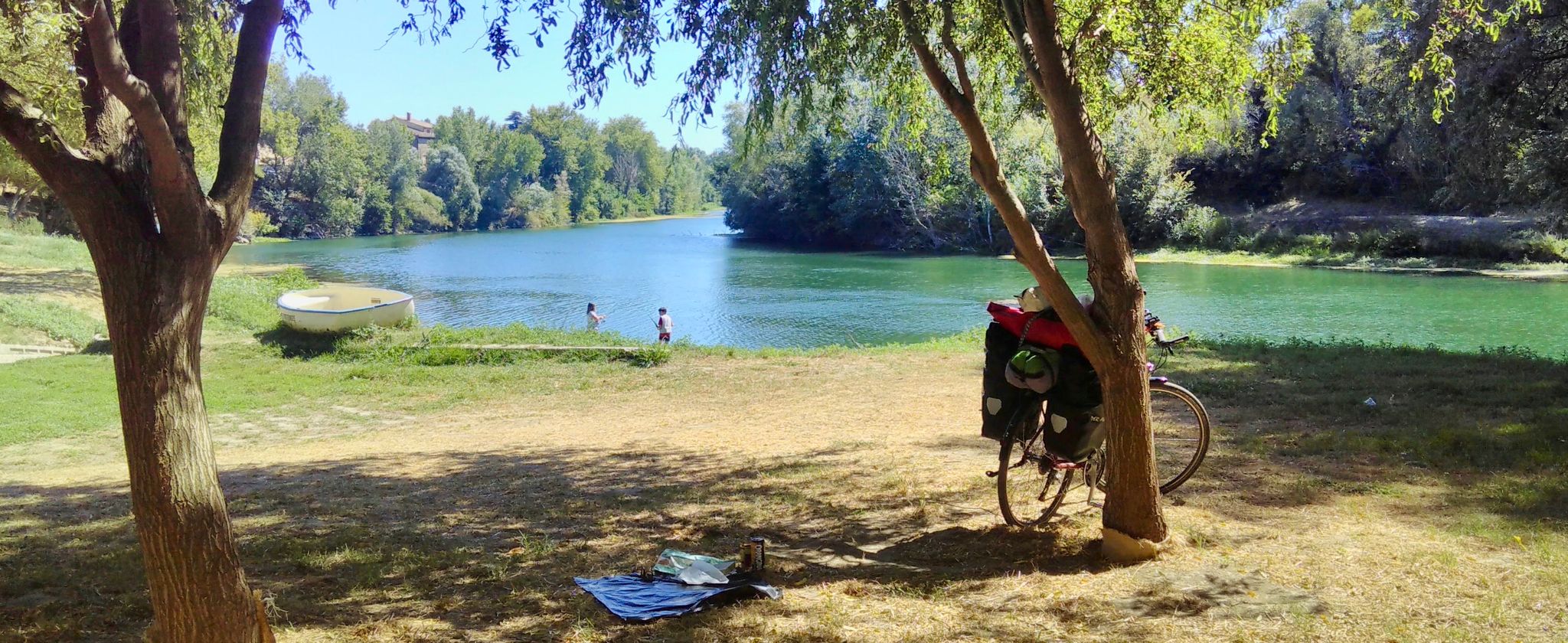
Via Rhôna — cycling the Rhone Valley Way from Lyon to the Mediterranean
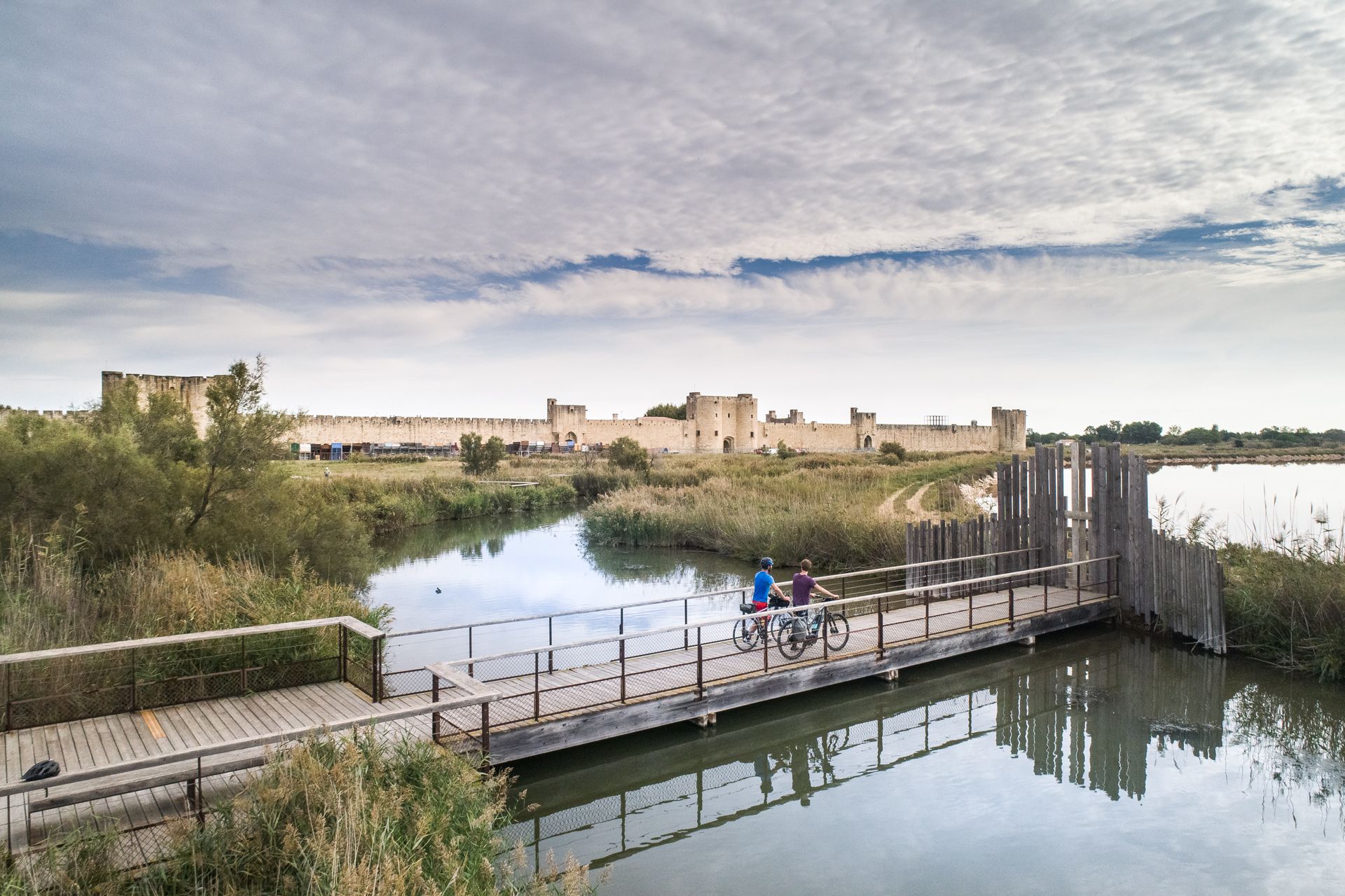
The most beautiful bike rides in Occitanie

European D̶I̶V̶I̶D̶E̶ Connect Trail Project – a journey across Europe
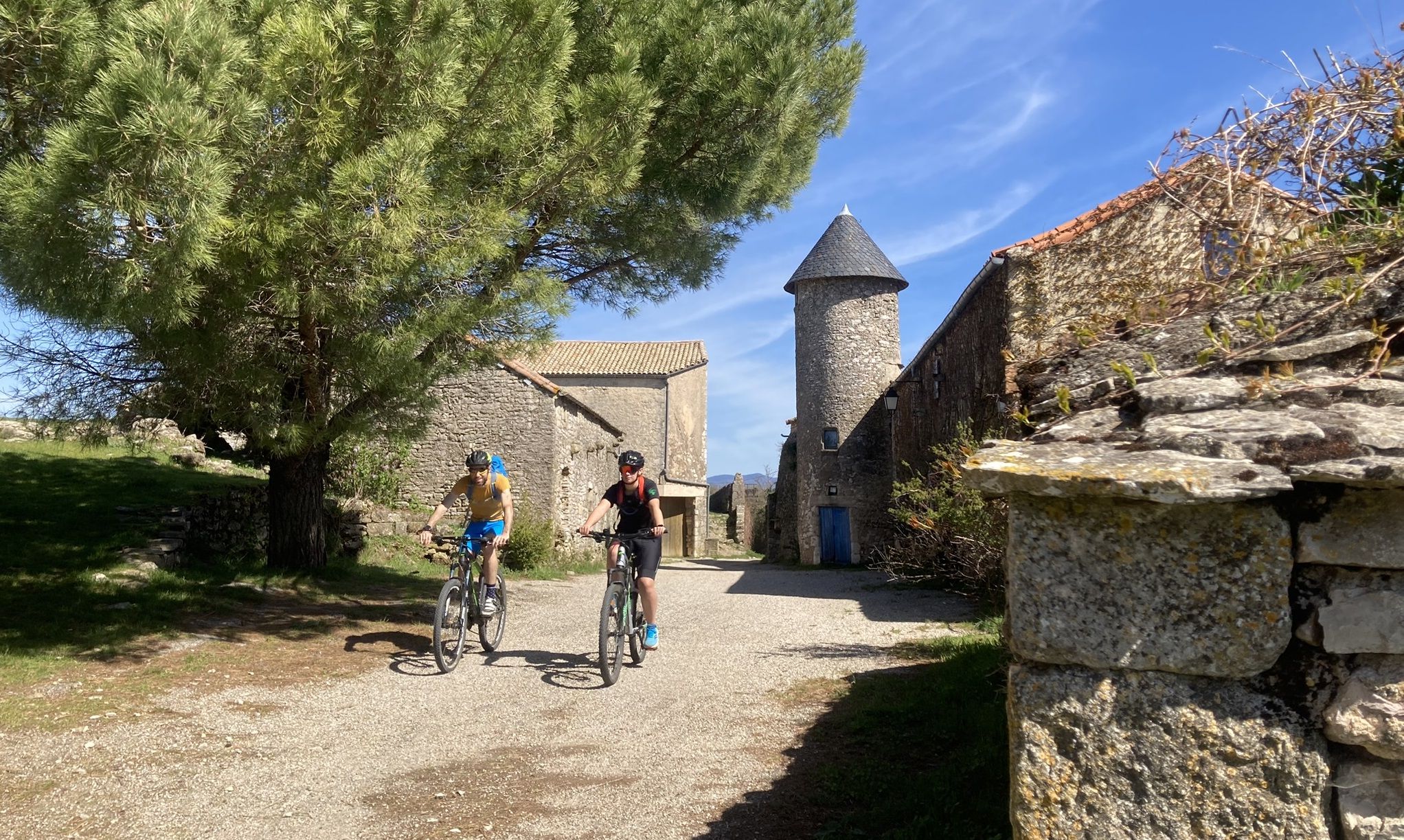
Grande Traversée de l'Hérault — Passa Meridia (North)
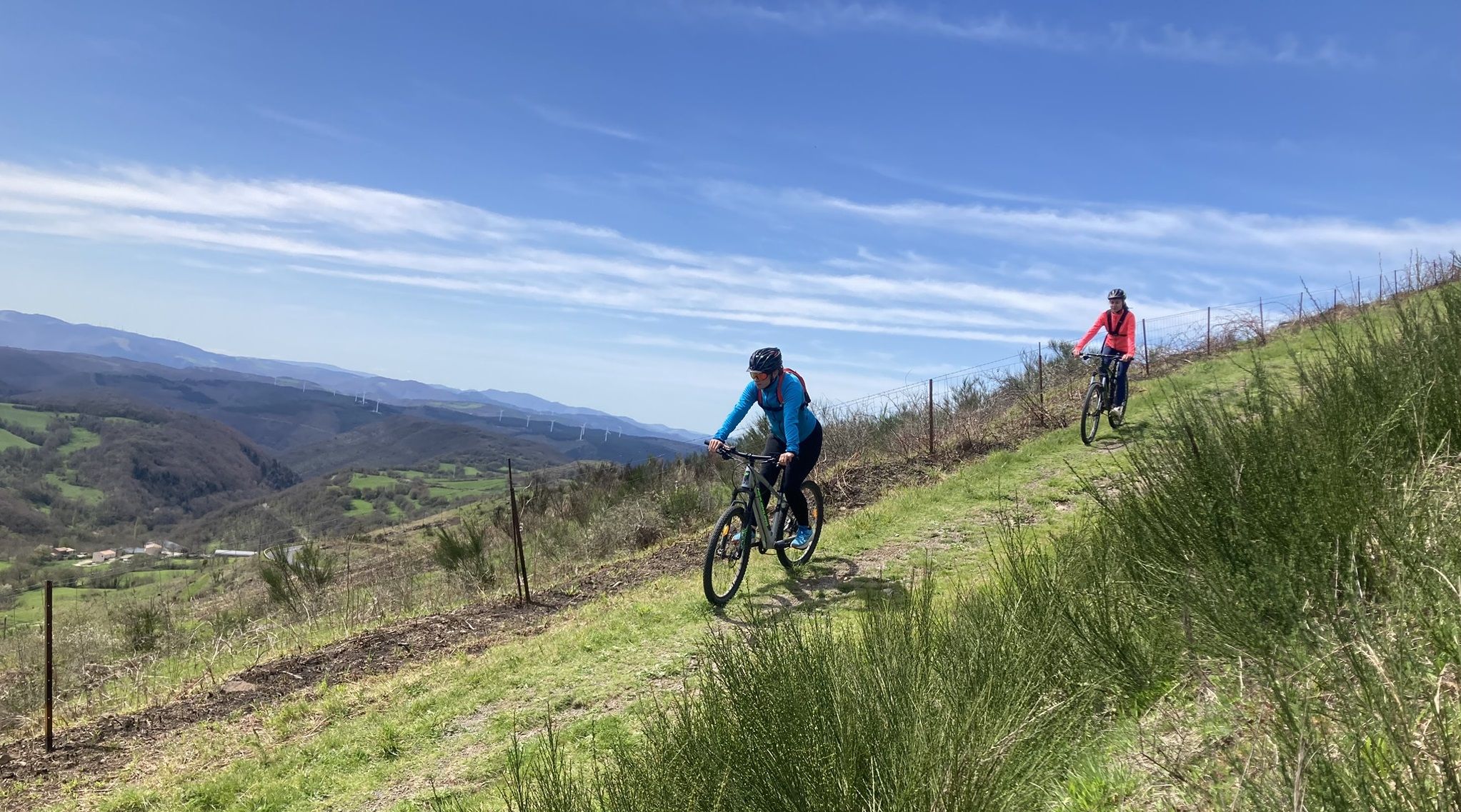
Grande Traversée de l'Hérault — Passa Meridia (South)
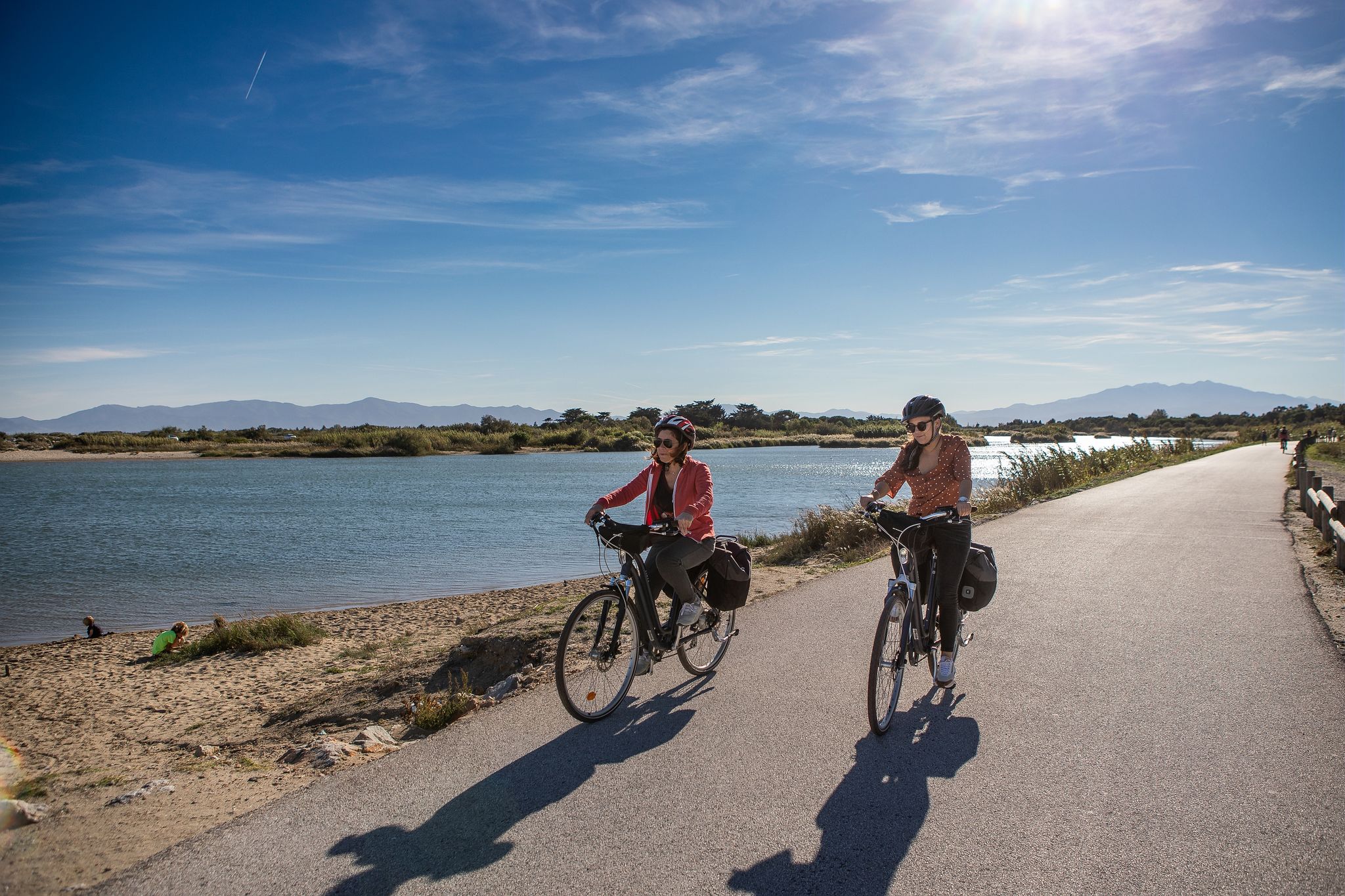
Méditerranée in Occitanie - Ten bike rides in the South of France
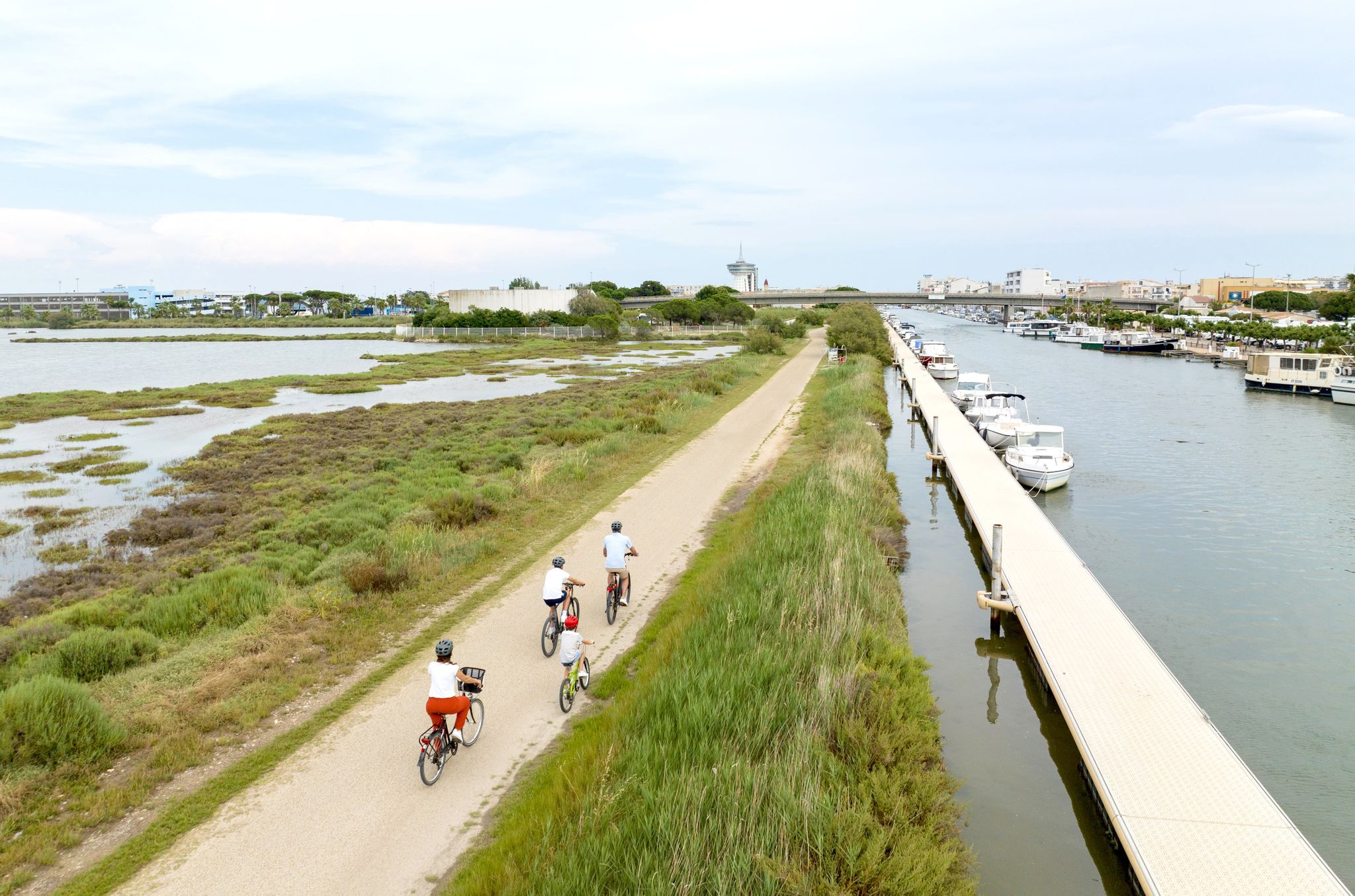
Palavas-les-Flots by bike – Mediterranean escapades
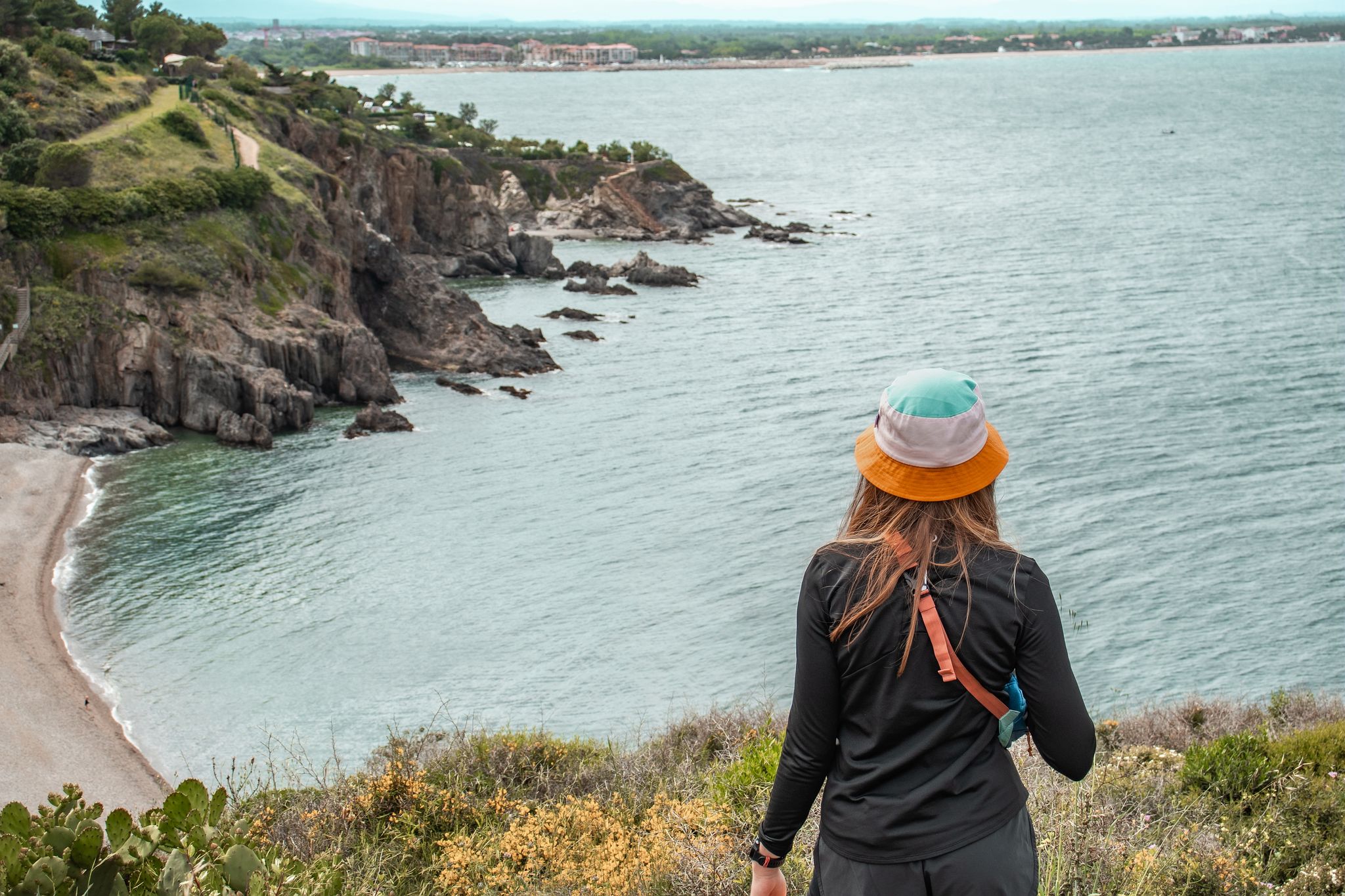
Côte Méditerranée – hiking in Occitania
Other adventures around Montpellier


Tips from the Community

The view plunges over the Thau lagoon and its immense checkerboard of shellfish farms. These regular alignments are the breeding facilities where the oysters and mussels of the lagoon are produced. Bouzigues holds a special place in this history: in 1925, Antoine Louis Tudesq and other Bouzigues oyster farmers developed the "Pyramid" technique, which contributed to the development of shellfish farming in the lagoon. Thus, the panorama allows us to read the landscape differently: behind this vast expanse of water lies a real production area, shaped for over a century by the work of the "sea farmers".
0
0
From the greenway, the panorama opens onto the Étang de Vic. This vast coastal lagoon of over 1,000 hectares stretches between the Gardiole massif and the Aresquiers lido. Protected within the Natura 2000 site of the Palavasian ponds and recognized as a wetland of international importance under the Ramsar convention, the pond forms a vast landscape of lagoon, salt marshes, and wetlands here. This opening allows its full extent to be appreciated from the surroundings of Vic-la-Gardiole.
2
0
Here, the Bouffie canal crosses the old Villeneuve Salt Marshes. Near the old pumping station, several structures control the water flow and levels in this vast hydraulic network. Fed in particular by the waters of the Gardiole and the overflow from the Étang de l’Estagnol, the Salt Marshes still depend on this hydraulic management today to maintain their various wetland environments. From this point, the view opens widely onto the old salt pans, the Étang de Vic, and the reliefs of the Gardiole. The shallow waters and halophytic vegetation also offer a privileged habitat for a significant birdlife (Little Egret, Greater Flamingo, Terns...) of the Mediterranean lagoons.
2
0
From the place called Le Pilou to the eponymous footbridge, this path takes us to the heart of the lagoon landscape of the Arnel pond. A space where human developments rub shoulders with the characteristic environments of the Palavas ponds: lagoon, sansouire and halophytic vegetation. Arnel is today a protected natural area, integrated into the Natura 2000 network and the classified site of the Palavas ponds. But the lagoon also bears the traces of a long history of exploitation: fishing, old salt pans and hydraulic structures have shaped this amphibious territory for several centuries.
2
0

This is an almost entirely "flat" canal with only one active lock (in Saint-Gilles), which greatly facilitates pleasure boating
0
0
The étang du Méjean (also called étang de Pérols) is a protected natural site of over 600 hectares located in Lattes, just 8 kilometers south of Montpellier. Managed by the Conservatoire du littoral, this exceptional lagoon space offers a mosaic of preserved landscapes (marshes, reed beds, sansouïres) where you can easily observe pink flamingos, white storks, bulls, and Camargue horses.
0
0
L'étang de l'Arnel is a vast coastal lagoon located in the municipality of Villeneuve-lès-Maguelone, in the Hérault department, less than 20 km south of Montpellier.
0
0

Please note that ... from June to August access is subject to a fee! (Only if you arrive via the main entrance). Whether you are on a bike or on foot, for a short trip to Ste Croix, you will have to pay 5 euros to pass ... (even if you don't swim, don't go to the "guinguette", etc ...). In short ... prefer another nearby passage, or come back off-season.
0
0
Frequently Asked Questions
What are the best lakes for swimming near Montpellier?
For freshwater swimming, Lake Cécélès offers a tranquil and intimate setting, though swimming is unsupervised outside of designated summer periods. Lac du Crès is another excellent option, providing a supervised swimming area and a beach during the summer season, making it very convenient due to its proximity and public transport access from Montpellier.
Which lakes offer unique natural landscapes or wildlife viewing opportunities?
The Lac du Salagou is renowned for its spectacular red 'ruffes' hills and deep blue waters, creating a striking contrast often compared to a Martian landscape. It also features volcanic hills and black basalt formations. For wildlife, the Salines de Villeneuve Nature Reserve, with its vast former salt pans, is an ideal breeding and feeding ground for waterfowl, including flamingos. You can also spot flamingos in the shallow waters of the Étang du Méjean and Étang de l'Arnel.
Are there family-friendly lakes around Montpellier?
Yes, several lakes are great for families. Lac du Crès is particularly convenient with a supervised swimming area, a beach, games for children, and skate parks. The Étang de Pérols is also considered family-friendly, offering lovely views and opportunities to see flamingos up close.
What kind of outdoor activities can I do near these lakes?
The lakes around Montpellier offer a wide range of activities. Lac du Salagou is popular for hiking, mountain biking, kayaking, paddleboarding, and fishing. Lac de la Raviège in the Haut-Languedoc Regional Natural Park is excellent for swimming, sailing, and other water sports, with numerous hiking and mountain biking trails. For more detailed routes, you can explore hiking, road cycling, and MTB trails guides for the Montpellier region.
Are there good hiking and cycling trails around the lakes?
Absolutely. Lac du Salagou features a full circuit around the lake covering 28 kilometers, ideal for hiking and mountain biking. Around Lake Cécélès, moderate walking paths allow you to discover typical garrigue landscapes, with some trails connecting to Pic Saint-Loup. The Between the Étang du Méjean and the Étang de l'Arnel highlight describes a beautiful cycle path between two lakes. Lac des Olivettes is also ideal for hiking and mountain biking.
Which lakes are easily accessible by public transport from Montpellier?
Lac du Crès is one of the most accessible lakes, even by public transport from Montpellier, making it a convenient option for a quick day trip.
What is the best time to visit the lakes near Montpellier?
The summer months are ideal for swimming and water sports, with supervised beaches available at Lac du Crès and Lac de la Raviège. However, the unique landscapes, such as the red ruffes of Lac du Salagou, can be enjoyed year-round for hiking and cycling, offering different beauty in cooler seasons.
Can I find quiet or 'hidden gem' lakes for a more peaceful experience?
Yes, Lake Cécélès is known for its tranquil and intimate atmosphere. Nestled in scrubland and surrounded by pine trees, it offers a peaceful alternative to more frequented sites, perfect for relaxation and photography.
Are there any lakes with historical significance or unique cultural aspects?
The Salines de Villeneuve Nature Reserve has a rich history, as salt was obtained there as early as the 12th century. The salt mines reached an extent of up to 180 hectares before salt extraction ceased in 1969, and the area became a protected nature reserve. This site offers a unique blend of natural beauty and historical context.
What are the options for picnicking or dining near the lakes?
Lac des Olivettes is well-equipped with picnic tables and a barbecue area, making it ideal for a day out. Near Lake Cécélès, you can find the 'Guinguette des amoureux,' an open-air restaurant by the water, offering a gourmet break in a relaxed setting.
What do visitors enjoy most about the lakes around Montpellier?
Visitors frequently appreciate the diverse natural beauty, from the unique red landscapes of Lac du Salagou to the tranquil settings of Lake Cécélès. The opportunity to observe wildlife, especially flamingos at places like the Étang de Pérols, is also a highlight. Many enjoy the wide array of outdoor activities available, including hiking, cycling, and various water sports.
Most popular routes around Montpellier
Most popular attractions around Montpellier

Get inspired with the komoot mobile app


Didn’t find what you were looking for?
Find the best lakes around Montpellier per region:
Explore more
Still not found your perfect lake around Montpellier? Check out the guides of these regions to see even more beautiful places.
