The best cycling routes around Montpellier
4.3
(6758)
50,403
riders
1,574
rides
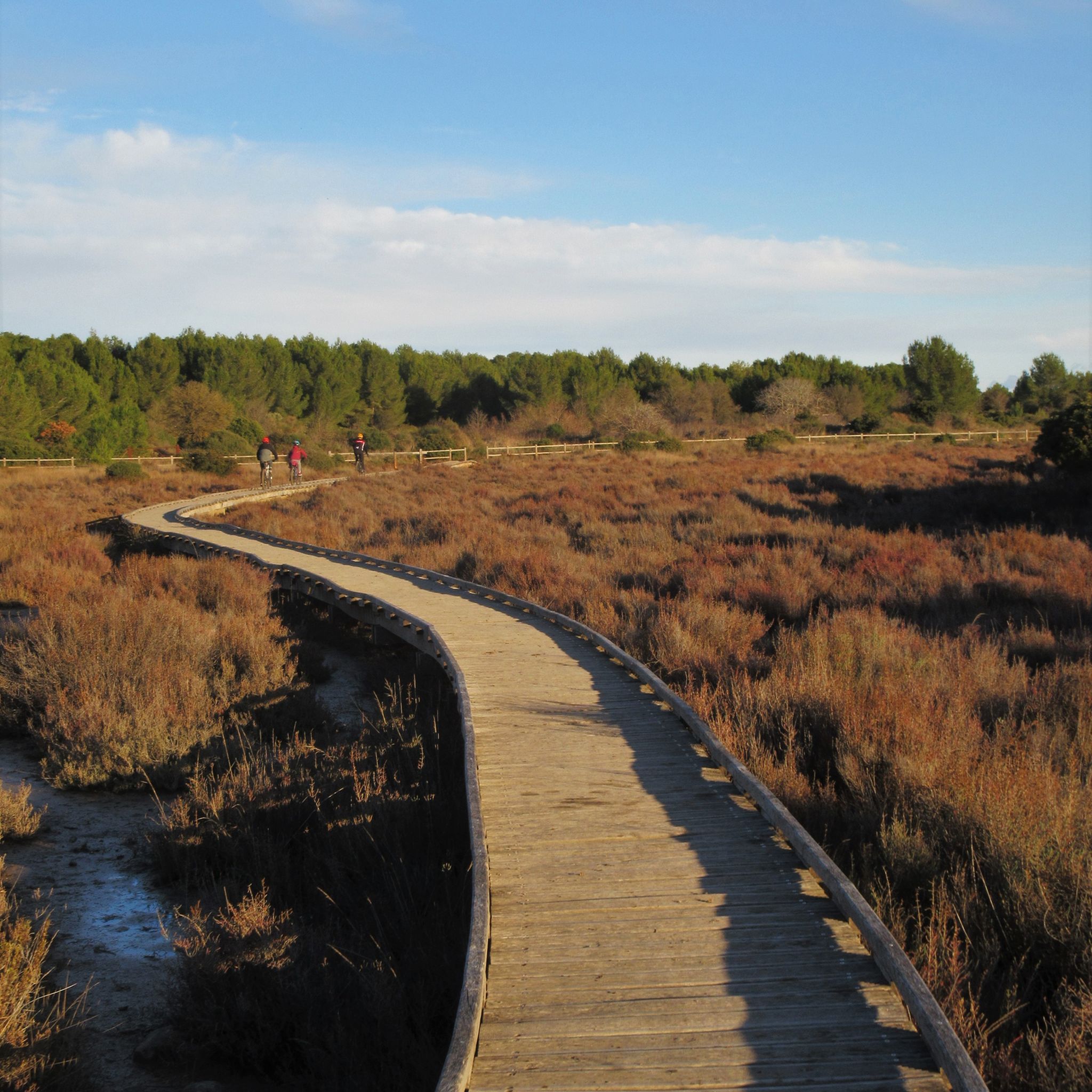
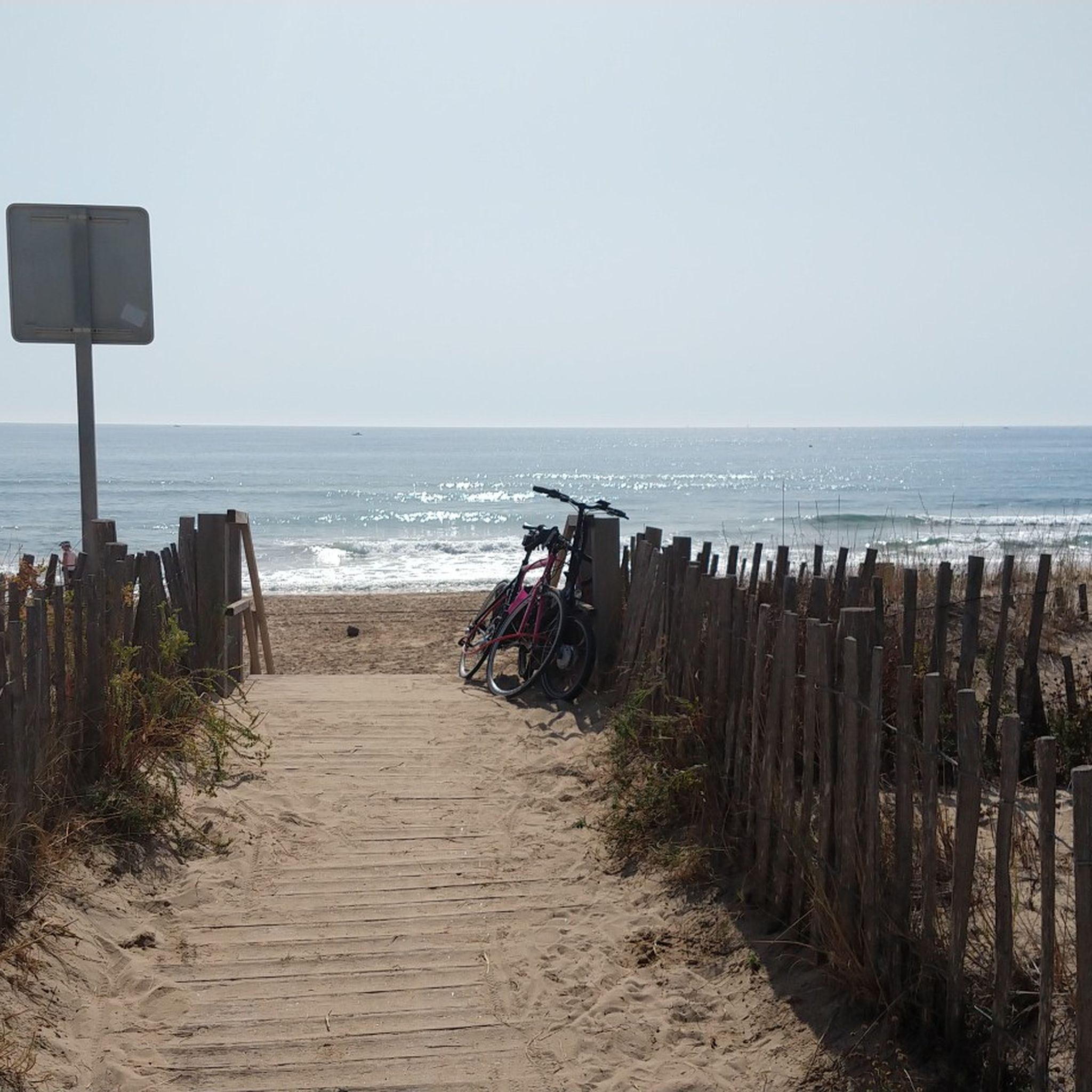
Touring cycling routes around Montpellier offer a diverse landscape for cyclists, ranging from flat coastal paths along the Mediterranean Sea and lagoons to more challenging inland routes through hills and vineyards. The region is characterized by its extensive network of greenways and canal towpaths, including sections of the Via Rhôna and the Canal du Rhône à Sète. Cyclists can explore varied terrain, from the wetlands and saltworks near the coast to the garrigue and rolling hills surrounding areas like Pic Saint-Loup. Rivers such as the Lez also provide pleasant cycling paths connecting urban areas to natural reserves.
Best touring cycling routes around Montpellier
- The most popular touring cycling route is Sète to Grau-du-Roi via Palavas-les-Flots, a 36.3 miles (58.5 km) trail that takes about 3 hours 21 minutes to complete. This moderate route offers extensive coastal views and passes by several lagoons.
- Another top favourite among local touring cyclists is Palavas-les-Flots to Montpellier, an easy 8.8 miles (14.2 km) path. This route connects the city to the coast, often following the Lez River, providing a flat and accessible ride.
- Local touring cyclists also love the Lake Cécélès and Pont des Tourilles Loop, a 26.1 miles (42.0 km) trail leading through inland hills and vineyards, often completed in about 3 hours 23 minutes.
- Touring cycling around Montpellier is defined by coastal paths, canal towpaths, and routes through vineyards and garrigue. The network offers options for various ability levels, from flat, easy rides to more challenging routes with moderate elevation gain.
- The routes in Montpellier are highly rated by the komoot community with an average score of 4.3 stars from over 5900 reviews. More than 46000 touring cyclists have used komoot to explore Montpellier's varied terrain.
Last updated: September 26, 2026
4.2
(127)
791
riders
58.5km
03:22
100m
100m
Moderate bike ride. Good fitness required. Mostly paved surfaces. Suitable for all skill levels.
4.5
(61)
886
riders
14.2km
00:54
50m
10m
Easy bike ride. Great for any fitness level. Mostly paved surfaces. Suitable for all skill levels.

4.2
(69)
391
riders
47.4km
02:53
80m
80m
Moderate bike ride. Good fitness required. Mostly paved surfaces. Suitable for all skill levels.
4.4
(49)
275
riders
18.8km
01:08
30m
30m
Easy bike ride. Great for any fitness level. Mostly paved surfaces. Suitable for all skill levels.
4.7
(73)
258
riders
19.0km
01:13
20m
20m
Easy bike ride. Great for any fitness level. Mostly paved surfaces. Suitable for all skill levels.
4.5
(20)
68
riders
42.0km
03:23
430m
430m
Cycle a moderate 26.1-mile gravel loop around Lac de Cécélès and the historic Pont des Tourilles, gaining 1400 feet in 3h 22m.
4.6
(33)
144
riders
17.4km
01:09
40m
40m
Cycle the easy 10.8-mile Ingril Pond Loop, enjoying views of Étang d'Ingril and the Rhone Kanal with minimal elevation gain.
3.9
(14)
53
riders
22.9km
01:29
130m
130m
Easy bike ride. Great for any fitness level. Mostly paved surfaces. Suitable for all skill levels.
3.8
(12)
79
riders
43.5km
02:33
40m
40m
Moderate bike ride. Good fitness required. Mostly paved surfaces. Suitable for all skill levels.
4.5
(190)
1,177
riders
Easy bike ride. Great for any fitness level. Mostly paved surfaces. Suitable for all skill levels.
Get access to more routes and recommendations from other explorers.
Already have an account?
Our route recommendations are based on thousands of hikes, rides, and runs completed by other people on komoot.
Start today with a free account
Your next adventure awaits.
Popular around Montpellier
Other adventures around Montpellier


Tips from the Community

The Phare de la Méditerranée is one of the emblematic monuments of Palavas-les-Flots, but its history is surprising to say the least: it has never been a lighthouse. At this location, the Redoute de Ballestras once stood, a military structure built in the 18th century to defend the port. After its defensive function was abandoned, the redoubt was integrated into several facilities intended to supply Palavas with drinking water. In 1943, a large concrete water tower was built around the existing structures and operated until 1997. Rather than being demolished, the old water tower was rehabilitated between 1998 and 2000 to become the Phare de la Méditerranée: an observation tower, a convention center, and a revolving panoramic restaurant. The redoubt, hidden within the water tower, was dismantled stone by stone and then rebuilt on an islet in the Étang du Levant.
2
0
From Frontignan to Palavas-les-Flots, the route follows the Canal du Rhône à Sète through one of the large lagoon complexes on the Languedoc coast. After the Étang d'Ingril and the Aresquiers, the canal successively crosses or runs alongside the Étangs de Vic and de Pierre-Blanche, then passes between those of l'Arnel and du Prévost before reaching Palavas. The canal itself is a major historical element of this landscape. Its construction began in 1701 under the name Canal des Étangs, in order to ensure continuity between the Royal Canal of Languedoc – today the Canal du Midi – and the Rhône. The route, completed in 1829, passes through Frontignan, Maguelone and Palavas before joining Aigues-Mortes and then Beaucaire. In Frontignan, its opening in the 18th century profoundly modified the landscape: the canal notably separated the former Étang de Frontignan into two complexes, giving rise to the Étang d'Ingril and that of La Peyrade.
2
0
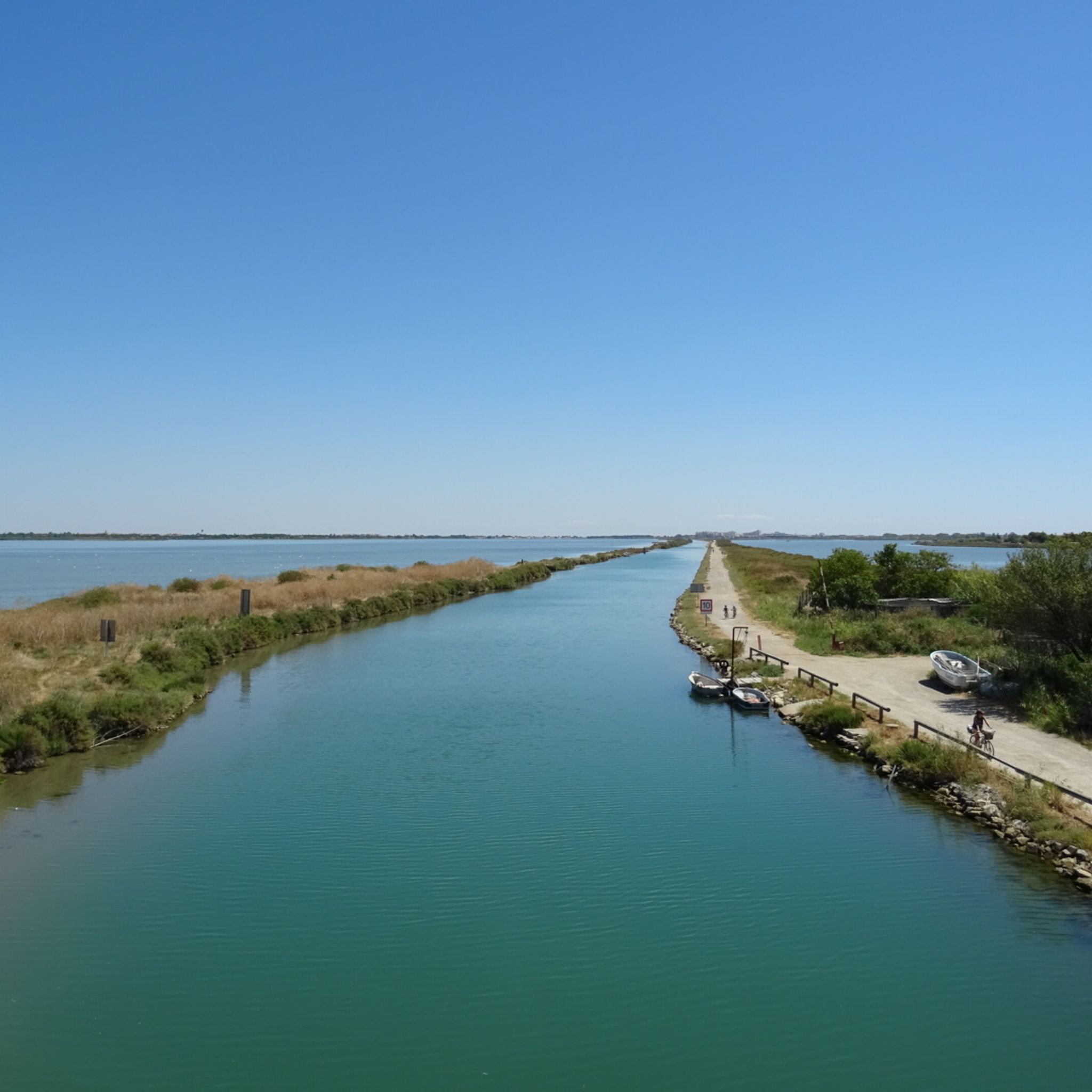
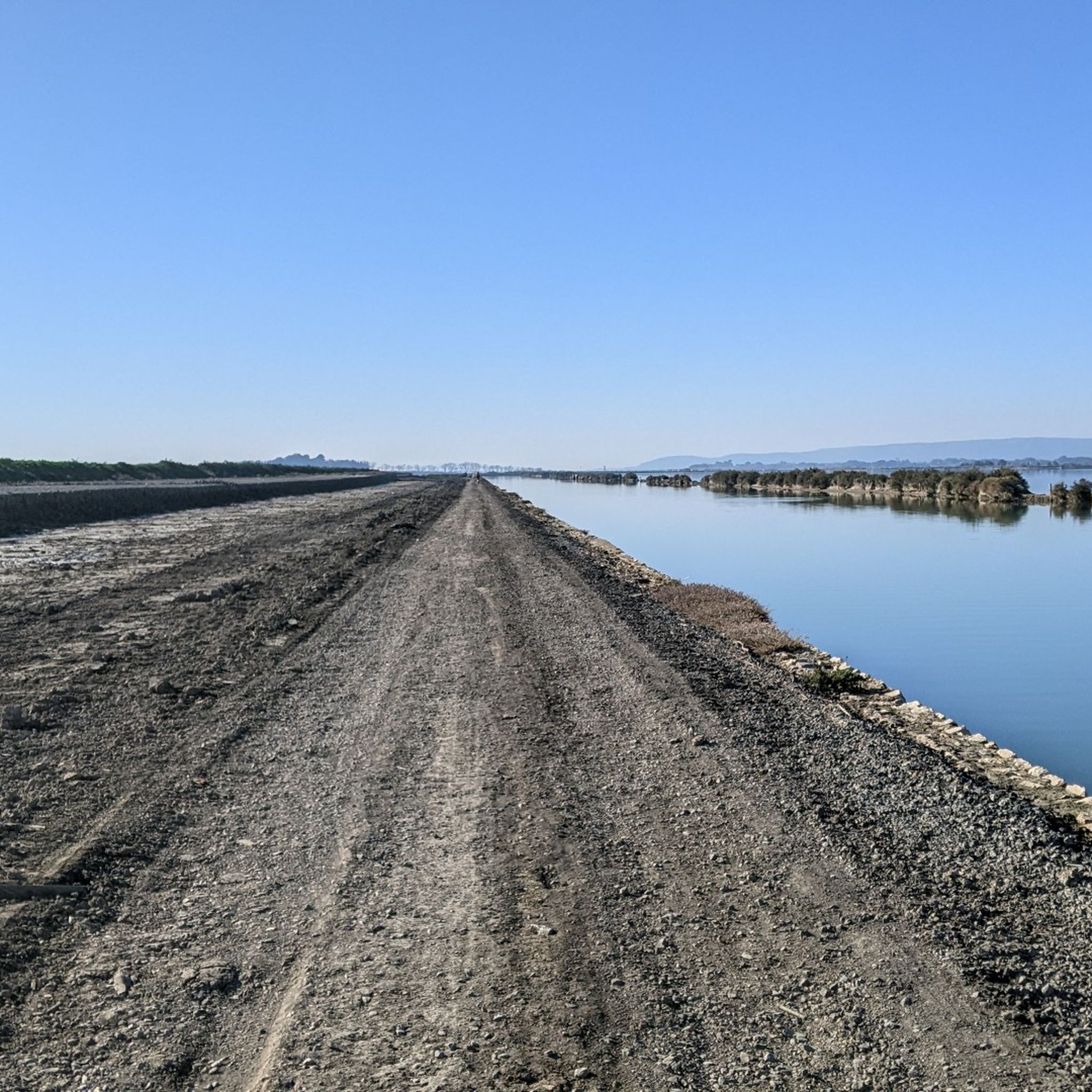
Here, the stony path follows the Rhône canal in Sète to Les Aresquiers. This canal directly crosses the Étang d’Ingril and forms a long, straight cut within the lagoon. The pond is thus separated into two parts, while remaining in communication with the canal through several passages. This waterway resulted from the digging of the Canal des Étangs, which began in the early 18th century to connect Sète to the Rhône; the Frontignan section then became a major element of communication and goods transport. The canal has progressively transformed the organisation of this lagoon landscape, which was once much more continuous.
2
0
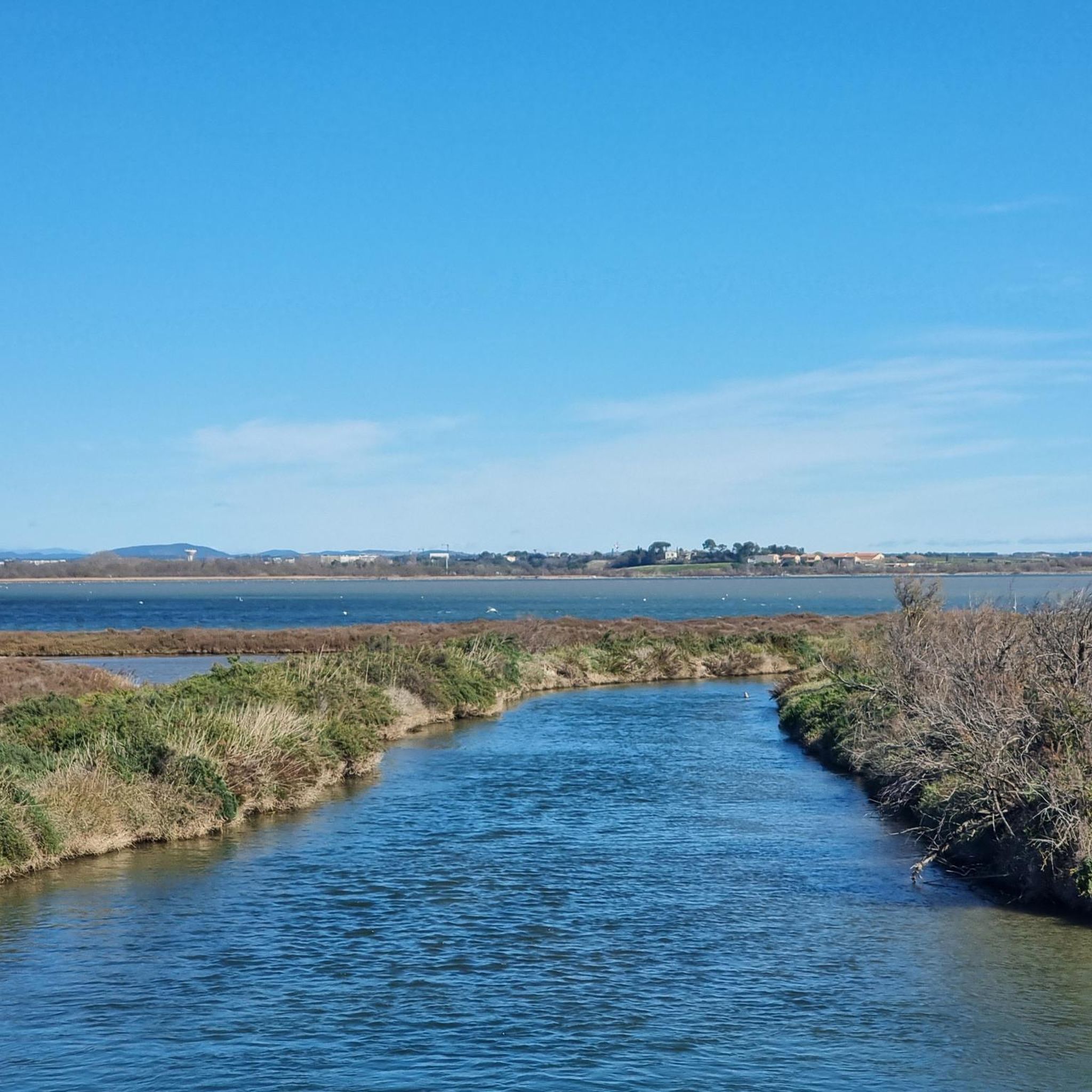
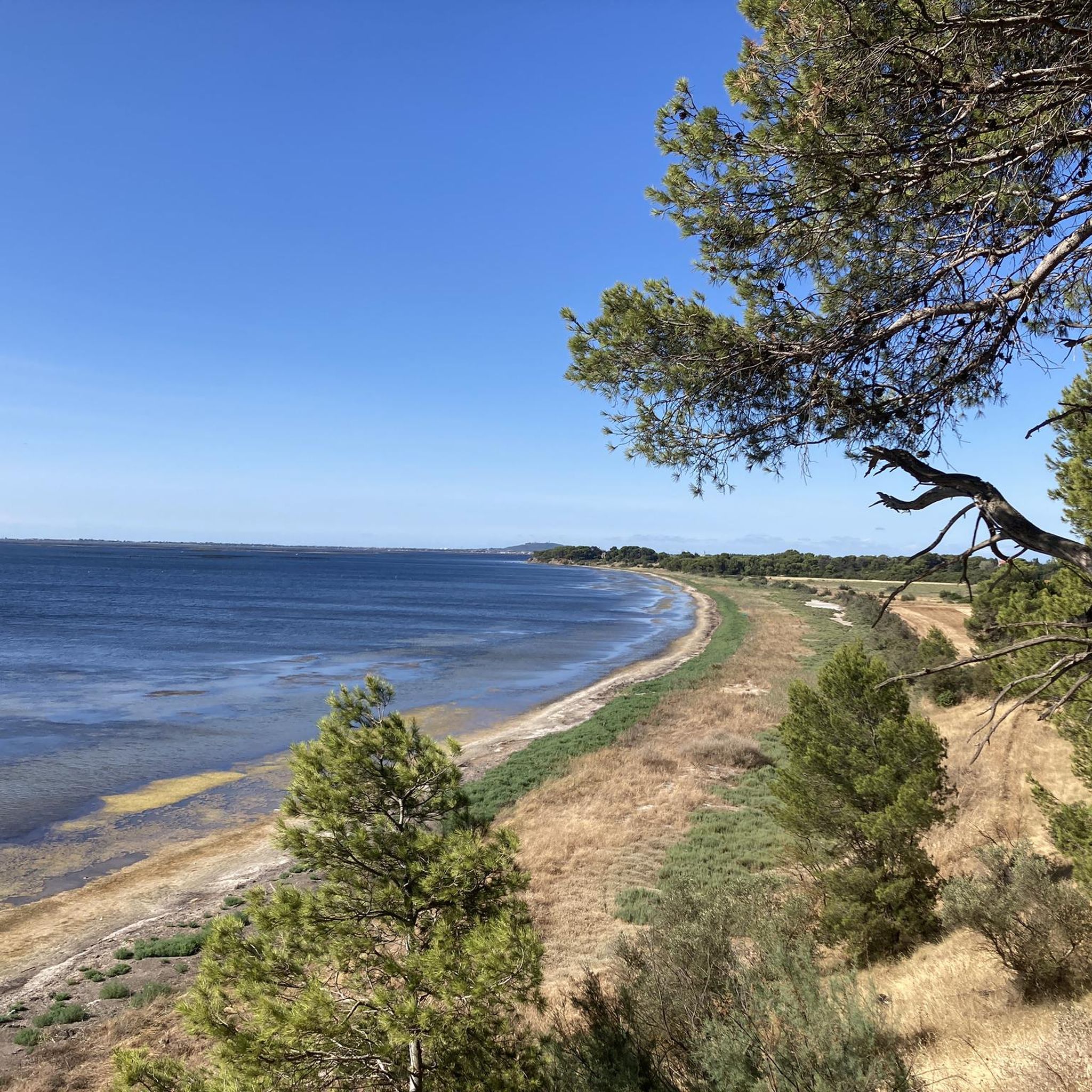
From the greenway, the panorama opens onto the Étang de Vic. This vast coastal lagoon of over 1,000 hectares stretches between the Gardiole massif and the Aresquiers lido. Protected within the Natura 2000 site of the Palavasian ponds and recognized as a wetland of international importance under the Ramsar convention, the pond forms a vast landscape of lagoon, salt marshes, and wetlands here. This opening allows its full extent to be appreciated from the surroundings of Vic-la-Gardiole.
2
0
The Pilou footbridge allows you to cross the Rhône à Sète canal and reach the Maguelone peninsula from Villeneuve-lès-Maguelone. The current structure is mobile and opens to allow navigation on the canal. For 2026, the footbridge is in service every day from 8 a.m. to 8:30 p.m. until September 20, then from 8 a.m. to 7:30 p.m. from September 21 to 30. These hours are subject to change depending on the season or during exceptional closures.
2
0
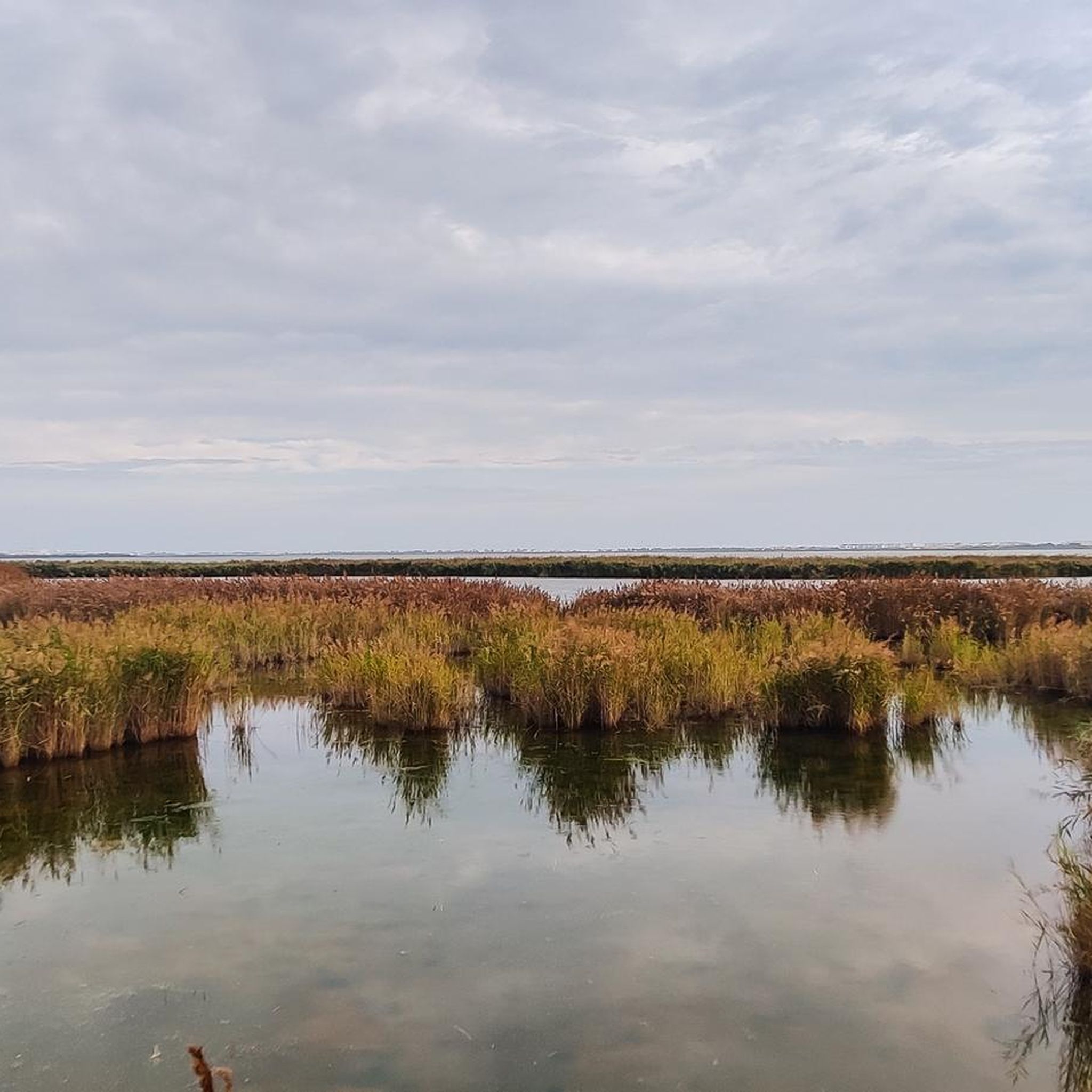
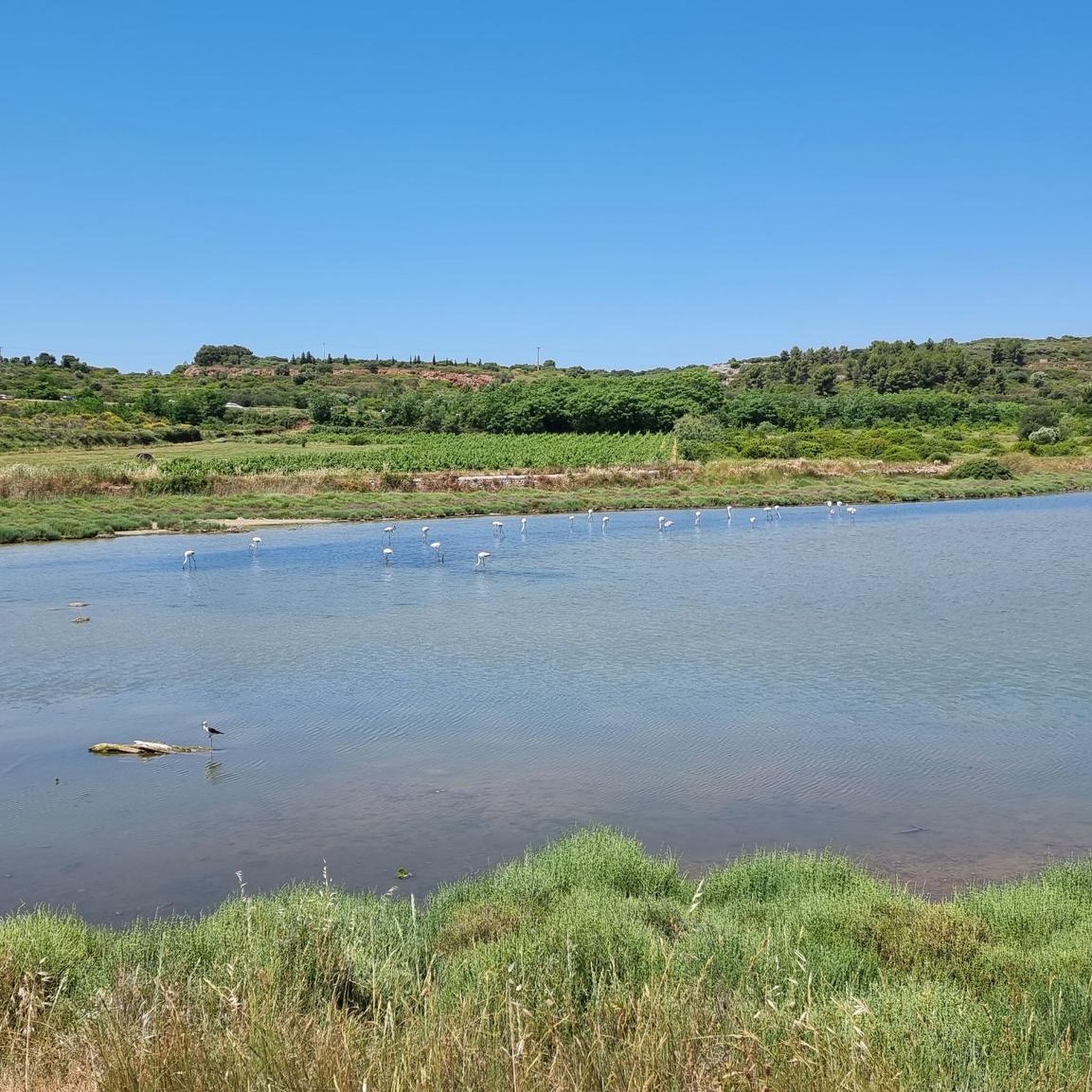
At the exit of Palavas-les-Flots, the voie verte follows the mouth of the Lez river in contact with the ponds. The coastal river joins here the coastal plain and its lagoons, including the Étang du Grec, a vast protected wetland. Reed beds, sansouïres and halophytic vegetation make up a magnificent landscape.
2
0


The canals of Sète, nicknamed the "Venice of Languedoc", connect the Thau lagoon to the Mediterranean Sea and structure the entire heart of the city.
0
0
Frequently Asked Questions
How many touring cycling routes are available around Montpellier?
Montpellier offers a vast network for touring cyclists, with over 1600 routes recorded on komoot. This includes a wide variety of options, from easy coastal paths to more challenging inland trails.
What do other touring cyclists enjoy most about the routes in Montpellier?
The touring cycling routes around Montpellier are highly rated by the komoot community, with an average score of 4.3 stars from over 5900 reviews. Cyclists particularly appreciate the diverse landscapes, ranging from refreshing coastal rides along lagoons to scenic paths through vineyards and historic villages. The well-maintained greenways and canal towpaths are also frequently praised.
What kind of terrain can I expect on touring cycling routes around Montpellier?
The region offers diverse terrain. You'll find many flat coastal paths along the Mediterranean Sea and lagoons, such as the route from Palavas-les-Flots to Montpellier, which often follows the Lez River. Inland, routes like the Lake Cécélès and Pont des Tourilles Loop lead through rolling hills and vineyards, offering moderate elevation changes and stunning views of the garrigue.
Are there easy touring cycling routes suitable for beginners or families?
Yes, Montpellier has numerous easy touring cycling routes perfect for beginners and families. Many coastal paths and canal towpaths are flat and well-maintained. For example, the route from Palavas-les-Flots to Montpellier is an easy 8.8 miles (14.2 km) path connecting the city to the coast. Another accessible option is the Tour of the Etang du Méjean from Palavas-les-Flots, which offers a gentle ride around the lagoon.
Are there more challenging routes for experienced touring cyclists?
While many routes are easy to moderate, experienced touring cyclists can find more challenging options, particularly in the inland areas. Routes around Pic Saint-Loup, for instance, offer magnificent panoramic views and more significant elevation gains. The Lake Cécélès and Pont des Tourilles Loop is a moderate 26.1 miles (42.0 km) trail with over 400 meters of elevation gain, leading through hills and vineyards.
What natural features or landmarks can I explore along the touring cycling routes?
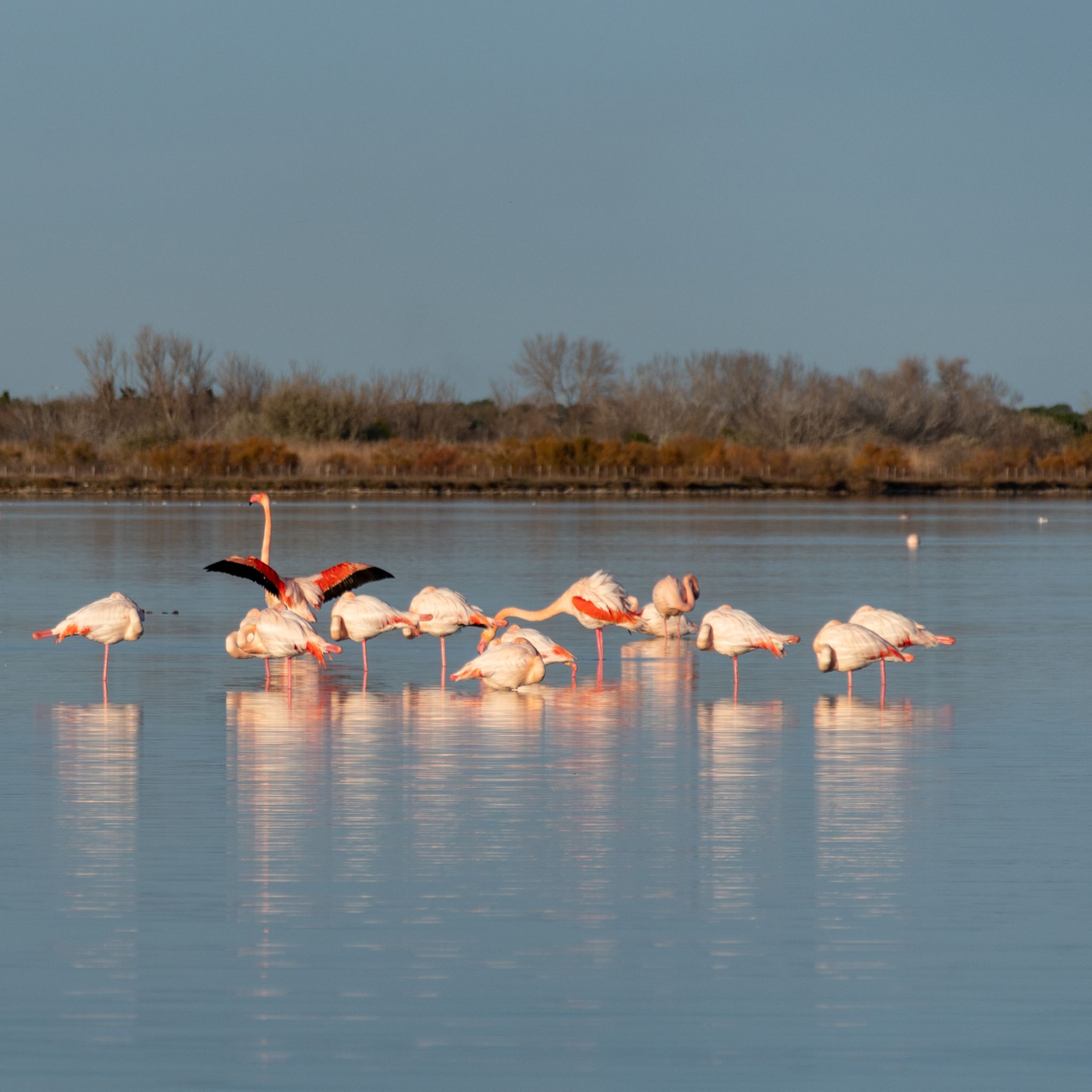
Montpellier's touring cycling routes offer access to a wealth of natural features and landmarks. Along the coast, you can explore coastal lagoons like the Etang de l'Or and Méjean, spotting flamingos and storks. Inland, you can discover the springs of the Lez River, such as the Lez Resurgence. The Salines de Villeneuve Nature Reserve is another notable natural monument. For stunning views, consider routes near the Summit of Saint-Loup.
Can I find circular touring cycling routes in the region?
Yes, there are several excellent circular touring cycling routes around Montpellier. The Lake Cécélès and Pont des Tourilles Loop is a popular moderate option through hills and vineyards. Another great choice is the Étang d'Ingril Loop, an easy ride around the lagoon. For a coastal loop, consider the Grau-du-Roi Canal – Le Grau-du-Roi loop from La Grande-Motte.
Are there routes that pass through vineyards or historic villages?
Absolutely. Many inland touring cycling routes traverse the renowned vineyard areas of the Hérault region, particularly around Pic Saint-Loup. You can also cycle through charming medieval villages. The route Between garrigues, vineyards and medieval villages – loop is a perfect example, offering a blend of natural beauty and cultural heritage.
What is the best time of year for touring cycling in Montpellier?
The best time for touring cycling in Montpellier is typically spring (April to June) and autumn (September to October). During these seasons, the weather is pleasant with moderate temperatures, making for comfortable rides. Summer can be very hot, especially in July and August, while winter can be cooler and wetter, though many coastal routes remain rideable year-round.
Are there opportunities for wildlife spotting on touring cycling routes?
Yes, the region's diverse ecosystems offer great opportunities for wildlife spotting. Coastal routes along the lagoons, such as the Etang de l'Or and Méjean, are known for their birdlife, including flamingos and storks. The Salines de Villeneuve Nature Reserve is a protected site where you can observe various species. The Lez River paths also pass through bird sanctuaries.
How can I access touring cycling routes using public transport in Montpellier?
Montpellier has a developing cycling infrastructure, and its public transport network (tram and bus) can help you reach various starting points for touring routes. While specific routes may not have direct public transport links, you can often use the city's network to get closer to the outskirts or coastal areas, then begin your ride. Always check local public transport regulations regarding bikes during peak hours.
Are there long-distance touring cycling options from Montpellier?
Yes, Montpellier is well-positioned for longer touring cycling adventures. The Via Rhôna cycling route, part of Eurovelo 8, passes nearby, offering smooth rides through varied landscapes. The Canal du Midi, a UNESCO World Heritage site, provides a mostly flat and scenic experience, with towpaths leading to towns like Sète, Béziers, and even further to Narbonne and Carcassonne, making multi-day tours possible.
Most popular routes around Montpellier
Most popular attractions around Montpellier

Get inspired with the komoot mobile app


Didn’t find what you were looking for?
Check out more Cycling routes throughout Montpellier below and find the perfect route in your destination.
Explore more
Browse the best Cycling routes in other regions.
