Attractions and Places To See around Montpellier - Top 20
Best attractions and places to see around Montpellier include a blend of historical landmarks, cultural institutions, and natural areas. The city, located in the south of France, features a diverse landscape ranging from urban centers to coastal lagoons and mountains. Visitors can explore a variety of sites, from ancient aqueducts to modern architectural designs and botanical gardens. The region offers both historical depth and natural beauty for exploration.
Best attractions and places to see around Montpellier
- The most popular attractions is Summitof Saint-Loup, a summit that offers a hike with good elevation and superb views. This distinctive mountain is a popular day trip from the city, known for its unique flora and birdlife.
- Another must-see spot is Castries Aqueduct, a man-made monument. This aqueduct, an important hydraulic work, winds through the landscape and provides opportunities for walks in the hinterland.
- Visitors also love Peyrou Gate, a historical site. This triumphal arch, built in 1691, serves as a memorial to King Louis XIV and leads into the Promenade du Peyrou.
- Montpellier is known for its historical sites, natural landscapes, and cycle paths. The area offers a variety of attractions to see and explore, from beaches and rivers to aqueducts and summits.
- The attractions around Montpellier are appreciated by the komoot community, with more than 1000 upvotes and over 400 photos shared across 520 highlights.
Last updated: September 26, 2026
Chemin de la plage, Agde to Sète
Highlight (Segment) • Beach
Translated by Google •
Tip by

Lido Cycle Path from Sète to Marseillan
Highlight • Cycleway
Translated by Google •
Tip by

Sign up now to discover places like this
Get recommendations on the best single tracks, peaks, & plenty of other exciting outdoor places.
Royal Canal of Sète
Highlight • River
It is also an important port for ferries to North Africa. Sète is surrounded by water and is nicknamed the Little Venice of Languedoc. It is both popular and touristy. This port with all its beautiful houses surrounding its main canal is a great discovery to make.
If you pass through this port in summer, don't miss the Sète jousts. Tournaments are held on jousting boats led by a crew of 8 or 10 rowers. They are preceded by a parade of jousters, all dressed in white.
Translated by Google •
Tip by

Between the Étang du Méjean and the Étang de l'Arnel
Highlight • Cycleway
Translated by Google •
Tip by

Rhone Kanal
Highlight • Cycleway
This saves you a 20km detour of EuroVélo 6 around the Étang de Vic via Villeneuve-les-Maguélone. The trip right next to the canal is extremely interesting, as the canal is structurally delimited and runs through the Étang de Vic. Although the path is a gravel / gravel road, it can also be ridden well with a loaded trekking bike
Translated by Google •
Tip by

Chemin du Pilou - between the Vic and Arnel ponds
Highlight (Segment) • Other
L’Arnel is today a protected natural area, integrated into the Natura 2000 network and the classified site of the Palavasian ponds. But the lagoon also bears the traces of a long history of exploitation: fishing, old salt pans and hydraulic developments have shaped this amphibious territory for several centuries.
Showing Translation
Tip by

Porte de Maguelone
Highlight • Monument
Translated by Google •
Tip by

Summitof Saint-Loup
Highlight • Summit
Translated by Google •
Tip by

Robinson Beach
Highlight • Beach
Translated by Google •
Tip by
Canal du Rhône à Sète Between Palavas-les-Flots and Vic-la-Gardiole
Highlight • Cycleway
Translated by Google •
Tip by
Sign up for free to discover even more attractions around Montpellier.
Already have an account?
Start today with a free account
Your next adventure awaits.
Popular around Montpellier
Road to Lisbon – bikepacking the Alps, Pyrenees and Picos de Europa
From Marseille to Montpellier — France's south coast by bike
Via Rhôna — cycling the Rhone Valley Way from Lyon to the Mediterranean
The most beautiful bike rides in Occitanie

European D̶I̶V̶I̶D̶E̶ Connect Trail Project – a journey across Europe
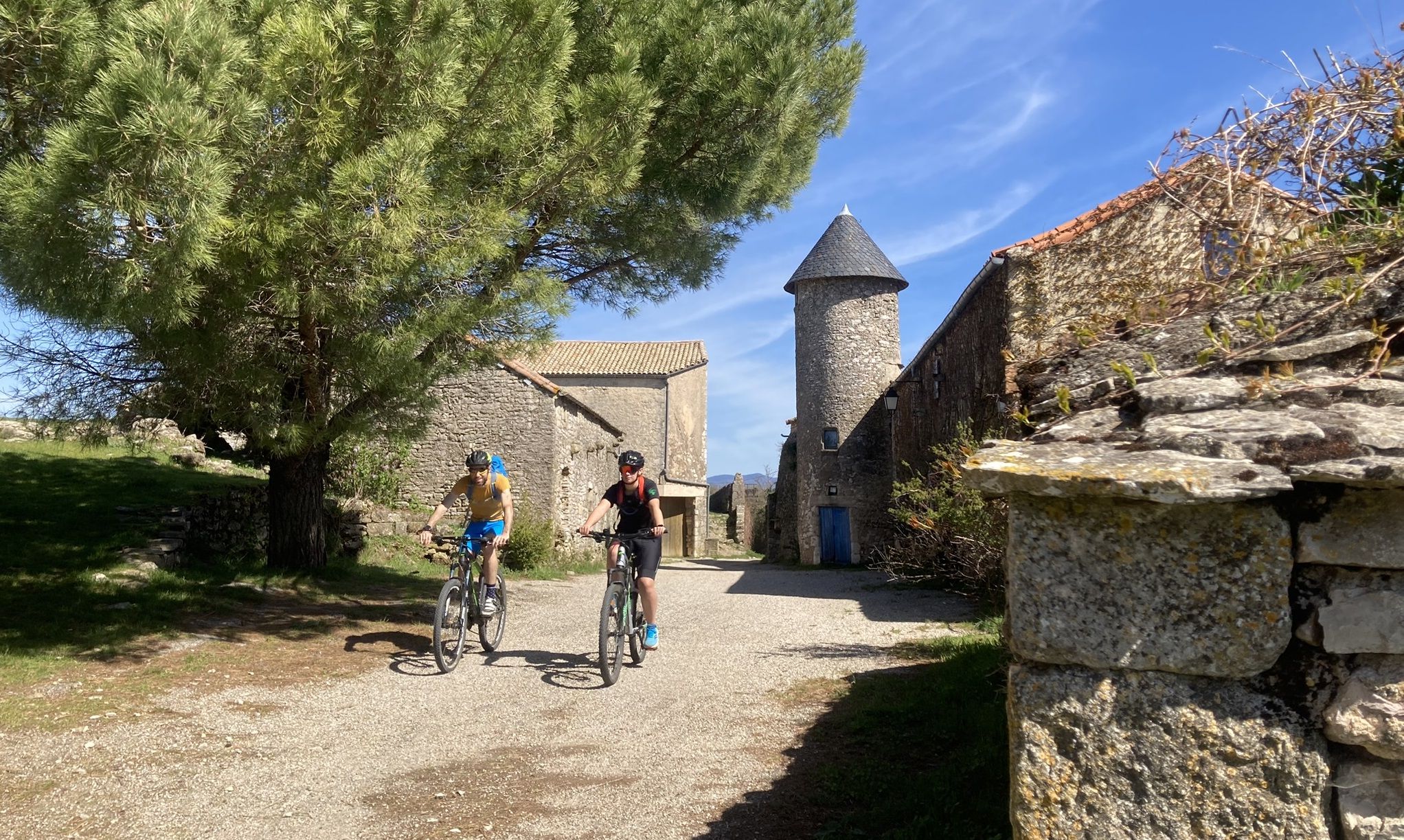
Grande Traversée de l'Hérault — Passa Meridia (North)
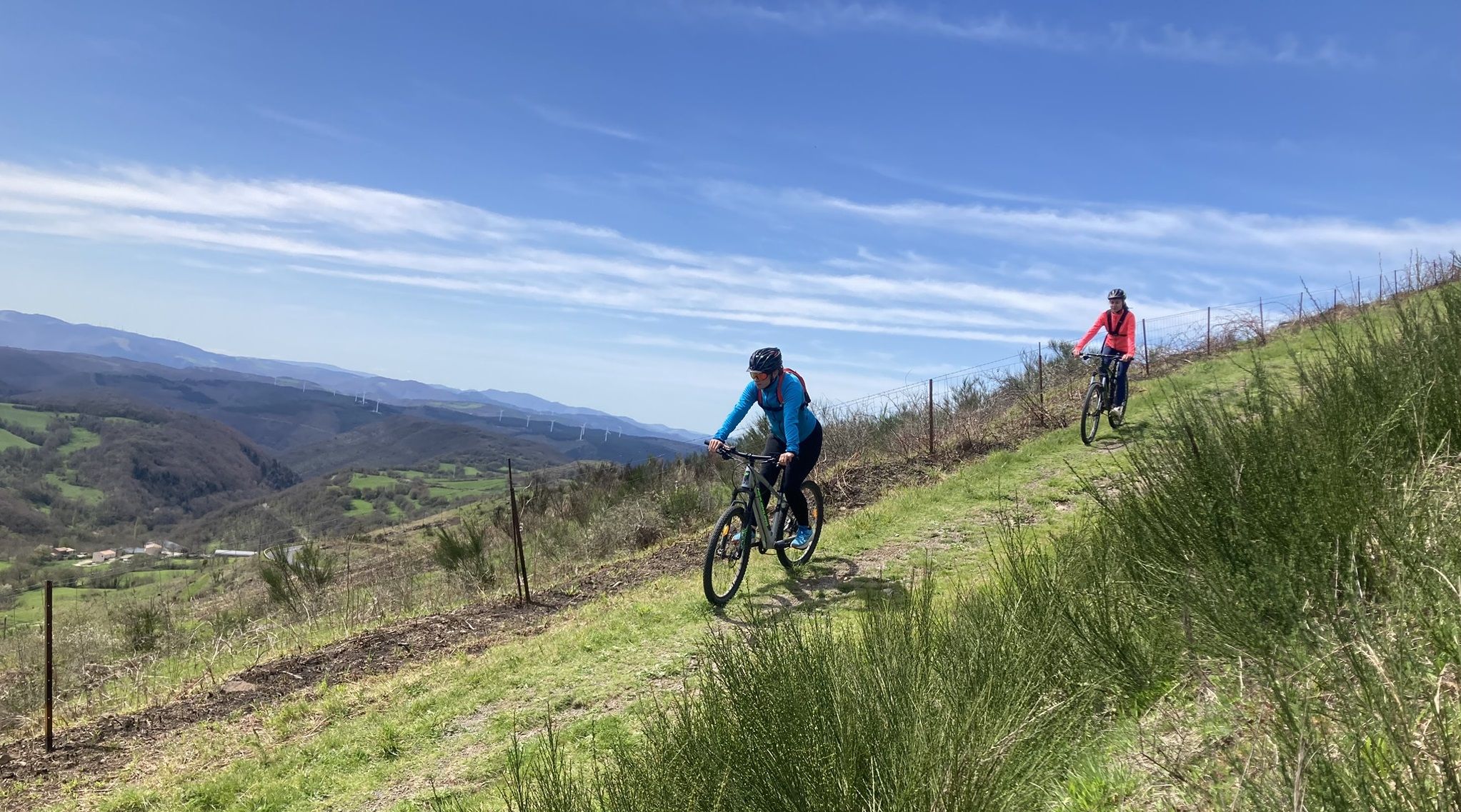
Grande Traversée de l'Hérault — Passa Meridia (South)
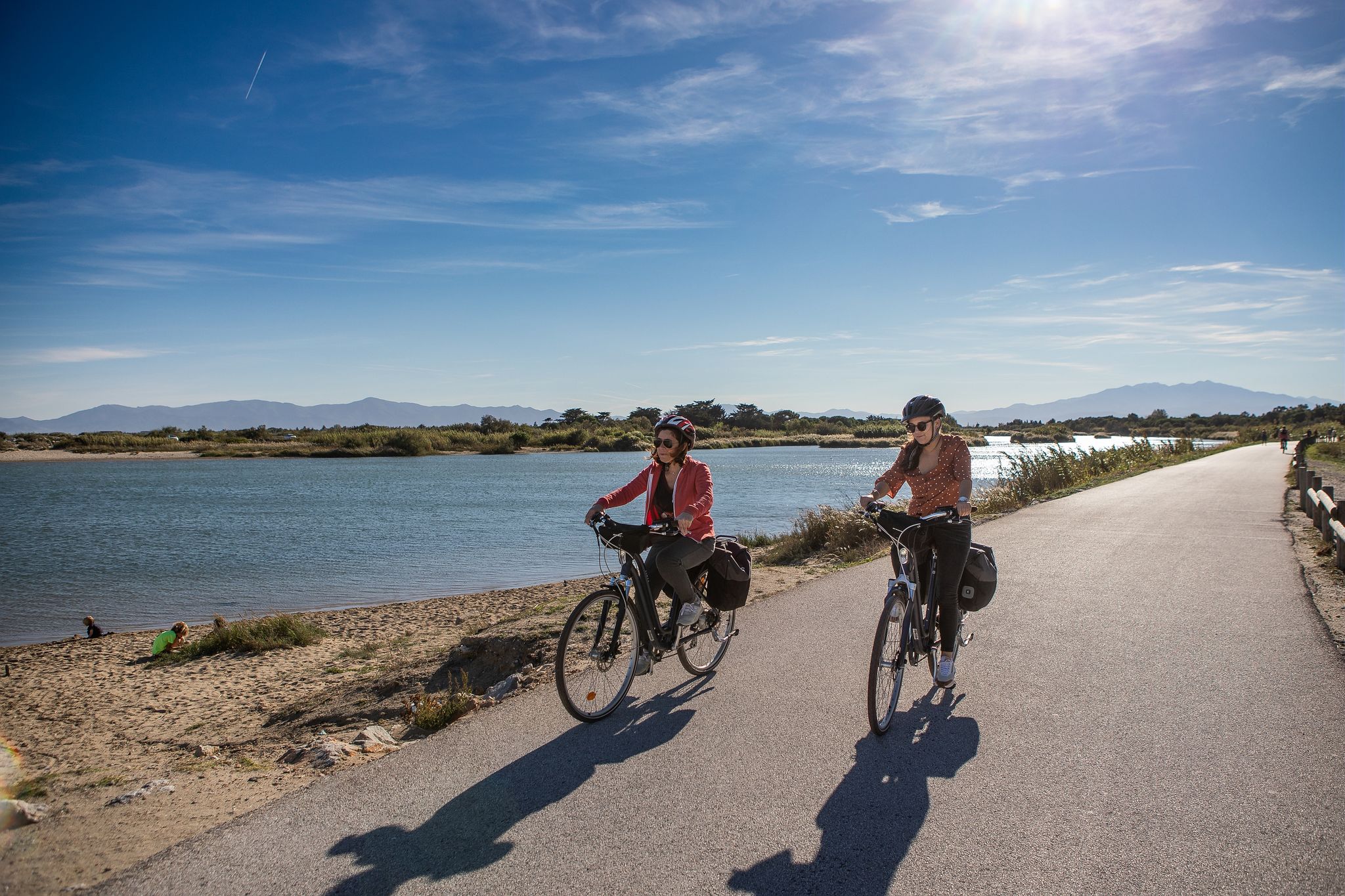
Méditerranée in Occitanie - Ten bike rides in the South of France
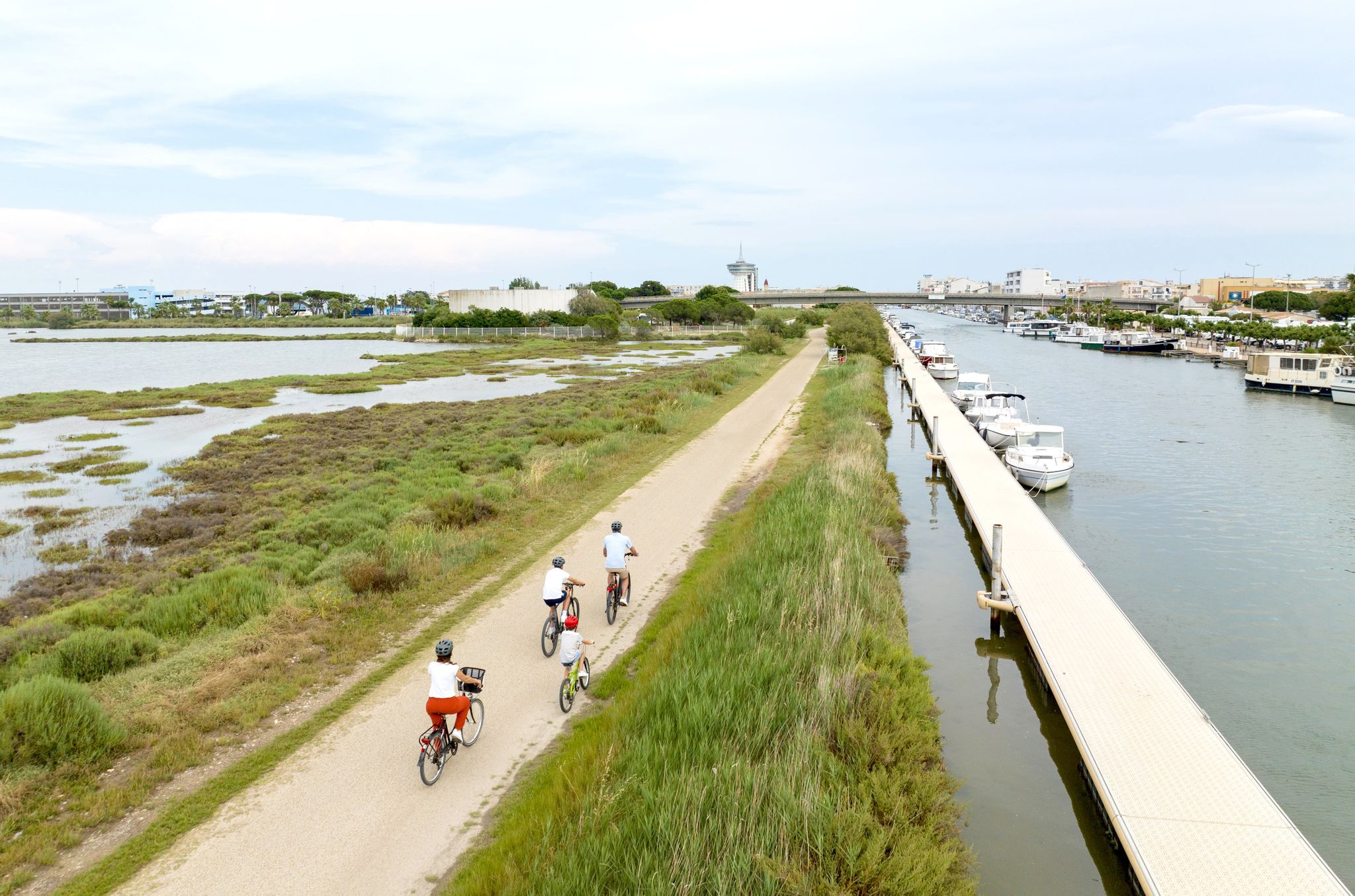
Palavas-les-Flots by bike – Mediterranean escapades
Côte Méditerranée – hiking in Occitania
Other adventures around Montpellier


Tips from the Community

This monumental gate marks the entrance to the Maguelone estate, between the Rhône à Sète canal and the coastal ponds. Officially named "Portail de Maguelone", this monument is also commonly called "La Porte de Maguelone". Despite its appearance as an ancient gate, it is a 20th-century construction, erected following the conflict that opposed at the beginning of the century the owner of the estate, Frédéric Fabrège, to the municipality of Villeneuve-lès-Maguelone concerning a path giving access to the beach and the existence of a servitude right.
2
0
From Frontignan to Palavas-les-Flots, the route follows the Canal du Rhône à Sète through one of the large lagoon complexes on the Languedoc coast. After the Étang d'Ingril and the Aresquiers, the canal successively crosses or runs alongside the Étangs de Vic and de Pierre-Blanche, then passes between those of l'Arnel and du Prévost before reaching Palavas. The canal itself is a major historical element of this landscape. Its construction began in 1701 under the name Canal des Étangs, in order to ensure continuity between the Royal Canal of Languedoc – today the Canal du Midi – and the Rhône. The route, completed in 1829, passes through Frontignan, Maguelone and Palavas before joining Aigues-Mortes and then Beaucaire. In Frontignan, its opening in the 18th century profoundly modified the landscape: the canal notably separated the former Étang de Frontignan into two complexes, giving rise to the Étang d'Ingril and that of La Peyrade.
2
0
From Frontignan to Palavas-les-Flots, the route follows the Canal du Rhône à Sète through one of the large lagoon systems on the Languedoc coast. After the Étang d'Ingril and the Aresquiers, the canal successively crosses or runs alongside the Étang de Vic and Étang de Pierre-Blanche, then passes between the Étang de l'Arnel and Étang du Prévost before reaching Palavas. The canal itself is a major historical element of this landscape. Its construction began in 1701 under the name Canal des Étangs, in order to ensure continuity between the Royal Canal of Languedoc — today the Canal du Midi — and the Rhône. The route, completed in 1829, passes through Frontignan, Maguelone, and Palavas before reaching Aigues-Mortes and then Beaucaire. In Frontignan, its opening in the 18th century profoundly modified the landscape: the canal notably separated the former Étang de Frontignan into two parts, giving rise to the Étang d'Ingril and the Étang de La Peyrade.
2
0
From the locality of Le Pilou to the eponymous footbridge, this path takes us to the heart of the lagoon landscape of the Arnel pond. An area where human developments coexist with the characteristic environments of the Palavasian ponds: lagoon, sansouire (salt-tolerant vegetation) and halophytic vegetation. L’Arnel is today a protected natural area, integrated into the Natura 2000 network and the classified site of the Palavasian ponds. But the lagoon also bears the traces of a long history of exploitation: fishing, old salt pans and hydraulic developments have shaped this amphibious territory for several centuries.
2
0

The Porte de Maguelone is an ochre stone arch located at the entrance to the Villeneuve-lès-Maguelone peninsula. It symbolizes a historical conflict related to private property in the 19th century.
0
0
The étang du Méjean (also called étang de Pérols) is a protected natural site of over 600 hectares located in Lattes, just 8 kilometers south of Montpellier. Managed by the Conservatoire du littoral, this exceptional lagoon space offers a mosaic of preserved landscapes (marshes, reed beds, sansouïres) where you can easily observe pink flamingos, white storks, bulls, and Camargue horses.
0
0
L'étang de l'Arnel is a vast coastal lagoon located in the municipality of Villeneuve-lès-Maguelone, in the Hérault department, less than 20 km south of Montpellier.
0
0
The coastline between Sète and Marseillan-Plage, called the Lido, is a sandy spit about 12 kilometers long separating the Mediterranean Sea from the Thau lagoon. The Voie Verte du Lido: A 12 km secure path reserved for cyclists and pedestrians, built on a former section of road moved to combat erosion.
1
0
Frequently Asked Questions
What are some popular natural attractions for outdoor enthusiasts around Montpellier?
For those who enjoy nature and outdoor activities, the Summitof Saint-Loup offers a rewarding hike with superb views of the surrounding landscape. You can also explore the coastal areas, such as Robinson Beach or Grand Travers Beach – La Grande-Motte, which are popular for relaxation and water activities. The Lez River and the protected coastal lagoons, like those around the Étang de l'Or, offer tranquil environments for walks and birdwatching, including flamingos.
Are there historical sites or architectural landmarks worth visiting in Montpellier?
Montpellier boasts several significant historical and architectural sites. The Peyrou Gate, a triumphal arch built in 1691, leads into the grand Promenade du Peyrou, offering panoramic city views. The Castries Aqueduct is another impressive man-made monument, winding through the landscape and providing opportunities for walks. Within the city, you can explore the historic L'Écusson district with its medieval streets, the impressive Cathédrale Saint-Pierre, and the modern Montpellier Town Hall.
What kind of cycling routes can I find near Montpellier?
The region around Montpellier offers a variety of cycling experiences. You can enjoy scenic rides along the coast on paths like the Lido Cycle Path from Sète to Marseillan or the Chemin de la plage, Agde to Sète. For those interested in canal routes, the Canal du Rhône à Sète Between Palavas-les-Flots and Vic-la-Gardiole provides a unique riding experience. For more challenging rides, explore the MTB Trails around Montpellier or the Gravel biking around Montpellier guides.
Are there family-friendly attractions or activities available?
Yes, many attractions around Montpellier are suitable for families. The Castries Aqueduct and Peyrou Gate are historical sites that can be explored with children. Beaches like Grand Travers Beach – La Grande-Motte are also great for family outings. Additionally, the Jardin des Plantes de Montpellier, one of Europe's oldest botanical gardens, offers a pleasant and educational experience for all ages.
Where can I find good hiking trails with viewpoints near Montpellier?
For excellent hiking with rewarding views, the Summitof Saint-Loup is a popular choice, offering panoramic vistas after a moderate climb. The Promenade du Peyrou, accessible via the Peyrou Gate, also provides stunning city views extending to the Cévennes mountains. You can find more detailed hiking options in the Hiking around Montpellier guide, which includes trails like the Pic Saint-Loup Trail.
What cultural institutions can I visit in Montpellier?
Montpellier is rich in culture. The Musée Fabre is renowned as one of France's best art galleries, housing extensive European art collections. The Jardin des Plantes de Montpellier, established in 1593, is Europe's oldest botanical garden. You can also visit the historic Faculty of Medicine, the Opéra Comédie, or explore contemporary art at Mo.Co. (Montpellier Contemporain).
Are there any accessible attractions for visitors with mobility needs?
While specific accessibility details vary, some areas like the Lido Cycle Path from Sète to Marseillan are noted as wheelchair accessible, offering flat terrain for enjoyment. The Promenade du Peyrou, with its wide paths, is also generally accessible. It's always recommended to check specific venue information for detailed accessibility features before your visit.
What are some unique natural features to explore around Montpellier?
Beyond the well-known Pic Saint-Loup, you can discover the tranquil Parc du Domaine de Méric, a beautiful green space with historic buildings. The Lez River offers natural spots for relaxation, and the Lez Reserve near the zoo provides a diverse environment. South of Montpellier, the coastal lagoons and saltworks, such as the Méjean Nature Reserve, are protected Natura 2000 sites, home to diverse wildlife including flamingos.
What do visitors enjoy most about the attractions around Montpellier?
Visitors frequently praise the blend of historical depth and natural beauty. Many appreciate the challenging yet rewarding hikes like the Summitof Saint-Loup for its views, and the unique experience of walking along ancient structures like the Castries Aqueduct. The vibrant atmosphere of the city center, combined with the serene coastal and natural parks, also receives high acclaim.
Can I find any hidden gems or lesser-known spots near Montpellier?
Beyond the main attractions, consider exploring the charming L'Écusson district's labyrinthine streets for hidden squares and cafes. The Château de Flaugergues, a short distance from the city, offers beautiful gardens and 18th-century architecture. For a unique art experience, visit Carré Sainte-Anne, a former church now hosting contemporary art exhibitions.
What are the best options for day trips from Montpellier?
Montpellier serves as an excellent base for day trips. You can visit the distinctive Pic Saint-Loup for hiking and stunning views. The coastal towns of Sète and Marseillan, accessible via scenic cycle paths, offer charming ports and beaches. For a blend of history and nature, consider a trip to the Pont du Gard aqueduct or the Camargue wetlands and Espiguette Beach, known for their white sands and wildlife.
Most popular routes around Montpellier
Most popular attractions around Montpellier

Get inspired with the komoot mobile app


Didn’t find what you were looking for?
Are you keen on exploring more awesome places nearby? Browse our guides:
Explore more
Still not found the Highlight you’re looking for? See guides of the top attractions in other regions:
