The best walks and hikes around Leers
4.6
(559)
3,686
hikers
25
hikes
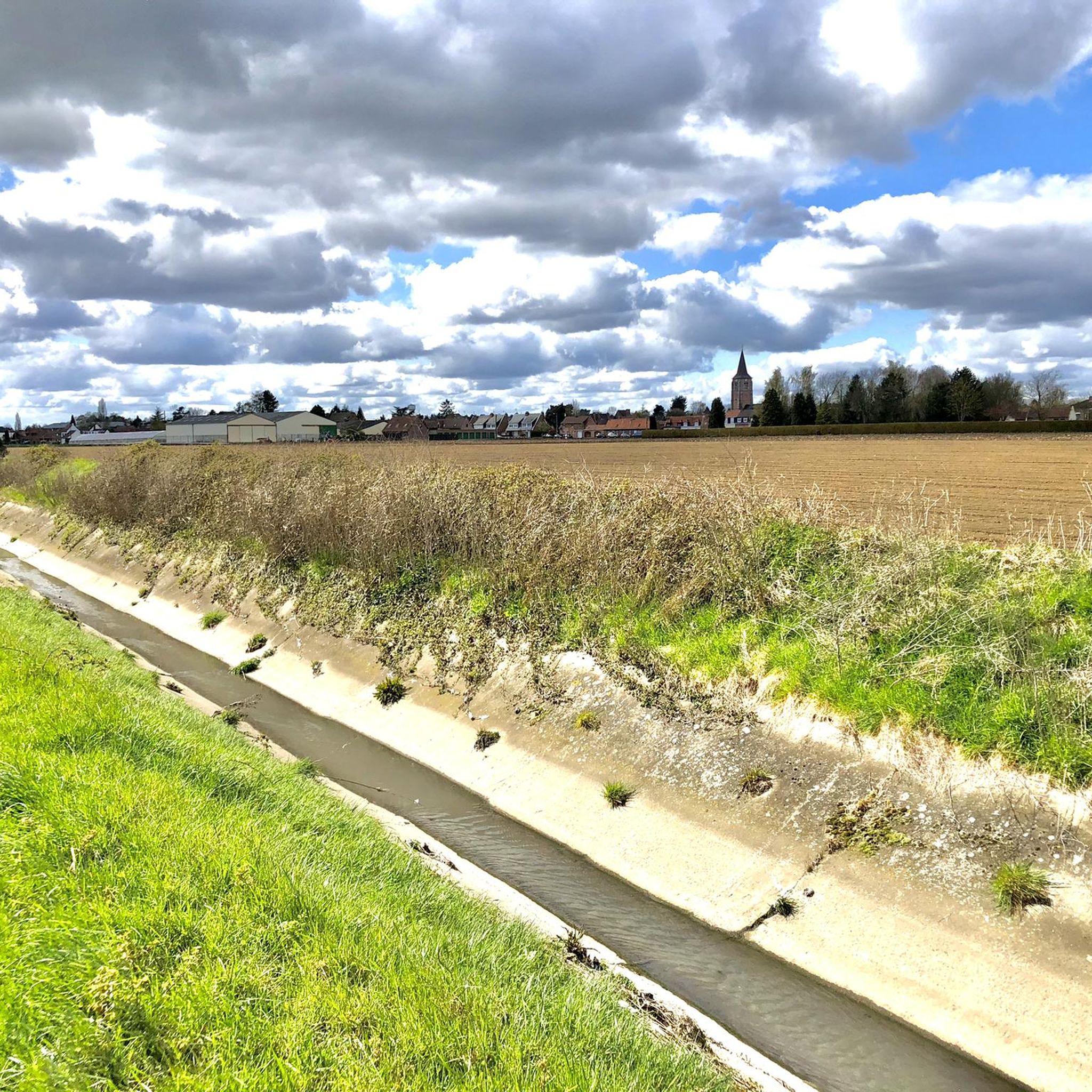
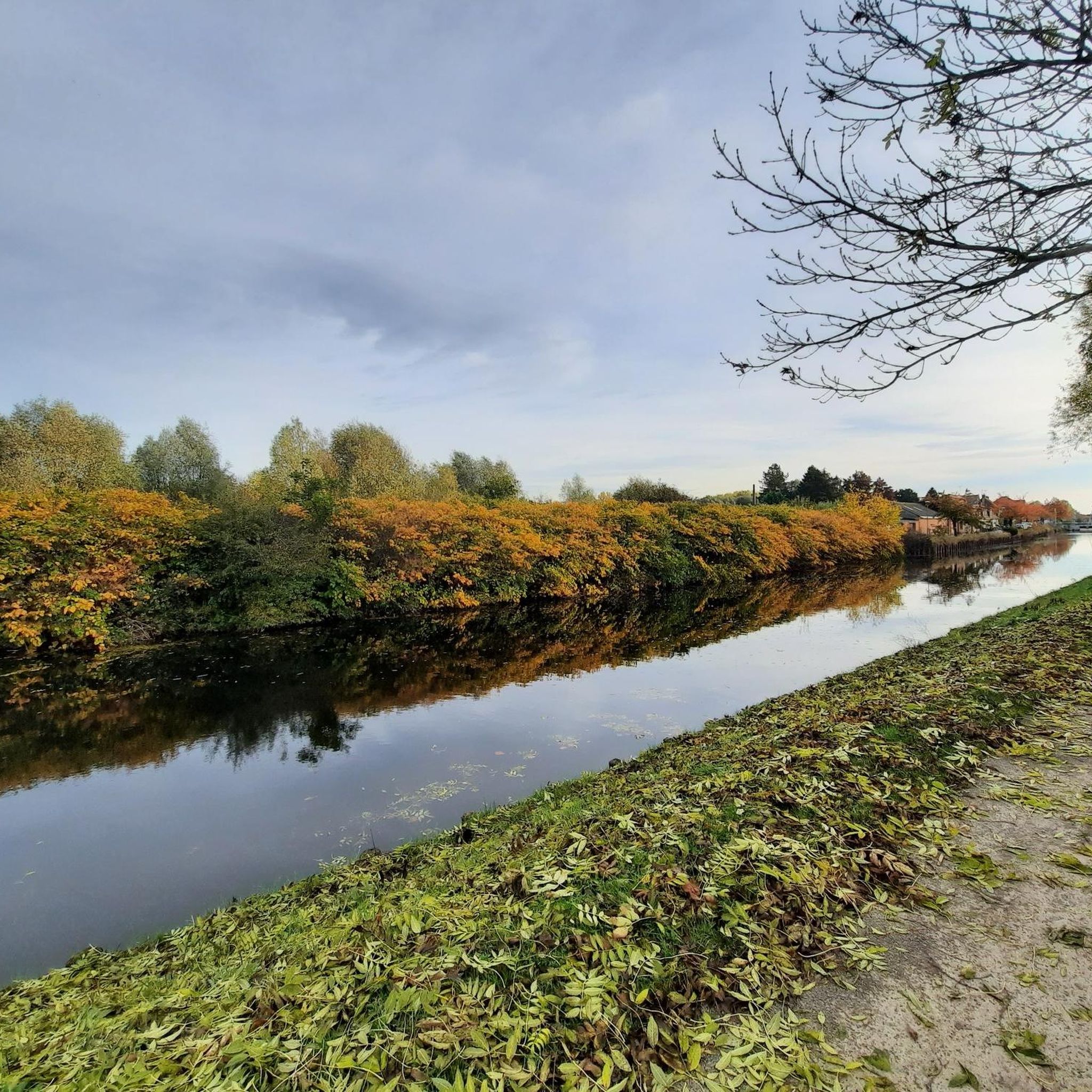
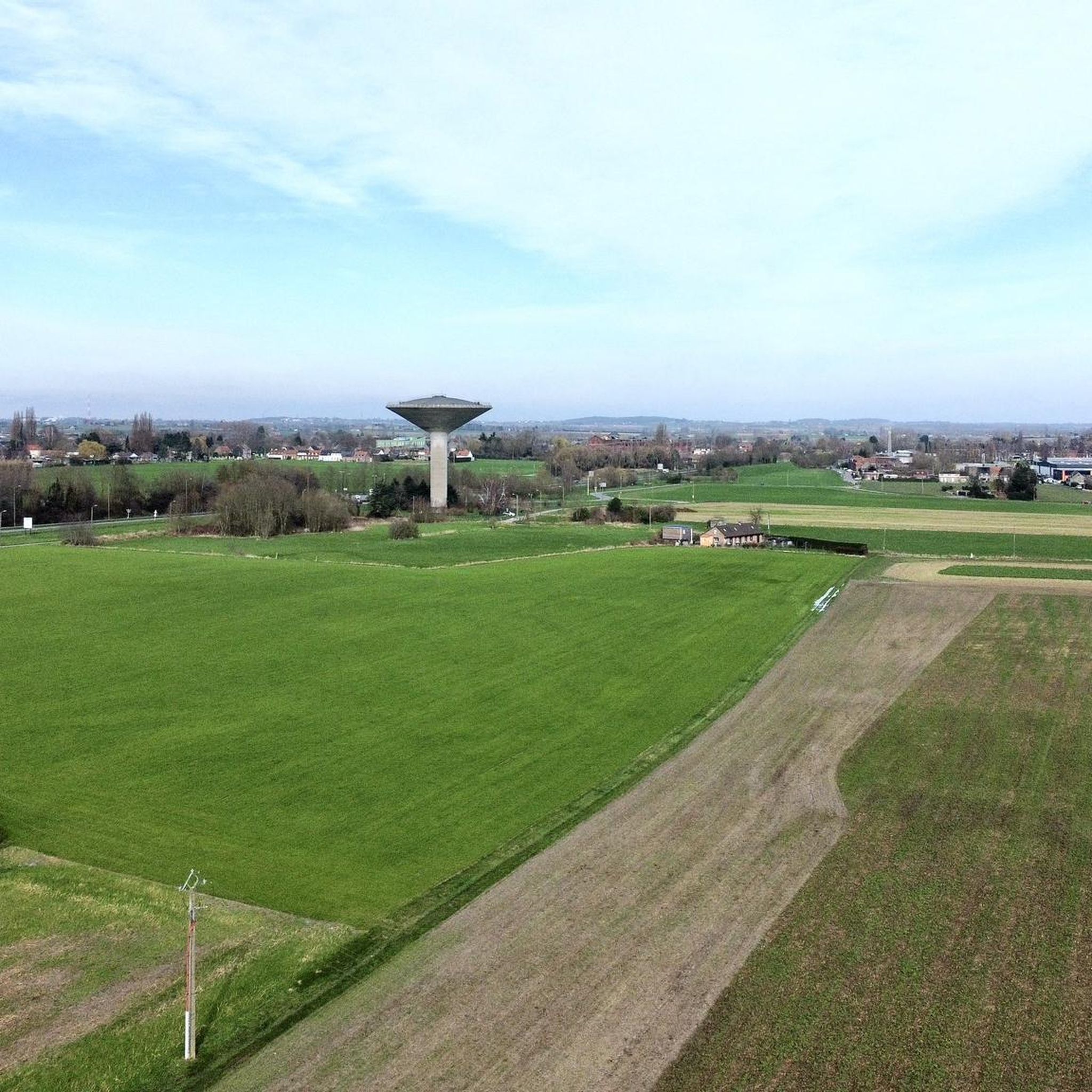
Hiking around Leers offers opportunities to explore tranquil waterways, rural landscapes, and unique cross-border routes near the Belgian border. The region is characterized by the scenic Roubaix Canal and the open Ferrain plain. A network of small roads and paths provides varied terrain for hikers. These features offer options from easy canal-side walks to moderate paths through the countryside.
Best hiking trails around Leers
- The most popular hiking route is Leers Filtration Ponds – Leers-Nord Lock loop from Leers,…
Last updated: May 28, 2026
4.1
(14)
51
hikers
11.6km
02:56
20m
20m
Moderate hike. Good fitness required. Easily-accessible paths. Suitable for all skill levels.
15
hikers
7.72km
01:57
10m
10m
Easy hike. Great for any fitness level. Easily-accessible paths. Suitable for all skill levels.

Sign up for free
4.3
(3)
11
hikers
7.42km
01:53
20m
20m
Easy hike. Great for any fitness level. Easily-accessible paths. Suitable for all skill levels.
5.0
(1)
9
hikers
8.58km
02:10
20m
20m
Moderate hike. Good fitness required. Easily-accessible paths. Suitable for all skill levels.
4.7
(3)
10
hikers
8.02km
02:02
10m
10m
Moderate hike. Good fitness required. Easily-accessible paths. Suitable for all skill levels.
Get access to more routes and recommendations from other explorers.
Sign up for free
Already have an account?
Our route recommendations are based on thousands of hikes, rides, and runs completed by other people on komoot.
Start today with a free account
Your next adventure awaits.
Login or Signup


Tips from the Community

However dilapidated the castle may be, the future promises improvement: The current owners of the castle, Pierre and Annie Moulin-Duthoit and their children, are responsible for its restoration, particularly Olivier Moulin, who wrote a thesis on this heritage at the end of his architectural studies. ...that's why you can see signs of construction work from a distance (approaching close is not permitted). Source: leershistorique.fr
2
0
The Château de Royères, probably around 1100, was a feudal motte with a wooden tower and a retractable walkway... which Havide de Néchin brought as a dowry to Lambert de Wattrelos. The inhabitants of Tournai submitted to Philip II Augustus. The Tournai region would belong to the French royal family for over 300 years (1187-1521). La Royère is located in the Château de Lille, in the Flanders region, on the hills of Leers and Néchin, on the edge of the Wattines forest, on the border with Tournaisis: it is the castle of the border. In 1227, it was probably a feudal motte with a stone tower that was purchased by Arnoul IV. Wealthier than the seller Hugues de Roubaix, he may have had Tournai's stone walls built. From 1500 onwards, the lords of Roubaix also became lords of La Royère through marriage: the de Werchin and the de Melun. Pierre de Melun, governor of Tournai, lord of Roubaix and La Royère, and a Protestant supporter, was considered civilly dead by Philip II, the Catholic king. His possessions passed to the Ligne family through Anne de Melun. As a supporter of the Edict of Nantes (Henry IV, 1598), Louis XIV returned La Royère to the de Melun family. This led to family disputes: the property first went to the de Ligne family and then back to the de Melun family. A Crombez from Tournai bought La Royère, 35 hectares (Popp map circa 1850). Miss Crombez de Remond de Montmort married Count Ferdinand Costa de Saint-Gérix de Beauregard… Everything was then sold to farmers. Source: leershistorique.fr
2
0
A chapel erected in gratitude to Our Lady for protecting the residents of Leers-Noord during the bombings of October-November 1918. On the altar, besides two statues of Mary, stands a statue of a praying clergyman. I couldn't figure out who this is supposed to represent.
3
0
Trees, birds, flowers and butterflies colour this electricity box.
3
0
In the center of Leers-Noord cemetery stands a monument originally dedicated to the civilian and military victims of the First World War. Later, the names of the victims of the Second World War were also added.
4
0
There is a rather special history surrounding the church of Leers: The Border Treaty between France and the Austrian Netherlands made possible the rectification of the border between the two countries. In 1769, Leers-Tournaisis (1/4) was annexed by France, of which Leers-Châtellenie de Lille (3/4) was part, creating a single parish of 945 hectares! In 1781, part of Leers, including the Belva road, which had hindered trade, was returned to the Austrian Netherlands (405 hectares). This division did not change the situation of the pastor of Leers. Abbot Cosse simply registered the subjects of the Emperor of Austria in Leers-North and the subjects of King Louis XVI, King of France, in Leers-South, in two separate registers. Newborns were all brought to the church in Leers-France, and the dead were brought there via a path that has retained the name "Chemin des Morts" (Path of the Dead). This route began on the present-day square of Leers-Nord, followed the path of the Bazulante Cross, then the Path of Courage to reach the choir of the church of Leers-France. Source: leershistorique.fr
3
0
This cross or Calvary chapel is located on the roundabout at the town square of Leers-Noord and overlooks the St. Vaast Church at the other end of the square.
4
0
"Satcheu" is the Picardian term for "boat puller." This statue pays tribute to those who once practiced this arduous profession: from the towpath, people (or horses) pulled boats across the river or, as here, the canal (Canal de l'Espierre). The statue is a work by Sylvie Koechlin and was unveiled in 2006.
4
0
Frequently Asked Questions
How many hiking trails are available in Leers?
Leers offers a good selection of hiking trails, with a total of 26 routes. These include 15 easy trails and 11 moderate options, catering to various fitness levels.
Are there any easy hiking routes suitable for beginners or a relaxed walk?
Yes, Leers has 15 easy trails. A pleasant and restful option is the Leers Filtration Ponds – Leers-Nord Lock loop from Leers, which is 7.7 km long and features minimal elevation gain, making it ideal for a leisurely stroll.
What kind of landscapes can I expect to see while hiking in Leers?
Hiking in Leers offers diverse landscapes, from tranquil waterways along the Roubaix Canal to the open, rural charm of the Ferrain plain. You'll encounter a mix of small roads and paths, with some routes even crossing into Belgium, providing a unique cross-border experience.
Are there any circular walks in Leers?
Many of the routes in Leers are designed as loops. For example, the Leers-Nord Lock – La Maison du Canal loop from Leers is a moderate 8.6 km circular path that offers scenic canal-side views and rural landscapes.
Can I hike with my dog in Leers?
Leers' rural landscapes and canal paths are generally suitable for dog walking. However, it's always recommended to keep your dog on a leash, especially near roads, agricultural areas, or when encountering other hikers and wildlife. Check local signage for any specific restrictions.
What are some interesting natural features or landmarks to look out for on the trails?
Along the trails, you can explore the Leers Filtration Ponds and the Leers-Nord Lock, which are often part of popular routes. The Roubaix Canal itself is a significant feature, offering peaceful scenery and glimpses of its historic locks. For broader natural beauty, the nearby Heron Lake is also a notable highlight.
Are there any cross-border hiking opportunities from Leers?
Yes, one of Leers' unique features is its direct connection to Belgium. Several routes traverse the Ferrain plain, linking Leers (France) with Leers-Nord (Belgium), often returning along the scenic Roubaix Canal, allowing you to experience two countries in a single hike.
What do other hikers enjoy most about hiking in Leers?
The komoot community highly rates the hiking experience in Leers, with an average score of 4.6 stars from over 470 reviews. Hikers often praise the tranquil waterways, the peaceful rural landscapes, and the well-maintained paths that offer a relaxing escape into nature.
Are there any family-friendly hiking options in Leers?
Many of the 15 easy trails in Leers are suitable for families. Routes along the Roubaix Canal, such as the Leers-Nord Lock – Moulin de Leers loop from Leers, offer flat, accessible paths that are enjoyable for all ages.
What is the best time of year to go hiking in Leers?
Leers is enjoyable for hiking throughout much of the year. Spring and autumn offer pleasant temperatures and beautiful scenery, with blooming flora or vibrant fall colors. Summer is also good, especially for walks along the shaded canal paths. Winter hikes can be tranquil, but be prepared for cooler, potentially wetter conditions.
Is there public transport access to hiking trailheads in Leers?
As part of the Métropole Européenne de Lille, Leers benefits from regional public transport options. While specific trailhead access may vary, local buses connect Leers to the wider Lille metropolitan area, which can help in reaching starting points for hikes. It's advisable to check local bus schedules for routes serving specific areas of interest.
Where can I find parking for hiking in Leers?
Parking is generally available in and around the commune of Leers. For specific trailheads, you may find designated parking areas or roadside parking in rural sections. When planning your hike, it's recommended to check the starting point of your chosen route for the most convenient parking options.
Most popular attractions around Leers

Get inspired with the komoot mobile app


Explore more
Browse the best Hikes in other regions.
