Attractions and Places To See around Septèmes-Les-Vallons - Top 20
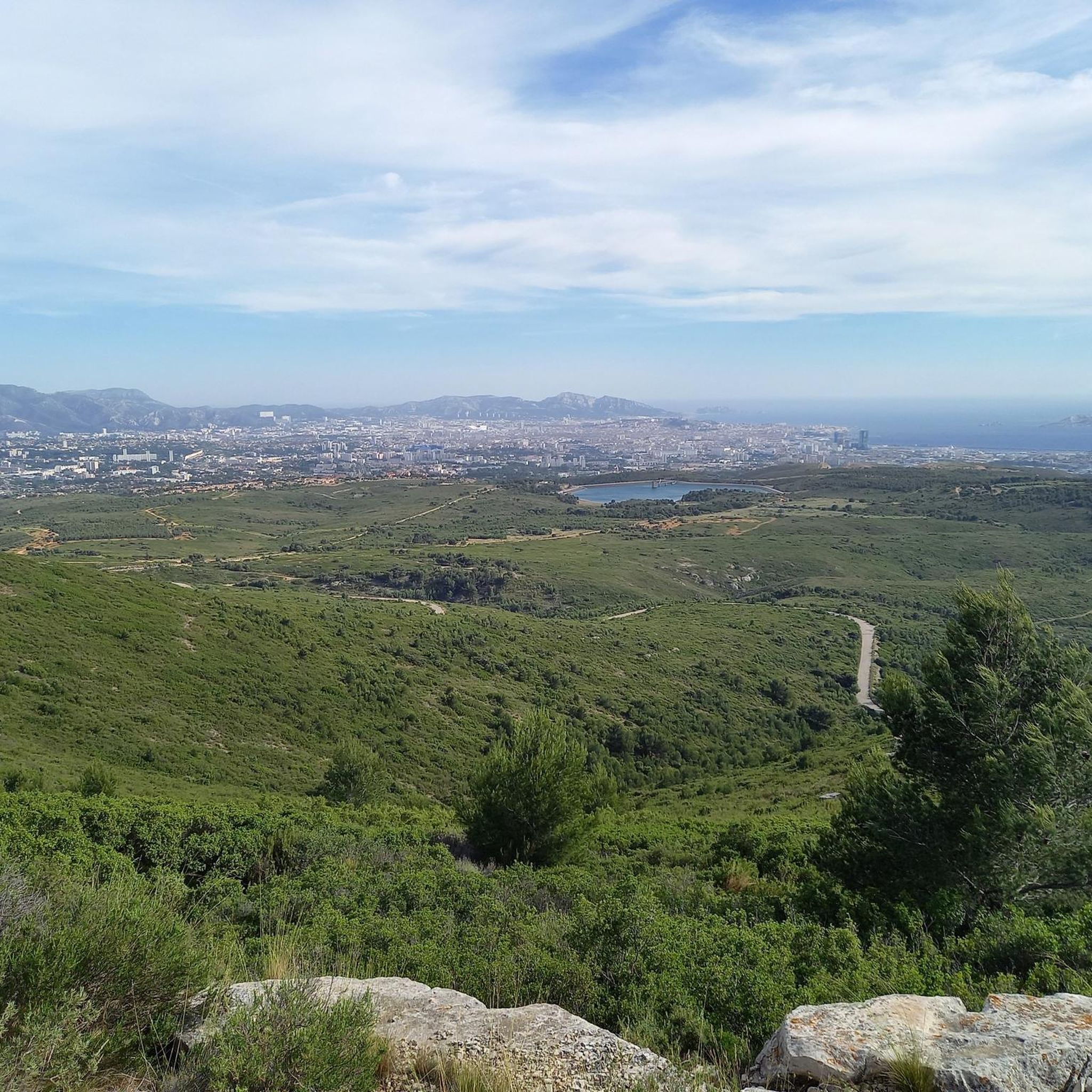
Best attractions and places to see around Septèmes-Les-Vallons include a mix of historical sites, cultural experiences, and natural features. This Provençal town is set amidst picturesque hills and valleys, providing a scenic backdrop for various activities. The region offers a tranquil escape with easy access to significant cultural sites in nearby cities like Marseille and Aix-en-Provence. Visitors can explore ancient structures, historic churches, and vibrant local markets.
Best attractions and places to see around Septèmes-Les-Vallons
- The most popular attractions is Cathedral of Saint Mary Major, Marseille, a religious building that stands impressively at the harbor entrance. Built between 1852 and 1896, its interior is notable for its architecture.
- Another must-see spot is Panoramic view of Marseille from the Notre-Dame de la Garde Basilica, a viewpoint offering extensive vistas over the city. This pilgrimage church, affectionately known as “la bonne mère,” provides a comprehensive view of Marseille and the Mediterranean.
- Visitors also love Le Panier, a historic district known for its narrow, cobbled streets and colorful facades. This area is a melting pot of cultures, featuring boutiques, art galleries, and numerous cafes.
- Septèmes-Les-Vallons is known for its historic churches, ancient farmsteads, and natural landscapes. The area provides a variety of attractions to see and explore, from religious heritage sites to scenic viewpoints.
- The attractions around Septèmes-Les-Vallons are appreciated by the komoot community, with more than 400 photos and over 400 upvotes shared by visitors.
Last updated: May 9, 2026
Cathedral of Saint Mary Major, Marseille
Highlight • Religious Site
Translated by Google •
Tip by

Notre-Dame de la Garde Basilica
Highlight • Viewpoint
Translated by Google •
Tip by

Sign up now to discover places like this
Get recommendations on the best single tracks, peaks, & plenty of other exciting outdoor places.
Sign up for free
Le Panier
Highlight • Restaurant
Translated by Google •
Tip by

Fort Saint-Jean
Highlight • Other
Translated by Google •
Tip by
Quai de Rive Neuve – Old Port of Marseille
Highlight • Historical Site
Translated by Google •
Tip by

Sign up for free to discover even more attractions around Septèmes-Les-Vallons.
Sign up for free
Already have an account?
Start today with a free account
Your next adventure awaits.
Login or Signup

Tips from the Community

In the 19th and early 20th centuries, Fort Saint-Jean was owned by the French Army, which used it as a barracks and hospital for troops deployed in the African colonies. During the years when the French Foreign Legion was primarily stationed in North Africa (1830 to 1962), the fortress served as a final stop for Legion recruits destined for basic training in Algeria.
0
1
During the French Revolution, in April 1790, Fort Saint-Jean was captured by a revolutionary mob, which beheaded the Chevalier de Beausse, commander of the royal garrison, after he refused to surrender the fortress. Subsequently, the fort was used as a prison, housing Louis Philippe II, Duke of Orléans, and two of his sons. After the overthrow of Maximilien de Robespierre in 1794, around 100 Jacobin prisoners were massacred in the fortress.
0
1
Fort Saint-Jean was built on a site previously occupied by the military branch of the Order of St. John, from which the new building takes its name. At the same time, Fort Saint-Nicolas was being built on the opposite side of the harbor. Louis XIV said of its construction: "We noticed that the people of Marseille are very fond of beautiful fortresses. We wanted to have one of our own at the entrance to this great harbor." In fact, the two new fortresses were built more in response to a local revolt against the governor than for the defense of the city. Their cannons faced inward toward the city, not outward toward the sea. Two earlier buildings were incorporated into the fort's structure: the 12th-century Commandery of the Knights of St. John of Jerusalem, which served as a monastic hospital during the Crusades, and the 15th-century Tower of René I, Count of Provence.
0
1
Fort Saint-Jean is a fort in Marseille, built in 1660 under Louis XIV at the entrance to the Old Port. Since 2013, it has been connected by two footbridges to the historic Le Panier district and the Museum of European and Mediterranean Civilizations.
0
1
The Bustling Heart of Marseille For 2,600 years, the historic port has been the bustling heart of the city. The Vieux-Port still stands where the ancient Greek market once stood. Today, it is one of Marseille's most popular neighborhoods.
1
0
Around 620 to 600 BC, Greeks founded a permanently inhabited settlement (Apoikie) at this port thanks to a land donation from the Ligurian princes and called it Massalia (ancient Greek Мασσαλία, Latin Massilia), today's Marseille.
1
0
In the 7th century BC, Greek sea traders from Phocaea in Asia Minor regularly visited the southern coast of France near the mouth of the Rhone to trade with the Ligurian tribes. Tin, a component of bronze, was particularly sought after by the Greeks. In return, fine pottery and jewelry found their way into the homes of local princes. Sheltered landing sites were rare on the rugged and rocky coast, so they headed for the natural harbor of present-day Marseille, where the galleys were protected from wind and waves.
1
0
According to ancient legend, the city was founded when Greek sailors from Phocaea explored the Mediterranean coast. They landed on the shores of present-day Marseille on the day a Celtic king named Nann was seeking a husband for his daughter Gyptis. Gyptis was to offer a chalice to the chosen young man among the assembled men, whom she wished to marry. Surprisingly, it was Protis, the leader of the newcomers, to whom she handed the vessel. The two married, and Greeks and Celts jointly founded the settlement of Massalia.
1
0
Frequently Asked Questions
What natural features and outdoor activities can I enjoy around Septèmes-Les-Vallons?
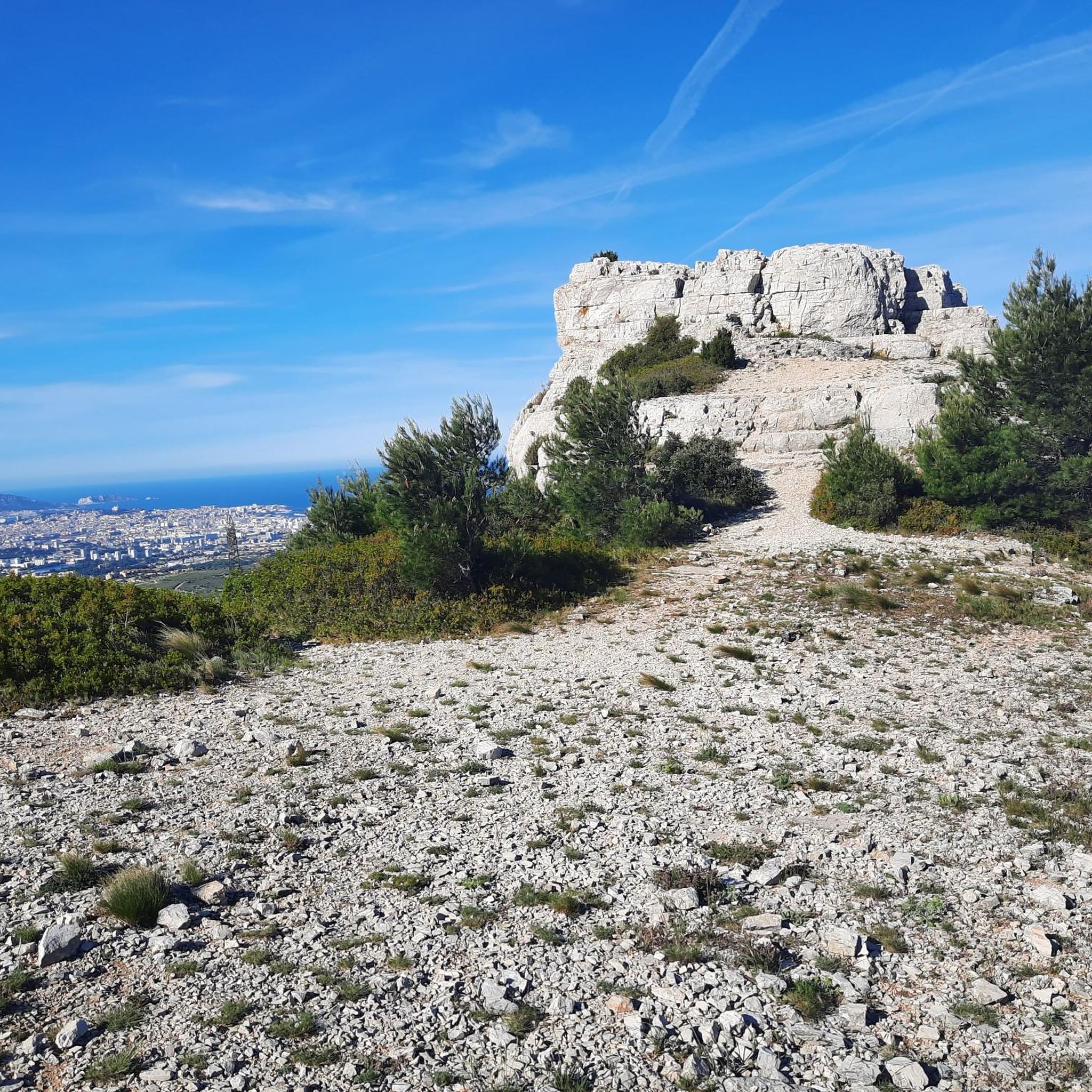
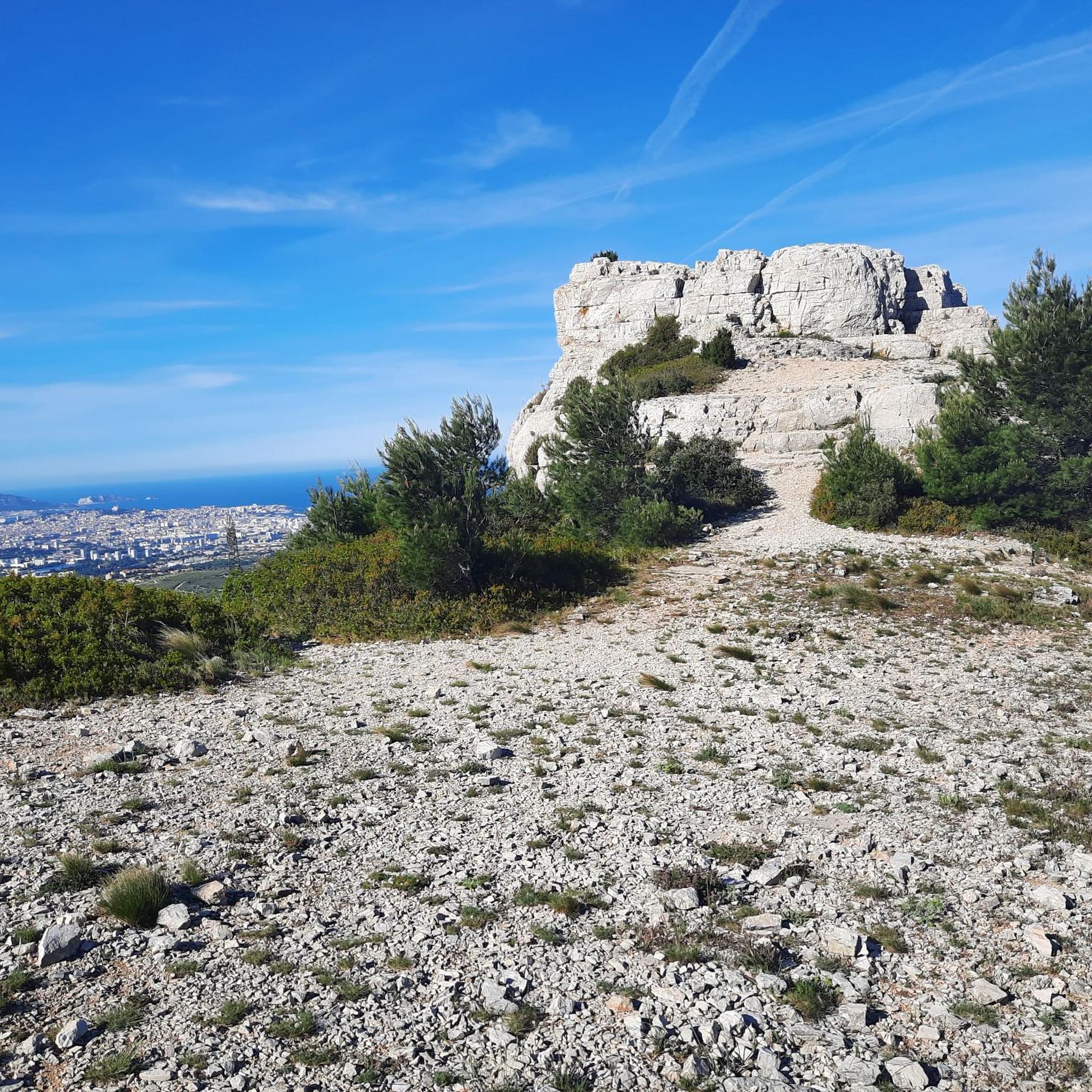
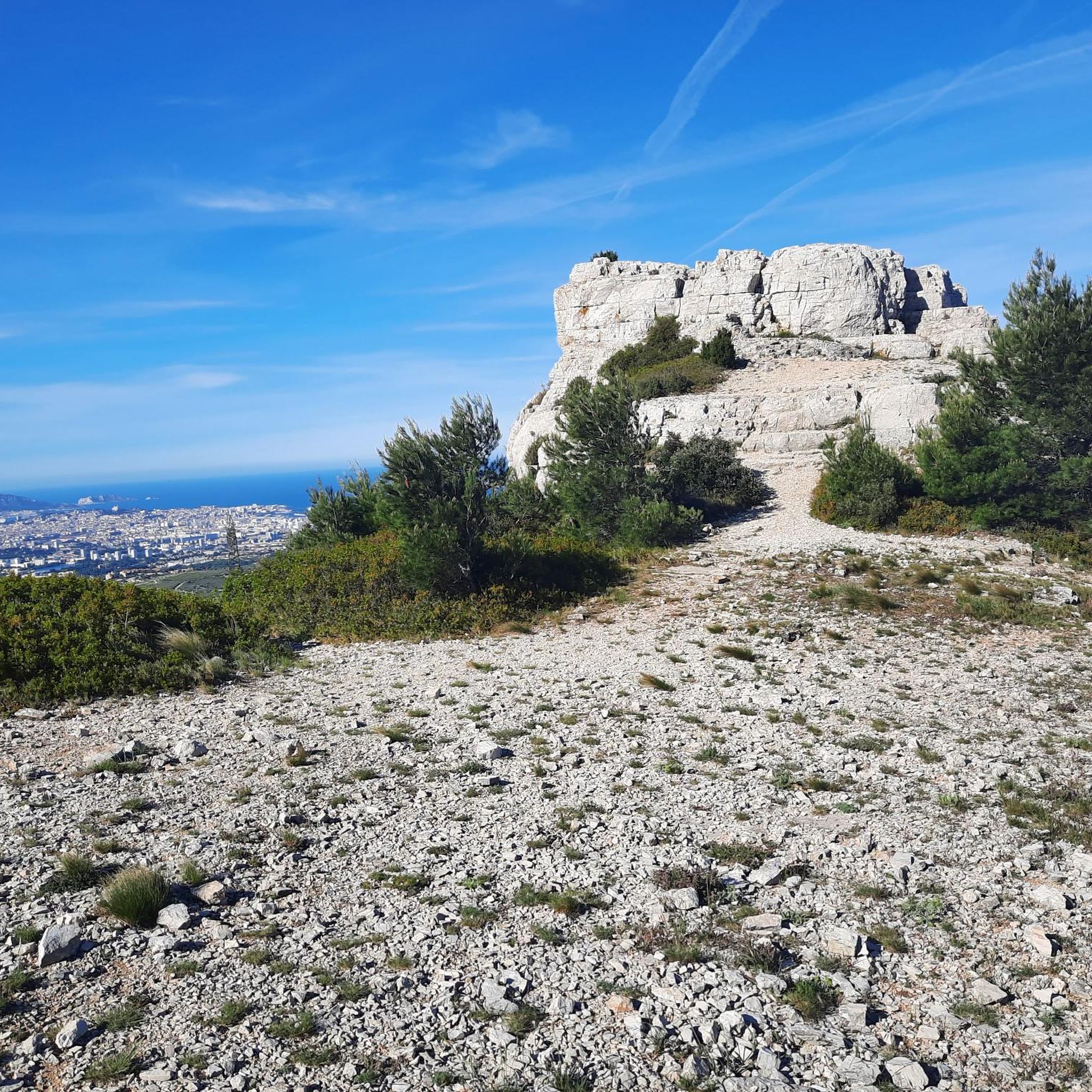
Septèmes-Les-Vallons is nestled amidst picturesque hills and valleys, offering a scenic backdrop for various outdoor activities. You can explore the woody hills within the Massif de l'Etoile, which are perfect for hiking and cycling. The region's natural beauty also attracts photography enthusiasts. For specific routes, you can find numerous options for road cycling, gravel biking, and running trails in the area.
Are there historical or cultural sites to explore in Septèmes-Les-Vallons itself?
Yes, Septèmes-Les-Vallons offers several historical and cultural points of interest. You can visit the 19th-century Neo-Romanesque Église Sainte-Anne in the old village square, or the 11th-century Chapelle de Fabrégoules. The town also features ancient farmsteads, the Oppidum des Mayans with vestiges of pre-Roman fortifications, and the Jardin des Arts near the town hall, showcasing regional artists.
What are some family-friendly attractions near Septèmes-Les-Vallons?
Many attractions in the wider region are suitable for families. The natural landscapes around Septèmes-Les-Vallons are great for family walks and picnics. In nearby Marseille, highlights like the Cathedral of Saint Mary Major, the Panoramic view from Notre-Dame de la Garde Basilica, and exploring the historic district of Le Panier are all marked as family-friendly.
What is the best time to visit Septèmes-Les-Vallons for sightseeing and outdoor activities?
The region enjoys a mild climate, making it pleasant for visiting attractions and outdoor activities for much of the year. Summer is vibrant with festivals and local markets, though it can be warm for strenuous activities. Spring and autumn offer ideal temperatures for hiking, cycling, and exploring historical sites, with fewer crowds.
What unique shopping and local experiences can I find in Septèmes-Les-Vallons?
Every Monday, the town square of Septèmes-Les-Vallons hosts a traditional Provençal market. This is a wonderful opportunity to discover local products, regional crafts, and immerse yourself in the authentic atmosphere of Provence. The town also comes alive with various summer festivals.
Are there any challenging hiking or cycling routes around Septèmes-Les-Vallons?
Yes, the Massif de l'Etoile offers challenging terrain. For road cycling, routes like the "Bouc-Bel-Air hill – Le Régage loop from Septèmes" are rated difficult. Gravel biking also features demanding options such as the "View of Marseille – Star chain crossing loop from Septèmes." You can find more details on these and other challenging routes in the road cycling and gravel biking guides.
What are the most popular viewpoints near Septèmes-Les-Vallons?
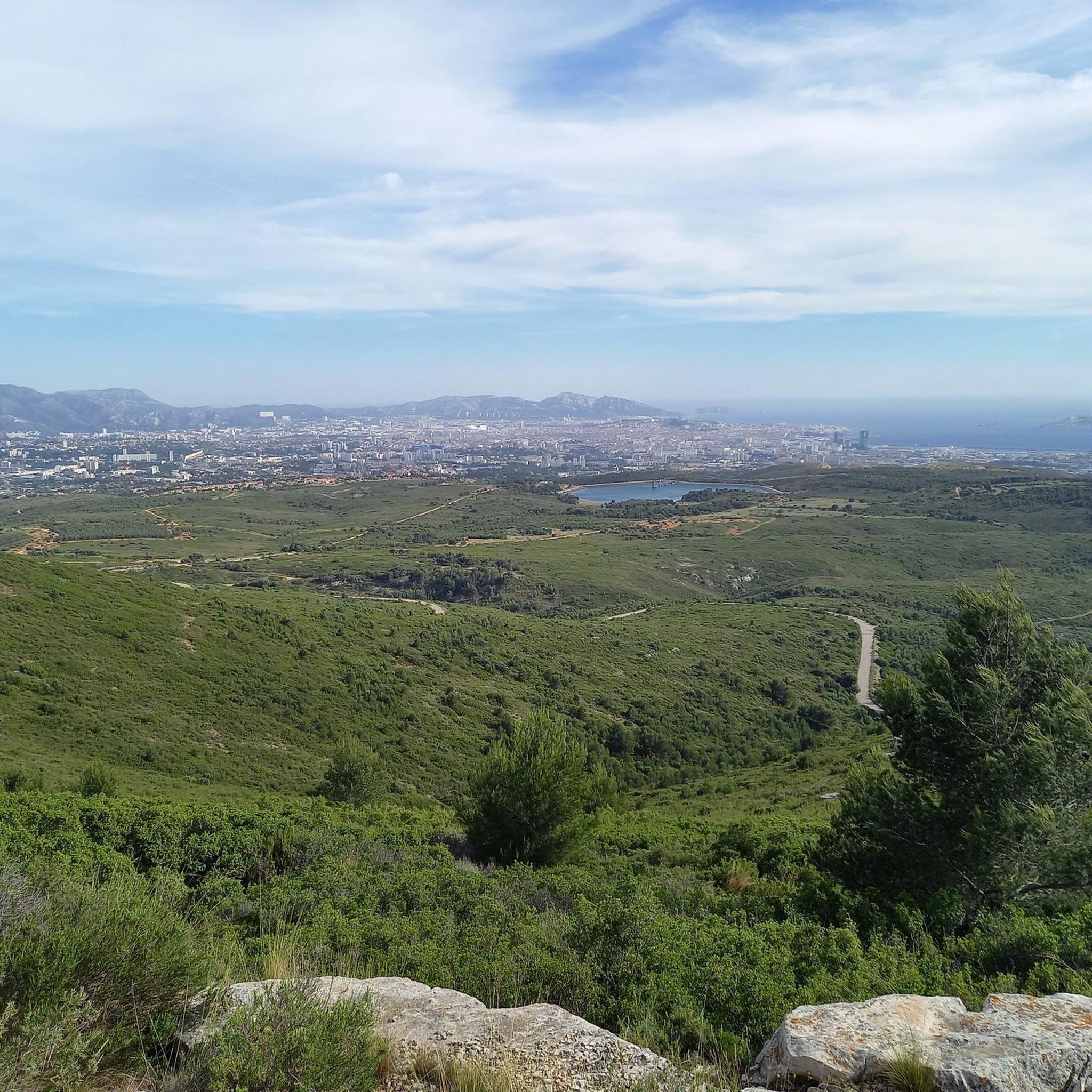
One of the most popular viewpoints is the Panoramic view of Marseille from the Notre-Dame de la Garde Basilica. From this pilgrimage church, affectionately known as “la bonne mère,” you can enjoy extensive vistas over Marseille and the Mediterranean Sea. The surrounding hills of Septèmes-Les-Vallons also offer scenic spots for sunset views.
What nearby cities or towns are easily accessible from Septèmes-Les-Vallons?
Septèmes-Les-Vallons is strategically located, providing easy access to major cities. Marseille, with its significant cultural sites like the Cathedral of Saint Mary Major and Fort Saint-Jean, is just 15 kilometers away. Aix-en-Provence, known for its rich cultural offerings, is also about 15 kilometers distant. Charming villages like Cabriès and Les Pennes-Mirabeau are even closer.
Can I find ancient Roman or pre-Roman structures in the area?
Yes, the region has a rich history. You can discover the Oppidum des Mayans, which features vestiges of pre-Roman fortifications, offering a glimpse into the ancient past of the area.
What do visitors enjoy most about the attractions around Septèmes-Les-Vallons?
Visitors particularly appreciate the blend of historical sites, cultural experiences, and natural beauty. The vibrant atmosphere of the historic districts like Le Panier in Marseille, the breathtaking panoramic views from the Notre-Dame de la Garde Basilica, and the impressive architecture of the Cathedral of Saint Mary Major are frequently highlighted. The tranquil Provençal setting of Septèmes-Les-Vallons itself is also a major draw.
Are there any coastal attractions or natural parks nearby?
Yes, the stunning Calanques National Park, known for its beautiful landscapes and exceptional biodiversity, is approximately 24 km from Septèmes-Les-Vallons. This natural park offers dramatic cliffs, turquoise waters, and opportunities for hiking and swimming.
Where can I experience the authentic local atmosphere near Septèmes-Les-Vallons?
To experience an authentic local atmosphere, visit the Provençal market held every Monday in Septèmes-Les-Vallons. Additionally, exploring the narrow, cobbled streets of Le Panier in Marseille offers a vibrant, artistic, and lively cultural melting pot with boutiques, art galleries, and cafes.
Most popular routes around Septèmes-Les-Vallons
Most popular attractions around Septèmes-Les-Vallons

Get inspired with the komoot mobile app


Explore more
Still not found the Highlight you’re looking for? See guides of the top attractions in other regions:
