Attractions and Places To See around Lespinassière - Top 20
Best attractions and places to see around Lespinassière include a blend of historical landmarks, natural features, and cultural sites within the Montagne Noire. This region offers diverse landscapes, from forests and streams to terraced areas. Visitors can explore ancient structures, scenic trails, and unique natural formations. The area provides opportunities for those interested in history, outdoor activities, and serene environments.
Best attractions and places to see around Lespinassière
- The most popular attractions is A beautiful section of the Passa Païs…
Last updated: September 26, 2026
Pic de Nore
Highlight • Summit
Translated by Google •
Tip by

Ascent of Pic de Nore
Highlight (Segment) • Other
Translated by Google •
Tip by

Sign up now to discover places like this
Get recommendations on the best single tracks, peaks, & plenty of other exciting outdoor places.
A beautiful section of the Passa Païs greenway
Highlight • Cycleway
Translated by Google •
Tip by

Roman road
Highlight • Structure
Translated by Google •
Tip by

Salettes Pass
Highlight • Cycleway
Translated by Google •
Tip by

Sign up for free to discover even more attractions around Lespinassière.
Already have an account?
Start today with a free account
Your next adventure awaits.
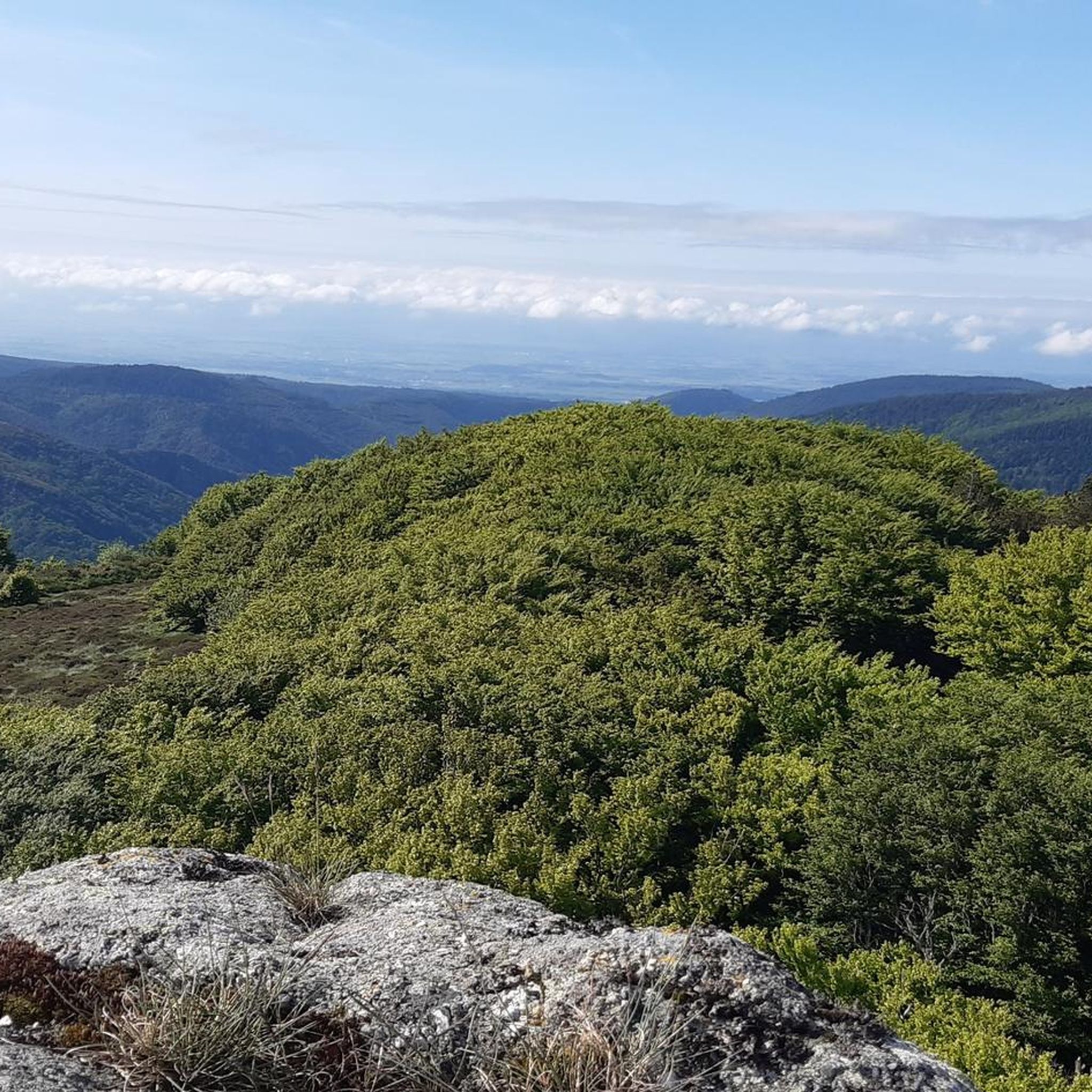
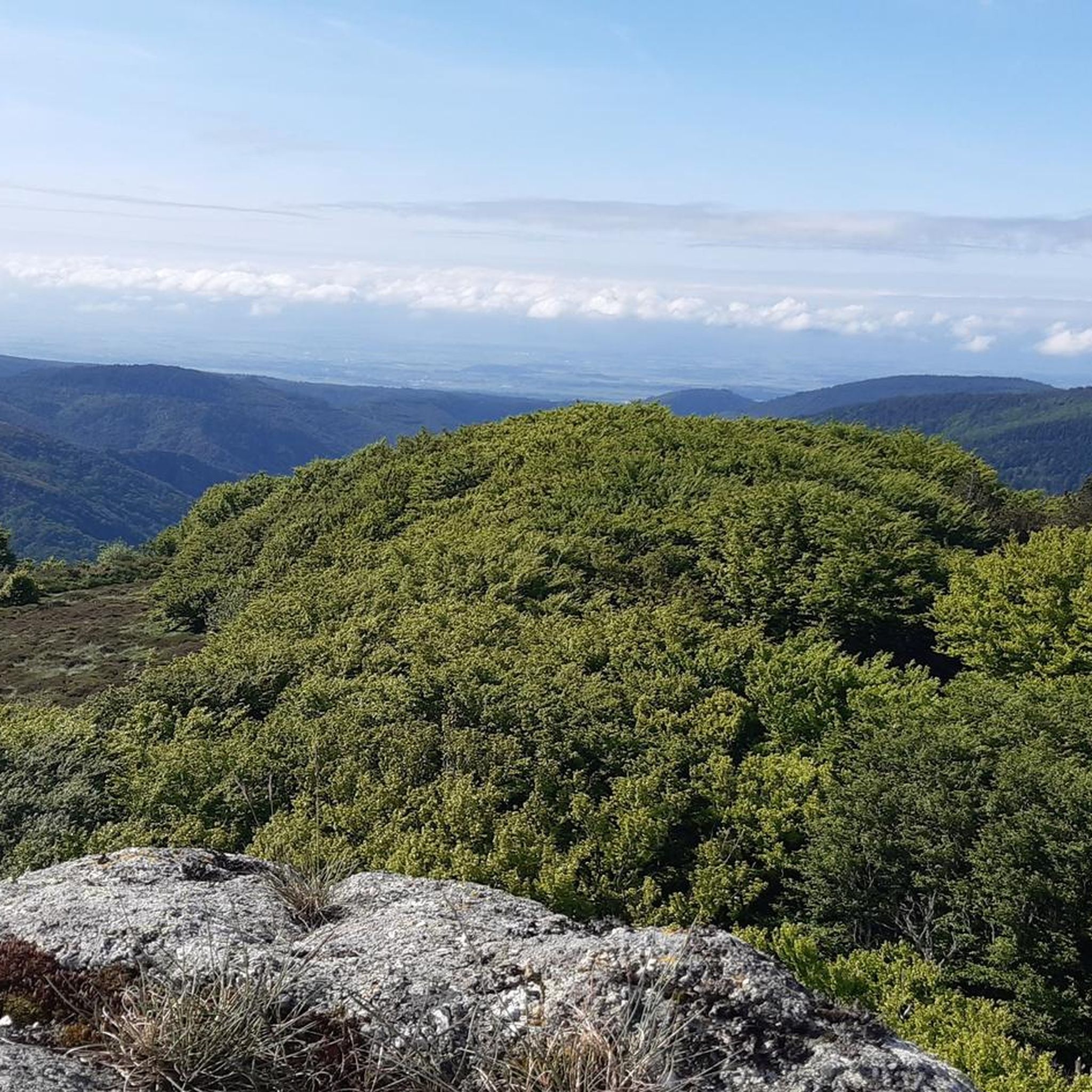

Other adventures around Lespinassière

Tips from the Community

Passing the mountain pass between Aude and Hérault
0
0

Narrow passage with worn ruts from cart wheels... (Roman?)
0
0


Save your energy for the last 5km, be careful when it's windy.
0
0

Very nice walk, varied nature, beautiful view, very pretty heather ☺️ Partially shaded.
1
1

Technical MTB route. Only take the route on the descent!
0
0

Mountain bike loop from Conques/Orbiel to Pas de Montserrat - old Roman road - on the GR 36 Audois and the legendary Déval'Nore.
1
2
Frequently Asked Questions
What natural attractions can I explore around Lespinassière?
The region offers diverse natural beauty within the Montagne Noire. You can visit Pic de Nore, the highest point, for a 360° panorama. Other notable natural features include the Source de l'Argent Double, known for its purported curative properties, and the impressive natural caves of Gouffre Géant de Cabrespine and Grotte de Limousis. The area is also rich in forests, streams, and terraced landscapes.
Are there historical sites to visit in and around Lespinassière?
Yes, Lespinassière is rich in history. The village is overlooked by a 13th-century defensive Roman road, which also features visible traces of ancient cart wheels. You can also explore the exterior of the historic Dungeon and the ruins of the 9th-century Château de Lespinassière. The village itself showcases a variety of architectural styles reflecting its past.
What cycling opportunities are available near Lespinassière?
Cyclists can enjoy a beautiful section of the Passa Païs greenway, an unpaved path built on an old railway line, ideal for hybrid, mountain, and gravel bikes. For more routes, you can explore various cycling tours around the area, including those listed in the Cycling around Lespinassière guide and the Gravel biking around Lespinassière guide.
Are there any notable churches or religious buildings in the area?
Absolutely. In the nearby village of Caunes-Minervois, you'll find Notre-Dame du Cros Church, a 12th-century Romanesque church celebrated for its architecture and magnificent Baroque altarpiece, set within a stunning natural environment. Lespinassière itself is home to an 'entirely Art-Déco' church, classified as 20th-century heritage.
What kind of hiking trails can I find around Lespinassière?
The Montagne Noire surrounding Lespinassière offers numerous trails for hiking. You can explore the historic Roman road, also known as the Salt Road, which provides both recreational and historical interest. Trails around Pic de Nore offer challenging routes with panoramic views. For more options, check out the Running Trails around Lespinassière guide, which also lists suitable walking paths.
What is the best time of year to visit Lespinassière for outdoor activities?
The Montagne Noire offers breathtaking landscapes, especially during spring blooms and autumn colors, making these seasons ideal for hiking and cycling. While Pic de Nore can experience harsh weather conditions, generally, spring and autumn provide pleasant temperatures for exploring the trails and natural features.
Are there any charming villages or settlements to visit nearby?
Yes, you can visit Ferrals-les-Montagnes, a charming village of 150 inhabitants located in the Causses du Minervois, within the Haut-Languedoc regional natural park. It's known for its quality natural areas and is part of the Natura 2000 network.
What are some unique geological features in the area?
Beyond the general mountainous terrain of the Montagne Noire, the region is home to impressive natural caves such as the Gouffre Géant de Cabrespine and the Grotte de Limousis. These offer a glimpse into the area's fascinating underground geology.
What do visitors particularly enjoy about the attractions around Lespinassière?
Visitors appreciate the blend of historical and natural sites. The Passa Païs greenway is loved for its scenic route through trees, while Pic de Nore is praised for its superb 360° panorama. The natural setting and architecture of Notre-Dame du Cros Church also receive high acclaim.
Are there any family-friendly activities or places suitable for children?
While specific child-focused attractions are not highlighted, the unpaved Passa Païs greenway offers a gentle cycling experience suitable for families. Exploring the historic Roman road with its ancient cart traces can also be an engaging activity for children interested in history. The village of Ferrals-les-Montagnes is also noted as family-friendly.
Can I find any ancient ruins or castles in the wider region?
Yes, the wider region is rich in ancient history. You can visit the historic Castle and Ramparts of the City of Carcassonne, the Abbaye de Caunes Minervois, and the Quatre Châteaux de Lastours. The area is also known for numerous Cathar Castles, offering many opportunities for historical walks and cultural immersion.
What is the significance of the Montagne Noire for Lespinassière?
Lespinassière is nestled in the heart of the Montagne Noire, which defines much of its character and attractions. This mountain range provides the stunning landscapes, numerous hiking and cycling trails, and unique natural features like Pic de Nore, making it central to the region's appeal for outdoor enthusiasts and nature lovers.
Most popular routes around Lespinassière
Most popular attractions around Lespinassière

Get inspired with the komoot mobile app


Explore more
Still not found the Highlight you’re looking for? See guides of the top attractions in other regions:
