The best running trails around Clisson
4.5
(28)
1,692
runners
94
runs
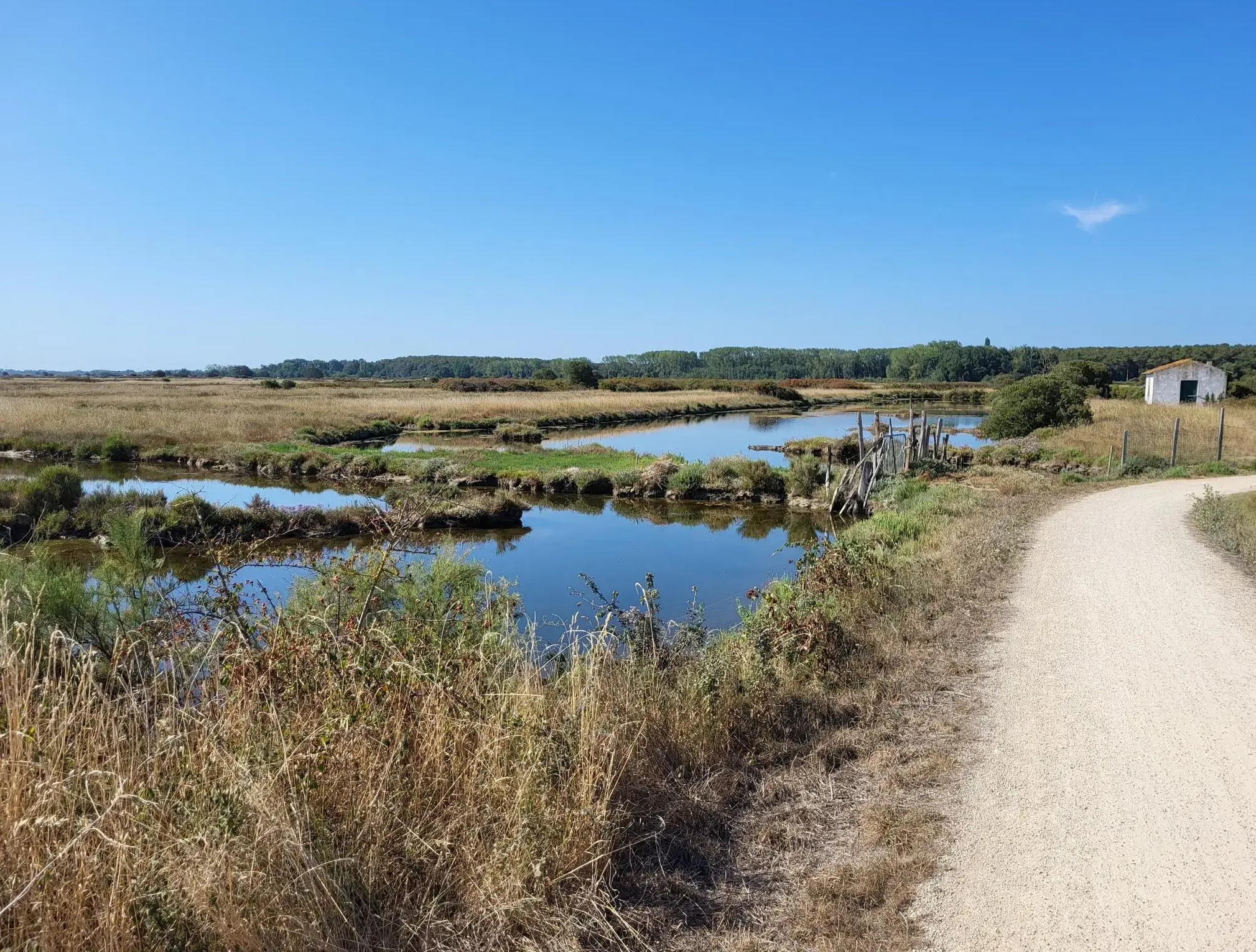
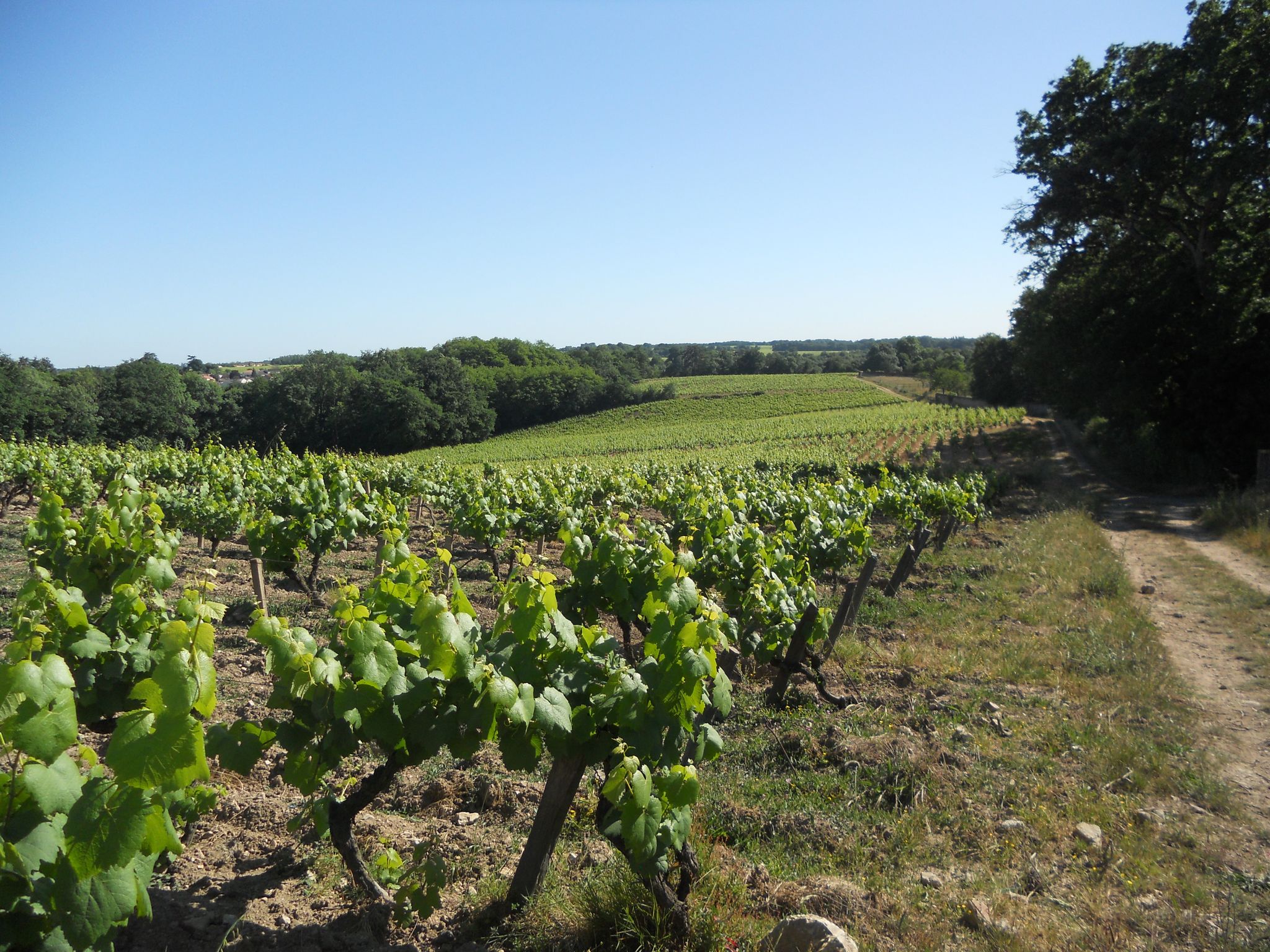
Jogging around Clisson offers diverse natural features and well-maintained trails within the scenic Nantes Vineyard region. The area is characterized by the confluence of the Sèvre Nantaise and Moine rivers, creating varied terrain with valleys and hills. Runners can explore extensive forested areas, picturesque vineyards, and riverbanks, providing a mix of environments for all skill levels. The region's topography includes varied elevation changes, suitable for different running experiences.
Best jogging routes around Clisson
- The most popular jogging route is Pont…
Last updated: September 27, 2026
5.0
(1)
147
runners
10.7km
01:12
80m
80m
Moderate run. Good fitness required. Mostly paved surfaces. Suitable for all skill levels.
254
runners
32.8km
03:42
300m
300m
Hard run. Very good fitness required. Sure-footedness, sturdy shoes and alpine experience required.

5.0
(1)
35
runners
9.88km
01:04
90m
90m
Moderate run. Good fitness required. Mostly paved surfaces. Suitable for all skill levels.
30
runners
9.80km
01:03
80m
80m
Moderate run. Good fitness required. Mostly paved surfaces. Suitable for all skill levels.
4.8
(4)
19
runners
7.06km
00:46
60m
60m
Moderate run. Good fitness required. Mostly paved surfaces. Suitable for all skill levels.
Get access to more routes and recommendations from other explorers.
Already have an account?
Our route recommendations are based on thousands of hikes, rides, and runs completed by other people on komoot.
Start today with a free account
Your next adventure awaits.


Tips from the Community

From 1805 to 1827, the sculptor François-Frédéric Lemot (winner of the Prix de Rome in 1790) transformed a former hunting forest belonging to the lords of Clisson into an idealized landscape. Influenced by the gardens of Ermenonville and Méréville, guided by his classical education and the memory of Tivoli, Lemot freely designed his garden whenever his official duties in Paris allowed. It is now a park managed by the department, freely accessible for a relaxing break with a beautiful view of the château.
0
0

Clisson Castle has quite a story to tell: first an impregnable fortress overlooking the Sèvre, then a ducal residence, and finally a romantic ruin. In the 12th century, the powerful lordship of Clisson built this stone castle with highly elaborate defensive architectural systems: arrow slits, gun ports, and slits. A strategic point protecting the border of the Duchy of Brittany in the 15th century, it was abandoned by its owners from the second half of the 17th century onward before being burned down by Republican troops in 1793. But, beyond its grand history, this castle also has a more historic significance! In 1807, François-Frédéric Lemot, creator of the Garenne Lemot estate (a picturesque landscape located on the other side of the river), was captivated by these ruins and purchased it to turn it into an ornamental factory. The château was declared a historic monument in 1924, before being acquired by the Loire-Atlantique department in 1962. Today, visitors can visit it, take a guided tour, or simply experience its history. A stop on the Journey through the Vineyard, it's a stopover during the wine tourism tour of Nantes' wine country, featuring natural sites, heritage features, characterful villages, and unique cellars.
1
0
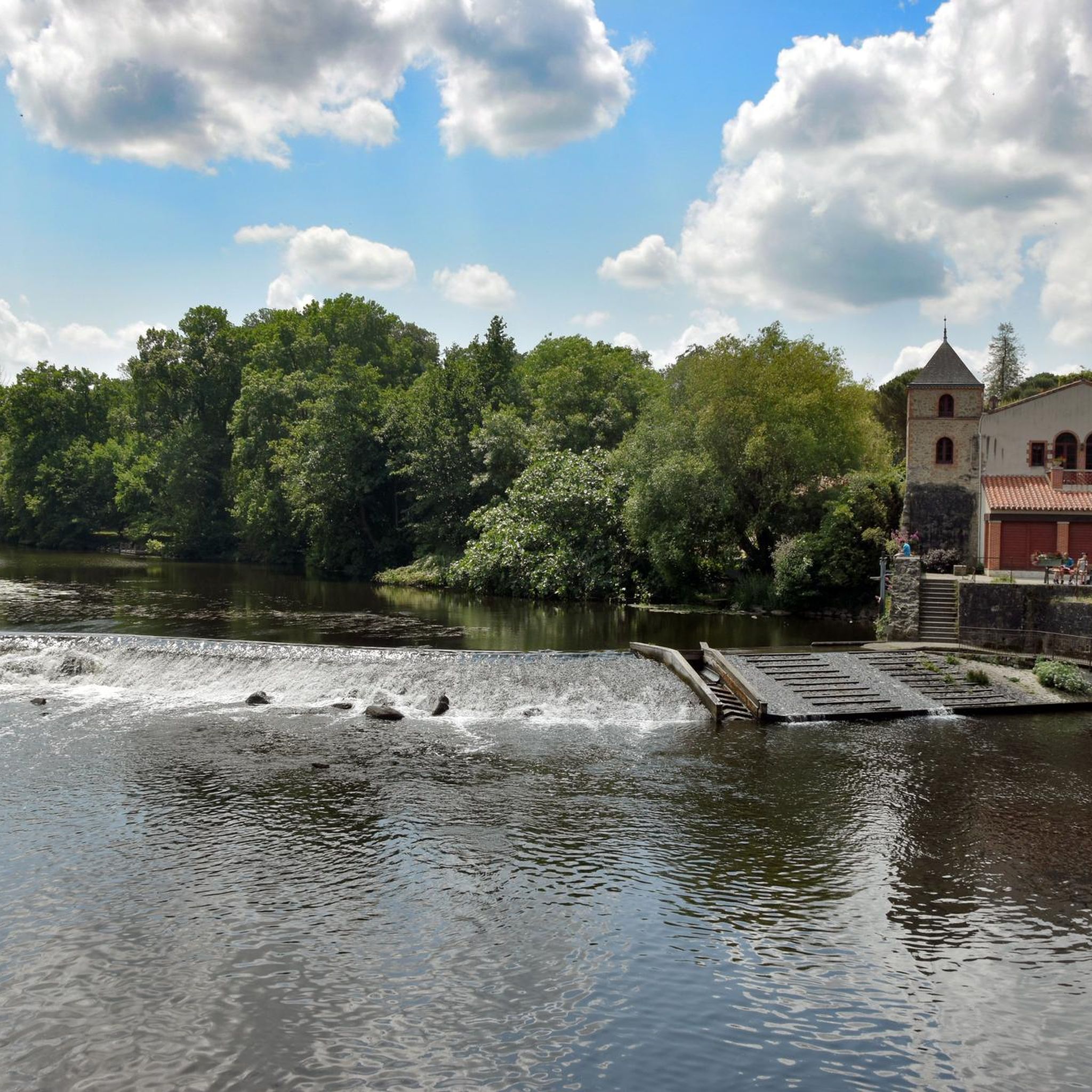
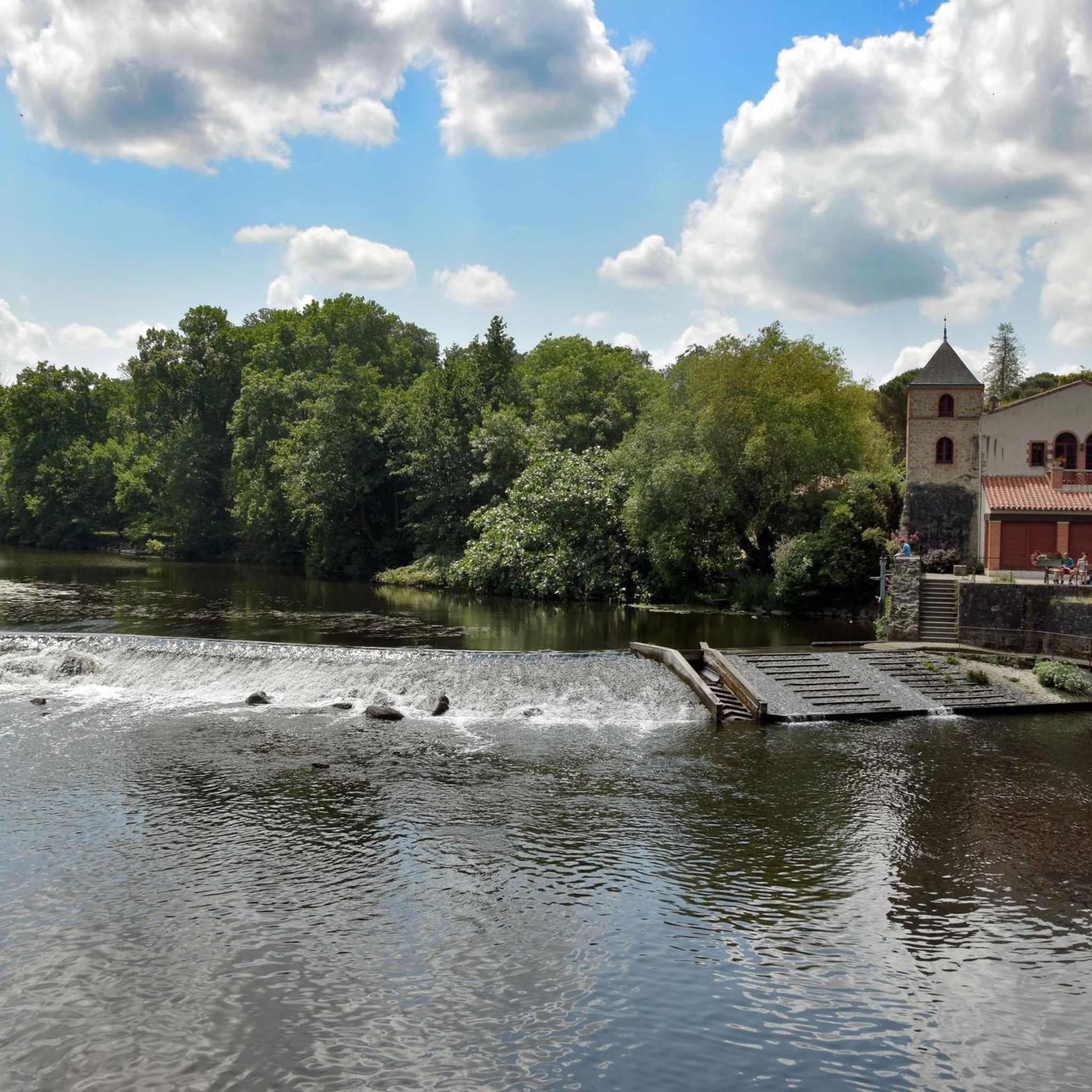
The last remaining witness to the region's papermaking industry, the association "Pour les arts graphiques en Vallée de Clisson" (For Graphic Arts in the Clisson Valley) has been working with local authorities since 1998 to revive the 19th-century papermaking industry at Le Liveau in Gorges. The Moulin du Liveau is a superb example of the region's Italianate architecture. With the active support of local authorities, the mill, owned by the municipality of Gorges, was restored to its original purpose as a paper mill. This magnificent site on the Sèvre Nantaise River in the Clisson Valley opened to the public in spring 2015. MORE THAN A MUSEUM, IT'S A LIVING WORKSHOP The association "Pour les arts graphiques en Vallée de Clisson" offers activities centered around the history and manufacture of paper. Children and adults alike can discover the mechanisms of the paper mill, handcraft their own sheets of paper, and learn about printing. An informative journey through history, accompanied by the ever-present pleasure of playfully recreating the gestures of the past. Inside, a hammer mill powered by a paddle wheel driven by the Sèvre River evokes the preparation of paper pulp from rags. Visitors can also practice calligraphy, participate in writing workshops, take bookbinding courses, and enjoy many other activities.
1
0
The Liveau Paper Mill in Gorges in the Clisson Valley (Loire Atlantique, 44) offers guided tours, educational outings, group visits to the paper mill, papermaking workshops, events, and exhibitions. The mill welcomes you south of Nantes and also offers a shop with a wide selection of paper, stationery, and books. The Liveau Paper Mill is located in Loire-Atlantique, in Gorges on the banks of the Sèvre Nantaise. Two flour mills, one on the right bank, the other on the left bank, made up the Liveau hydraulic site, first mentioned in 1407. Until 1561, it was owned by the lords of Clisson. • 1826, transformation of the right bank mill into a paper mill, a more prosperous activity at that time, and construction of the drying rack (drying rack), marked in its architecture by the strong Italian influence prevalent at that time in the canton of Clisson. • 1827: Papermaking begins at the mill. It produces "large gray paper" or "envelope paper" (wrapping paper) sold to the sugar refineries of Nantes. • 1850: Papermaking ends. • 1851 to 1952: Milling resumes. • 2001: The municipality of Gorges acquires the abandoned mill. • 2004: The "Pour les arts graphiques en vallée de Clisson" association wins first prize from the Fondation du Patrimoine for its project to rehabilitate and promote the Moulin du Liveau, with the support of Gorges elected officials and the Clisson Valley community of municipalities. • 2006: The Fondation du Patrimoine approves the project and brings in financial partners. • 2008-2009: Airtight and watertight construction of the buildings (mill and dryer), half of which was financed by the Total Foundation. Additional funding was provided by the Fondation du Patrimoine, the Crédit Agricole Foundation, parliamentary funds, the Pays de Loire Regional Council, the Loire-Atlantique General Council, the Clisson Valley Community of Communes, the municipality of Gorges, and various private funds. . 2014: Rehabilitation work in preparation for an artisanal papermaking activity, for cultural and tourist purposes. • April 2015: The Liveau paper mill in Gorges welcomes its first visitors.
1
0


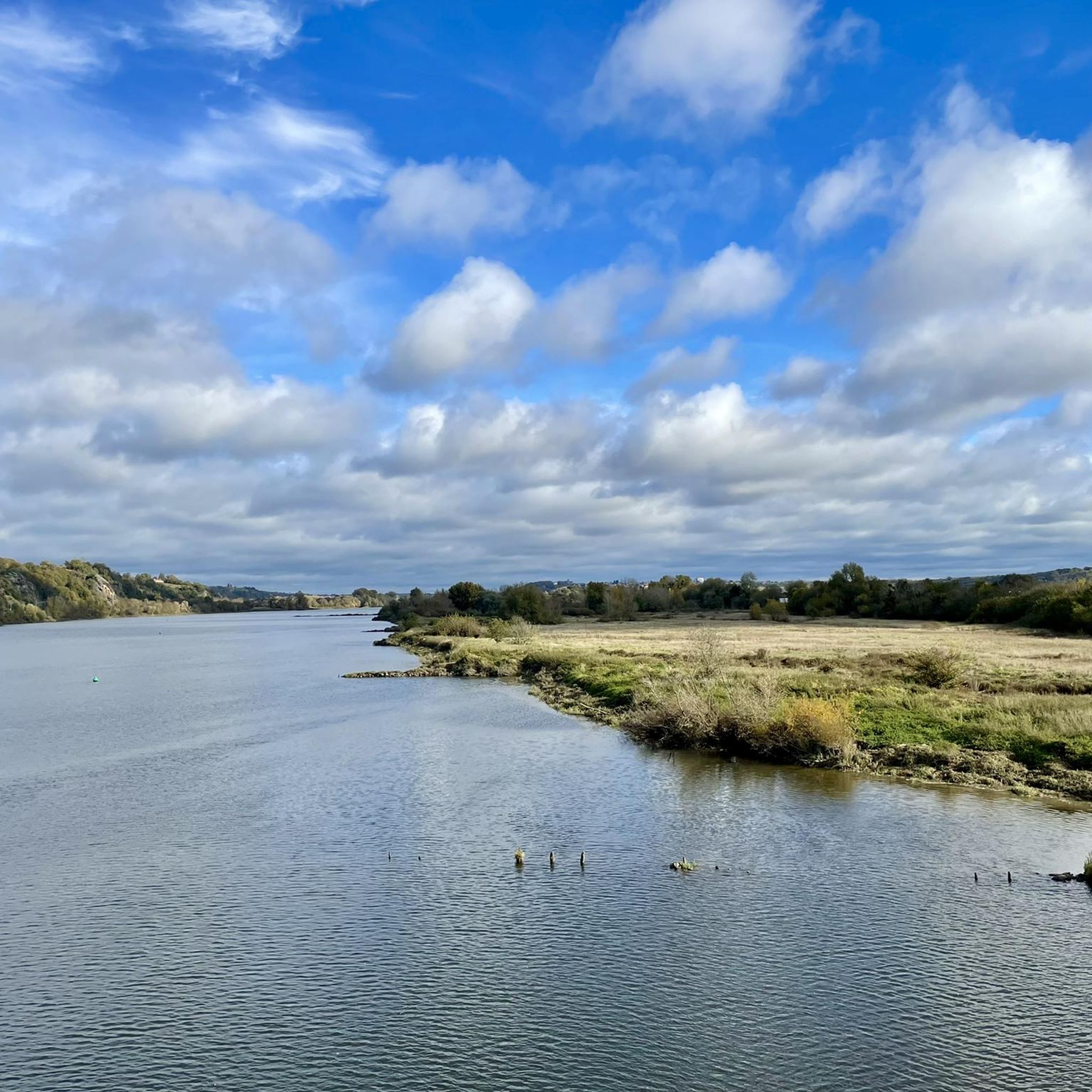
Quiet place for walking or running
0
0

Long an impregnable fortress, Clisson Castle is a model of a fortified castle. Built by the powerful Clisson family from the 12th century, this castle became a strategic point protecting the border of the Duchy of Brittany in the 15th century. In 1793, during the Vendée War, the fortress was burned and partially destroyed. Today, Clisson Castle still offers many examples of defensive architecture: archers, gunboats, stunners, etc. Ref: enpaysdeloire.com
0
0
Obligatory passage in the heart of historic Clisson, it also allows you to have a beautiful view of the castle
1
0
Frequently Asked Questions
How many running routes are available around Clisson?
Clisson offers a wide variety of running experiences, with over 100 routes available. These range from easy riverside paths to more challenging trails through vineyards and forests, catering to all fitness levels.
What kind of terrain can I expect on the jogging routes in Clisson?
The jogging routes in Clisson feature diverse terrain, shaped by the confluence of the Sèvre Nantaise and Moine rivers. You'll find picturesque riverside paths, trails winding through vineyards, and extensive forested areas. This creates a mix of valleys, hills, and flatter sections, offering both gentle and more challenging runs.
Are there any easy or beginner-friendly running routes in Clisson?
Yes, Clisson has several easy running routes perfect for beginners or those looking for a relaxed jog. There are 12 routes specifically rated as easy, often found along the riverbanks or within parks like Garenne Lemot, providing a gentle introduction to the area's beauty.
What are some notable landmarks or natural features I can see while running in Clisson?
Many running routes in Clisson offer scenic views and pass by interesting landmarks. You can expect to see the historic Château de Clisson, the charming Pont de la Vallée, and the Italianate-inspired Pierre Perchée and Temple of la Garenne-Lemot. The routes also showcase the beautiful Sèvre Nantaise River, tranquil Lac de Clisson, and expansive vineyards.
Are there any circular running routes around Clisson?
Yes, many of the running routes in Clisson are designed as loops, allowing you to start and finish in the same location. For example, the Pont de la Vallée – Clisson Castle loop from Nid d'Oie is a popular circular trail that takes you past key sights.
What do other runners enjoy most about jogging in Clisson?
The running routes in Clisson are highly rated by the komoot community, with an average score of 4.4 stars. Runners often praise the area's unique combination of riverside paths, historically rich parks, and vineyard-dotted countryside, which offers both scenic beauty and varied physical challenges.
Are there running routes in Clisson that are suitable for families?
Clisson offers several routes that are suitable for families, particularly the shorter, paved loops or those with minimal elevation gain. The paths around the Clisson Castle and Pont de la Vallée are generally accessible and provide a pleasant experience for all ages. Look for routes rated as 'easy' for the most family-friendly options.
Can I bring my dog on the running trails in Clisson?
While specific regulations can vary, many natural areas and trails in France generally permit dogs on a leash. The diverse natural features of Clisson, including riverside paths and forested areas, make it a great place to run with your canine companion. Always ensure your dog is under control and check for local signage regarding pet policies.
Are there any running routes around 10 km in length in Clisson?
Yes, Clisson offers several running routes that are approximately 10 km (6.2 miles) in length, perfect for a moderate workout. An example is the Hellfest loop from La Trinité, which is about 10.5 km and takes you through the Clisson countryside.
Where can I find parking near the running trails in Clisson?
Clisson, being a town, generally offers various parking options. You can often find public parking near popular starting points for trails, especially around the town center, parks like Garenne Lemot, or near the Pont de la Vallée. It's advisable to check local maps or signage for specific parking areas closest to your chosen route.
What is the best season for running in Clisson?
Clisson is enjoyable for running throughout much of the year. Spring and autumn offer pleasant temperatures and beautiful scenery, with blooming flowers or vibrant fall foliage. Summer can be warm, so early morning or late evening runs are often preferred. Winter runs are also possible, with the landscape taking on a different, often tranquil, charm.
Are there any challenging running routes with significant elevation gain in Clisson?
Yes, for runners seeking a challenge, Clisson provides routes with significant elevation gain. The varied terrain of valleys and hills, particularly along the Sèvre Nantaise and through forested areas, offers opportunities for more demanding runs. For instance, the Pont de la Vallée – Clisson Castle loop from La Trinité is a difficult 18.7 km path with notable ascents.
Most popular attractions around Clisson

Get inspired with the komoot mobile app


Explore more
Browse the best Running Trails & Routes in other regions.
