The best road cycling routes around Clisson
4.2
(48)
427
riders
69
rides
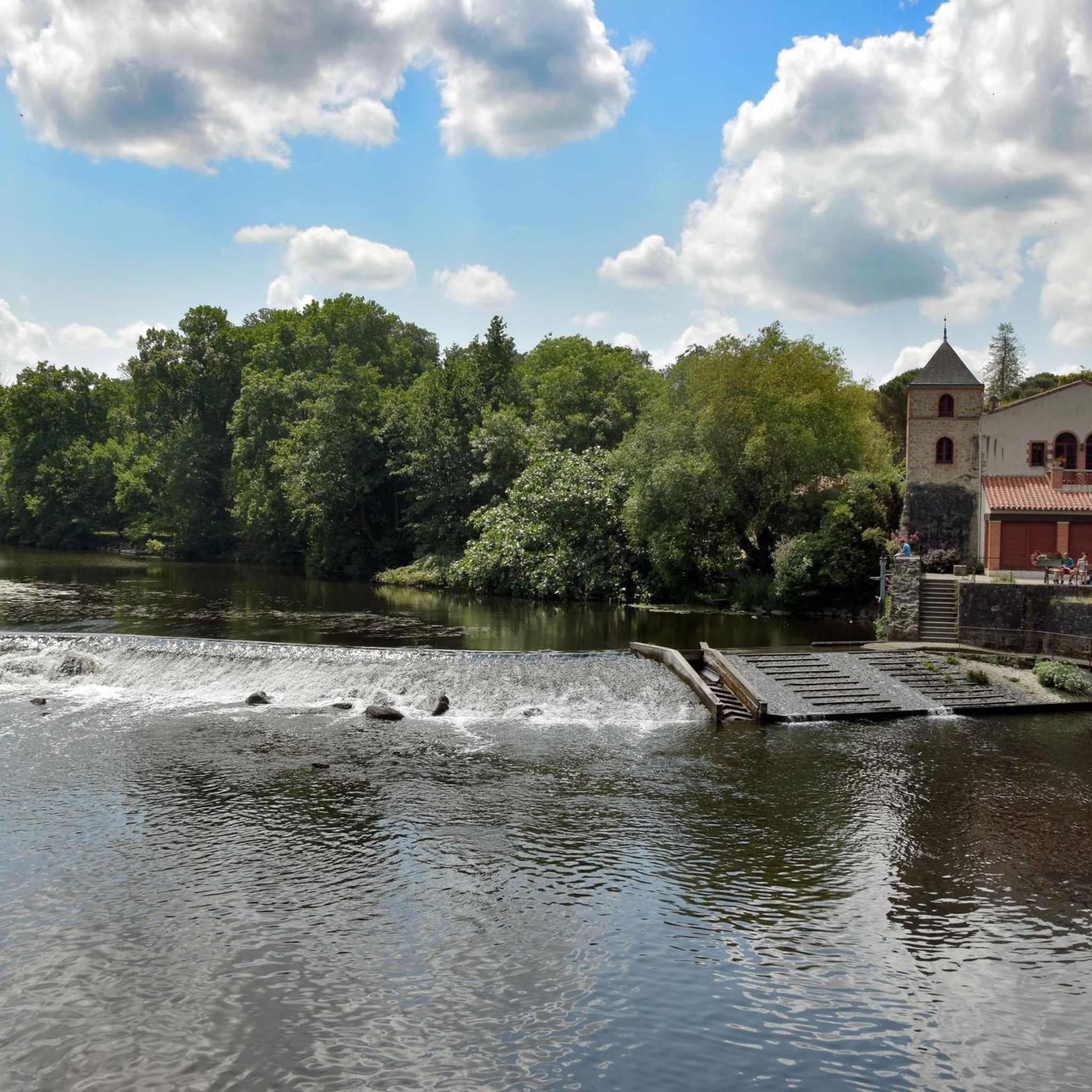
Road cycling routes around Clisson traverse a landscape characterized by rolling hills, river valleys, and historical architecture. The region is situated at the confluence of the Sèvre Nantaise and Moine rivers, offering routes that follow verdant riverbanks and pass through vineyards. Moderate elevation changes are common, with trails often featuring historical châteaux, mills, and bridges, providing varied cycling experiences. The area's unique Italianate architectural style adds to the scenic appeal of the routes.
Best road cycling routes around Clisson
- The…
Last updated: October 1, 2026
4.0
(3)
29
riders
53.6km
02:28
440m
440m
Moderate road ride. Good fitness required. Mostly well-paved surfaces and easy to ride.
4.0
(2)
15
riders
49.8km
02:05
260m
260m
Moderate road ride. Good fitness required. Mostly well-paved surfaces and easy to ride.

5.0
(1)
14
riders
27.0km
01:12
130m
130m
Easy road ride. Great for any fitness level. Mostly well-paved surfaces and easy to ride.
17
riders
94.1km
04:30
720m
720m
Moderate road ride. Good fitness required. Mostly well-paved surfaces and easy to ride.
13
riders
74.6km
03:16
470m
470m
Moderate road ride. Good fitness required. Mostly well-paved surfaces and easy to ride.
Get access to more routes and recommendations from other explorers.
Already have an account?
Our route recommendations are based on thousands of hikes, rides, and runs completed by other people on komoot.
Start today with a free account
Your next adventure awaits.



Tips from the Community

The old Market Hall and Clisson Castle. Lovely town centre.
0
0

Clisson Castle has quite a story to tell: first an impregnable fortress overlooking the Sèvre, then a ducal residence, and finally a romantic ruin. In the 12th century, the powerful lordship of Clisson built this stone castle with highly elaborate defensive architectural systems: arrow slits, gun ports, and slits. A strategic point protecting the border of the Duchy of Brittany in the 15th century, it was abandoned by its owners from the second half of the 17th century onward before being burned down by Republican troops in 1793. But, beyond its grand history, this castle also has a more historic significance! In 1807, François-Frédéric Lemot, creator of the Garenne Lemot estate (a picturesque landscape located on the other side of the river), was captivated by these ruins and purchased it to turn it into an ornamental factory. The château was declared a historic monument in 1924, before being acquired by the Loire-Atlantique department in 1962. Today, visitors can visit it, take a guided tour, or simply experience its history. A stop on the Journey through the Vineyard, it's a stopover during the wine tourism tour of Nantes' wine country, featuring natural sites, heritage features, characterful villages, and unique cellars.
1
0
The covered market is a must-see for the town of Clisson. For centuries, the covered market has been central to the town's smooth running. Dating back to the 14th century, it has served a variety of purposes. It has evolved from a court of justice to a place protecting armies during the Wars of the Vendée, and also a place to welcome worshippers for religious festivals. Today, this majestic structure, made of oak, fir, and chestnut, houses Clisson's large, iconic market every Friday morning. A unique market that has existed since the town's origins. It's possible to stroll beneath the covered market year-round.
0
0

A large medieval castle. It features themed shows, including siege engine demonstrations.
1
0
Another beautiful site on the Sèvre Nantaise, with the unusual feature this time: it's not only at the crossroads of three departments (LA, Vendée, and M&L), a rather common occurrence, but also of three former provinces: Brittany, Poitou, and Anjou. The crossroads is formed by the Sèvre on one side and its tributary, the Bon Débit, on the other. The inn of the same name looks very nice; in any case, the setting is splendid.
0
0
Medieval market halls dating from the 14th century, where part of the weekly market of Clisson is still held. The framework combines oak, chestnut and fir wood. One of the few buildings in the city not to have been destroyed during the Vendée wars because it served as a storage place for the different armies.
3
0

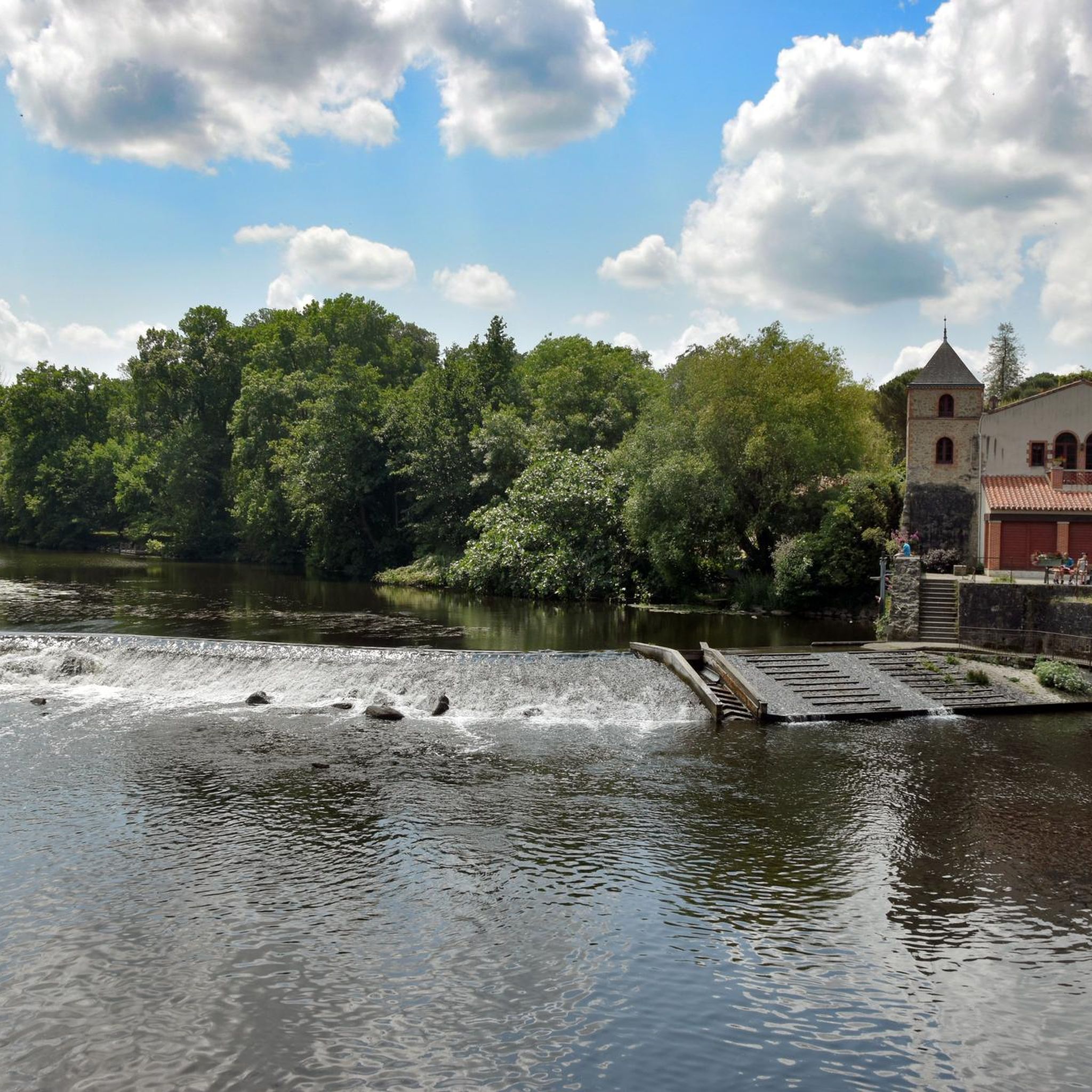
Using the power of moving water to drive a mill wheel is an ancient invention that dates back to pre-Christian times. Thanks to such a construction, human or animal muscle power could be easily replaced by a watercourse - natural or artificially created - in order to grind grain into corn, for example. There are essentially two different ways of driving watermills: either the water simply hits the blades of the water wheel from below to set it in motion; or the water is guided above the wheel and falls onto the blades; this type of construction is more efficient due to natural gravity.
1
0

South Gate or CABAREAU Gate or CAHAREAU Gate or Vendée Gate 16th century Listed as a Historic Monument on December 21, 1984. Built between 1592 and 1596 as part of the last major fortification works of the walled city of Clisson, undertaken by Odet d’Avaugour (1549-1598), Count of Vertus and Goëlo, Lord of Clisson. It commanded access to the city from the South and Vendée. It was burned down in September 1793, during the destruction of Clisson. In the middle of the 19th century, noting the danger of crossing it, the municipality decided to move access to the city to the current location of Rue des Halles. Sheet produced in partnership with the association "Clisson Histoire et Patrimoine"
0
0
Frequently Asked Questions
How many road cycling routes are available around Clisson?
There are over 70 road cycling routes around Clisson, offering a wide range of options for different skill levels and preferences.
What are the typical difficulty levels for road cycling routes in Clisson?
The road cycling routes in Clisson cater to various abilities. You'll find a good mix of easy (16 routes) and moderate (54 routes) options, with a couple of more challenging routes (2 routes) for experienced cyclists. The terrain generally features rolling hills and river valleys.
Are there beginner-friendly road cycling routes in Clisson?
Yes, Clisson offers several easy road cycling routes perfect for beginners. For instance, the Château de Clisson – Valley Bridge loop from Clisson is an easy 24.3-mile (39.1 km) path that provides scenic views without significant climbs.
What kind of distances and durations can I expect on Clisson's road cycling routes?
Routes vary in length and time. For example, the Valley of the Three Provinces – Hellfest Rock City loop from Clisson is about 32.4 miles (52.1 km) and takes around 2 hours 21 minutes, while the Château de Clisson – Notre-Dame Church, Clisson loop from Clisson is a shorter 16.7 miles (26.9 km) route, typically completed in about 1 hour 10 minutes.
What can I see along the road cycling routes in Clisson?
Many routes pass by historical landmarks and natural beauty. You can expect to see the impressive Château de Clisson, cross The Arsenal bridge, or cycle past the Moulin de Gervaud. Some routes also offer views of natural sites like the Beau Soleil natural site.
Are the road cycling routes around Clisson typically circular?
Yes, many of the road cycling routes in Clisson are designed as loops, allowing you to start and finish in the same location. Examples include the Clisson Castle – Vv loop from Clisson and the Château de Clisson – Reuzard mill and footbridge loop from Clisson.
What is the best season for road cycling in Clisson?
Clisson, located in the Loire-Atlantique region, generally offers pleasant cycling conditions from spring through early autumn. Spring brings mild temperatures and blooming landscapes, while summer is warm but can be busy. Autumn provides cooler weather and beautiful fall colors, making it ideal for longer rides.
What do other road cyclists enjoy most about road cycling in Clisson?
The area is highly rated by the komoot community, with an average score of 4.2 stars from more than 20 reviews. Cyclists often praise the varied scenery, which includes river valleys, historical châteaux, and rolling hills, as well as the well-maintained routes that offer options for all skill levels.
Are there any specific landmarks or points of interest to look out for on the routes?
Absolutely. Beyond the prominent Château de Clisson, you might encounter the historic Chapelle des Templiers, the unique Leaning Stone Pine of Rue de la Collégiale, or the picturesque Reuzard mill and footbridge, all adding to the region's charm.
Is Clisson well-connected for cyclists coming from Nantes or other nearby areas?
Clisson is part of the wider cycling network in the Loire-Atlantique region, including connections that make it accessible from Nantes. The area is known for its 'Vignoble Nantais' (Nantes Vineyard) cycling circuits, offering routes through the picturesque wine country.
Are there any road cycling routes that pass through the local vineyards?
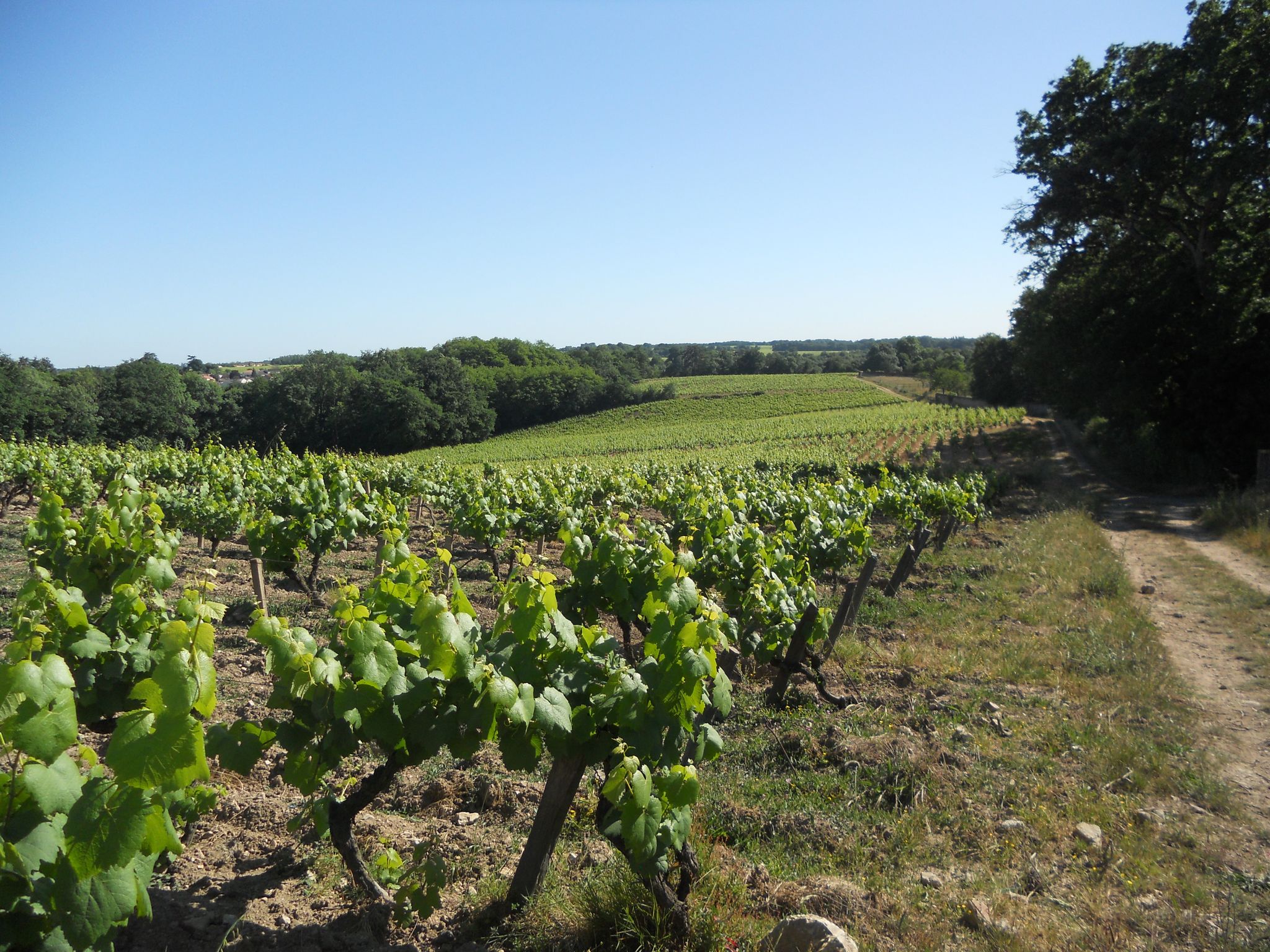
Yes, given Clisson's location within the Muscadet wine region, many road cycling routes will take you through picturesque vineyards. These routes offer a unique opportunity to experience the local viticulture while enjoying your ride.
Most popular attractions around Clisson

Get inspired with the komoot mobile app


Explore more
Browse the best Road cycling routes in other regions.
