The best mountain hikes around Niedersteinbach
5.0
(17)
36
hikers
8
hikes
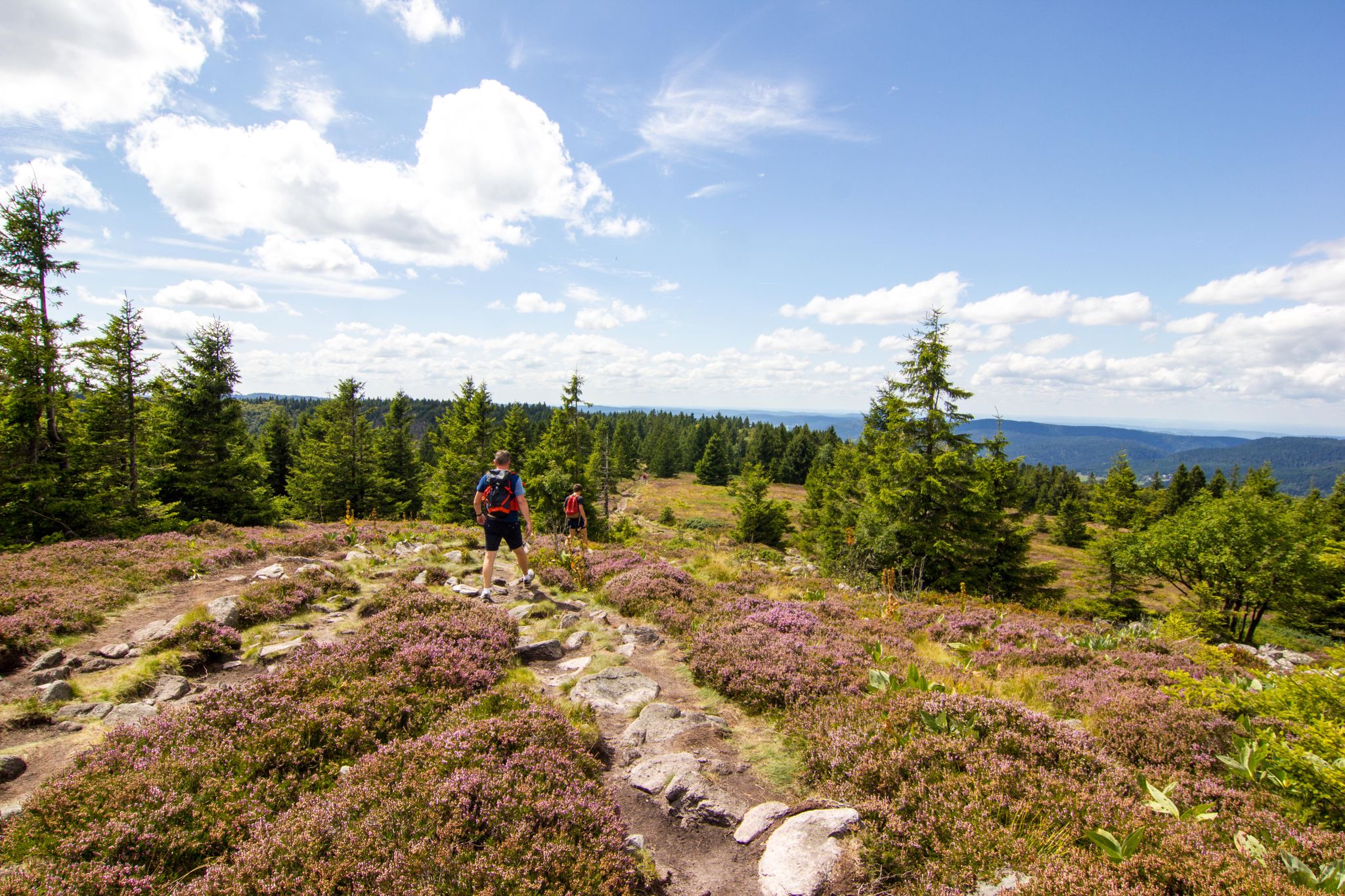
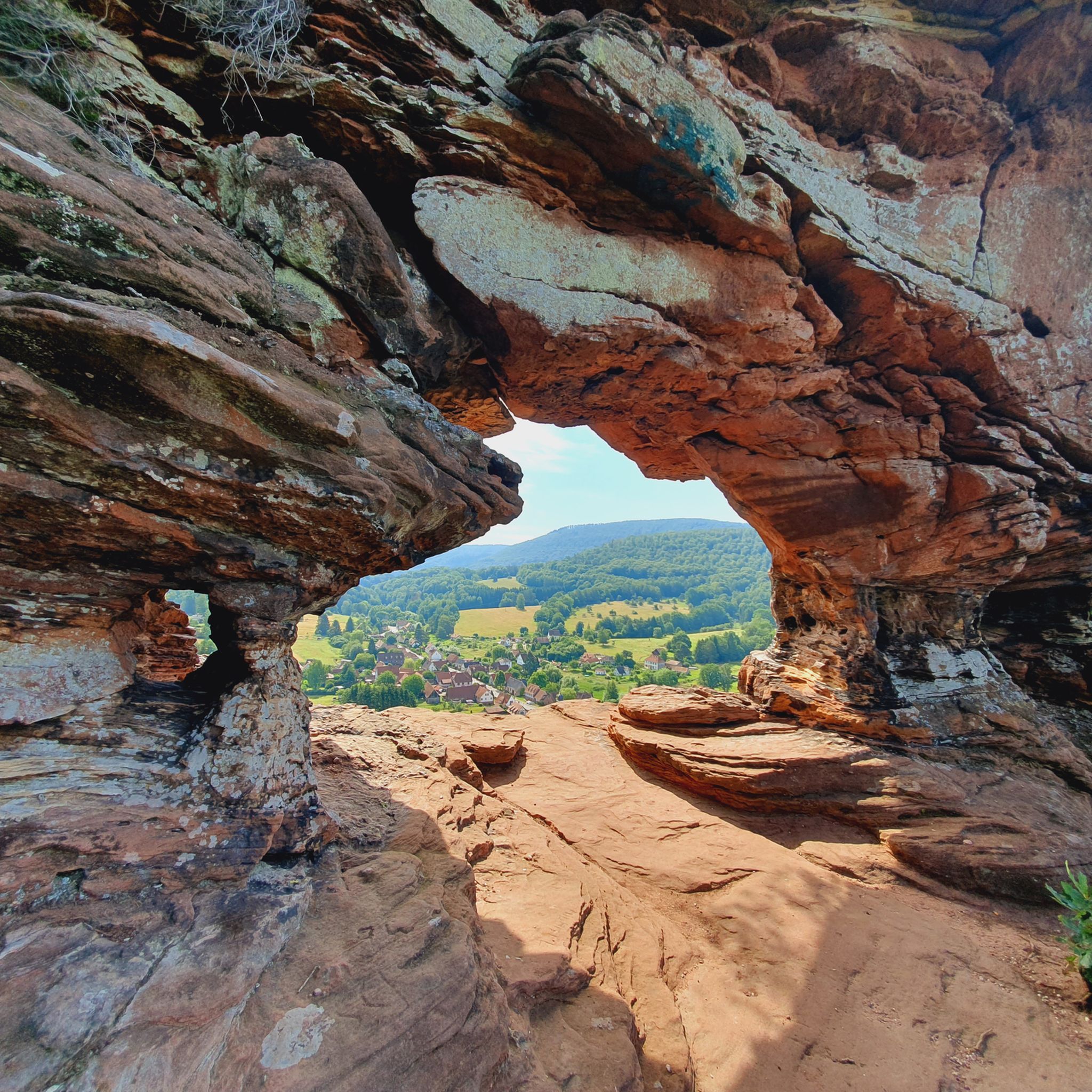
Mountaineering routes around Niedersteinbach traverse the Northern Vosges Regional Natural Reserve, characterized by extensive forests and striking pink sandstone rock formations. The terrain includes challenging ascents, descents, and technical passages, suitable for various fitness levels. Historical castle ruins are often integrated into routes, providing both cultural interest and scenic viewpoints. This region offers diverse landscapes for demanding outdoor pursuits.
Best mountaineering routes around Niedersteinbach
- The most popular mountaineering route is View from Wegelnburg Castle – Hohenbourg Castle loop from Nothweiler…
Last updated: November 19, 2026
5.0
(3)
7
hikers
10.9km
03:32
370m
370m
Moderate mountaineering route. Good fitness required. Mostly walkable paths. Sure-footedness required.
5.0
(3)
8
hikers
Moderate mountaineering route. Good fitness required. Mostly walkable paths. Sure-footedness required.

5.0
(2)
6
hikers
Moderate mountaineering route. Good fitness required. Easily walkable paths.
5.0
(2)
2
hikers
7.62km
02:37
340m
340m
Moderate mountaineering route. Good fitness required. Mostly walkable paths. Sure-footedness required.
5.0
(2)
2
hikers
12.9km
04:03
480m
490m
Moderate mountaineering route. Good fitness required. Mostly walkable paths. Sure-footedness required.
Get access to more routes and recommendations from other explorers.
Already have an account?
Our route recommendations are based on thousands of hikes, rides, and runs completed by other people on komoot.
Start today with a free account
Your next adventure awaits.
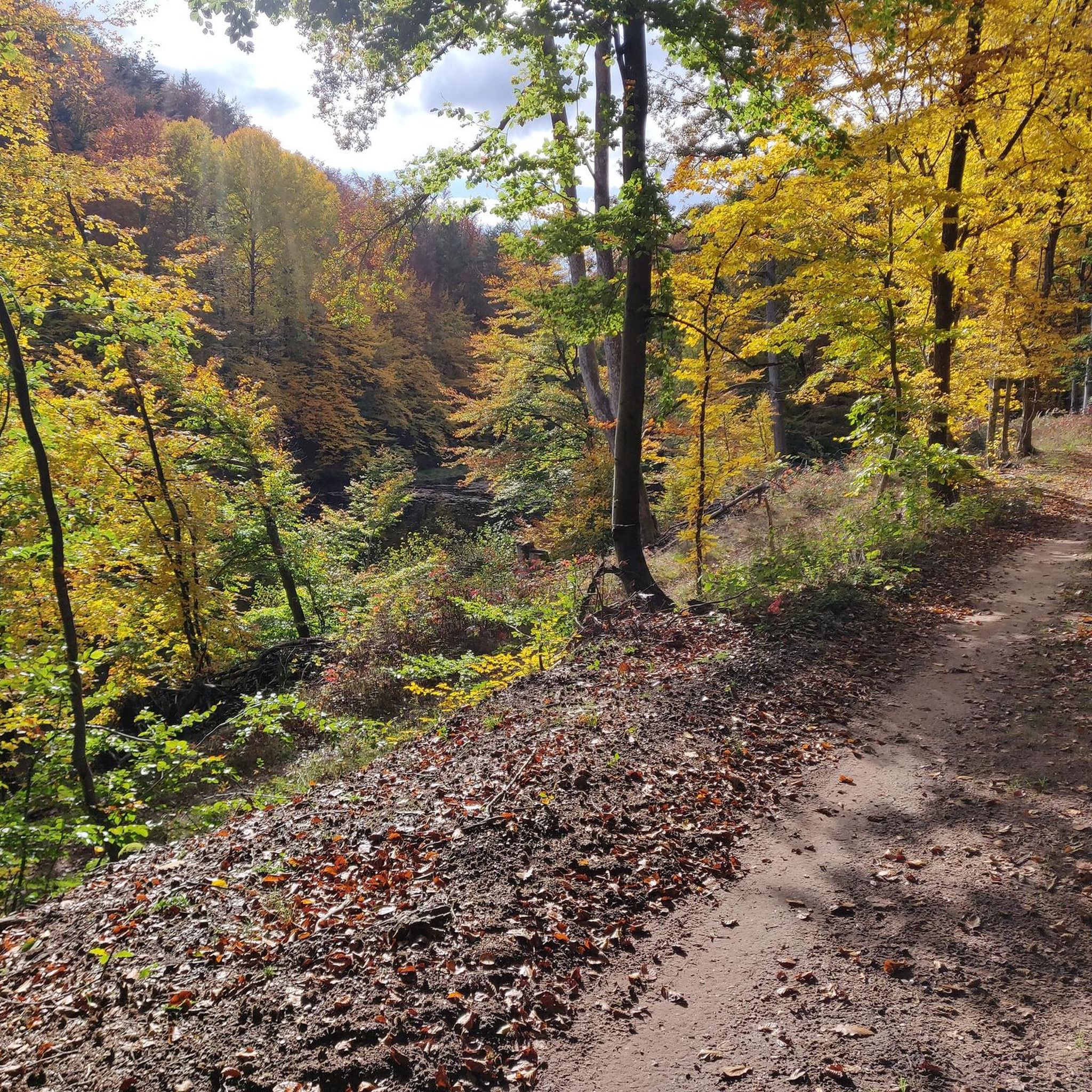
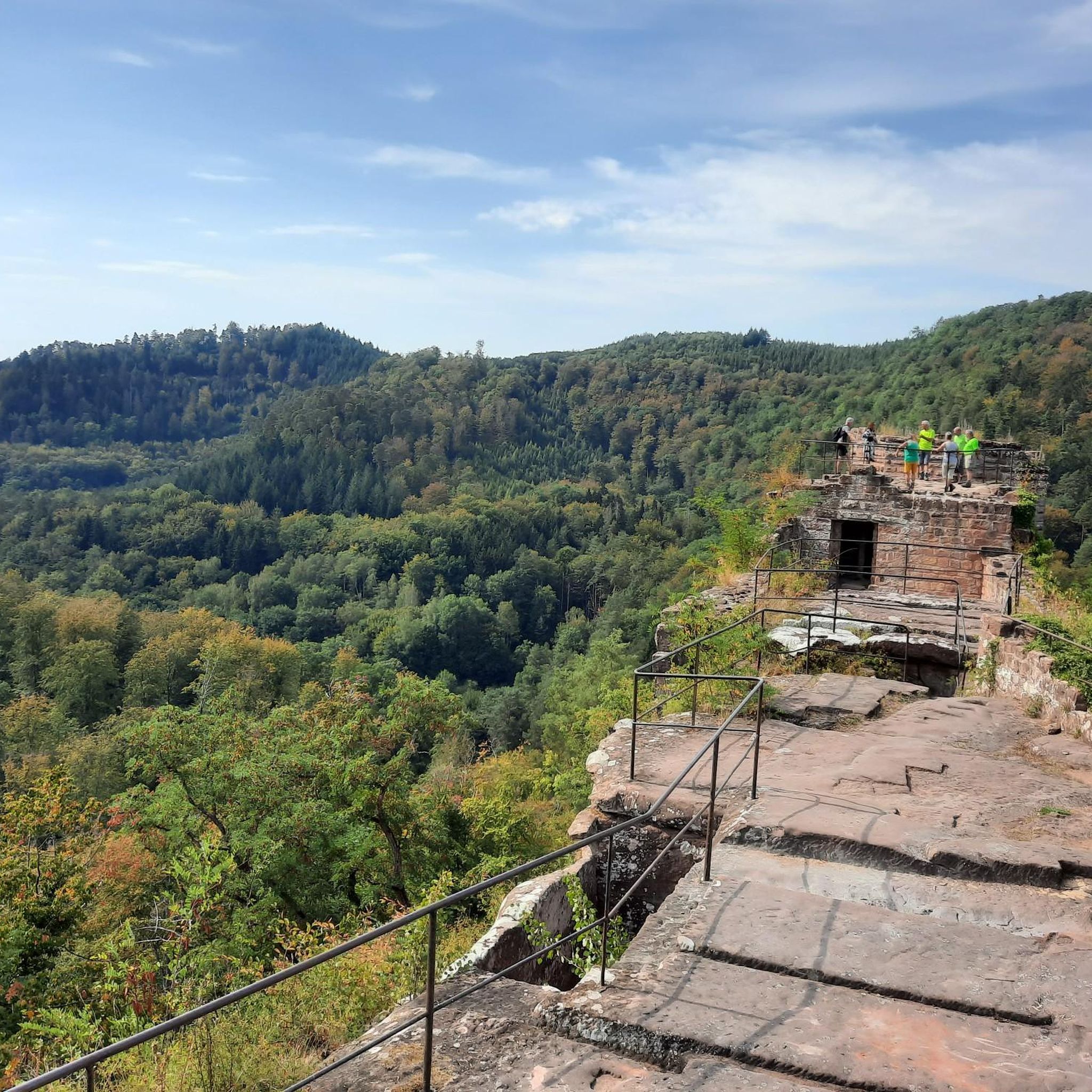

Other adventures around Niedersteinbach

Tips from the Community

In front of the Gienanth-Haus (built in 1839; sold to the municipality in 1885), there is an interesting and very detailed information board on the topics of "Iron smelting in Schönau; The Gienanth family and iron processing; Ludwig von Gienanth in Schönau; The ironworks after 1848; The Gienanth-Haus." The QR code on this information board leads to the Schönau website: https://www.schoenau-pfalz.de/gienanthaus.html
1
0

What a hiking paradise. You don't know where to look first.
0
0
Bilingual information board about the cross-border biosphere reserve Pfälzer Wald/Nordvogesen.
0
0
From Gimbelhof, you can see Burg Fleckenstein clearly again.
0
0

The tree at the very top of Burg Blumenstein is a natural bonsai.
0
0

Good starting point for the tour. Shady and free (as of 2026) parking spaces.
0
0

The term biosphere reserve originated in 1977 following UNESCO's investigations into the topic of Man and the Biosphere. These are protected areas of special ecological and cultural diversity.
7
0
Since parking in Nothweiler (exception: visitor parking lot of the visitor mine) is prohibited almost everywhere in the village, this visitor parking lot is very well suited as a starting point (for hikes to Wegelnburg, to Fleckenstein Castle ruins or for the German-French premium hiking trail "Grenzgängerweg").
1
0
Frequently Asked Questions
What is the typical terrain like on mountaineering routes around Niedersteinbach?
The terrain around Niedersteinbach is characterized by extensive forests and striking pink sandstone rock formations. You can expect challenging ascents, descents, and technical passages, making it suitable for those seeking more demanding outdoor pursuits. Some trails are described as requiring sure-footedness and alpine experience.
Are there any routes suitable for beginners or those looking for less challenging climbs?
While many routes offer challenging sections, the network around Niedersteinbach provides options for different ability levels. All listed mountaineering routes are rated as 'moderate' in difficulty, suggesting they are accessible to those with some experience but not necessarily advanced skills. For example, the Hohenbourg Castle – View from Wegelnburg Castle loop from Château de Fleckenstein is a shorter moderate option.
Where can I find more technical rock climbing opportunities in the Niedersteinbach area?
For more technical rock climbing, you can explore dedicated climbing spots nearby. The Hirnelestein Climbing Spot in Steinbach features a 35-meter high cliff with 20 equipped routes, and the Obersteinbach Rock Climbing Area offers routes up to 40 meters high with various French grades. You can find more information about climbing in Steinbach here.
What natural attractions and viewpoints can I expect to see on these routes?
The routes often feature prominent rock formations such as Klingelfels, Tziganes Rock, and Geierstein. You'll also find breathtaking views of the Lauter Valley and panoramic vistas from points like Napoleon Rock and Maimont Summit. Many trails lead through picturesque forested areas. For example, the Tziganes Rock – Klingelfels Rock Formation loop from Schönau (Pfalz) highlights some of these natural features.
Are there historical sites or castle ruins integrated into the mountaineering routes?
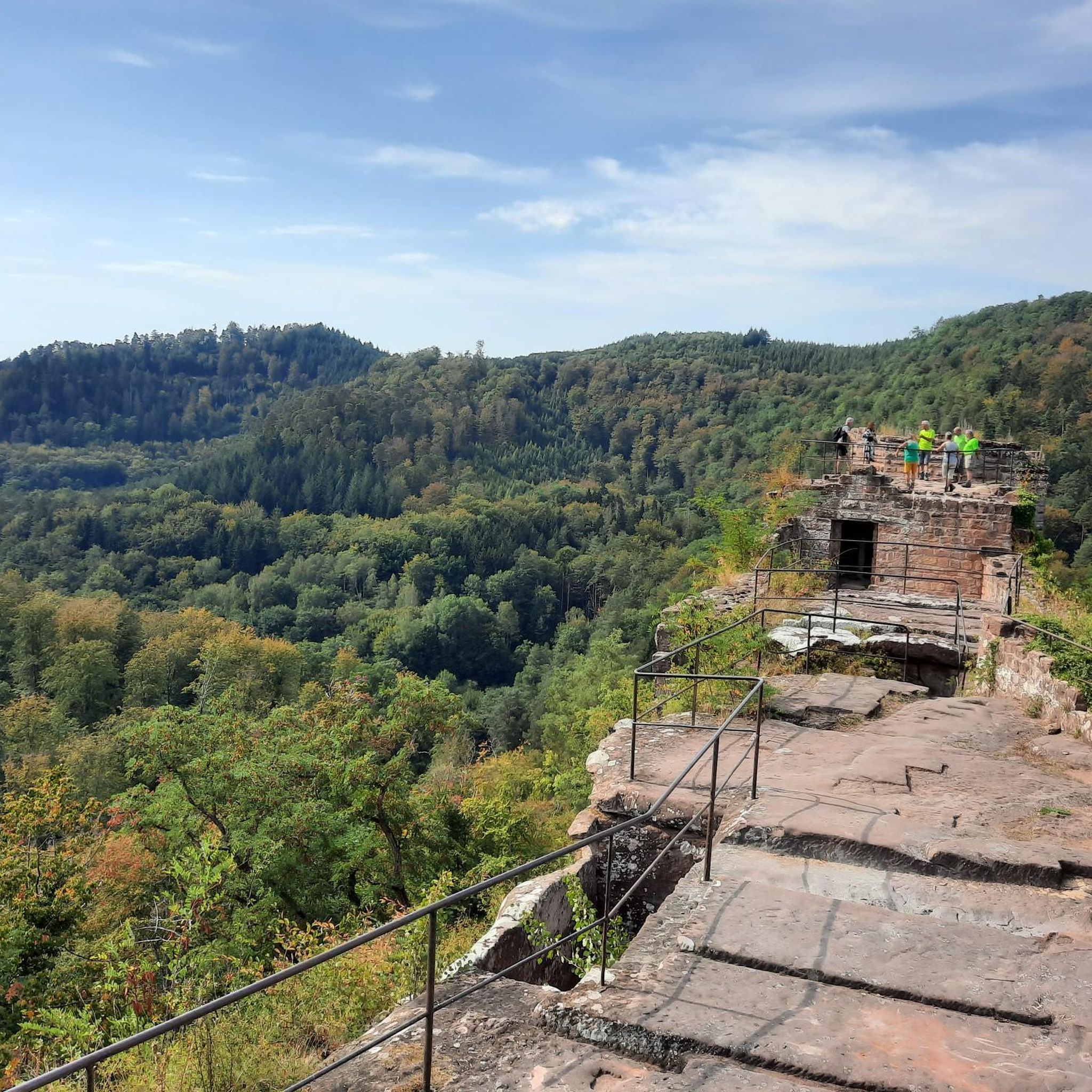
Yes, the landscape is dotted with numerous historical castle ruins that serve as both destinations and scenic viewpoints. Routes often connect several of these sites, such as the Château du Wasigenstein, Fleckenstein Castle, Wegelnburg Castle Ruins, and Hohenbourg and Loewenstein Castles. The View from Wegelnburg Castle – Hohenbourg Castle loop from Nothweiler is a prime example, connecting significant castle ruins.
Are there circular mountaineering routes available in Niedersteinbach?
Yes, many of the mountaineering routes around Niedersteinbach are designed as loops, allowing you to start and end at the same point. Examples include the Hohenbourg Castle – View from Wegelnburg Castle loop from Nothweiler and the Bundenthal Hunting Hut – Geierstein rock formation loop from Bundenthal-Rumbach.
Are the mountaineering routes around Niedersteinbach suitable for families?
While the routes are generally rated as 'moderate' and can include challenging sections, some may be suitable for active families with older children who are accustomed to hiking. The presence of historical castles and interesting rock formations can add an engaging element for younger adventurers. However, always check the specific route details for distance and elevation to ensure it matches your family's capabilities.
Can I bring my dog on the mountaineering routes?
Generally, dogs are welcome on hiking trails in the Northern Vosges Regional Natural Reserve, but it's always advisable to keep them on a leash, especially in protected areas, near wildlife, or when passing through villages. Ensure your dog is fit enough for the terrain and distance, and always carry water for them.
Is parking readily available near the trailheads?
Parking is generally available near popular trailheads and attractions in the Niedersteinbach area, especially at starting points for routes that visit castle ruins or prominent rock formations. Specific parking information can often be found on individual route descriptions or local tourism websites.
What is the best time of year for mountaineering in Niedersteinbach?
The Northern Vosges region is beautiful throughout the warmer months. Spring and autumn offer pleasant temperatures and vibrant scenery, with fewer crowds. Summer is also popular, but can be warmer. Winter mountaineering is possible but requires appropriate gear and awareness of potentially icy or snowy conditions, especially on higher or more technical sections.
Do I need any permits for mountaineering or climbing in Niedersteinbach?
For general mountaineering and hiking on marked trails, permits are typically not required. However, for specific rock climbing areas like Hirnelestein or Obersteinbach, it's always best to check with local climbing federations or tourism offices for any specific regulations or permit requirements, especially for organized groups or commercial activities.
What do other mountaineers say about the routes in Niedersteinbach?
The routes in Niedersteinbach are highly rated by the komoot community, with an average score of 4.9 stars from over 15 reviews. Mountaineers often praise the diverse landscapes, the combination of natural beauty with historical castle ruins, and the engaging, sometimes challenging, terrain.
How many mountaineering routes are available around Niedersteinbach?
There are over 9 mountaineering routes available around Niedersteinbach, offering a variety of experiences through the region's forests, rock formations, and historical sites.
Are there places to eat or stay near the mountaineering routes?
Niedersteinbach and its surrounding villages offer various options for accommodation and dining, from guesthouses to local restaurants and pubs. Some routes may also pass by huts or facilities like the Hohe List Hiking Lodge or the PWV Hut Am Schmalstein, providing opportunities for refreshments or a break during your tour.
Can I find gorges or valleys along the routes?
Yes, the region features picturesque valleys and impressive rock passages. You can explore areas like the Lauter Valley for breathtaking views. Some routes may lead you through or near notable natural features such as the Wolfsägertal or the Impressive Rock Passage, adding to the diverse landscape experience.
Most popular routes around Niedersteinbach
Most popular attractions around Niedersteinbach

Get inspired with the komoot mobile app


Explore more
Browse the best Mountain Hikes & Routes in other regions.
