Top 20 Mountain Passes around Aussois
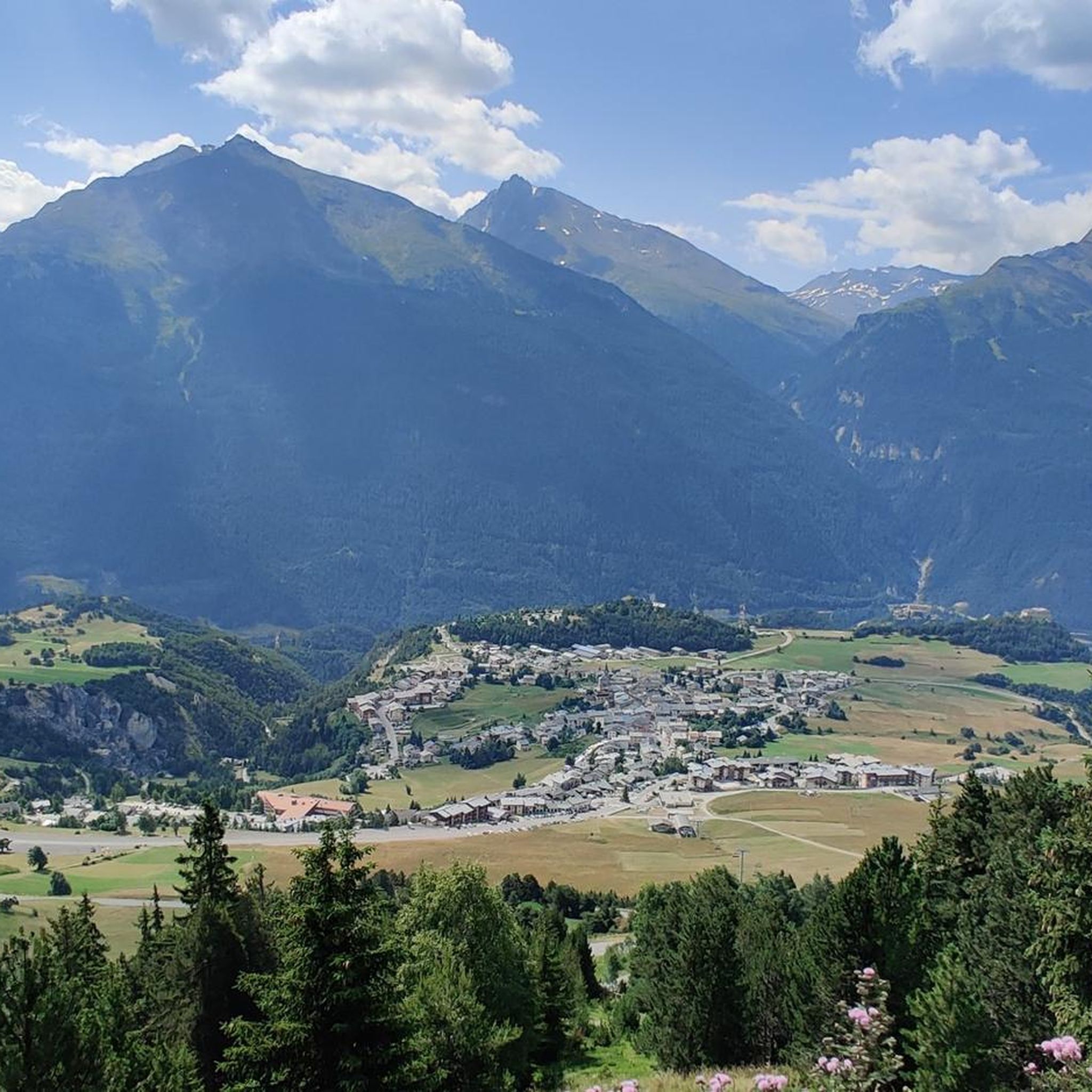
Best mountain passes around Aussois are found in the Maurienne valley, a gateway to the Vanoise National Park. This region features a rocky mountain landscape with diverse alpine zones. The passes provide access to high-altitude terrain and offer views of surrounding peaks. The area is characterized by its natural features and landmarks.
Best mountain passes around Aussois
- The most popular mountain pass is Aussois Pass - 2914 m, a mountain pass that serves as a passage between Pralognan and…
Last updated: October 27, 2026
Col du Sommeiller Gravel Climb
Highlight (Segment) • Mountain Pass
Translated by Google •
Tip by

Aussois Pass - 2914 m
Highlight • Mountain Pass
Translated by Google •
Tip by

Sign up now to discover places like this
Get recommendations on the best single tracks, peaks, & plenty of other exciting outdoor places.
Col de Sollières
Highlight • Mountain Pass
Translated by Google •
Tip by

Hairpin Bends Above Rifugio Scarfiotti
Highlight • Trail
Translated by Google •
Tip by

Col de Chavière
Highlight • Mountain Pass
Translated by Google •
Tip by
Sign up for free to discover even more mountain passes around Aussois.
Already have an account?
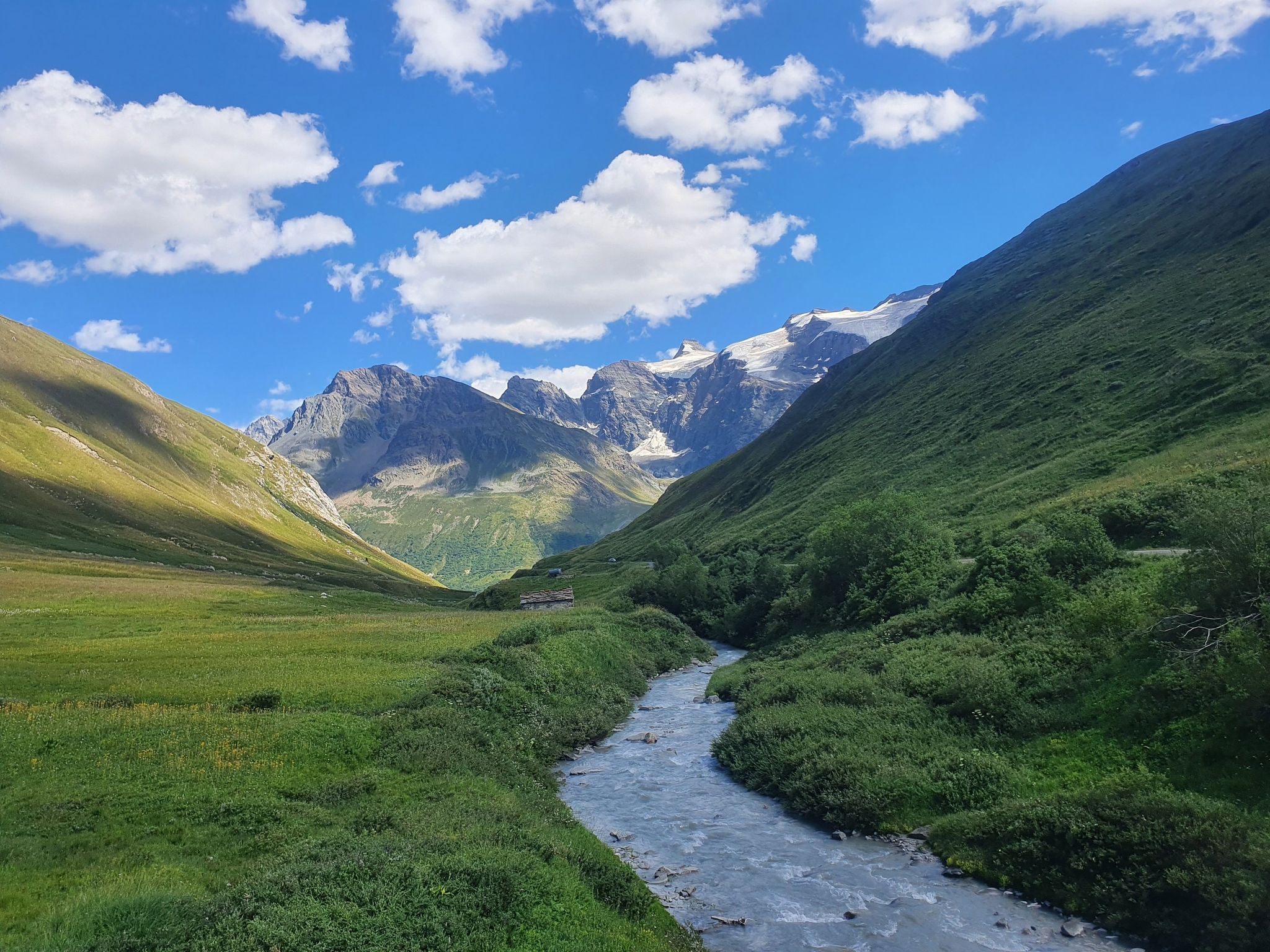
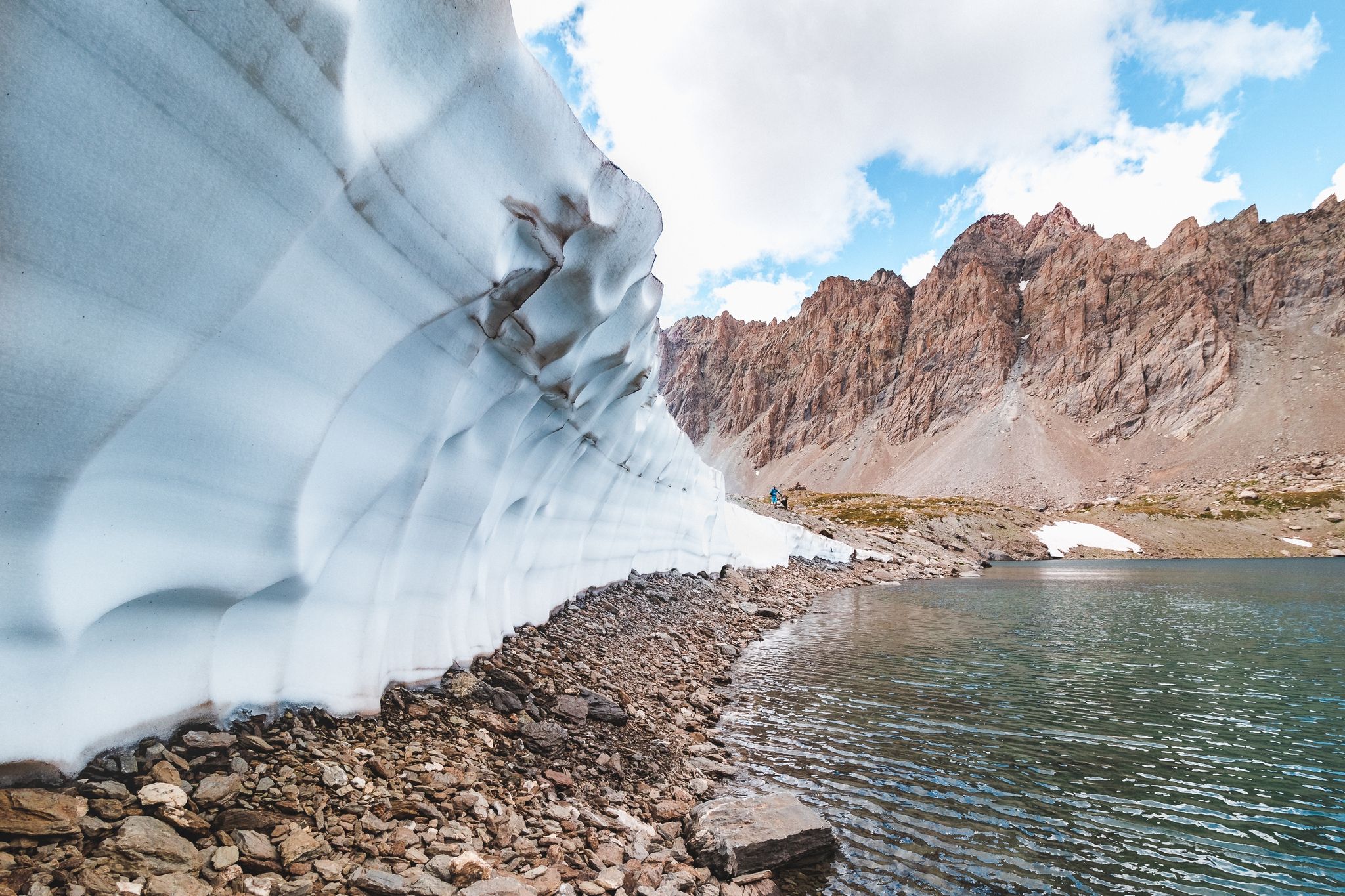
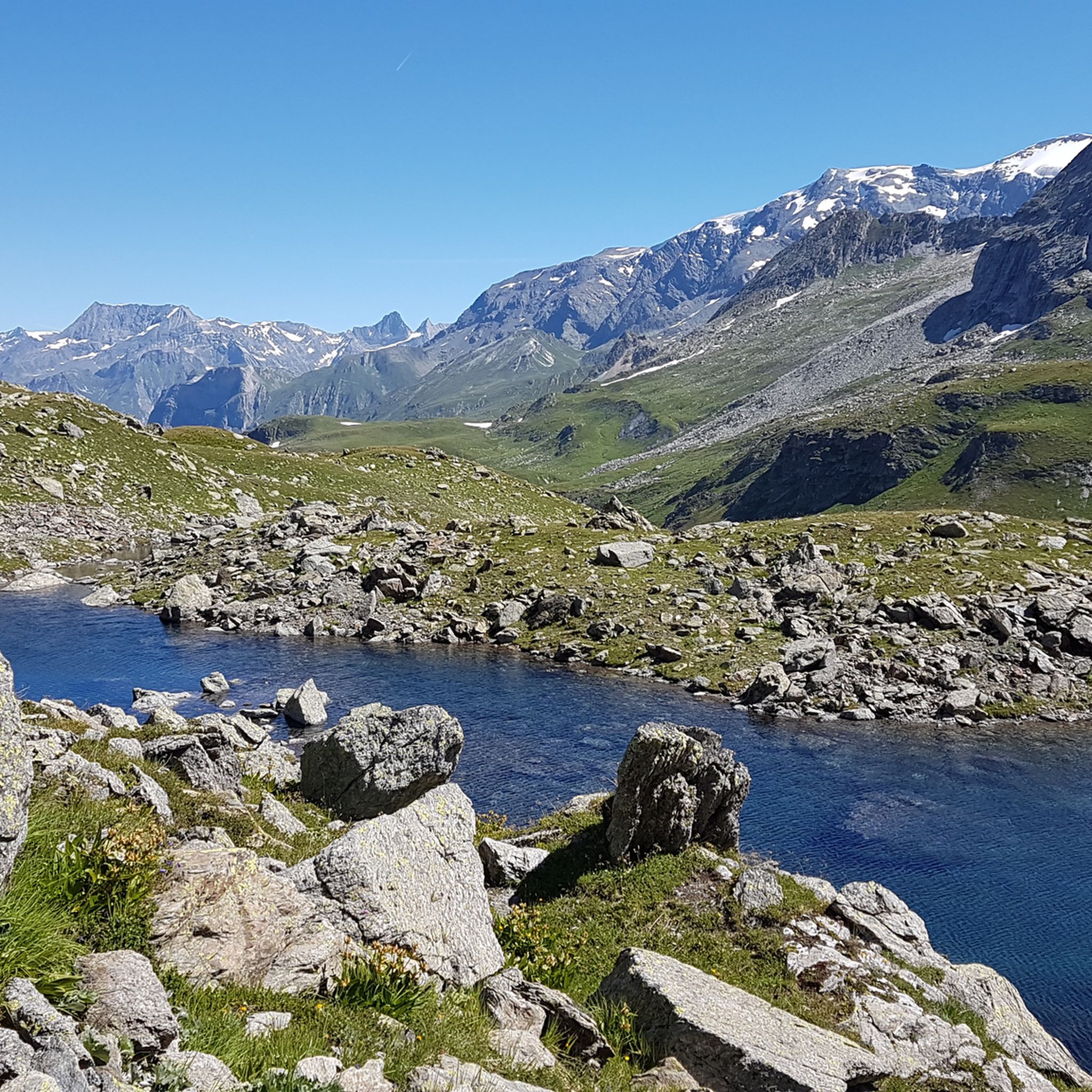
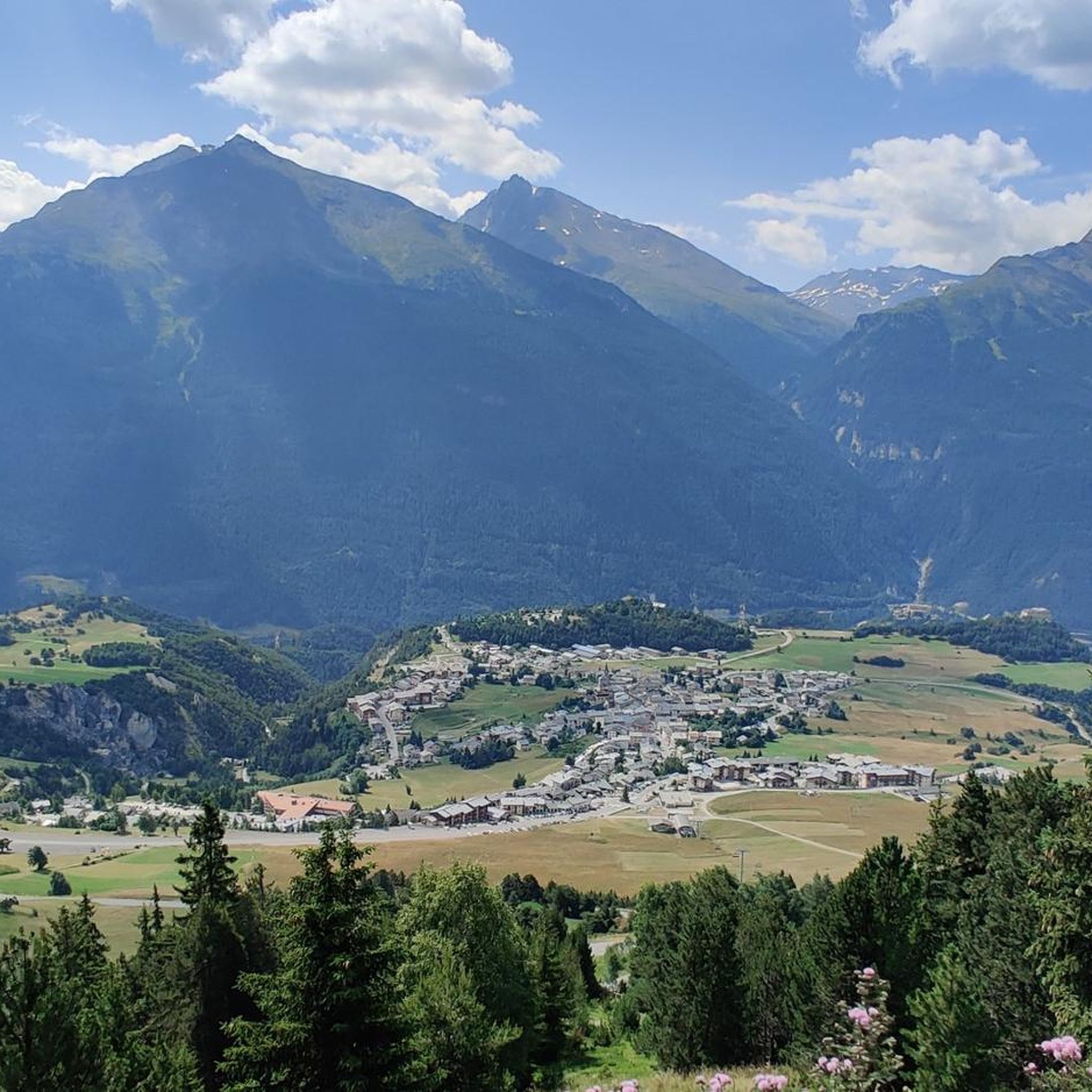





Tips from the Community

Walking this stretch of road leaves you stunned and with a sense of dizziness
0
0

Long series of hairpin bends leading from the Scarafiotti hut to Pian dei Morti. Once at the top, you can enjoy a wonderful view
0
0

Incredible view through the valley.
0
0

When you are at this pass, you can enjoy beautiful views.
0
0

Scenic view of the entire Scarfiotti Refuge plateau
0
0

Great post. It was much needed. Love your simplistic style of explanation. https://www.yourtexasbenefitsi.com
0
0

Very dangerous with rockfall, not recommended. Be very careful and keep an eye uphill if you do attempt this.
1
3

hairpin bends in succession, some have a slightly steeper gradient than others but can be cycled without much difficulty
0
0
Frequently Asked Questions
What are some of the most notable mountain passes around Aussois?
The region offers several remarkable passes. Among them, Aussois Pass - 2914 m is a prime destination, offering spectacular views and access to the Pointe de l'Observatoire. Another significant pass is Col du Sommeiller Gravel Climb, peaking at 2,995 meters, known for its challenging ascent and panoramic views. Col de Sollières provides a beautiful panorama of the Mont-Cenis massif and the Vanoise, with historical fortifications nearby.
What kind of views can I expect from the mountain passes near Aussois?
The mountain passes around Aussois offer breathtaking panoramic views. From high points like the Aussois Pass - 2914 m and the Pointe de l'Observatoire, you can see Mont Blanc, the Péclet Polset massif, and the Vanoise glaciers. Passes like Col de Sollières provide vistas of the Mont-Cenis massif, while Col de Chavière offers a surprising, almost lunar landscape.
What wildlife can I spot on the mountain passes near Aussois?
The Vanoise National Park, which surrounds many of these passes, is rich in wildlife. Hikers often encounter marmots, especially around the Fond d'Aussois refuge on the way to Col d'Aussois. Ibex (both females and their young) are also frequently seen in areas like Col de Chavière and Col de la Masse during the summer months.
When is the best time of year to hike the mountain passes around Aussois?
The best time to hike the high-altitude mountain passes around Aussois is typically from late June to early September. Snow can persist on many passes, including Col d'Aussois and Col de la Masse, until the end of June. An early start is recommended for longer hikes to enjoy the trails calmly and observe wildlife.
Are there any historical sites to explore on the mountain passes?
Yes, the region has historical significance, particularly around Col de Sollières. This pass, located at 2,640 meters, was a strategic point before World War II. You can find ruins of fortifications, such as Fort de la Turrà and those on Mont Froid, which were built to control the Mont Cenis esplanade. These sites offer a glimpse into the area's past.
What other outdoor activities can I do near the mountain passes around Aussois?
Beyond hiking, the Aussois region offers a variety of outdoor activities. You can explore numerous cycling routes, including challenging climbs and scenic loops. For gravel biking enthusiasts, there are routes like the "Col de la Madeleine – Bonneval-sur-Arc loop" or the "Summit and View of Aussois loop." Running trails are also popular, with options such as the "Monolithe de Sardières – Summit and View of Aussois loop." You can find more details on these activities in the Gravel biking around Aussois, Running Trails around Aussois, and Cycling around Aussois guides.
How difficult is the ascent to Col du Sommeiller?
The ascent to Col du Sommeiller Gravel Climb is considered challenging. It involves a long climb of 26 kilometers to reach 2,995 meters above sea level. The path can be very narrow, exposed, rocky, and feature loose scree and steep hairpin bends, especially towards the summit. It requires good physical condition, and while possible with a gravel bike, it can be very exhausting.
Are the mountain passes around Aussois suitable for families?
While many high-altitude passes present challenging ascents, some trails leading to or around the passes can be suitable for families, especially those with some hiking experience. The initial sections of the hike to Col d'Aussois, for example, offer a gradual immersion into the landscape and pass through the peaceful plateau of Fond d'Aussois, which is ideal for discovering local fauna and flora. Always check specific route details for difficulty and elevation before heading out with children.
What are the typical conditions on high-altitude passes like Col de la Masse in early summer?
In early summer, particularly until the end of June, high-altitude passes like Col de la Masse (2,923 m) can still have significant snow cover. While the paths are generally well-marked, hikers should be prepared for varying conditions, including snow, especially on steep slopes. It's advisable to check local conditions and weather forecasts before attempting these routes during this period.
What makes Pointe de l'Observatoire a significant destination?
Pointe de l'Observatoire, accessible from Aussois Pass - 2914 m, is a significant summit at 3,015 meters above sea level. It offers an incredible 360° panorama, including views of Mont Blanc, the Péclet Polset massif, the Vanoise glaciers, and the Chavière valley. It's considered a 'real summit' and marks a divide between the Maurienne and Tarentaise valleys, making the extra 15-minute push from the pass well worth the effort for the expansive views.
Are there any mountain passes that offer views of Lac du Mont Cenis?
Yes, the Pas de la Beccia is noted for offering a rewarding view of the Lac du Mont Cenis after traversing it. Additionally, Col de Sollières provides a beautiful panorama that includes the Mont-Cenis massif.
Most popular attractions around Aussois

Get inspired with the komoot mobile app


Explore more
See even more epic mountain passes by checking out these guides around Aussois:
