Top 12 Castles around Lützelhausen
Castles around Lützelhausen are situated amidst the forested landscapes and valleys of the Vosges mountains. This area offers a blend of historical sites and natural beauty, characterized by its rugged terrain and scenic views. The region features numerous medieval ruins, often perched on rocky outcrops, providing insights into past eras. Visitors can explore these historical structures while experiencing the natural environment of the surrounding forests and hills.
Best castles around Lützelhausen
- The most popular castles is Ruins of Guirbaden Castle…
Last updated: May 11, 2026
Ruins of Nideck Castle
Highlight • Castle
Translated by Google •
Tip by

Ruins of Guirbaden Castle
Highlight • Castle
Translated by Google •
Tip by

Sign up now to discover places like this
Get recommendations on the best single tracks, peaks, & plenty of other exciting outdoor places.
Sign up for free
Wangenbourg Castle
Highlight • Castle
Translated by Google •
Tip by

Salm Castle
Highlight • Castle
From the former keep you have a beautiful panoramic view, if the weather permits.
Translated by Google •
Tip by

View of Hohenstein Castle
Highlight • Castle
At the top of the castle you have a great …
Translated by Google •
Tip by

Sign up for free to discover even more castles around Lützelhausen.
Sign up for free
Already have an account?
Start today with a free account
Your next adventure awaits.
Login or Signup

Tips from the Community


very nice view and a good place to eat
0
0

The castle viewpoint is no longer accessible, following work (May 1, 2025)
0
1


The site is well maintained. Free and accessible to all. The parking lot is a 5-minute walk away
0
0

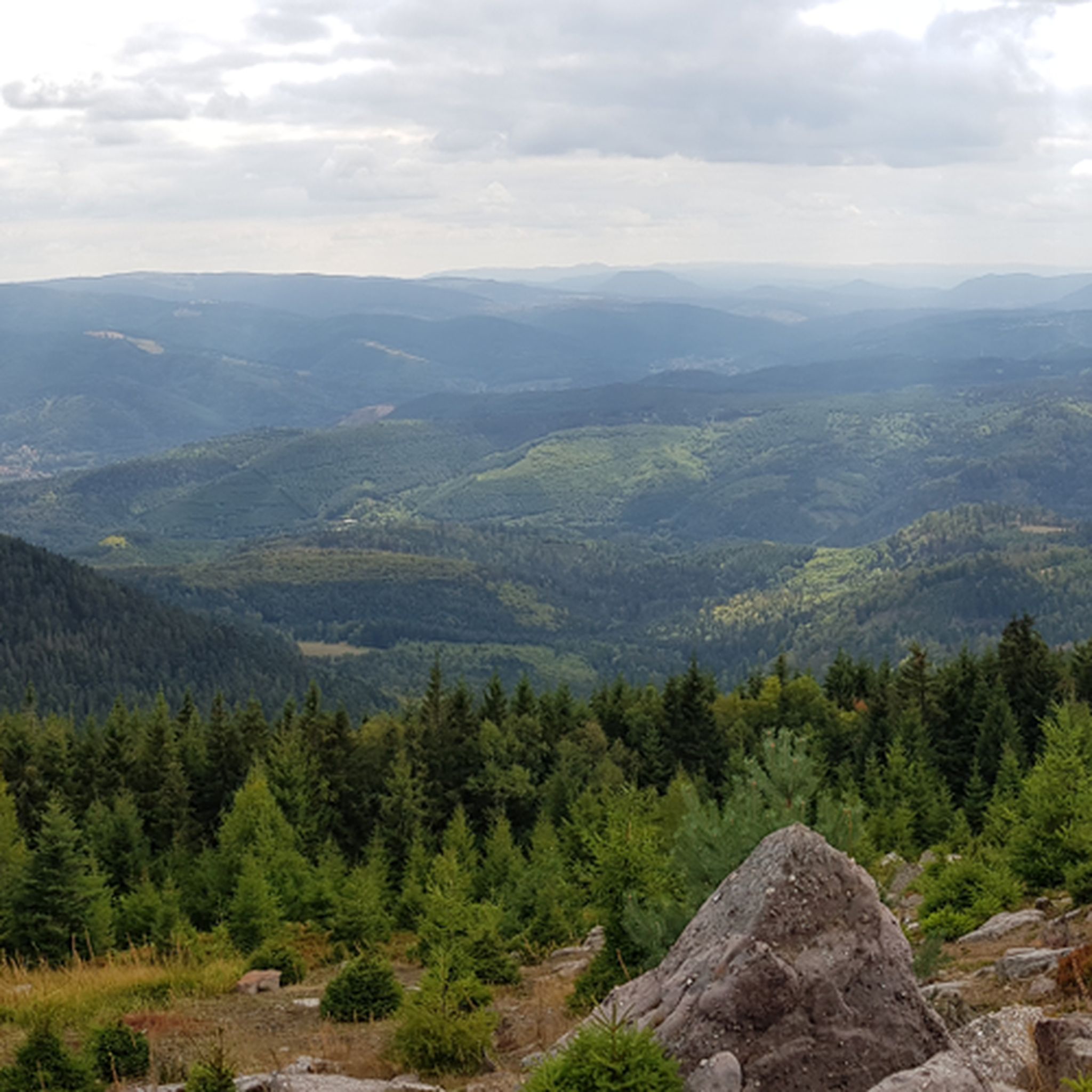
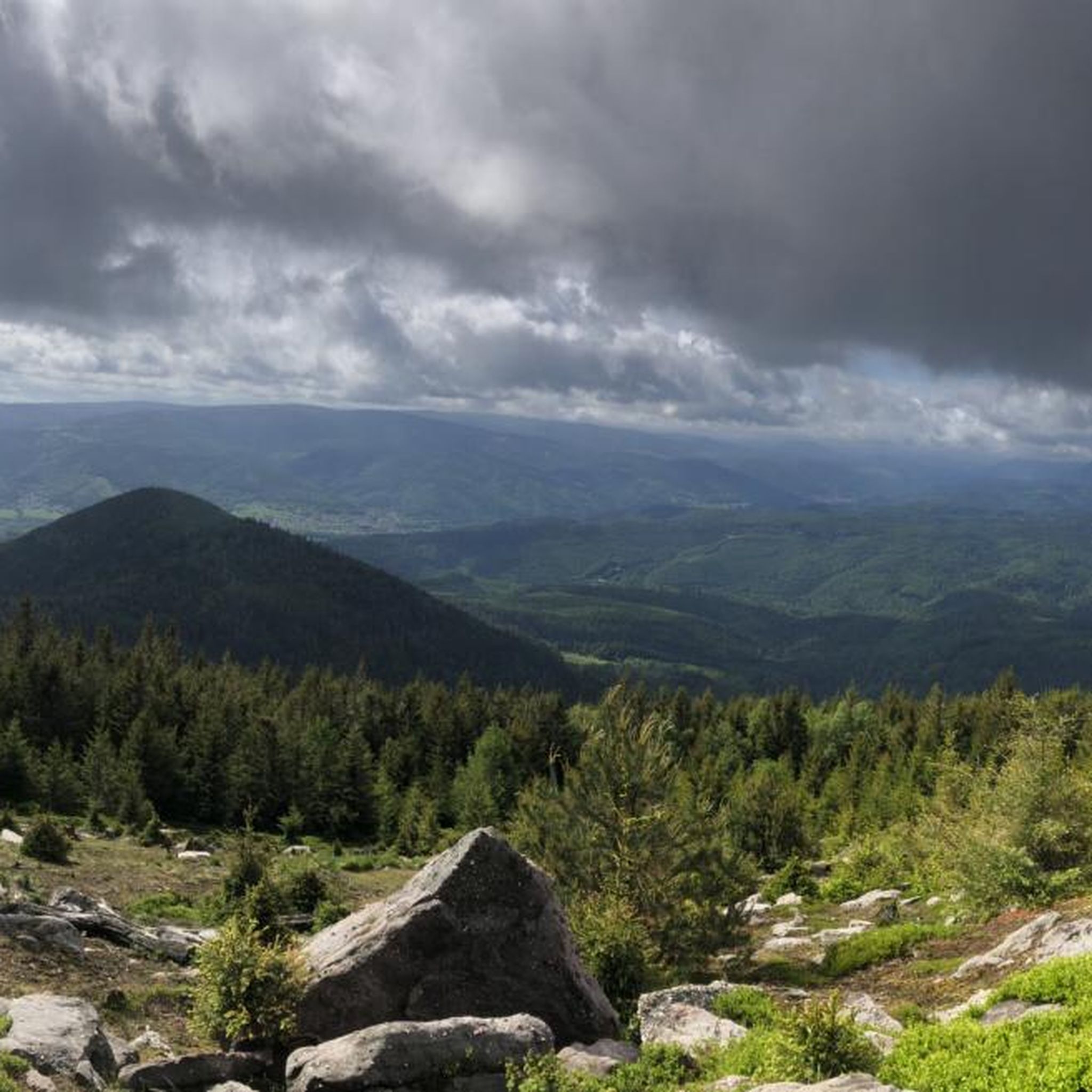
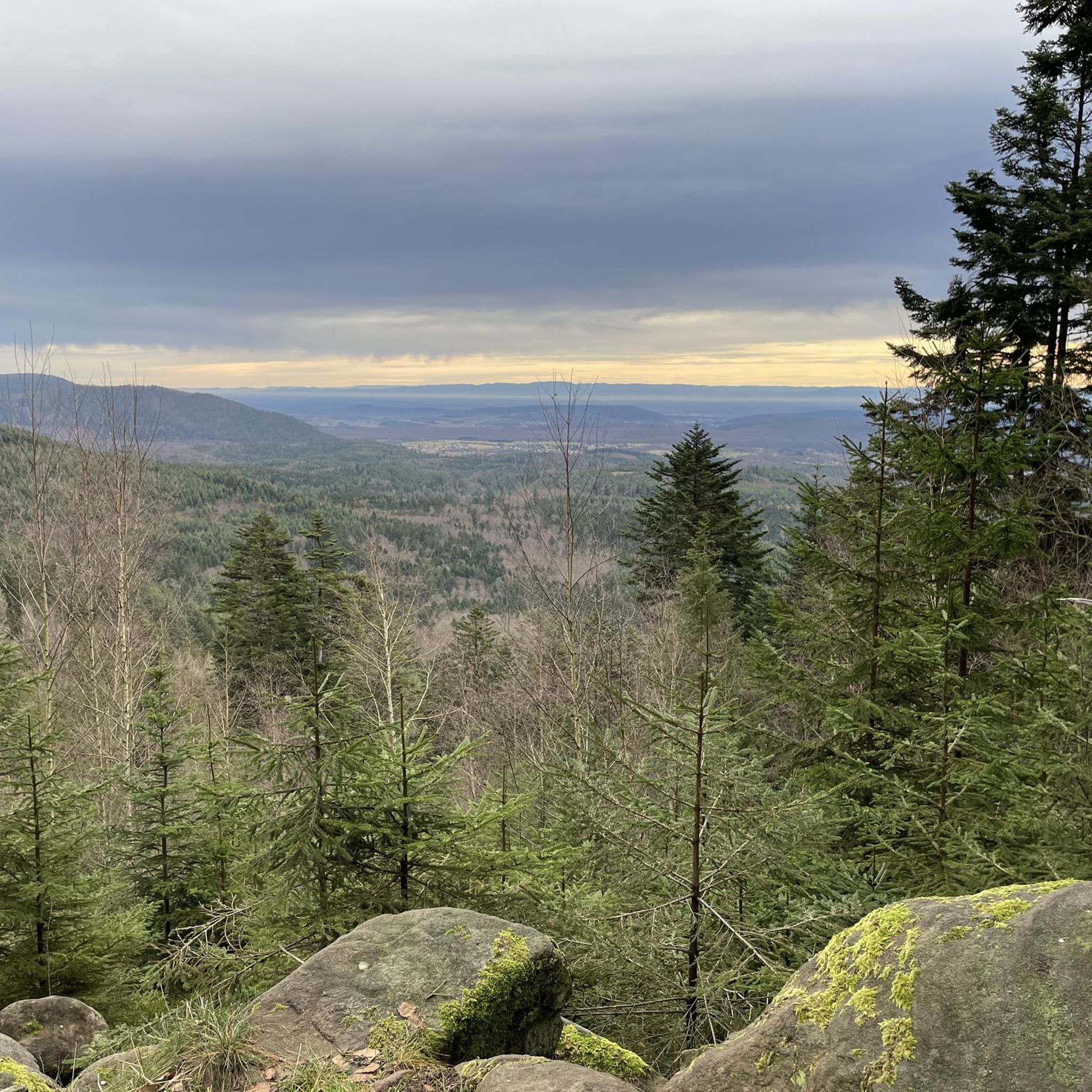
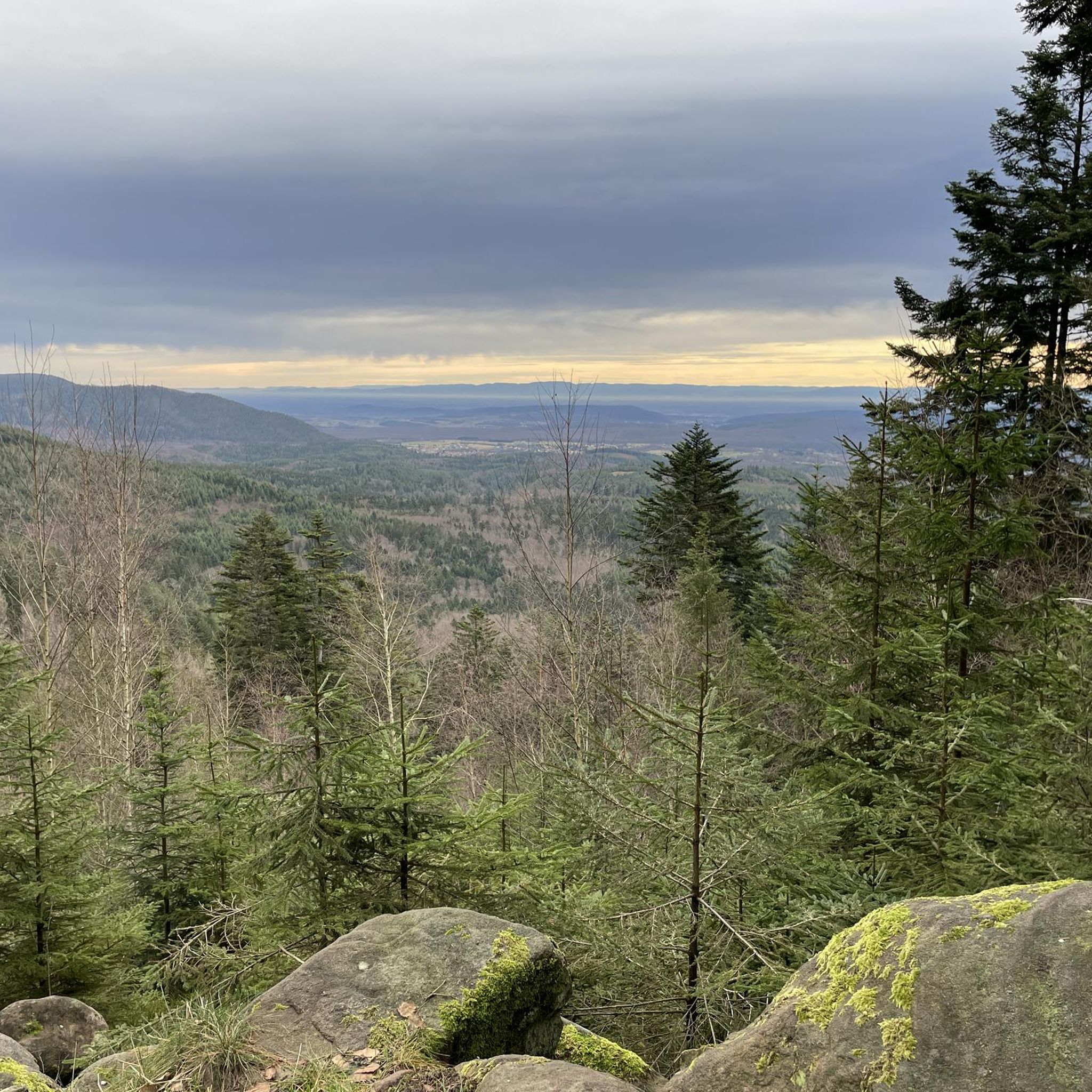
It is worth climbing the steep steps of the ruins to the top of the remains of the tower... From the top you have a wonderful view over the wooded hills of the Vosges...
2
0

The castle ruins in the natural area, which have been listed as a historical monument since 1898, are not the remains of one but of two castles. The lower castle (Unternideck) was probably built in the first half of the 13th century. Today, the square keep and a fortified wall that separated the residential building can still be seen. The keep shows a change in the structure that indicates an interruption in construction (formats and unevenness of the stones, structure of the vaults...). The upper castle (Obernideck) was probably built in the 14th century. Its ruins are less well preserved, only a few heavily restored walls can still be seen. A castle on the Nideck was first mentioned in 1264. Sire Burckart lived here at that time. From 1336, the castle was a fief of the Diocese of Strasbourg and was then given to the citizens of Strasbourg. The inhabitants of both castles concluded several truces, especially in 1393 and 1422. These "peace treaties", which bear witness to the history of the place, laid down the rules for coexistence, supplies and armament of the fortress. From the 15th century onwards, the castle changed hands several times in successive attacks. The castle was finally destroyed in 1636 in the Thirty Years' War. Text of the information board
2
0

Frequently Asked Questions
What are some of the most popular castles to visit around Lützelhausen?
Among the most popular castles are the Ruins of Guirbaden Castle, known as the largest medieval fortification in Alsace, offering splendid views and a large park. Wangenbourg Castle, a ruin on a rock formation, provides beautiful views over the Mossig valley. Another favorite is Salm Castle, a 13th-century rock castle ruin with panoramic views from its former keep.
Are there castles around Lützelhausen that offer great panoramic views?
Yes, several castles provide excellent viewpoints. From the keep of Wangenbourg Castle, you can enjoy a beautiful view over the Mossig valley. Salm Castle also offers a panoramic view from its former keep. Additionally, the Ruins of Nideck Castle provide an impressive view over the vast forests of the upper Bruchetal, and View of Hohenstein Castle offers a great perspective of the Vosges mountains and the Donon.
What kind of historical significance do the castles around Lützelhausen hold?
The castles in this region are primarily medieval ruins, often dating back to the 13th century. For example, Guirbaden Castle is the largest medieval fortification in Alsace, with parts built by Friedrich II von Staufen. Wangenbourg Castle, erected in the 13th century, served as a defense against looters. These sites offer insights into the region's past, including its strategic importance and architectural styles of the era.
Are there family-friendly activities or features at these castles?
While specific family activities are not detailed for all castles, many are set in natural environments suitable for exploration. Guirbaden Castle features a large park with picnic benches, making it a pleasant spot for families. Exploring the ruins themselves can be an engaging activity for children, and the surrounding hiking trails offer opportunities for outdoor adventures.
What natural features can be found near the castles?
The castles are nestled within the forested landscapes and valleys of the Vosges mountains. Near the Ruins of Nideck Castle, you'll find the 25-meter-high Nidecker waterfall (Cascade du Nideck). Salm Castle is situated in a remarkable forest setting of the Vosges sandstone, known for its silence and protection of the large capercaillie.
Are there hiking trails near the castles around Lützelhausen?
Yes, the castles are often integrated into scenic hiking routes. For instance, Guirbaden Castle can be reached via hiking trails from Mollkirch, Grendelbruch, Fischhütte, and Floessplatz. The area offers a variety of trails, with many castles like Nideck Castle and Wangenbourg Castle being accessible via intermediate difficulty paths.
What outdoor activities can I do near these castles besides hiking?
The region around Lützelhausen offers various outdoor activities. You can find numerous cycling routes, including touring bicycle and road cycling options, with guides like Cycling around Lützelhausen and Road Cycling Routes around Lützelhausen. Mountain biking is also popular, with trails detailed in guides such as
What do visitors enjoy most about the castles around Lützelhausen?
Visitors frequently highlight the impressive views, the historical atmosphere, and the opportunity to explore well-preserved ruins. Many appreciate the natural settings, such as the forests surrounding Nideck Castle and the peaceful environment of Salm Castle. The volunteer efforts in restoring sites like Guirbaden Castle are also well-regarded.
Is it possible to visit these castles in winter?
While specific winter access details vary, many castle ruins are open for free visits year-round, such as Wangenbourg Castle. However, some features like tower access might be seasonal (e.g., April to November for Wangenbourg's dungeon). It's advisable to check specific castle information for winter opening hours and accessibility, especially for trails which might be affected by snow or ice.
Are there any lesser-known castles or ruins worth exploring in the area?
Beyond the most popular sites, the region is dotted with numerous medieval ruins. While not explicitly detailed in the provided data, the general area of the Vosges mountains is rich in historical fortifications. Exploring local hiking maps or guides can reveal smaller, less frequented ruins that offer a more secluded historical experience.
What should I pack for a visit to the castles around Lützelhausen?
Given that many castles are ruins located on rocky outcrops or within forests, comfortable and sturdy hiking shoes are highly recommended. Depending on the season, layers of clothing, rain gear, water, and snacks are advisable. If you plan to explore the upper parts of ruins like Nideck Castle, good grip on your footwear is essential.
Most popular routes around Lützelhausen
Most popular attractions around Lützelhausen

Get inspired with the komoot mobile app


Explore more
Looking for the best castles somewhere else? Discover other guides around Lützelhausen:
