The best cycling routes around Bérus
4.2
(208)
1,518
riders
197
rides
Touring cycling around Bérus offers routes through a landscape characterized by rolling countryside, historic towns, and river valleys. The region features a mix of gentle gradients and more challenging ascents, often passing by notable landmarks such as castles and basilicas. This area provides diverse terrain suitable for various touring cycling experiences.
Best touring cycling routes around Bérus
- The most popular touring cycling route is Saint-Léonard-des-Bois – Château de Fresnay-sur-Sarthe loop from Mieuxcé, a 52.5 miles (84.4 km) trail that…
Last updated: October 8, 2026
4.3
(11)
59
riders
50.4km
03:12
530m
530m
Hard bike ride. Very good fitness required. Mostly paved surfaces. Suitable for all skill levels.
1.0
(1)
26
riders
Hard bike ride. Very good fitness required. Mostly paved surfaces. Suitable for all skill levels.

5.0
(1)
24
riders
36.6km
02:42
330m
330m
Moderate bike ride. Good fitness required. Mostly paved surfaces. Suitable for all skill levels.
5.0
(1)
13
riders
Moderate bike ride. Good fitness required. Mostly paved surfaces. Suitable for all skill levels.
5.0
(1)
6
riders
47.1km
03:00
370m
370m
Hard bike ride. Good fitness required. You may need to push your bike for some segments of this route.
Get access to more routes and recommendations from other explorers.
Already have an account?
Our route recommendations are based on thousands of hikes, rides, and runs completed by other people on komoot.
Start today with a free account
Your next adventure awaits.
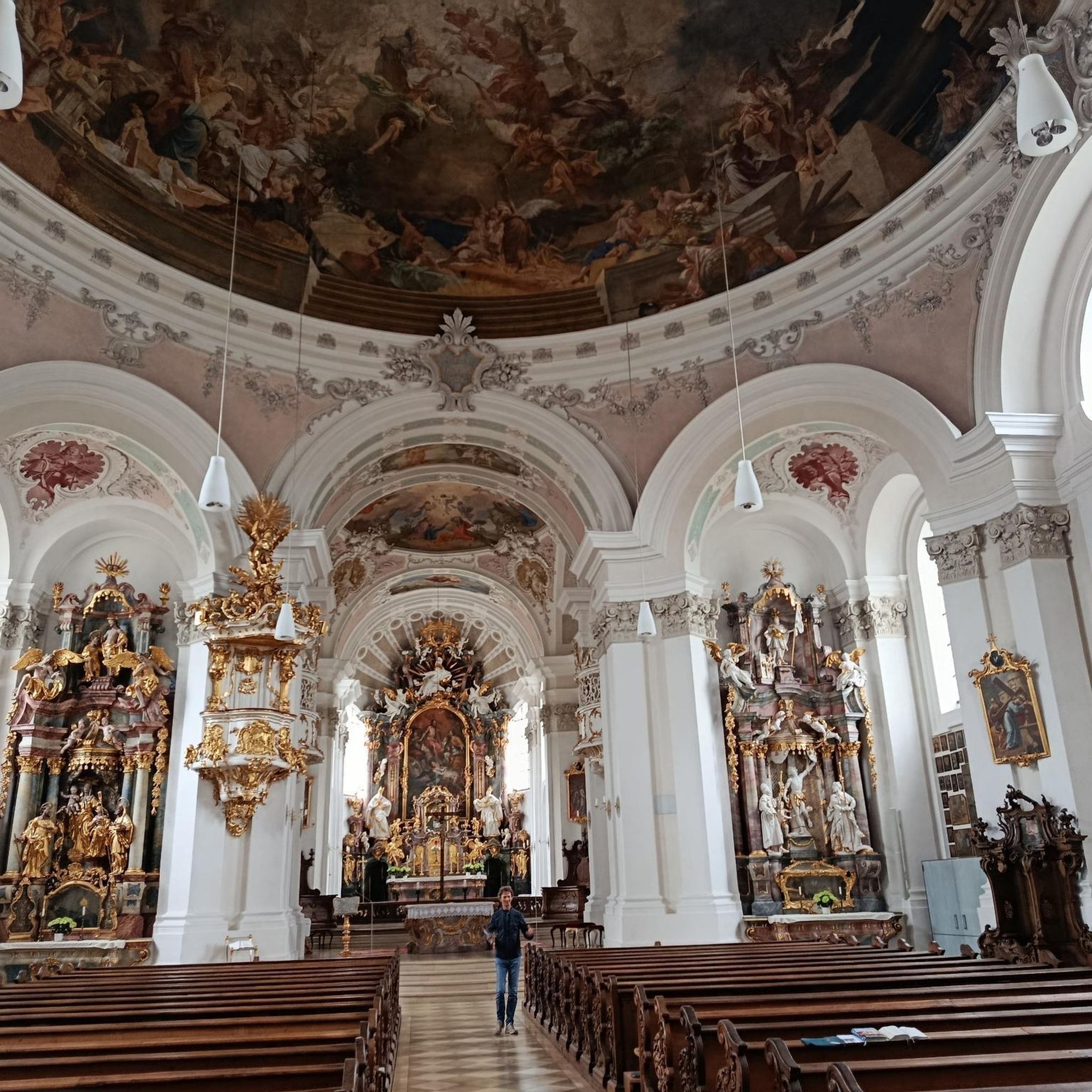

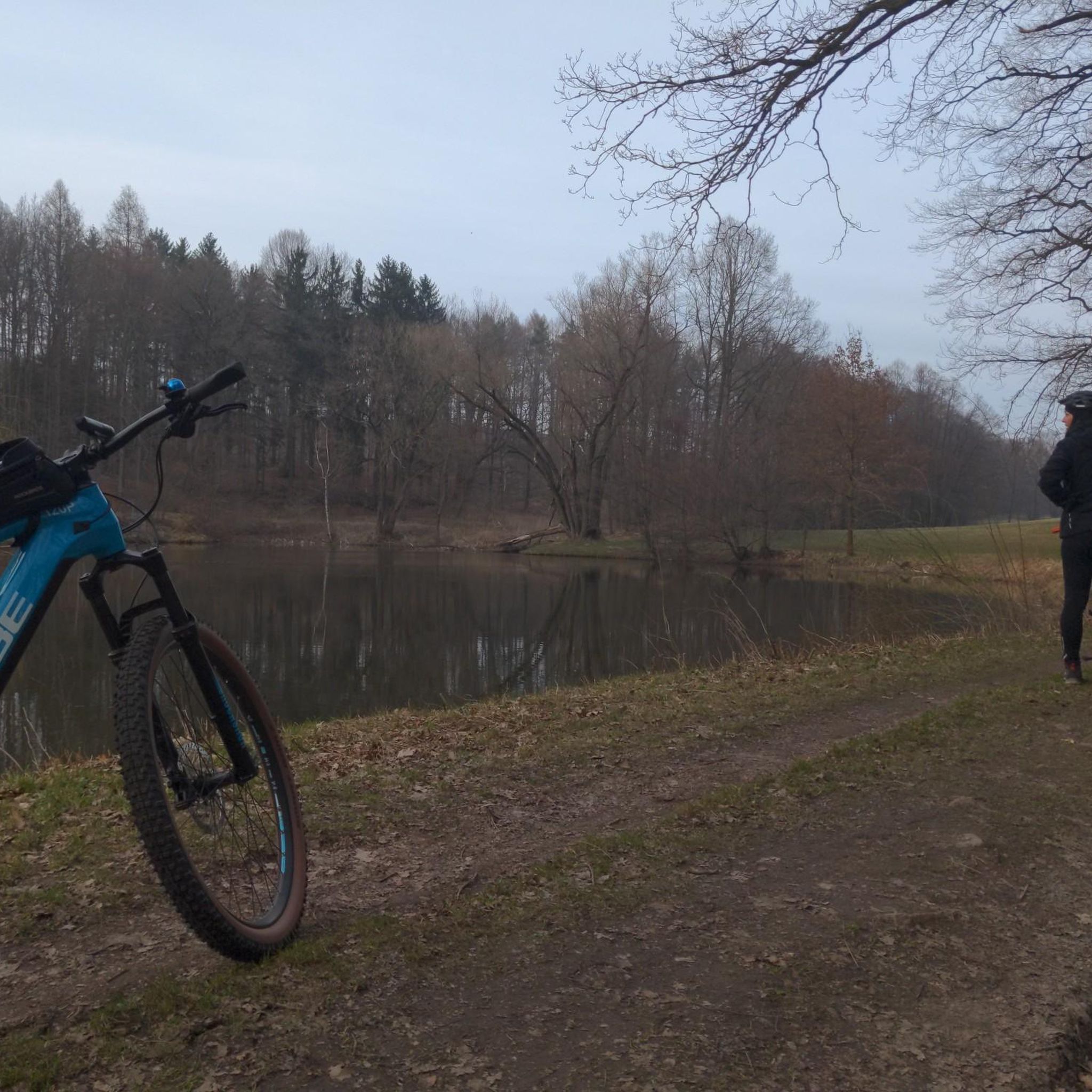


Tips from the Community

The Gateys National Cemetery is a French military cemetery located in Saint-Nicolas-des-Bois. . Address: 81 L'Ermitage, 61250 Saint-Nicolas-des-Bois . This memorial, located in the heart of the Écouves Forest, contains the graves of 19 soldiers of General Leclerc's 2nd Armored Division (DB), who died for France during the fighting for the liberation of Alençon and the Orne department in August 1944. . The cemetery was inaugurated on August 15, 1989. The remains of the soldiers, initially buried in various municipal cemeteries in the Orne department, were grouped together there. Latin crosses, Muslim headstones, and Stars of David are found there, reflecting the diverse origins of the soldiers of the 2nd Armored Division.
0
0

Perhaps the small botanical problem only exists in the German translation that the komoot system displays via Google, but: The highlight name refers to an "oak," but the text then refers to a "mammoth tree." But aside from this minor linguistic confusion, a beautiful carving can be found at this point in the forest.
0
0

Very pretty place, nicely designed. Unfortunately, it's overcrowded with tourists. Perhaps a good stop on a hike.
0
0
Very nice little place, nicely designed with lots of flowers.
0
0
Perhaps the small botanical problem only exists in the German translation that the komoot system displays via Google, but: The highlight name refers to an "oak," but the text then refers to a "mammoth tree." But aside from this minor linguistic confusion, a beautiful carving can be found at this point in the forest.
0
0
At this central location in the forest—where six streets converge to form an open space—the brightly lit small sacred monument rises above a slab and a small stone base. The simply crafted wooden cross (without a body) bearing the name "La Croix Madame" is painted white, forming a radiant centerpiece in the middle of the forest.
0
0

very varied and pleasant hike
0
0

2 perforations visible on the 12th photo of the Sherman M4A2 "Valois"
0
0
Frequently Asked Questions
What is the general difficulty level of touring cycling routes in Bérus?
Bérus offers a diverse range of touring cycling routes suitable for various skill levels. You'll find a good mix of easy, moderate, and difficult trails. Specifically, there are over 50 easy routes, around 100 moderate routes, and nearly 40 difficult routes available.
Are there routes suitable for beginners or families in Bérus?
Yes, Bérus has over 50 easy touring cycling routes that are well-suited for beginners or families looking for a more relaxed ride. These routes typically feature gentler gradients and allow for a leisurely exploration of the countryside and historic towns.
What are the typical distances of touring cycling routes in Bérus?
The routes in Bérus vary significantly in length. For example, the Château de Fresnay-sur-Sarthe – Vaud Castle loop from Bérus is about 36.5 miles (58.7 km), while the challenging Saint-Léonard-des-Bois – Château de Fresnay-sur-Sarthe loop from Mieuxcé extends to 52.5 miles (84.4 km).
When is the best time of year for touring cycling in Bérus?
The rolling countryside and river valleys of Bérus are particularly enjoyable for touring cycling from spring through early autumn (April to October). During these months, the weather is generally mild, and the landscapes are vibrant, making for pleasant riding conditions. Summer offers longer daylight hours, while spring and autumn provide cooler temperatures and beautiful foliage.
Are there any circular touring cycling routes in Bérus?
Yes, many touring cycling routes in Bérus are designed as loops, allowing you to start and end at the same point. An example is the Saint-Céneri-le-Gérei – Saint-Céneri-le-Gérei Bridge loop from Gesnes-le-Gandelin, which is a difficult 30.2 miles (48.6 km) route.
What kind of scenery can I expect on touring cycling routes around Bérus?
Touring cycling around Bérus offers a blend of picturesque landscapes. You'll encounter rolling countryside, tranquil river valleys, and charming historic towns. Many routes also pass by notable landmarks such as castles and basilicas, providing a rich cultural and natural experience.
What historical sites or attractions can I see along the touring cycling routes?
The region is rich in history and offers several interesting sites. You might pass by the impressive Château de Fresnay-sur-Sarthe, the historic settlement of Saint-Cénéri-le-Gérei, or the grand Castle of the Dukes of Alençon. Other points of interest include the Saint Mathurin Gate and Chapel and the Corn Exchange.
Are there challenging routes for experienced touring cyclists in Bérus?
Absolutely. For experienced touring cyclists seeking a challenge, Bérus offers nearly 40 difficult routes. These often feature significant elevation gains and longer distances. An example is the Saint-Léonard-des-Bois – Castle of the Dukes of Alençon loop from Mieuxcé, a 32.5 miles (52.4 km) trail with over 500 meters of elevation gain.
What do other touring cyclists enjoy the most about touring cycling in Bérus?
The area is highly rated by the komoot community, with an average score of 4.2 stars from over 170 reviews. Reviewers often praise the varied terrain, the blend of natural beauty with historic landmarks, and the well-maintained network of routes that cater to different abilities.
Is parking available near the touring cycling routes in Bérus?
While specific parking information for every trailhead isn't provided, most starting points in and around Bérus, especially in towns and villages, offer public parking options. It's advisable to check local parking availability for your chosen starting location before your ride.
Can I find places to stop for refreshments or food along the touring cycling routes?
Given that many routes pass through or near historic towns and villages, you will likely find opportunities for refreshments. These areas often have local cafes, bakeries, or small restaurants where you can take a break and refuel during your ride.
Most popular attractions around Bérus

Get inspired with the komoot mobile app


Explore more
Browse the best Cycling routes in other regions.
